


Durable Mesh for Bottom of Fence – Choices & Tips from an Industry Pro
Choosing the Right Mesh for the Bottom of Your Fence
After spending over a decade in the industrial equipment sector, I’ve seen countless fence installations — and one small but mighty detail often gets overlooked: the mesh at the bottom of the fence. It’s that unsung hero, quietly working to keep critters out, support the structure, and prevent soil erosion. Frankly, it feels like the “silent guard” of any fencing setup.
In real terms, the bottom fence mesh plays a critical role in everything from pet containment to security fencing. Oddly enough, not all meshes are created equal, and the choice you make can really impact long-term durability and maintenance costs. You know, in outdoor industrial or agricultural applications, weathering, rust, and pests are constant threats. That’s why strong, corrosion-resistant materials are a must.
Generally, the most common materials for bottom fence mesh are galvanized steel, stainless steel, and sometimes PVC-coated wire. Galvanized steel is a favorite since it offers solid protection against corrosion and is usually affordable. But if you’re in a highly corrosive environment—like near saltwater or chemical plants—stainless steel or heavily coated mesh might be a better bet.
Speaking of design, mesh size and wire gauge can vary quite a bit to suit specific needs. A finer mesh prevents smaller animals from squeezing through but might trap debris, while a coarser mesh offers better airflow (or drainage), which some farmers prefer. I recall working on a farm project where the customer specifically asked for a custom mesh for the bottom of fence with 1/2-inch openings and a heavier gauge; they’d been battling persistent gaps with last year’s setup.
Testing is an interesting topic too. In my experience, you want mesh that’s been through rigorous tensile strength and corrosion resistance testing — usually standards like ASTM or ISO apply here. Those standards help ensure your fence bottom coating won’t deteriorate faster than expected. A quick scan of vendor specs usually reveals which products have certifications, and frankly, it’s a good filter for quality.
| Feature | Options | Notes |
|---|---|---|
| Material | Galvanized Steel, Stainless Steel, PVC Coated | Stainless preferred in corrosive environments |
| Mesh Size | 1/4" - 1", Custom Available | Smaller mesh for rodents, larger for ventilation |
| Wire Gauge | 9 - 14 Gauge | Heavier gauge = stronger but less flexible |
| Coating | Galvanized, PVC, Powder Coating | Increases lifespan outdoors |
| Roll Length | 25 - 100 Feet | Depends on fence size and spec |
Now, selecting the right vendor is also a bit of an art. I’ve worked with a few manufacturers and suppliers, and while pricing is always a factor, you can’t skimp on quality — especially when this mesh faces ground moisture and sometimes even direct soil contact.
| Supplier | Material Options | Customization | Pricing | Lead Time |
|---|---|---|---|---|
| Haotian Mesh | Galvanized, Stainless, PVC Coated | Extensive (mesh size, gauge, coating) | Competitive | 2-4 weeks |
| SteelMasters | Mostly galvanized steel | Limited | Moderate | 3-5 weeks |
| FencePro Supplies | PVC Coated and alloy steel | Moderate | Higher | 1-3 weeks |
It’s always a good idea to ask for samples before committing. I remember a client who initially dismissed bottom fence mesh as “just a detail” but ended up spending more overall refurbishing their fence after choosing lower-grade materials. Lesson learned: that little mesh patch does a lot of heavy lifting long-term.
So, if you’re after durability, ease of installation, and a mesh that truly fits your use case, consider working with a trusted vendor who offers quality customization and certified materials. And, if you want a starting point, mesh for the bottom of fence from Haotian Mesh is definitely worth a look. Their range checks a lot of boxes for industrial and agricultural applications — and sometimes that peace of mind is worth every penny.
In the end, the fence may get the headlines, but the mesh at its bottom is the unsung workhorse you’ll thank later.
References:
1. ASTM International standards on wire mesh
2. Project case notes, industrial fencing 2018–2023
3. Interview with fencing engineers, 2022
-
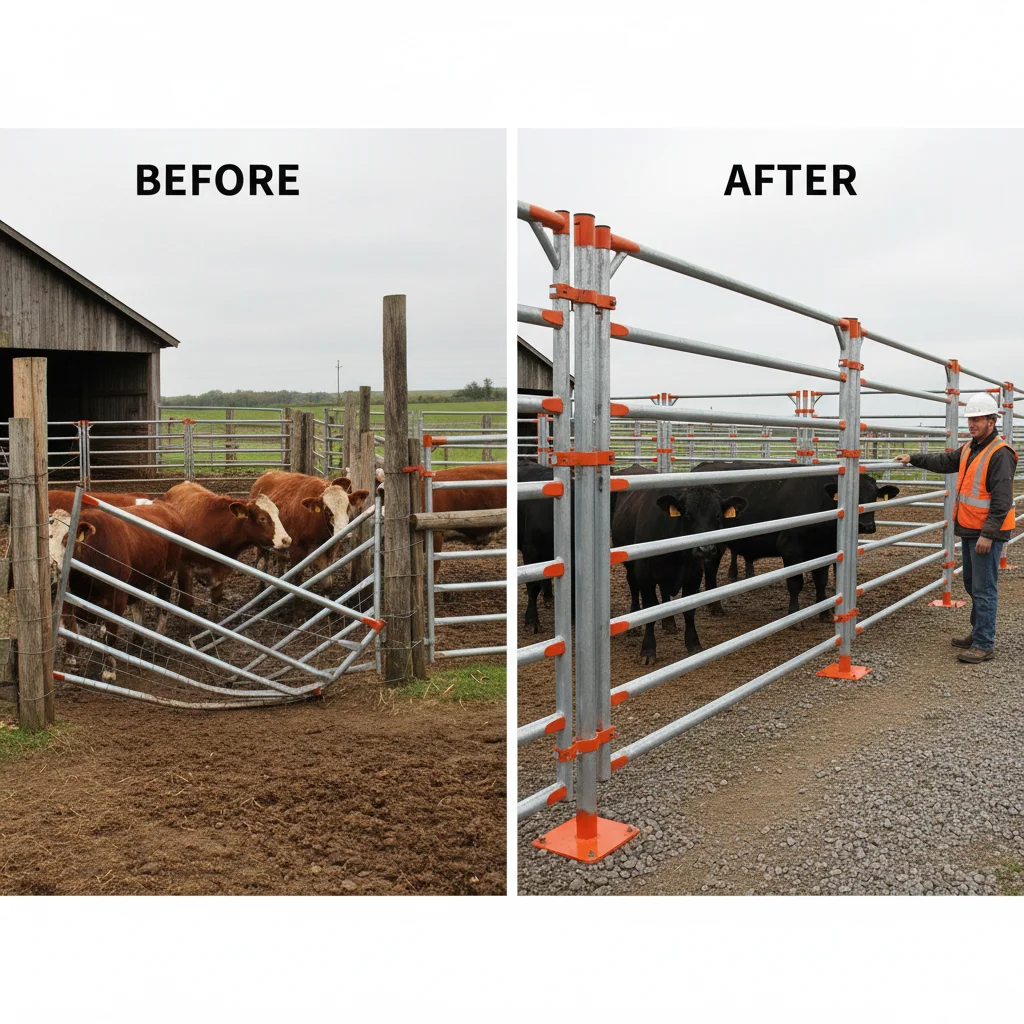
Durable Freestanding Livestock Panels for Efficient Animal Handling In the demanding world of agricultural management, the need for flexible and robust containment solutions has never been more critical. freestanding livestock panels offer a sophisticated answer to the challenges of animal handling, providing a secure yet adaptable barrier that does not require permanent installation or deep grounding. By allowing farmers and ranchers to redefine their spatial layouts in minutes, these panels maximize the efficiency of existing infrastructure while ensuring the safety of both the handlers and the livestock. Read More >26 Apr, 17
-
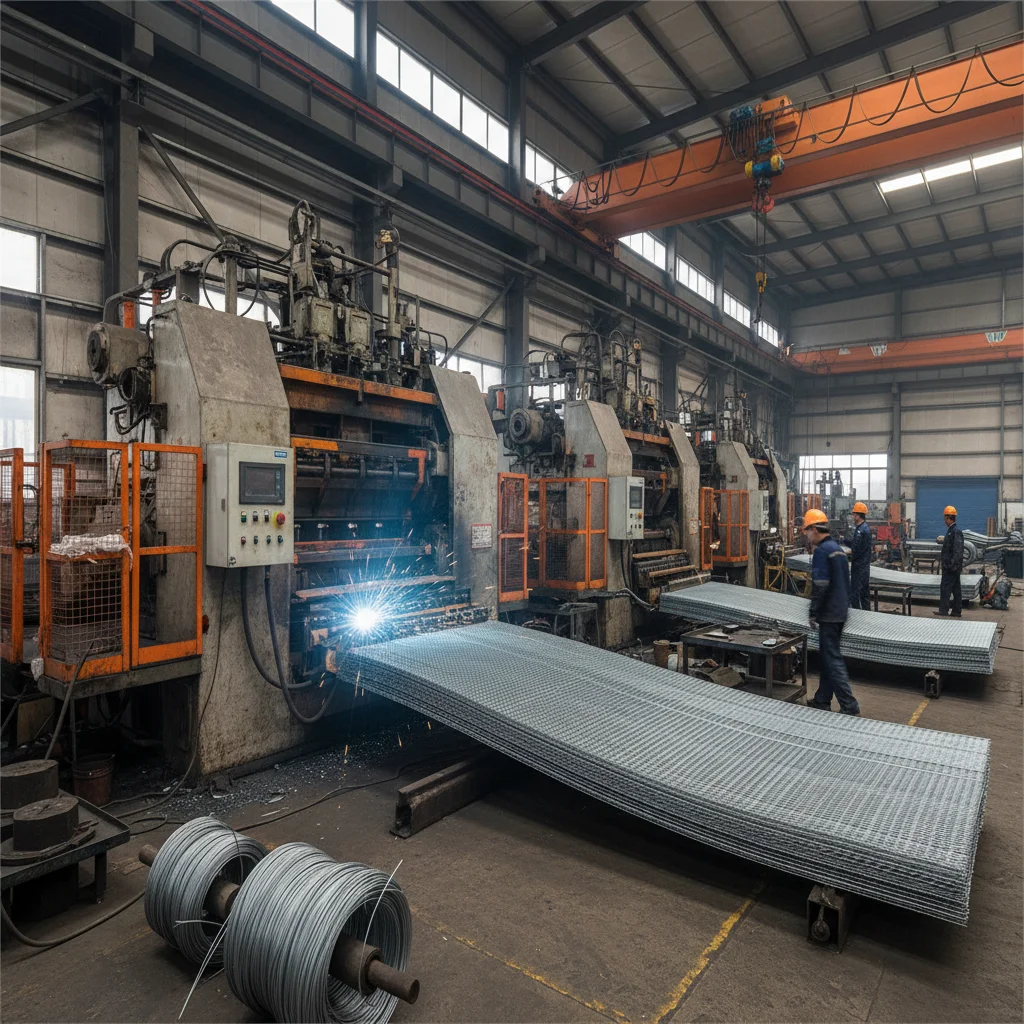
Professional Galvanized Welded Mesh Factory for Industrial Projects Finding a reliable galvanized welded mesh factory is critical for ensuring the structural integrity and longevity of your industrial or agricultural installations. Galvanized welded mesh is prized for its exceptional strength and resistance to corrosion, making it the go-to choice for fencing, animal cages, and construction reinforcement. However, not all factories adhere to the same quality standards. Whether you are sourcing for a large-scale infrastructure project or a specialized commercial application, understanding the manufacturing process and quality benchmarks is key to making a cost-effective investment that lasts for decades. Read More >26 Apr, 16
-
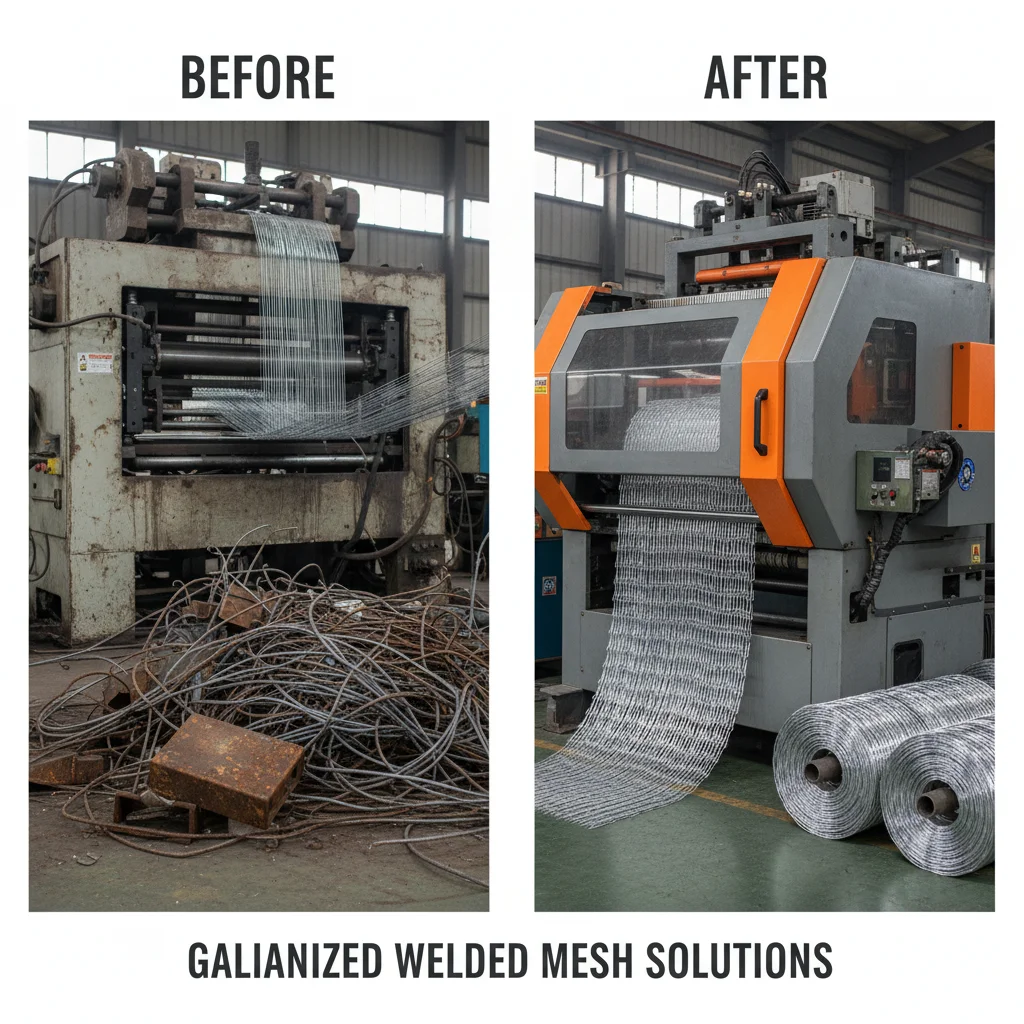
Professional Galvanized Welded Mesh Exporter for Quality Projects Selecting a high-quality fencing or screening solution requires more than just picking a product; it requires partnering with a reliable galvanized welded mesh exporter who understands the balance between structural integrity and corrosion resistance. Whether you are securing an industrial perimeter, building animal enclosures, or implementing architectural reinforcements, the quality of the galvanization process determines the lifespan of your installation. In this guide, we will explore the technical advantages of galvanized welded mesh and how to identify a global supplier that meets international quality standards to ensure your investment stands the test of time. Read More >26 Apr, 09
-
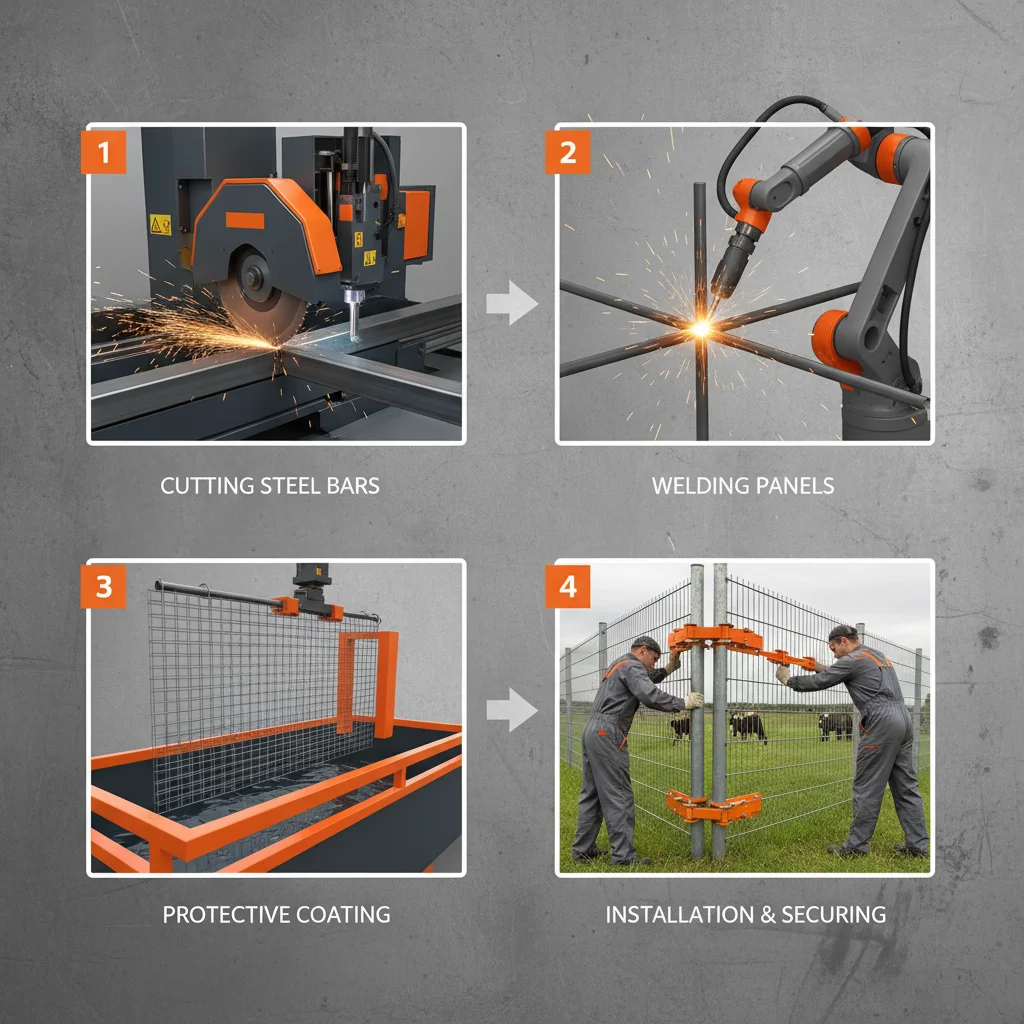
Essential Fencing Panels for Livestock Management and Farm Productivity Fencing panels for livestock are essential components in modern animal husbandry, playing a critical role in efficient farm management, animal welfare, and land utilization. Globally, the demand for robust and reliable fencing solutions is increasing due to the expanding livestock industry and the need to protect grazing lands from encroachment and predation. These panels aren’t simply barriers; they represent a vital investment in a farm's productivity and the health of its animals. Read More >26 Apr, 08
If you are interested in our products, you can choose to leave your information here, and we will be in touch with you shortly.


