


Durable Horse and Cattle Panels for Secure Livestock Management | Haotian Mesh
What Are Horse and Cattle Panels and Why Do They Matter?
At first glance, horse and cattle panels might seem like simple chunks of metal fencing—but they’re actually a vital tool in livestock management worldwide. Whether you’re tending to a few horses in a cozy ranch or running a sprawling cattle operation, the right panels keep animals safe, contained, and stress-free. More than that, these panels represent decades of innovation in agricultural infrastructure, blending durability, efficiency, and adaptability—all key to feeding a growing global population sustainably.
In fact, with the global livestock sector valued at over $1 trillion according to the Food and Agriculture Organization of the United Nations (FAO), managing animals properly is an important piece of the puzzle. The stakes are high—not just for farmers, but for ecosystems, rural economies, and food security. So understanding these panels isn’t just industry jargon; it’s an insight into how we keep systems running smoothly from Kansas pastures to the Australian outback.
The Global Context: Why Horse and Cattle Panels Are Essential
The global demand for livestock products continues to rise. The World Bank reports a steady increase in cattle populations in key regions like South America, Asia, and Africa. But with expansion comes challenges: protecting animals from predators, managing pasture lands efficiently, and facilitating transport and healthcare. Horse and cattle panels help solve many of these issues by providing flexible enclosures that can be quickly erected or rearranged to handle different herd sizes, terrains, or needs.
Oddly enough, despite advances in digital farming and biotechnology, fencing remains one of the most straightforward—and actually high-tech—parts of daily livestock operations. Panels today come in various materials and designs that reflect years of testing for strength, ease of use, and animal welfare considerations. Organizations working in disaster zones or on restoration projects also depend on them for rapid, reliable containment solutions, proving their relevance beyond the farm.
Defining Horse and Cattle Panels: What They Really Are
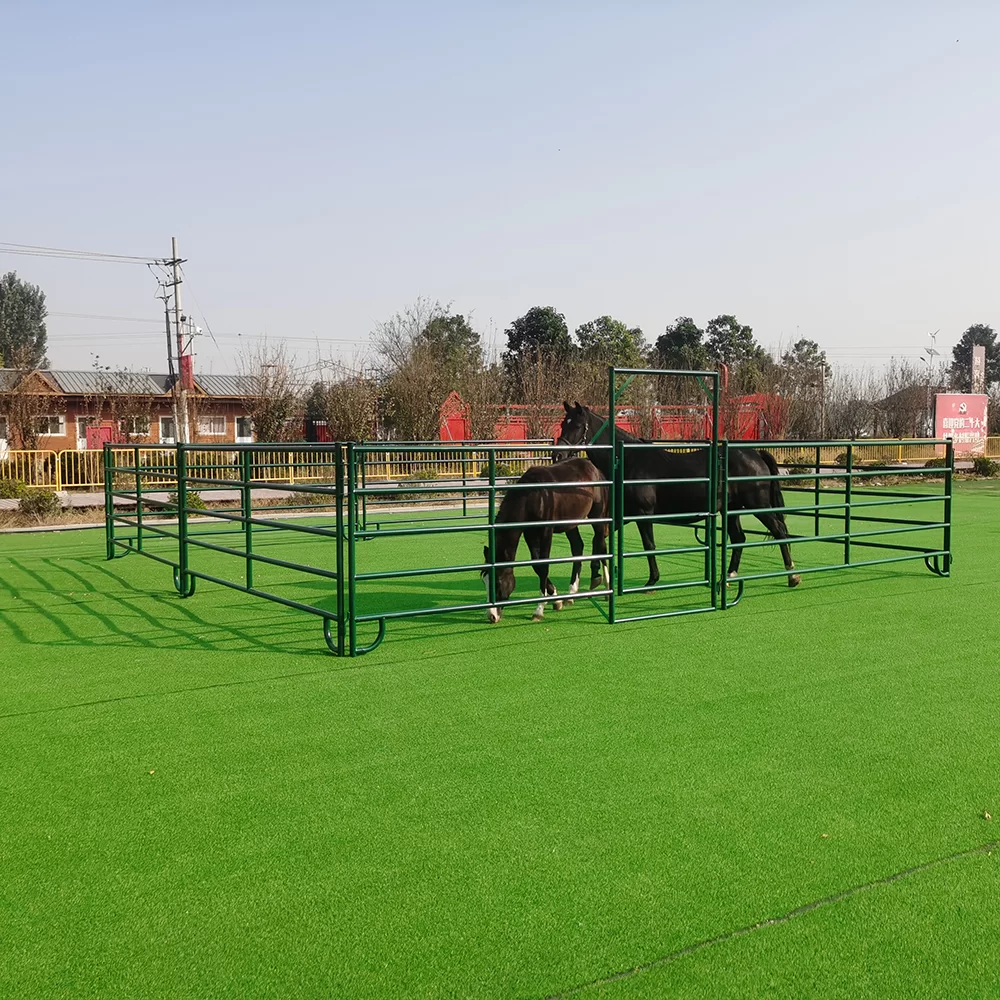
Simply put, horse and cattle panels are modular sections of sturdy fencing designed specifically to contain and protect large animals. Typically made from steel or other heavy-duty metals, these panels interlock or connect easily to form paddocks, chutes, or corrals. Their size, weight, and design reflect the strength required to withstand the pressure of powerful animals like cattle or the curious nudge of horses.
But beyond the metal, these panels serve a bigger purpose: improving animal well-being, reducing escape risks, and simplifying daily farm workflows. They’re the backbone of rotating grazing, veterinary care spaces, and even transportation holding areas. In some cases, they’ve been adapted to humanitarian efforts where livestock plays a role in recovery and local economies.
Key Components That Make Horse and Cattle Panels a Farm Favorite
1. Durability and Material Strength
The core of any panel’s value is how well it holds up against daily use and environmental stress. Most horse and cattle panels are made from galvanized steel to resist rust and corrosion. This means they can last for years, even if exposed to rain, mud, or high humidity.
2. Portability and Ease of Installation
Many farmers, especially those managing rotational grazing systems or smallholdings, prize panels that can be moved and assembled quickly without heavy machinery. Lightweight designs with simple locking mechanisms let a single person reposition fences within minutes.
3. Safety for Animals
Panels are designed to minimize injury risk. Rounded edges, the right bar spacing, and solid welds prevent cuts or limbs getting stuck, all critical when handling nervous or large animals. There's a surprising amount of engineering that goes into ensuring a horse can’t get its hoof caught and a bull can’t easily push through.
4. Customization and Versatility
Lengths, heights, and panel shapes can often be customized. This lets producers tailor solutions for specific breeds or terrains. For example, taller panels might be needed for quick horses, or reinforced sections required in high-traffic areas.
5. Cost Efficiency Over Time
While upfront costs can vary, solid panels are long-term investments. Their durability often outweighs cheaper alternatives that might need frequent replacement or repair. There's also labor saved by their ease of use.
| Feature | Detail |
|---|---|
| Material | Galvanized Steel (often 13 - 14 gauge) |
| Panel Dimensions | Typically 10' length × 5' height (variations available) |
| Weight | Approximately 40-50 lbs per panel |
| Connection Type | Pin-and-socket or clamp fittings for easy assembly |
| Finish | Hot-dip galvanized or powder-coated for weather resistance |
Mini takeaway: Durable, safe, and adaptable — horse and cattle panels embody practical design meeting real-world farm demands.
Global Applications: Where and How These Panels Shine
Across continents and climates, horse and cattle panels are a mainstay in livestock management. In Australia’s vast outback, these panels form flexible corrals to handle moving cattle between grazing rotations. In parts of Africa, NGOs use them to protect cattle during seasonal flooding and reduce disease transmission. In Europe and North America, they’re part of everything from small urban farms to massive feedlots.
Interestingly, in post-disaster relief operations—even on occasion in refugee or displaced-person camps—livestock panels help create temporary enclosures that secure animals vital to local livelihoods. This reflects their versatility beyond just agricultural settings.
Many modern equestrian facilities also rely on these panels, since horses need enclosures that balance strength and gentle tactile qualities. And with growing interest in sustainable and diversified farming, more industries are exploring modular fencing for grazing, breeding, and export preparation.
Advantages & Long-Term Value of Horse and Cattle Panels
- Cost savings: Quality materials reduce replacement frequency and maintenance costs.
- Animal safety: Proper design minimizes injury, reducing veterinary bills and stress.
- Flexibility: Quickly adjustable layouts help farms adapt to seasonal or operational changes.
- Sustainability: Long lifespan and recyclable metals align with eco-conscious farming practices.
- Trust and peace of mind: Farmers sleep better knowing livestock are securely contained.
In real terms, it’s not just a fence. It’s about balancing economics, animal welfare, and operational ease. Like I always say, it’s one of those simple solutions with outsized impact.
Looking Ahead: Innovations and Emerging Trends
The world of livestock fencing is quietly evolving. New materials like composite alloys and high-density polymers offer even lighter but stronger alternatives. Some manufacturers integrate smart sensors into panels for real-time monitoring of animal movement or fence integrity—no joke, this is happening.
Eco-conscious producers increasingly seek coatings and materials that minimize environmental footprints. Combined with solar-powered lighting or anti-predator deterrents, these panels become part of a digital-enabled, sustainable ranch. Automation also creeps in, where automated gates linked to panels enable hands-free access.
Challenges and How to Overcome Them
Despite their benefits, panels face hurdles. Transporting heavy panels to remote regions can be a logistical headache. Sometimes cheaper, low-grade steel is used, causing premature rust and failure. Animal behavior can stress panels unpredictably—in high-traffic zones, damage occurs fast.
Innovative approaches include modular designs that pack compactly for shipping, corrosion-resistant coatings, and hybrid materials that reduce weight without sacrificing strength. Training animals to use enclosures properly and combining fencing with natural barriers also soften wear and tear.
FAQ: Common Questions About Horse and Cattle Panels
- Q: How do I choose the right type of panel for my herd size?
- A: Consider animal type, behavior, and space needs. Larger breeds require taller, heavier-duty panels. If you rotate grazing frequently, prioritize lightweight, easy-to-move panels. Consulting suppliers on specifics is also helpful.
- Q: Are galvanized panels safe for animals with sensitive skin?
- A: Generally, yes. Galvanized steel is coated to prevent rust and corrosion. However, it’s good practice to inspect panels regularly for sharp edges or wear that could irritate sensitive skin.
- Q: Can horse and cattle panels be used together in mixed farms?
- A: Absolutely. Modular designs typically allow mixing panel sizes and shapes to safely accommodate different species side by side.
- Q: How long do typical cattle panels last outdoors?
- A: With proper hot-dip galvanizing and maintenance, panels can last 10-20+ years. Environmental factors and usage intensity influence lifespan.
- Q: Can these panels be customized with company logos or colors?
- A: Many vendors offer powder coating in various colors and even branding options — great for commercial operations wanting visual identity.
| Vendor | Material Quality | Customization Options | Price Range (per panel) | Shipping Regions |
|---|---|---|---|---|
| Haotian Mesh | Hot-dip galvanized steel, 14 gauge | Color powder coating, logos, bespoke sizes | $50 - $70 | Global, including remote delivery |
| Livestock Equip Inc. | Galvanized steel, 13 gauge | Limited colors, standard sizing | $45 - $65 | North America, EU |
| Global Farm Solutions | Powder-coated steel with anti-rust finish | Custom sizes, some branding | $60 - $80 | Worldwide |
Mini takeaway: Picking the right vendor balances quality, cost, and location. For sure, Haotian Mesh stands out for global reach and customization.
Wrapping Up: Why Horse and Cattle Panels Deserve Your Attention
In the grand scheme of farming and animal husbandry, horse and cattle panels might not be the flashiest part of the operation—but they’re absolutely foundational. They solve real problems: securing livestock, simplifying daily labor, and safeguarding animal health. Over time, their role becomes almost invisible—just quietly doing their job. That, I suppose, is the hallmark of good design.
If you’re looking to upgrade your infrastructure, or simply curious about practical livestock solutions, consider exploring more at Haotian Mesh. They bring real-world expertise, quality materials, and flexible options to the table.
References:
-
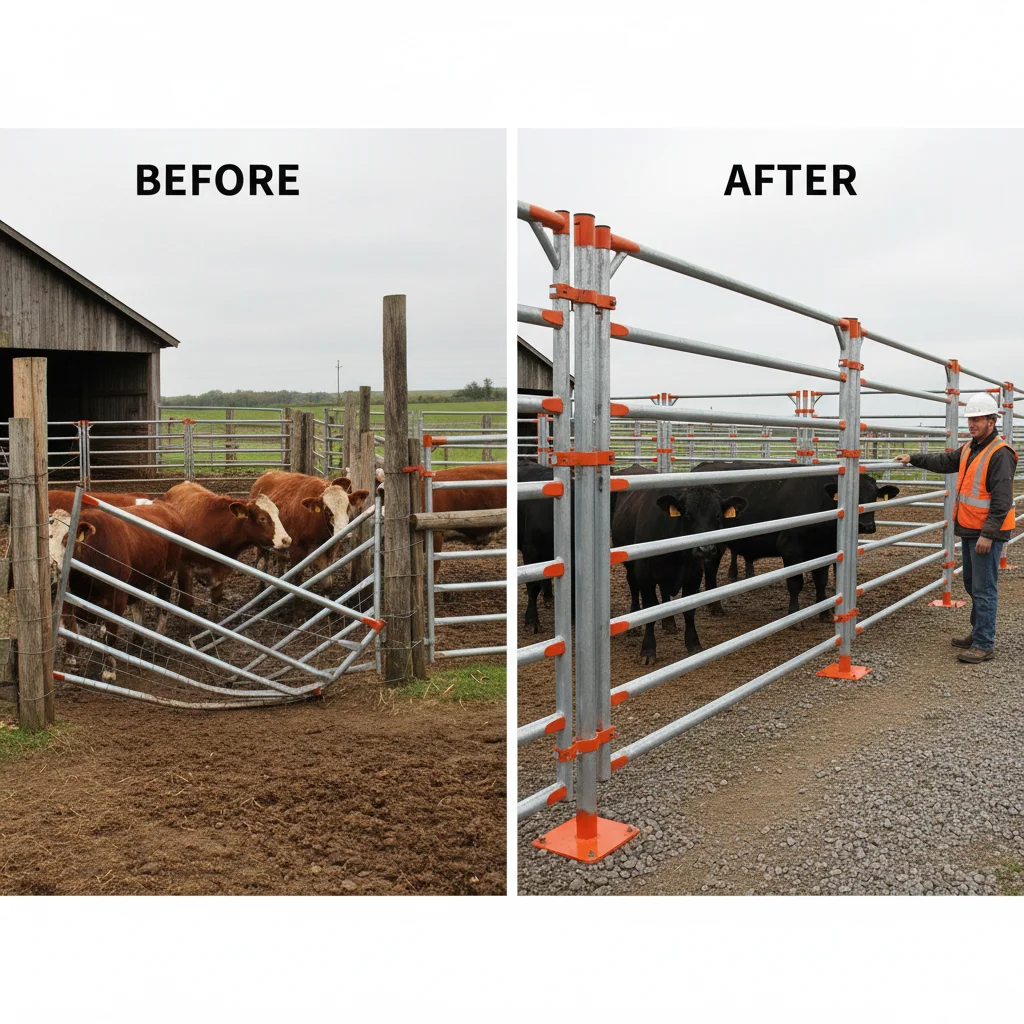
Durable Freestanding Livestock Panels for Efficient Animal Handling In the demanding world of agricultural management, the need for flexible and robust containment solutions has never been more critical. freestanding livestock panels offer a sophisticated answer to the challenges of animal handling, providing a secure yet adaptable barrier that does not require permanent installation or deep grounding. By allowing farmers and ranchers to redefine their spatial layouts in minutes, these panels maximize the efficiency of existing infrastructure while ensuring the safety of both the handlers and the livestock. Read More >26 Apr, 17
-
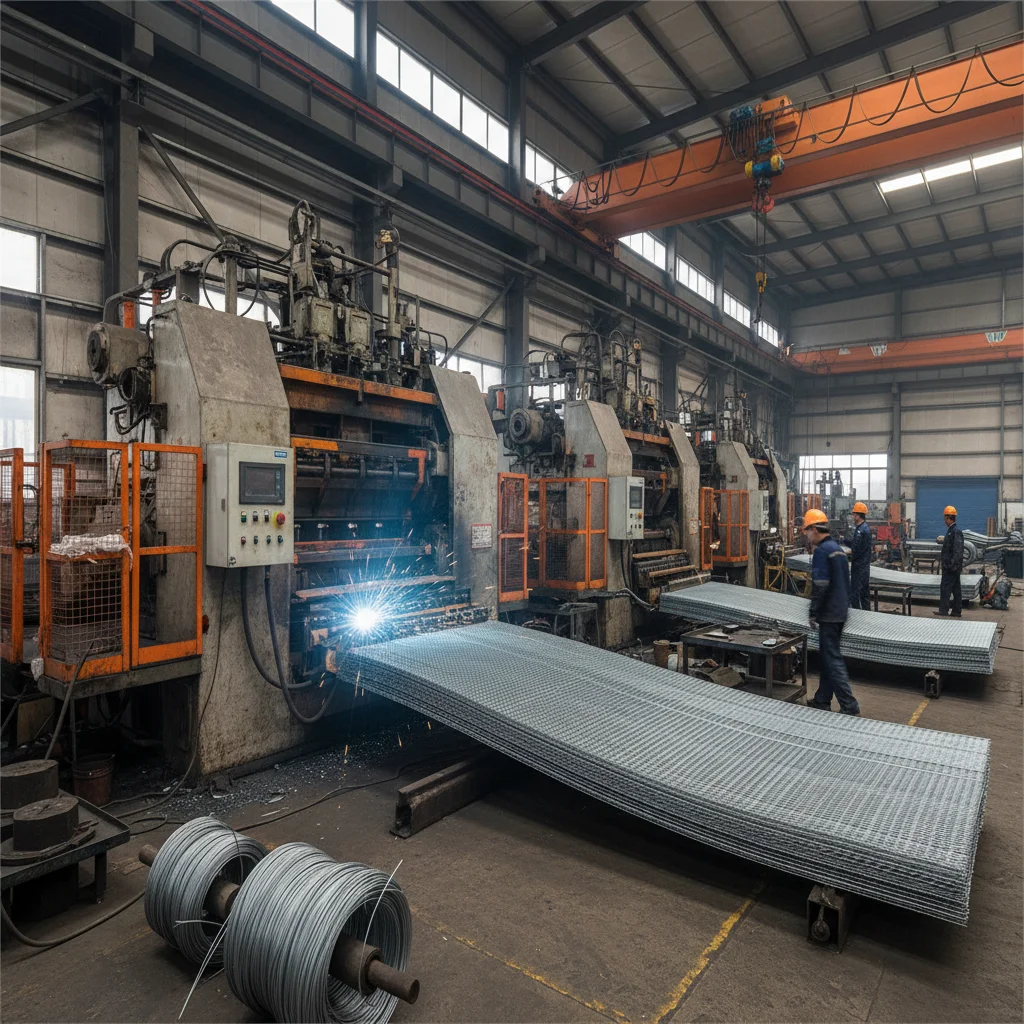
Professional Galvanized Welded Mesh Factory for Industrial Projects Finding a reliable galvanized welded mesh factory is critical for ensuring the structural integrity and longevity of your industrial or agricultural installations. Galvanized welded mesh is prized for its exceptional strength and resistance to corrosion, making it the go-to choice for fencing, animal cages, and construction reinforcement. However, not all factories adhere to the same quality standards. Whether you are sourcing for a large-scale infrastructure project or a specialized commercial application, understanding the manufacturing process and quality benchmarks is key to making a cost-effective investment that lasts for decades. Read More >26 Apr, 16
-
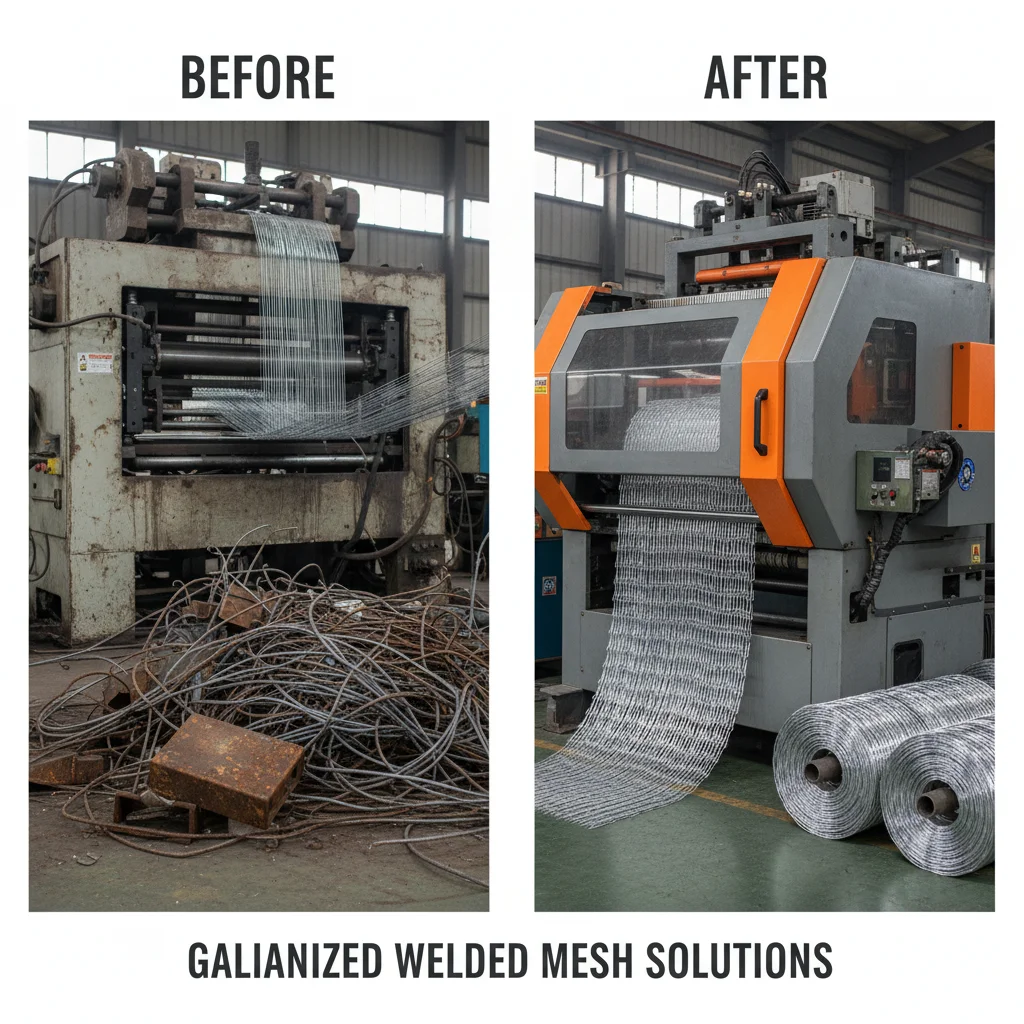
Professional Galvanized Welded Mesh Exporter for Quality Projects Selecting a high-quality fencing or screening solution requires more than just picking a product; it requires partnering with a reliable galvanized welded mesh exporter who understands the balance between structural integrity and corrosion resistance. Whether you are securing an industrial perimeter, building animal enclosures, or implementing architectural reinforcements, the quality of the galvanization process determines the lifespan of your installation. In this guide, we will explore the technical advantages of galvanized welded mesh and how to identify a global supplier that meets international quality standards to ensure your investment stands the test of time. Read More >26 Apr, 09
-
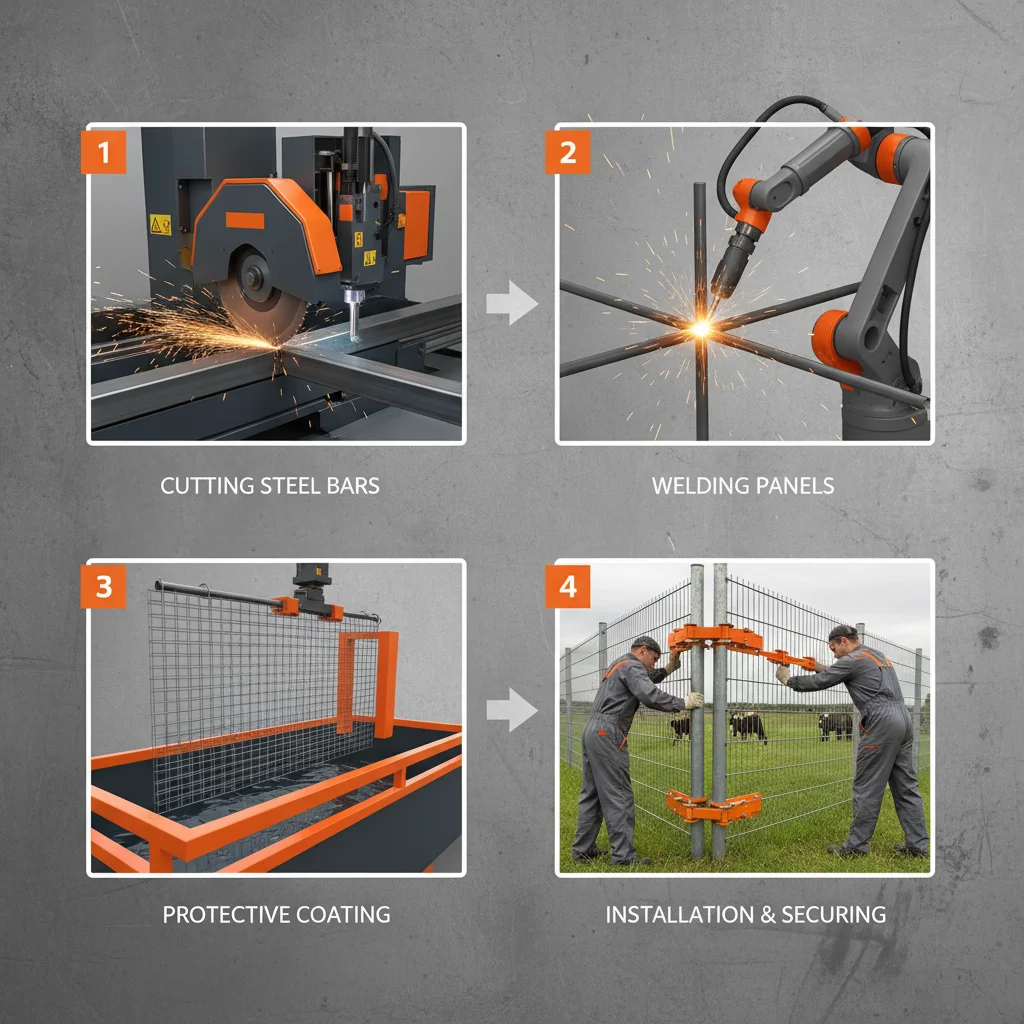
Essential Fencing Panels for Livestock Management and Farm Productivity Fencing panels for livestock are essential components in modern animal husbandry, playing a critical role in efficient farm management, animal welfare, and land utilization. Globally, the demand for robust and reliable fencing solutions is increasing due to the expanding livestock industry and the need to protect grazing lands from encroachment and predation. These panels aren’t simply barriers; they represent a vital investment in a farm's productivity and the health of its animals. Read More >26 Apr, 08
If you are interested in our products, you can choose to leave your information here, and we will be in touch with you shortly.


