


Durable Cattle Sweep Panels for Efficient Livestock Handling | Haotian Mesh
Getting to Know Cattle Sweep Panels: Why They Matter Across the Globe
If you’ve ever visited a bustling cattle yard or followed modern livestock farming, you might have bumped into cattle sweep panels — those sturdy metal setups guiding cows like silent conductors. But their significance runs far deeper than just organizing livestock. Globally, these panels help improve animal welfare, streamline farm management, and support rural economies by facilitating safer and more efficient handling of cattle. Understanding them isn’t just for ranchers; it’s a key part of sustainable agriculture and food security worldwide.
With the world’s population predicted to hit nearly 10 billion by 2050 (UN), increasing demand for meat and dairy puts a spotlight on smarter, humane cattle management systems. That’s where cattle sweep panels come in.
The Wider Picture: Why Cattle Sweep Panels Are Critical Worldwide
Industry data shows livestock farming accounts for roughly 40% of global agricultural GDP (World Bank). Yet, inefficient cattle handling isn’t just an economic leak — it’s a welfare and safety issue. Mishandling risks injury to both animals and workers, and poorly managed cattle handling often results in stress, which impacts meat quality and yields.
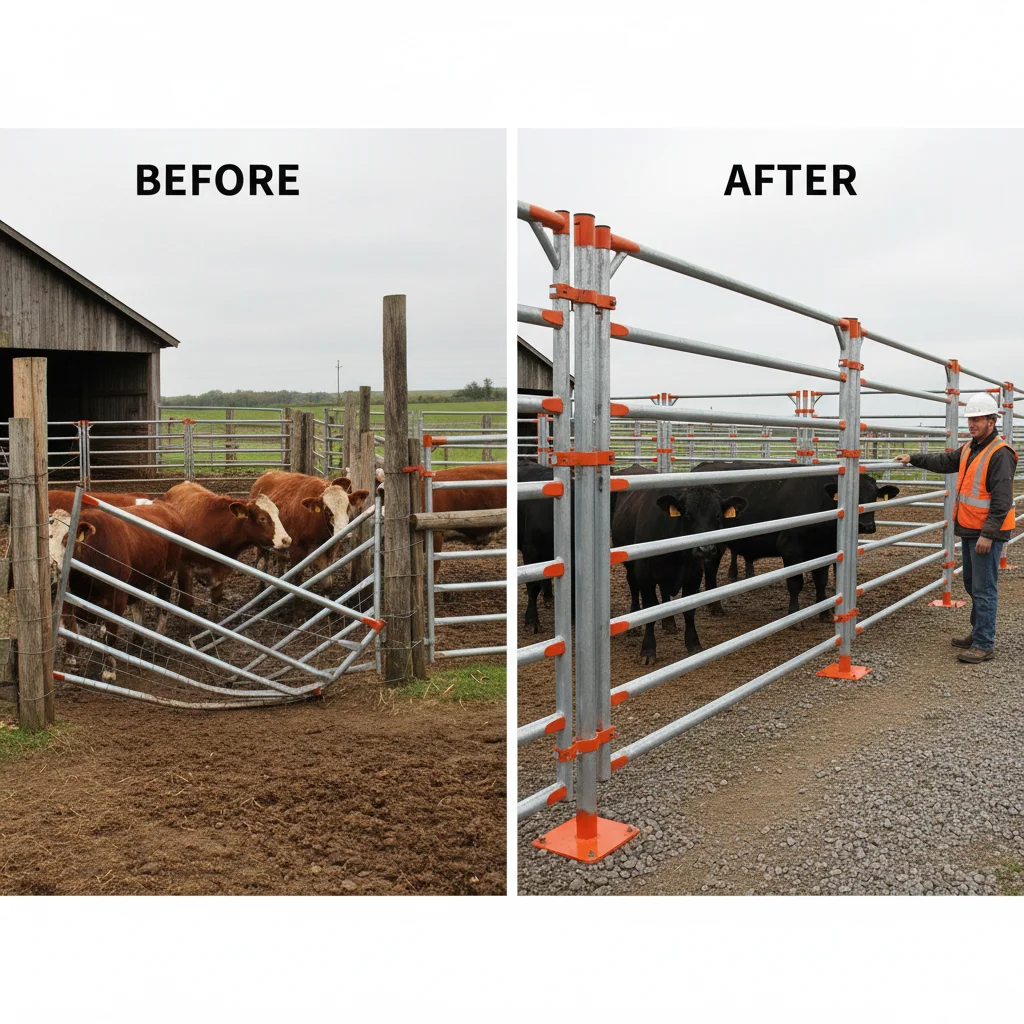
Enter cattle sweep panels: These steel or aluminum barriers form curved, flowing lanes that encourage cattle to move calmly in one direction, exploiting their herd behavior instinctively. By doing so, they reduce the need for force or prodding, cutting stress and chaos.
Industries from dairy farms in Europe, beef feedlots in North America, to growing cattle markets in South America and Africa rely on these panels as a frontline solution to a core challenge: how to handle ever-larger herds safely and efficiently.
What Exactly Are Cattle Sweep Panels?
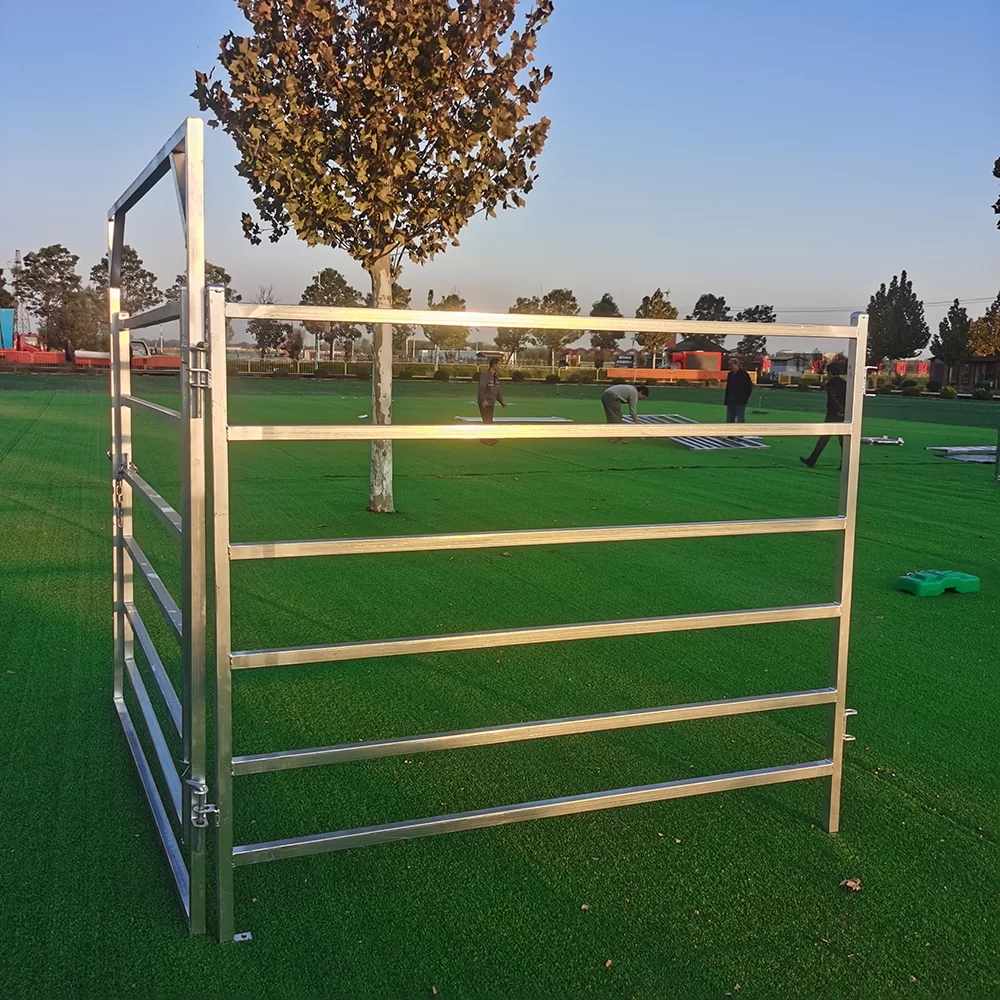
Think of cattle sweep panels as modular, curved fencing systems designed specifically to guide and control cattle movement. Unlike straight fences, their shape tends to form a natural funnel or circular race to lead cattle from holding pens into chutes or trucks smoothly and safely. They are typically constructed from galvanized steel or aluminum to withstand rough use and weather.
They are indispensable in modern livestock management — essential in auctions, feedlots, slaughterhouses, and veterinary clinics — reflecting a blend of engineering and animal behavior science. Beyond farming, humanitarian groups sometimes employ these panels in post-disaster regions to manage displaced stock efficiently.
Key Features of Cattle Sweep Panels
Durability and Material Quality
Most panels use galvanized steel with powder-coated finishes to resist rust and damage from heavy use, rain, or mud. Some advanced models feature vinyl coatings for extra longevity and safety.
Modularity and Scalability
Panels are usually modular, allowing farms to reconfigure layouts depending on the herd size or task at hand. This flexibility helps farmers adapt quickly, whether moving a small group or managing hundreds.
Ergonomic Design for Animal Flow
The curved designs leverage cattle’s natural instinct to follow curves, reducing bottlenecks and stress. Angled panels and rounded shapes imitate cattle’s herd movement, minimizing panic or balking.
Safety Enhancements
Includes smooth rails, rounded edges, and anti-slip flooring options when integrating into a system. All to protect both animals and handlers during the hustle of sorting, vaccinations, or transport loading.
Cost Efficiency
While initial costs vary, many systems save money long-term by reducing labor needs and losses from injured cattle or damaged equipment.
Mini takeaway:
Cattle sweep panels aren’t just barriers; they’re thoughtfully engineered systems that balance durability, flexibility, and animal behavior to improve everyday livestock management.
Where in the World Are Cattle Sweep Panels Making a Difference?
Oddly enough, you’ll find these panels everywhere cattle roam — but usage varies. In Australia’s vast outback stations, sweep panels help manage cattle walkways over tens of kilometers, facilitating mustering with fewer workers. Meanwhile, South American feedlots prioritize heavy-duty steel panels to endure high densities and tropical climates.
Post-disaster zones in Sub-Saharan Africa sometimes employ portable cattle sweep panels to quickly rebuild livestock handling infrastructure — a crucial step in restoring rural livelihoods. NGOs have reported fewer injuries and faster animal recovery times thanks to these solutions.
Industrial meat processors in Europe and North America often combine these panels with automated sorting and weighing tech, showing how traditional panels evolve alongside smart farming.
Mini takeaway:
The adaptability of cattle sweep panels makes them a global staple — from remote ranches to high-tech processing centers and relief operations alike.
Advantages & Long-Term Value of Cattle Sweep Panels
- Animal Welfare: Reduced stress and injury leads to healthier herds and better productivity.
- Cost Savings: Less labor, fewer cattle losses, and durable materials lower the total cost of ownership.
- Safety: Better design means fewer accidents among handlers, a big plus in rugged agricultural environments.
- Sustainability: Durable, weather-resistant materials and the potential for recyclability contribute to greener operations.
- Reliability: Panels that last many years, even under heavy daily use, make these systems a trusted backbone for livestock management.
Exploring the Technical Specs
| Feature | Specification | Remarks |
|---|---|---|
| Material | Galvanized Steel / Aluminum | Corrosion-resistant for outdoor use |
| Panel Length | 2.4 m (8 ft) | Standard length for modular setups |
| Height | 1.5 m (5 ft) | Prevents cattle jumping |
| Weight | Approx. 40 kg (88 lbs) | Manageable for assembly with few laborers |
| Finish | Powder coated or vinyl covered | Enhanced durability and aesthetics |
How Do Vendors Stack Up? A Quick Comparison
| Vendor | Material Options | Customization | Delivery Speed | Price Range |
|---|---|---|---|---|
| Haotian Mesh | Galvanized Steel, Aluminum | High (custom lengths/curves) | 3-5 weeks | $$$ |
| RanchPro Supplies | Steel only | Medium (standard curves) | 2-4 weeks | $$ |
| AgriPanel Co. | Aluminum, Vinyl-coated | Low (fixed designs) | 4-6 weeks | $$$ |
Looking Ahead: What’s Next for Cattle Sweep Panels?
Innovation is swirling around these panels, I noticed. New materials like composite polymers aim to cut weight dramatically while keeping strength and durability. Imagine modular sweep panels that are lighter, easier to move, and still rugged enough for daily farm life.
Also, integration with digital sensors — tracking animal movement and stress indicators — hints at a future where panels aren’t just passive boundaries but active participants in smart farming systems. AI and IoT could transform how cattle handling is managed, making it safer and more precise than ever.
Environmental considerations are driving research into fully recyclable or biodegradable components — not just for the panels themselves but for related infrastructure too.
Common Obstacles and Practical Fixes
Of course, not everything is smooth sailing. Some farms struggle with panels that are heavy or difficult to reposition. Others face challenges with corrosion in very humid or salty environments. But many vendors now offer tailored coatings and lighter alloys to tackle these issues.
Then there’s the price barrier. For smaller farms or developing nations, initial investment may seem steep. Thankfully, leasing options and NGO partnerships increasingly help bridge this gap, distributing durable cattle sweep panels where they’re needed most.
Frequently Asked Questions About Cattle Sweep Panels
Q1: How do cattle sweep panels reduce stress on animals?
A1: The panels leverage cattle’s natural tendency to follow curves and avoid dead ends, guiding them calmly without crowding or sudden stops. This reduces panic and potential injury, leading to smoother movement.
Q2: Can cattle sweep panels be customized for my farm’s needs?
A2: Absolutely. Many suppliers, including Haotian Mesh, offer modular designs with customizable lengths, curves, and finishes to fit various farm layouts and climates.
Q3: What maintenance do these panels require?
A3: Regular inspections for rust, loose fittings, or bending are recommended. Applying protective coatings and cleaning helps extend lifespan significantly, often beyond 10 years with proper care.
Q4: Are cattle sweep panels suitable for all cattle breeds and sizes?
A4: Generally yes, but panel height and strength can be adjusted based on breed size and temperament. Your supplier can advise on specifics to ensure safety and effectiveness.
Q5: How quickly can I get panels delivered and installed?
A5: Delivery times vary by vendor and customization, but typical lead times range from 2 to 6 weeks. Installation can be fairly quick, especially with modular systems that don’t require heavy machinery.
Wrapping It Up
Cattle sweep panels might seem like simple livestock fencing at first glance, but they’re anything but ordinary. They’re a smart, humane, and economically sound solution that’s helping farms worldwide meet the demands of the future — all while keeping animals safer and farmers’ workloads lighter. For anyone serious about livestock management, these panels are worth considering.
If you’re curious and want to explore quality options, be sure to check out Haotian Mesh — they specialize in durable and customizable cattle sweep panel solutions.
References
-
Durable Freestanding Livestock Panels for Efficient Animal Handling In the demanding world of agricultural management, the need for flexible and robust containment solutions has never been more critical. freestanding livestock panels offer a sophisticated answer to the challenges of animal handling, providing a secure yet adaptable barrier that does not require permanent installation or deep grounding. By allowing farmers and ranchers to redefine their spatial layouts in minutes, these panels maximize the efficiency of existing infrastructure while ensuring the safety of both the handlers and the livestock. Read More >26 Apr, 17
-
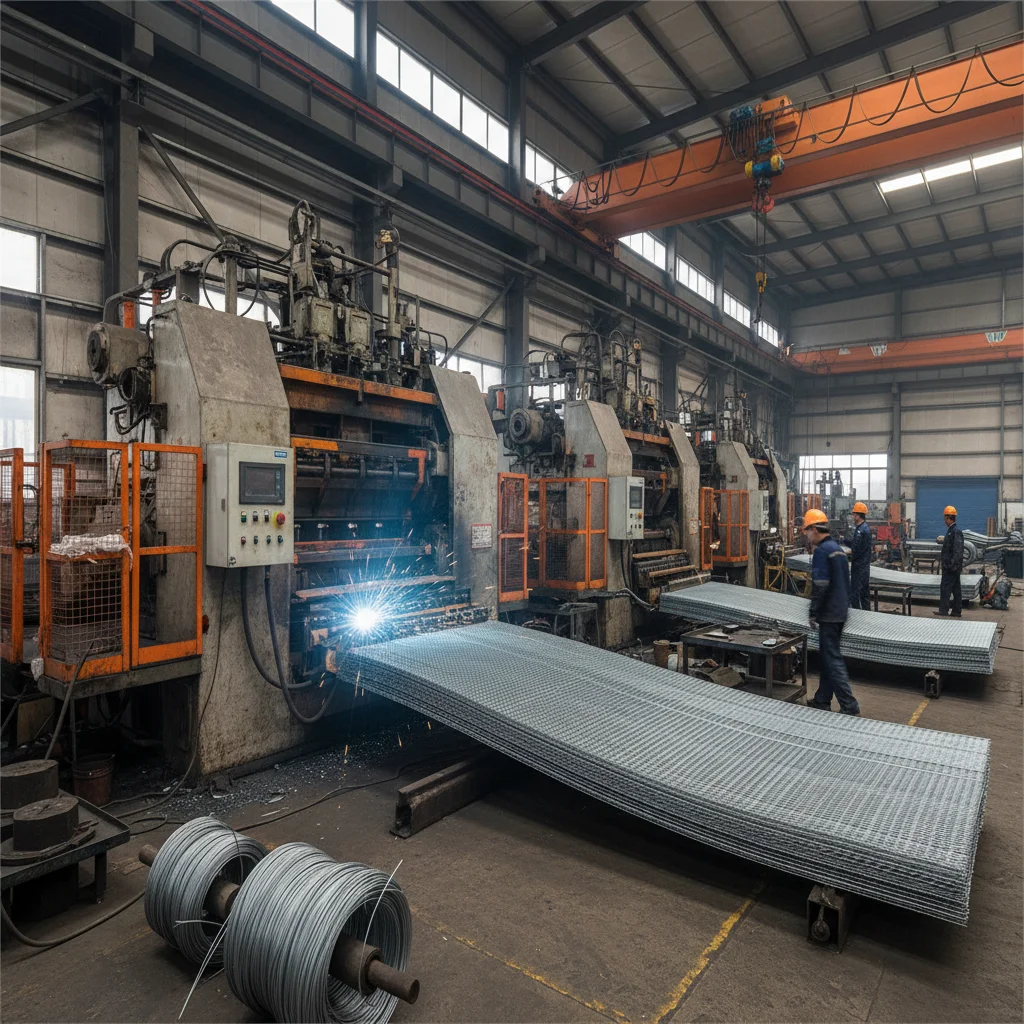
Professional Galvanized Welded Mesh Factory for Industrial Projects Finding a reliable galvanized welded mesh factory is critical for ensuring the structural integrity and longevity of your industrial or agricultural installations. Galvanized welded mesh is prized for its exceptional strength and resistance to corrosion, making it the go-to choice for fencing, animal cages, and construction reinforcement. However, not all factories adhere to the same quality standards. Whether you are sourcing for a large-scale infrastructure project or a specialized commercial application, understanding the manufacturing process and quality benchmarks is key to making a cost-effective investment that lasts for decades. Read More >26 Apr, 16
-
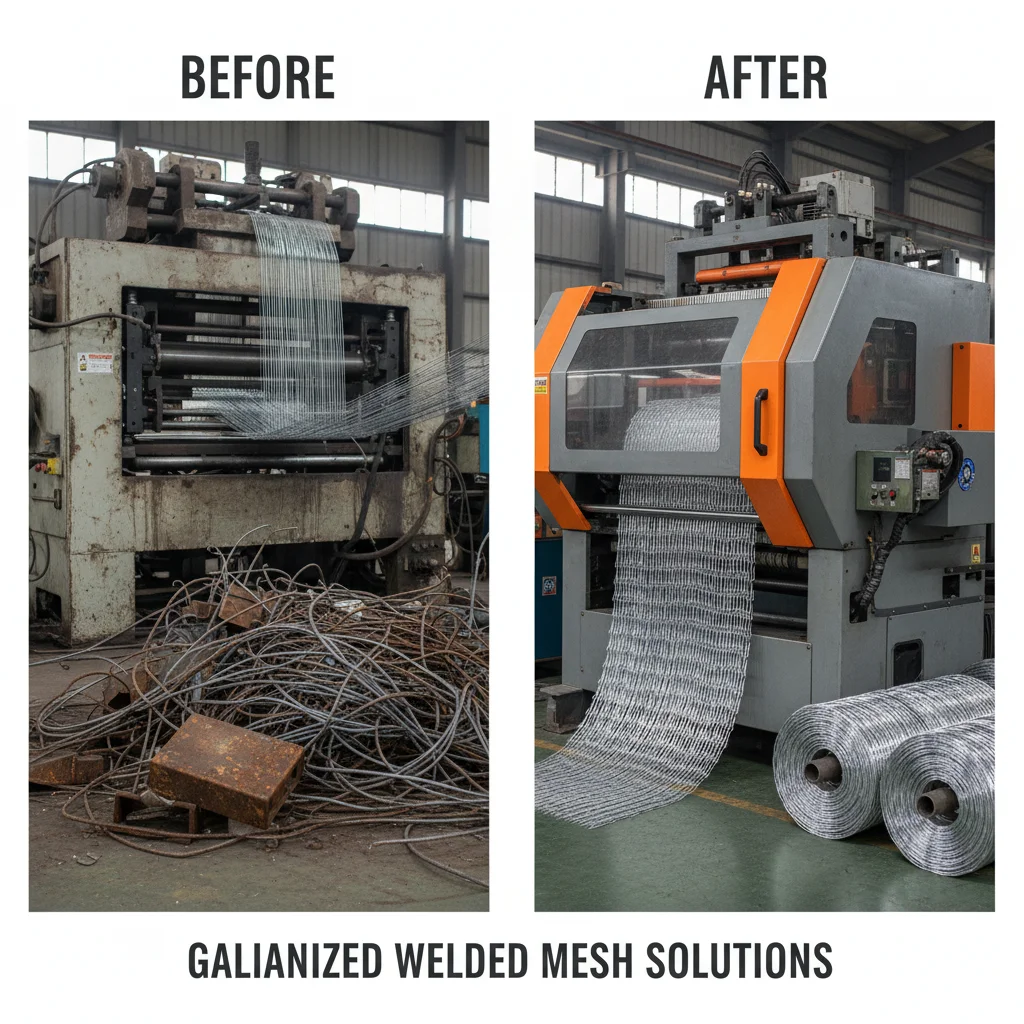
Professional Galvanized Welded Mesh Exporter for Quality Projects Selecting a high-quality fencing or screening solution requires more than just picking a product; it requires partnering with a reliable galvanized welded mesh exporter who understands the balance between structural integrity and corrosion resistance. Whether you are securing an industrial perimeter, building animal enclosures, or implementing architectural reinforcements, the quality of the galvanization process determines the lifespan of your installation. In this guide, we will explore the technical advantages of galvanized welded mesh and how to identify a global supplier that meets international quality standards to ensure your investment stands the test of time. Read More >26 Apr, 09
-
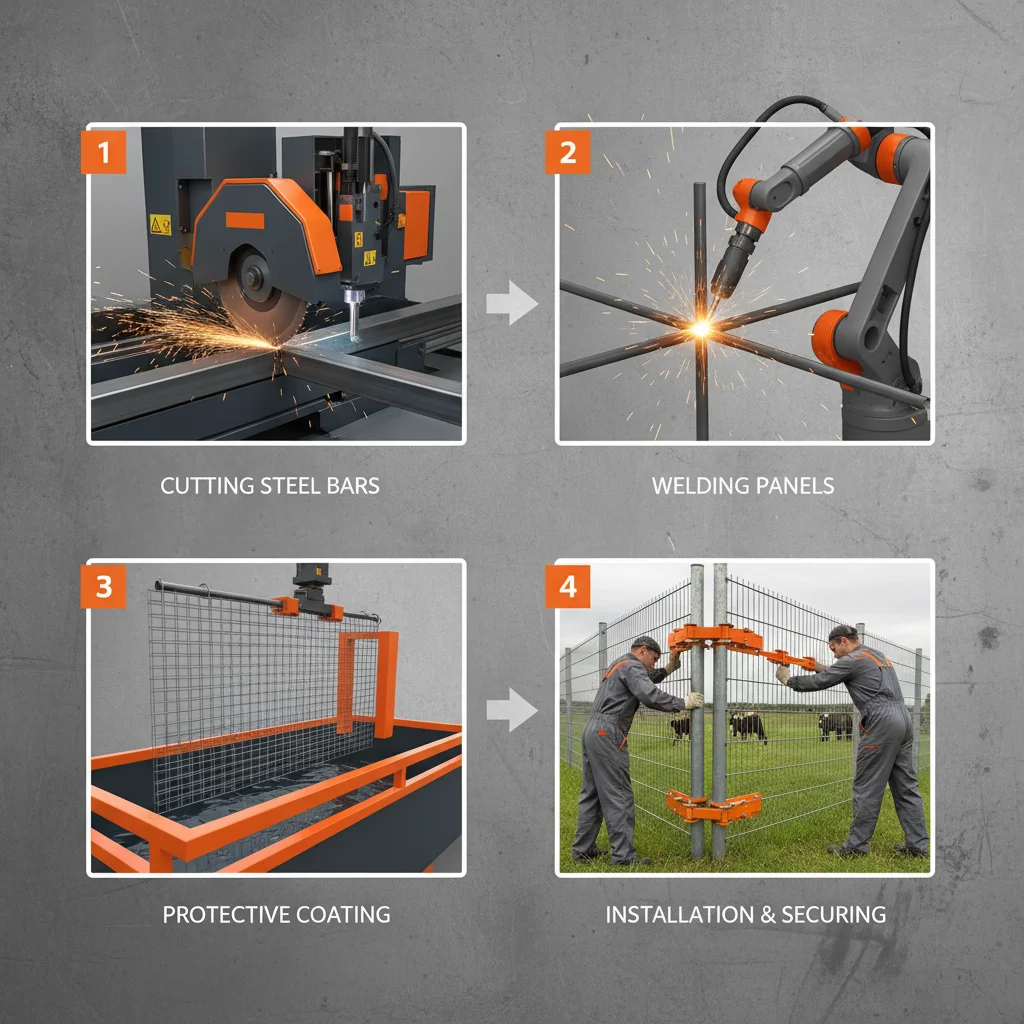
Essential Fencing Panels for Livestock Management and Farm Productivity Fencing panels for livestock are essential components in modern animal husbandry, playing a critical role in efficient farm management, animal welfare, and land utilization. Globally, the demand for robust and reliable fencing solutions is increasing due to the expanding livestock industry and the need to protect grazing lands from encroachment and predation. These panels aren’t simply barriers; they represent a vital investment in a farm's productivity and the health of its animals. Read More >26 Apr, 08
If you are interested in our products, you can choose to leave your information here, and we will be in touch with you shortly.


