


Durable Cattle Panel Pen Solutions for Global Agricultural & Relief Applications
What Is a Cattle Panel Pen and Why Does it Matter Globally?
If you’ve ever wandered through a farm, you might have noticed those metal grids that keep livestock safely contained. Those are cattle panels — sturdy, welded steel grids forming the backbone of many cattle panel pens. But beyond the farm, these simple yet ingenious structures play a surprisingly vital role worldwide, especially in agriculture, emergency relief, and sustainable farming.
Understanding cattle panel pens isn’t just about fences; it’s about the lifeline they provide to farmers struggling with animal containment, the innovations pushing sustainability, and the emergency responders relying on swift, durable livestock enclosures. Globally, with population growth fueling meat demand and climate uncertainty threatening farming stability, these panels become more than metal—they’re part of a resilient ecosystem.
Mini takeaway: The humble cattle panel pen is a pivotal piece of infrastructure supporting global agriculture and crisis management, marrying durability with adaptability.
The Global Stage: Why Cattle Panel Pens Are More Relevant Than Ever
Consider the numbers: The UN estimates the global livestock sector supports nearly 1.3 billion people (source: FAO). But modern challenges like urbanization, land scarcity, and extreme weather events complicate traditional livestock rearing methods. Enter the cattle panel pen, a solution addressing fencing needs without demanding extensive resources or complex installations.
For instance, the World Bank reports that improved livestock containment reduces animal loss, disease, and environmental impact — critical in developing regions and disaster zones alike.
Yet, many farmers, particularly in developing countries, face fencing that breaks easily or is expensive to maintain. This lack not only risks animal welfare but also food security and economic stability. A durable cattle panel pen turns this challenge into a manageable opportunity.
Mini takeaway: Cattle panel pens answer the call for practical, cost-effective livestock management solutions worldwide, with measurable impacts on food security and environmental stewardship.
Defining the Cattle Panel Pen: Simple but Powerful
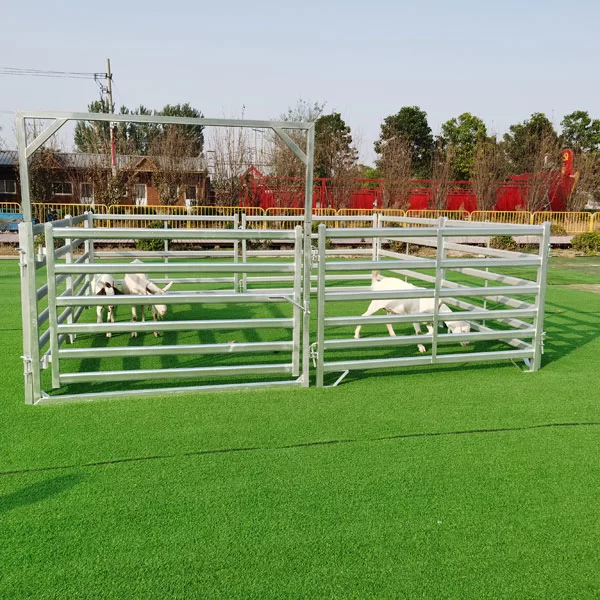
So what exactly is a cattle panel pen? At its core, it’s a modular enclosure made from galvanized steel grids — those panels with horizontal and vertical bars welded together to form solid rectangles or squares. When linked, they create pens of various sizes to securely house cattle, goats, sheep, or other livestock.
Why galvanized steel? Because it resists rust, endures weather conditions, and maintains structural integrity — qualities essential for anything outdoors and dealing with strong animals. The panels usually measure about 50 feet in length and 4 to 6 feet tall, offering flexibility for different farm layouts.
In humanitarian terms, they’re used wherever quick setup and reliable containment are necessary — from rural farming communities to post-disaster relief efforts providing temporary shelter for animals displaced by floods or wildfires.
Mini takeaway: A cattle panel pen combines durability and flexibility, bridging simple design with versatile applications in agriculture and emergency response.
Key Factors Behind Cattle Panel Pen Success
1. Durability & Weather Resistance
The galvanized coating ensures the steel resists corrosion in harsh weather — a must-have considering these panels routinely face rain, sun, dust, and rough handling. Many engineers I’ve talked to swear by panels that last 10+ years without major repair, reducing maintenance headaches.
2. Ease of Assembly & Scalability
Most panels are designed for quick hookup with simple clamps or metal pins, meaning farmers or workers can build or customize pens in a matter of hours without specialized tools. This modular design is scalable — expand or shrink the pen as herd size fluctuates.
3. Cost Efficiency
Compared to traditional wooden fencing, cattle panels offer a higher upfront cost but significantly lower upkeep. Plus, their durability means fewer replacements and less downtime – that’s money back in the farmer’s pocket over time.
4. Animal Safety & Comfort
The grid design prevents animals from getting stuck or injured, and since panels come in various sizes, they can be tailored for different species — from beef cattle to small goats.
5. Portability
On transient farms or relief zones, portability is a big deal. Panels can be disassembled and moved as needed, a feature that saves both time and operational costs in dynamic environments.
Mini takeaway: Durability, flexibility, and cost-effectiveness make cattle panel pens a surprisingly sophisticated solution under the hood.
Product Specification Table: Typical Cattle Panel Pen
| Feature | Specification |
|---|---|
| Material | Galvanized Steel |
| Dimensions | 16 ft (L) x 5 ft (H) typical |
| Bar Thickness | Approximately 5mm |
| Grid Size | 4" x 6" rectangles (varies by model) |
| Weight | ~40-45 lbs per panel |
| Connection Type | Clamp or pin connectors |
Where Cattle Panel Pens Shine: Global Applications & Use Cases
Across continents, cattle panel pens appear quietly but importantly.
- Smallholder farms in sub-Saharan Africa: Farmers use them to establish controlled grazing, minimizing overgrazing and improving herd health.
- Post-disaster relief in Southeast Asia: After floods or typhoons, NGOs quickly deploy panels to protect displaced animals, preventing disease and loss.
- Modern ranches in North America: Panels simplify rotational grazing methods, improving soil health and pasture longevity.
- Remote industrial operations: Mining sites or remote camps rely on panels for temporary animal containment without permanent structures.
If you want a quick peek on their practical uses, check out our detailed cattle panel pen guide—packed with real-world examples and installation tips.
Mini takeaway: From rural farms to disaster zones, the cattle panel pen adapts, proving its global resilience and versatility.
Benefits Beyond Fencing: The Long-Term Value of Cattle Panel Pens
Now, this might sound a bit obvious, but good fencing saves money and headaches. Beyond that, these pens create a safer, more humane environment for animals — reducing injuries and stress, which leads to healthier herds and better yields.
On a social note, livestock is often a family’s primary income in rural areas. Cattle panel pens not only protect assets but enhance dignity and security, helping communities flourish. Plus, reliable containment lowers disease spread, contributing to public health.
Looking Ahead: Future Trends in Cattle Panel Pen Technology
The future’s bright—though oddly enough, some of the progress isn’t just about stronger steel. Innovations in coatings that reduce heat absorption, integration of solar-powered lighting for night-time security, even IoT sensors embedded in panels to monitor animal behavior or pen integrity.
There’s also growing focus on sustainability — recycled metals, less energy-consuming manufacturing methods, and partnerships promoting eco-friendly materials. What really excites me is the idea of “smart pens” that communicate live data back to farmers.
Challenges and How to Overcome Them
Despite their strengths, cattle panel pens aren’t without challenges:
- Weight and Transport: Some heavier panels can be unwieldy for small operations — so lightweight alloys or hybrid models may help.
- Cost Barriers: Initial expense is higher than rudimentary wooden fences; subsidy programs or leasing models could improve access.
- Installation Adjustments: Rough terrain sometimes complicates setup — adjustable panel legs or modular base plates are solutions many vendors now offer.
Those challenges feel manageable though — especially when the alternatives are fence collapses, lost animals, or ongoing repairs, which cost far more in the long run.
Vendor Comparison: Popular Cattle Panel Pen Providers
| Provider | Material Quality | Panel Weight | Pricing | Key Feature |
|---|---|---|---|---|
| Haotian Mesh | High-quality galvanized steel | ~42 lbs | Competitive, volume discounts | Custom lengths and coatings |
| Livestock Master | Standard galvanized | ~45 lbs | Mid-range price | Quick-release connectors |
| FarmTech Panels | Powder-coated steel | ~40 lbs | Premium priced | Weatherproof finish |
Frequently Asked Questions About Cattle Panel Pens
Q1: How easy is it to set up a cattle panel pen for beginners?
A1: Very manageable. Most cattle panel pens come with simple clip or pin connectors allowing non-experts to assemble them in a few hours. No welding or heavy machinery is typically required. For first-timers, reading the installation guide closely helps, and many vendors provide support or video tutorials.
Q2: Can these panels be used for animals other than cattle?
A2: Absolutely. While designed primarily for cattle, these panels work for goats, sheep, pigs, and even horses, depending on panel height and grid size. Just make sure to pick a model with grid spacing appropriate for the animal to avoid escape risks or injuries.
Q3: How long do galvanized cattle panel pens last outdoors?
A3: With standard maintenance, galvanized panels typically last 10–15 years or more. The zinc coating protects against rust, but over time, especially in salty or humid climates, some corrosion may appear. Regular inspection and slight upkeep maximize lifespan.
Q4: Can I customize panel sizes for my farm layout?
A4: Yes! Many manufacturers, like Haotian Mesh, offer custom sizing and coating options to fit specific needs, terrains, or climate challenges.
Q5: Are cattle panel pens cost-effective compared to traditional wooden fencing?
A5: They are more expensive upfront but save money long term due to less maintenance, better durability, and ease of reconfiguration. For many farmers, this cost-benefit makes cattle panel pens the smarter investment.
Conclusion: The Durable Backbone of Modern Livestock Management
Whether you’re a small farmer in Kenya or an emergency relief worker in the Philippines, the cattle panel pen stands out as a reliable, practical tool with far-reaching impact. It’s an elegant answer to very real challenges — protecting animals, supporting livelihoods, and encouraging sustainable practices.
If your next project involves livestock containment, I recommend exploring high-quality panel options. Visit https://www.haotianmesh.com to learn more about products that blend innovation with practicality.
Because at the end of the day, it’s not just metal bars — it’s a foundation for growth, safety, and trust.
References:
-
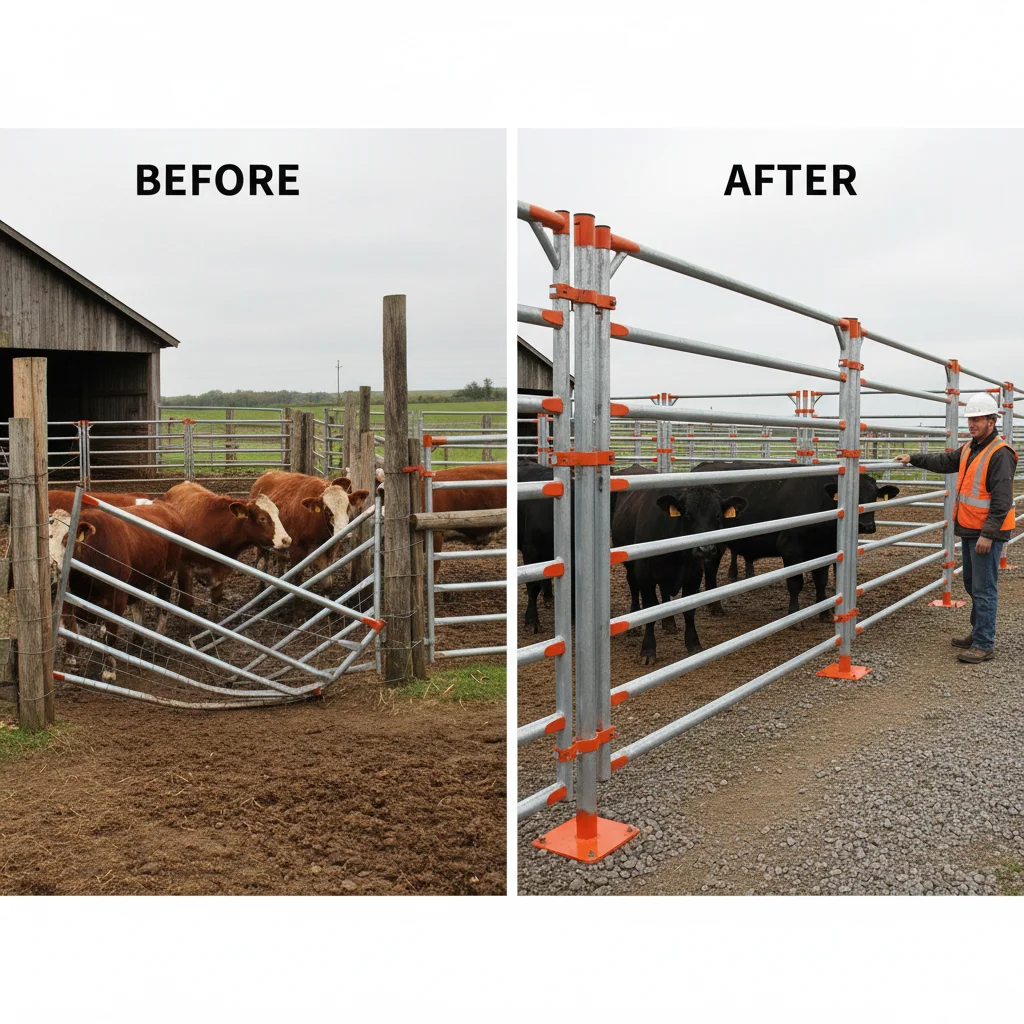
Durable Freestanding Livestock Panels for Efficient Animal Handling In the demanding world of agricultural management, the need for flexible and robust containment solutions has never been more critical. freestanding livestock panels offer a sophisticated answer to the challenges of animal handling, providing a secure yet adaptable barrier that does not require permanent installation or deep grounding. By allowing farmers and ranchers to redefine their spatial layouts in minutes, these panels maximize the efficiency of existing infrastructure while ensuring the safety of both the handlers and the livestock. Read More >26 Apr, 17
-
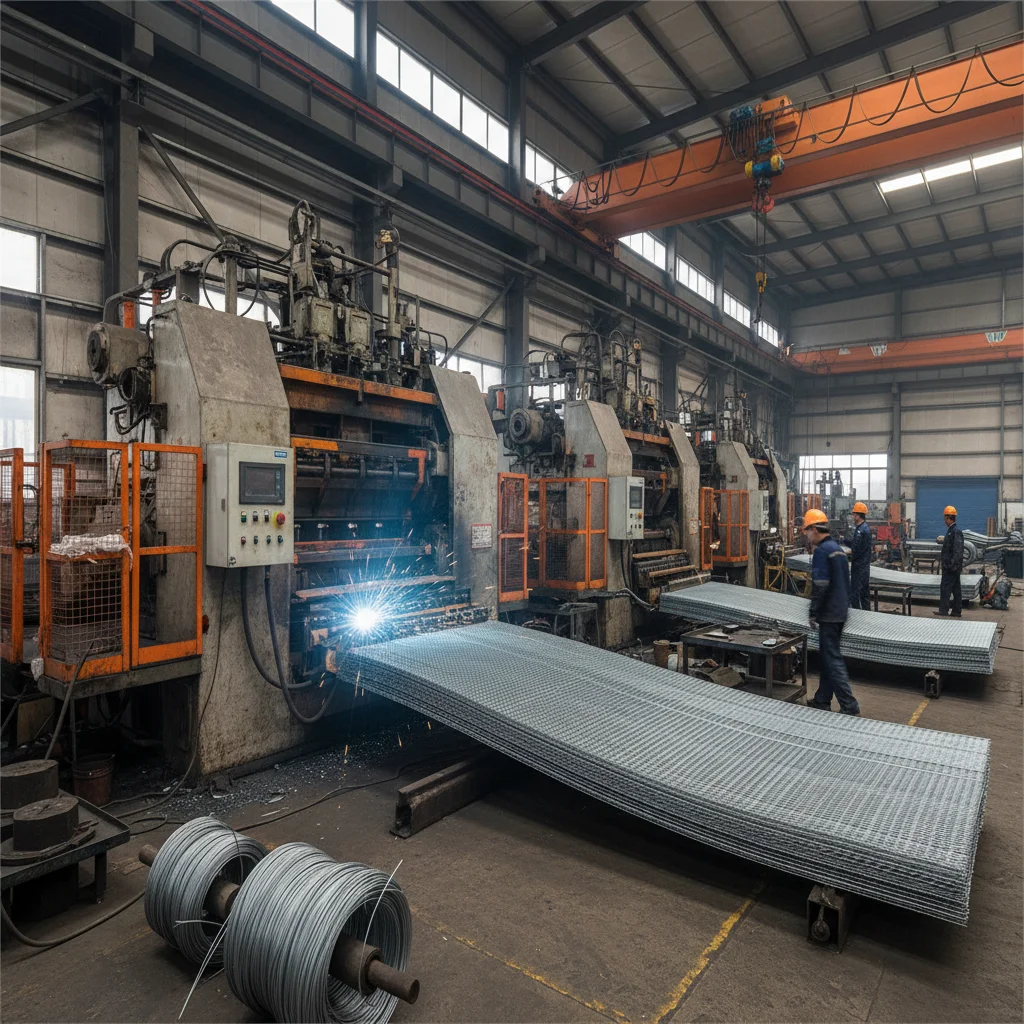
Professional Galvanized Welded Mesh Factory for Industrial Projects Finding a reliable galvanized welded mesh factory is critical for ensuring the structural integrity and longevity of your industrial or agricultural installations. Galvanized welded mesh is prized for its exceptional strength and resistance to corrosion, making it the go-to choice for fencing, animal cages, and construction reinforcement. However, not all factories adhere to the same quality standards. Whether you are sourcing for a large-scale infrastructure project or a specialized commercial application, understanding the manufacturing process and quality benchmarks is key to making a cost-effective investment that lasts for decades. Read More >26 Apr, 16
-
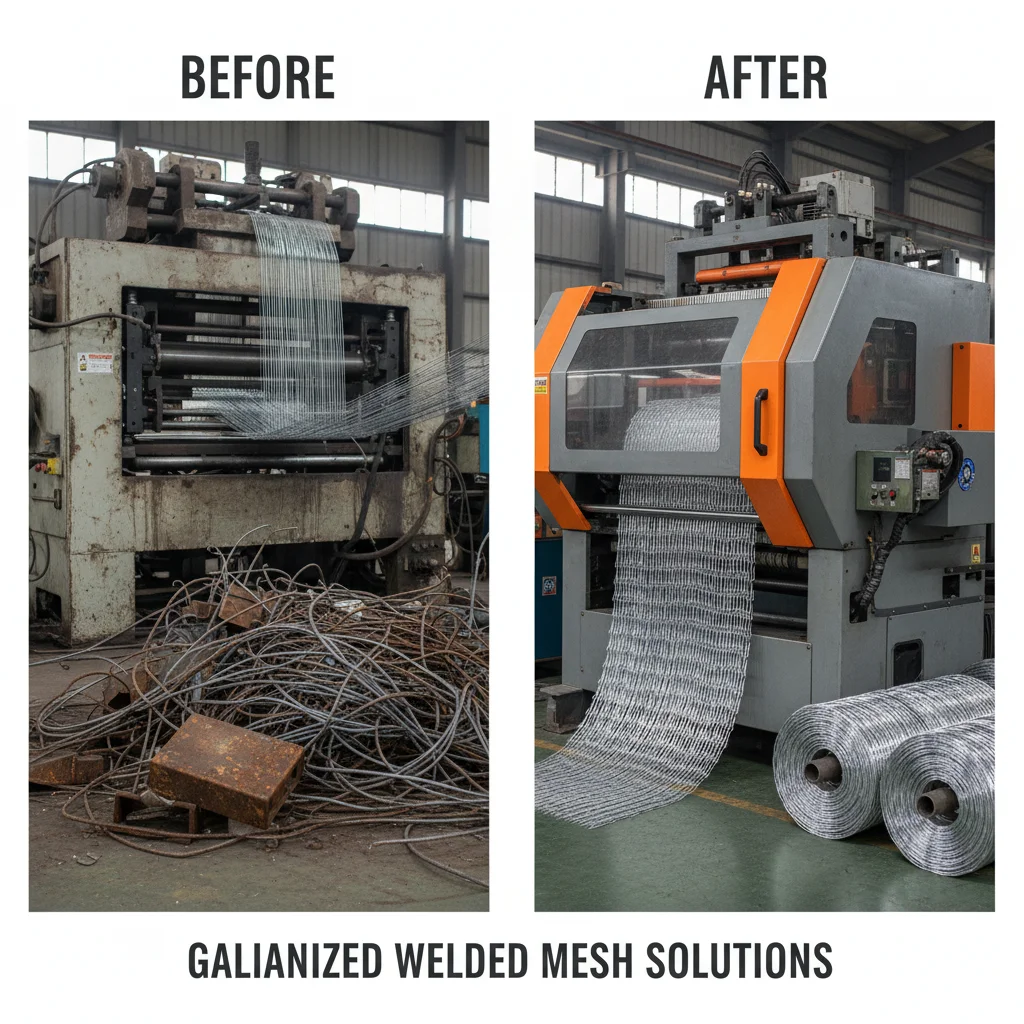
Professional Galvanized Welded Mesh Exporter for Quality Projects Selecting a high-quality fencing or screening solution requires more than just picking a product; it requires partnering with a reliable galvanized welded mesh exporter who understands the balance between structural integrity and corrosion resistance. Whether you are securing an industrial perimeter, building animal enclosures, or implementing architectural reinforcements, the quality of the galvanization process determines the lifespan of your installation. In this guide, we will explore the technical advantages of galvanized welded mesh and how to identify a global supplier that meets international quality standards to ensure your investment stands the test of time. Read More >26 Apr, 09
-
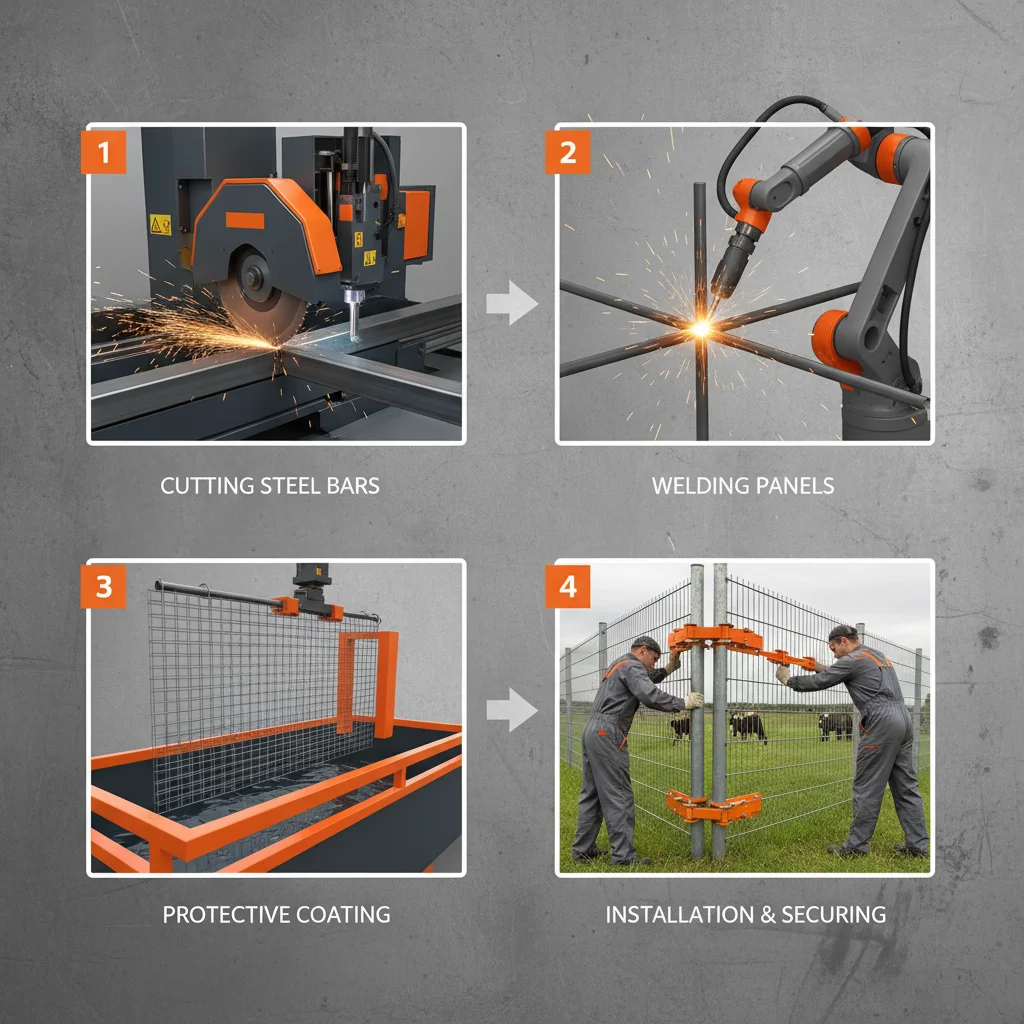
Essential Fencing Panels for Livestock Management and Farm Productivity Fencing panels for livestock are essential components in modern animal husbandry, playing a critical role in efficient farm management, animal welfare, and land utilization. Globally, the demand for robust and reliable fencing solutions is increasing due to the expanding livestock industry and the need to protect grazing lands from encroachment and predation. These panels aren’t simply barriers; they represent a vital investment in a farm's productivity and the health of its animals. Read More >26 Apr, 08
If you are interested in our products, you can choose to leave your information here, and we will be in touch with you shortly.


