


Durable Cattle Continuous Fence Panels for Efficient Livestock Management
Understanding Cattle Continuous Fence Panels: The Backbone of Modern Livestock Management
When it comes to managing cattle effectively and humanely across large terrains, few things stand out more than the humble yet crucial cattle continuous fence panels. These are not just metal grids slapped together; they represent a philosophy of containment, safety, and efficient farming. Globally, as the demand for sustainable and scalable livestock farming rises, understanding these panels’ design and application matters more than ever.
Why? Because over 1.5 billion cattle roam the earth (World Bank, 2023), and safely managing them can reduce loss, improve welfare, and lean into industrial efficiencies we all crave in modern agriculture.
Why Cattle Continuous Fence Panels Matter Globally
Livestock farming isn’t just backyard herding anymore — it’s a global industry that supports billions of livelihoods. According to the United Nations Food and Agriculture Organization (FAO), responsible fencing solutions like cattle continuous fence panels directly impact livestock health and land sustainability. Open pastures are increasingly scarce due to urbanization and climate change. Continuous fencing offers a systematic way to manage grazing land while minimizing overgrazing and animal stress.
But here’s a challenge worth noting: traditional fencing suffers from fragmentation and weak points, which means more escapes, injuries, and wasted resources. These panels, designed to be joined seamlessly, solve that dilemma practically, offering a continuous secure barrier — hence the name.
Defining Cattle Continuous Fence Panels
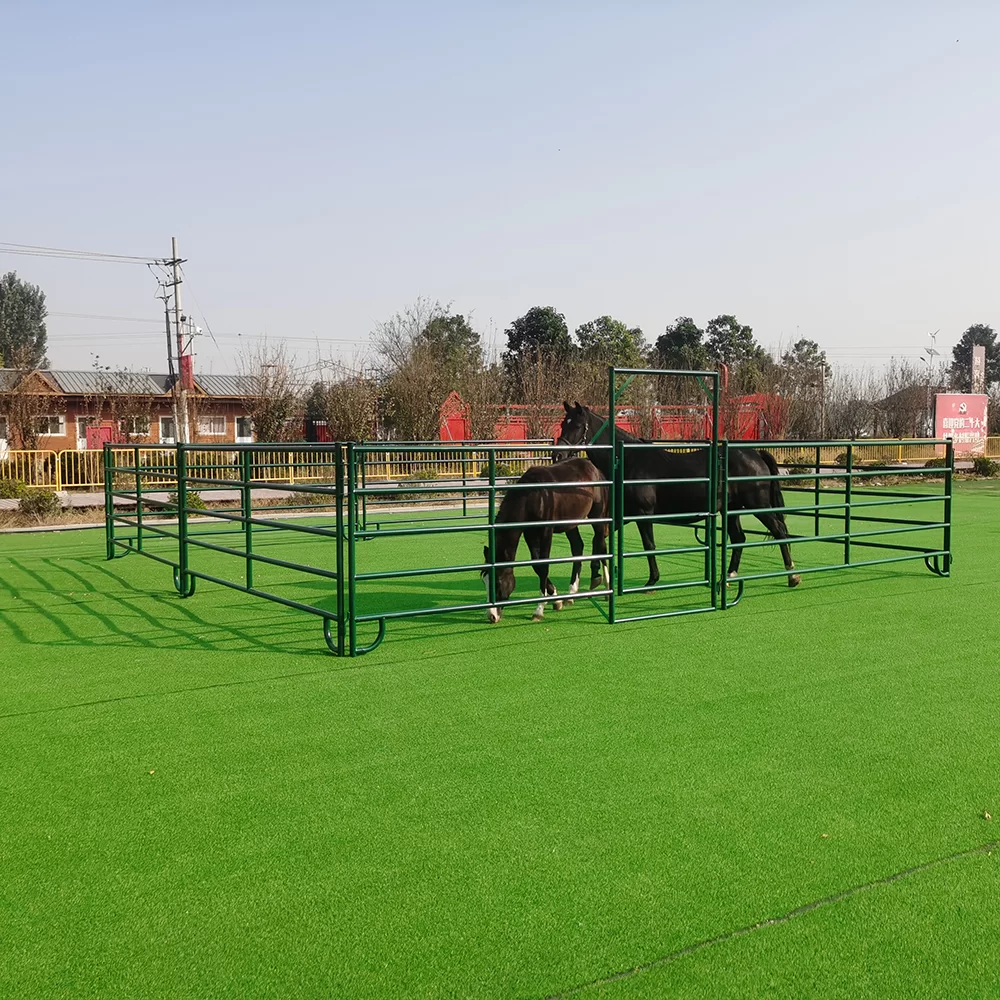
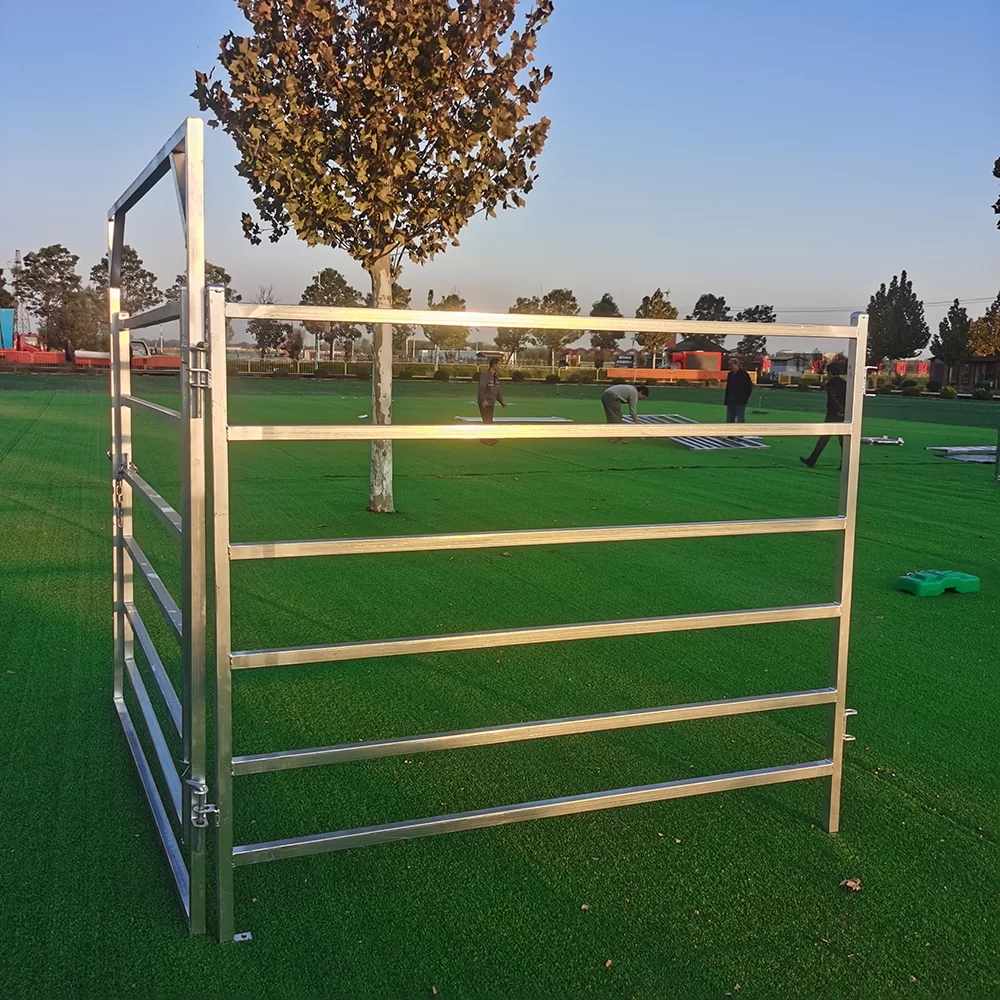
Put simply: cattle continuous fence panels are pre-fabricated, modular fencing segments designed to be connected end-to-end, creating a long, unbroken protective barrier. Made primarily from galvanized steel or sometimes high-tensile wire mesh, they’re built to withstand physical impact and weather extremes. Unlike piecemeal fences, these panels allow for fast set-up, scalability, and repair.
They’re essential not just for farms but also in humanitarian settings or industrial zones where livestock management is critical but complicated by geography or logistics.
Mini Takeaway
Think of these panels as the “building blocks” that let farmers and organizations create strong, adaptable borders with fewer gaps and greater durability than patchwork fences.
Core Components That Make a Difference
1. Durability
Galvanized steel frames resist rust and weather damage for years, sometimes decades. This longevity means less frequent replacement, a crucial factor in remote regions or disaster-prone zones.
2. Scalability
The modular design lets users connect multiple panels quickly, creating fences of variable length without custom fabrication — a big plus when grazing areas expand or relocate often.
3. Cost Efficiency
While initial costs vary, the low maintenance requirements and quick deployment translate into savings in labor and materials in the long run.
4. Animal Safety and Comfort
Unlike traditional barbed wire fences, these panels typically have smooth edges and consistent gaps to prevent injury and escape attempts — important for animal welfare and regulatory compliance (ISO 3426-2:2023).
5. Versatility
A range of sizes, heights, and mesh spacing options caters to different cattle breeds and terrain types, making them adaptable worldwide.
| Specification | Detail |
|---|---|
| Material | Galvanized Steel (Standard Grade) |
| Panel Dimensions | 2 m (Width) x 1.2 m (Height) |
| Mesh Size | 10 cm x 20 cm (rectangular) |
| Weight per panel | Approx. 30 kg |
| Finish | Hot-dip galvanized with optional powder coating |
| Connection Method | Bolt and clamp system for continuous linkage |
Global Applications: From Farmlands to Crisis Zones
These panels aren’t purely agricultural. While sprawling ranches in the US, Australia, and South America are well known for adopting such fencing, international organizations leverage them for emergency livestock containment post natural disasters.
Take the 2022 floods in Bangladesh: rapid deployment panels helped NGOs reestablish cattle grazing zones quickly, keeping animals safe from floodwaters and preventing disease spread through stray roaming.
Industrial sectors involved in mining or energy also use these panels—keeping livestock out of hazardous zones while maintaining ecosystem boundaries.
Regions like sub-Saharan Africa, where pastoral nomadism mixes with emerging industrialization, benefit from scalable fencing that adapts as communities grow or move seasonally.
Mini Takeaway
In real terms, cattle continuous fence panels become vital infrastructure wherever livestock safety, land management, and rapid response intersect.
Advantages and Long-Term Value for the Stakeholders
- Cost Reduction: Less rust and breakage means fewer repairs, saving precious capital.
- Sustainability: Recyclable materials and longer lifespan align with growing environmental concerns.
- Animal Welfare: Reduced injuries and stress, complying with emerging animal rights standards.
- Peace of Mind: Farmers sleep better knowing their herd is secured continuously.
- Operational Efficiency: Quick installation and ease of modification allow for dynamic farm management.
Recent Innovations and Future Outlook
The future of cattle fencing feels oddly like an industrial renaissance—green energy integration, IoT sensors embedded within panels for monitoring animal movement, and even solar-powered lighting systems for night visibility.
Material-wise, the emergence of composite alloys offers panels with better corrosion resistance and lighter weight. Automation is also creeping in; robotic systems can deploy or repair fences, particularly helpful in rugged terrains.
In policy circles, sustainability linked with livestock farming pushes for standardized fencing solutions aligned with international animal husbandry guidelines.
Tackling Challenges Head-On
It’s not all rosy. One common issue is transport and handling in extremely remote areas—panels are heavy and bulky. Some farmers mention the initial cost can seem steep, making grants or subsidies important.
Expert suggestions include modular mini-panels that link together on-site, or partnerships with local fabricators to customize panels tailored for regional needs. Additionally, using cattle continuous fence panels suppliers that offer training reduces user errors during setup.
| Vendor | Material Quality | Pricing | Customization | Global Shipping |
|---|---|---|---|---|
| Haotian Mesh | High-grade galvanized steel | Competitive, volume discounts | Full size & color options | Worldwide |
| GreenPasture Fencing | Standard galvanized steel | Mid-tier | Limited customization | North America & Europe |
| AgriFense Solutions | Premium alloys | High-end pricing | Custom engineering available | Global |
FAQ: Common Questions About Cattle Continuous Fence Panels
Q1: How quickly can cattle continuous fence panels be installed?
A: Installation is often faster than traditional post-and-wire fences, usually completed within hours for a few hundred meters. The modular design allows for simple bolt connections and minimal ground preparation.
Q2: Can these panels withstand harsh weather conditions?
A: Yes, with hot-dip galvanized steel or powder coating, panels resist rust and corrosion even in tropical or coastal climates, surviving many years without structural compromise.
Q3: Are they suitable for all cattle breeds and terrains?
A: Their versatility allows for adaptations in height and mesh spacing, making them compatible with a wide range of breeds and uneven or rocky terrains.
Q4: How do I maintain these fence panels?
A: Routine inspections to check for damaged connections or rust spots are recommended. Cleaning and reapplying protective coatings every few years helps extend their lifespan.
Q5: Can these panels be disassembled and moved?
A: Absolutely. Their modularity means panels can be unbolted, transported, and re-installed elsewhere, which is great for seasonal grazing or temporary setups.
Wrapping Up: Why They’re a Worthy Investment
All in all, cattle continuous fence panels offer a blend of durability, adaptability, and humane livestock management that’s hard to match. They simplify complex global challenges—whether that’s keeping animals safe across sprawling ranches or stabilizing transportation routes in crisis zones. For farmers and organizations ready to embrace modern fencing, investing in quality, continuous panels pays off literally and figuratively over time.
For more info, specs, or to explore customization options, visit Haotian Mesh — your partner in dependable fencing solutions.
References
-
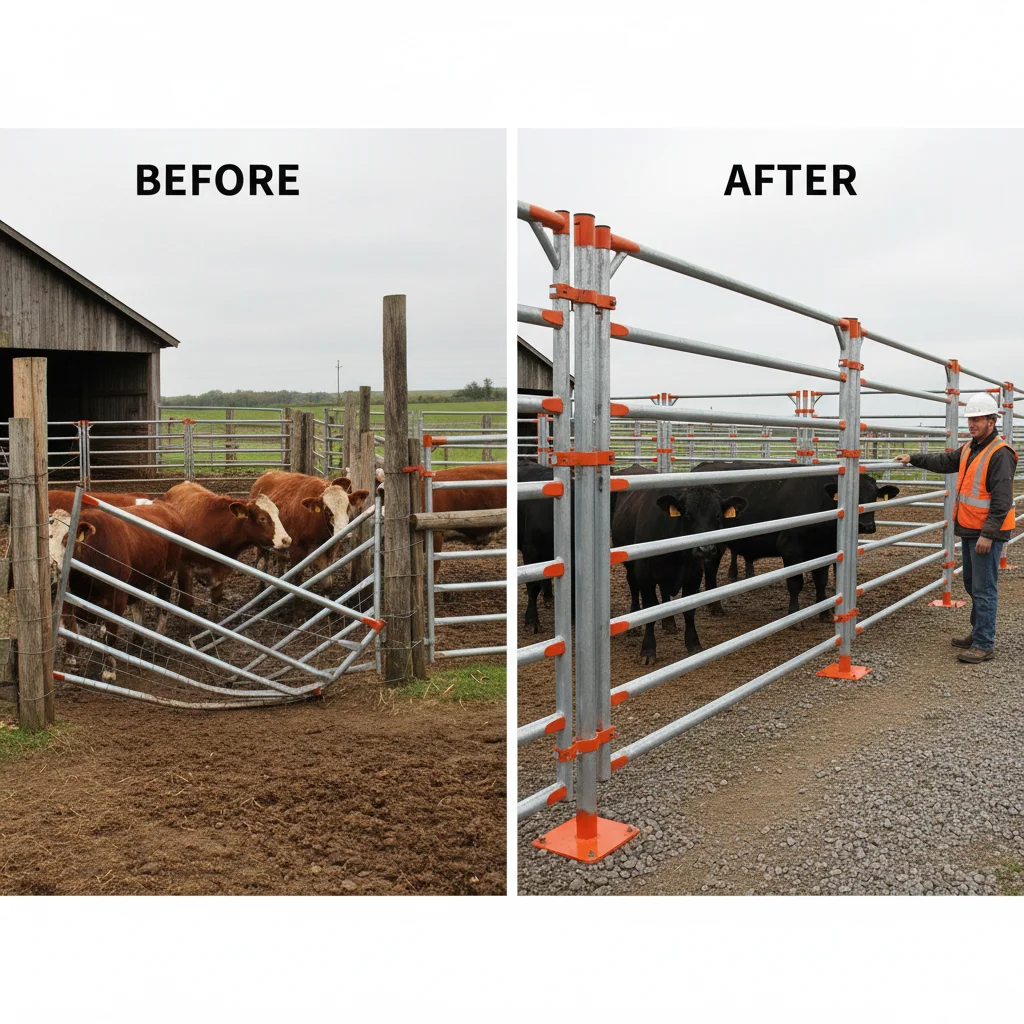
Durable Freestanding Livestock Panels for Efficient Animal Handling In the demanding world of agricultural management, the need for flexible and robust containment solutions has never been more critical. freestanding livestock panels offer a sophisticated answer to the challenges of animal handling, providing a secure yet adaptable barrier that does not require permanent installation or deep grounding. By allowing farmers and ranchers to redefine their spatial layouts in minutes, these panels maximize the efficiency of existing infrastructure while ensuring the safety of both the handlers and the livestock. Read More >26 Apr, 17
-
Professional Galvanized Welded Mesh Factory for Industrial Projects Finding a reliable galvanized welded mesh factory is critical for ensuring the structural integrity and longevity of your industrial or agricultural installations. Galvanized welded mesh is prized for its exceptional strength and resistance to corrosion, making it the go-to choice for fencing, animal cages, and construction reinforcement. However, not all factories adhere to the same quality standards. Whether you are sourcing for a large-scale infrastructure project or a specialized commercial application, understanding the manufacturing process and quality benchmarks is key to making a cost-effective investment that lasts for decades. Read More >26 Apr, 16
-
Professional Galvanized Welded Mesh Exporter for Quality Projects Selecting a high-quality fencing or screening solution requires more than just picking a product; it requires partnering with a reliable galvanized welded mesh exporter who understands the balance between structural integrity and corrosion resistance. Whether you are securing an industrial perimeter, building animal enclosures, or implementing architectural reinforcements, the quality of the galvanization process determines the lifespan of your installation. In this guide, we will explore the technical advantages of galvanized welded mesh and how to identify a global supplier that meets international quality standards to ensure your investment stands the test of time. Read More >26 Apr, 09
-
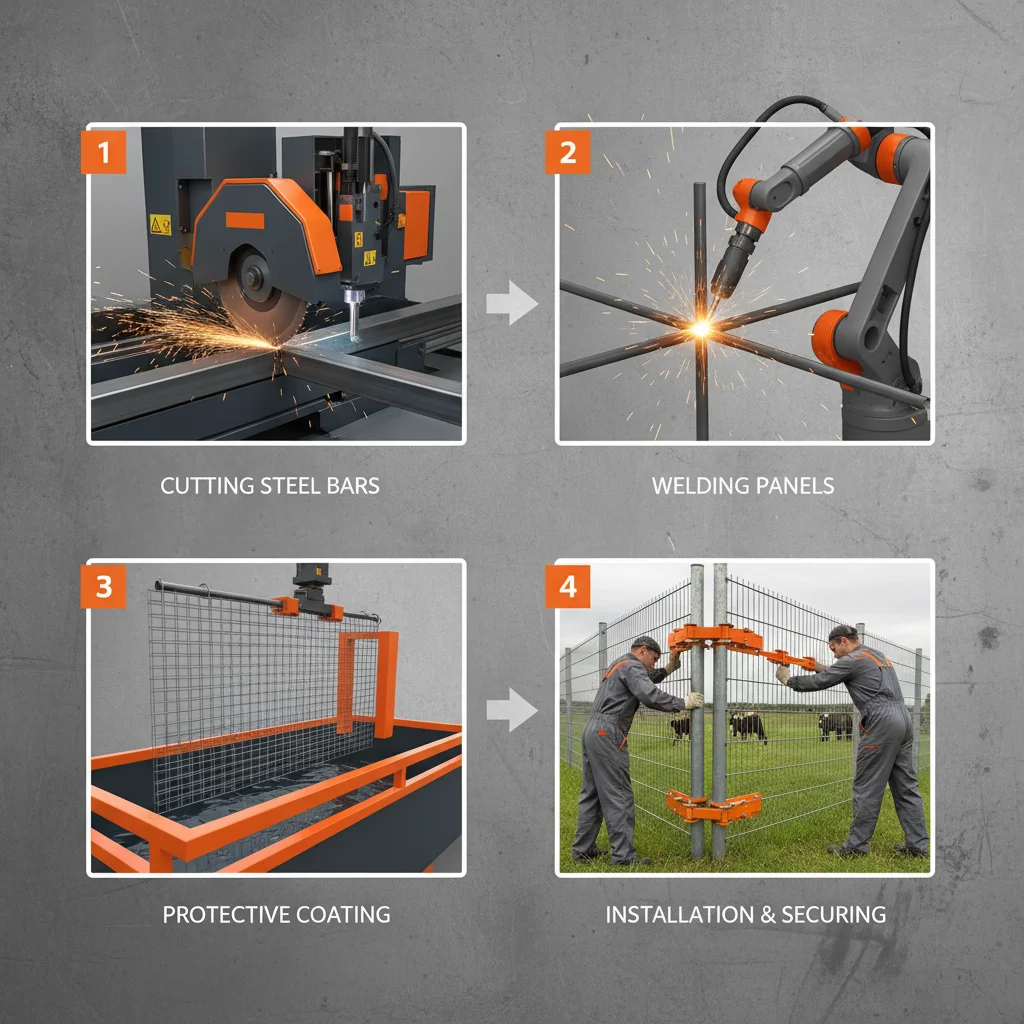
Essential Fencing Panels for Livestock Management and Farm Productivity Fencing panels for livestock are essential components in modern animal husbandry, playing a critical role in efficient farm management, animal welfare, and land utilization. Globally, the demand for robust and reliable fencing solutions is increasing due to the expanding livestock industry and the need to protect grazing lands from encroachment and predation. These panels aren’t simply barriers; they represent a vital investment in a farm's productivity and the health of its animals. Read More >26 Apr, 08
If you are interested in our products, you can choose to leave your information here, and we will be in touch with you shortly.


