


Durable Black Cattle Panels for Safer Livestock Management | Haotian Mesh
Understanding Black Cattle Panels: The Backbone of Modern Livestock Management
Black cattle panels might sound like niche farming gear, but they’re quietly transforming livestock management worldwide. From ensuring animal welfare to boosting operational efficiency, these robust fencing systems solve practical problems while supporting sustainable agriculture. For anyone involved in cattle farming or ranching, wrapping your head around them means optimizing your resources and safeguarding your stock against common headaches like escapes, injuries, or infections.
The Global Perspective: Why Black Cattle Panels Matter Industry-wide
Livestock farming is a global economic pillar, supporting billions of livelihoods and food security. According to the Food and Agriculture Organization (FAO), cattle represent one of the most valuable assets in agricultural value chains, particularly in developing regions. But managing herds effectively remains a monumental challenge—poor fencing leads to animal losses, injuries, and disease spread, adding up to significant financial and ecological costs.
Black cattle panels address this by offering durable, scalable, and relatively affordable fencing solutions. They’re designed for easy installation and long life, tackling global issues of livestock containment safely. As ranchers face climate variations and expanding land demands, such panels become even more critical in securing farm boundaries and maintaining herd integrity.
Mini takeaway: Robust fencing like black cattle panels bridges a gap between traditional enclosures and technologically advanced livestock management, crucial both economically and environmentally.
What Exactly Are Black Cattle Panels?
Simply put, black cattle panels are heavy-duty wire or steel mesh panels, powder-coated black to resist rust and blend aesthetically into rural environments. They’re modular sections designed to form fences, animal pens, or chutes that safely contain cattle. Unlike rudimentary wooden fences, these panels withstand weather extremes, physical impact from animals, and general wear and tear — lasting many years.
More than just physical barriers, they represent the intersection of modern farming demands and animal welfare, helping ranchers manage large herds without resorting to cramped, unsafe conditions.
Key Features of Black Cattle Panels That Make a Difference
1. Durability and Corrosion Resistance
Thanks to their powder-coated finish, black cattle panels fend off rust and UV damage remarkably well. This means fewer replacements and less downtime. In coastal or humid environments, that’s a lifesaver.
2. Scalability and Modular Design
The panels come in standard sizes (usually around 8ft by 5ft), which makes it simple to build fences, pens, or alleyways tailored exactly to the farm’s shape and herd size. Expanding or reconfiguring is hassle-free — no heavy tools or specialized labor.
3. Cost Efficiency Over Time
Initial costs can be higher than basic wooden fencing, but their long lifespan and low maintenance often mean better ROI. Plus, reduced animal injury rates can cut veterinary expenses substantially.
4. Safety and Animal Welfare
The smooth, rounded edges and appropriately spaced wires reduce risks of cuts or snags. This helps keep animals healthy and stress levels low, which indirectly improves growth and milk production.
5. Versatility in Challenging Terrains
Whether it’s rocky hills or muddy plains, panels adapt well, resisting deformation that traditional fencing might face. This versatility is a reason many ranchers in diverse climates swear by them.
Mini takeaway:
These core features intertwine to create a fencing solution that’s strong, flexible, and ultimately, farmer-friendly.
Global Applications and Real-World Use Cases of Black Cattle Panels
Cattle operations in North America, Australia, and Europe rely heavily on black cattle panels, but their impact stretches much further.
- In developing countries: NGOs and agricultural extension programs often introduce these panels in remote communities to improve herd management, thereby boosting local economies and food security.
- In disaster relief: Temporary cattle enclosures established with modular panels protect livestock from floodwaters or wild animals, reducing losses during vulnerable times.
- Specialized industries: From dairy farms needing segregated milking pens to feedlots requiring safe handling zones, black cattle panels deliver practical benefits across settings.
For an example, consider a ranch in Montana that upgraded its fencing with black cattle panels and noticed a 30% decrease in animal injuries within a year — that’s not just numbers; it’s healthier animals and less stress for the team.
Advantages and Long-Term Value of Choosing Black Cattle Panels
Beyond the practical, the panels bring emotional relief to farmers who trust their fences won’t give way unexpectedly, especially during stressful weather or cattle movements. That peace of mind often goes understated but is vital.
- Cost savings: Less replacement and maintenance, fewer vet bills.
- Environmental sustainability: Durable design reduces waste over time. Many manufacturers incorporate recyclable materials.
- Social impact: Better animal health supports livelihoods and food supply stability.
- Reliability and trust: Improved infrastructure builds confidence for expanding operations.
Black Cattle Panels Specification Table
| Feature | Specification |
|---|---|
| Dimensions | 8 ft (length) x 5 ft (height) |
| Material | Galvanized steel with black powder coating |
| Wire Diameter | Approx. 4.0 mm (thick gauge wire) |
| Panel Weight | ~20–25 kg |
Comparing Major Suppliers of Black Cattle Panels
| Supplier | Panel Quality | Price Range | Lead Time | Customization Options |
|---|---|---|---|---|
| Haotian Mesh | Premium galvanized steel, durable coating | $$$ (moderate) | 2–4 weeks | Height, width, coating color |
| Farm Fence Co. | Standard galvanized steel, less robust coating | $ (lower cost) | 1–3 weeks | Limited options |
| AgriSecure Panels | High-tensile steel, advanced powder coat | $$$$ (premium) | 3–6 weeks | Full customization, smart tags |
Looking Forward: Trends and Innovations in Black Cattle Panels
The future is pretty interesting here. Some vendors are experimenting with galvanized panels embedded with RFID sensors to track animal movement, helping ranchers optimize grazing patterns digitally. Others focus on eco-friendly coatings and recyclable materials to reduce environmental footprints.
Moreover, automation in panel installation — drones and robotic arms — is slowly becoming a reality, especially in large-scale operations where labor is scarce or expensive. These innovations are aligned with broader agricultural digitization trends worldwide (ISO standards for smart farming).
Challenges and How to Overcome Them
Truth be told, black cattle panels aren’t perfect. The upfront expense can deter smaller farmers. Some complain about panel weight making transport and setup tricky, especially in remote areas. Also, while corrosion resistance is high, neglected maintenance or harsh chemical exposures can shorten lifespan.
Solutions? Farmers often balance costs by buying panels incrementally or partnering with cooperatives. Lightweight alloys, while pricier, are gaining traction for ease of handling. A bit of routine cleaning and inspection goes a long way. And, frankly, choosing the right supplier with proven quality makes all the difference. Companies like Haotian Mesh offer expert guidance here — a kind of partnership rather than just a purchase.
FAQ: Common Questions About Black Cattle Panels
- 1. How long do black cattle panels typically last?
- With proper installation and occasional maintenance, they can last 10-20 years depending on environment. Harsh coastal or highly acidic soils might reduce this lifespan somewhat.
- 2. Are black cattle panels suitable for other livestock?
- Definitely. While optimized for cattle size and strength, panels also work well for horses, goats, and sheep, though mesh spacing might differ to prevent escapes or injuries.
- 3. Can I install black cattle panels myself?
- For smaller projects, yes. Panels are designed modularly and usually come with installation instructions. For large-scale fencing, professional help is recommended to ensure stability and safety.
- 4. How do black cattle panels compare environmentally to wooden fencing?
- Black cattle panels tend to have a longer useful life and don’t require tree cutting, so they’re generally more sustainable long term, especially if the steel is recyclable.
- 5. What are the import regulations for black cattle panels?
- Regulations vary by country and typically concern materials and coatings to avoid pest or chemical contamination. Exporters like Haotian Mesh handle necessary compliance documentation for smooth shipping.
Final Thoughts
Black cattle panels may seem like a simple farm utility, but in reality, they’re a well-engineered solution that marries strength, flexibility, and sustainability. For ranchers worldwide, they represent a quiet upgrade with long-term benefits—think less loss, better animal health, and more predictable operations.
If you’re curious about how these panels can enhance your setup or need options tailored to specific needs, I highly recommend visiting Haotian Mesh. Their expertise in this product niche comes through clearly, and it feels like you’re talking to partners who get the challenges faced on the ground.
Let’s keep our herds safe and farms efficient—one black cattle panel at a time.
References
-
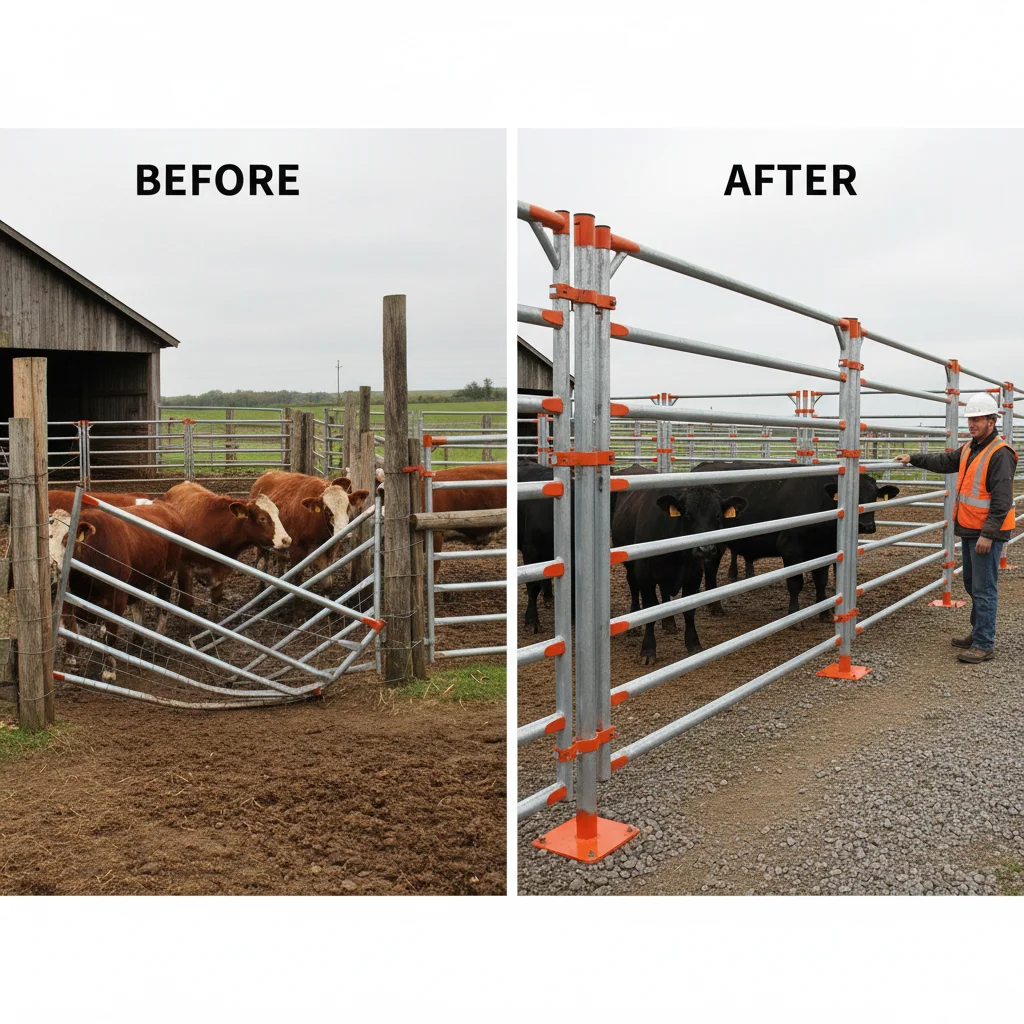
Durable Freestanding Livestock Panels for Efficient Animal Handling In the demanding world of agricultural management, the need for flexible and robust containment solutions has never been more critical. freestanding livestock panels offer a sophisticated answer to the challenges of animal handling, providing a secure yet adaptable barrier that does not require permanent installation or deep grounding. By allowing farmers and ranchers to redefine their spatial layouts in minutes, these panels maximize the efficiency of existing infrastructure while ensuring the safety of both the handlers and the livestock. Read More >26 Apr, 17
-
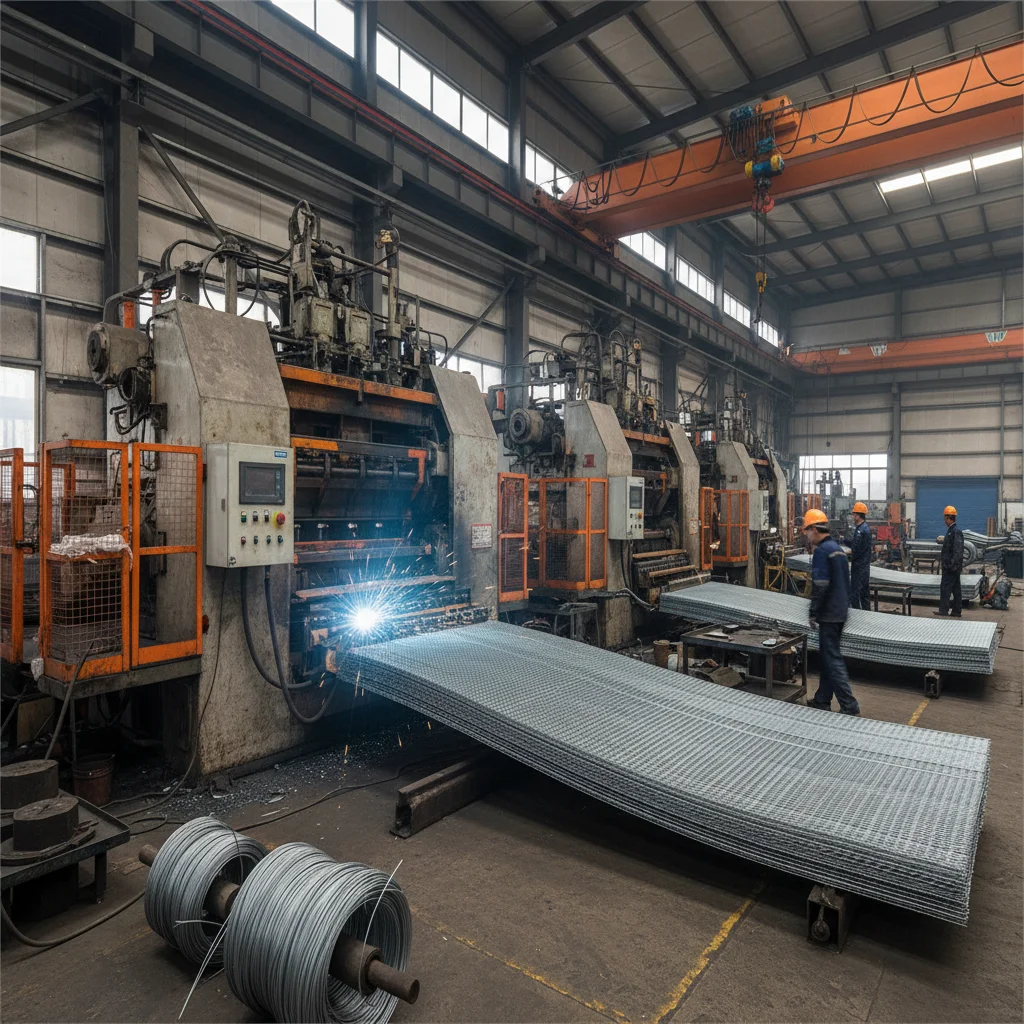
Professional Galvanized Welded Mesh Factory for Industrial Projects Finding a reliable galvanized welded mesh factory is critical for ensuring the structural integrity and longevity of your industrial or agricultural installations. Galvanized welded mesh is prized for its exceptional strength and resistance to corrosion, making it the go-to choice for fencing, animal cages, and construction reinforcement. However, not all factories adhere to the same quality standards. Whether you are sourcing for a large-scale infrastructure project or a specialized commercial application, understanding the manufacturing process and quality benchmarks is key to making a cost-effective investment that lasts for decades. Read More >26 Apr, 16
-
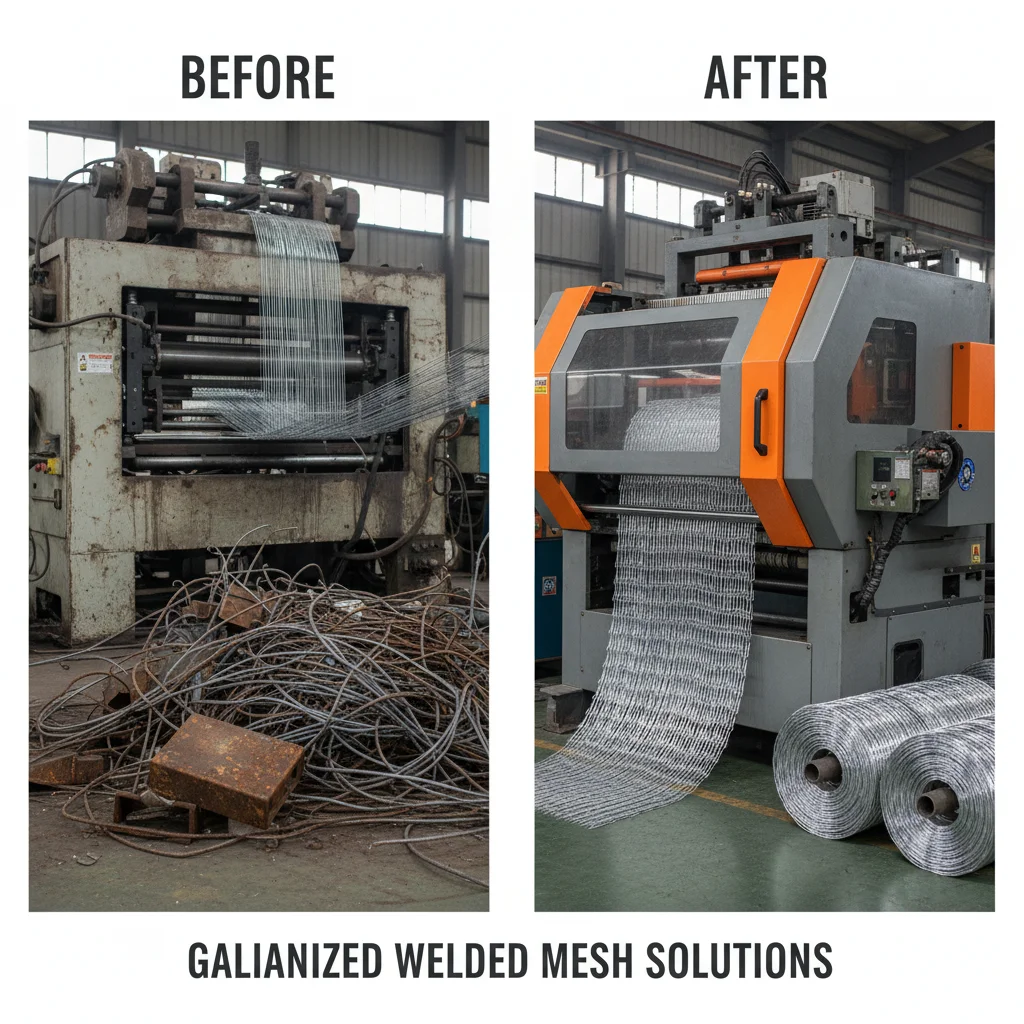
Professional Galvanized Welded Mesh Exporter for Quality Projects Selecting a high-quality fencing or screening solution requires more than just picking a product; it requires partnering with a reliable galvanized welded mesh exporter who understands the balance between structural integrity and corrosion resistance. Whether you are securing an industrial perimeter, building animal enclosures, or implementing architectural reinforcements, the quality of the galvanization process determines the lifespan of your installation. In this guide, we will explore the technical advantages of galvanized welded mesh and how to identify a global supplier that meets international quality standards to ensure your investment stands the test of time. Read More >26 Apr, 09
-
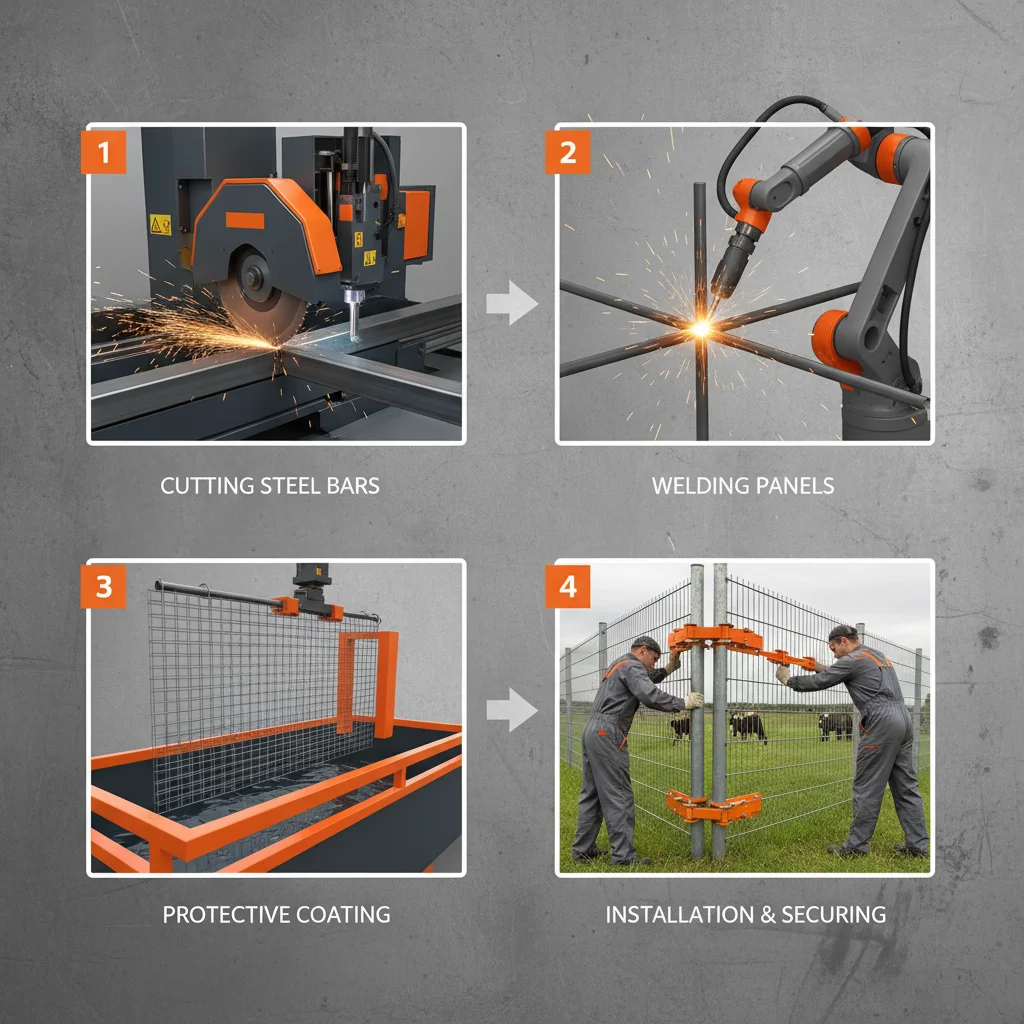
Essential Fencing Panels for Livestock Management and Farm Productivity Fencing panels for livestock are essential components in modern animal husbandry, playing a critical role in efficient farm management, animal welfare, and land utilization. Globally, the demand for robust and reliable fencing solutions is increasing due to the expanding livestock industry and the need to protect grazing lands from encroachment and predation. These panels aren’t simply barriers; they represent a vital investment in a farm's productivity and the health of its animals. Read More >26 Apr, 08
If you are interested in our products, you can choose to leave your information here, and we will be in touch with you shortly.


