


Durable and Versatile 20 Cattle Panel Solutions for Livestock Management
The Unsung Hero of Livestock Management: Understanding the 20 Cattle Panel
When you think about cattle farming, the first image that likely comes to mind is vast fields dotted with cows peacefully grazing under the sun. But behind that pastoral picture lies a critical piece of infrastructure that often goes unnoticed: the humble 20 cattle panel. This panel, a durable, wire mesh fencing component typically measuring around 20 feet in length, is a cornerstone for livestock containment worldwide.
Understanding what the 20 cattle panel really is and why it matters globally can save countless animals from injury, improve farmer efficiency, and support sustainable livestock practices. If you've ever wondered why these welded wire panels have become a staple in both industrial and small-scale agriculture, you’re in the right place.
Global Context: Why the 20 Cattle Panel Matters More Than Ever
Livestock farming represents a $1.4 trillion industry globally, supporting over a billion people either directly or indirectly (FAO, 2022). But fencing challenges remain a significant problem in many regions, leading to cattle injuries, escapes, or even loss to predators. This hits hard on food security and farmer livelihoods.
In areas affected by rapid urbanization or land degradation, traditional fencing methods can fail or become prohibitively expensive. The 20 cattle panel provides an effective and relatively low-cost solution that balances durability and scalability.
For example, according to the United Nations Food and Agriculture Organization (FAO), reliable fencing solutions help reduce overgrazing and allow better pasture management, ultimately addressing sustainable land use concerns (FAO, 2023). So, globally, the 20 cattle panel isn’t just a “fence” — it’s part of a systemic solution to agricultural resilience.
Mini takeaway: The 20 cattle panel plays a crucial role in promoting sustainable agriculture and animal welfare worldwide, helping farmers face growing environmental and economic pressures.
What Exactly Is a 20 Cattle Panel?
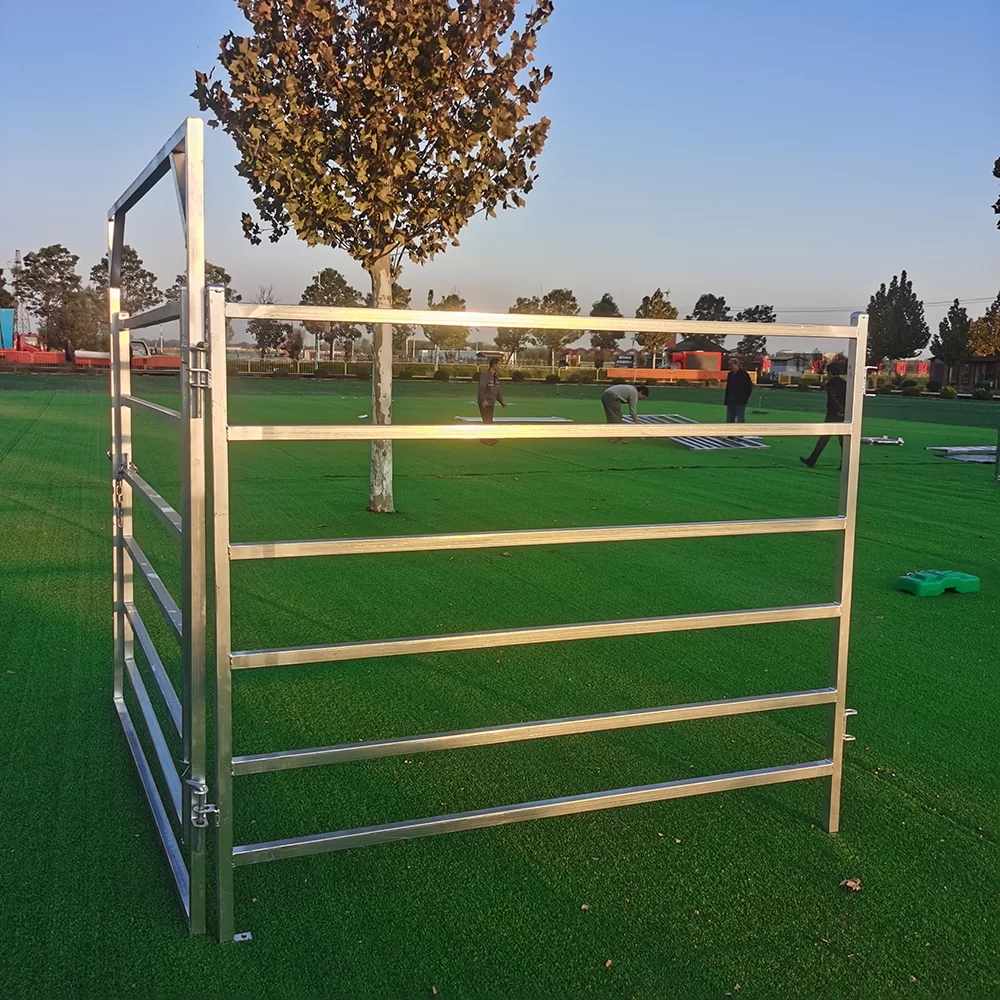
Let's break it down simply. A 20 cattle panel is a welded wire fencing panel approximately 20 feet long and 5 feet tall, designed specifically to keep cattle securely enclosed without harming them. The panel’s wire mesh is strong enough to withstand the weight and pressure exerted by large animals but flexible enough to absorb shocks from impacts.
These panels are typically made from galvanized steel to resist rust and corrosion, crucial for long-term outdoor use. Their open grid design lets cattle see through, reducing stress, and simplifying feeding and watering practices inside fenced areas.
Oddly enough, the 20 cattle panel’s design balances strength, visibility, and portability, meeting both modern industry standards and evolving humanitarian needs — such as rapid deployment in rural communities or disaster relief zones where temporary livestock containment is necessary.
Core components making up the 20 cattle panel:
- Wire Gauge: Usually 12.5 - 14 gauge for optimal strength.
- Panel Dimensions: Approximately 20 feet (240 inches) length x 5 feet (60 inches) height.
- Weld Type: Spot welded joints for enhanced durability.
- Finish: Hot-dip galvanized or powder-coated for weather resistance.
- Mesh Size: Generally 4"x6" rectangular openings to prevent cattle from getting stuck or injured.
Mini takeaway: In real terms, the 20 cattle panel is a thoughtful engineering product tailored to the unique demands of livestock management — blending strong materials with humane design.
Breaking Down the Key Features of a 20 Cattle Panel
Durability And Weather Resistance
One of the biggest selling points of the 20 cattle panel is its robust construction. With galvanized steel wires and rust-resistant coatings, these panels can withstand years of exposure to sun, rain, and even snow without significant degradation. Farmers often report a lifecycle of 10+ years when maintained properly.
Portability and Scalability
Because these panels are modular, you can scale fenced areas easily — add more panels to accommodate growing herds or secure temporary enclosures. Plus, their relatively light weight (compared to solid walls) means they can be repositioned or stored when needed.
Cost Efficiency
Compared to stone walls, wooden fences, or electric fencing systems, 20 cattle panels offer a cost-effective balance of initial investment, maintenance, and longevity. This factor proves especially important in resource-strapped regions.
Safety and Animal Welfare
The smooth, welded wires and standardized mesh sizes prevent injuries from cuts or entanglement, giving both farmers and animals peace of mind.
| Specification | Details |
|---|---|
| Panel Length | 20 feet (240 inches) |
| Panel Height | 5 feet (60 inches) |
| Wire Gauge | Typically 12.5 - 14 gauge |
| Mesh Size | 4" x 6" rectangular |
| Material | Galvanized Steel / Powder-coated |
| Finish | Hot-Dip Galvanized |
| Weight | ~40-50 lbs per panel |
Mini takeaway: The physical makeup of the 20 cattle panel combines strength, adaptability, and safety, which explains its continued popularity among farmers worldwide.
How Are 20 Cattle Panels Used Around the Globe?
From the vast cattle ranches in Texas to emerging agricultural hubs in sub-Saharan Africa, these panels have found their way into diverse settings.
- Africa: NGOs use 20 cattle panels to quickly set up livestock pens for refugees or rural farmers, enabling safer animal husbandry without expensive infrastructure.
- Australia: In remote pastoral stations, panels protect against wild dogs and help manage large free-ranging herds.
- South America: Rapid growth in cattle industries has increased demand for scalable fencing — and panels are easier and faster to install than post-and-rail fences.
One clever use I noticed: in post-disaster relief zones, modular panels help local farmers securely isolate cattle while rebuilding permanent structures.
Mini takeaway: The 20 cattle panel’s modular and durable nature is key to its versatility — from emergency relief to large-scale commercial farming across continents.
Comparing Leading Vendors of 20 Cattle Panels
| Vendor | Material Quality | Customization Options | Lead Time | Typical Price (per panel) |
|---|---|---|---|---|
| Haotian Mesh | Galvanized Steel, Hot-dip | Multiple Sizes & Coatings | 2-3 weeks | $60 - $80 |
| FarmGuard Panels | Powder-coated Steel | Standard Sizes Only | 1-2 weeks | $70 - $90 |
| SteelMax Fencing | Galvanized + Zinc Alloy | Custom Mesh Sizes | 3-4 weeks | $65 - $85 |
Advantages & Long-Term Value of 20 Cattle Panels
Honestly, beyond the specs and global applications, it feels like these panels bring a kind of peace — for farmers, veterinarians, and customers alike. They offer:
- Reduced animal injury rates. That’s a big quality-of-life plus.
- Enhanced security. Lost livestock is lost income, so better fencing is better business.
- Environmental sustainability. Panels reduce the need for wood or other depleting materials.
- Cost predictability. Many farmers say budgeting gets easier with durable fencing reducing repairs.
What’s Next? Future Trends in 20 Cattle Panels
As with many agricultural tools, innovation is constant. We’re starting to see:
- Integration of smart tech: Sensors embedded in panels that track pressure or breaches, instantly alerting farmers.
- Eco-friendly coatings: Using biodegradable paints or corrosion-resistant alloys.
- Lightweight composites: Beyond steel, materials that maintain strength but ease transport.
- Customization for climate: Panels designed for extreme weather conditions like floods or heatwaves.
Personally, I think the blending of digital and physical infrastructure here is going to boost both efficiency and animal welfare in exciting ways.
Challenges and Solutions When Using 20 Cattle Panels
Of course, no product is perfect. Some challenges include:
- Initial cost barriers: For very smallholder farmers, upfront investment can still be a challenge.
- Transport logistics: Shipping 20-foot panels to remote areas isn’t trivial.
- Installation labor: Though easier than traditional fences, panels still need skilled placement.
Experts suggest solutions like community cooperative purchases, modular packaging, or onsite fabrication partnerships to overcome these hurdles.
FAQ: Frequently Asked Questions About 20 Cattle Panel
Q1: What size mesh is best for ensuring cattle safety in these panels?
A: A 4-inch by 6-inch mesh opening is generally ideal. It prevents cattle from slipping limbs through while allowing good visibility and ventilation (FAO Livestock Fencing Guide, 2021).
Q2: How long do 20 cattle panels typically last outdoors?
A: When hot-dip galvanized and maintained, these panels last upwards of 10 to 15 years, depending on local weather and soil conditions.
Q3: Can I customize the coating or length of these panels?
A: Most vendors, including Haotian Mesh, offer customization options like powder coatings or varying lengths to suit specific farm needs.
Q4: Are these panels reusable once disassembled?
A: Yes, the modular design allows panels to be relocated or reused multiple times, making them an economical long-term investment.
Q5: How do I import 20 cattle panels internationally for my farm?
A: Choose suppliers with export experience (like Haotian Mesh), ensure compliance with your country’s import regulations, and consider logistics like freight and customs early in the process.
In Conclusion: Why the 20 Cattle Panel is a Staple for Modern Livestock Farming
It may look like just a fence, but the 20 cattle panel embodies decades of agricultural innovation and practical design. Its global relevance stems not only from durability and cost-effectiveness but also from addressing deeper sustainability and animal welfare challenges.
If you are considering upgrading your fencing infrastructure or looking for scalable animal containment solutions, investigating the options at Haotian Mesh could be a smart step forward.
After all, safeguarding your herd is about more than just boundaries — it’s about building trust in your farm’s future.
Quick References
- FAO. (2022). Livestock Production and Impact. Food and Agriculture Organization of the United Nations.
- FAO. (2023). Pasture Management and Sustainable Land Use. fao.org
- ISO 9001:2015. Quality Management Standards for Agricultural Materials.
-
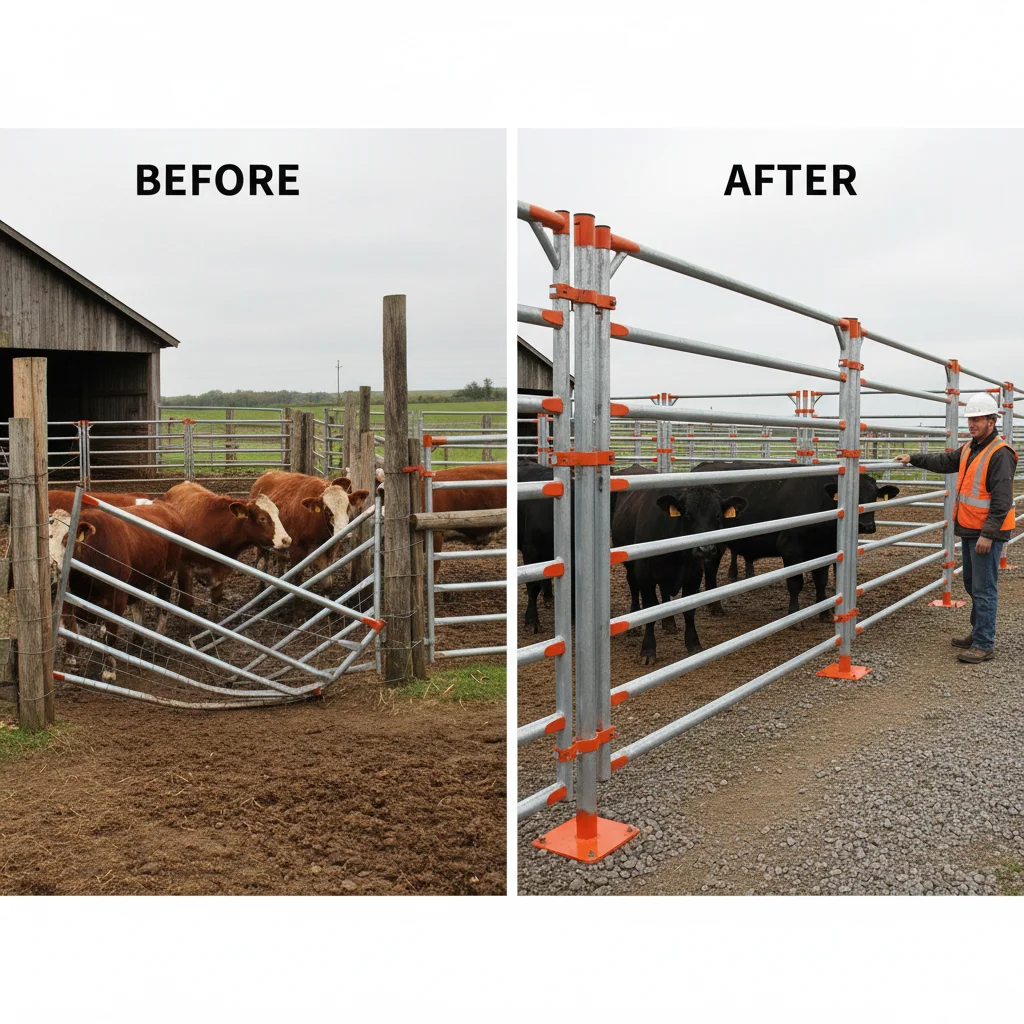
Durable Freestanding Livestock Panels for Efficient Animal Handling In the demanding world of agricultural management, the need for flexible and robust containment solutions has never been more critical. freestanding livestock panels offer a sophisticated answer to the challenges of animal handling, providing a secure yet adaptable barrier that does not require permanent installation or deep grounding. By allowing farmers and ranchers to redefine their spatial layouts in minutes, these panels maximize the efficiency of existing infrastructure while ensuring the safety of both the handlers and the livestock. Read More >26 Apr, 17
-
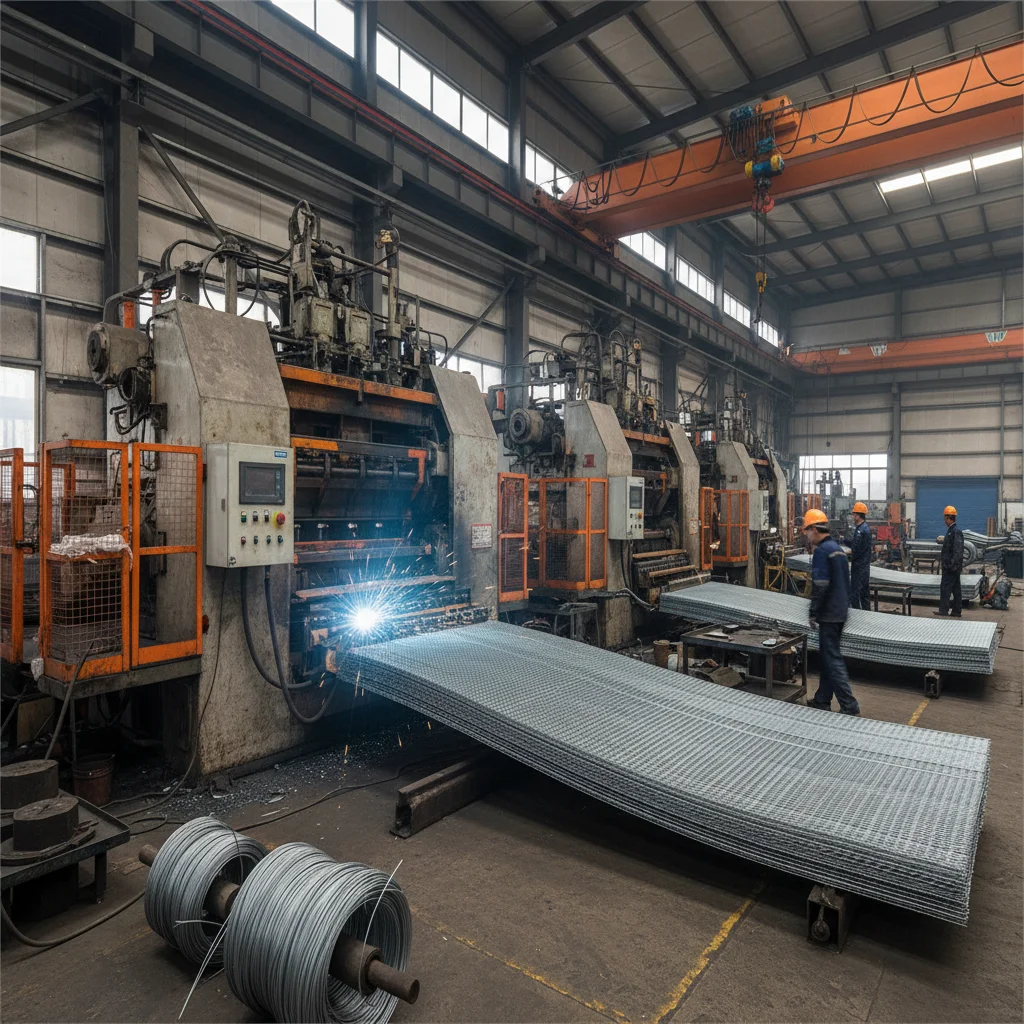
Professional Galvanized Welded Mesh Factory for Industrial Projects Finding a reliable galvanized welded mesh factory is critical for ensuring the structural integrity and longevity of your industrial or agricultural installations. Galvanized welded mesh is prized for its exceptional strength and resistance to corrosion, making it the go-to choice for fencing, animal cages, and construction reinforcement. However, not all factories adhere to the same quality standards. Whether you are sourcing for a large-scale infrastructure project or a specialized commercial application, understanding the manufacturing process and quality benchmarks is key to making a cost-effective investment that lasts for decades. Read More >26 Apr, 16
-
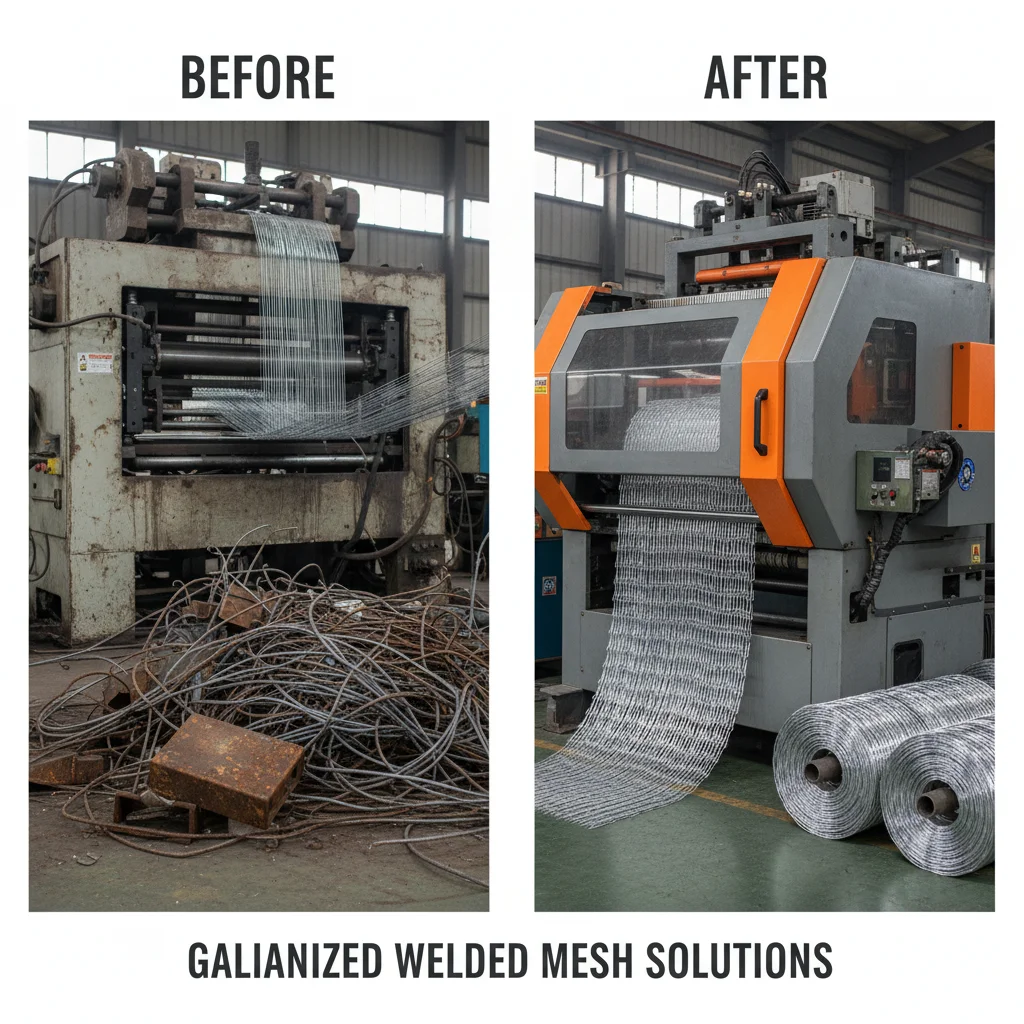
Professional Galvanized Welded Mesh Exporter for Quality Projects Selecting a high-quality fencing or screening solution requires more than just picking a product; it requires partnering with a reliable galvanized welded mesh exporter who understands the balance between structural integrity and corrosion resistance. Whether you are securing an industrial perimeter, building animal enclosures, or implementing architectural reinforcements, the quality of the galvanization process determines the lifespan of your installation. In this guide, we will explore the technical advantages of galvanized welded mesh and how to identify a global supplier that meets international quality standards to ensure your investment stands the test of time. Read More >26 Apr, 09
-
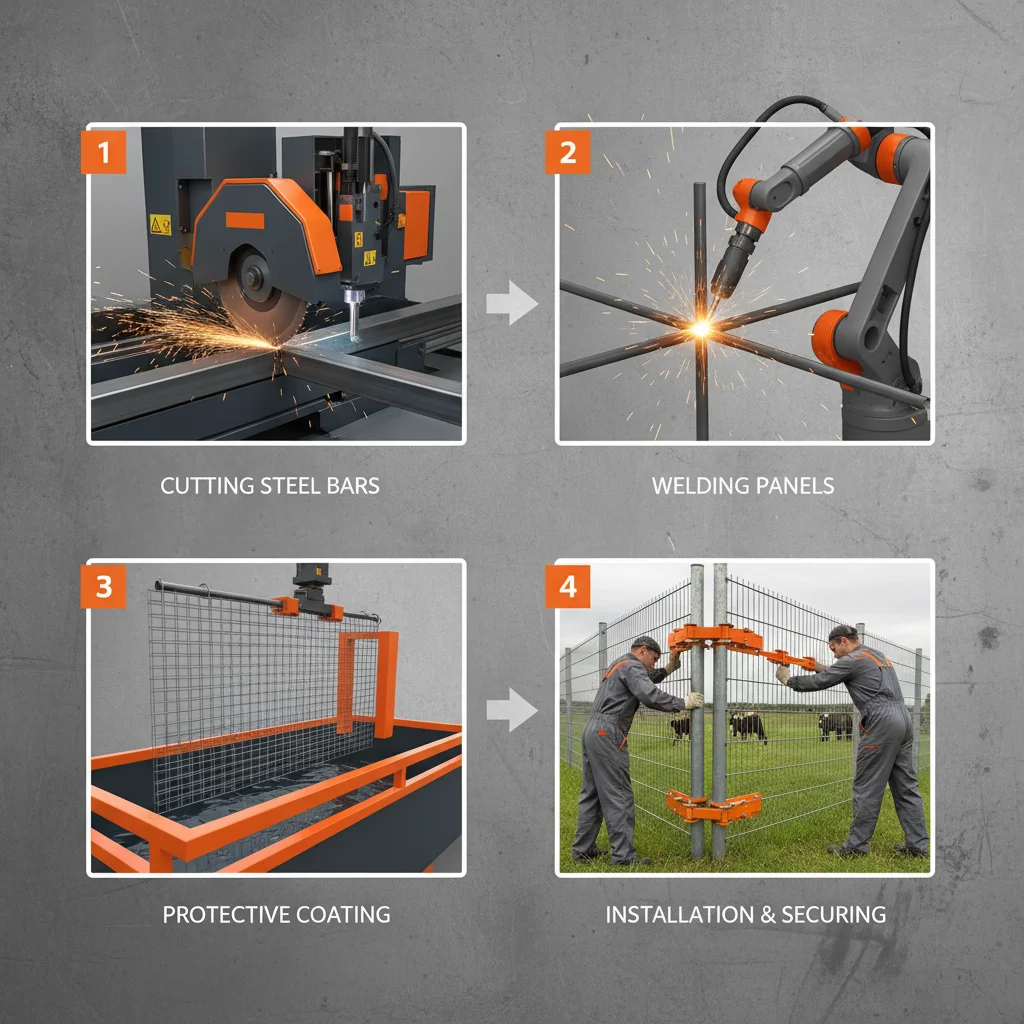
Essential Fencing Panels for Livestock Management and Farm Productivity Fencing panels for livestock are essential components in modern animal husbandry, playing a critical role in efficient farm management, animal welfare, and land utilization. Globally, the demand for robust and reliable fencing solutions is increasing due to the expanding livestock industry and the need to protect grazing lands from encroachment and predation. These panels aren’t simply barriers; they represent a vital investment in a farm's productivity and the health of its animals. Read More >26 Apr, 08
If you are interested in our products, you can choose to leave your information here, and we will be in touch with you shortly.


