


Durable and Versatile 16 Foot Cattle Panels for Global Livestock and Industrial Use
What Are 16 Foot Cattle Panels and Why Do They Matter?
If you’re not from the farming or livestock world, the phrase 16 foot cattle panels might sound a bit niche—harmless fencing, right? But dig deeper, and you find these panels represent a surprisingly influential product with global implications. Whether in managing livestock safely, aiding in quick-setup shelters for humanitarian crises, or serving in remote industrial zones, understanding the ins and outs of these panels matters a lot.
Globally, cattle fencing isn’t just about keeping animals penned. It’s connected to food security, animal welfare, and even sustainable land use. According to the Food and Agriculture Organization of the United Nations, properly managed livestock practices contribute to rural economies and environmental balance (1). And well-made cattle panels play a big role in that. So, why the 16-foot size specifically? It’s a sweet spot between manageable transport, installation speed, and effective livestock containment.
The Global Context for 16 Foot Cattle Panels
Across continents, from sprawling ranches in the US and Australia to communal farms in Africa, these panels pop up everywhere. Reports by the World Bank on agriculture infrastructure emphasize that robust fencing is key in reducing livestock losses and improving productivity (2). Responding to increasing demand for rapid mobilization—whether for new farms, emergency animal shelters after floods, or even temporary enclosures at border posts—these panels answer a specific need to be reliable, scalable, and cost-effective globally.
Still, the challenge remains: many rural and developing regions lack quality panels that are easy to ship, assemble, and maintain. So, to someone wondering if 16 foot cattle panels matter beyond local farms, the answer is increasingly yes. They solve a pressing need worldwide.
Breaking Down What 16 Foot Cattle Panels Actually Are
Put simply, 16 foot cattle panels are welded wire mesh sections, usually strong steel rods arranged in a grid, each panel measuring approximately 16 feet in length and around 5 feet tall. They are designed to create sturdy, temporary or permanent fences that can contain livestock—cattle, horses, sheep—with minimal risk of escape or injury.
Modern panels have evolved beyond just farming. There’s a distinct crossover now into humanitarian aid—used for quickly assembling animal enclosures to protect livestock crucial for displaced communities. Plus, industries like mining and energy sectors use these panels to secure temporary livestock or even equipment zones, thanks to their modularity and speed of deployment.
Key Components that Make 16 Foot Cattle Panels Work
1. Durability
Strong enough to withstand animal pressure and weather extremes, these panels often come galvanized or powder-coated. This prevents rust and extends service life, sometimes lasting over a decade in harsh conditions. The steel gauge and weld testing matter here—many engineers say it’s the difference between safe containment and costly damages.
2. Scalability & Modularity
The 16-foot length hits a sweet spot: large enough to cover substantial distance quickly but still manageable when transported and installed by small teams. Panels can be connected with clamps or hinges, adaptable for complex fencing layouts or quickly expanded as needs grow.
3. Cost Efficiency
Compared to full permanent fencing, these panels are affordable, especially for projects requiring temporary or seasonal boundaries. Plus, their lightweight design cuts down on shipping and labor costs, a major consideration in remote or developing regions.
4. Versatility
Used for more than livestock—pet containment, crowd control at events, temporary construction fences—the panels are multipurpose. This versatility boosts their appeal and justifies investment across sectors.
5. Safety Features
Rounded edges and smooth welds reduce injury risks to animals, a critical factor for welfare-conscious farmers and NGOs alike. Also, the grid size often balances containment with visibility, ensuring animals aren't stressed by visual barriers.
Mini takeaway:
Simply put, these panels marry strength, flexibility, and affordability — crucial elements whether you’re managing cattle or equipping emergency sites.
How 16 Foot Cattle Panels Are Used Worldwide
From vast ranches in Texas to communal grazing plots in East Africa, the applications are broad:
- Agriculture: Traditional cattle and horse fencing, pasture division, rotational grazing management.
- Disaster Relief: In floods or droughts, protecting displaced herds quickly to preserve food supplies and livelihoods.
- Industrial: Temporary animal holdings linked to mining camps or remote construction projects.
- Event Management: Crowd barriers and pet containment during fairs or exhibitions.
For example, after the 2019 Mozambique cyclones, NGOs rapidly deployed 16-foot cattle panels to rebuild animal pens in affected villages. This rapid response prevented livestock loss and safeguarded critical nutrition sources.
Mini takeaway:
The adaptability of these panels means their impact isn’t “just rural.” They support humanitarian, industrial, and event contexts—more eyes should see this.
Exploring the Benefits and Long-Term Value of These Panels
Cost-wise, they beat out permanent fencing by up to 40% in installation and maintenance over a decade. Durability reduces replacement frequency, saving money and resources. Environmentally, their steel is recyclable and coating methods now focus on lower chemical impact. Socially, secure animal enclosures promote health and animal dignity—values that often go unspoken but matter deeply.
Touching on a more human note, farmers often express relief upon switching to reliable panels: fewer daily repairs, calmer animals, and peace of mind. It’s more than steel and paint; it’s daily strength and safety you invest in.
Technical Specifications of Popular 16 Foot Cattle Panels
| Feature | Specification |
|---|---|
| Panel Length | 16 feet (approx. 4.88 meters) |
| Height | 5 feet (1.52 meters) |
| Wire Gauge | 12–14 gauge steel wire |
| Finish | Hot-dip galvanized, powder coated options available |
| Mesh Size | 6" x 12" rectangular grid typical |
| Weight per panel | Approx. 85–95 lbs (38–43 kg) |
How Vendors Stack Up: A Quick Comparison
| Vendor | Material Quality | Panel Weight Range | Finish Options | Price Range (per panel) | Ideal Use |
|---|---|---|---|---|---|
| HaoTian Mesh | High-grade galvanized steel | 85–90 lbs | Galvanized & Powder Coated | $95–$120 | Agriculture, Relief, Industrial |
| SteelCattle Inc. | Standard galvanized | 90–95 lbs | Galvanized only | $85–$110 | Farming, Pet zones |
| FarmFlex Panels | Lightweight steel, thinner gauge | 75–80 lbs | Powder coated | $80–$100 | Temporary fencing, Events |
Future Trends: What’s Next for 16 Foot Cattle Panels?
Innovation is quietly transforming these sturdy fences — from stronger but lighter alloys to environmentally safer coating technologies. Some manufacturers are testing recycled steel and integrating RFID sensing elements to track panel placement and damage via digital apps, aiming for smarter farm management with less manual checking.
Green energy and sustainability themes are everywhere, too. The livestock industry faces increasing pressure to reduce carbon footprints and improve animal welfare. Panels that last longer and recycle easily tick those boxes. Plus, 3D printing or modular snap-lock fittings might change assembly dynamics in the near future.
Common Challenges and Bright Ideas for Solutions
Is rust still a headache? Sometimes. And while galvanized panels resist corrosion well, coastal or high-humidity zones test their limits. Many users complain about weight — panels can be heavy, tricky for small operators to handle alone.
One cool workaround: adjustable anchors and lightweight composite connectors that ease transport and maneuverability. Plus, training local communities on fence maintenance increases lifespan and reduces costs long term.
Frequently Asked Questions About 16 Foot Cattle Panels
- Q: How difficult is it to install a 16 foot cattle panel fence?
- A: Generally, panels are designed for quick installation by small teams. With proper tools and stakes, setup can be done in hours. Many users find panel clamps or hinges simplify the process further, which is great for temporary setups.
- Q: Can these panels be used for animals other than cattle?
- A: Absolutely. Horses, goats, sheep, and even larger dogs are often contained using these panels. Grid size and gauge might vary slightly for very small or particularly strong animals, but the core design is versatile.
- Q: What maintenance do these panels require?
- A: Minimal maintenance is needed if panels are galvanized or powder coated. Regular visual checks for damage and rust spots, and occasional cleaning, will keep them functional for years.
- Q: Are 16 foot cattle panels eco-friendly?
- A: Since these panels use recyclable steel and increasingly safer coatings, their environmental impact is relatively low compared with alternative fencing methods. Plus, durability reduces waste.
- Q: How can organizations import these panels internationally?
- A: Partnering with vendors experienced in global shipping is key. Certifications such as ISO9001 and custom clearance support smooth import. Vendors like HaoTian Mesh often assist with documentation and logistics.
In Conclusion: Why 16 Foot Cattle Panels Are Worth Your Consideration
Whether you’re a rancher expanding your pasture, an NGO responding to disaster, or a manager securing a construction site, 16 foot cattle panels offer a practical, reliable, and scalable solution. The blend of durability, ease of installation, and environmental consciousness positions them as sustainable tools that help both animals and people. Their continued innovation hints at a future where fencing isn’t just a barrier, but a smart, integral part of modern livestock and land management.
To explore comprehensive options and expert advice on these panels, don’t hesitate to visit our website. You might find just the right fencing system you didn’t know you needed.
Final takeaway:
In the quietly pivotal world of livestock management, 16 foot cattle panels quietly but firmly hold their ground — literally and figuratively.
References
- Food and Agriculture Organization of the UN (FAO). Livestock’s Role in Sustainable Agriculture. https://www.fao.org
- World Bank Reports on Agricultural Infrastructure, 2021. https://www.worldbank.org
- ISO 9001 Quality Management Standards for Manufacturing. https://www.iso.org
-
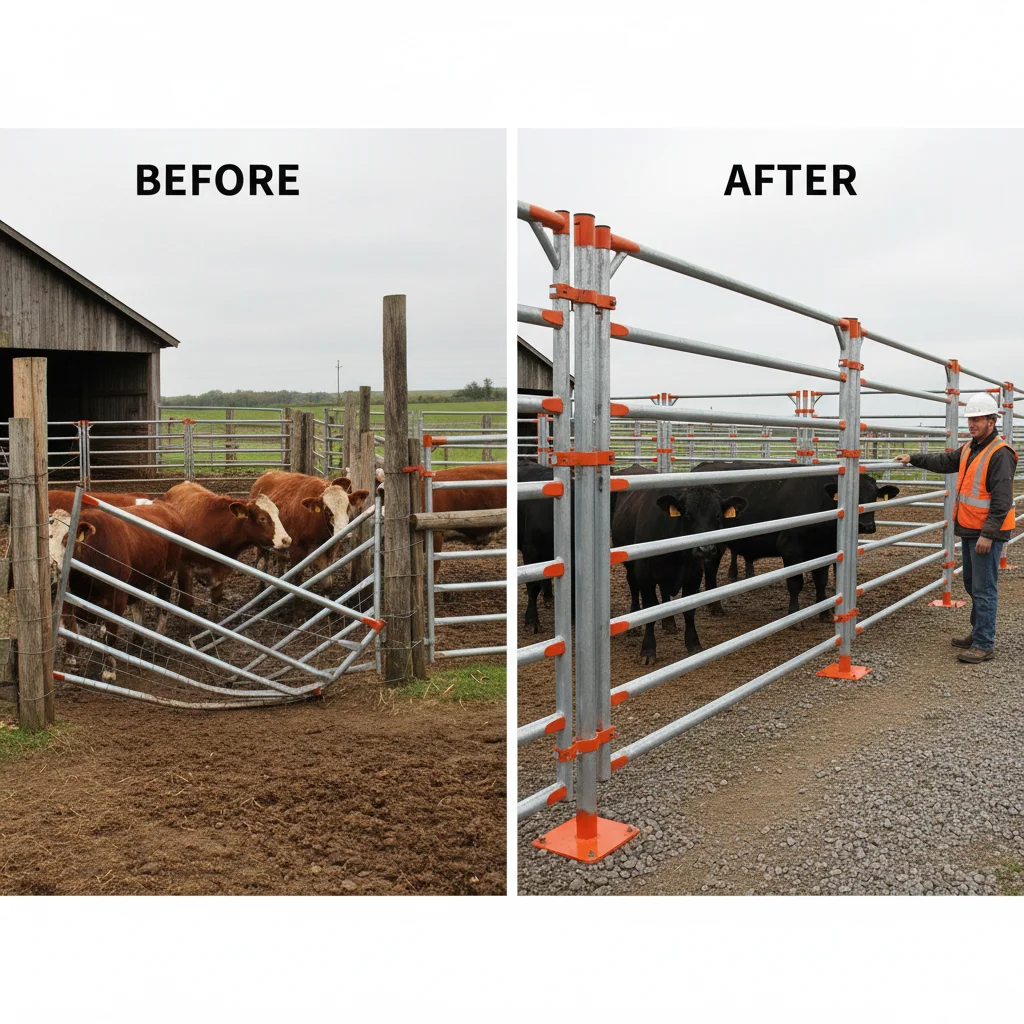
Durable Freestanding Livestock Panels for Efficient Animal Handling In the demanding world of agricultural management, the need for flexible and robust containment solutions has never been more critical. freestanding livestock panels offer a sophisticated answer to the challenges of animal handling, providing a secure yet adaptable barrier that does not require permanent installation or deep grounding. By allowing farmers and ranchers to redefine their spatial layouts in minutes, these panels maximize the efficiency of existing infrastructure while ensuring the safety of both the handlers and the livestock. Read More >26 Apr, 17
-
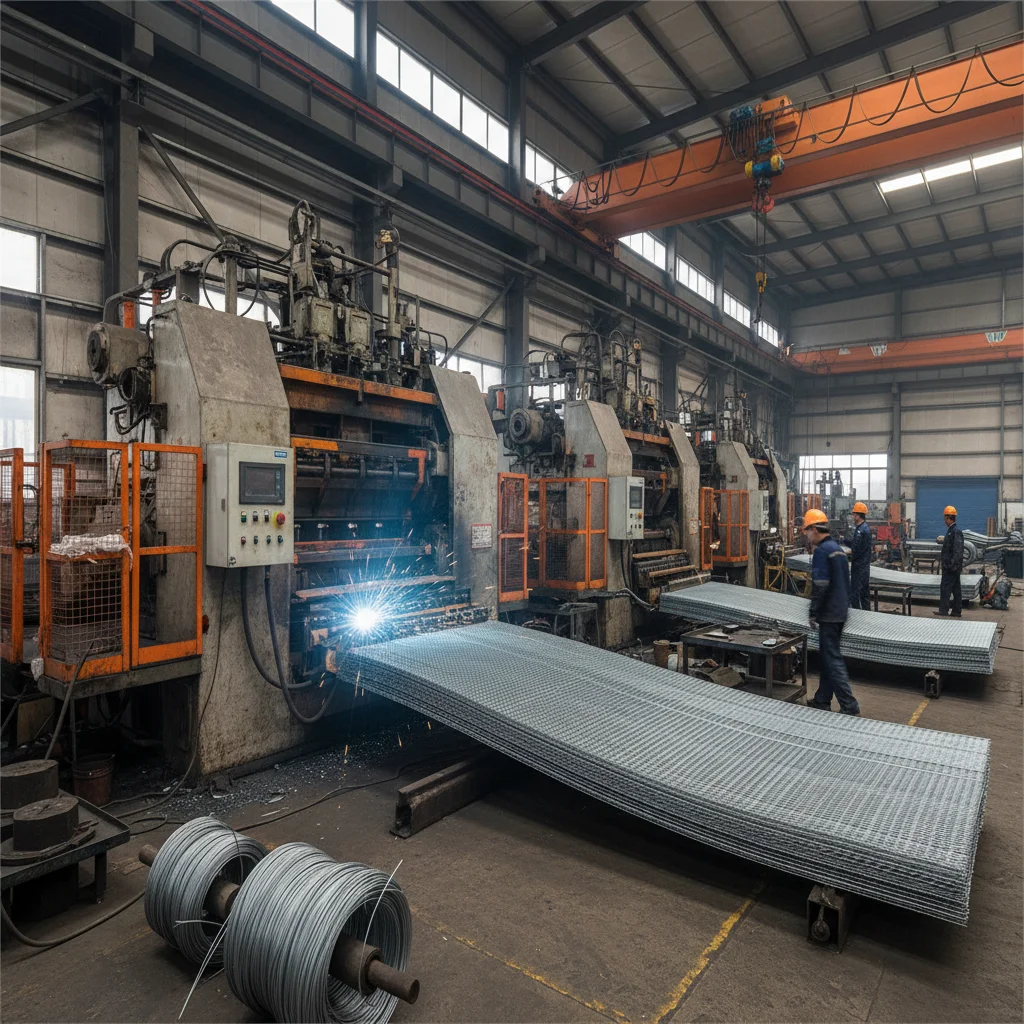
Professional Galvanized Welded Mesh Factory for Industrial Projects Finding a reliable galvanized welded mesh factory is critical for ensuring the structural integrity and longevity of your industrial or agricultural installations. Galvanized welded mesh is prized for its exceptional strength and resistance to corrosion, making it the go-to choice for fencing, animal cages, and construction reinforcement. However, not all factories adhere to the same quality standards. Whether you are sourcing for a large-scale infrastructure project or a specialized commercial application, understanding the manufacturing process and quality benchmarks is key to making a cost-effective investment that lasts for decades. Read More >26 Apr, 16
-
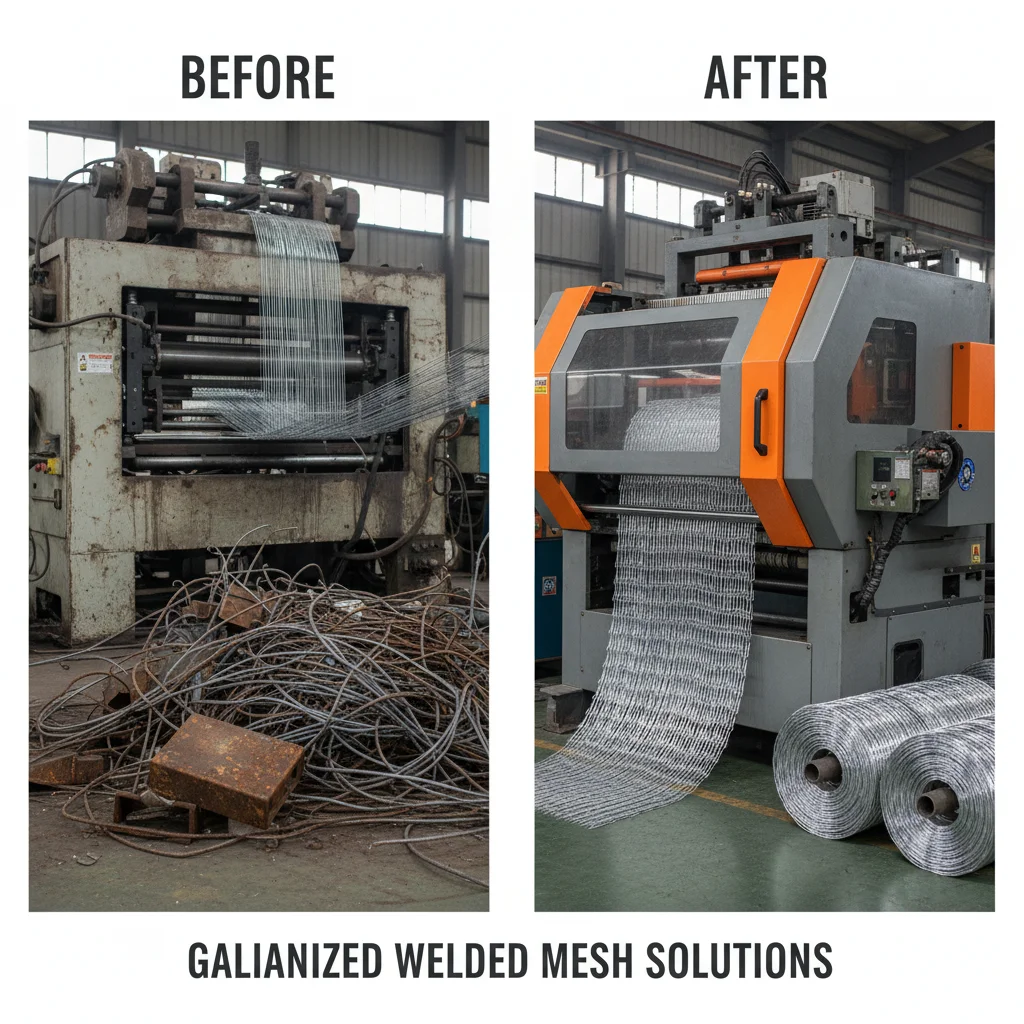
Professional Galvanized Welded Mesh Exporter for Quality Projects Selecting a high-quality fencing or screening solution requires more than just picking a product; it requires partnering with a reliable galvanized welded mesh exporter who understands the balance between structural integrity and corrosion resistance. Whether you are securing an industrial perimeter, building animal enclosures, or implementing architectural reinforcements, the quality of the galvanization process determines the lifespan of your installation. In this guide, we will explore the technical advantages of galvanized welded mesh and how to identify a global supplier that meets international quality standards to ensure your investment stands the test of time. Read More >26 Apr, 09
-
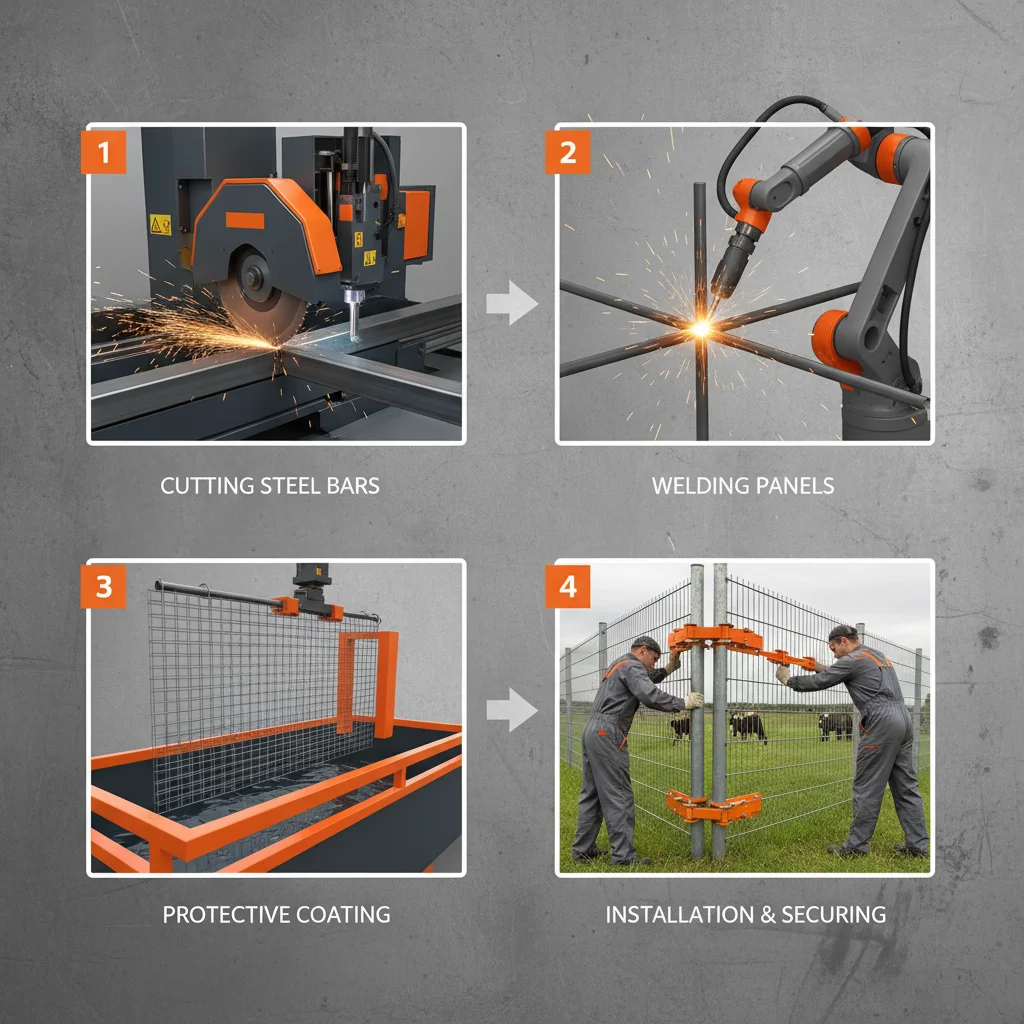
Essential Fencing Panels for Livestock Management and Farm Productivity Fencing panels for livestock are essential components in modern animal husbandry, playing a critical role in efficient farm management, animal welfare, and land utilization. Globally, the demand for robust and reliable fencing solutions is increasing due to the expanding livestock industry and the need to protect grazing lands from encroachment and predation. These panels aren’t simply barriers; they represent a vital investment in a farm's productivity and the health of its animals. Read More >26 Apr, 08
If you are interested in our products, you can choose to leave your information here, and we will be in touch with you shortly.


