


Durable and Safe Solid Cattle Panels for Modern Livestock Management
Understanding Solid Cattle Panels: A Global Perspective
If you’ve ever wandered through a farm or livestock facility, the sturdy partitions that keep cattle in place are more than just metal bars—they’re vital products known as solid cattle panels. Widely used in animal husbandry, these panels play an essential role beyond the farm gate, contributing to global agricultural productivity, livestock welfare, and even emergency management situations. Their robust design makes them a key tool in maintaining animal safety, controlling movement, and enhancing operational efficiency.
Globally, the agriculture sector contributes about 4% to the world’s GDP (World Bank), with livestock farming as a major pillar. As the demand for meat and dairy increases, so does the need for reliable, cost-effective infrastructure such as solid cattle panels. Understanding the nuances of these panels is crucial—not only for farmers and supply chain managers but also for anyone involved in food security and rural development.
Why Solid Cattle Panels Matter Worldwide
Today’s livestock industry faces multiple challenges: crowding on farms, transportation risks, disease control, and animal welfare regulations. Worldwide, millions of cattle are moved, housed, and managed daily, often under already stressed conditions. Poor fencing leads to injury, loss, and stress to animals, which indirectly hits economic outcomes and public health.
Solid cattle panels are designed to mitigate these issues. For example, the solid cattle panels provide durable, secure partitions that prevent injury by restricting sharp edges or gaps where animals might get stuck or hurt. Considering global livestock numbers reported by the Food and Agriculture Organization (FAO) hover near 1.5 billion head of cattle, the importance is clear.
What Exactly Are Solid Cattle Panels?
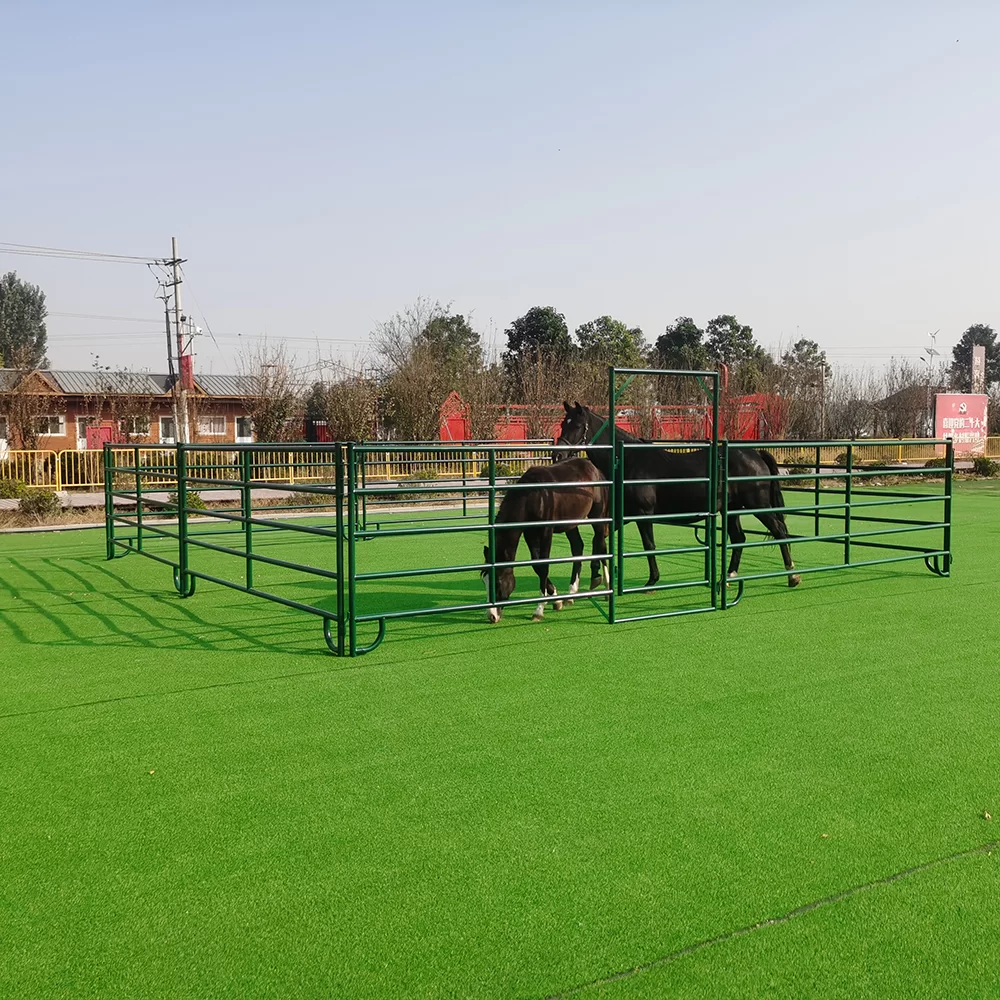
Put simply, solid cattle panels are robust, metal fence systems designed specifically for confining cattle safely. Unlike traditional wire fencing, these panels have minimal gaps and a solid frame structure that’s often coated for weather resistance. They’re modular, so you can build pens, chutes, or gates as needed. In a way, they are the unsung heroes of livestock handling—the physical boundary between order and chaos.
Now, beyond farms, these panels contribute to humanitarian efforts—say, in post-disaster scenarios where temporary animal shelters must be set up quickly and reliably. They’re also used in industrial zones where stray livestock might pose risks or in remote regions where livestock movement control is essential to ecosystem balance.
Key Features That Make Solid Cattle Panels Stand Out
- Durability: Made from high-tensile steel and treated with zinc or powder coatings to resist rust. This keeps the panels intact for years, despite harsh weather or animal pressure.
- Safety for Animals: The absence of sharp edges and smooth welds minimizes risks of injury, which is crucial to animal welfare and productivity.
- Modularity and Scalability: They can be configured easily for small herds or large feedlots, making them adaptable to any scale of operation.
- Cost Efficiency: While upfront costs may seem significant, their longevity and low maintenance usually result in better long-term returns compared to traditional fencing.
- Portability: Many designs allow for quick assembly and disassembly, which is invaluable during seasonal changes or emergencies.
Typical Specifications of a Solid Cattle Panel
| Specification | Details |
|---|---|
| Material | High-tensile galvanized steel |
| Dimensions | 6 ft (height) x 10 ft (length) standard panel size |
| Weight | Approximately 50–60 kg per panel |
| Finish | Powder-coated or galvanized for corrosion resistance |
| Load Resistance | Designed to withstand pressures of up to 2,000 N/m² |
Mini takeaway: These panels combine strength, safety, and adaptable sizing—making them much more than just fences.
Who Uses Solid Cattle Panels and How?
The uses vary widely worldwide. In North America, commercial feedlots depend heavily on these panels to organize cattle flow safely and efficiently. In Australia and parts of Africa, where pastoralism is critical and terrain is rough, these panels help secure herds against predators and weather extremes.
Humanitarian agencies sometimes deploy portable solid cattle panels for temporary livestock pens after natural disasters to protect displaced farmers’ animals. In remote mining and oil extraction zones—where interaction between wildlife and domestic herds can cause conflict—solid panels offer a practical mitigation tool.
To get a feel for vendor offerings, here’s a quick comparison:
| Vendor | Panel Material | Weight | Finish | Pricing (per panel approx.) |
|---|---|---|---|---|
| Haotian Mesh | Galvanized Steel | 55 kg | Powder-coated, 10+ years corrosion resistance | $85–$110 USD |
| SteelCattle Equip | High-carbon Steel | 60 kg | Galvanized only | $90–$120 USD |
| AgriSecure Ltd. | Stainless Steel | 52 kg | Polished finish, corrosion-proof | $130–$160 USD |
Why Invest in Solid Cattle Panels? The Long-Term Benefits
Honestly, the advantages are more profound than just fencing the cattle. The durability creates cost savings long term, reducing the need for frequent repairs or replacements. Safer livestock handling means fewer injuries and stress—both animal and handler safety matter if you want healthy, productive herds. Plus, using high-quality panels improves biosecurity by allowing precise control over herd movement.
There’s also a sustainability angle. Longer-lasting materials mean less waste, and better management helps reduce disease spread, which can have environmental and economic ripple effects beyond the farm.
Looking Ahead: Trends and Innovations for Solid Cattle Panels
The industry is flirting with a few exciting developments. One is the integration of RFID or IoT sensors embedded in panels to track animal movement and health metrics wirelessly, making farm management smarter. Environmentally, manufacturers are experimenting with recycled metals and eco-friendly coatings to minimize ecological impact.
Automation might seem far-fetched but imagine gate panels that open automatically when a specific cattle tag scans nearby—frankly, it’s not sci-fi anymore. And regulatory pressures are encouraging farmers to adopt safer, more humane handling equipment, which aligns perfectly with modern solid cattle panel designs.
Challenges and Practical Solutions
That said, a few bumps remain. Transporting heavy panels into remote areas can be a logistical headache. Some cheaper panels rust faster, defeating their purpose. The biggest issue is sometimes cost, especially for small-scale farmers who cannot afford large upfront investments.
Experts suggest renting panels for short-term needs, or choosing modular designs that can be expanded over time. Also, local manufacturing partnerships might reduce costs and improve supply timelines.
Frequently Asked Questions About Solid Cattle Panels
- Q: How long do solid cattle panels typically last?
- A: With proper maintenance and galvanization or powder coating, solid cattle panels often last 10 to 15 years, sometimes longer depending on climate and usage.
- Q: Are these panels easy to install for a non-professional?
- A: Yes, many panels are designed for tool-free assembly or with minimal hardware. However, installing in uneven terrain might require expert assistance.
- Q: Can panels be customized for size or shape?
- A: Definitely. Vendors like Haotian Mesh offer custom sizes, shapes, and coatings to fit unique farm layouts or climates.
- Q: Are solid cattle panels environmentally friendly?
- A: When produced with sustainable materials and treated to last, they help reduce waste. Some manufacturers also use recycled steel and eco-friendly coatings.
- Q: How do solid cattle panels help with animal welfare?
- A: They reduce injury risks by eliminating sharp edges and providing stable, secure boundaries that limit stress and agitation during handling.
Wrapping Up: Why Solid Cattle Panels Are More Than Just Fences
In the end, investing in high-quality solid cattle panels means investing in animal safety, farm efficiency, and long-term sustainability. They address real, practical challenges that livestock producers face globally, from biosecurity to humane treatment and asset preservation. If this sounds like a solution you’re ready to explore, consider reaching out to Haotian Mesh—they’re known for delivering quality and durability that truly lasts.
It’s a small element with a big impact, and often, it’s the unsung things that keep the show running smoothly.
References:
-
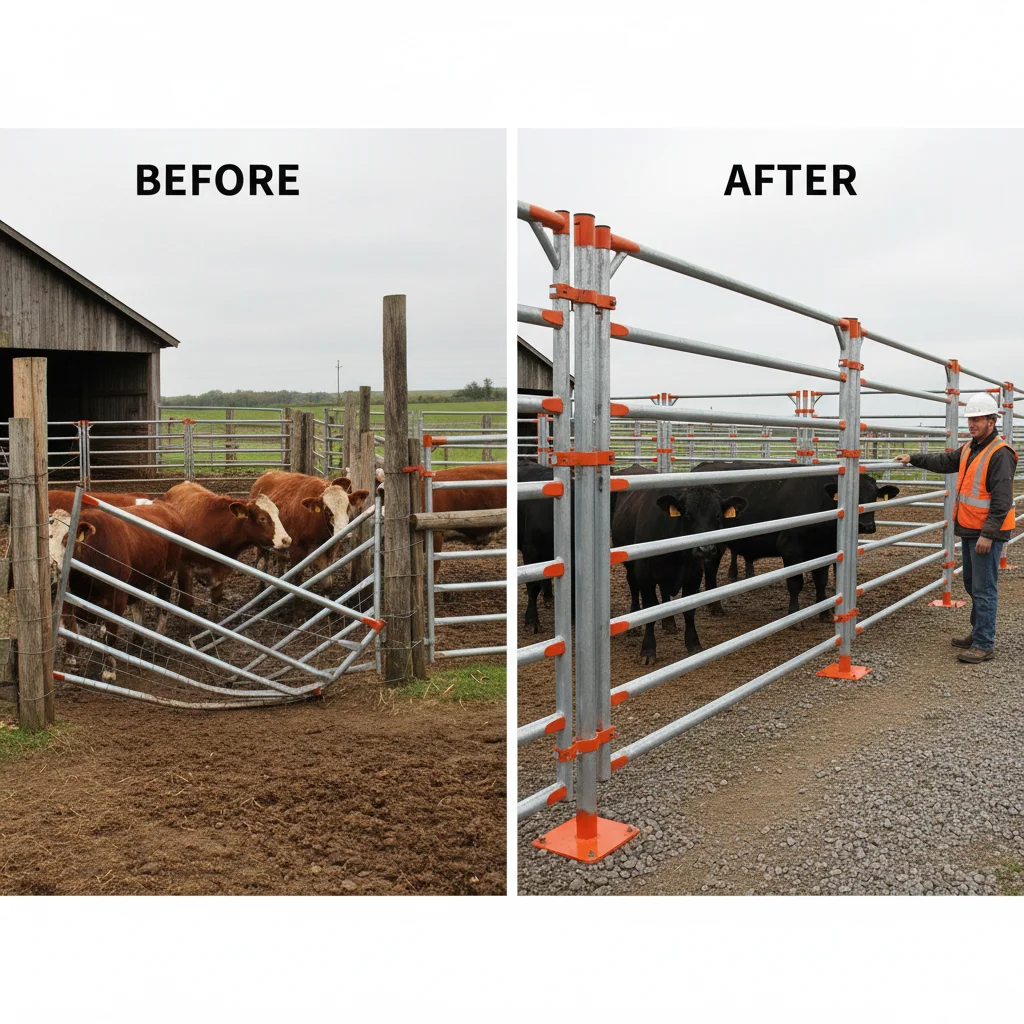
Durable Freestanding Livestock Panels for Efficient Animal Handling In the demanding world of agricultural management, the need for flexible and robust containment solutions has never been more critical. freestanding livestock panels offer a sophisticated answer to the challenges of animal handling, providing a secure yet adaptable barrier that does not require permanent installation or deep grounding. By allowing farmers and ranchers to redefine their spatial layouts in minutes, these panels maximize the efficiency of existing infrastructure while ensuring the safety of both the handlers and the livestock. Read More >26 Apr, 17
-
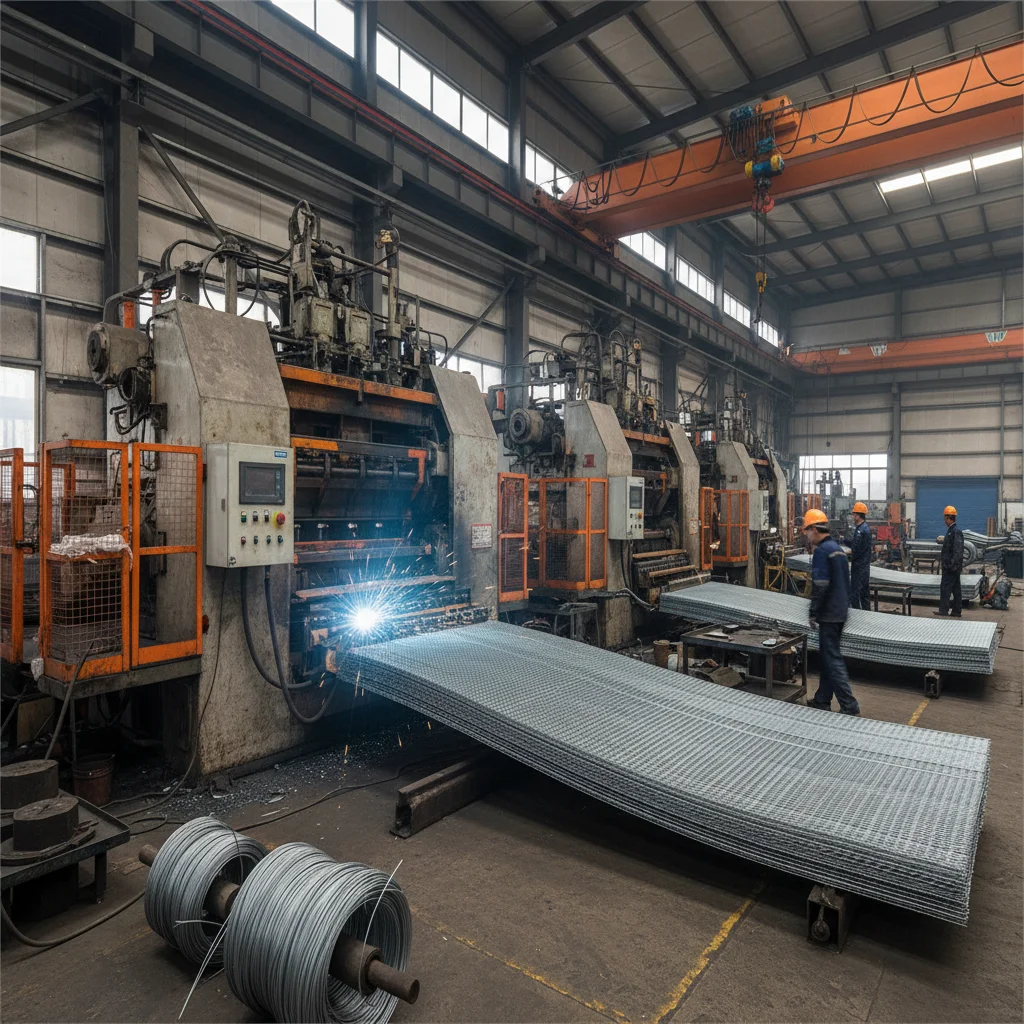
Professional Galvanized Welded Mesh Factory for Industrial Projects Finding a reliable galvanized welded mesh factory is critical for ensuring the structural integrity and longevity of your industrial or agricultural installations. Galvanized welded mesh is prized for its exceptional strength and resistance to corrosion, making it the go-to choice for fencing, animal cages, and construction reinforcement. However, not all factories adhere to the same quality standards. Whether you are sourcing for a large-scale infrastructure project or a specialized commercial application, understanding the manufacturing process and quality benchmarks is key to making a cost-effective investment that lasts for decades. Read More >26 Apr, 16
-
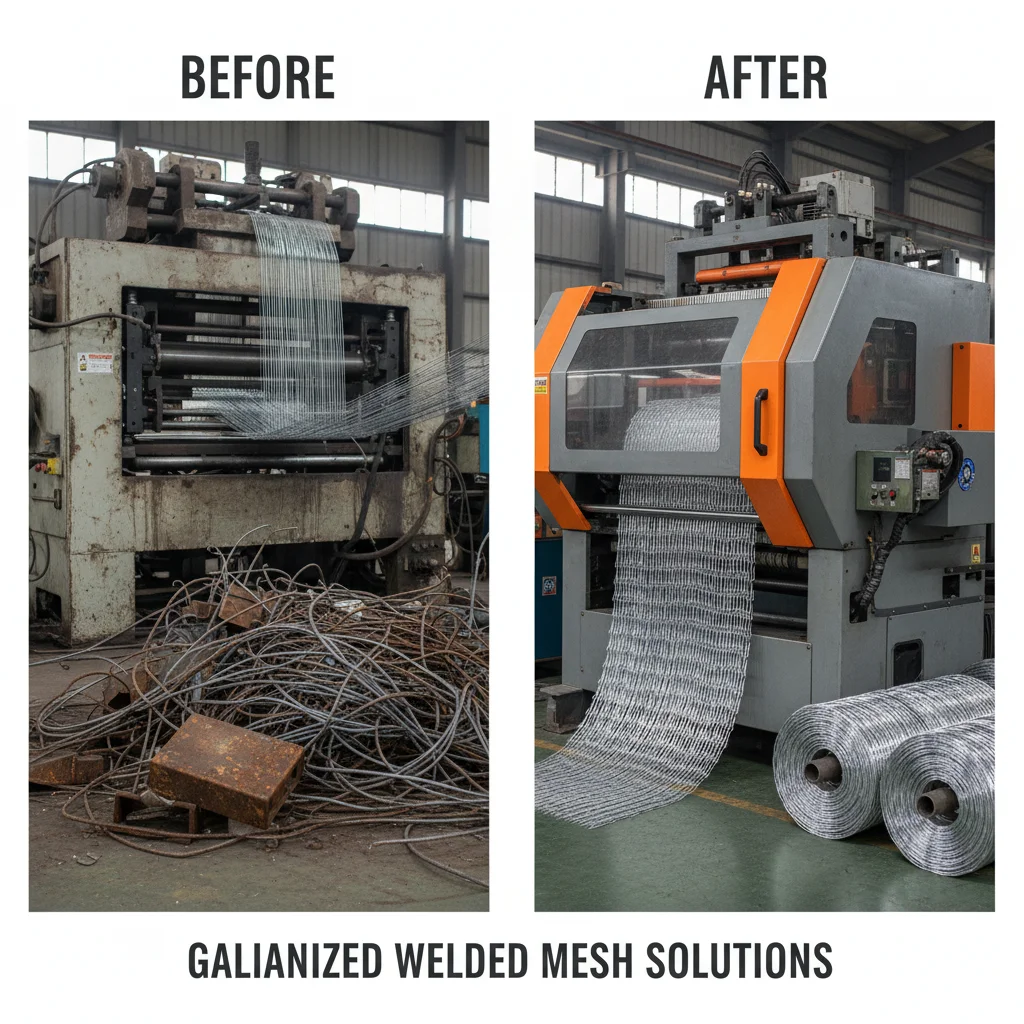
Professional Galvanized Welded Mesh Exporter for Quality Projects Selecting a high-quality fencing or screening solution requires more than just picking a product; it requires partnering with a reliable galvanized welded mesh exporter who understands the balance between structural integrity and corrosion resistance. Whether you are securing an industrial perimeter, building animal enclosures, or implementing architectural reinforcements, the quality of the galvanization process determines the lifespan of your installation. In this guide, we will explore the technical advantages of galvanized welded mesh and how to identify a global supplier that meets international quality standards to ensure your investment stands the test of time. Read More >26 Apr, 09
-
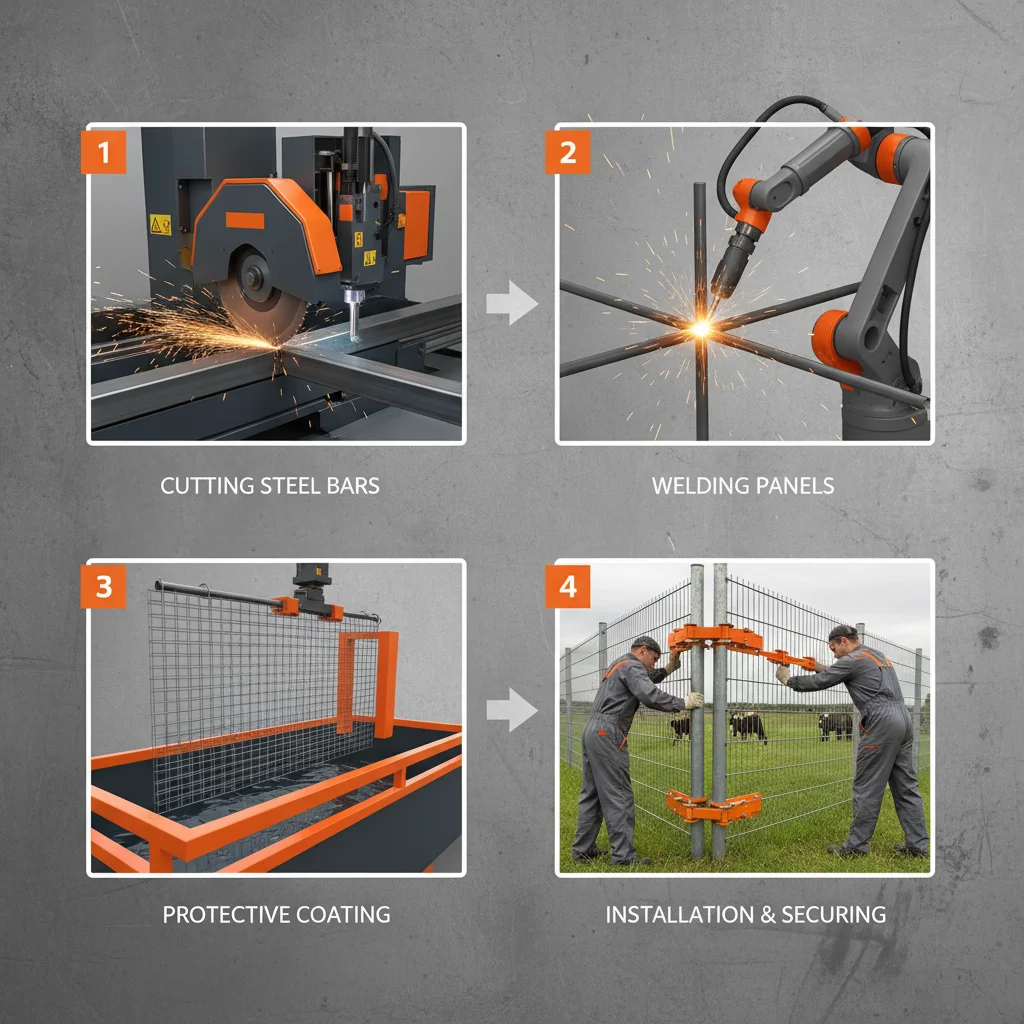
Essential Fencing Panels for Livestock Management and Farm Productivity Fencing panels for livestock are essential components in modern animal husbandry, playing a critical role in efficient farm management, animal welfare, and land utilization. Globally, the demand for robust and reliable fencing solutions is increasing due to the expanding livestock industry and the need to protect grazing lands from encroachment and predation. These panels aren’t simply barriers; they represent a vital investment in a farm's productivity and the health of its animals. Read More >26 Apr, 08
If you are interested in our products, you can choose to leave your information here, and we will be in touch with you shortly.


