


Durable and Lightweight Aluminum Cattle Panels for Efficient Livestock Management
Understanding Aluminum Cattle Panels: Why This Industry Matters on a Global Scale
At first blush, aluminum cattle panels might just sound like a niche agricultural product, but their impact spans far beyond ranches and farms. Globally, they represent a clever piece of engineering that helps solve critical issues related to livestock management, rural infrastructure, and even humanitarian relief. Whether it's improving animal welfare, enabling safer transport, or reducing overall costs for farmers, understanding these panels isn’t just a matter of technical knowledge — it's about sustainable progress in food production and rural development worldwide.
With rising global populations, growing food demand, and climate challenges emerging every day, solutions like aluminum cattle panels show how materials science and design cleverly merge to support better farming practices while keeping sustainability in mind.
Why Aluminum Cattle Panels Are So Important Globally
Globally, livestock farming accounts for a substantial portion of agricultural GDP, especially in developing nations. The United Nations Food and Agriculture Organization (FAO) estimates over 1.5 billion small-scale farmers worldwide depend directly or indirectly on livestock. Managing these animals effectively requires reliable, durable fencing and containment — enter aluminum cattle panels.
These panels address a core challenge: how to keep animals safe, contained, and healthy with materials that withstand harsh environments without frequent repair. For instance, in arid Africa, where rust and corrosion rapidly degrade traditional steel panels, aluminum’s corrosion resistance prevents costly replacements. Meanwhile, in Europe or North America, livestock producers appreciate aluminum panels for their light weight, making handling and reconfiguration quicker and safer.
But beyond farming, NGOs and disaster relief agencies have also tapped into their portability and robustness to quickly build animal pens in post-disaster zones or conflict areas, ensuring livestock survival and by extension, community resilience.
So, What Are Aluminum Cattle Panels Exactly?
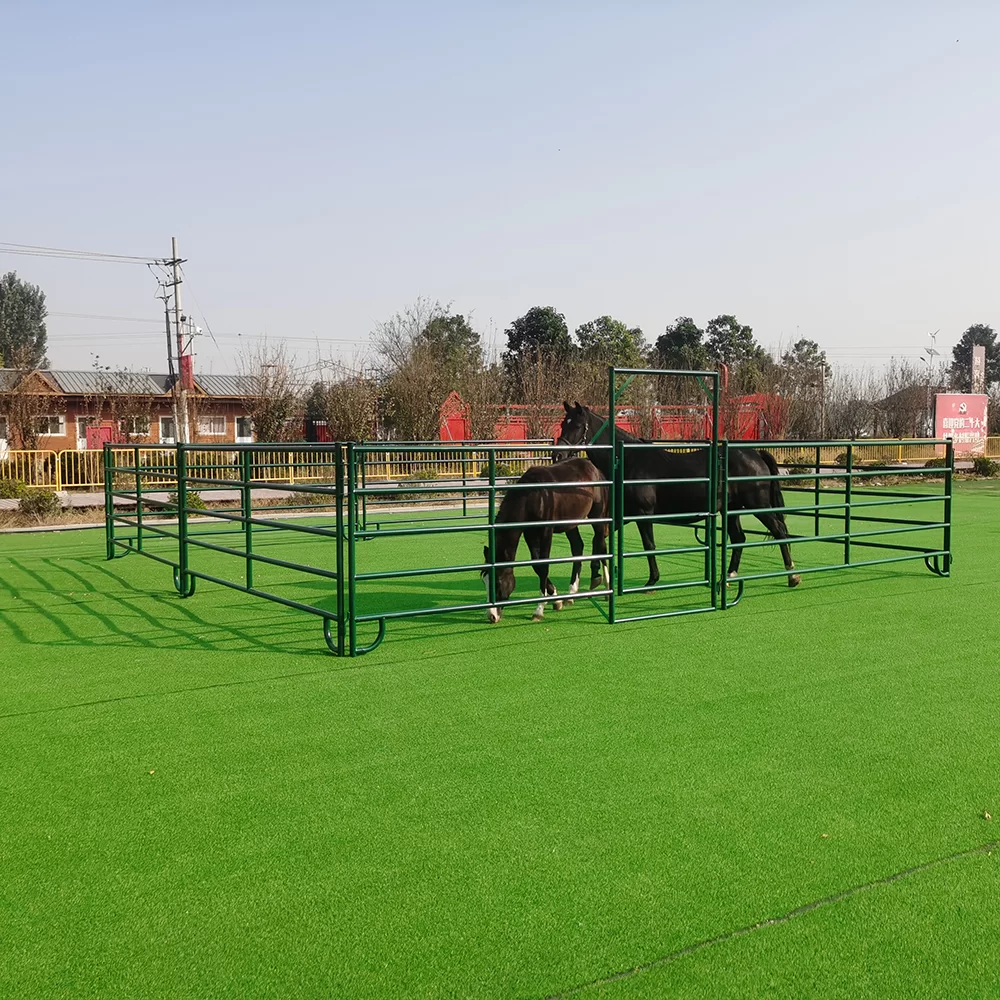
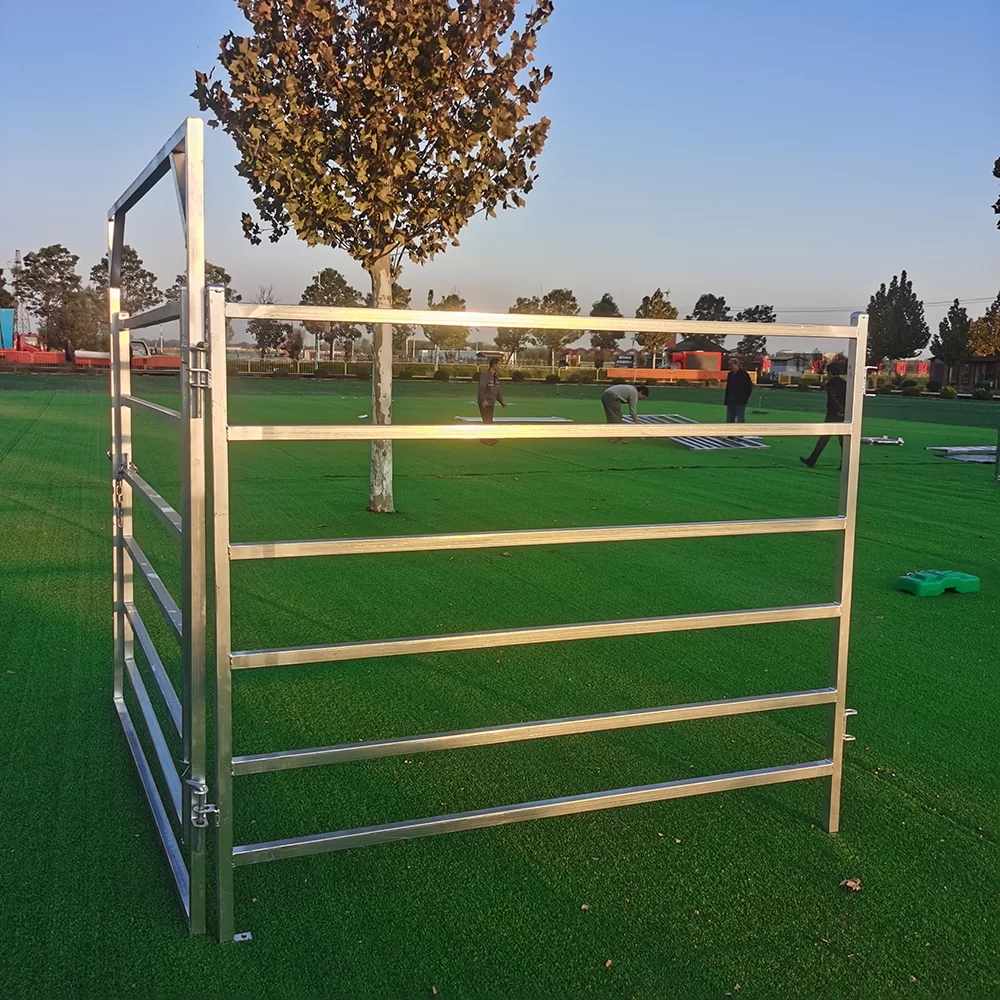
Put simply, aluminum cattle panels are modular fence sections made of lightweight aluminum tubing welded together in a grid or rectangular pattern designed to contain or guide livestock such as cattle, sheep, and goats. Aluminum’s key characteristics — lightweight, corrosion resistance, strength — distinguish these panels from traditional steel or wood structures.
They fit neatly into a modern industrial context: adaptable infrastructure pieces that scale easily and serve humanitarian, agricultural, and industrial needs simultaneously. Their presence in markets today signals a shift towards more sustainable, cost-efficient livestock management systems.
Core Characteristics of Aluminum Cattle Panels
Durability That Stands the Test of Time
Yeah, aluminum doesn't rust like iron or steel, which means fewer maintenance headaches. Long-term exposure to rain, snow, and UV effects don’t eat away at these panels, making them ideal for diverse climates — from tropical to temperate.
Lightweight and Easy Handling
If you’ve ever wrestled with heavy steel panels in the wind or mud, you’ll appreciate these. The reduced weight allows fewer workers to install or shift panels without specialized equipment, making operations more agile. Plus, that lightness translates to less transport cost, especially important for remote farms.
Cost Efficiency Over Lifecycle
While the upfront cost can edge above steel sometimes, the lower upkeep and longer lifespan mean, in real terms, you’re getting better bang for your buck. This is especially true in harsh or corrosive environments — think coastal farms or areas with acidic soil.
Modularity and Scalability
Aluminum panels come in standardized sizes and shapes, so setting up complex enclosures or temporary pens is straightforward. Farmers can add or remove sections as the herd size changes or needs evolve, which offers great operational flexibility.
Animal Welfare and Safety
Interestingly, the smooth surface and rounded edges of many aluminum panels reduce injury risks for livestock. It’s a subtle design consideration that many producers overlook, but those who've switched report calmer animals and fewer incidents.
Mini Takeaway:
Aluminum cattle panels combine resilience, flexibility, and safety — essential ingredients in livestock containment that support both farmer efficiency and animal welfare.
Global Applications and Real-World Use Cases
In places like Australia and the American Midwest, massive cattle operations have integrated aluminum panels to streamline their handling systems — from sorting yards to loading chutes — enhancing the speed and safety for both workers and animals.
Meanwhile, humanitarian groups in parts of Sub-Saharan Africa utilize these panels in rebuilding efforts after floods, constructing temporary enclosures to protect livestock from harm and theft in vulnerable communities. They’re also popular among remote mining or construction camps where temporary fencing around animals or equipment is required.
Interestingly, some urban farms in Europe have moved to aluminum fencing to create portable, visually appealing barriers, showing how this product crosses unexpected boundaries.
Advantages & Long-Term Value of Aluminum Cattle Panels
- Longevity: Pushes down replacement cycles and maintenance. Saves money and resources.
- Sustainability: Aluminum is highly recyclable — recycling aluminum uses just 5% of the energy to produce new aluminum.
- Safety & Welfare: Promotes humane containment with less injury risk.
- Economic Impact: Supports farmers globally by reducing labor time and improving herd management.
- Emotional Aspect: Provides peace of mind that animals are secure, which matters to producers emotionally and practically.
Product Specification Table
| Specification | Typical Range | Notes |
|---|---|---|
| Material | 6061-T6 Aluminum Alloy | Strong, corrosion resistant |
| Dimensions | 4 ft height x 8 ft length | Modular sizing standard |
| Weight | 35-50 lbs per panel | Easier to handle than steel |
| Surface finish | Anodized or Powder Coated | Improves corrosion resistance |
| Typical Load Capacity | Up to 1,500 lbs per panel | Sufficient for adult cattle |
Comparing Top Vendors of Aluminum Cattle Panels
| Vendor | Material Quality | Customization Options | Pricing (USD) | Lead Time |
|---|---|---|---|---|
| AluFence Co. | High-grade 6061-T6 | Colors, sizes, coatings | $120-$150 per panel | 2-4 weeks |
| RanchPro Suppliers | Standard aluminum alloy | Limited | $100-$130 per panel | 1-3 weeks |
| Haotian Mesh | Premium 6061-T6 + anodized finish | Fully customizable | $130-$160 per panel | 3-5 weeks |
Future Trends in Aluminum Cattle Panels
Innovation doesn’t stop with just lightweight metals. Increasingly, manufacturers experiment with integrating smart tech into panels — think sensors that can monitor animal pressure against the fence or detect breaches remotely. It sounds a bit sci-fi, but in high-investment farming, such automation enhances herd security significantly.
Sustainability is another big driver. Using more recycled aluminum, eco-friendly powder coatings, and optimizing panel designs to require less material without sacrificing strength are trends many vendors chase. Also, with green energy powering fabrication plants, the carbon footprint of these panels is shrinking.
Plus, there’s a subtle push to create panels that double as conduits or underneath solar panels mounted on fences — a clever way to turn ordinary barriers into energy generators.
Challenges and Solutions in the Field
Cost is a sticking point. Some rural farmers, particularly in low-income regions, find initial investments daunting. Plus, aluminum, while durable, can dent under heavy impact, requiring good design choices like reinforced frames or hybrid steel-aluminum combos.
To overcome these, NGOs and governments offer subsidies or lease programs, and vendors develop easily repairable panel options. Knowledge sharing about maintenance and modular replacement — rather than full panel swaps — also keeps expenses manageable.
Frequently Asked Questions About Aluminum Cattle Panels
- Q: How long do aluminum cattle panels typically last?
- A: With proper use and basic maintenance, aluminum cattle panels can last 15-25 years, far exceeding traditional wood or untreated steel panels, mainly due to their resistance to rust and corrosion.
- Q: Can aluminum livestock panels withstand harsh weather conditions?
- A: Absolutely. Aluminum has excellent corrosion resistance, making these panels ideal for coastal, humid, or otherwise challenging climates. Powder coatings further boost weather resistance.
- Q: Are aluminum panels safe for all types of livestock?
- A: Generally, yes. Their smooth finish and rounded edges reduce injury risk, making them safer for cattle, sheep, goats, and horses. However, panel size and bar spacing should be matched to specific animals for optimal safety.
- Q: How easy is it to customize or resize these panels?
- A: Very easy. Most suppliers offer standard sizes, but custom lengths, coatings, and colors are common. Their modular design means farmers or handlers can quickly add or remove panels as herd sizes change.
- Q: What about environmental impact compared to traditional materials?
- A: Aluminum is highly recyclable, and using recycled material significantly cuts energy usage compared to creating new metal. Plus, the durability reduces the need for frequent replacements, resulting in less waste overall.
Wrapping It Up: Why Aluminum Cattle Panels Are an Investment Worth Considering
At the end of the day, aluminum cattle panels strike a fascinating balance between technology, economics, and animal welfare. Their durability and lightness make life easier for producers, their sustainability aligns with global efforts to reduce farming’s footprint, and their adaptability means they fit countless scenarios — from large ranches to emergency animal shelters.
If you’re curious to explore the latest offerings and learn how customized aluminum cattle panels can upgrade your agricultural or industrial projects, visiting our site might just be worth your while.
Because sometimes, the simplest tool built with care and smart design can make all the difference in a global challenge.
Mini takeaway: Aluminum cattle panels may seem straightforward, but their global impact and future potential make them a small innovation worth watching closely.
References
-
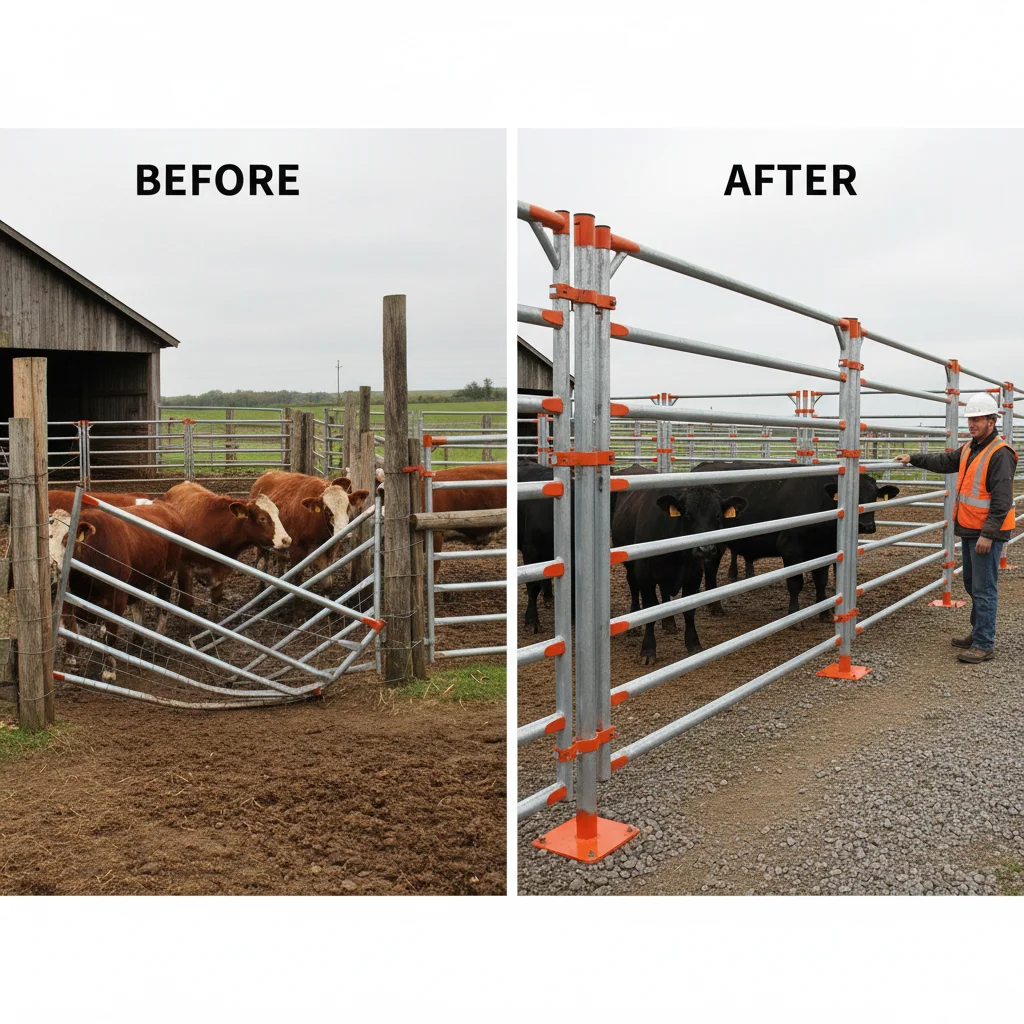
Durable Freestanding Livestock Panels for Efficient Animal Handling In the demanding world of agricultural management, the need for flexible and robust containment solutions has never been more critical. freestanding livestock panels offer a sophisticated answer to the challenges of animal handling, providing a secure yet adaptable barrier that does not require permanent installation or deep grounding. By allowing farmers and ranchers to redefine their spatial layouts in minutes, these panels maximize the efficiency of existing infrastructure while ensuring the safety of both the handlers and the livestock. Read More >26 Apr, 17
-
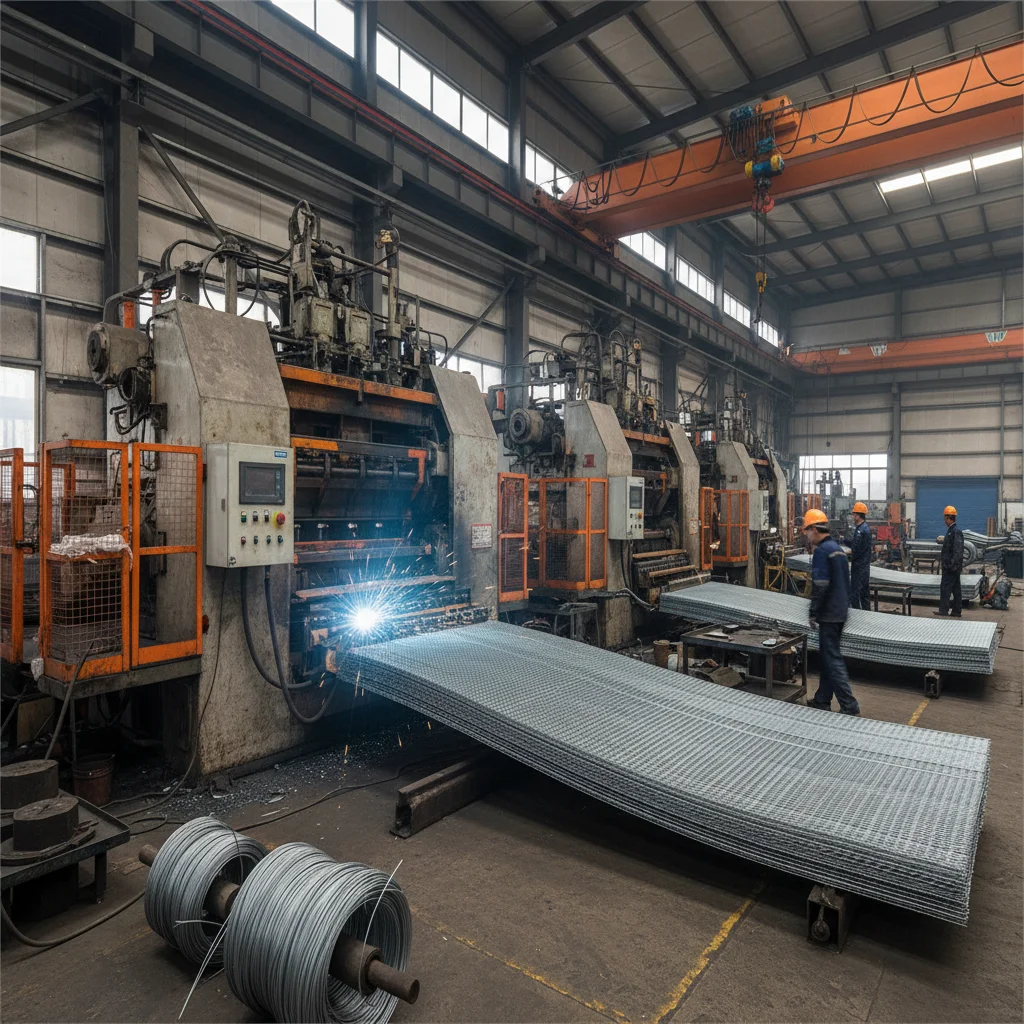
Professional Galvanized Welded Mesh Factory for Industrial Projects Finding a reliable galvanized welded mesh factory is critical for ensuring the structural integrity and longevity of your industrial or agricultural installations. Galvanized welded mesh is prized for its exceptional strength and resistance to corrosion, making it the go-to choice for fencing, animal cages, and construction reinforcement. However, not all factories adhere to the same quality standards. Whether you are sourcing for a large-scale infrastructure project or a specialized commercial application, understanding the manufacturing process and quality benchmarks is key to making a cost-effective investment that lasts for decades. Read More >26 Apr, 16
-
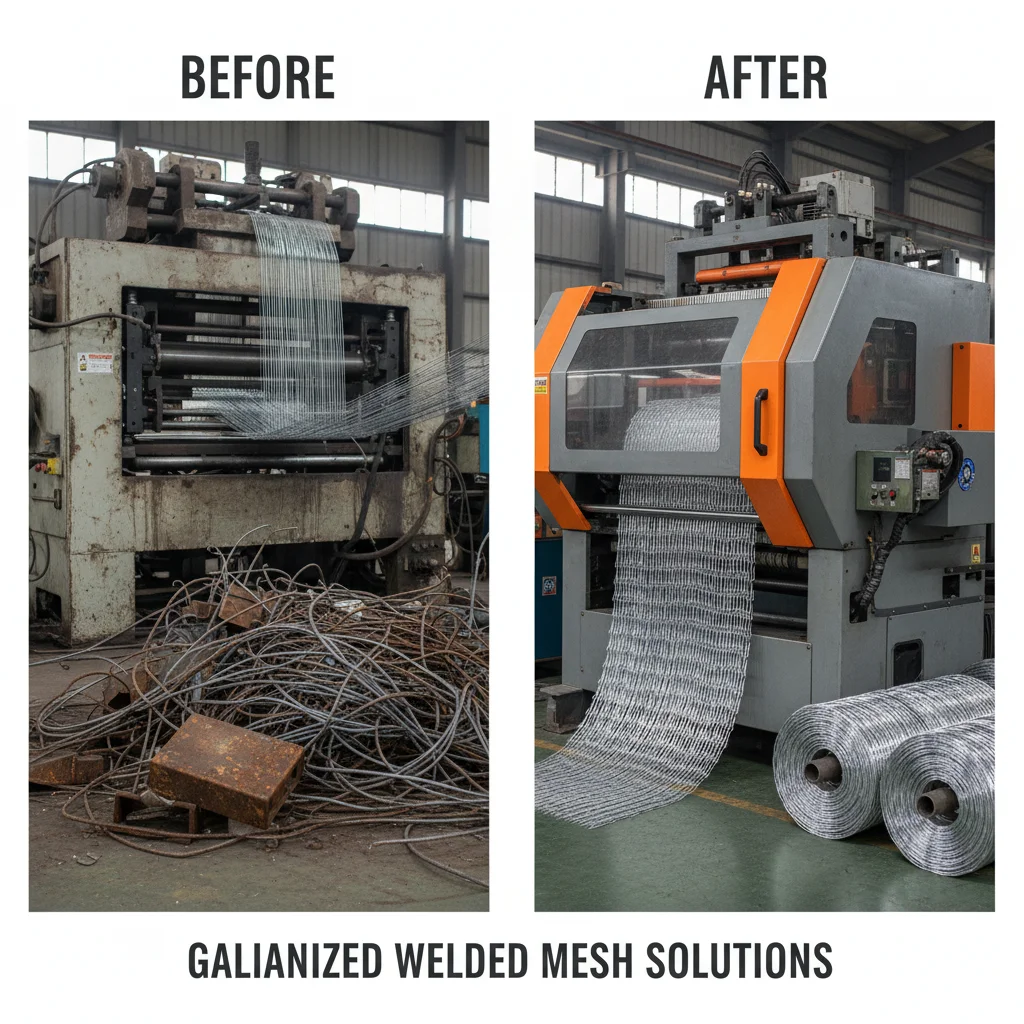
Professional Galvanized Welded Mesh Exporter for Quality Projects Selecting a high-quality fencing or screening solution requires more than just picking a product; it requires partnering with a reliable galvanized welded mesh exporter who understands the balance between structural integrity and corrosion resistance. Whether you are securing an industrial perimeter, building animal enclosures, or implementing architectural reinforcements, the quality of the galvanization process determines the lifespan of your installation. In this guide, we will explore the technical advantages of galvanized welded mesh and how to identify a global supplier that meets international quality standards to ensure your investment stands the test of time. Read More >26 Apr, 09
-
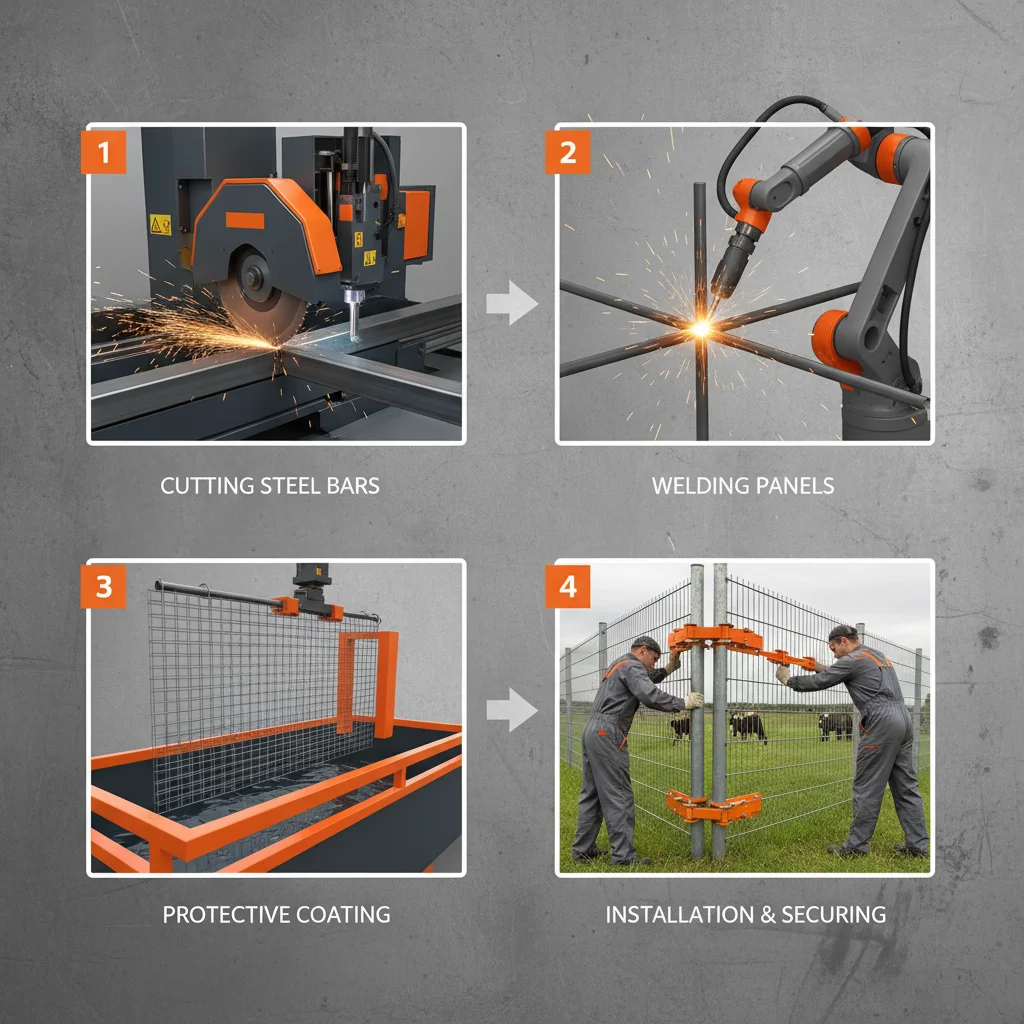
Essential Fencing Panels for Livestock Management and Farm Productivity Fencing panels for livestock are essential components in modern animal husbandry, playing a critical role in efficient farm management, animal welfare, and land utilization. Globally, the demand for robust and reliable fencing solutions is increasing due to the expanding livestock industry and the need to protect grazing lands from encroachment and predation. These panels aren’t simply barriers; they represent a vital investment in a farm's productivity and the health of its animals. Read More >26 Apr, 08
If you are interested in our products, you can choose to leave your information here, and we will be in touch with you shortly.


