


Durable and Efficient Cattle Guard Fence Panels for Livestock Control
Understanding Cattle Guard Fence Panels: Why They Matter Worldwide
When it comes to managing livestock and securing grazing areas, cattle guard fence panels are often the unsung heroes. These specially designed barriers allow vehicles and people to cross without the hassle of opening gates, yet keep livestock contained efficiently. Globally, as ranching and livestock farming continue to scale and intersect with expanding infrastructure, understanding these solutions becomes critical. They offer benefits not just in operational efficiency but also in safety, sustainability, and land management.
In a nutshell: these panels simplify daily farm operations, reduce maintenance costs, and minimize animal stress—a triple win if you ask me.
The Global Landscape: Why Do Cattle Guard Fence Panels Matter?
The global livestock population is staggering—over 1.5 billion cattle worldwide according to the Food and Agriculture Organization (FAO). Across continents, from the sprawling ranches of the US and Australia to smallholder farms in Africa and South America, controlling livestock movement is a universal challenge.
The problem? Traditional fencing with gates can be inefficient, costly, and prone to failure—especially in remote or harsh environments. Gates slow down vehicle access, require regular maintenance, and can be left open inadvertently, leading to animal escapes or injuries. Cattle guard fence panels address these issues by providing a durable, scalable, and gate-free solution that works in diverse climates and terrains.
ISO standards on fencing and livestock management increasingly reference such innovations, underscoring their growing importance to agriculture and infrastructure worldwide.
What Exactly Are Cattle Guard Fence Panels?
At their core, cattle guard fence panels are metal grids or barriers designed to be embedded in the ground or incorporated into fencing systems. The design usually involves parallel steel bars spaced just enough apart to prevent cattle hooves from stepping on them safely—thus the animals hesitate or refuse to cross over. Meanwhile, vehicles and humans can pass freely.
Though seemingly simple, they’re critical in modern livestock management, easing logistics for ranchers, highway managers, and even humanitarian efforts involving displacement or temporary settlements.
Think of them as fit-for-purpose barriers—a practical blend of engineering and animal behavior insights that solve real problems without needing complicated tech.
Key Features and Components
Durability and Material Quality
Most panels are made from galvanized steel or heavy-duty aluminum, offering excellent resistance to corrosion and weathering. In harsh environments like humid tropics or arid deserts, this durability is non-negotiable if you want a long-lasting investment.
Design and Size Variability
Panels come in varying dimensions to suit different vehicle widths and livestock sizes. Modular designs allow easy customization and scalability. Oddly enough, many manufacturers include lightweight options for faster installation, but these must still meet weight and balance standards so cattle won’t cross.
Installation Simplicity
Installation doesn’t require heavy machinery in most cases, which saves cost and time. Panels are often pre-fabricated and shipped ready for immediate placement, a godsend on remote farms or construction sites.
Safety Considerations
Besides preventing cattle from wandering off, panels reduce risks to farmworkers and vehicles by eliminating swinging gates or makeshift barriers. They also help maintain clean roadways and better traffic flow where fencing meets highways or roads.
Mini Takeaway: Durable, customizable, and easy-to-install, cattle guard fence panels blend practical design with real-world livestock control needs.
Where Are These Panels Making an Impact?
You’ll find cattle guard fence panels in surprising places. Obviously, intensive ranching regions in North America and Australia are big users, but there’s a real push in developing economies where livestock plays a key role in livelihoods. Consider:
- Post-disaster relief camps: Keeping livestock secure without complex gate systems is vital in temporary settlements.
- Mining and industrial sites in remote areas: Animals need containment without disrupting vehicle-heavy operations or machinery.
- Highway and transport corridors: Reliable fencing prevents accidents and livestock roadway intrusions across rural highways.
For example, in parts of Kenya, NGOs use these panels to protect livestock while rehabilitating grazing lands. Plus, in Australia’s Outback, their ruggedness helps in areas where extreme heat and dust challenge standard fencing.
Advantages: Why Choose Cattle Guard Fence Panels?
- Cost Savings: Less maintenance than gates, fewer repairs, and minimal labor for opening/closing.
- Sustainability: Long-lasting materials reduce waste and replacement frequency, supporting eco-conscious operations.
- Safety & Reliability: Improves animal welfare by reducing escape risk and protects human operators.
- Operational Efficiency: Vehicles move freely without interruptions; no need to stop or open gates.
- Social Impact: Supports smallholder farmers with affordable, scalable fencing solutions.
What Does the Future Hold?
Emerging trends point to integration with smart farm technologies and sustainable materials. Imagine cattle guard panels embedded with sensors to monitor livestock movement or detect fence breaches in real time. There’s also a slow but growing move toward recycled steel and composite materials to lessen environmental footprints.
Automation in installation and modular design advances promise even quicker setup on challenging terrains. Some research even explores solar-powered barriers integrated with fencing to complement the basic cattle guard function.
Challenges & How the Industry is Addressing Them
Despite their many perks, cattle guard fence panels have some hurdles. Installation on uneven or rocky soil can be tricky, requiring specialized groundwork. Also, panels must be tailored carefully—the wrong spacing or weight can fail to deter livestock.
In response, companies now offer custom engineering solutions, enhanced ground preparation guides, and hybrid designs combining panels with other fencing types to suit specific regional needs.
Product Specification Table
| Specification | Typical Value | Notes |
|---|---|---|
| Material | Galvanized Steel | Corrosion resistant for 15+ years |
| Panel Dimensions | 2m x 3m (custom sizes available) | Modular for easy scaling |
| Bar Spacing | 12 cm (approx.) | Designed to deter cattle hoof placement |
| Weight per Panel | 200 kg | Stable, resists displacement |
| Installation Time | 2–4 hours per panel | Dependent on ground conditions |
Vendor Comparison: Leading Suppliers of Cattle Guard Fence Panels
| Vendor | Material Quality | Customization | Delivery Time | Price Range |
|---|---|---|---|---|
| Haotian Mesh Co. | Premium galvanized steel | High (custom sizes & finishes) | 3–5 weeks globally | Mid to high |
| RanchPro Fencing | Standard galvanized steel | Medium (limited customization) | 2–4 weeks (domestic) | Low to mid |
| EcoGuard Systems | Recycled composite materials | High (eco-friendly options) | 4–6 weeks (international) | Mid to high |
Frequently Asked Questions About Cattle Guard Fence Panels
Q1: Are cattle guard fence panels suitable for all types of cattle?
A1: Generally, yes. The standard bar spacing and panel size are designed to deter most cattle breeds from crossing. However, larger or more agile breeds may require custom sizing or additional fencing measures. Consulting suppliers like cattle guard fence panels experts can ensure you get the correct specifications.
Q2: How long do these cattle guard panels typically last?
A2: With proper installation and maintenance, galvanized steel panels can last 15 years or more. Environmental factors like corrosive soils or extreme weather might reduce lifespan, but using high-quality materials and coatings extends durability significantly.
Q3: Can these panels be used in temporary or mobile fencing?
A3: Absolutely. Modular panel designs enable quick assembly and disassembly, making them ideal for rotational grazing, temporary camps, or moving construction sites. Their weight and structure provide stability without permanent ground fixtures.
Q4: Do cattle guard fences require special permits or regulations?
A4: This varies by region. Always check local agricultural and transportation laws, especially if installing near roads or highways. Many suppliers provide guidance on compliance and best practices.
Q5: How do cattle guards compare to traditional gates for livestock control?
A5: While gates offer complete physical barriers, they require manual operation and can be left open by mistake. Cattle guard fence panels eliminate the need for gates at vehicle access points, improving efficiency while maintaining animal control. They’re not a full replacement but complement traditional fencing excellently.
Wrapping It Up: Why Cattle Guard Fence Panels Are Worth Your Consideration
In real terms, cattle guard fence panels offer a smart, scalable way to manage livestock boundaries, blending practical engineering with animal behavior insights. Durable, cost-effective, and versatile, they serve ranchers, industrial operators, and development projects worldwide. Whether for large-scale commercial farming or humanitarian relief, understanding these panels’ role and benefits is a step toward safer, more sustainable livestock management.
Ready to explore reliable options? Visit https://www.haotianmesh.com for detailed product info and expert advice on cattle guard fence panels that fit your needs.
References:
-
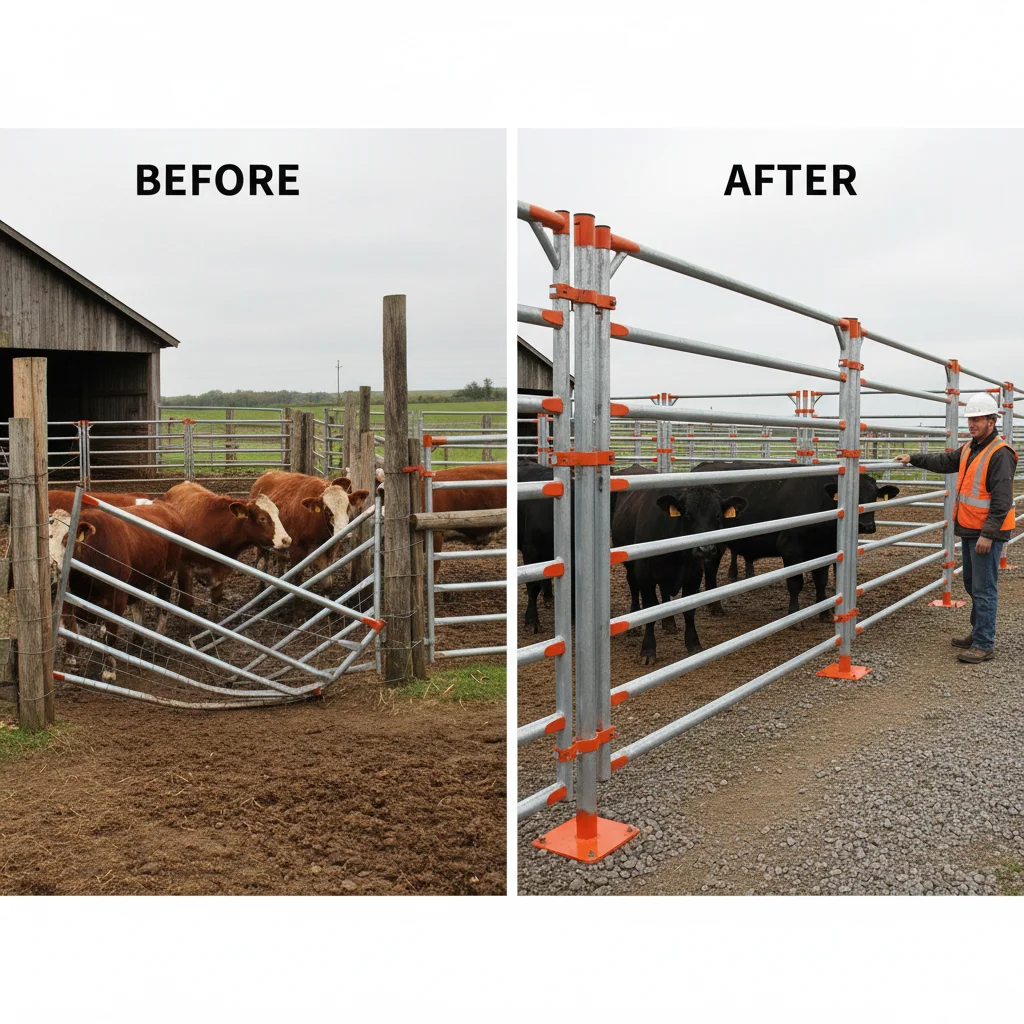
Durable Freestanding Livestock Panels for Efficient Animal Handling In the demanding world of agricultural management, the need for flexible and robust containment solutions has never been more critical. freestanding livestock panels offer a sophisticated answer to the challenges of animal handling, providing a secure yet adaptable barrier that does not require permanent installation or deep grounding. By allowing farmers and ranchers to redefine their spatial layouts in minutes, these panels maximize the efficiency of existing infrastructure while ensuring the safety of both the handlers and the livestock. Read More >26 Apr, 17
-
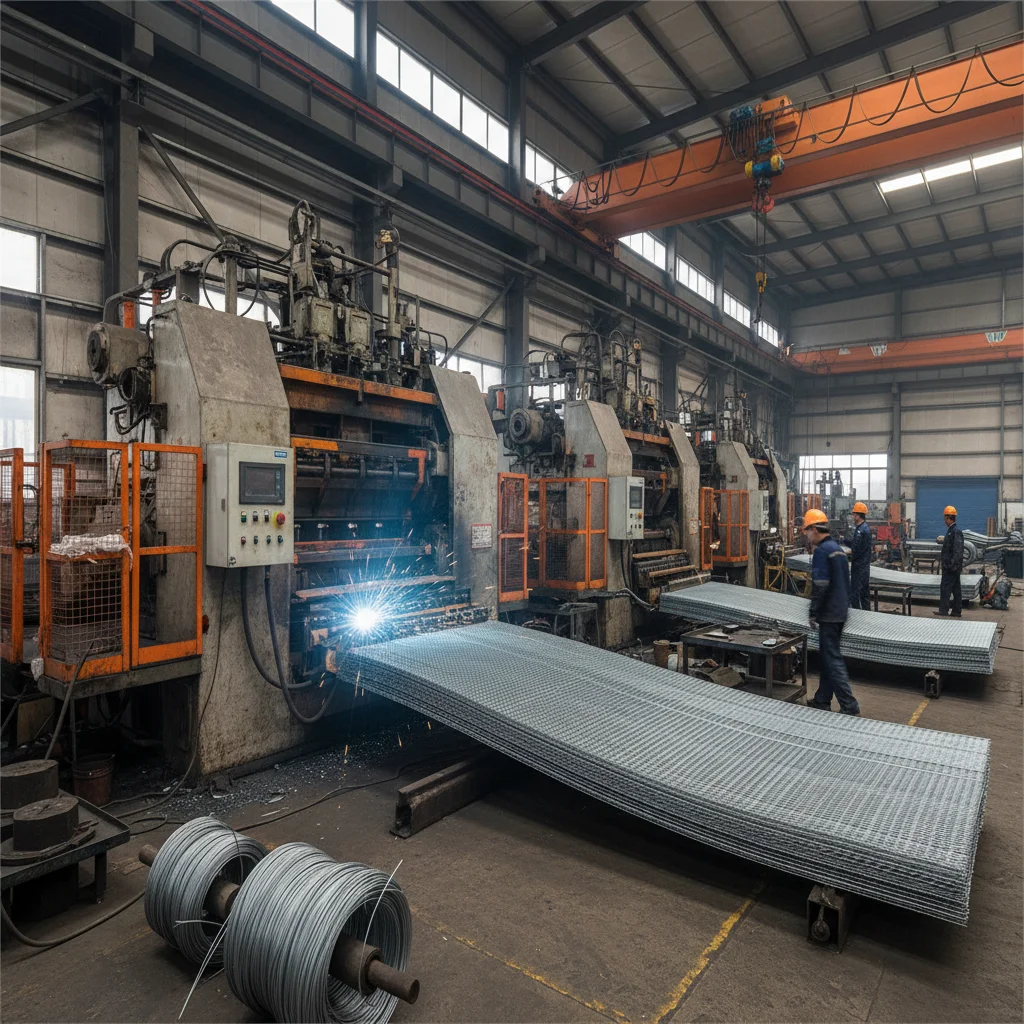
Professional Galvanized Welded Mesh Factory for Industrial Projects Finding a reliable galvanized welded mesh factory is critical for ensuring the structural integrity and longevity of your industrial or agricultural installations. Galvanized welded mesh is prized for its exceptional strength and resistance to corrosion, making it the go-to choice for fencing, animal cages, and construction reinforcement. However, not all factories adhere to the same quality standards. Whether you are sourcing for a large-scale infrastructure project or a specialized commercial application, understanding the manufacturing process and quality benchmarks is key to making a cost-effective investment that lasts for decades. Read More >26 Apr, 16
-
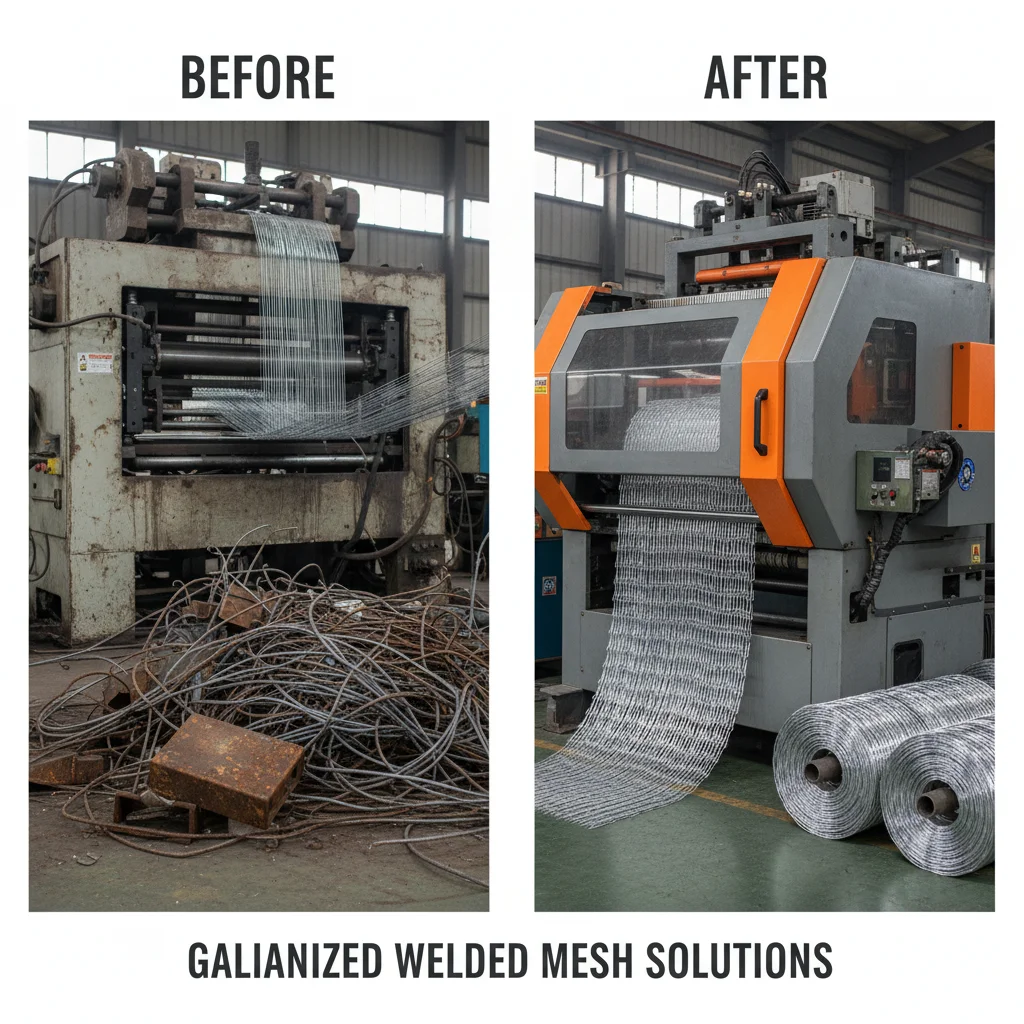
Professional Galvanized Welded Mesh Exporter for Quality Projects Selecting a high-quality fencing or screening solution requires more than just picking a product; it requires partnering with a reliable galvanized welded mesh exporter who understands the balance between structural integrity and corrosion resistance. Whether you are securing an industrial perimeter, building animal enclosures, or implementing architectural reinforcements, the quality of the galvanization process determines the lifespan of your installation. In this guide, we will explore the technical advantages of galvanized welded mesh and how to identify a global supplier that meets international quality standards to ensure your investment stands the test of time. Read More >26 Apr, 09
-
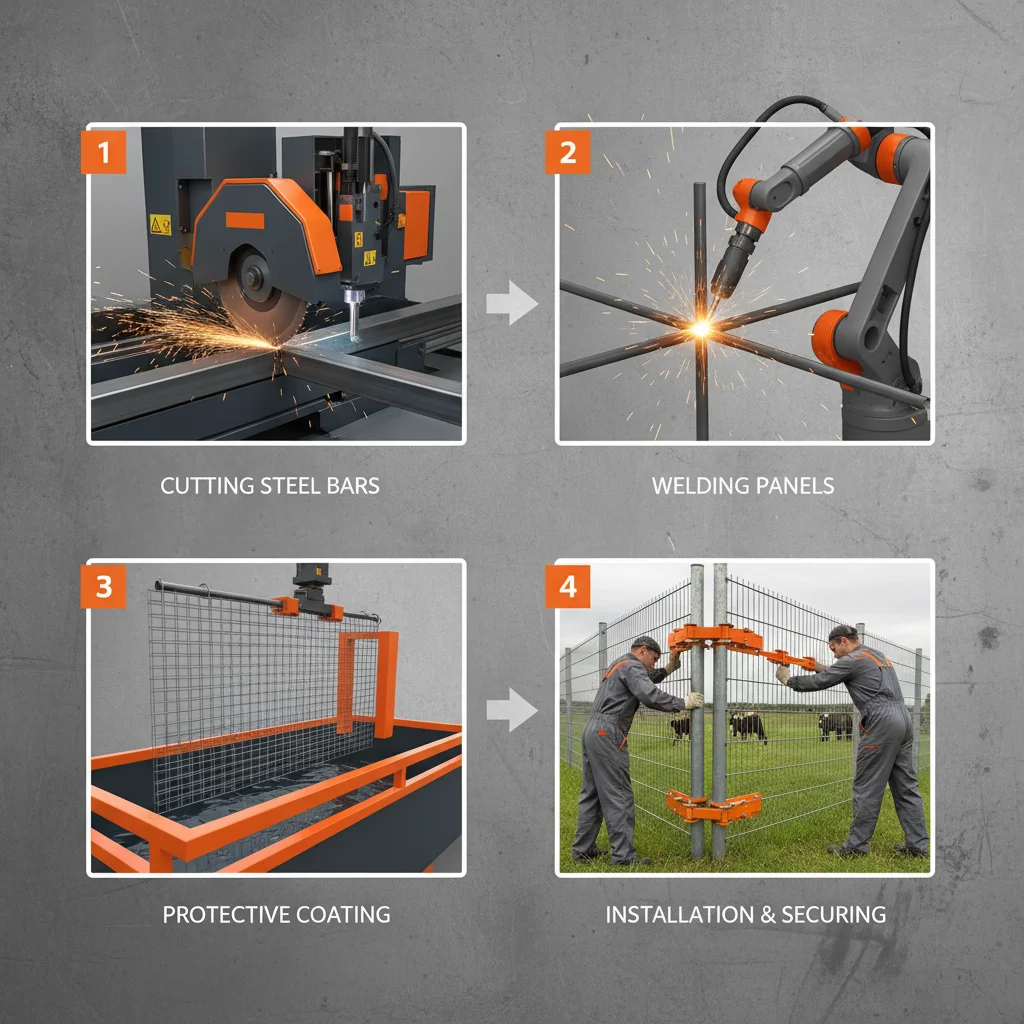
Essential Fencing Panels for Livestock Management and Farm Productivity Fencing panels for livestock are essential components in modern animal husbandry, playing a critical role in efficient farm management, animal welfare, and land utilization. Globally, the demand for robust and reliable fencing solutions is increasing due to the expanding livestock industry and the need to protect grazing lands from encroachment and predation. These panels aren’t simply barriers; they represent a vital investment in a farm's productivity and the health of its animals. Read More >26 Apr, 08
If you are interested in our products, you can choose to leave your information here, and we will be in touch with you shortly.


