


Durable and Efficient 16 Foot Cattle Panel Fence for Livestock & Agriculture
The 16 Foot Cattle Panel Fence: A Global Perspective on Efficiency and Durability
Ever wonder why so many farmers, ranchers, and even disaster relief organizations swear by the 16 foot cattle panel fence? At first glance, it might seem like just another sturdy wire mesh, but this particular fencing solution has quietly become a global staple for controlling livestock, securing boundaries, and more. It matters because, beyond the physical barriers it creates, it plays a critical role in agricultural productivity, animal welfare, and even humanitarian responses — all essential to feeding and protecting communities worldwide.
Understanding the widespread utility of the 16 foot cattle panel fence opens windows into smarter, cost-effective fencing that works overtime, whether it’s on sprawling farms in Australia or emergency shelters in East Africa. So, let's unpack what makes this simple yet vital product tick, and why it still holds extraordinary value in our modern, fast-changing world.
Why the 16 Foot Cattle Panel Fence Matters Globally
Did you know that according to the United Nations Food and Agriculture Organization (FAO), livestock provides livelihood to nearly 1.3 billion people worldwide? Efficient fencing like the 16 foot cattle panel fence directly influences the health and management of livestock by providing safe enclosures. Particularly in large-scale operations or regions where land management is critical, these panels prevent losses and injuries effectively.
On top of that, the World Bank estimates over 60% of rural incomes in developing countries come directly or indirectly from livestock. Yet fencing remains a challenge due to cost, durability, and ease of installation. The 16 foot cattle panel fence steps in as a practical solution addressing those concerns: it’s large enough to cover ground quickly, tough enough to resist animal pressure, and affordable enough for many communities.
Moreover, this fencing option circumvents the pitfalls of makeshift boundaries that can lead to livestock escape, damage to crops, or predator access. It’s a key player in sustainable farming and land management—both themes that have worldwide implications in food security and rural development.
What Is a 16 Foot Cattle Panel Fence?
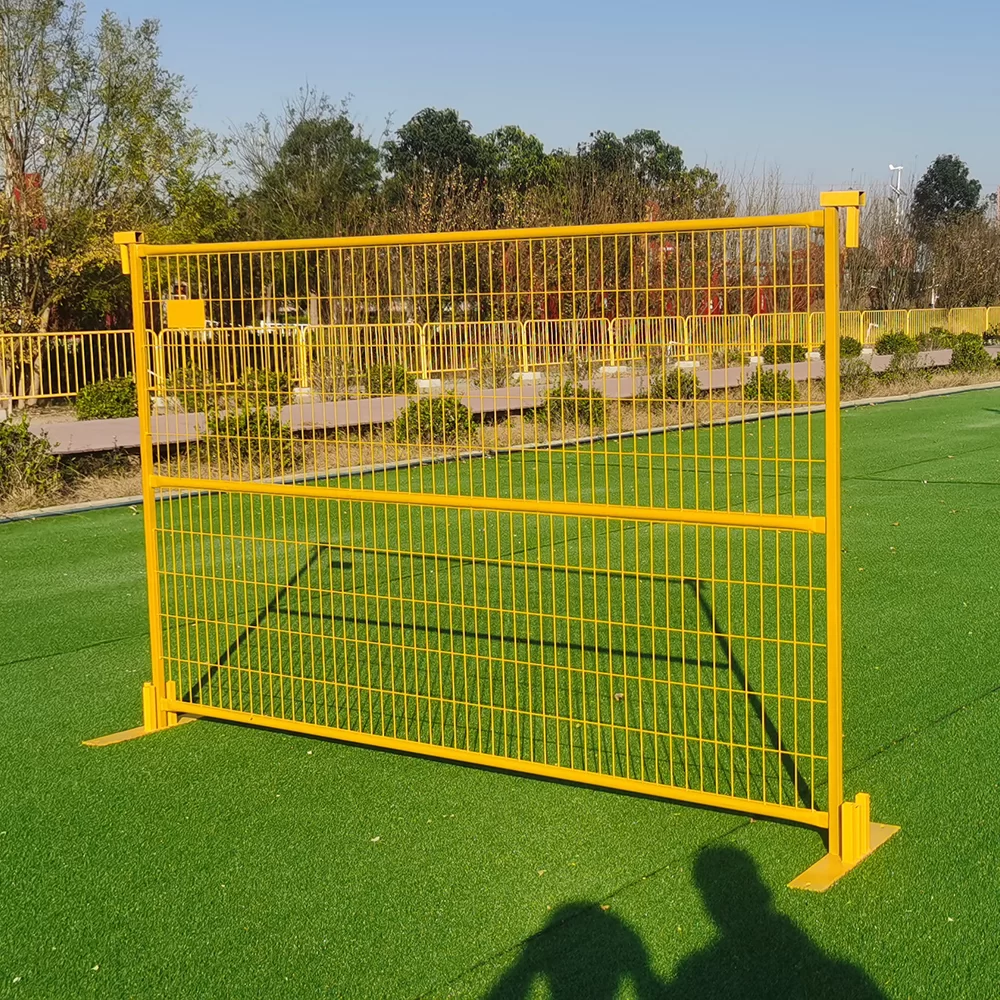
Simply put, a 16 foot cattle panel fence is a welded wire mesh panel, usually 16 feet wide and roughly 5 feet tall, designed specifically for enclosing cattle, horses, and other livestock. The wire mesh features a grid of rectangular openings, allowing animals to see through but not pass, plus easy anchoring points for posts or gates.
The design is intentionally sturdy, catering to jumbo farm animals that might push or lean heavily against the fence. It balances strength and flexibility — strong enough not to deform easily, yet light enough for workers to handle during installation. It’s not just a fence; it’s an industry standard for livestock containment across various farming scales.
From a humanitarian angle, these panels also serve rapidly deployable perimeter fencing for temporary shelters or livestock pens during emergencies. So, it’s a crossover product with practical relevance in humanitarian logistics and agriculture.
Core Features of the 16 Foot Cattle Panel Fence
Durability That Withstands the Test of Time
Made typically of galvanized steel wire, the panels resist rust and corrosion, which matters a ton when exposed to weather year-round. Some versions are powder-coated for added weather resilience — very helpful in high-rainfall or coastal regions.
Size and Coverage Efficiency
At 16 feet wide, fewer panels are required to enclose large pastures or pens, speeding up installation and reducing labor costs. The uniform mesh openings vary but are generally sized to prevent escape of calves while allowing visibility.
Cost Efficiency Compared to Alternatives
Unlike electric fencing, which requires constant maintenance and power, or wooden fences that suffer rot, cattle panels stay effective with minimal upkeep. Their large size also cuts down on the number of posts and materials needed, making them budget-friendly.
Ease of Installation
Workers find these panels manageable despite their size, usually involving just a few people to position and fasten to posts. This portability explains their widespread use from commercial farms to emergency settings.
Flexibility and Adaptability
Panels can be cut or combined to fit various pen shapes or fence layouts, making them ideal for irregular terrain or modular applications.
Mini Takeaway: The 16 foot cattle panel fence strikes a sweet spot in durability, size, and cost that appeals to diverse needs—from sprawling ranches to quick relief efforts.
How the 16 Foot Cattle Panel Fence Is Used Around the World
In North America, cattle panels are often the backbone of rotational grazing setups, facilitating pasture health and livestock well-being. Ranchers rely on them to create temporary paddocks that help conserve soil and forage.
Down under in Australia, where vast open lands require extensive fencing infrastructure, these panels help fence off large cattle stations quickly without sacrificing strength.
Interestingly, NGOs working in disaster response frequently use them to erect safe temporary shelters and animal enclosures in places hit by floods or conflicts, including parts of sub-Saharan Africa and Southeast Asia.
Companies operating in remote mining or agricultural zones also trust these panels to restrict animal or human access, mitigating risks related to wildlife encounters or theft.
Specification Table: Typical 16 Foot Cattle Panel Fence
| Feature | Specification |
|---|---|
| Panel Length | 16 feet (4.88 meters) |
| Panel Height | 5 feet (1.52 meters) standard |
| Mesh Size | Approximately 4” x 6” openings |
| Wire Gauge | 12.5 - 14 gauge galvanized steel |
| Coating | Galvanized or powder coated |
| Weight | Approx. 50-60 lbs per panel |
Mini Takeaway: The specifications reflect a robust product designed for repeatable, high-impact use — the kind that feels reassuring after a long day on the range or in the field.
Comparing Leading Vendors of 16 Foot Cattle Panel Fences
| Vendor | Material Quality | Pricing Range (per panel) | Customization Options | Lead Time |
|---|---|---|---|---|
| Haotian Mesh | Premium galvanized with powder coating | $70 - $90 | Custom lengths, coatings, and wire gauges | 2-4 weeks |
| RanchPro Panels | Standard galvanized steel | $60 - $80 | Limited custom options | 1-3 weeks |
| FieldGuard | Galvanized with UV treatment | $75 - $95 | Custom mesh patterns and heights | 3-5 weeks |
Mini Takeaway: Choosing a vendor depends on your project’s budget, quality demands, and the need for tailored fencing solutions — a balance that professionals appreciate.
Advantages and Value: Beyond Just a Fence
- Reliable Security: Keeps livestock safe and reduces losses from predators or wandering.
- Long-Term Cost Savings: Lower maintenance costs and fewer replacements compared to wood or electric fences.
- Environmental Sustainability: Steel panels can be recycled, and longer lifespan means less waste.
- Emotional Peace of Mind: Farmers and ranchers know their animals are securely enclosed, which is invaluable.
- Adaptability: From emergency shelters to industrial sites, panels play versatile roles.
Frankly, in a world where every dollar and hour counts, investing in proper fencing like these cattle panels is almost a no-brainer. For many, it’s not just a tool but the foundation of trust in their daily work.
The Road Ahead: Innovations and Trends
We’re seeing advances in material science that make these fences lighter and stronger — integrating composite metals and more eco-conscious coatings that reduce carbon footprint. Automation and digital tagging integration could soon allow for “smart fences” that monitor animal pressure or breaches remotely.
Also, sustainability regulations are pushing suppliers toward greener production and recycled steel. The growth of modular fencing systems that snap together faster is another buzz in the industry, responding to ever more demanding deployment environments.
Challenges and Practical Solutions
Of course, no fence is perfect. Sometimes 16 foot panels are awkward to transport or install in very rough terrain — and initial price tags can deter smaller farms.
However, expert manufacturers are designing foldable or sectional panels to aid transport, and lending programs or NGO partnerships help communities access affordable fencing. Also, the longevity and low maintenance compensate for upfront costs over time.
FAQ: What You’re Asking About 16 Foot Cattle Panel Fence
- Q: Can I cut the panels to fit smaller pens?
- A: Yes, panels can be trimmed using bolt cutters or a metal saw to fit your specific fencing needs.
- Q: How resistant are these panels to rust in humid climates?
- Most are galvanized or powder-coated to resist rust, but in extremely humid or salty environments, extra coatings or stainless steel options might be preferable.
- Q: Are these fences suitable for goats and smaller livestock?
- The typical mesh size might be too large for smaller animals like goats or sheep. Specialized panels with smaller mesh spacing are recommended for such cases.
- Q: How do I ensure the fence stays secure against strong cattle pressure?
- Proper installation with sturdy posts at regular intervals and secure fasteners is key. Additional bracing can be added in high-stress areas.
- Q: Where can I purchase authentic 16 foot cattle panel fences?
- Reputable vendors like Haotian Mesh offer high-quality options — check their catalog for specifications and pricing.
To Wrap It Up: Why the 16 Foot Cattle Panel Fence Matters For You
Whether you’re managing livestock on a vast ranch, organizing post-disaster relief, or setting up a secure industrial zone, that simple steel mesh panel encapsulates efficiency, durability, and versatility. The long-term savings, peace of mind, and adaptability make this fencing solution a cornerstone in agricultural and humanitarian supply chains alike.
If you’re curious about integrating these panels into your operations, I encourage you to explore offerings from trusted manufacturers — the right panel really does make life easier. For quality, customization, and support, visit https://www.haotianmesh.com today and see what’s possible.
Takeaway: Investing in proven solutions like the 16 foot cattle panel fence is more than just fencing—it’s a commitment to smarter, sustainable, and safer animal management worldwide.
References:
-
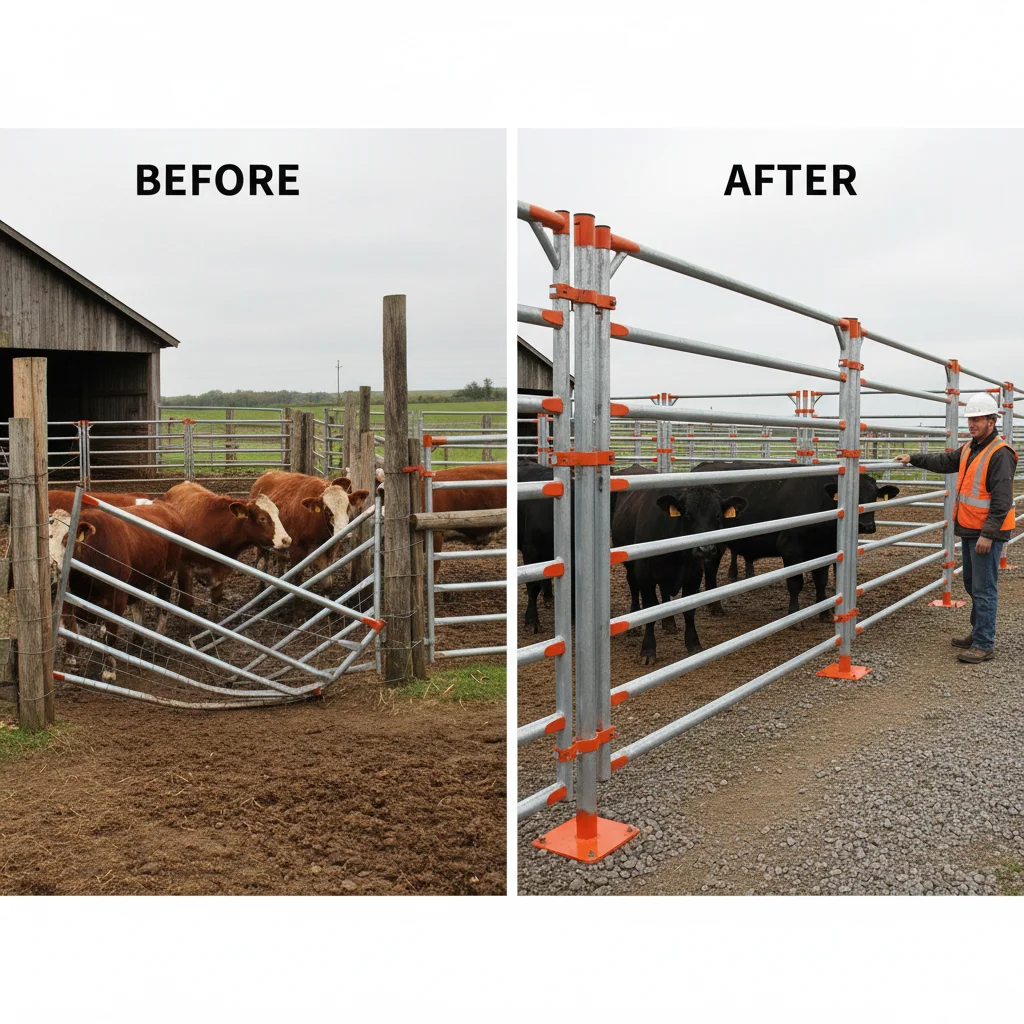
Durable Freestanding Livestock Panels for Efficient Animal Handling In the demanding world of agricultural management, the need for flexible and robust containment solutions has never been more critical. freestanding livestock panels offer a sophisticated answer to the challenges of animal handling, providing a secure yet adaptable barrier that does not require permanent installation or deep grounding. By allowing farmers and ranchers to redefine their spatial layouts in minutes, these panels maximize the efficiency of existing infrastructure while ensuring the safety of both the handlers and the livestock. Read More >26 Apr, 17
-
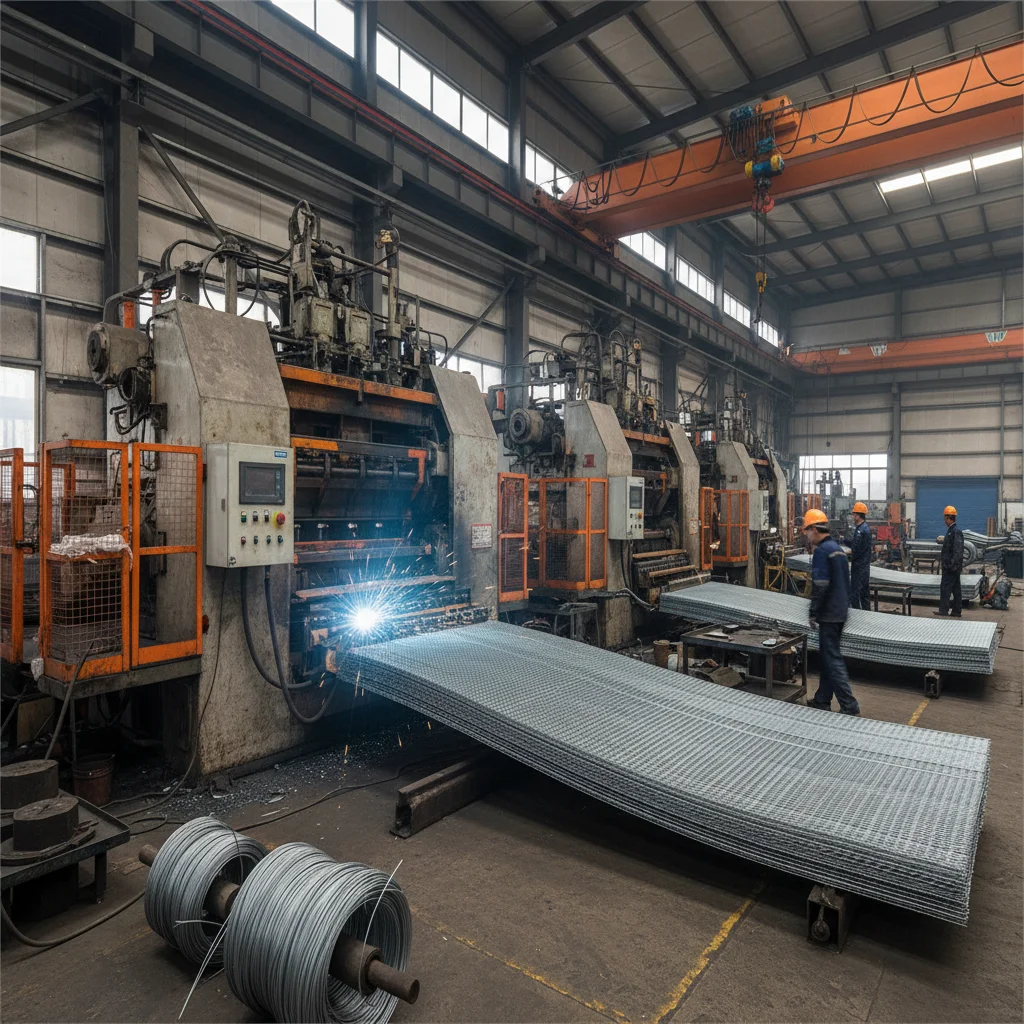
Professional Galvanized Welded Mesh Factory for Industrial Projects Finding a reliable galvanized welded mesh factory is critical for ensuring the structural integrity and longevity of your industrial or agricultural installations. Galvanized welded mesh is prized for its exceptional strength and resistance to corrosion, making it the go-to choice for fencing, animal cages, and construction reinforcement. However, not all factories adhere to the same quality standards. Whether you are sourcing for a large-scale infrastructure project or a specialized commercial application, understanding the manufacturing process and quality benchmarks is key to making a cost-effective investment that lasts for decades. Read More >26 Apr, 16
-
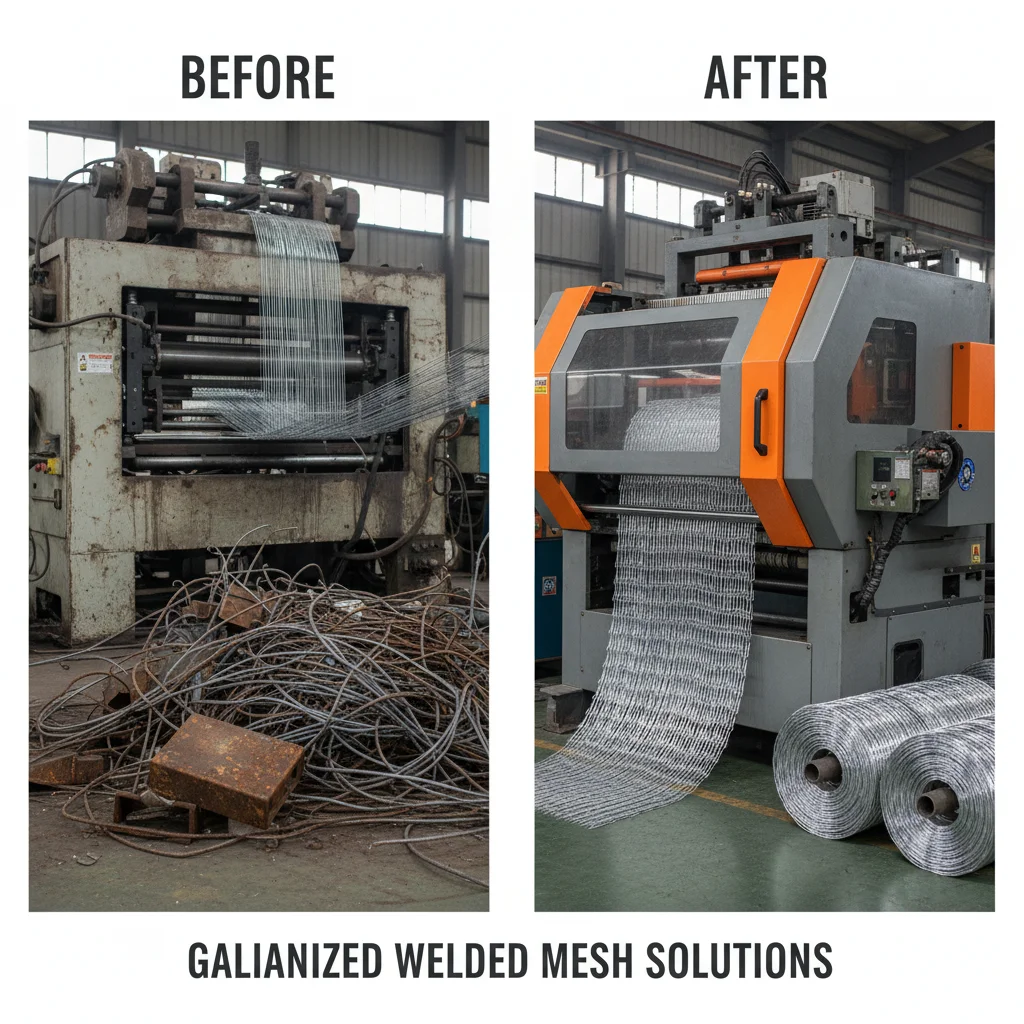
Professional Galvanized Welded Mesh Exporter for Quality Projects Selecting a high-quality fencing or screening solution requires more than just picking a product; it requires partnering with a reliable galvanized welded mesh exporter who understands the balance between structural integrity and corrosion resistance. Whether you are securing an industrial perimeter, building animal enclosures, or implementing architectural reinforcements, the quality of the galvanization process determines the lifespan of your installation. In this guide, we will explore the technical advantages of galvanized welded mesh and how to identify a global supplier that meets international quality standards to ensure your investment stands the test of time. Read More >26 Apr, 09
-
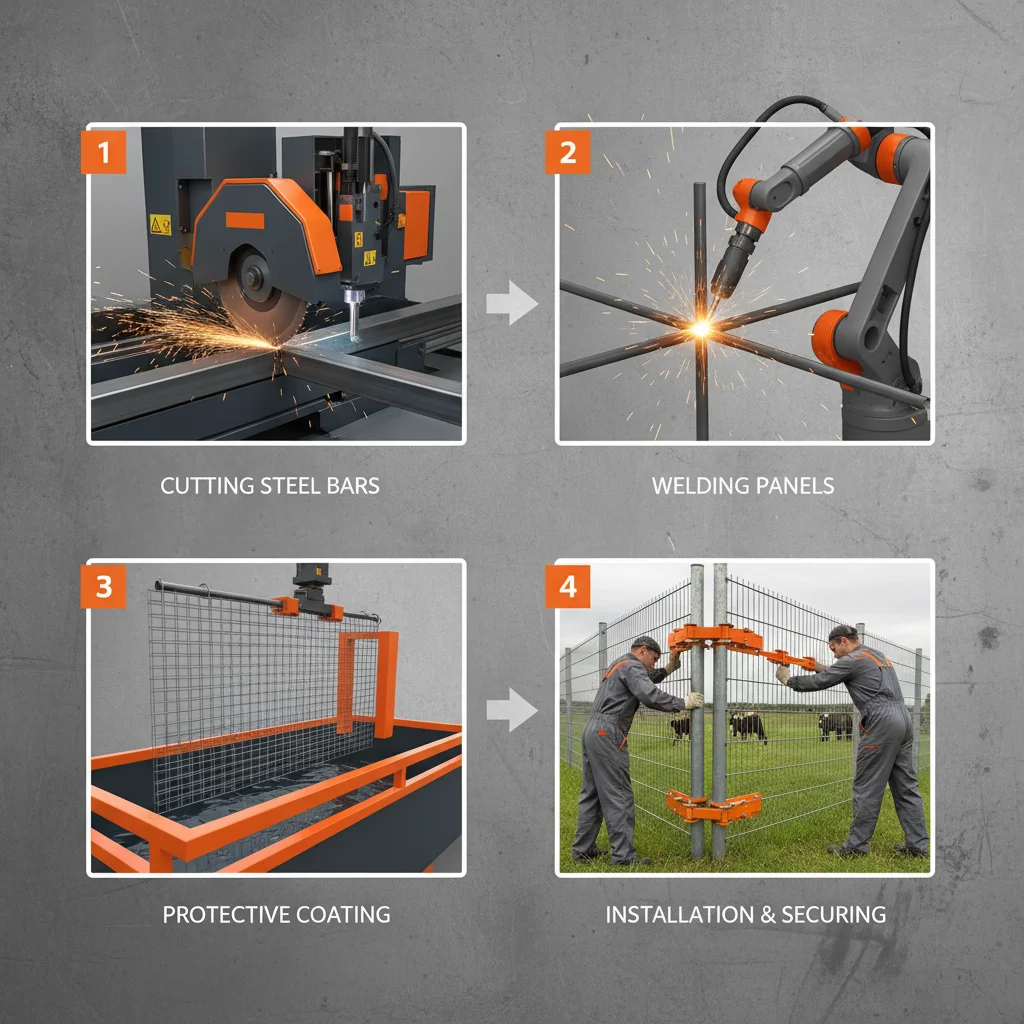
Essential Fencing Panels for Livestock Management and Farm Productivity Fencing panels for livestock are essential components in modern animal husbandry, playing a critical role in efficient farm management, animal welfare, and land utilization. Globally, the demand for robust and reliable fencing solutions is increasing due to the expanding livestock industry and the need to protect grazing lands from encroachment and predation. These panels aren’t simply barriers; they represent a vital investment in a farm's productivity and the health of its animals. Read More >26 Apr, 08
If you are interested in our products, you can choose to leave your information here, and we will be in touch with you shortly.


