


Durable and Cost-Effective Cattle and Hog Panels for Modern Farming
Understanding Cattle and Hog Panels: Why They Matter in Agriculture and Beyond
If you've ever wandered around a farm or driven past rural landscapes, you might have spotted those sturdy metal grids shaping pens and animal enclosures. These are cattle and hog panels, essential components that quietly support livestock management worldwide. They're more than just barriers; they embody safety, durability, and practicality in one neat package. In a global context where food security, animal welfare, and sustainable farming increasingly intersect, understanding these panels offers insights into smart agricultural practices and their ripple effects on economies and environments.
Global Context: Feeding a Growing Population with Efficient Livestock Management
According to the United Nations’ Food and Agriculture Organization (FAO), the global livestock sector accounts for nearly 40% of the world’s agricultural output. As demand rises, especially in developing regions, containment and management of animals like cattle and hogs become critical. The challenge? Maintaining cost-effective, durable fencing that supports animal welfare without draining resources.
That’s where cattle and hog panels come in. Whether it’s the vast ranches in North America or intensive pig farms in Southeast Asia, these panels help farmers secure livestock—minimizing losses and injuries, while improving operational efficiency.
What Are Cattle and Hog Panels?
Put simply, cattle and hog panels are rigid, welded wire grids designed primarily to contain livestock. Typically made from galvanized steel for rust resistance, they form modular sections that farmers assemble into pens or fences. Unlike temporary barriers or electric fencing, these panels offer a reliable, reusable structure adaptable for different animal sizes and farm layouts.
In humanitarian contexts, their sturdy yet simple design also lends itself well to rapid deployment in relief camps where temporary animal husbandry might be vital.
Mini Takeaway:
- Cattle and hog panels are steel wire grids used to safely contain livestock.
- They’re paramount to both commercial farming and emergency humanitarian uses.
Core Features That Make These Panels Stand Out
1. Durability
Cattle and hog panels are generally crafted from galvanized steel, a decision informed by harsh agricultural environments. Farmers report panels that withstand weather fluctuations for over a decade with minimal maintenance—saving money in the long haul.
2. Scalability and Flexibility
These panels come in standard sizes—often 16 feet long and 50 inches tall—but their modular design allows farmers to customize enclosures according to specific animal needs and land size. Oddly enough, they’re sometimes repurposed for garden trellises or pet enclosures as well.
3. Cost Efficiency
Compared to traditional wood fencing, these metal panels have a higher upfront cost but dramatically lower replacement rates. Also, installation is simpler and faster, reducing labor expenses—a big deal in remote or labor-scarce regions.
4. Animal Welfare
Proper containment reduces stress and injury risk for livestock. Welded joints and smooth finishes limit sharp edges, so animals avoid damage while handlers can work confidently.
5. Easy Maintenance
Thanks to galvanization and often powder coating, cattle and hog panels resist rust and corrosion. Occasional cleaning and tightening bolts are generally all that’s needed.
6. Transportation and Storage
The panels’ modular nature enables stacking and easy transport, critical for mobile farms or temporary setups.
Mini Takeaway:
- Durability and rust resistance make these panels long-lasting.
- Scalable sizes and ease of installation provide practical flexibility.
Application Highlights: Where and How These Panels Make a Difference
Cattle and hog panels have wide applications spanning from large commercial farms to smaller family-run operations. For example:
- North American ranches: Used for rotational grazing setups that improve pasture health.
- Developing countries: Integrated in mixed farming systems to boost food security.
- Post-disaster relief: Temporary livestock pens allow displaced communities to maintain animal assets.
- Industrial zones: Safe containment in research stations studying animal health.
Farmers often recount how switching to these panels reduced animal escapes and injuries, alongside simplifying fence maintenance duties.
Realistic Product Specification Table
| Specification | Detail |
|---|---|
| Material | Galvanized Steel Wire |
| Wire Diameter | 4.0 - 4.5 mm |
| Panel Dimensions | 16 ft (length) x 50 in (height) |
| Mesh Size | 4" x 6" Rectangular |
| Finish | Hot-dip Galvanized or Powder Coated |
| Weight | Approximately 50 lbs per panel |
| Typical Use | Livestock containment, temporary fencing |
Vendor Comparison: Choosing the Right Cattle and Hog Panel Supplier
| Feature | Haotian Mesh | Competitor A | Competitor B |
|---|---|---|---|
| Material Quality | High-grade galvanized steel | Standard galvanized | Powder coated, less galvanized |
| Customization Options | Wire gauge, mesh size, finish | Limited sizes | Only standard panels |
| International Shipping | Available | Selective regions | No |
| Price Range | Mid-range | Low-end | Premium |
| Lead Time | 1-2 weeks | 3-4 weeks | 2-3 weeks |
Advantages and Lasting Benefits
At the end of the day, these panels stand for more than just fence components. They offer:
- Cost savings: Fewer replacements, less fence damage, and lower labor expenses.
- Sustainability: Long-life materials reduce waste and environmental impact.
- Trust and safety: Designers, farmers, and consumers can be confident animals remain secure and healthy.
- Flexibility: Adapt to changing needs without whole-scale rebuilds.
Plus, as farming communities modernize, these panels combine tradition with tech—sometimes integrated with smart sensors or solar-powered gates—to usher in an innovative era.
Looking Forward: Innovations in Cattle and Hog Panels
Innovations are already reshaping how manufacturers approach these products. Some exciting directions include:
- Eco-friendly coatings: New powder coatings with less environmental impact.
- Smart fencing integration: IoT sensors attached to panels to monitor animal movement or detect breaches.
- Lighter materials: High-strength alloys or composites easing installation without sacrificing strength.
One can imagine a future where farms remotely manage entire herds while tracking fence integrity from an app—mostly because the panels behind it are rock-solid dependable.
Challenges Farmers Face and How Innovations Help
No product is perfect. Many farmers wrestle with issues like metal corrosion due to harsh climates or incorrect panel sizing causing weak spots. Transporting bulky panels to remote locations can also be tricky. Still, ongoing improvements in galvanization techniques, modular design, and vendor support have made those pains easier to handle.
Meanwhile, knowledge-sharing platforms proliferate, helping users install and maintain fencing optimally, which... well, that’s half the battle won.
FAQ: Your Practical Questions on Cattle and Hog Panels Answered
Q1: How long do cattle and hog panels typically last in outdoor conditions?
A1: High-quality galvanized steel panels usually last 10-15 years with regular maintenance like cleaning and rust inspections. Powder-coated options extend life further, especially in wet or salty environments.
Q2: Can these panels be easily moved or repurposed?
A2: Yes, the modular design lets you dismantle and relocate panels as needed, making them ideal for seasonal shifts or evolving farm layouts.
Q3: Are there size differences between cattle and hog panels?
A3: Typically, hog panels have smaller mesh openings to contain smaller animals, whereas cattle panels feature larger grids. However, many panels today are multi-purpose or customizable to suit specific livestock.
Q4: What are the best practices for installing these panels?
A4: Secure the panels to sturdy posts using heavy-duty clips or bolts. Ensure level placement and check tension periodically. Consulting vendor installation manuals improves longevity.
Q5: How environmentally friendly are cattle and hog panels?
A5: The steel used is highly recyclable, and the long lifespan reduces waste. New coatings aim to minimize toxic chemicals, making modern panels quite eco-conscious.
Wrapping It Up: Why Investing in Quality Panels Pays Off
In summary, cattle and hog panels are more than just metal fences. They’re practical solutions at the heart of contemporary livestock management, supporting sustainability, safety, and efficiency. By choosing well-crafted panels—like those available through Haotian Mesh—farmers and organizations worldwide get fencing that lasts, saves money, and even contributes to animal welfare.
If you’re considering upgrading your fencing setup or building a new livestock pen, these panels should top your list. Take a look at the offerings and see what suits your farm’s unique needs!
References:
-
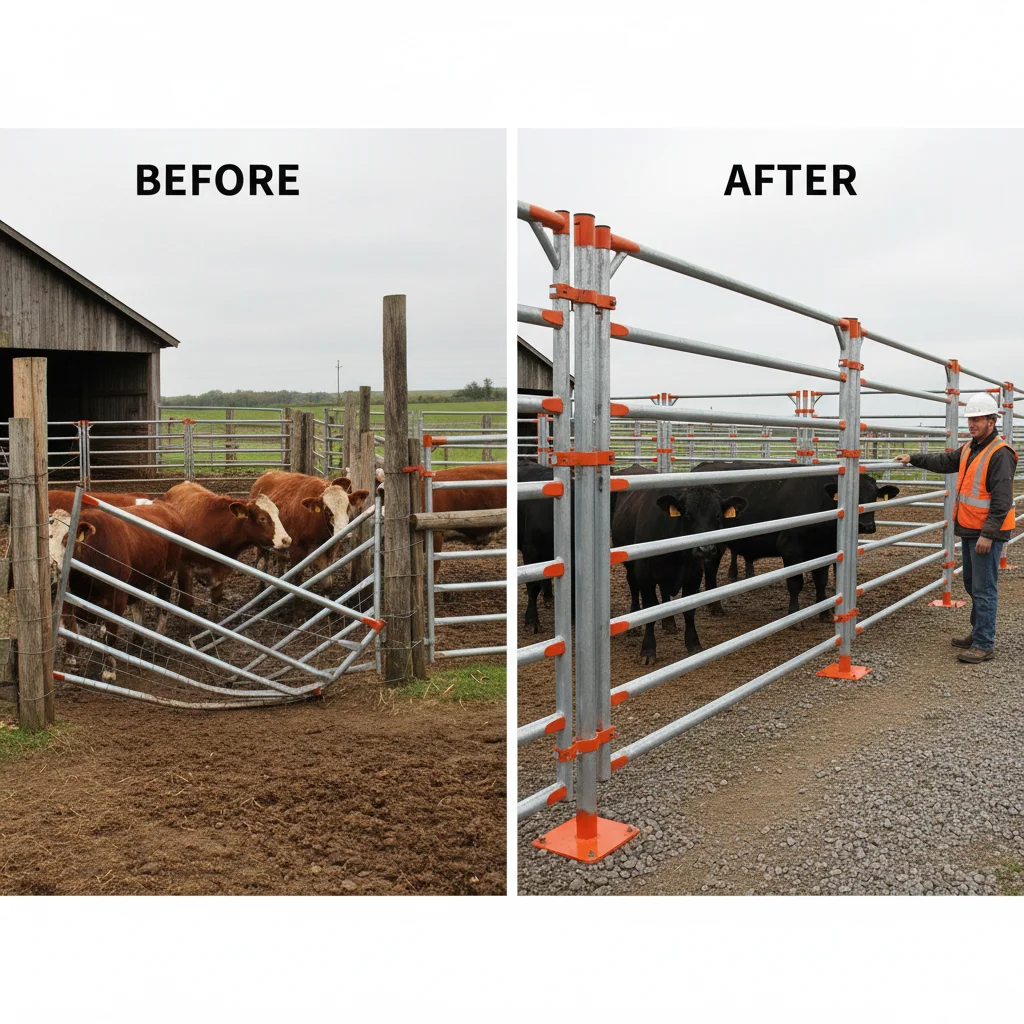
Durable Freestanding Livestock Panels for Efficient Animal Handling In the demanding world of agricultural management, the need for flexible and robust containment solutions has never been more critical. freestanding livestock panels offer a sophisticated answer to the challenges of animal handling, providing a secure yet adaptable barrier that does not require permanent installation or deep grounding. By allowing farmers and ranchers to redefine their spatial layouts in minutes, these panels maximize the efficiency of existing infrastructure while ensuring the safety of both the handlers and the livestock. Read More >26 Apr, 17
-
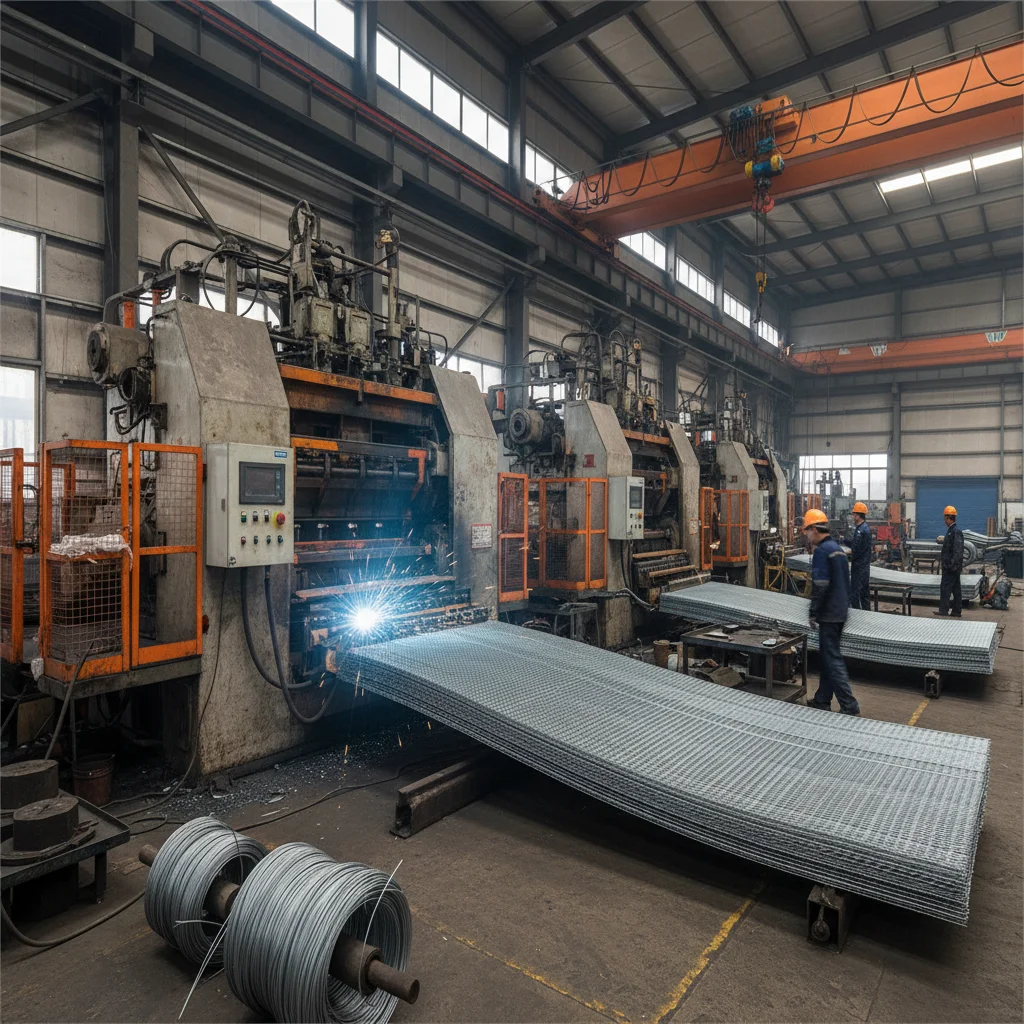
Professional Galvanized Welded Mesh Factory for Industrial Projects Finding a reliable galvanized welded mesh factory is critical for ensuring the structural integrity and longevity of your industrial or agricultural installations. Galvanized welded mesh is prized for its exceptional strength and resistance to corrosion, making it the go-to choice for fencing, animal cages, and construction reinforcement. However, not all factories adhere to the same quality standards. Whether you are sourcing for a large-scale infrastructure project or a specialized commercial application, understanding the manufacturing process and quality benchmarks is key to making a cost-effective investment that lasts for decades. Read More >26 Apr, 16
-
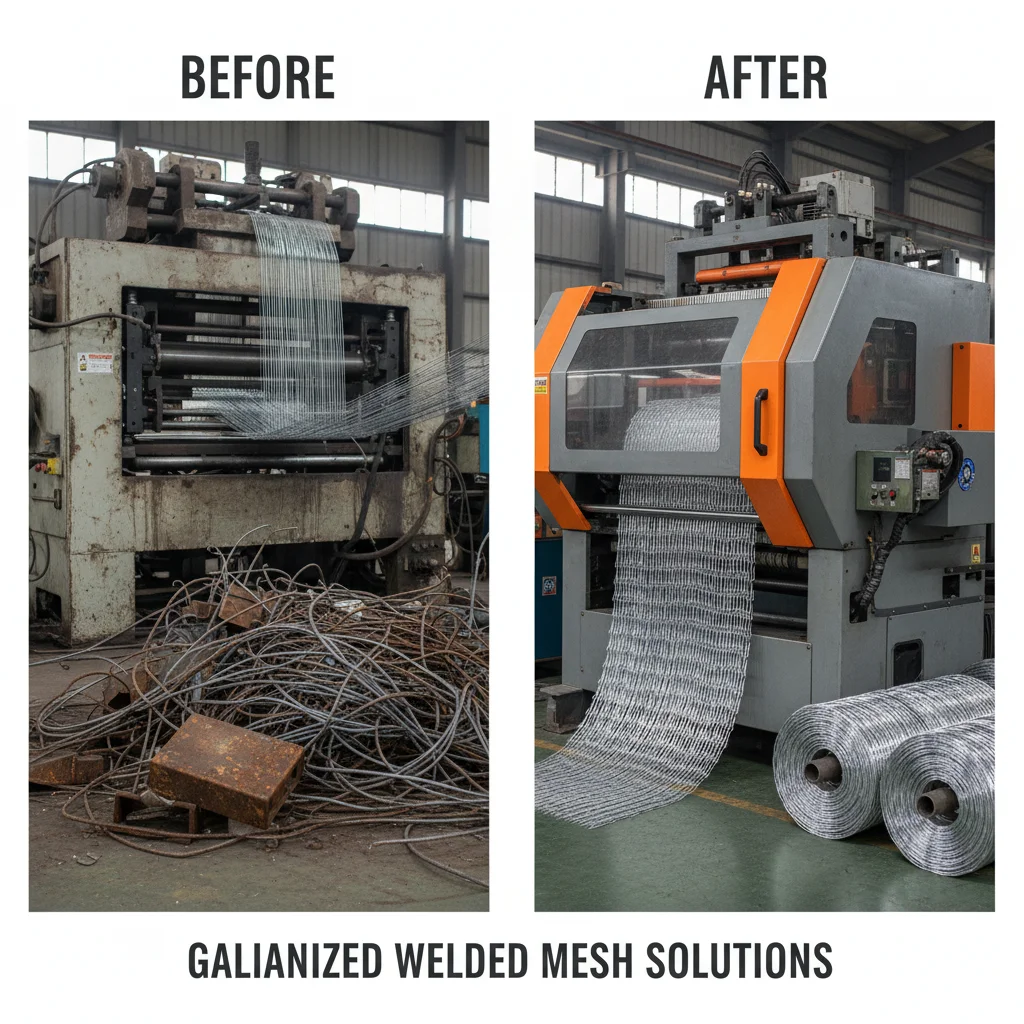
Professional Galvanized Welded Mesh Exporter for Quality Projects Selecting a high-quality fencing or screening solution requires more than just picking a product; it requires partnering with a reliable galvanized welded mesh exporter who understands the balance between structural integrity and corrosion resistance. Whether you are securing an industrial perimeter, building animal enclosures, or implementing architectural reinforcements, the quality of the galvanization process determines the lifespan of your installation. In this guide, we will explore the technical advantages of galvanized welded mesh and how to identify a global supplier that meets international quality standards to ensure your investment stands the test of time. Read More >26 Apr, 09
-
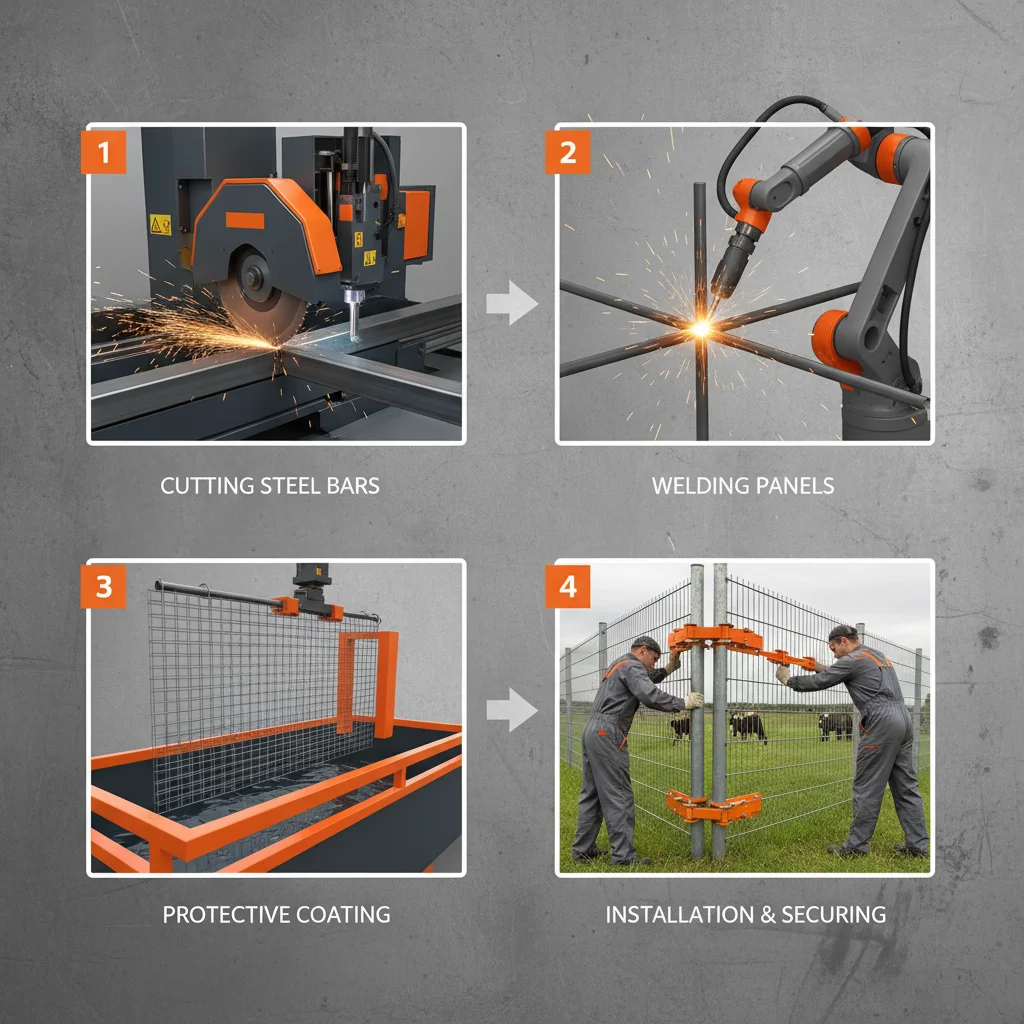
Essential Fencing Panels for Livestock Management and Farm Productivity Fencing panels for livestock are essential components in modern animal husbandry, playing a critical role in efficient farm management, animal welfare, and land utilization. Globally, the demand for robust and reliable fencing solutions is increasing due to the expanding livestock industry and the need to protect grazing lands from encroachment and predation. These panels aren’t simply barriers; they represent a vital investment in a farm's productivity and the health of its animals. Read More >26 Apr, 08
If you are interested in our products, you can choose to leave your information here, and we will be in touch with you shortly.


