


Durable and Cost-Effective 18 Foot Cattle Panels for Global Livestock Solutions
Understanding the 18 Foot Cattle Panel: Why It Matters Globally
Have you ever paused to think how something as straightforward as an 18 foot cattle panel can ripple across agriculture, animal welfare, infrastructure, and even humanitarian efforts worldwide? On the surface, it’s simply a large wire fencing section, but its impact stretches far beyond cows and corrals. With global livestock numbers exceeding 1.5 billion cattle (FAO, 2023), the right containment solutions are crucial—not just for efficiency but also for safety, disease control, and environmental management.
In fact, understanding the role and advantages of an 18 foot cattle panel can unlock practical benefits for farmers, ranchers, governments, NGOs, and industry suppliers alike. From cost savings to sustainability, these galvanized steel panels are quietly shaping how we manage and protect livestock worldwide.
Setting the Stage: The Global Importance of 18 Foot Cattle Panels
Worldwide, agriculture isn’t just a business—it’s a vital livelihood, often intertwined with local food security and economic stability. According to the United Nations Food and Agriculture Organization, livestock farming contributes roughly 40% of the global agricultural output. With such a massive scale, the need for sturdy, reliable cattle fencing such as the 18 foot cattle panel becomes obvious.
Challenges like unregulated roaming livestock, predator threats, and even the spread of diseases like foot-and-mouth disease demand better containment solutions. For example, in Sub-Saharan Africa, rural farmers are continuously battling livestock theft and predation. In North America and Australia, large-scale cattle operations focus heavily on efficient penning and handling to optimize productivity.
Oddly enough, the 18-foot length hits a sweet spot for balancing coverage with manageable weight. It’s long enough to fence larger areas with fewer panels, but not so unwieldy that installation requires heavy machinery or multiple workers.
What Exactly Is an 18 Foot Cattle Panel?
Simply put, an 18 foot cattle panel is a section of heavy-gauge steel wire mesh fence, commonly 50 inches in height and roughly 18 feet long, designed for livestock containment. The mesh is usually welded for strength, often galvanized or coated to resist corrosion.
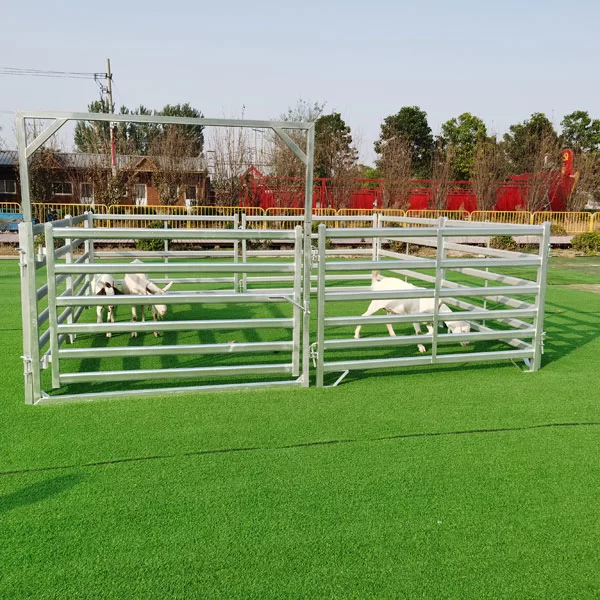
These panels are modular by nature—meant to be joined together with stakes, clamps, or welding. Because of their portability and ease of assembly, they’re widely used in rotating pastures, temporary corrals, auction yards, and even emergency animal shelters.
Connecting modern agricultural industry needs with humanitarian considerations, such panels sometimes feature in relief operations to rapidly pen displaced animals or secure zoonotic disease quarantine zones, showcasing their surprising versatility beyond traditional farms.
Breaking Down the Core Components of a Quality Cattle Panel
Durability & Corrosion Resistance
In rough outdoor environments, a cattle panel’s lifespan hinges on how well it resists rust and wear. The best 18 foot cattle panels use galvanized steel to stay sturdy over 10+ years, even in moist or salty conditions.
Structural Strength & Safety
The wire thickness (often 12 to 14 gauge) and the welded mesh grid are built to resist the pressure from large cattle leaning or bumping against it. Proper spacing also ensures animals can’t get limbs stuck or injuries from sharp edges.
Size & Portability
18-foot length panels balance coverage with ease of handling. They’re long enough to reduce joint spots yet light enough for smaller teams to maneuver. Some vendors also offer smaller or custom sizes based on terrain or species needs.
Cost Efficiency
Compared to larger custom fences, these panels minimize installation time and labor costs. Plus, they can be reused or reconfigured as herd sizes or corral needs evolve.
Environmental Impact
Recyclable steel and long-lasting coatings lower the environmental footprint, especially when panels can be relocated rather than scrapped.
Product Specification Table: Typical 18 Foot Cattle Panel Features
| Specification | Details |
|---|---|
| Length | 18 feet (5.5 meters) |
| Height | 50 inches (1.27 meters) |
| Wire Gauge | 12-14 gauge galvanized steel |
| Mesh Opening Size | 4" x 6" rectangular/diamond |
| Weight | ~45-50 lbs (20-23 kg) |
| Coating | Hot-dip galvanized / powder coated |
How Are 18 Foot Cattle Panels Used Around the World?
From the rolling ranches of Texas to the sprawling farms of Argentina, the 18 foot cattle panel finds utility wherever livestock farming thrives. But beyond traditional livestock fencing, here are a few compelling use cases:
- Post-Disaster Animal Shelter: After natural disasters like floods or wildfires, these panels help rapidly create secure pens for displaced animals, preventing escape and injury.
- Rotational Grazing Systems: Shepherds and ranchers use modular panels to shift grazing areas, promoting pasture regeneration and reducing soil degradation.
- Industrial Mining Zones: Livestock increasingly coexists near remote industrial sites. Panels ensure livestock safety without permanent fencing infrastructure.
- Auction and Livestock Markets: Quick assembly and disassembly allow dynamic penning for animal sales events.
The agricultural sectors in countries like Australia, Brazil, South Africa, and parts of Asia increasingly rely on these panels, often ordering large shipments due to rising awareness of their practicality.
The Long-Term Benefits You Can’t Ignore
In real terms, the advantages ripple beyond the initial investment:
- Cost Savings: Reduced labor, fast installation, and reusability save money over time.
- Sustainability: Long-lasting materials cut down waste, and modular use reduces environmental disruption.
- Animal Welfare & Safety: Panels designed with proper dimensions minimize stress and injury.
- Operational Flexibility: Whether expanding or downsizing herds, panels can be quickly rearranged.
- Trust & Reliability: Buyers gain confidence knowing fencing meets structural and safety standards.
Emotionally, there’s peace of mind in having a fence that "just works," protecting animals from stray predators or escape while creating manageable spaces for daily farm routines. I once talked to a farmer whose cattle once broke free in a heavy storm due to weak fencing — since switching to galvanized 18 foot cattle panels, those worries largely vanished.
Future Trends and Innovations Shaping 18 Foot Cattle Panels
Looking ahead, several exciting developments are underway:
- Smart Fencing Integration: Sensors embedded in panels tracking animal movement or breaches.
- Eco-Coatings: Biodegradable or low-impact paints and galvanization techniques aimed at reducing pollution.
- Advanced Alloys: Lighter yet stronger metals to ease handling without sacrificing durability.
- Automation: Robotics for remotely setting up or adjusting panels.
- Hybrid Systems: Combining panels with solar-powered electric fencing for added security.
More companies are also emphasizing customization—tailoring panel sizes, coatings, and shapes to specific regional challenges or livestock species.
Common Challenges & How Experts Solve Them
Despite many benefits, these panels aren’t flawless. Some challenges include:
- Weight Handling: 45-50 lbs isn’t light for all workers; mechanized assistance or modular lighter options help.
- Corrosion in Harsh Environments: Coastal salt spray can accelerate rust without premium coatings.
- Installation Expertise: Incorrect fastening can reduce lifespan; professional guidance or video tutorials mitigate errors.
- Cost Barriers: Upfront expense might be steep for small-scale farmers, so leasing or NGO programs sometimes assist.
Often, a mix of proper material choice, training, and incremental investments forms the best path forward.
Vendor Comparison Table: Leading 18 Foot Cattle Panel Suppliers
| Vendor | Material Quality | Customization Options | Price Per Panel | Delivery Regions |
|---|---|---|---|---|
| Haotian Mesh | Galvanized steel 12-14 gauge | Size, coating, mesh pattern | $75 - $95 | Global (with volume discounts) |
| GreenField Panels | Powder coated steel 14 gauge | Limited, mostly length & height | $65 - $85 | North America, Europe |
| SilverLine Mesh | Stainless steel, corrosion resistant | High customization, color options | $100 - $120 | Select global markets |
FAQ: Common Questions About 18 Foot Cattle Panels
Q1: How difficult is it to install an 18 foot cattle panel without heavy machinery?
A1: While 18 foot panels can be somewhat heavy (~45-50 lbs), two to three people with basic tools can install them on level ground. Using support stakes and clamps simplifies the process. Some suppliers offer lighter gauge or sectional panels if smaller teams or single-person installation is needed.
Q2: Are galvanized cattle panels safe for all types of livestock?
A2: Generally, galvanized steel panels are safe for cattle, horses, sheep, and goats if properly sized and installed. It's essential to ensure there are no sharp edges and that mesh openings match the animal species to avoid injuries or limb entrapment.
Q3: How long do 18 foot cattle panels typically last in outdoor conditions?
A3: With quality galvanization and occasional maintenance, these panels can last 10+ years outdoors. Environments with extreme moisture or salt exposure may reduce lifespan unless special coatings or stainless steel options are used.
Q4: Can these panels be used for temporary fencing in emergency animal relief zones?
A4: Absolutely. Their modularity and portability make them ideal for quick setups in disaster or disease outbreak zones, helping to control livestock movement safely and efficiently.
Q5: How do I ensure the panels meet local fencing regulations?
A5: Check with local agricultural or zoning authorities before purchase. Many suppliers provide panels that meet or exceed common standards, but compliance varies by region and application.
Wrapping Up: Why the 18 Foot Cattle Panel Is a Smart Choice
As we’ve wandered through the world of 18 foot cattle panels, it’s clear they’re more than just metal grids. They stand at the intersection of tradition and innovation—helping global livestock operations become safer, more efficient, and more sustainable. Whether you manage a small farm, a large ranch, or coordinate emergency relief livestock facilities, understanding and investing in quality panels can pay off for years.
If you want reliable options that blend durability with customization and worldwide delivery, a quick browse through Haotian Mesh’s selection could be a great place to start. After all, your livestock, operation, and peace of mind deserve sturdy fences that hold strong.
It kind of feels like one of those simple upgrades that makes the whole agricultural ecosystem tick a little smoother...
References:
-
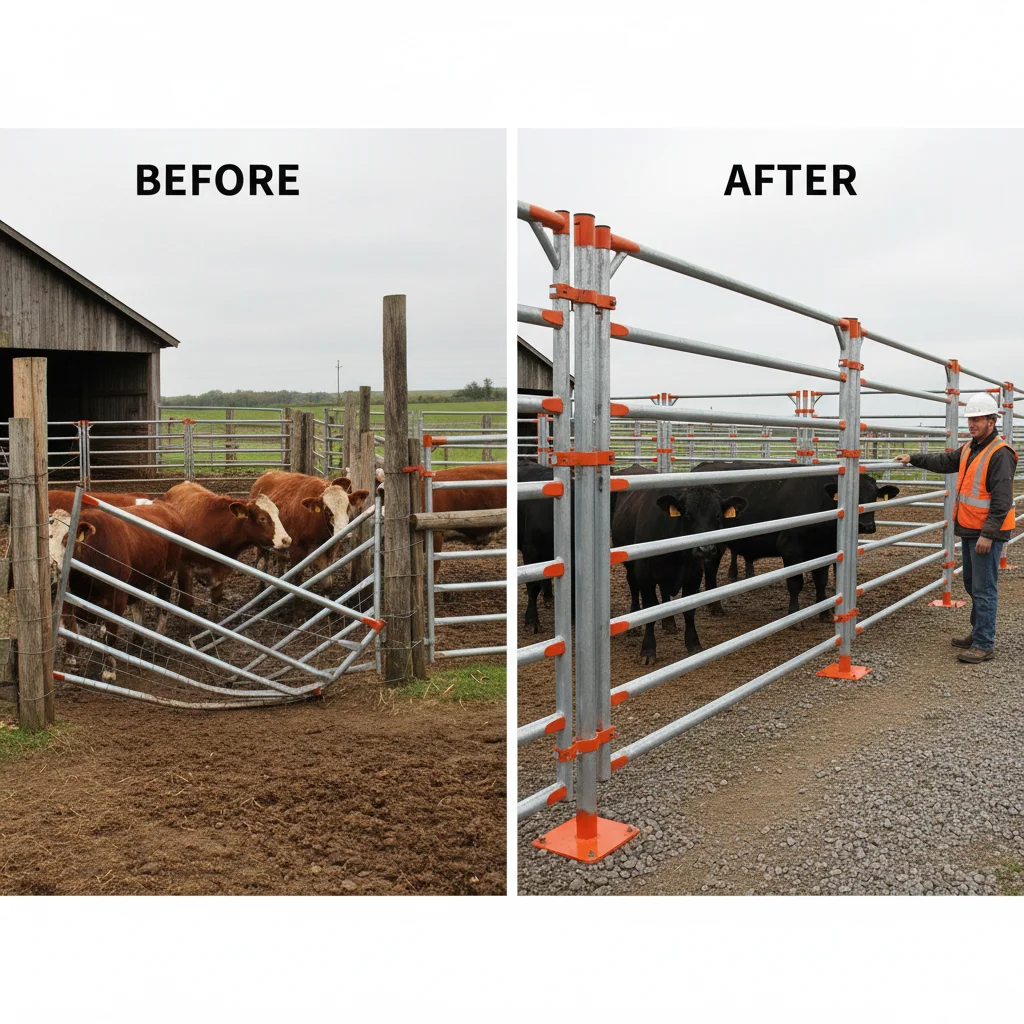
Durable Freestanding Livestock Panels for Efficient Animal Handling In the demanding world of agricultural management, the need for flexible and robust containment solutions has never been more critical. freestanding livestock panels offer a sophisticated answer to the challenges of animal handling, providing a secure yet adaptable barrier that does not require permanent installation or deep grounding. By allowing farmers and ranchers to redefine their spatial layouts in minutes, these panels maximize the efficiency of existing infrastructure while ensuring the safety of both the handlers and the livestock. Read More >26 Apr, 17
-
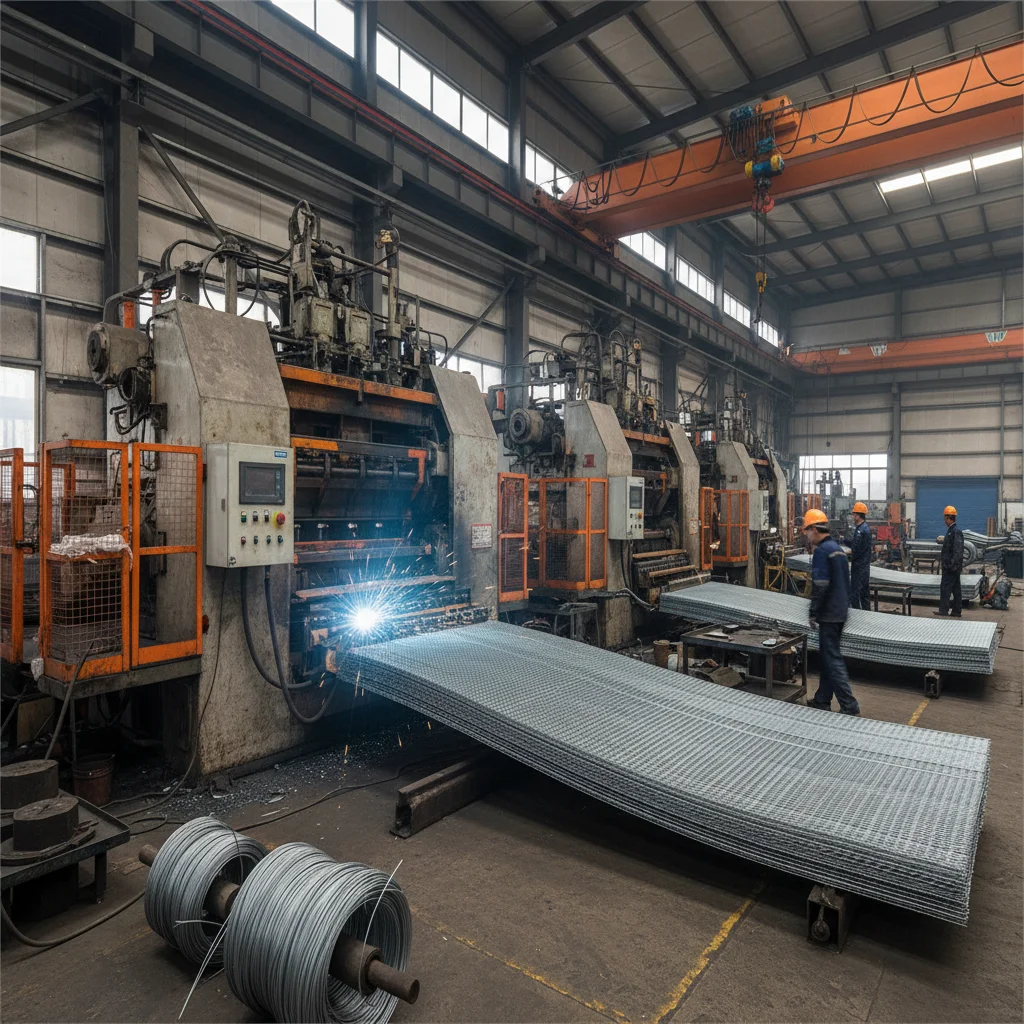
Professional Galvanized Welded Mesh Factory for Industrial Projects Finding a reliable galvanized welded mesh factory is critical for ensuring the structural integrity and longevity of your industrial or agricultural installations. Galvanized welded mesh is prized for its exceptional strength and resistance to corrosion, making it the go-to choice for fencing, animal cages, and construction reinforcement. However, not all factories adhere to the same quality standards. Whether you are sourcing for a large-scale infrastructure project or a specialized commercial application, understanding the manufacturing process and quality benchmarks is key to making a cost-effective investment that lasts for decades. Read More >26 Apr, 16
-
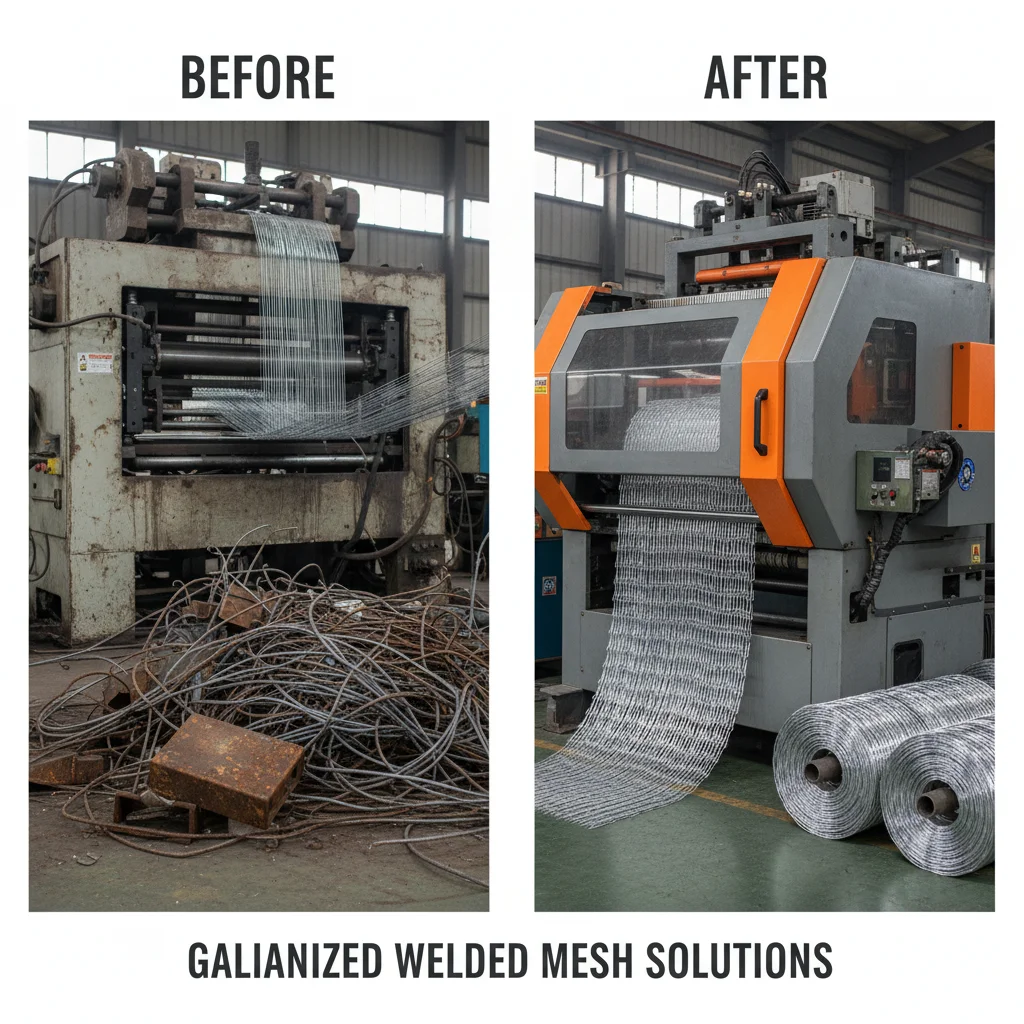
Professional Galvanized Welded Mesh Exporter for Quality Projects Selecting a high-quality fencing or screening solution requires more than just picking a product; it requires partnering with a reliable galvanized welded mesh exporter who understands the balance between structural integrity and corrosion resistance. Whether you are securing an industrial perimeter, building animal enclosures, or implementing architectural reinforcements, the quality of the galvanization process determines the lifespan of your installation. In this guide, we will explore the technical advantages of galvanized welded mesh and how to identify a global supplier that meets international quality standards to ensure your investment stands the test of time. Read More >26 Apr, 09
-
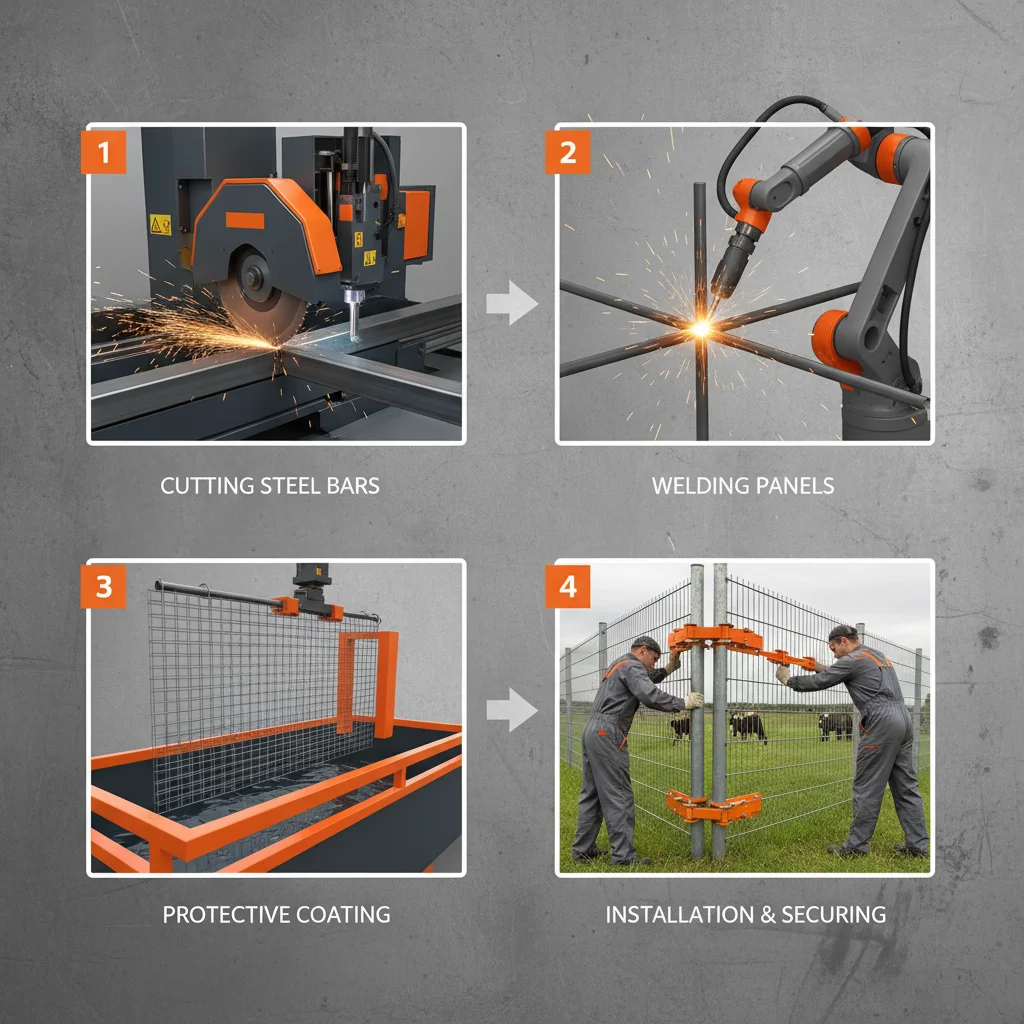
Essential Fencing Panels for Livestock Management and Farm Productivity Fencing panels for livestock are essential components in modern animal husbandry, playing a critical role in efficient farm management, animal welfare, and land utilization. Globally, the demand for robust and reliable fencing solutions is increasing due to the expanding livestock industry and the need to protect grazing lands from encroachment and predation. These panels aren’t simply barriers; they represent a vital investment in a farm's productivity and the health of its animals. Read More >26 Apr, 08
If you are interested in our products, you can choose to leave your information here, and we will be in touch with you shortly.


