


Durable 16 x 4 Cattle Panels for Efficient Livestock Management | Haotian Mesh
Understanding 16 x 4 Cattle Panels: Why They Matter Worldwide
At first glance, a “16 x 4 cattle panel” might sound like jargon destined for livestock farmers or industrial suppliers only. But if you think about the global scale of animal husbandry, rural infrastructure, and even disaster relief efforts, these sturdy panels are a quietly vital piece of the puzzle. In simple terms, a 16 x 4 cattle panel is a metal panel measuring roughly 16 feet long and 4 feet high, designed primarily for building safe, durable enclosures to manage cattle and other livestock.
Globally, livestock management touches billions of lives, from subsistence farmers in developing countries to large commercial operations across continents. Proper fencing solutions like these cattle panels reduce animal losses, improve safety, and boost productivity which in turn impact food security and rural economies. Understanding this component, typically overlooked, offers insight into agricultural sustainability and emerging trends in farming technology.
Global Context: The Role of 16 x 4 Cattle Panels in Agriculture and Beyond
The United Nations Food and Agriculture Organization (FAO) estimates that over 1.5 billion people rely on livestock for their livelihoods. Managing animals safely, especially in spaces vulnerable to environmental challenges, is key. Here, 16 x 4 cattle panels come into play — offering a modular, transportable, and often cost-effective fencing solution.
We face increasing pressures on farmland from urbanization, climate change disrupting traditional grazing routes, and rising demand for meat and dairy. According to World Bank data, livestock farming yields nearly 40% of global agricultural output by value. Yet, poor fencing infrastructure can lead to animal theft, injury, or escape, all costly problems for farmers worldwide.
Hence, a sturdy, standardized panel like the 16 x 4 cattle panel isn’t just practical, it’s an industry staple solving a global challenge. Oddly enough, these simple welded wire grids are at the crossroads of traditional techniques and modern farming’s push for efficiency.
What Exactly Are 16 x 4 Cattle Panels?
Simply put, a 16 x 4 cattle panel is a rectangular steel frame filled with welded wire mesh. Typically, it measures roughly 16 feet (192 inches) long and 4 feet in height, forming a robust barrier suitable for large animals like cows, horses, and sometimes smaller livestock.
The panels are often galvanized or coated to withstand corrosion and weather exposure. Connected together with clips or bolts, they create fences or temporary pens quickly. They have become a standard in modern livestock operations due to their modularity, strength, and ease of setup.
This notion extends beyond farming; humanitarian organizations use these panels for secure animal holding areas in disaster zones or refugee camps, underscoring their versatile applications.
Core Features of 16 x 4 Cattle Panels
Durability
The strength of these panels comes from the high-quality steel wire welded on a sturdy frame, often cold-rolled steel. The wires are arranged in rectangular or square grids, resisting pressure and impact from the cattle. Galvanization, a zinc coating process, greatly increases corrosion resistance—a necessity considering outdoor exposure to moisture, sun, and muck.
Modularity and Scalability
You wouldn’t want to wolf down a whole cattle fence in one bite, right? That’s why these panels are designed to be easily connected. Farmers can customize pen sizes, extend pasture barriers, or create complex temporary layouts by coupling multiple panels.
Cost Efficiency
While heavier gauge steel panels might cost more upfront, their long service life and reduced maintenance bring savings later. Compared to wooden fencing that rots or traditional barbed wire that needs frequent tightening, cattle panels offer longevity without constant fuss.
Ease of Installation
Many agricultural experts note that time is money. These panels can be erected with minimal tools, often by two people within a few hours. The portability aspect is especially handy for rotational grazing, where fencing moves seasonally to optimize pasture use.
Safety and Animal Welfare
Rounded edges, tightly spaced wires (usually 4 to 6 inches apart vertically), and secure fastening prevent injuries or escapes, critical for animal welfare and farm safety.
Environmental Adaptability
These panels function in diverse climates—from humid tropics to arid plains—thanks to protective coatings and smart design, ensuring they don’t easily warp or degrade.
Where Are 16 x 4 Cattle Panels Most Widely Used?
- North and South American Farms: The backbone of commercial cattle ranching often relies on these panels to organize feedlots, holding pens, or transport chutes.
- Australia & New Zealand: Remote stations use these panels for mobile fencing where vast land stretches require flexible solutions.
- Africa & Asia: Smallholder farmers and NGOs working to boost livestock productivity often implement modular fencing to protect animals from predators and improve breeding conditions.
- Emergency & Relief Operations: During emergencies such as floods, droughts, or displacement, temporary panels help establish animal shelters to minimize losses.
In each context, the panels solve similar problems—providing structure, safety, and management ease often where resources and time are limited.
Advantages and Long-Term Value of Choosing 16 x 4 Cattle Panels
From cost savings and enhanced farm productivity to environmental benefits, these panels tick many boxes.
- Reliability: Once installed, they provide years of dependable service with minimal wear.
- Sustainability: Steel is recyclable. Coupled with the panels’ longevity, this reduces waste associated with frequent replacements.
- Enhanced Safety: For both animals and handlers, reducing injuries and escapes lowers veterinary and loss costs.
- Emotional Peace of Mind: For farmers, knowing their livestock is secure translates into reduced stress—a subtle yet real advantage.
- Flexibility: Panels can be reconfigured, sold, or relocated, supporting evolving farm needs.
Product Specifications Overview
| Specification | Details |
|---|---|
| Dimensions | 16 ft (length) x 4 ft (height) |
| Wire Gauge | 12.5 – 14 gauge (varies by manufacturer) |
| Coating | Hot-dip galvanized or powder-coated |
| Panel Weight | Approximately 60-70 lbs |
| Grid Size | 6" x 12" rectangles (typical) |
| Material | Cold-rolled steel |
Comparing Major Suppliers of 16 x 4 Cattle Panels
| Vendor | Price Range (per panel) | Coating | Lead Time | Customization |
|---|---|---|---|---|
| Haotian Mesh | $90 - $120 | Hot-dip galvanized | 2-3 weeks | Custom sizes and coatings |
| FarmPro Supplies | $85 - $110 | Powder-coated | 1-2 weeks | Limited sizes |
| SteelMesh Co. | $100 - $130 | Hot-dip galvanized & powder-coated options | 3-4 weeks | Full customization |
Future Trends in 16 x 4 Cattle Panels and Related Technologies
What comes next for these unassuming panels? Innovations focus on sustainability and smart farming. For instance, new coatings combining corrosion resistance with eco-friendliness are evolving — less zinc, more organic polymers, or powder coatings with zero-VOC formulations.
Digital transformation makes its mark: RFID-tagged panels and smart gates integrated with IoT sensors help monitor animal movement and fence integrity remotely. In places where labor is scarce or costly, automation for livestock management is a growing trend.
Material research is also ongoing — lightweight strong alloys or composites could replace traditional steel panels, easing transport and installation without sacrificing durability.
Common Challenges and How They’re Tackled
No fence is perfect, and cattle panels do have limitations. Their size can make shipping tricky, especially for international buyers. Yet vendors increasingly offer modular kits and packaging innovations to make logistics smoother.
Rust, despite coatings, remains a concern in harsh coastal or acidic soil environments. New protective layers or periodic maintenance are advised.
Finally, while the standard 16 x 4 panel dimension fits most needs, some farmers require custom sizes or shapes to adapt to terrain. Luckily, customization services are more accessible than ever through manufacturers like Haotian Mesh.
Frequently Asked Questions About 16 x 4 Cattle Panels
- Q1: How long do 16 x 4 cattle panels typically last outdoors?
- A: With proper hot-dip galvanization and occasional maintenance, panels can last 15-25 years, even with exposure to rain and sun. Powder coatings may slightly reduce lifespan but improve aesthetics.
- Q2: Can these panels be used for animals other than cattle?
- A: Absolutely. Horses, sheep, goats, even some farm pets are commonly enclosed with these panels, though wire spacing may vary to suit smaller animals.
- Q3: Are these cattle panels easy for farmers to install themselves?
- A: Yes, one of their main advantages is quick, tool-minimal setup. Most farmers can install a section in under an hour, depending on terrain and connections used.
- Q4: How do these panels perform in regions with harsh weather?
- A: Hot-dip galvanization and quality steel help resist corrosion and weather damage. However, periodic inspections for wear are recommended, especially in coastal or snowy areas.
- Q5: Where can I source reliable 16 x 4 cattle panels that offer customization?
- A: Vendors like Haotian Mesh offer custom sizes, coatings, and fast delivery options tailored for different global markets.
Wrapping Up: The Last Word on 16 x 4 Cattle Panels
All in all, the humble 16 x 4 cattle panel is far from just a piece of metal fencing. It’s a linchpin in ensuring the health, safety, and productivity of livestock on farms that feed millions globally. Their strength, adaptability, and evolving tech integration position them well for the future.
If you’re in livestock management, considering herd security, or even involved in emergency animal care, it’s worth exploring the efficiencies and innovations these panels offer — you might just find it’s the missing link in your operations. For reliable, customizable panels tailored to your needs, visit Haotian Mesh and see what’s on offer.
Mini takeaway: Next time you see a wide pasture or a temporary pen in a relief camp, chances are these 16 x 4 cattle panels are silently doing their job — holding futures steady one weld at a time.
References
-
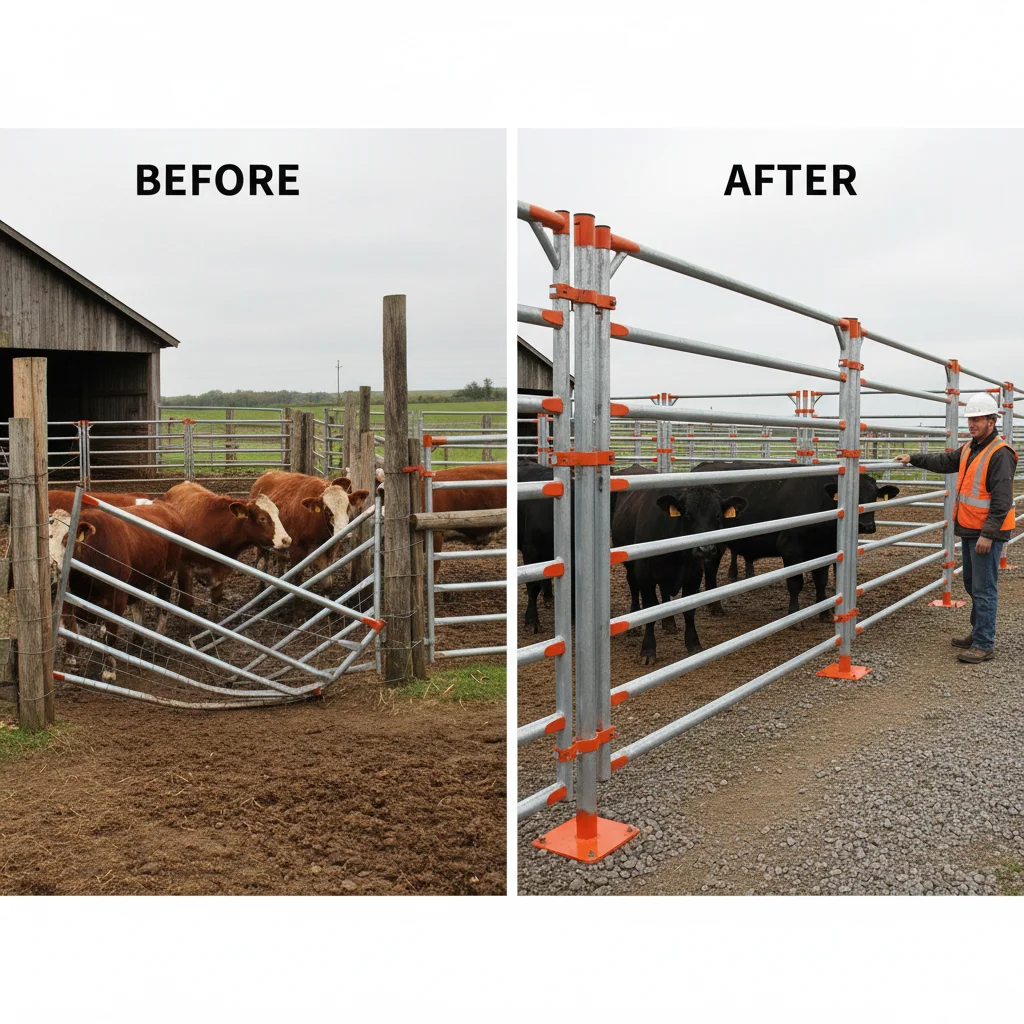
Durable Freestanding Livestock Panels for Efficient Animal Handling In the demanding world of agricultural management, the need for flexible and robust containment solutions has never been more critical. freestanding livestock panels offer a sophisticated answer to the challenges of animal handling, providing a secure yet adaptable barrier that does not require permanent installation or deep grounding. By allowing farmers and ranchers to redefine their spatial layouts in minutes, these panels maximize the efficiency of existing infrastructure while ensuring the safety of both the handlers and the livestock. Read More >26 Apr, 17
-
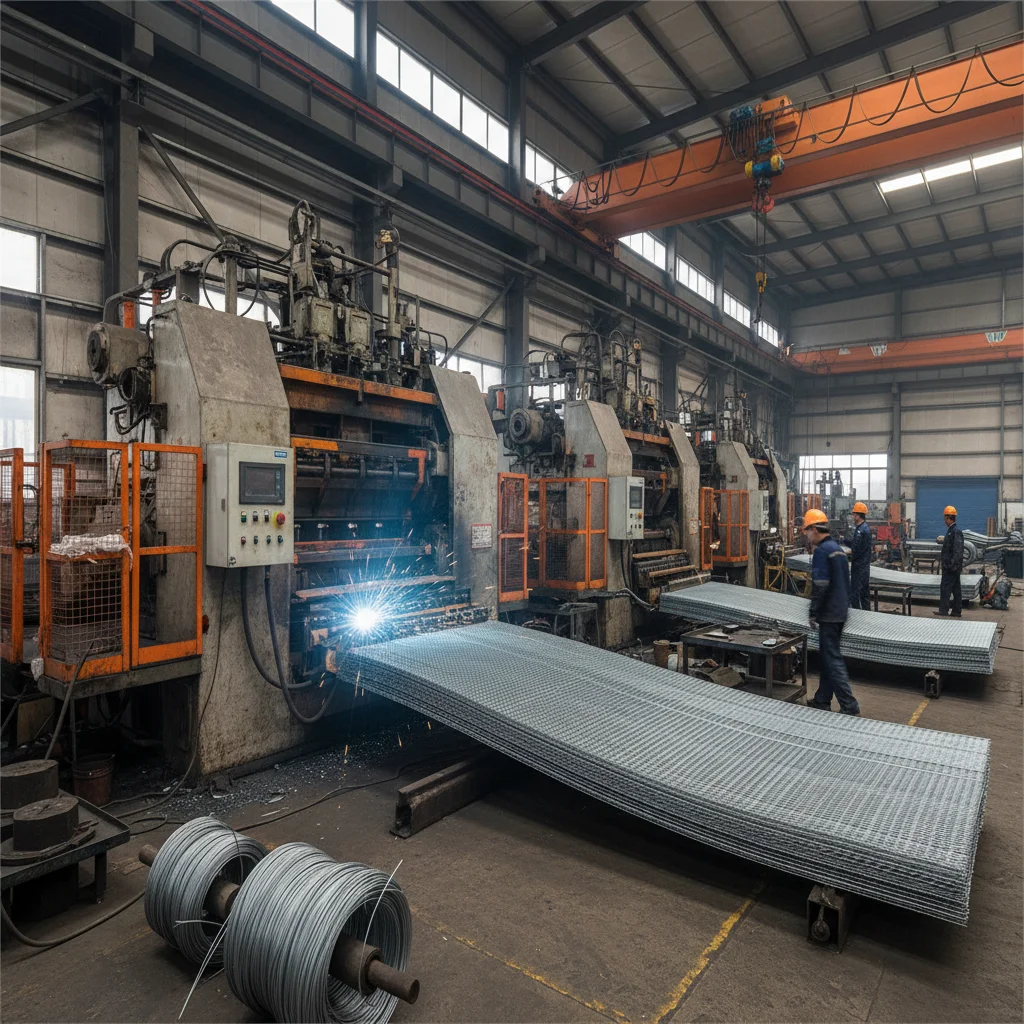
Professional Galvanized Welded Mesh Factory for Industrial Projects Finding a reliable galvanized welded mesh factory is critical for ensuring the structural integrity and longevity of your industrial or agricultural installations. Galvanized welded mesh is prized for its exceptional strength and resistance to corrosion, making it the go-to choice for fencing, animal cages, and construction reinforcement. However, not all factories adhere to the same quality standards. Whether you are sourcing for a large-scale infrastructure project or a specialized commercial application, understanding the manufacturing process and quality benchmarks is key to making a cost-effective investment that lasts for decades. Read More >26 Apr, 16
-
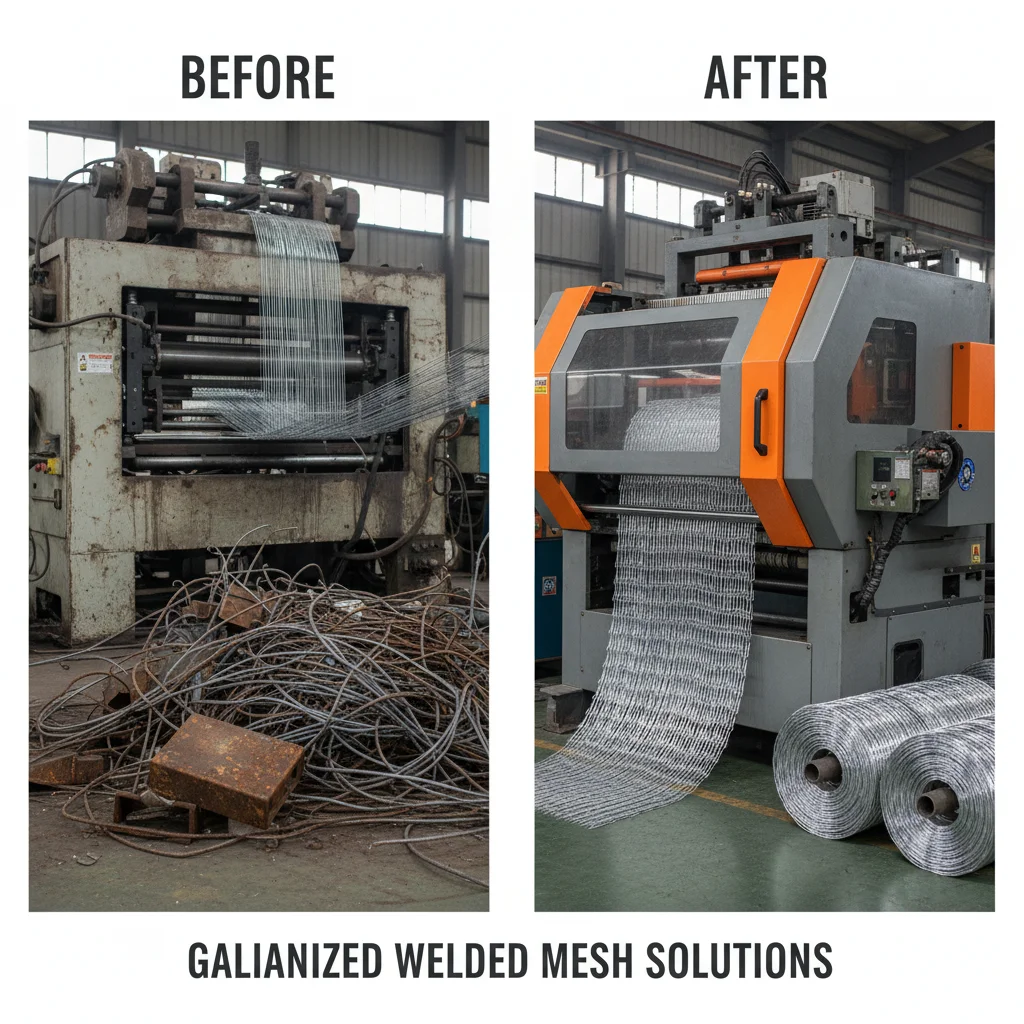
Professional Galvanized Welded Mesh Exporter for Quality Projects Selecting a high-quality fencing or screening solution requires more than just picking a product; it requires partnering with a reliable galvanized welded mesh exporter who understands the balance between structural integrity and corrosion resistance. Whether you are securing an industrial perimeter, building animal enclosures, or implementing architectural reinforcements, the quality of the galvanization process determines the lifespan of your installation. In this guide, we will explore the technical advantages of galvanized welded mesh and how to identify a global supplier that meets international quality standards to ensure your investment stands the test of time. Read More >26 Apr, 09
-
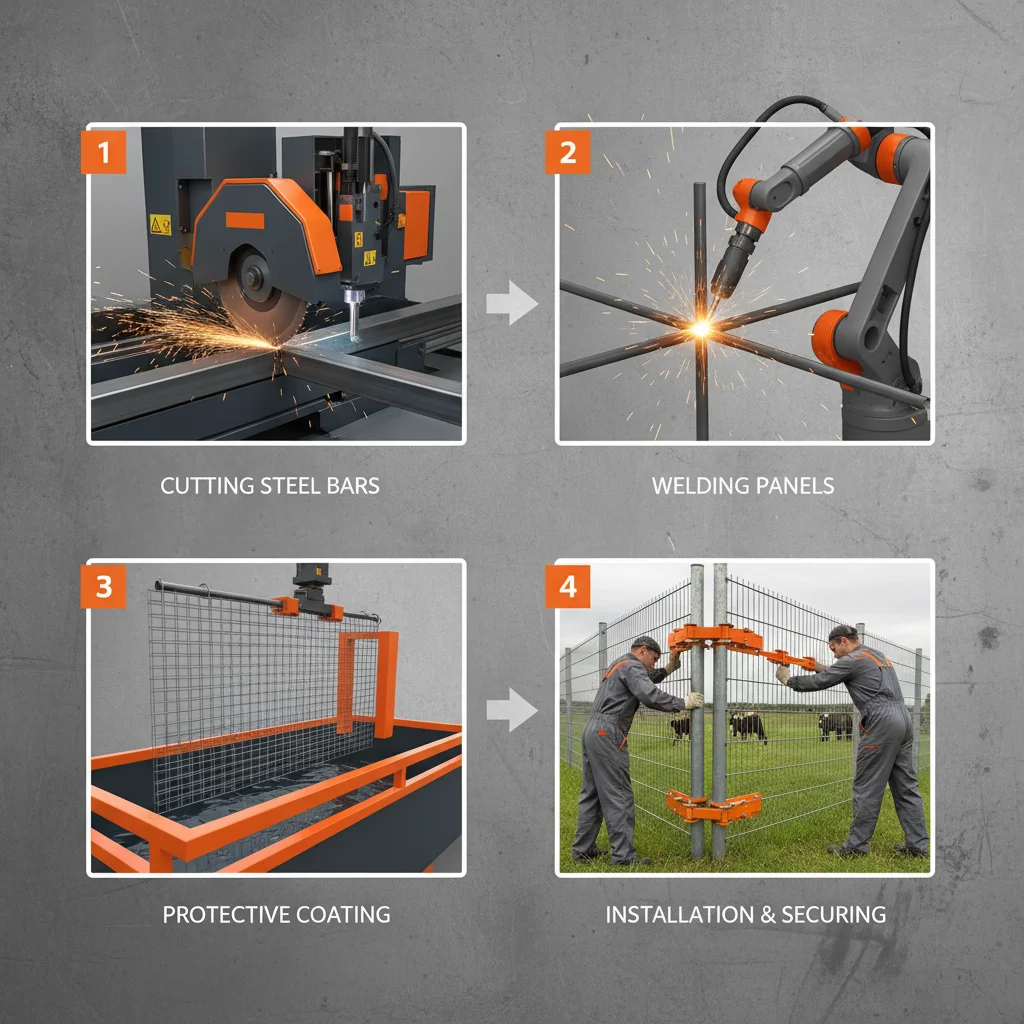
Essential Fencing Panels for Livestock Management and Farm Productivity Fencing panels for livestock are essential components in modern animal husbandry, playing a critical role in efficient farm management, animal welfare, and land utilization. Globally, the demand for robust and reliable fencing solutions is increasing due to the expanding livestock industry and the need to protect grazing lands from encroachment and predation. These panels aren’t simply barriers; they represent a vital investment in a farm's productivity and the health of its animals. Read More >26 Apr, 08
If you are interested in our products, you can choose to leave your information here, and we will be in touch with you shortly.


