


Durable 16 ft 4 Gauge Cattle Panels for Global Livestock Solutions | Haotian Mesh
Understanding 16 ft 4 Gauge Cattle Panels: Why They Matter Worldwide
If you’re involved in livestock management, fencing projects, or rural infrastructure, you’ve probably stumbled across 16 ft 4 gauge cattle panels. At first glance, they might seem like simple metal grids, but understanding these panels reveals a global story of agricultural efficiency, animal safety, and even humanitarian support. Their design and widespread use address complex challenges — from keeping animals secure to facilitating sustainable farming. Knowing how these panels work and why they’re important can be a real game-changer for anyone working in agriculture or rural settings.
Introduction: Global Context and Industry Impact
It’s worthwhile to zoom out a bit. Worldwide, livestock farming sustains billions both economically and nutritionally. According to the Food and Agriculture Organization (FAO), global cattle production has grown steadily over the last decade — and with that growth, the need for durable, efficient animal containment solutions has surged.
16 ft 4 gauge cattle panels are often the unsung heroes in this equation. Their prevalence isn't just a coincidence; it’s because they effectively balance strength, accessibility, and cost-efficiency, while helping prevent livestock loss and injury — key issues as farming operations scale.
A problem frequently faced worldwide involves poor fencing leading to escaped animals and dangerous interactions with people or wildlife. These panels help solve that problem, contributing to safer farms and more stable meat and dairy production globally.
Mini Takeaway
Globally, 16 ft 4 gauge cattle panels are a vital piece of hardware keeping farms productive, safe, and economically viable.
What Exactly Are 16 ft 4 Gauge Cattle Panels?
Simply put, these are heavy-duty metal fencing panels, each 16 feet long, made of wire that’s 4 gauge thick — meaning roughly 5.19 millimeters in diameter. This thickness offers a sweet spot: tough enough to withstand animal pressure but still manageable to install and transport.
These panels are usually galvanized steel, which means they’re coated to resist rust — a crucial feature given the outdoor environments they live in. They form a grid of rectangular or square openings designed to prevent cattle from slipping through or getting caught. The 16 ft length corresponds with common fence spacing and gate sizes, making them modular and adaptable.
Their significance stretches beyond just farming. Humanitarian and disaster relief agencies sometimes use these panels for quick animal shelters or livestock containment, especially in remote locations where traditional fencing materials aren't practical.
Mini Takeaway
16 ft 4 gauge cattle panels are straightforward — yet clever components whose dimensions and durability fit a vast array of farming and emergency needs.
Key Features That Make These Panels Essential
Durability and Strength
The 4 gauge wire provides a sturdy backbone. This thick steel resists bending and breaking from cattle pressure, harsh weather, or even occasional impacts from machinery. Many manufacturers also apply hot-dip galvanization, enhancing corrosion resistance dramatically.
Ease of Installation
At 16 feet, these panels are the right balance between coverage and manageability — long enough to reduce the number of connections, but short enough for a few workers to handle without heavy machinery. This translates into shorter build times and fewer materials for fencing large areas.
Versatility and Modularity
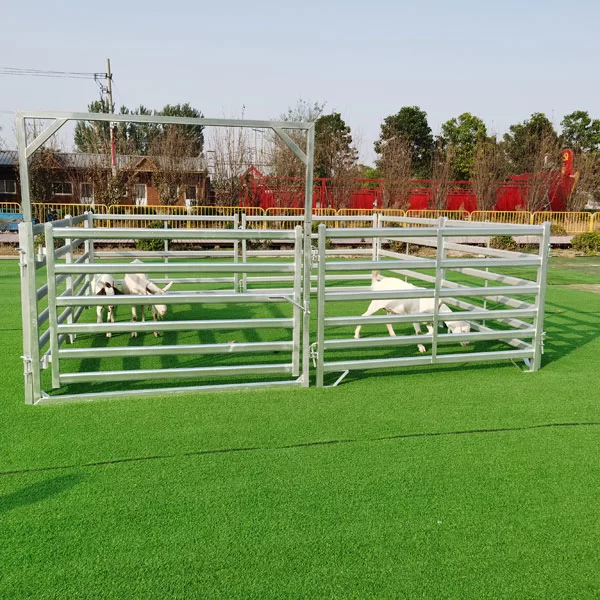
The rectangular grid design works well for multiple livestock types, not just cattle. Sheep, goats, and even horses can be contained safely with these panels. Furthermore, they link seamlessly with gates and corners, letting farmers design fences that suit their unique land topography.
Cost Efficiency
Compared to traditional wooden fences or welded wire mesh options, 16 ft 4 gauge cattle panels often provide a longer-lasting solution at a competitive price. Less maintenance is required, particularly when galvanized.
Table: Typical Specifications for 16 ft 4 Gauge Cattle Panels
| Specification | Detail |
|---|---|
| Length | 16 feet (4.88 meters) |
| Wire Gauge | 4 gauge (approx. 5.19 mm diameter) |
| Material | Galvanized steel |
| Opening Size | Approximately 4"x8" (rectangular grid) |
| Weight | 70–90 lbs (varies by manufacturer) |
| Coating | Hot-dip galvanized or powder-coated options |
Mini Takeaway
The design, coating, and size of these cattle panels blend longevity with practical handling and adaptability on diverse farms worldwide.
Who Uses These Cattle Panels? Global Real-World Applications
Globally, their use spans regions with vast ranches in North and South America, parts of Australia, Africa’s growing livestock sectors, and even in European pastoral communities. They’re popular not just on farms, but also in:
- Post-Disaster Agricultural Recovery: Following floods or earthquakes, rapid livestock containment is critical. NGOs use 16 ft 4 gauge cattle panels for quick pen assembly.
- Remote Industrial Sites: Mines and logging camps often need secure animal fencing that stands up to rugged conditions.
- Urban Farming and Homesteads: Urban agriculture movements adopt these panels to create raised animal areas easily.
For instance, a large rancher in Texas I spoke with recently mentioned how the panels cut fence repairs from days to hours and saved thousands in lost cattle alone.
Mini Takeaway
There’s a reason why across continents, these panels are a go-to solution — their robustness meets diverse agricultural and emergency needs with almost effortless flexibility.
Advantages & Long-Term Benefits of 16 ft 4 Gauge Cattle Panels
Let’s be honest: fencing isn’t glamorous, yet it shapes safety, productivity, and peace of mind on farms. Some tangible benefits include:
- Safety: Strong, well-designed fencing reduces aggressive animal escapes and prevents injury.
- Cost Savings: Durable panels mean less frequent replacements and repairs.
- Sustainability: Long-lasting galvanized steel reduces waste compared to temporary fencing.
- Social Impact: Safer, more productive farms support rural livelihoods and food security.
- Innovation Trust: Their consistent quality helps businesses plan confidently for expansions or adaptations.
There’s also something reassuring when your fence stands firm through storms and livestock pressure — it kind of feels like a silent partner in your daily work.
Looking Ahead: Future Trends & Innovations
The fencing industry isn’t stagnant. There’s a growing interest in:
- Eco-Friendly Coatings: Moving beyond traditional galvanizing to biodegradable or low-impact finishes.
- Smart Fencing: Integrating sensors to detect breaches or animal movement remotely.
- Automation and Robotics: Deployment drones or automated fence inspection robotics that cut manual labor.
- Recycled Materials: Some innovators experiment with remanufactured steel alloys, reducing carbon footprints.
Digital transformation might feel a bit out there in a fencing context, but trust me, it’s coming quickly — especially in large ranch operations.
Mini Takeaway
The future of 16 ft 4 gauge cattle panels is bright — blending durable craftsmanship with cutting-edge technology for smarter and greener farming.
Common Challenges and Practical Solutions
Of course, there are hiccups. Some growers find initial costs intimidating or worry about panel weight during transport. Others face challenges in panel corrosion if coatings are damaged.
Luckily, innovations like lightweight steel blends and improved powder coatings help. Plus, modular designs mean you can upgrade incrementally, not all at once. Proper installation training, coupled with regular inspections, drastically extends fence life.
Suppliers also increasingly offer customization services, like varying lengths or pre-cut gate frames, to better suit local needs.
Vendor Comparison Table
| Vendor | Coating Options | Customization | Price Range (per panel) | Lead Time |
|---|---|---|---|---|
| Haotian Mesh | Hot-dip galvanized & Powder-coated | Yes, bespoke sizes & designs | $50 – $70 | 2–3 weeks |
| RanchMaster Supplies | Galvanized only | Limited standard sizes | $45 – $60 | 1 week |
| EcoFence Co. | Recycled steel with eco coating | Customizable on request | $65 – $85 | 3–4 weeks |
FAQ: Your Top Questions About 16 ft 4 Gauge Cattle Panels
Q1: How do 16 ft 4 gauge cattle panels compare to traditional wooden fences?
A: These panels typically offer superior durability and lower maintenance costs over time. Wood may rot or need frequent repairs, while galvanized steel resists weathering and pest damage. Plus, installation is often faster with metal panels.
Q2: Can these panels be used in extreme weather conditions?
A: Yes. The galvanized coating protects against rust and corrosion even in humid, rainy, or snowy climates. Proper installation and maintenance help panels hold up against storms, wind, and heavy snow loads.
Q3: Are 16 ft 4 gauge cattle panels suitable for small farms or homesteads?
A: Definitely. Their modular design fits both vast ranches and small-scale farms. You can fence specific areas or smaller pastures without overbuilding – making them quite versatile.
Q4: How do I ship these panels internationally?
A: Panels are usually shipped in bundles to save costs. Suppliers like Haotian Mesh provide export documentation and custom packaging to facilitate international transport with minimal fuss.
Q5: What maintenance is required for these cattle panels?
A: Minimal, honestly. Annual inspections to check for damaged or bent sections, plus timely repairs, will keep the fence secure for years. Avoiding scratches or coating damage prolongs rust resistance.
Wrapping Up: The Long-Term Benefits of 16 ft 4 Gauge Cattle Panels
In real terms, investing in well-crafted 16 ft 4 gauge cattle panels is an investment in safety, efficiency, and sustainability. Whether you run a large ranch, manage recovery efforts post-disaster, or simply care for a few animals, these panels provide peace of mind and long-term value.
Curious to explore your options or get a quote? Visit our website at Haotian Mesh to learn more about customizable fencing solutions that fit your needs.
Final Thought
Sometimes, it’s the simple tools — like a sturdy 16 ft 4 gauge cattle panel — that quietly keep the world turning, one fence line at a time.
References
-
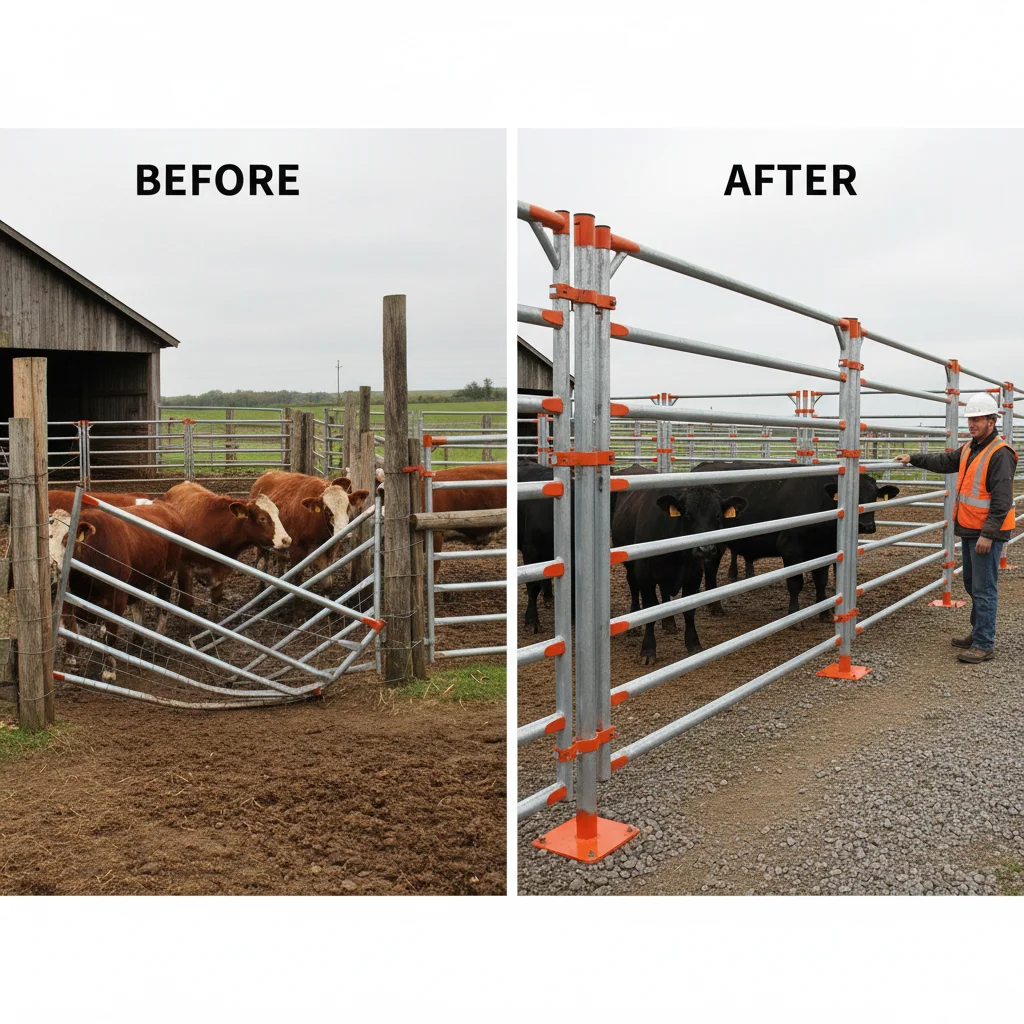
Durable Freestanding Livestock Panels for Efficient Animal Handling In the demanding world of agricultural management, the need for flexible and robust containment solutions has never been more critical. freestanding livestock panels offer a sophisticated answer to the challenges of animal handling, providing a secure yet adaptable barrier that does not require permanent installation or deep grounding. By allowing farmers and ranchers to redefine their spatial layouts in minutes, these panels maximize the efficiency of existing infrastructure while ensuring the safety of both the handlers and the livestock. Read More >26 Apr, 17
-
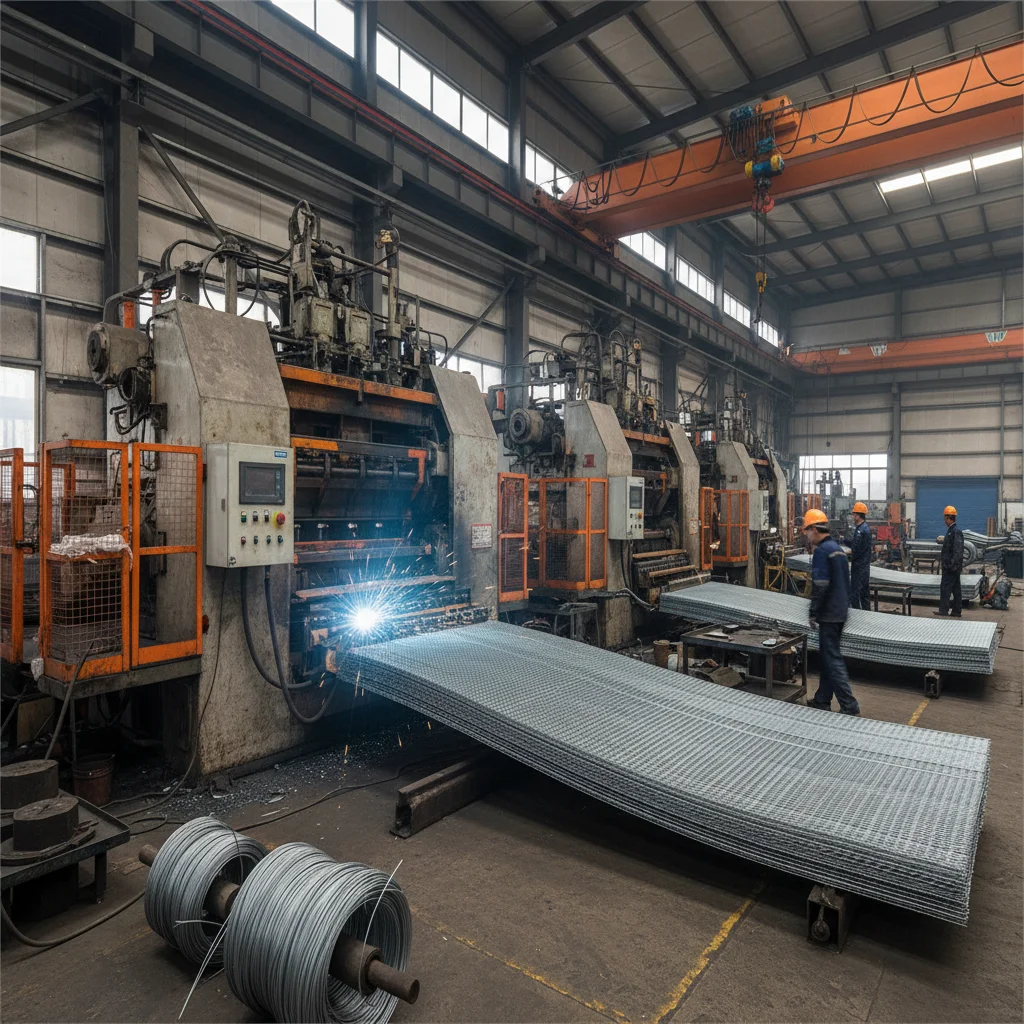
Professional Galvanized Welded Mesh Factory for Industrial Projects Finding a reliable galvanized welded mesh factory is critical for ensuring the structural integrity and longevity of your industrial or agricultural installations. Galvanized welded mesh is prized for its exceptional strength and resistance to corrosion, making it the go-to choice for fencing, animal cages, and construction reinforcement. However, not all factories adhere to the same quality standards. Whether you are sourcing for a large-scale infrastructure project or a specialized commercial application, understanding the manufacturing process and quality benchmarks is key to making a cost-effective investment that lasts for decades. Read More >26 Apr, 16
-
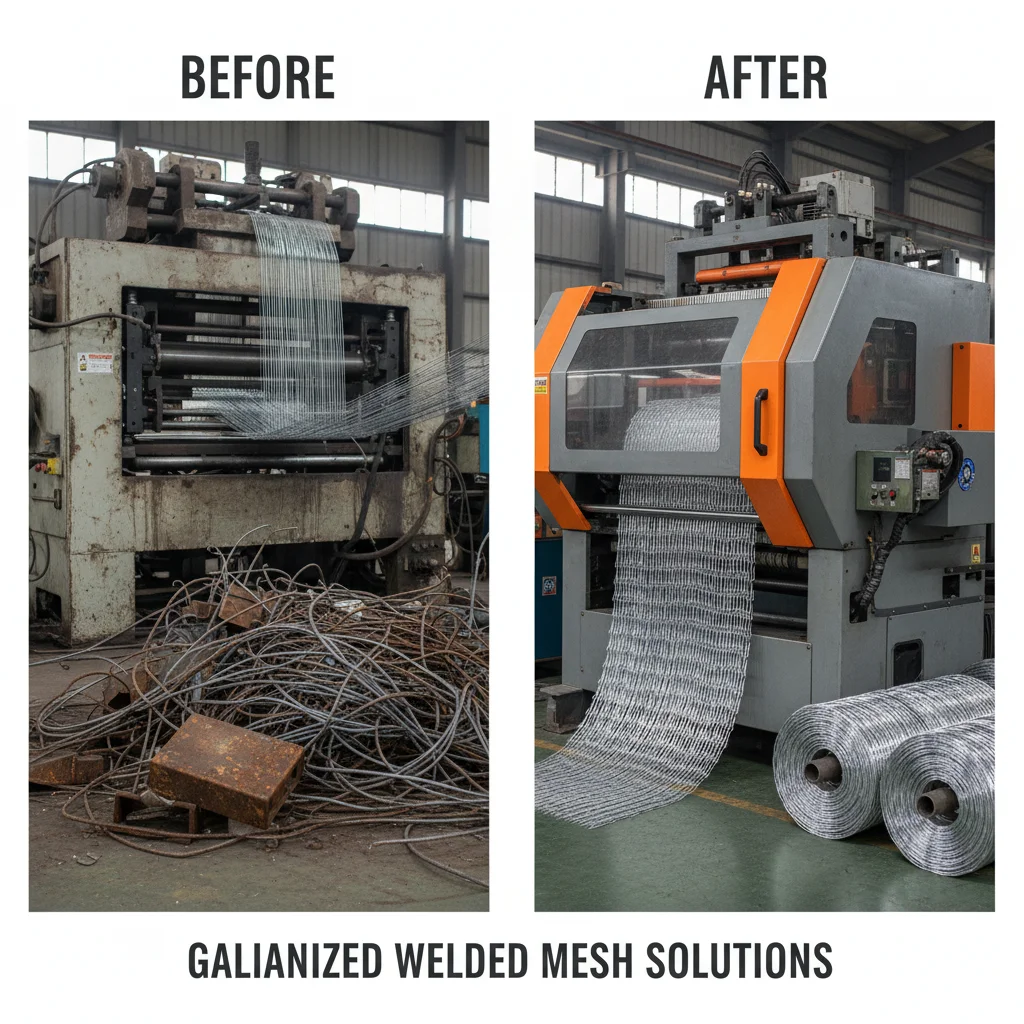
Professional Galvanized Welded Mesh Exporter for Quality Projects Selecting a high-quality fencing or screening solution requires more than just picking a product; it requires partnering with a reliable galvanized welded mesh exporter who understands the balance between structural integrity and corrosion resistance. Whether you are securing an industrial perimeter, building animal enclosures, or implementing architectural reinforcements, the quality of the galvanization process determines the lifespan of your installation. In this guide, we will explore the technical advantages of galvanized welded mesh and how to identify a global supplier that meets international quality standards to ensure your investment stands the test of time. Read More >26 Apr, 09
-
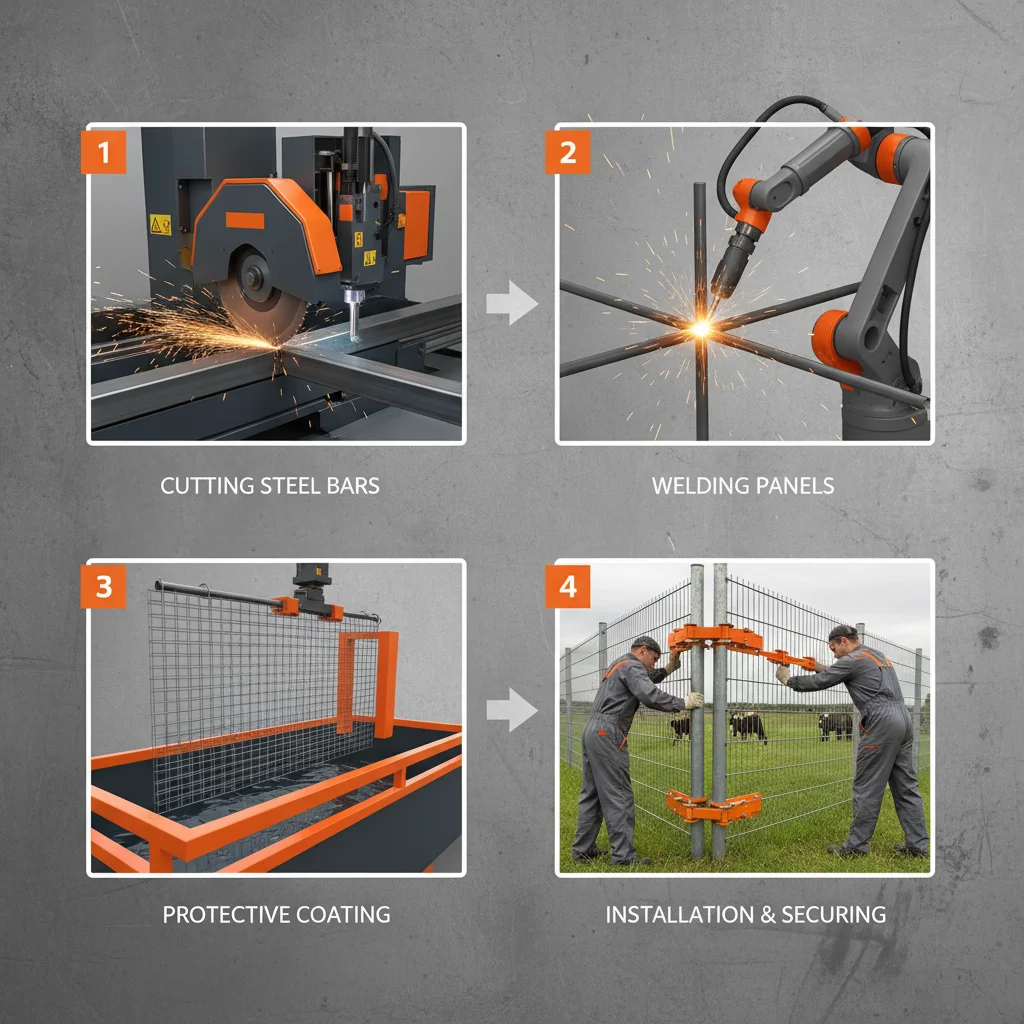
Essential Fencing Panels for Livestock Management and Farm Productivity Fencing panels for livestock are essential components in modern animal husbandry, playing a critical role in efficient farm management, animal welfare, and land utilization. Globally, the demand for robust and reliable fencing solutions is increasing due to the expanding livestock industry and the need to protect grazing lands from encroachment and predation. These panels aren’t simply barriers; they represent a vital investment in a farm's productivity and the health of its animals. Read More >26 Apr, 08
If you are interested in our products, you can choose to leave your information here, and we will be in touch with you shortly.


