


Durable 16 Foot Cattle Fence Panels for Efficient Livestock Management
Understanding 16 Foot Cattle Fence Panels: A Global Perspective
If you've ever been to a ranch or a livestock farm, you might have noticed sturdy, elongated fence sections holding the cattle in place — those are often 16 foot cattle fence panels. While that might seem like a straightforward piece of hardware, these panels play a surprisingly vital role in agriculture around the world. From managing livestock in vast Canadian ranches to securing herds in Australian outbacks, they’re an unsung hero in supporting sustainable farming and animal welfare globally.
As countries grapple with food security challenges and the agricultural sector evolves, understanding the use and benefits of smart fencing solutions like these panels has become more relevant than ever. Not only do they help farmers increase productivity and safety, but they also influence trade, logistics, and environmental impact on a scale you might not immediately realize.
The Global Importance of 16 Foot Cattle Fence Panels
The global farming community relies heavily on livestock management and containment solutions. According to the Food and Agriculture Organization (FAO), there are over 1.5 billion cattle worldwide, and efficient fencing plays a crucial role in reducing losses and improving herd health.
In regions such as North America, South America, Australia, and parts of Africa, these durable panels help address challenges like uncontrolled grazing, theft, and predator intrusions. They also minimize land degradation by facilitating rotational grazing practices, which is an ISO-backed sustainable farming approach.
But the reality is, without reliable fencing, farmers risk losing valuable assets, leading to financial stress and social instability. This is where 16 foot cattle fence panels become not just a practical product but a solution bridging economic and ecological concerns.
What Exactly Are 16 Foot Cattle Fence Panels?
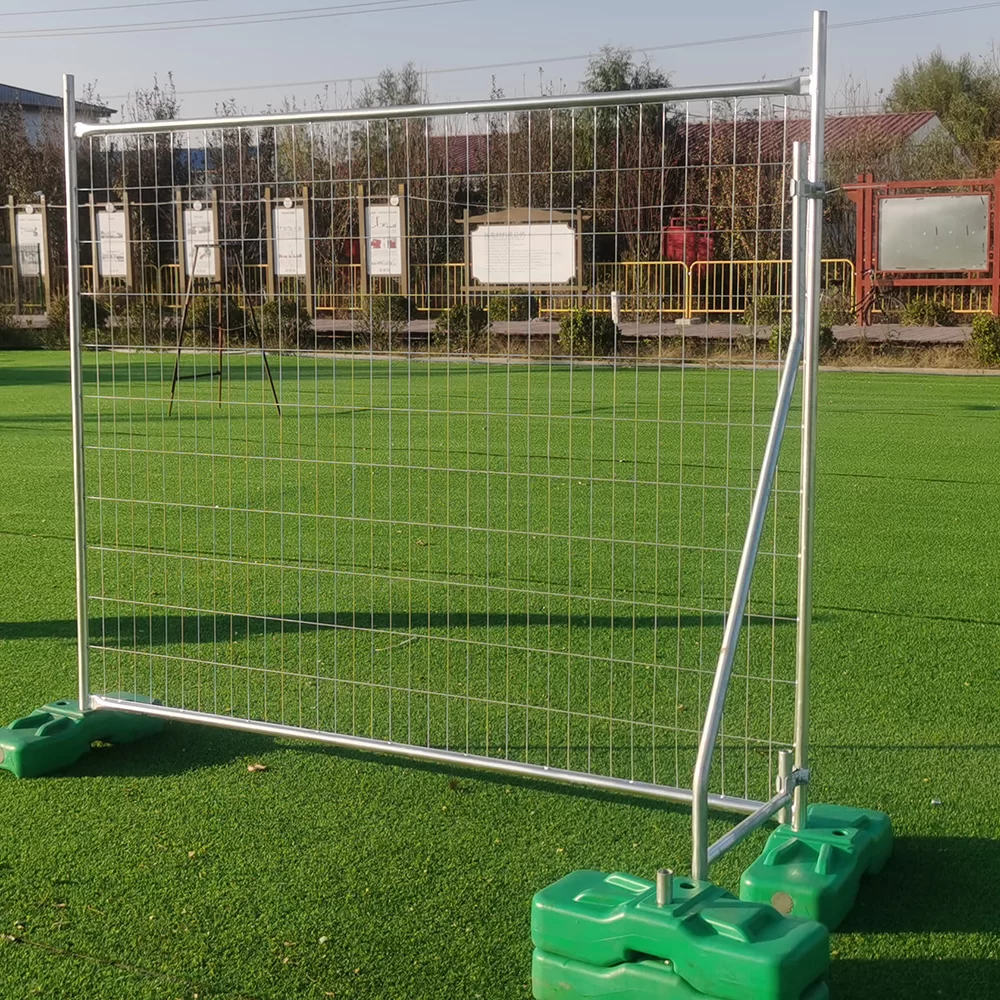
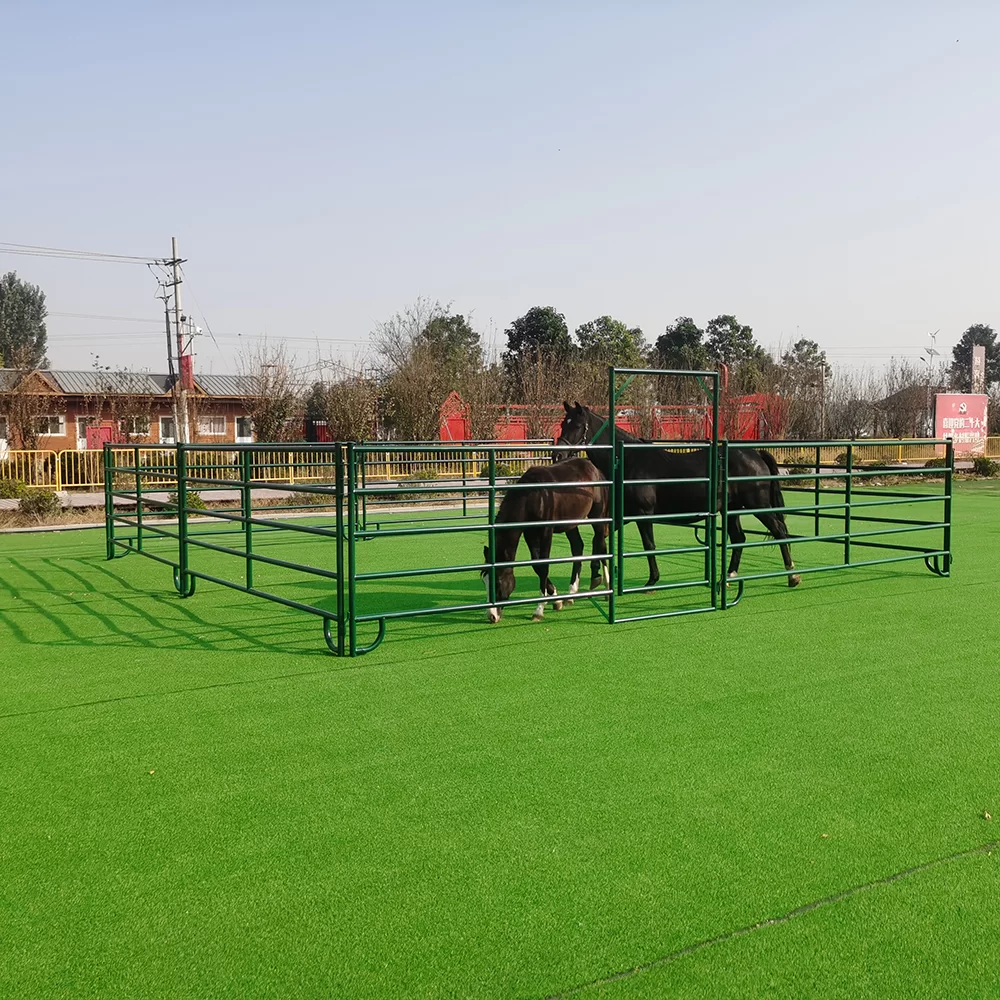
Put simply, a 16 foot cattle fence panel is a pre-fabricated metal frame section approximately 16 feet in length designed to create temporary or permanent boundaries for cattle and other livestock. Most are made of galvanized steel or powder-coated metal to withstand weather, wear, and heavy animal pressure.
Think of these panels as modular building blocks — easy to install, move around, and connect with each other to form paddocks, chutes, or holding pens. Modern iterations also include coated finishes to resist rust and sometimes mesh options to prevent smaller animals from escaping, serving multinational agricultural needs and even humanitarian animal management projects.
Core Components and Key Factors
1. Durability and Material Quality
Most panels use galvanized steel tube frameworks. This material offers the best balance between strength and corrosion resistance, which is essential when panels are exposed to varying climates from humid tropics to frosty plains. Engineers often point out that quality finish and welds can add years to panel lifespan, cutting costs in the long run.
2. Scalability and Modularity
With uniform 16-foot lengths, panels can be quickly connected to expand or reconfigure fencing layouts. This flexible format means farmers can adapt pens to changing herd sizes or pasture rotations, making them ideal for both small family farms and large commercial operations.
3. Cost Efficiency and Maintenance
Though initial investment might seem high to some smaller farms, the long-term returns—in terms of reduced animal loss, injury, and labor—are substantial. Panels require minimal maintenance, thanks to protective coatings and robust build quality, meaning they often pay for themselves within a few seasons.
4. Safety and Animal Welfare
A well-constructed panel minimizes sharp edges and gaps, reducing injury risks for cattle. Good fencing is a trust builder between animals and handlers, which, if you ask any seasoned farmer, is worth a lot more than just numbers on a balance sheet.
5. Ease of Transport and Deployment
Freightable, lightweight (relatively speaking), and compatible with most livestock panel clamps, 16 foot panels can be moved and installed without heavy machinery in many situations—perfect for remote or temporary setups.
Mini takeaway:
In essence, these panels stand out due to their balance of strength, ease of installation, flexibility, and cost-effectiveness—making them a modern farming asset with a global footprint.
Real-World Applications Around the World
From sprawling ranches in Texas to communal farms in Sub-Saharan Africa, the application range of 16 foot cattle fence panels is wide. For example:
- Australia: Farmers use these panels in rotational grazing to manage overgrazed land, supporting local ecosystems.
- South America: In Argentina and Brazil, the panels help hold large beef herds securely and efficiently.
- Africa: NGOs use modular fencing packages post-disaster to protect livestock — a vital asset in rebuilding livelihoods.
- North America: Ranchers rely on these panels for temporary corrals during vaccination and sorting seasons.
Curiously, many humanitarian groups have adopted variations of these panels for controlled animal management in refugee camps, highlighting their multi-purpose use beyond traditional agriculture.
Advantages and Lasting Value
What stands out most about these cattle fence panels is their combination of reliability and cost-effectiveness. They:
- Reduce financial loss: Keep cattle secure, lowering theft and injury rates.
- Support animal welfare: Safety-conscious design means fewer animal stress points.
- Conserve land: Enable better grazing strategies that preserve soil quality.
- Build community trust: Farmers and workers gain confidence working within a safe environment.
Emotionally, there's also something satisfying about sturdy, well-made fencing—it's like having solid boundaries that protect the things you care about most. In a way, these panels embody the farmer’s unspoken promise to their herd.
Looking Ahead: Innovations in Fence Panel Technology
The industry is quietly evolving! Next-generation cattle fence panels are incorporating:
- Recycled and composite materials: Reducing environmental footprints without sacrificing strength.
- Smart fencing tech: Sensors integrated for monitoring herd movement and break-ins.
- Enhanced coatings: Nano-particle technologies to extend lifespan, especially in harsh environments.
- Automation compatibility: Panels designed for robotic installation or integration with electric fencing systems.
These advances point to a future where livestock management is safer, more efficient, and kinder to the planet.
Challenges Faced and How Experts Solve Them
Despite their benefits, some limitations persist:
- Weight can make manual handling tiring for some.
- Cost upfront may deter very small-scale farmers.
- Corrosion risk in extremely salty or wet environments.
To counter this, suppliers offer lighter alloys, leasing options, and specialized coatings. There’s also growing emphasis on education programs teaching optimal panel use to maximize lifespan.
Practical Questions About 16 Foot Cattle Fence Panels
- Q: How does the 16-foot length benefit farm operations?
- A: Its length balances manageability and coverage. Longer than typical 8-foot panels, it reduces the total number of panels needed, cutting installation time while still being transport-friendly.
- Q: Are these panels suitable for all cattle breeds?
- A: Generally, yes, but heavier breeds might require panels with thicker tubing or additional reinforcement to withstand pressure.
- Q: Can these panels be used for temporary fencing?
- A: Absolutely. Their modular design and easy connection fittings make them ideal for temporary or seasonal fencing needs.
- Q: What maintenance do these panels require?
- A: Minimal—usually just an annual check for bent areas or corrosion spots, which can often be painted over or repaired on site.
- Q: How can farmers ensure they buy quality panels?
- A: Look for certifications on material quality, verified weld inspections, and reputable reviews. Trusted vendors often provide warranties.
Product Specifications Table
| Specification | Details |
|---|---|
| Panel Length | 16 feet (4.88 meters) |
| Material | Galvanized Steel, Powder-coated options |
| Tube Diameter | 1.5" to 2" nominal |
| Finish | Galvanized & optional Powder-Coated Paint |
| Weight | Approx. 65-75 lbs (29-34 kg) |
| Connection System | Bolt-On or Clamp Connectors |
Vendor Comparison: Choosing the Right Panel Supplier
| Vendor | Material Quality | Customization | Pricing (per panel) | Warranty |
|---|---|---|---|---|
| Haotian Mesh | High-grade galvanized steel | Custom lengths & coatings | $130–$150 | 5 years |
| RanchPro Panels | Standard galvanized steel | Limited options | $115–$140 | 3 years |
| AgriFence | Galvanized steel + powder coat | Custom coatings, shorter lengths | $140–$165 | 4 years |
If you’re interested in exploring specific panel configurations or ordering in bulk, browsing through trusted vendors like 16 foot cattle fence panels manufacturers might be your best first step.
Wrapping It Up: The Long-Term Edge of 16 Foot Cattle Fence Panels
Ultimately, 16 foot cattle fence panels represent a straightforward yet vital element ensuring livestock safety, sustainable farming, and better economic outcomes worldwide. Their blend of durability, flexibility, and cost-efficiency makes them essential in ranging industries from large-scale ranching to emergency animal management in humanitarian aid.
If you’re ready to improve your farm’s fencing game or simply want to learn more, don’t hesitate to visit our website. There, you can discover detailed specs, pricing options, and helpful resources tailored to your unique needs.
Final thought:
In a world increasingly focused on sustainable agriculture and responsible land management, even something as humble as a 16 foot cattle fence panel can be a cornerstone of progress.
References
-
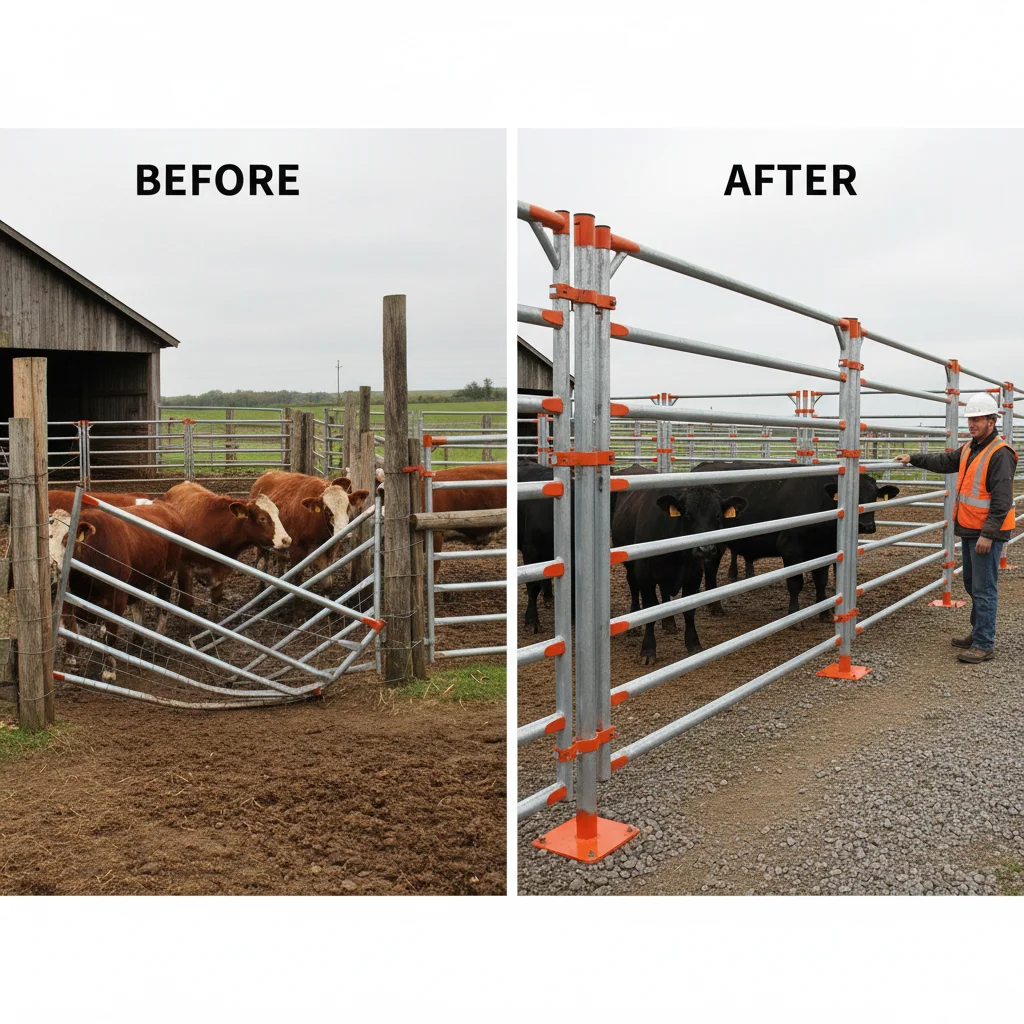
Durable Freestanding Livestock Panels for Efficient Animal Handling In the demanding world of agricultural management, the need for flexible and robust containment solutions has never been more critical. freestanding livestock panels offer a sophisticated answer to the challenges of animal handling, providing a secure yet adaptable barrier that does not require permanent installation or deep grounding. By allowing farmers and ranchers to redefine their spatial layouts in minutes, these panels maximize the efficiency of existing infrastructure while ensuring the safety of both the handlers and the livestock. Read More >26 Apr, 17
-
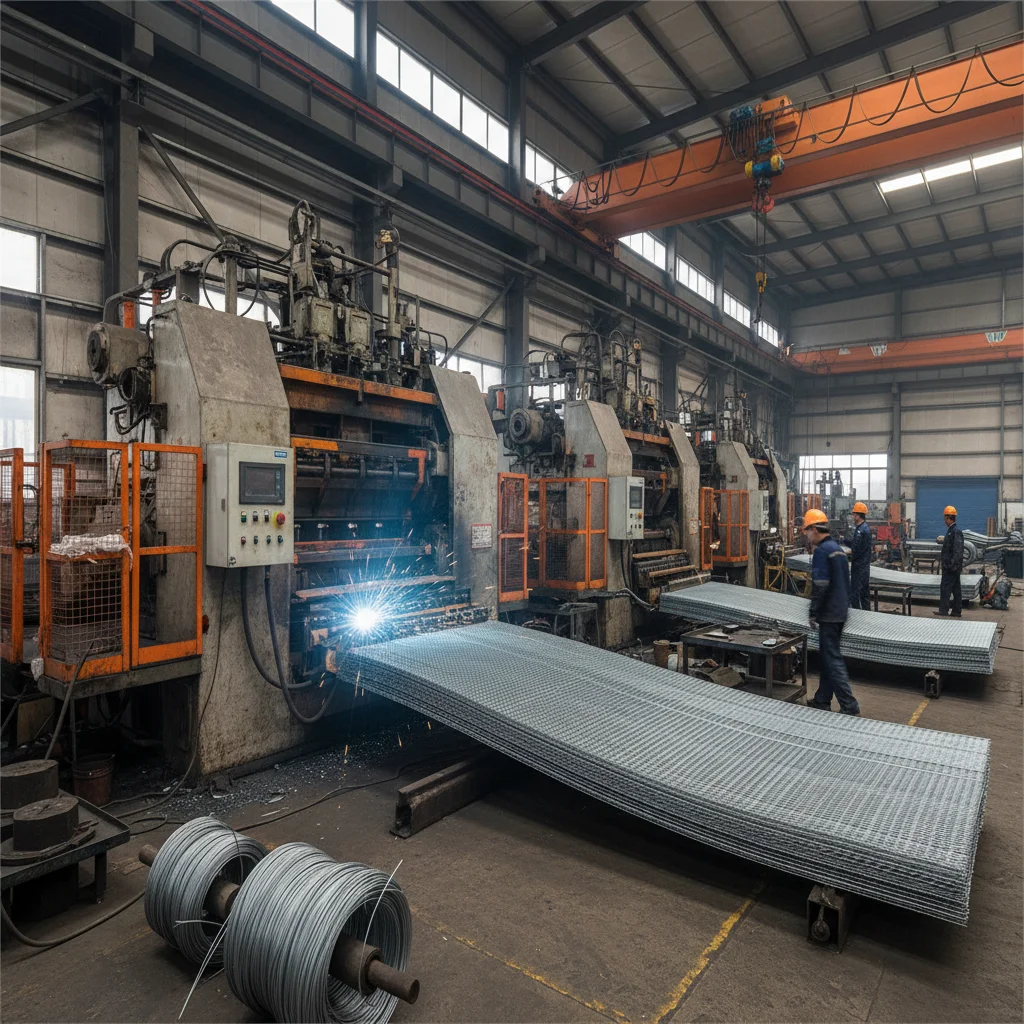
Professional Galvanized Welded Mesh Factory for Industrial Projects Finding a reliable galvanized welded mesh factory is critical for ensuring the structural integrity and longevity of your industrial or agricultural installations. Galvanized welded mesh is prized for its exceptional strength and resistance to corrosion, making it the go-to choice for fencing, animal cages, and construction reinforcement. However, not all factories adhere to the same quality standards. Whether you are sourcing for a large-scale infrastructure project or a specialized commercial application, understanding the manufacturing process and quality benchmarks is key to making a cost-effective investment that lasts for decades. Read More >26 Apr, 16
-
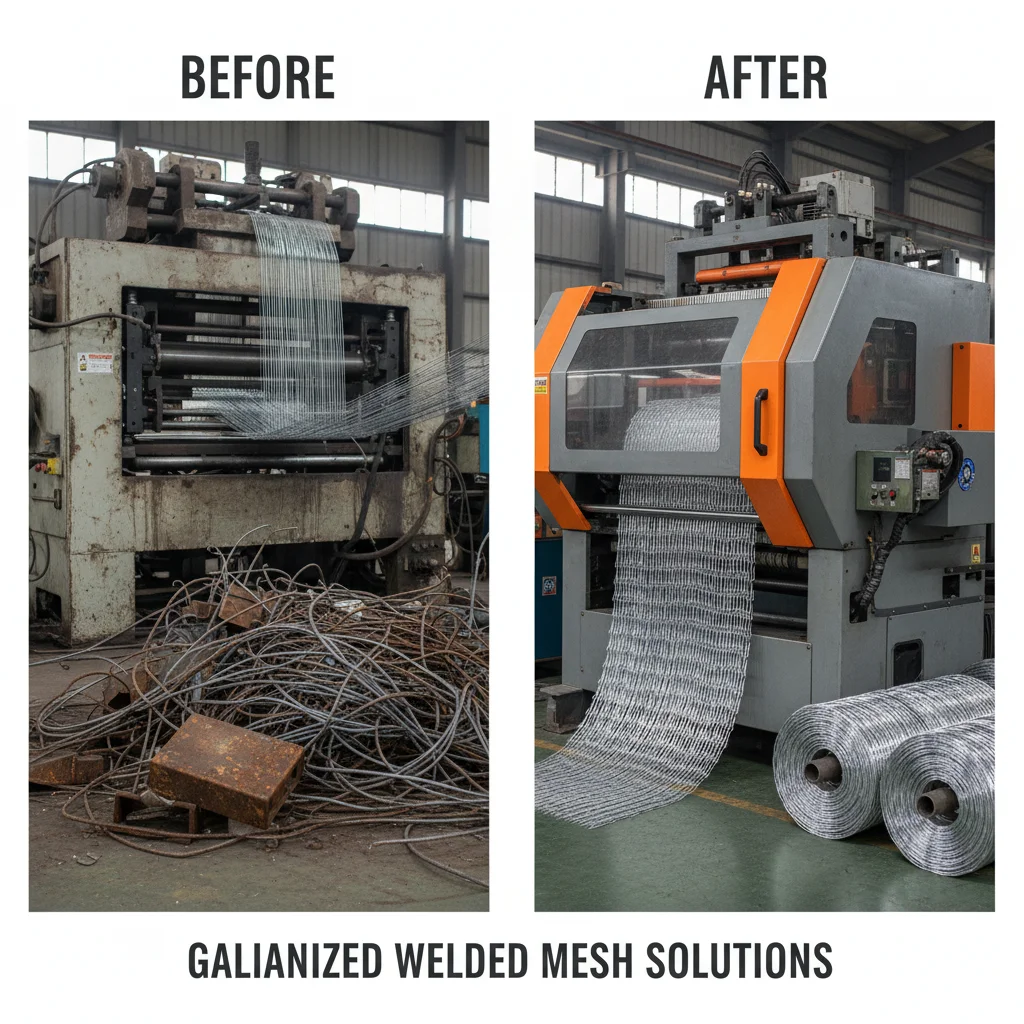
Professional Galvanized Welded Mesh Exporter for Quality Projects Selecting a high-quality fencing or screening solution requires more than just picking a product; it requires partnering with a reliable galvanized welded mesh exporter who understands the balance between structural integrity and corrosion resistance. Whether you are securing an industrial perimeter, building animal enclosures, or implementing architectural reinforcements, the quality of the galvanization process determines the lifespan of your installation. In this guide, we will explore the technical advantages of galvanized welded mesh and how to identify a global supplier that meets international quality standards to ensure your investment stands the test of time. Read More >26 Apr, 09
-
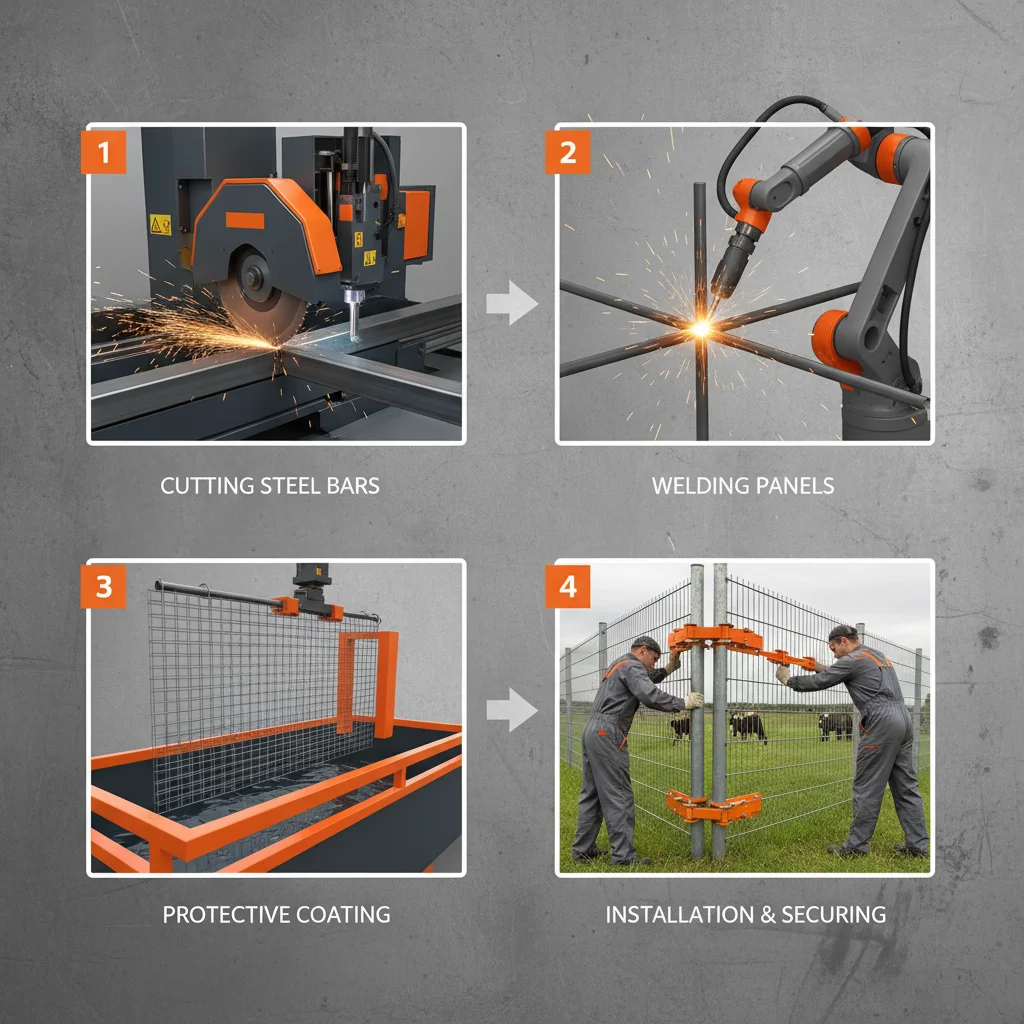
Essential Fencing Panels for Livestock Management and Farm Productivity Fencing panels for livestock are essential components in modern animal husbandry, playing a critical role in efficient farm management, animal welfare, and land utilization. Globally, the demand for robust and reliable fencing solutions is increasing due to the expanding livestock industry and the need to protect grazing lands from encroachment and predation. These panels aren’t simply barriers; they represent a vital investment in a farm's productivity and the health of its animals. Read More >26 Apr, 08
If you are interested in our products, you can choose to leave your information here, and we will be in touch with you shortly.


