


Comprehensive Guide to Fencing Mesh Types – Global Applications & Benefits
Understanding Fencing Mesh Types: Global Insights and Practical Benefits
Fencing mesh types are more than just a detail in construction or agriculture; they're a crucial element shaping how communities secure property, facilitate safety, and delineate spaces worldwide. Oddly enough, when you start digging into the diversity and applications of fencing mesh types, it opens up several interesting perspectives about durability, cost-effectiveness, and even humanitarian efforts. This article unpacks what fencing mesh types are, why they matter globally, and the considerable benefits you can gain by understanding their variety and uses.
Introduction: The Global Importance of Fencing Mesh Types
Globally, fencing mesh systems stand as quiet guardians of farms, industrial zones, residential compounds, and even wildlife reserves. According to ISO standards, fencing materials must meet specific durability and safety requirements, underpinning global trade and infrastructural development.
It’s easy to overlook the role fencing mesh types play in security and land management, but the World Bank highlights land demarcation as vital to sustainable development, reducing conflicts, and promoting investment. Yet, challenges like climate conditions, cost constraints, and rapid deployment remain constant across economies.
What Are Fencing Mesh Types?
Simply put, fencing mesh types refer to the different patterns, materials, and construction methods used to create mesh nets or grids for fencing. These can range from welded wire mesh, chain-link fencing, to woven wire and expanded metal mesh. Each type offers unique benefits like flexibility, strength, or visibility and serves areas from agricultural enclosures to urban urban security systems. It’s fascinating how this mesh fabric—sometimes only a few millimeters thick—answers so many industrial and humanitarian needs, such as border security or temporary shelters in emergency zones.
Key Factors in Choosing Fencing Mesh Types
Durability
Mesh coatings, such as galvanized zinc or PVC, drastically affect fence life. For instance, galvanized welded meshes resist corrosion better, especially in humid or marine environments. It’s a factor engineers most always prioritize to reduce maintenance costs and extend service life.
Cost Efficiency
Material choices directly influence price. Chain-link tends to be cheaper and easier to install, making it popular for temporary or large-scale applications. Woven wire, however, though pricier, offers higher tensile strength and is often preferred in livestock fencing.
Scalability and Flexibility
How easy is it to expand or modify fencing? Some fencing mesh types are modular, allowing quick adjustments—a boon in disaster relief where temporary, expandable fencing is necessary. Others are more rigid but provide stronger security.
Visibility and Aesthetics
Sometimes it’s about what you don’t see—low-visibility mesh suits wildlife reserves where minimal visual intrusion is essential. In contrast, urban areas may require fencing mesh with enhanced visibility for surveillance.
Installation and Maintenance
Is specialized equipment needed? How often must the fence be checked or repaired? These operational aspects are often overlooked until after purchase but can make or break a project’s success.
| Fencing Mesh Type | Material | Typical Use | Durability (Years) | Cost Index |
|---|---|---|---|---|
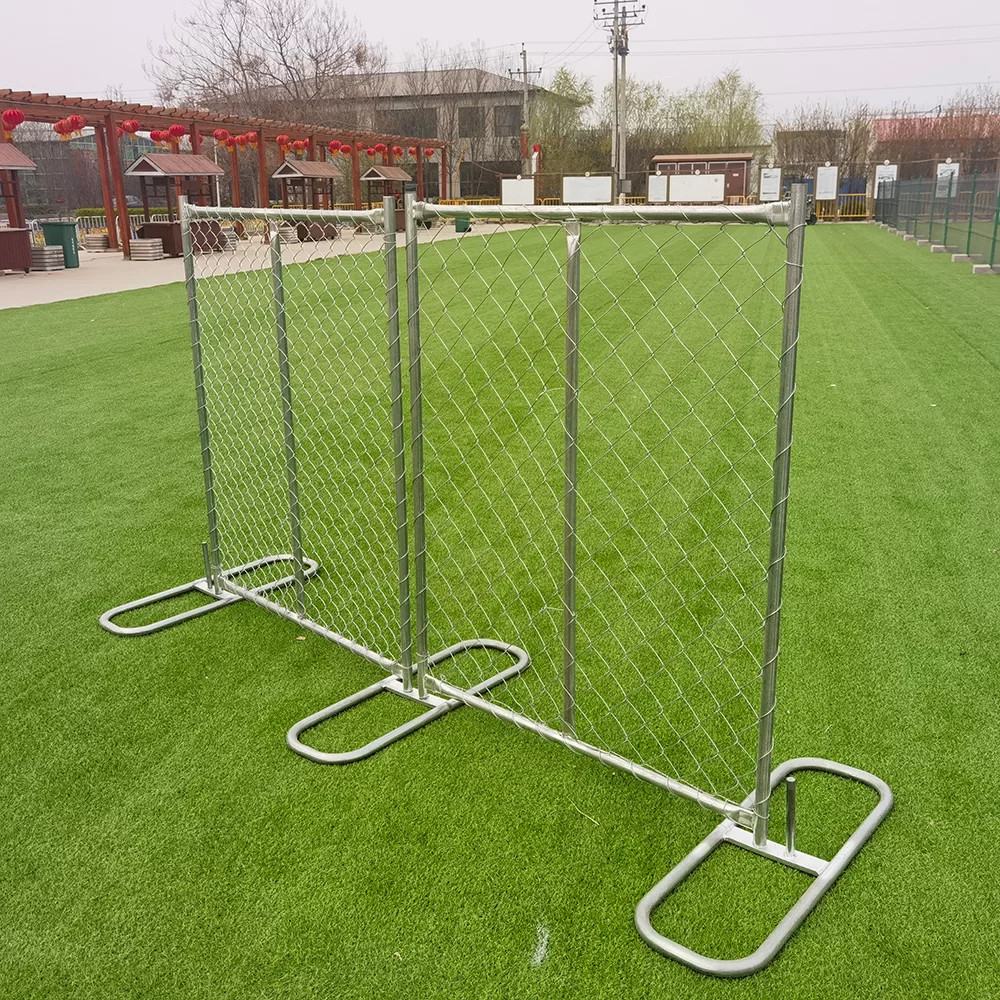
| Chain-link | Galvanized Steel | Temporary Security, Sports Fields | 5–10 | Low |
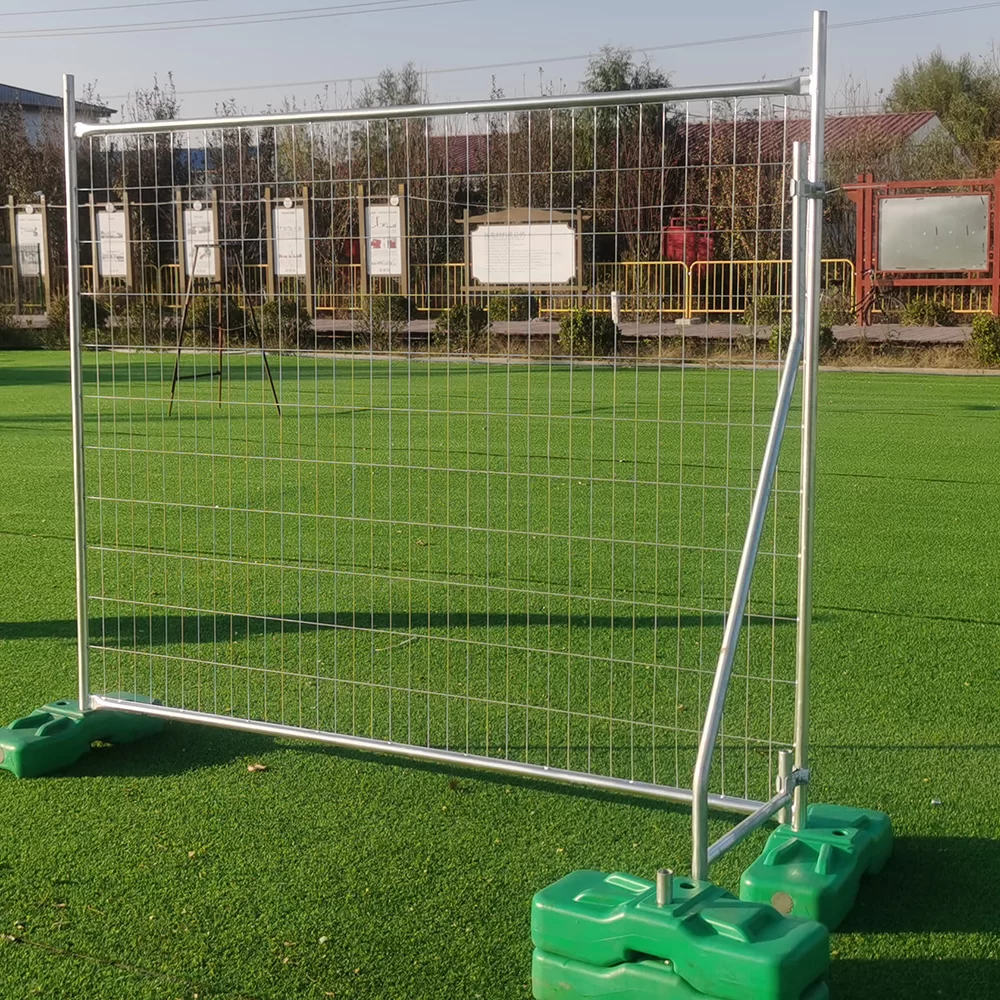
| Welded Wire Mesh | Galvanized / PVC Coated Steel | Industrial, Agricultural | 10–15 | Medium |
| Woven Wire | Steel Wire, Galvanized | Livestock, Wildlife | 8–12 | Medium-High |
Mini takeaway: Picking a fencing mesh type isn’t just about strength; it’s a balance of environment, economics, and purpose.
Global Applications & Real-World Use Cases
- Agriculture: In rural India and large farms across Brazil, woven wire mesh keeps livestock secure while allowing ventilation. This helps maintain animal welfare and productivity.
- Urban Security: Chain-link fencing is a common sight around construction sites in Europe and North America offering affordable temporary boundary solutions.
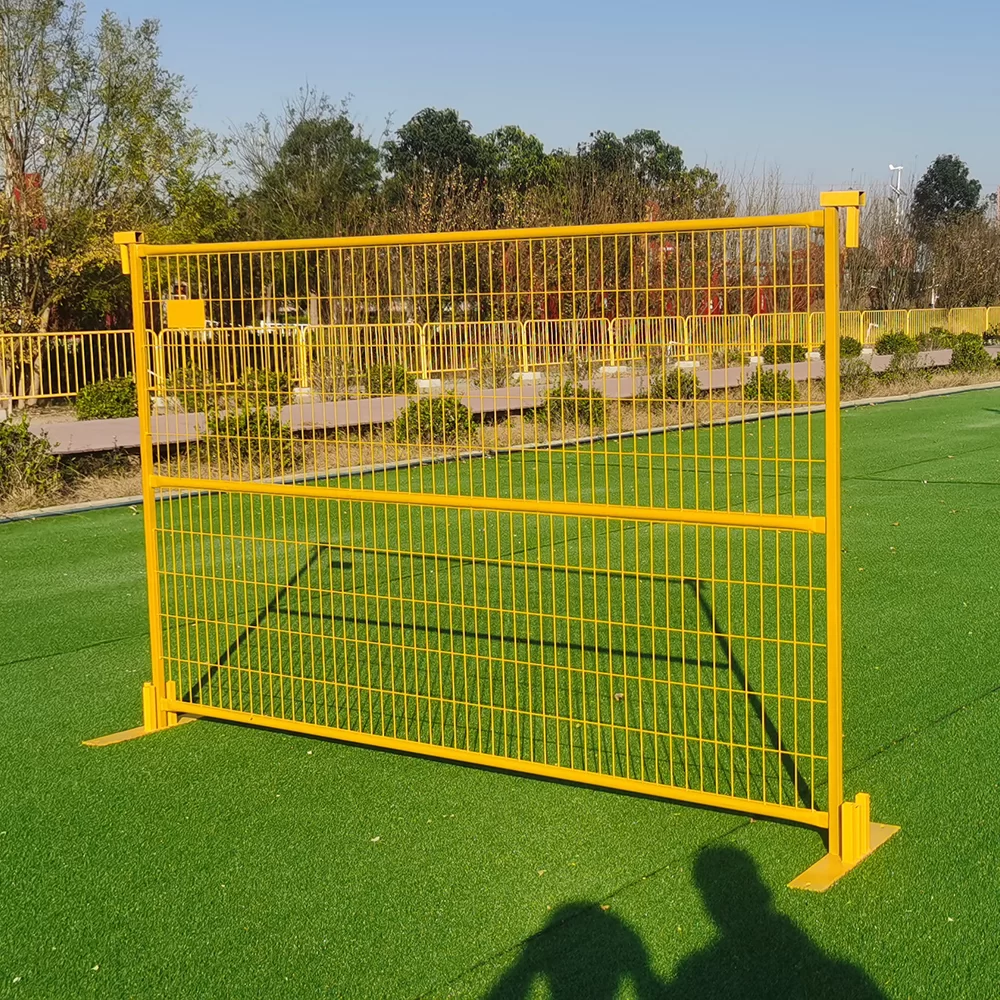
- Humanitarian Zones: NGOs deploying rapid fencing post-disaster use modular welded wire fences for crowd control and zoning refugee camps efficiently.
- Environmental Protection: Wildlife reserves in Africa rely on specialized mesh with low-visibility coatings to minimize human-wildlife conflict.
It’s quite remarkable how different fencing mesh types adapt to such diverse needs. If you’re curious about other fencing styles, do check fencing mesh types for a more extensive look.
Advantages & Long-Term Value of Fencing Mesh Types
On a practical level, durable fencing meshes reduce replacement frequency, cutting costs over time. Beyond that, they protect assets, support sustainable land use, and provide safety—either from intruders, wild animals, or natural disasters. Emotionally, a well-secured perimeter evokes trust and peace of mind in communities, something that’s hard to put a price on. I’ve noticed many engineers emphasize fencing mesh innovations as critical for advancing smart city infrastructure, linking security with IoT sensors.
Looking Ahead: Future Trends and Innovations
The future of fencing mesh is leaning towards sustainability and technology integration. Biodegradable mesh coatings and recycled materials are gaining ground in environmental-conscious markets. Meanwhile, digital sensor meshes—embedded with strain gauges or alarms—are transforming security fences into smart barriers. Reflecting on global warming’s impact, there’s also a push for fencing that withstands extreme climates, per UN climate guidelines. Overall, fencing mesh types aren’t static; they evolve with industrial and social demands.
Challenges & Expert Solutions
Current challenges include balancing cost with durability, especially in developing regions. Corrosion remains a top enemy, despite treatments. Also, experts warn about improper installation nullifying product benefits. Solutions often combine selecting optimized mesh types tailored to the project and incorporating professional guidance during deployment. Some firms now offer modular fencing kits with clear instructions—making installation easier and reducing errors.
| Vendor | Product Range | Customization Options | Global Reach | Service Support |
|---|---|---|---|---|
| Haotian Mesh Co. | Chain-link, Welded, Woven Wire | Color, Thickness, Size | Worldwide | 24/7 Technical Assistance |
| Global Fence Ltd. | Chain-link, PVC Coated Mesh | Limited | Europe, Asia | Business Hours Support |
| EcoMesh Solutions | Recycled Materials Mesh | Full Custom | North America | Consulting & Installation |
Frequently Asked Questions About Fencing Mesh Types
Q: Which fencing mesh type is best for corrosion resistance in coastal areas?
A: Welded wire mesh with galvanized and PVC coatings usually offers the best protection against moisture and salt spray, making it ideal for coastal environments.
Q: Can fencing mesh systems be customized for unusual terrain?
A: Absolutely. Many vendors, including Haotian Mesh, provide tailored options like varied mesh size, flexible materials, and modular segments to fit rough or sloped terrain.
Q: Are temporary fencing mesh solutions reliable for crowd control during events?
A: Chain-link fencing is widely used for such purposes due to its ease of installation and removal, plus sufficient strength to manage crowds safely.
Q: How long can fencing mesh typically last outdoors?
A: Depending on material and environmental exposure, fencing mesh generally lasts 5–15 years. Proper coatings and maintenance can extend this lifespan.
Q: Is using mesh fencing environmentally sustainable?
A: Increasingly so. Suppliers are adopting recycled materials and green coatings. Plus, fencing that lasts longer reduces waste and resource consumption.
Conclusion: Secure Your Space with the Right Fencing Mesh Type
Fencing mesh types might seem like a small part of the bigger picture, but frankly, they matter a lot when you think about durability, cost, and functionality in real-world scenarios. Whether safeguarding farms or securing construction sites, understanding the different types can save resources and enhance safety over the long haul. Curious how your project could benefit? Visit https://www.haotianmesh.com to discover tailored fencing mesh options designed to fit your exact needs. Trust me, you’ll appreciate the quality and expertise behind a good mesh fence when it protects what matters most.
Mini takeaway: Thoughtful fencing mesh selection is a blend of science, economics, and a bit of on-the-ground intuition—it pays off.
References:
-
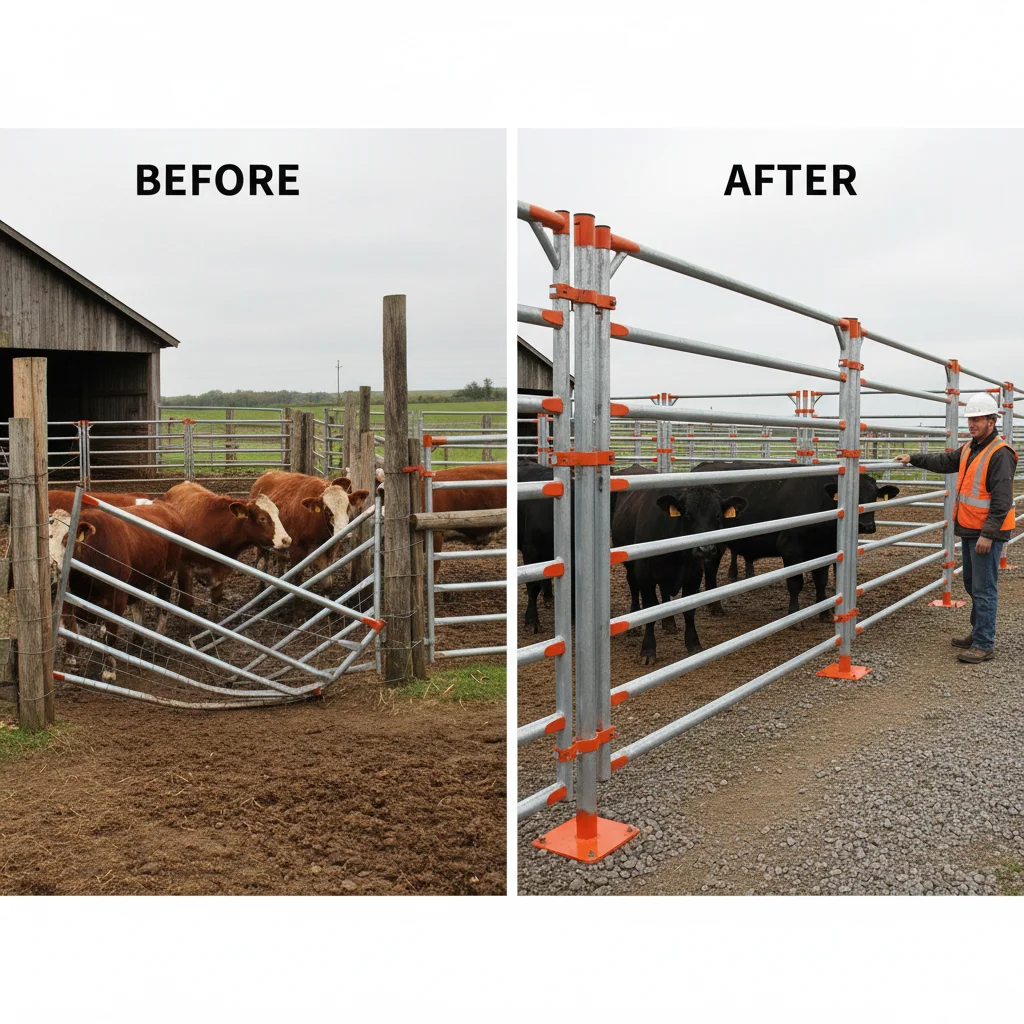
Durable Freestanding Livestock Panels for Efficient Animal Handling In the demanding world of agricultural management, the need for flexible and robust containment solutions has never been more critical. freestanding livestock panels offer a sophisticated answer to the challenges of animal handling, providing a secure yet adaptable barrier that does not require permanent installation or deep grounding. By allowing farmers and ranchers to redefine their spatial layouts in minutes, these panels maximize the efficiency of existing infrastructure while ensuring the safety of both the handlers and the livestock. Read More >26 Apr, 17
-
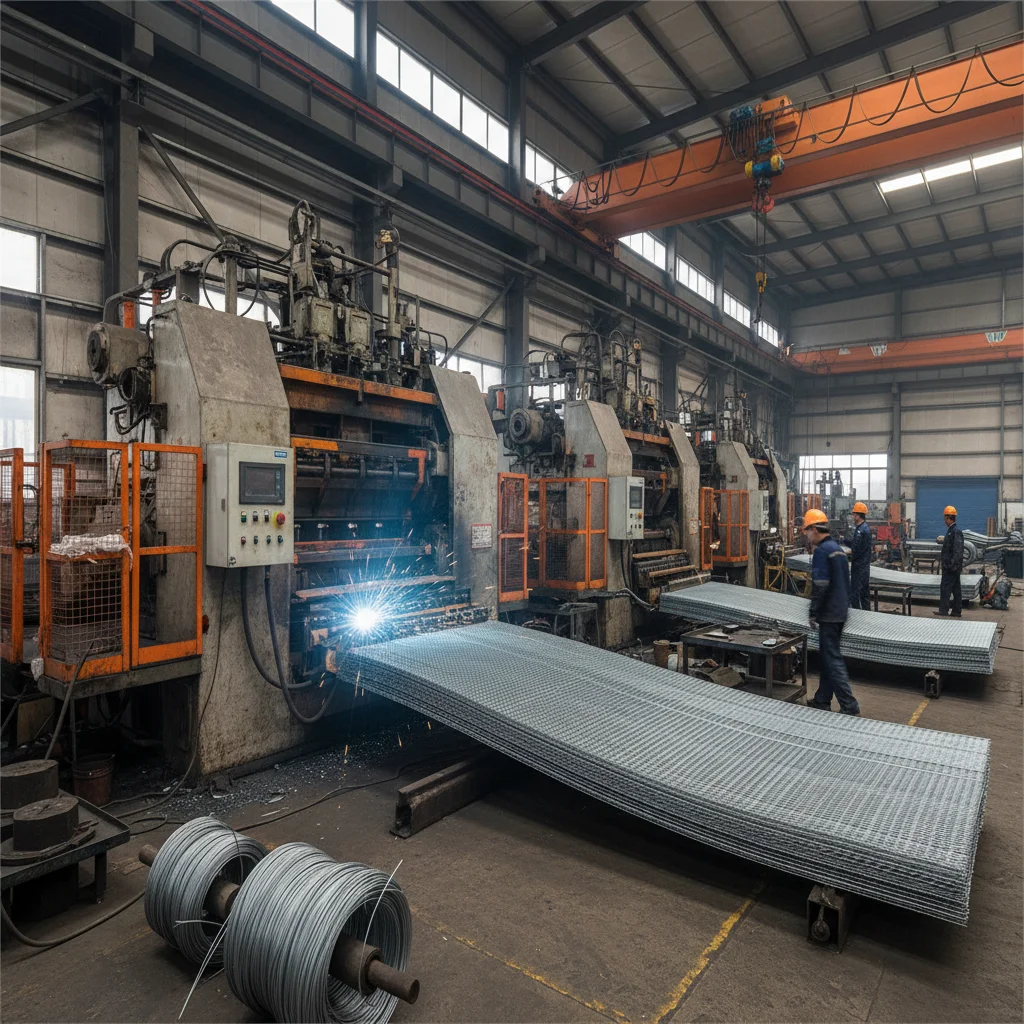
Professional Galvanized Welded Mesh Factory for Industrial Projects Finding a reliable galvanized welded mesh factory is critical for ensuring the structural integrity and longevity of your industrial or agricultural installations. Galvanized welded mesh is prized for its exceptional strength and resistance to corrosion, making it the go-to choice for fencing, animal cages, and construction reinforcement. However, not all factories adhere to the same quality standards. Whether you are sourcing for a large-scale infrastructure project or a specialized commercial application, understanding the manufacturing process and quality benchmarks is key to making a cost-effective investment that lasts for decades. Read More >26 Apr, 16
-
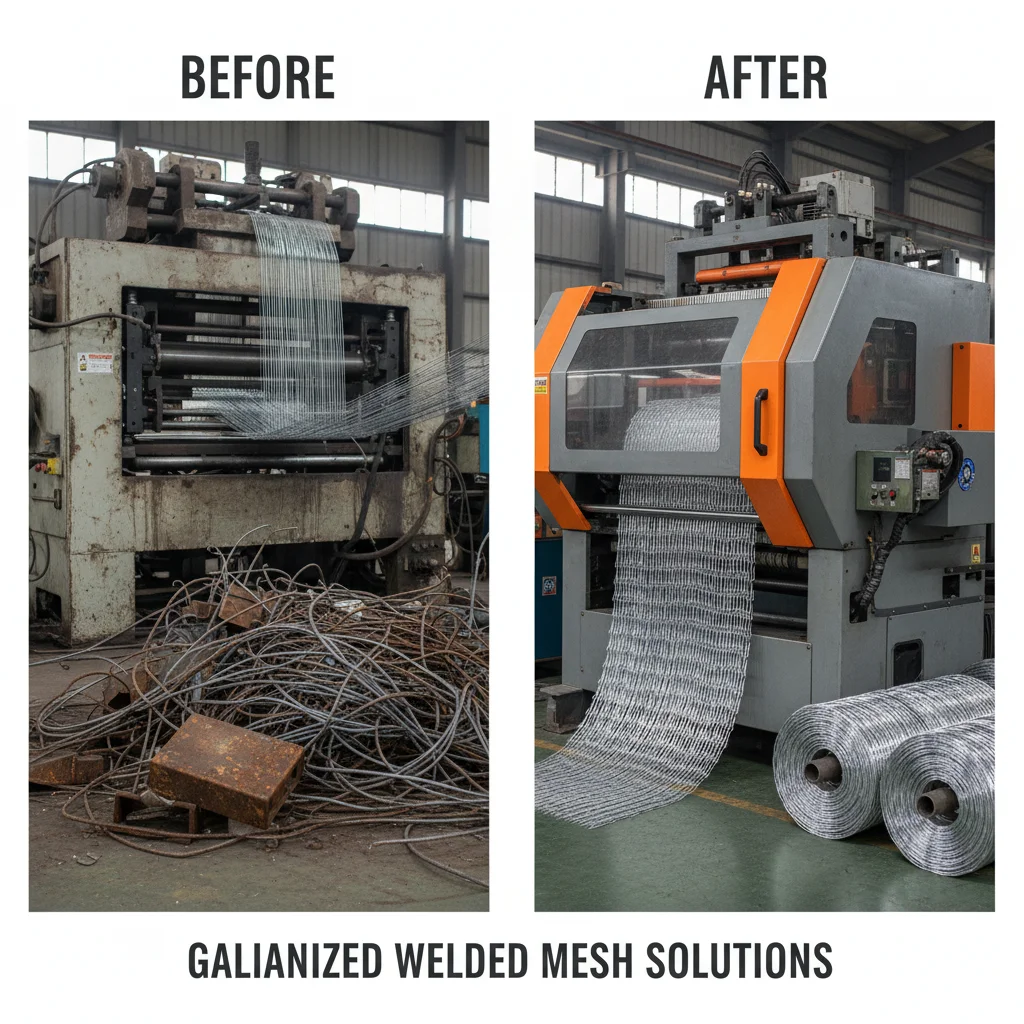
Professional Galvanized Welded Mesh Exporter for Quality Projects Selecting a high-quality fencing or screening solution requires more than just picking a product; it requires partnering with a reliable galvanized welded mesh exporter who understands the balance between structural integrity and corrosion resistance. Whether you are securing an industrial perimeter, building animal enclosures, or implementing architectural reinforcements, the quality of the galvanization process determines the lifespan of your installation. In this guide, we will explore the technical advantages of galvanized welded mesh and how to identify a global supplier that meets international quality standards to ensure your investment stands the test of time. Read More >26 Apr, 09
-
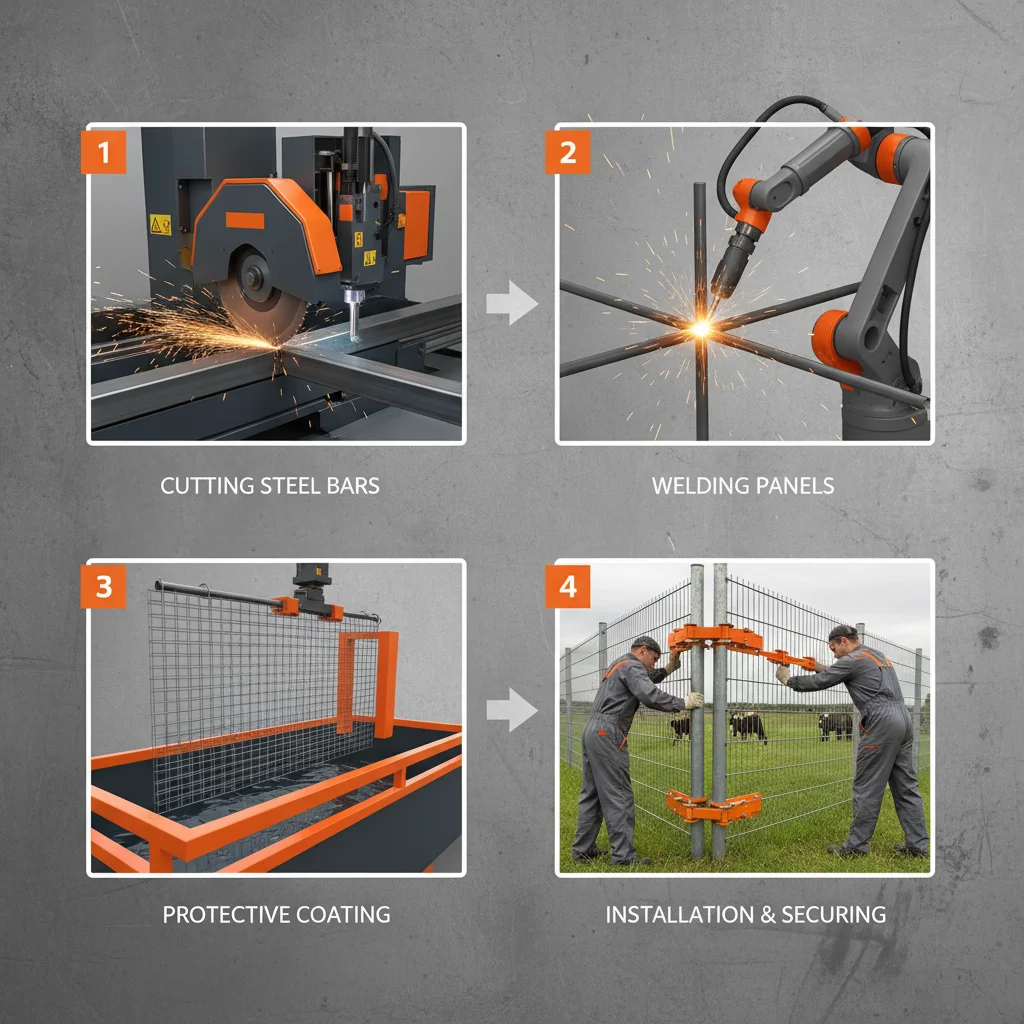
Essential Fencing Panels for Livestock Management and Farm Productivity Fencing panels for livestock are essential components in modern animal husbandry, playing a critical role in efficient farm management, animal welfare, and land utilization. Globally, the demand for robust and reliable fencing solutions is increasing due to the expanding livestock industry and the need to protect grazing lands from encroachment and predation. These panels aren’t simply barriers; they represent a vital investment in a farm's productivity and the health of its animals. Read More >26 Apr, 08
If you are interested in our products, you can choose to leave your information here, and we will be in touch with you shortly.


