


Comprehensive Guide to Cattle Panel 8 Ft: Benefits, Specs, & Global Applications
Cattle Panel 8 Ft: Understanding its Global Impact and Utility
When we talk about fencing materials and livestock management tools, the cattle panel 8 ft stands out as a simple yet profoundly effective solution. In a world emphasizing livestock safety, sustainable agriculture, and efficient farm infrastructure, understanding the value of this product matters globally. From small-scale farmers in Africa to large ranchers in North America, cattle panels play a quiet but crucial role in protecting livestock, controlling grazing, and even helping with disaster relief housing initiatives.
Introduction: Why Cattle Panels Matter Worldwide
The global livestock industry is enormous, accounting for over 40% of agricultural GDP in many developing countries, according to the Food and Agriculture Organization (FAO). Yet one persistent challenge is safe and cost-effective containment of animals. This is where fencing materials like the cattle panel 8 ft become vital. Their durability and versatility provide solutions where conventional barriers fail — especially in remote areas or rapidly changing environments.
Statistics from the United Nations show that efficient livestock management supports food security and rural livelihoods for nearly 1.3 billion people globally. However, poor fencing leads to pasture degradation, animal injuries, and livestock theft, which can mean devastating losses to families and communities. The humble cattle panel, particularly the 8 ft type, addresses these challenges in unexpected ways, providing both physical protection and economic resilience.
What Is a Cattle Panel 8 Ft?
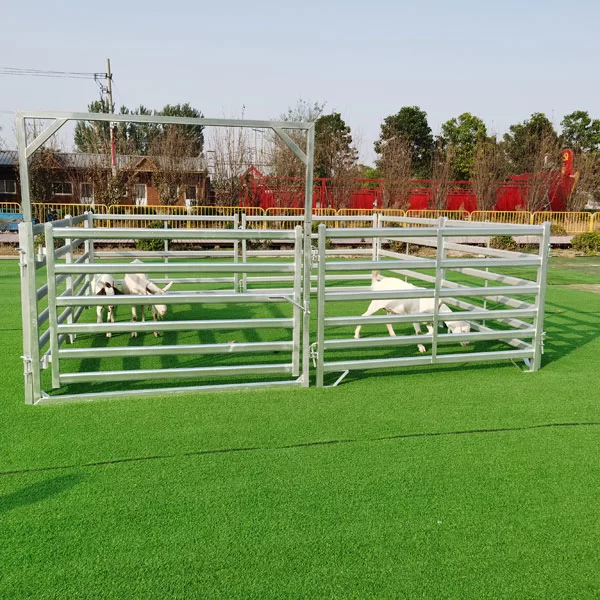
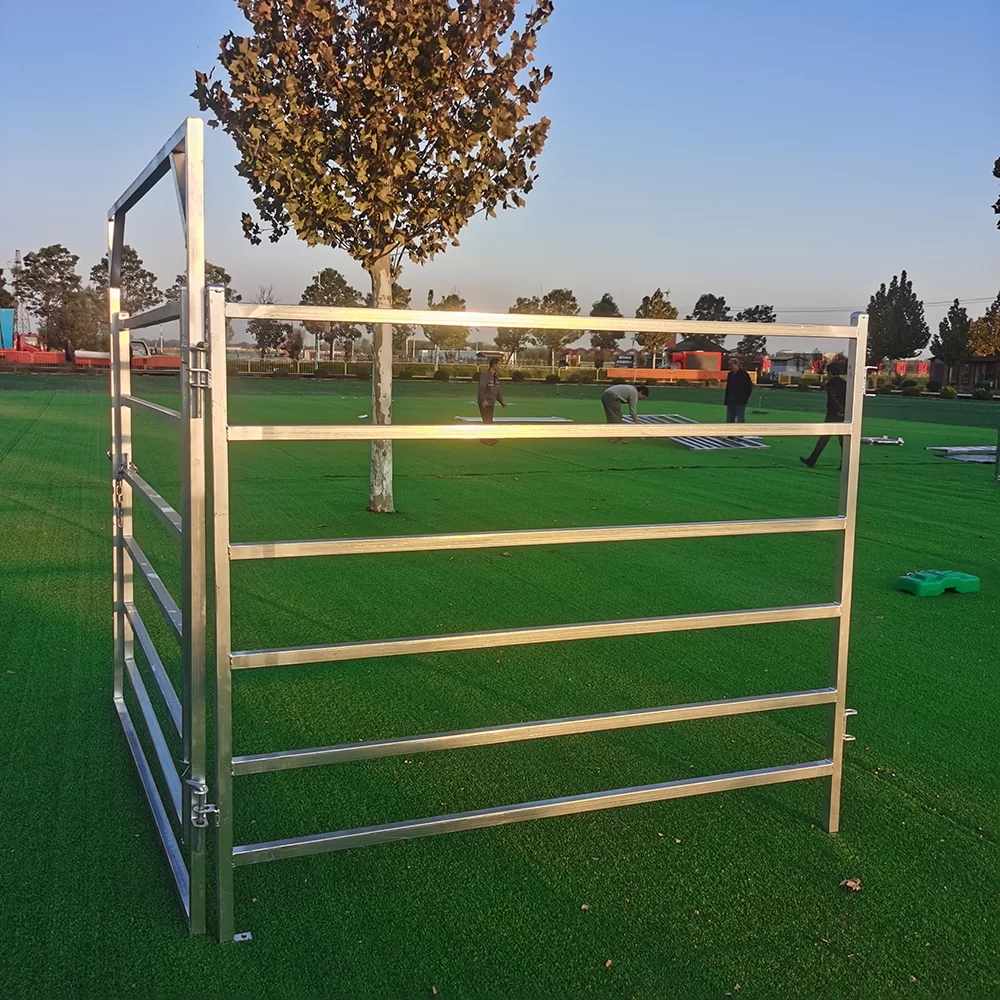
In simple terms, a cattle panel 8 ft is a prefabricated metal fence section, usually made from galvanized steel wire welded into a grid pattern, designed to be 8 feet long and around 5 feet high (or customizable). Its rigid construction is optimized for keeping cattle or other livestock contained safely without undue injury or escape risk.
This product’s importance extends beyond farming. For humanitarian organizations, lightweight and strong cattle panels can be repurposed for rapid temporary shelters or animal enclosures in disaster zones. Its modular design makes it highly adaptable, which interestingly ties it to broader themes of scalable and sustainable infrastructure in rural and developing communities.
Key Aspects of the Cattle Panel 8 Ft
Durability
These panels typically use galvanized steel to resist rust and wear. Their long lifespan means less frequent replacements, making them cost-effective over time.
Size and Scalability
At 8 feet, each panel covers a good stretch while remaining manageable to handle and install — even by small teams or individual farmers.
Cost Efficiency
Compared with custom-built fences or wooden barriers, cattle panels hit a sweet spot between upfront investment and longevity.
Ease of Installation
Their uniform size and modular nature simplify assembly. You can create enclosures, gates, or even make-shift walls fast.
Safety for Animals
The welded wire grid design reduces sharp edges and gaps, minimizing risk of injury, an important consideration many ranchers emphasize.
Product Specifications
| Specification | Details |
|---|---|
| Length | 8 feet (96 inches) |
| Height | Typically 5 feet (60 inches) |
| Material | Galvanized steel wire (wire gauge 9 to 11) |
| Grid Size | 4" x 6" rectangular mesh (common) |
| Weight per Panel | 30 to 50 lbs depending on gauge and coating |
| Coating Options | Galvanized, PVC-coated (optional) |
Global Applications and Real-World Use Cases
The versatility of cattle panels means they pop up across diverse sectors around the world.
- Agriculture: Obviously, they’re widely used on ranches and farms worldwide for perimeter fencing and controlled grazing.
- Disaster Relief: NGOs use panels for quickly putting up animal shelters or human housing partitions to restore dignity and safety quickly.
- Construction Sites: Temporary fencing in industrial zones uses the stable yet modular cattle panel design.
- Conservation and Wildlife: Parks and reserves employ them to create controlled environments for sensitive species.
For example, in remote Australian ranches, the 8 ft length greatly reduces the total number of posts needed — saving labor in harsh conditions. Similarly, in East African pastoral communities, livestock theft was cut notably by installing durable cattle panels along transit routes.
Vendor Comparison: Popular Cattle Panel Suppliers
| Vendor | Material Quality | Panel Weight | Price Range (USD) | Customization Options |
|---|---|---|---|---|
| Haotianmesh | High-grade galvanized steel | ~45 lbs | $25–$35 | Coatings, sizes, mesh variations |
| FarmFencing Co. | Standard galvanized | ~50 lbs | $20–$30 | Limited |
| GreenPasture Supplies | PVC-coated galvanized | ~48 lbs | $30–$40 | Custom colors, mesh density |
Advantages and Long-Term Benefits
Choosing a robust cattle panel 8 ft gives you more than just a durable fence. It brings a sense of security for livestock — reducing stress and injuries. From a financial perspective, fewer replacements and repairs translate into real savings. There’s also an environmental upswing: fewer resources wasted on broken fencing and better pasture management leading to less land degradation.
On a more emotional level, think about the peace of mind for the farmers and ranchers who rely on these fences daily. It’s about safety, dignity, and community trust. And oddly enough, many users report that installing strong panels motivates better farm planning and operational efficiency — small wins, but significant ones.
Future Trends and Innovations
Looking ahead, the cattle panel market is evolving as well. Innovations include:
- Eco-friendly coatings: Non-toxic, longer-lasting paints reduce environmental impact.
- Smart fencing integration: Sensors embedded in panels for real-time fence breach alerts — sort of a “farm 2.0” idea.
- Lighter, stronger alloys and composites: Materials engineering could cut weight without losing strength.
- Modular design: Panels customized for rapid assembly and disassembly to respond to seasonal or emergency needs.
Even digital tools for mapping and ordering personalized fence sections online are gaining traction, tying traditional physical products into a more connected, transparent supply chain.
Challenges and Solutions
Of course, no solution is perfect. Some farmers still struggle with logistics — ranches in remote areas may face delays or extra shipping costs. Wire panels can be vulnerable to rust over decades if not properly coated, and standard panel designs might not fit every terrain or animal type.
Experts suggest these approaches to mitigate such issues:
- Opt for PVC-coated or hot-dipped galvanized panels in humid or coastal regions.
- Work with suppliers offering customization or sectional flexibilities to fit uneven ground.
- Plan logistics early; bulk shipments can reduce costs per panel delivered.
- Regular maintenance checks to spot minor rust or damage early.
FAQ: Frequently Asked Questions About Cattle Panel 8 Ft
Q: How long can a cattle panel 8 ft last under normal outdoor conditions?
A: With proper galvanized coating, these panels typically last 15 to 20 years. PVC coatings can prolong lifespan by reducing corrosion, especially in wet or coastal climates.
Q: Is it possible to customize a cattle panel to fit unusual terrain?
A: Yes, many suppliers now offer flexible sections or smaller mesh panels that better adapt to slopes or rocky land, improving safety and containment.
Q: Are cattle panels easier to repair than wooden fences?
A: Generally, yes. Damaged panels can be replaced individually without rebuilding entire fence lines, saving time and materials.
Q: How can I order cattle panels if located internationally?
A: Vendors like Haotianmesh specialize in international shipping and can guide you through customs and logistics processes.
Q: What animals besides cattle can these panels be used for?
A: They’re versatile enough for horses, goats, sheep, and even some wildlife enclosures — though the mesh size or height might need adjustment.
Conclusion: Why Cattle Panel 8 Ft Remains a Smart Investment
In real terms, the cattle panel 8 ft combines practicality with resilience, making it a cornerstone for sustainable livestock management worldwide. It reflects a balance between cost, durability, and adaptability — qualities that farmers and organizations value deeply. Whether you’re fencing a sprawling ranch or creating temporary enclosures in a relief zone, these panels offer a trustworthy, long-term solution.
Take a closer look and make informed decisions that protect your animals and your investment. Curious to learn more or ready to source your panels? Visit us anytime at Haotianmesh official website for detailed specs, pricing, and expert advice.
Mini takeaway: Cattle panels might seem mundane, but they quietly underpin robust, ethical livestock care globally – a testament to how good engineering can shape real lives.
References:
1. Food and Agriculture Organization (FAO) – Livestock Systems
2. United Nations – Food Security
3. Wikipedia – Fencing (Agriculture)
-
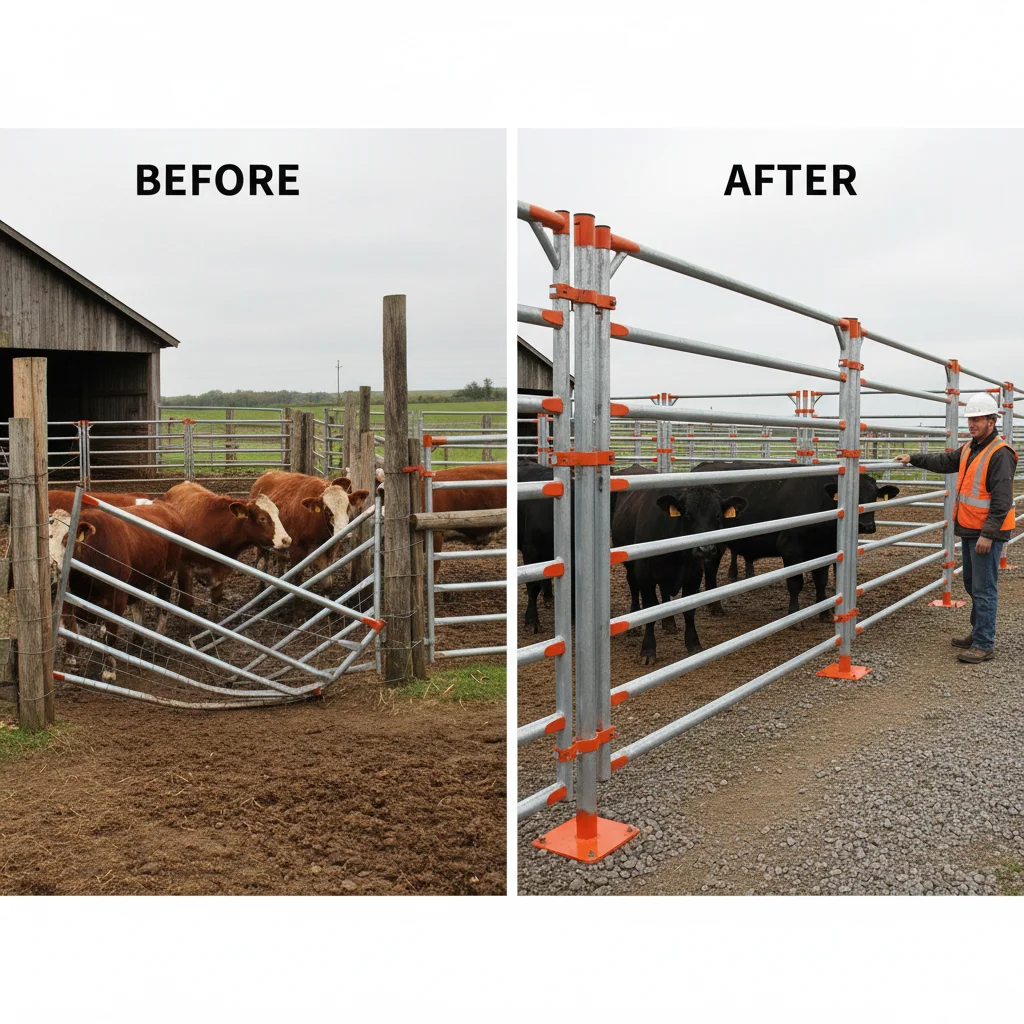
Durable Freestanding Livestock Panels for Efficient Animal Handling In the demanding world of agricultural management, the need for flexible and robust containment solutions has never been more critical. freestanding livestock panels offer a sophisticated answer to the challenges of animal handling, providing a secure yet adaptable barrier that does not require permanent installation or deep grounding. By allowing farmers and ranchers to redefine their spatial layouts in minutes, these panels maximize the efficiency of existing infrastructure while ensuring the safety of both the handlers and the livestock. Read More >26 Apr, 17
-
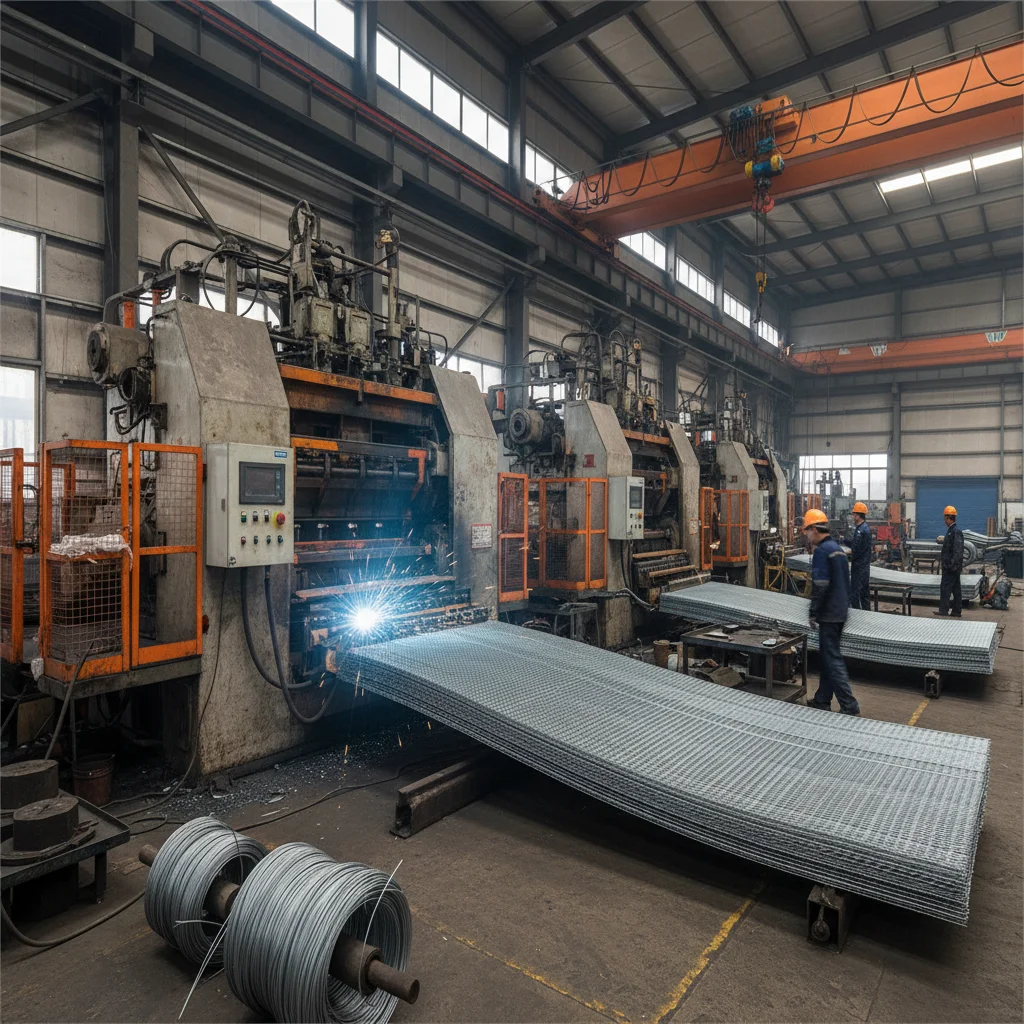
Professional Galvanized Welded Mesh Factory for Industrial Projects Finding a reliable galvanized welded mesh factory is critical for ensuring the structural integrity and longevity of your industrial or agricultural installations. Galvanized welded mesh is prized for its exceptional strength and resistance to corrosion, making it the go-to choice for fencing, animal cages, and construction reinforcement. However, not all factories adhere to the same quality standards. Whether you are sourcing for a large-scale infrastructure project or a specialized commercial application, understanding the manufacturing process and quality benchmarks is key to making a cost-effective investment that lasts for decades. Read More >26 Apr, 16
-
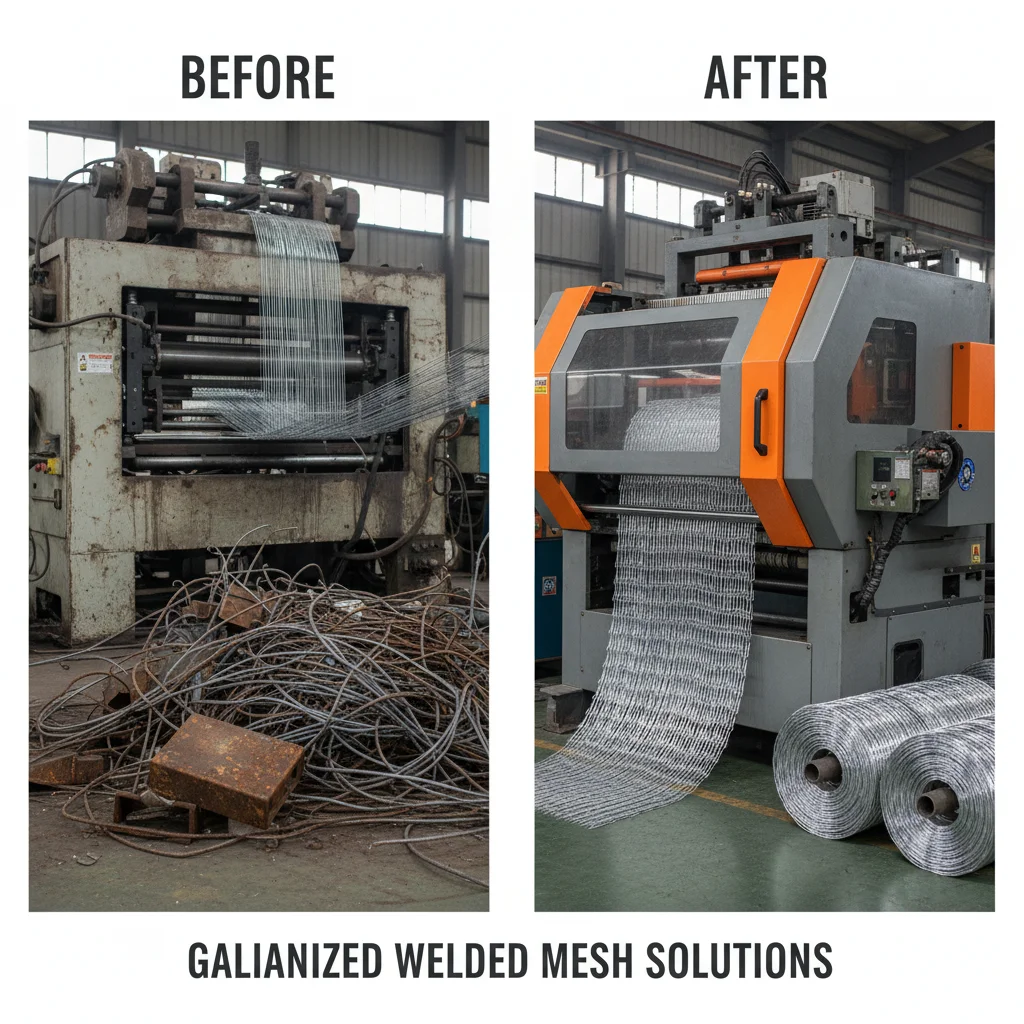
Professional Galvanized Welded Mesh Exporter for Quality Projects Selecting a high-quality fencing or screening solution requires more than just picking a product; it requires partnering with a reliable galvanized welded mesh exporter who understands the balance between structural integrity and corrosion resistance. Whether you are securing an industrial perimeter, building animal enclosures, or implementing architectural reinforcements, the quality of the galvanization process determines the lifespan of your installation. In this guide, we will explore the technical advantages of galvanized welded mesh and how to identify a global supplier that meets international quality standards to ensure your investment stands the test of time. Read More >26 Apr, 09
-
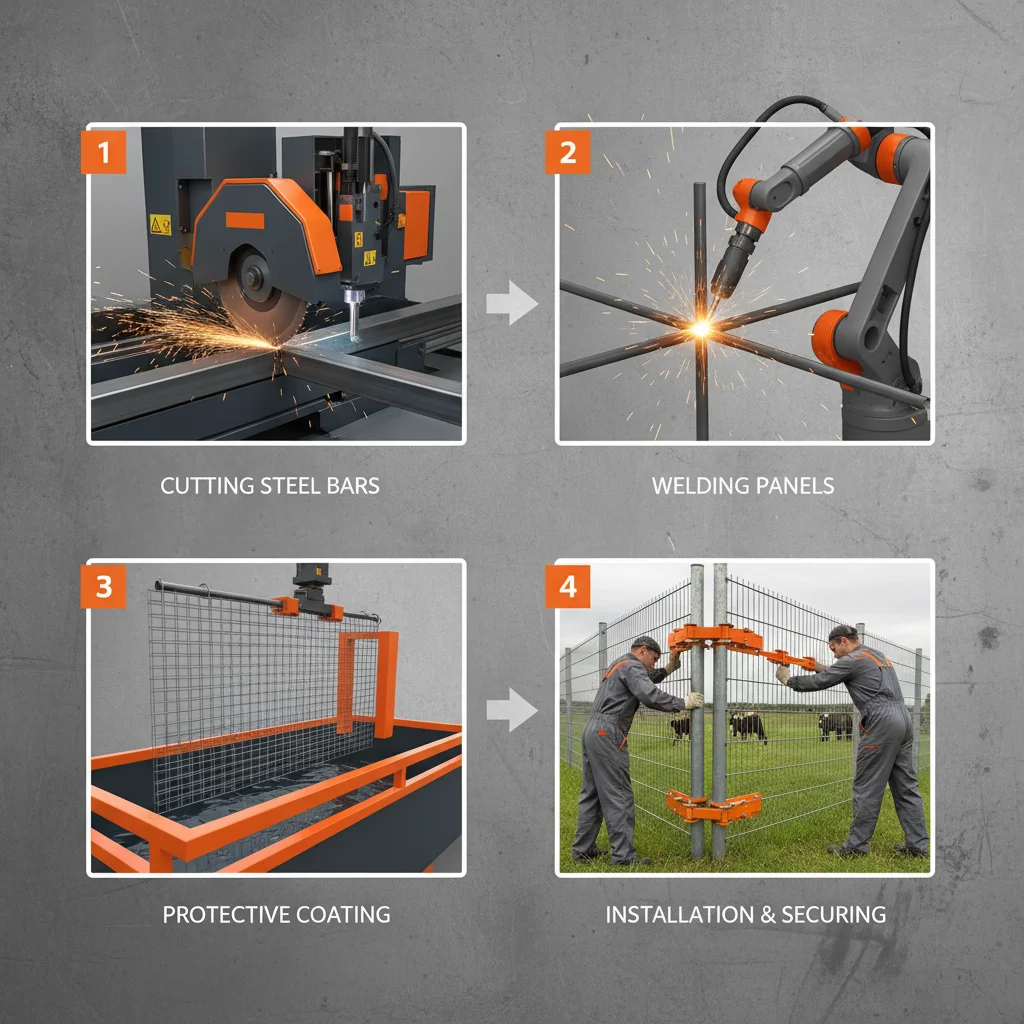
Essential Fencing Panels for Livestock Management and Farm Productivity Fencing panels for livestock are essential components in modern animal husbandry, playing a critical role in efficient farm management, animal welfare, and land utilization. Globally, the demand for robust and reliable fencing solutions is increasing due to the expanding livestock industry and the need to protect grazing lands from encroachment and predation. These panels aren’t simply barriers; they represent a vital investment in a farm's productivity and the health of its animals. Read More >26 Apr, 08
If you are interested in our products, you can choose to leave your information here, and we will be in touch with you shortly.


