


Comprehensive Guide to Cattle Fence Panels 16 ft: Global Uses & Benefits
Cattle Fence Panels 16 ft: A Global Overview and Why They Matter
When you hear “cattle fence panels 16 ft,” you probably imagine simple metal grids stretching across farmland—but there’s a bit more going on beneath the surface. These panels are crucial to livestock management worldwide. Their uniform length of 16 feet makes them both practical and efficient to install, providing effective containment without excessive effort. In global agricultural industries, understanding and using these panels can protect livestock, improve farm safety, and even influence trade and sustainability. Frankly, good fencing means fewer headaches, reduced cattle loss, and safer communities.
Before we dig into details, it’s worth noting the sheer scale here: UN FAO reports that over 1.5 billion cattle exist globally, many dependent on effective fencing to stay safe and manageable. Without reliable fence panels—especially standardized 16-foot options—farmers face costly escapes, predator risks, and inefficient land use.
Introduction: The Global Context of 16 ft Cattle Fence Panels
Across the U.S., Australia, Brazil, and parts of Africa and Asia, cattle farming is a livelihood backbone, feeding millions and supporting economies. The World Bank estimates livestock contributes about 40% to the global agricultural GDP, so small efficiencies ripple far.
But here’s the challenge: fencing has traditionally been fragmented, with varying sizes, materials, and quality causing installation delays and maintenance headaches. The standardized 16 ft panels solve part of this by easing shipping, handling, and repair logistics. This makes them a quiet hero in global livestock supply chains and humanitarian initiatives alike—for example, in post-disaster recovery where temporary cattle containment is urgent.
What Are Cattle Fence Panels 16 ft?
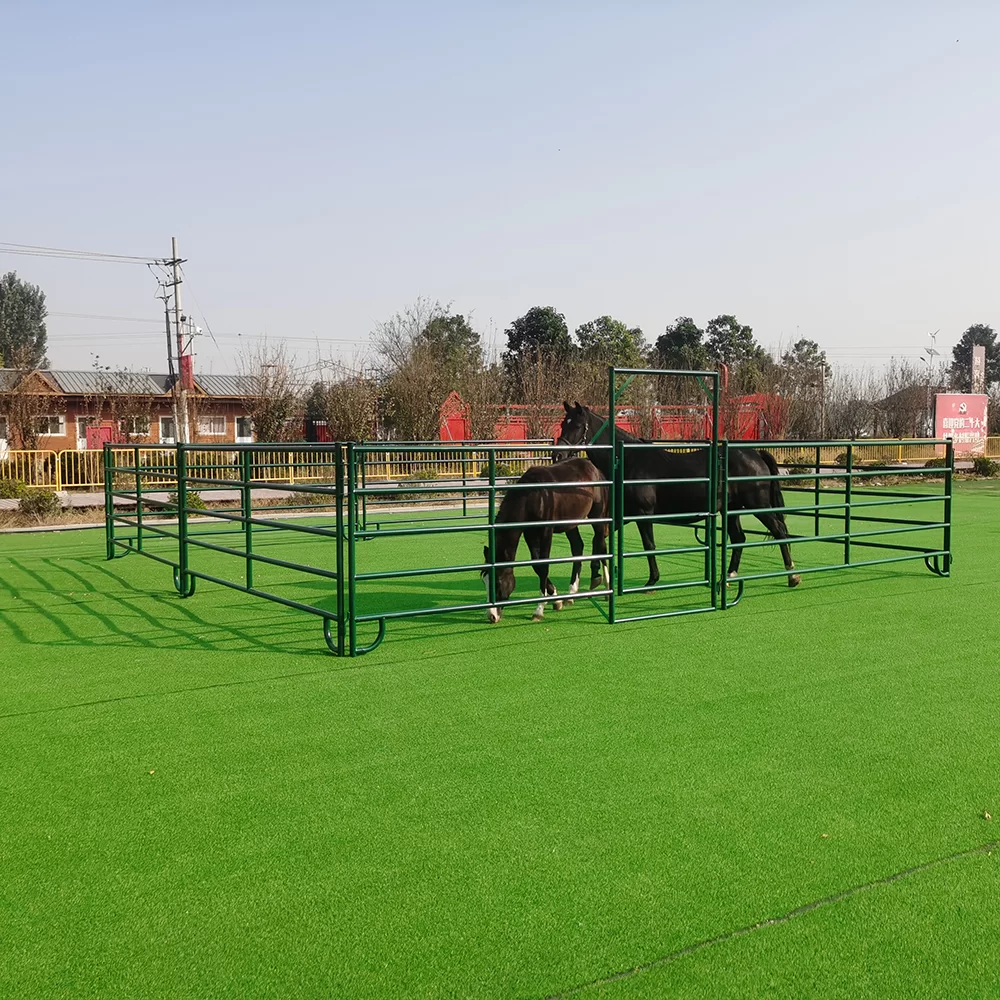
In simple terms, a cattle fence panel 16 ft long is a pre-fabricated section of fence—usually metal—that spans precisely sixteen feet. It’s designed to contain and protect cattle or livestock by forming a sturdy barrier. These panels typically join end-to-end, creating flexible perimeter lengths adapted to farm shapes and sizes.
On a bigger stage, these panels help bridge traditional farming practices with modern livestock management tools, promoting humane animal treatment and efficient resource use.
Key Factors of Cattle Fence Panels 16 ft
Durability
Most panels use galvanized steel or powder-coated metals to resist rust and withstand harsh weather. Durability isn’t just a buzzword here—it means these panels last many years with minimal upkeep, saving money long term.
Scalability
Since each panel stretches 16 ft, they’re easy to add or remove as herd or land needs fluctuate. Whether for expanding grazing land or temporary fencing during events, this modularity is a serious asset.
Cost Efficiency
The uniform length helps with bulk manufacturing and shipping efficiencies, which often pass down as better pricing to farmers. Economies of scale make it a win-win.
Ease of Installation
Panels typically feature locking mechanisms or brackets that minimize the tools and labor required. You don’t need a full crew—often just a couple of people.
Animal Safety & Welfare
Panels ensure edges are smooth and gaps are consistent, preventing injury or stress to cattle. Sometimes simple innovations, like rounded corners or flexible joints, reduce trauma from interactions.
Product Specifications for a Typical Cattle Fence Panel 16 ft
| Specification | Details |
|---|---|
| Length | 16 feet (4.88 meters) |
| Material | Galvanized steel (Powder-coated optional) |
| Height | 4 to 6 feet (customizable) |
| Weight | Approximately 50-80 lbs (depends on design) |
| Joint System | Pin-and-latch or flange bolt options |
Vendor Comparison: Leading Suppliers of Cattle Fence Panels 16 ft
| Feature | Haotian Mesh | Global Farm Supplies | AgriChain Fencing |
|---|---|---|---|
| Material Quality | High-grade galvanized steel with powder coating | Standard galvanized steel | Galvanized steel; some stainless options |
| Customization Options | Height, coating, joint system | Limited - mostly standard sizes | Moderate - height and length variations |
| Shipping Reach | Global (including remote zones) | North America & Europe | Major agricultural regions |
| Average Lead Time | 2-3 weeks | 4-5 weeks | 3-4 weeks |
| Price Range (per panel) | $70 - $110 | $80 - $120 | $75 - $115 |
Global Applications & Use Cases
It may surprise some, but cattle fence panels 16 ft find a home well beyond sprawling ranches. These panels support humanitarian efforts, like rebuilding agricultural systems in countries recovering from natural disasters. NGOs have utilized them for emergency containment, helping displaced farmers quickly secure their livestock when land is temporary.
Likewise, large industrial farms in Australia and South America rely on these panels to manage threats from wild animals or trespassers. In the U.S., they’re popular for rotational grazing systems—where fences move livestock regularly to improve soil health—thanks to their ease of relocation.
Oddly enough, some wildlife reserves have adapted them to create temporary barriers during animal translocations.
Mini Takeaway:
- Cattle fence panels 16 ft enable operational flexibility across industries and geographies.
- They’re not just fences but tools for disaster resilience and environmental stewardship.
Advantages & Long-Term Value
What’s the bottom line? Well, these panels aren’t just physical boundary markers; they embody reliability, safety, and smart investment. Economically, they reduce livestock loss, which can be devastating financially.
Environmentally speaking, use of durable materials means less frequent replacement, cutting waste. Socially, secure fences improve community safety by limiting cattle wander and vehicle collisions. On a human level, farmers often express peace of mind knowing their herds are protected, which frankly can reduce stress and improve well-being.
Future Trends & Innovations
Looking ahead, manufacturers focus on integrating sustainability—improving recycling of metals, using eco-friendly coatings that avoid hazardous chemicals, and designing panels that can fold or nest for ultra-efficient transport.
Digital transformation also teases new possibilities: imagine fence panels embedded with sensors to monitor animal pressure or integrity, alerting farmers instantly if damage occurs. Coupled with solar-powered automation gates, this could revolutionize how remote cattle operations handle fencing.
Challenges & Solutions in Deploying 16 ft Cattle Fence Panels
No solution is perfect, though. A common challenge is transporting these long panels to rugged, remote farms—sometimes roads barely support large loads.
Experts suggest measuring and modular pre-packaging, or local assembly to ease transport hassles. Some regions face corrosion issues due to salty coastal air; coating innovations and maintenance schedules help mitigate this.
FAQ: Frequently Asked Questions About cattle fence panels 16 ft
- Q: How long does a typical 16 ft cattle fence panel last?
A: With galvanized steel and proper maintenance, panels can last 15–20 years or more, resisting rust and physical wear effectively. - Q: Are these panels suitable for all cattle breeds and sizes?
A: Generally yes. Panels come in various heights to suit different breeds—from smaller dairy cows to large beef cattle—to ensure safety and containment. - Q: Can I install cattle fence panels 16 ft by myself?
A: Most are designed for easy installation by two people using minimal tools, thanks to their modular design and locking mechanisms. - Q: What are the best materials for longevity in humid or coastal areas?
A: Powder-coated galvanized steel panels offer enhanced corrosion resistance, making them better for humid, salty environments. - Q: How do I import cattle fence panels internationally?
A: Many vendors like Haotian Mesh specialize in global shipping and can assist with customs documentation and logistics.
Conclusion + Call to Action
To wrap up, cattle fence panels 16 ft represent a small but mighty piece in the vast agricultural puzzle—balancing durability, ease, and cost to keep livestock safe globally. Their adaptability across regions and industries makes them a reliable investment for decades to come.
If you’re looking to upgrade your fencing or start a new project, take a moment to explore trusted suppliers who can meet your needs with quality and service. Visit https://www.haotianmesh.com for more specs, pricing, and expert advice.
Until next time, a good fence really does make a good neighbor — especially when it comes to cattle.
Final Thought:
Fencing is often overlooked, but investing in the right panels means safer herds and stronger livelihoods worldwide. A seemingly simple product with big impact—there’s something satisfying about that.
References
-
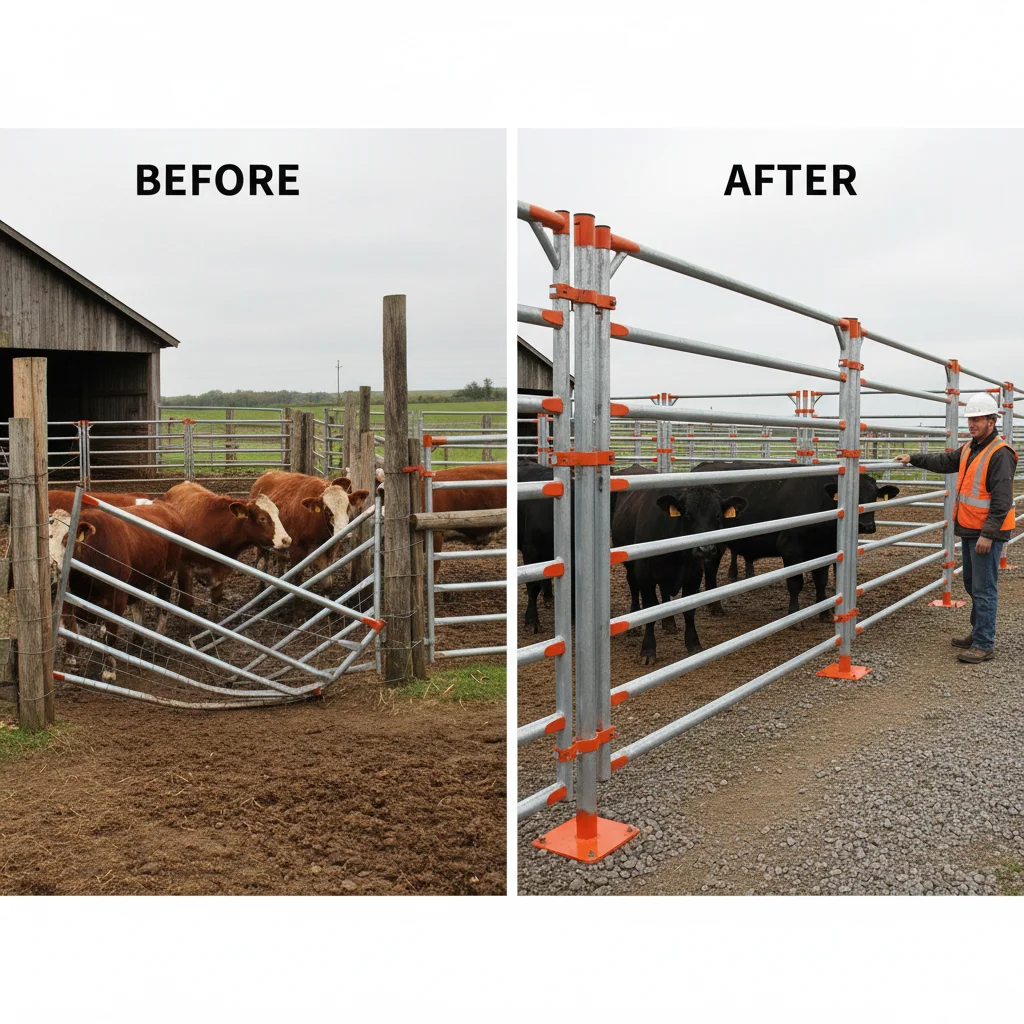
Durable Freestanding Livestock Panels for Efficient Animal Handling In the demanding world of agricultural management, the need for flexible and robust containment solutions has never been more critical. freestanding livestock panels offer a sophisticated answer to the challenges of animal handling, providing a secure yet adaptable barrier that does not require permanent installation or deep grounding. By allowing farmers and ranchers to redefine their spatial layouts in minutes, these panels maximize the efficiency of existing infrastructure while ensuring the safety of both the handlers and the livestock. Read More >26 Apr, 17
-
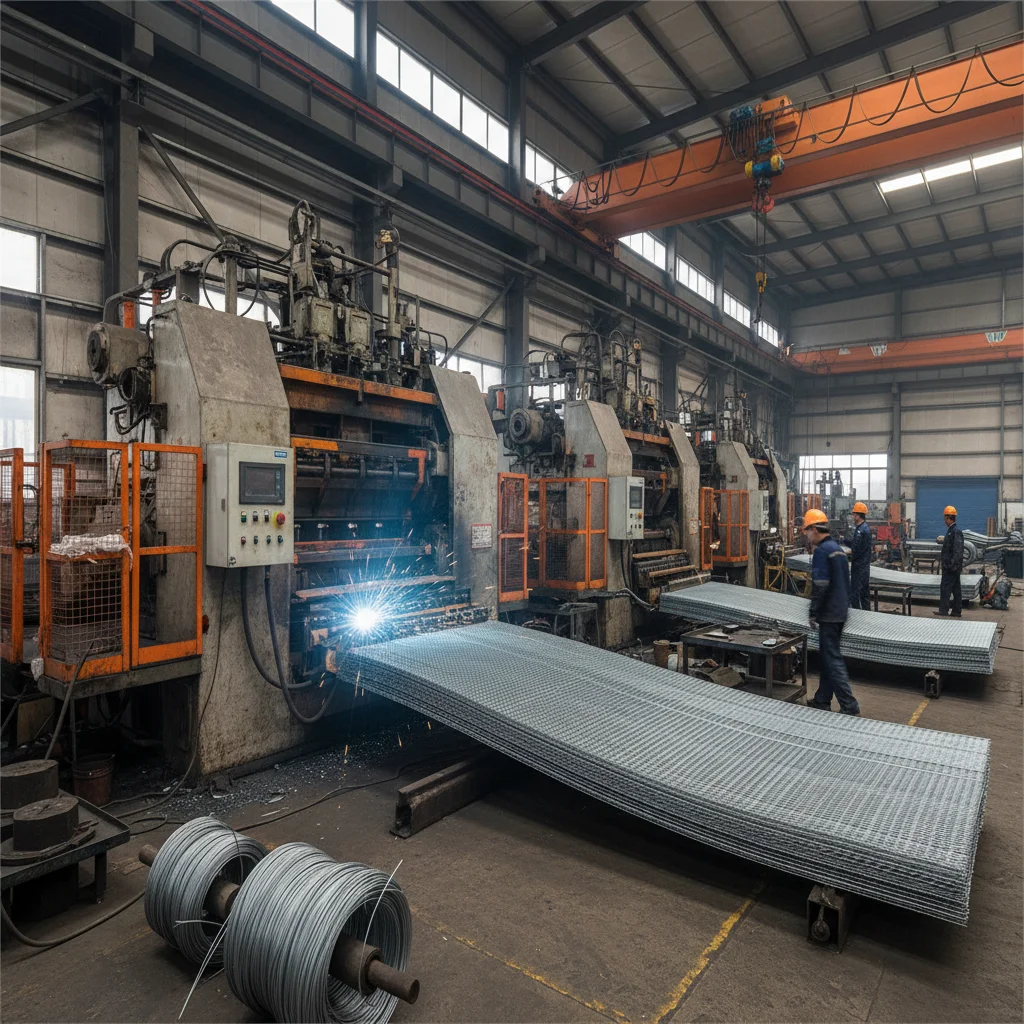
Professional Galvanized Welded Mesh Factory for Industrial Projects Finding a reliable galvanized welded mesh factory is critical for ensuring the structural integrity and longevity of your industrial or agricultural installations. Galvanized welded mesh is prized for its exceptional strength and resistance to corrosion, making it the go-to choice for fencing, animal cages, and construction reinforcement. However, not all factories adhere to the same quality standards. Whether you are sourcing for a large-scale infrastructure project or a specialized commercial application, understanding the manufacturing process and quality benchmarks is key to making a cost-effective investment that lasts for decades. Read More >26 Apr, 16
-
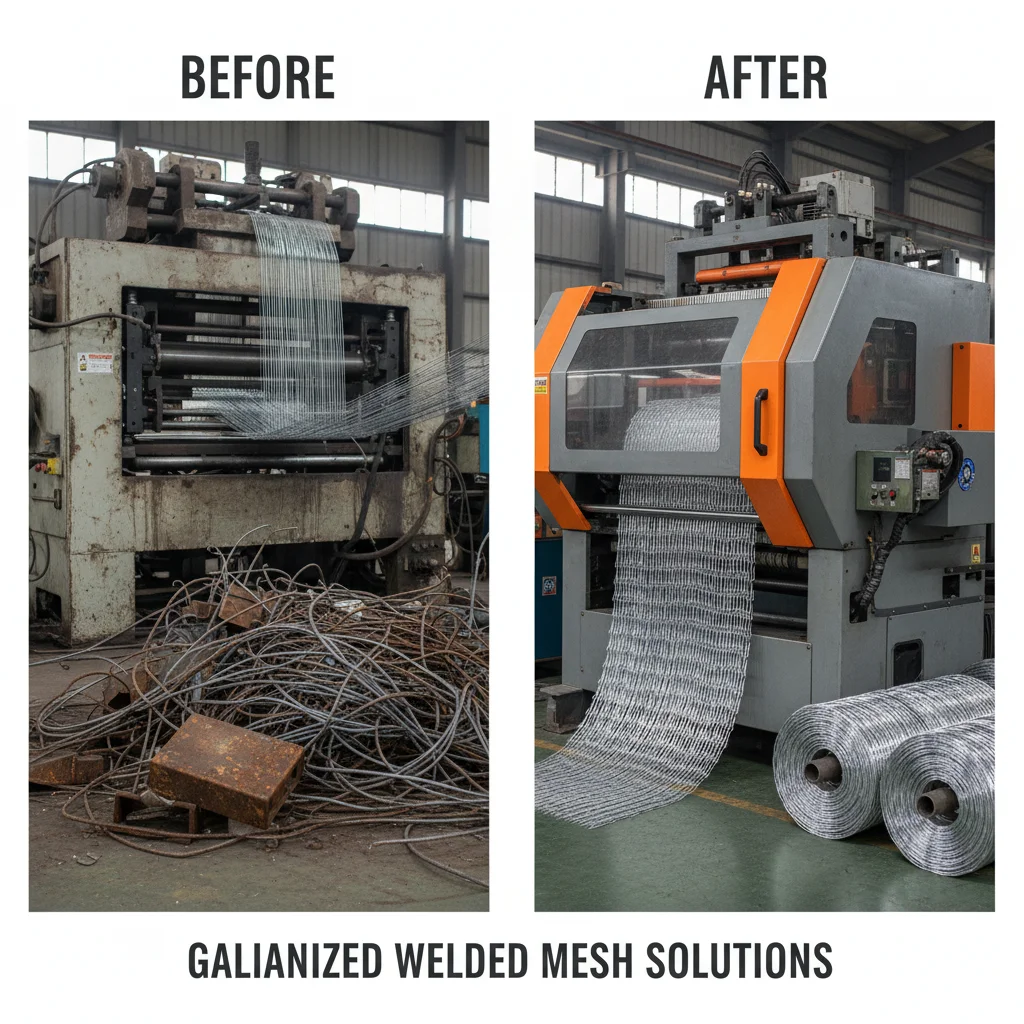
Professional Galvanized Welded Mesh Exporter for Quality Projects Selecting a high-quality fencing or screening solution requires more than just picking a product; it requires partnering with a reliable galvanized welded mesh exporter who understands the balance between structural integrity and corrosion resistance. Whether you are securing an industrial perimeter, building animal enclosures, or implementing architectural reinforcements, the quality of the galvanization process determines the lifespan of your installation. In this guide, we will explore the technical advantages of galvanized welded mesh and how to identify a global supplier that meets international quality standards to ensure your investment stands the test of time. Read More >26 Apr, 09
-
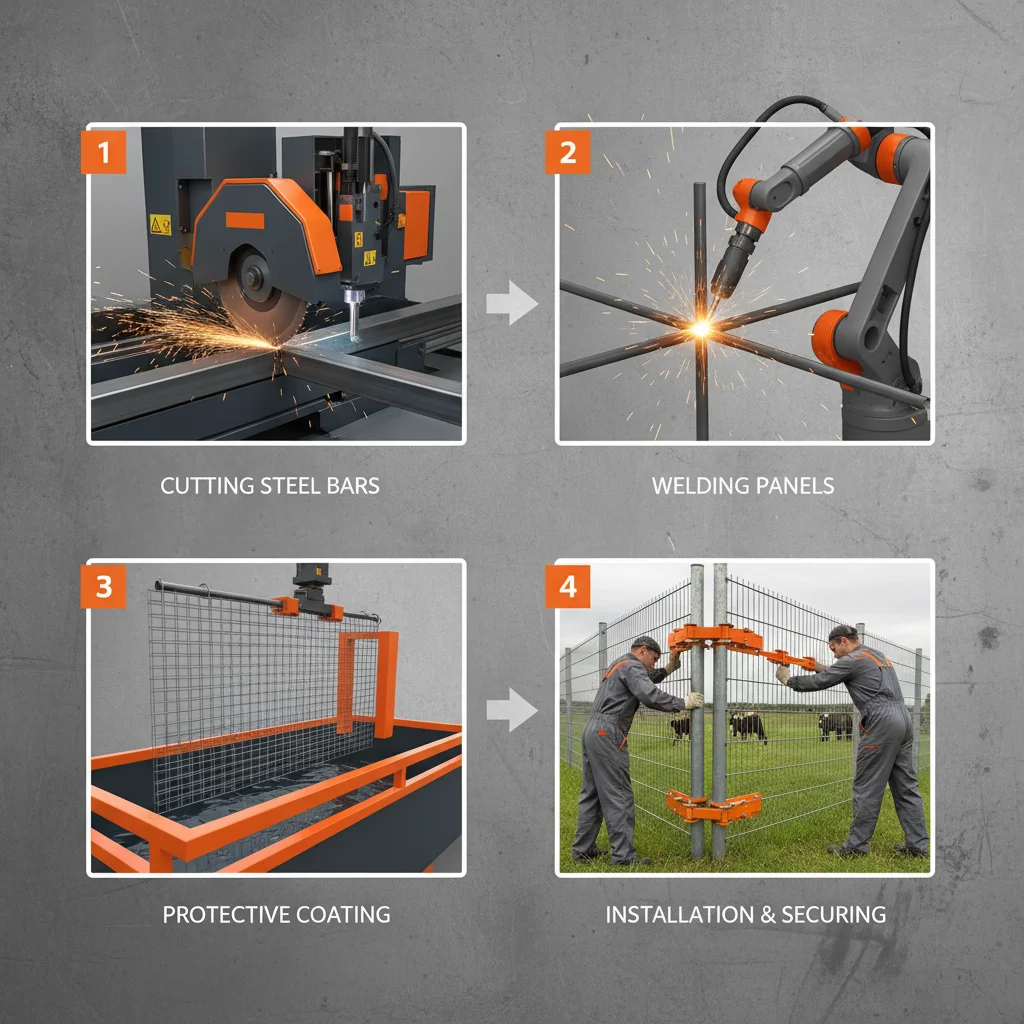
Essential Fencing Panels for Livestock Management and Farm Productivity Fencing panels for livestock are essential components in modern animal husbandry, playing a critical role in efficient farm management, animal welfare, and land utilization. Globally, the demand for robust and reliable fencing solutions is increasing due to the expanding livestock industry and the need to protect grazing lands from encroachment and predation. These panels aren’t simply barriers; they represent a vital investment in a farm's productivity and the health of its animals. Read More >26 Apr, 08
If you are interested in our products, you can choose to leave your information here, and we will be in touch with you shortly.


