


Comprehensive Guide to 6 Cattle Panels: Features, Benefits & Global Uses
Understanding 6 Cattle Panels: Strengthening Livestock Management Worldwide
It might seem like just another piece of agricultural hardware, but 6 cattle panels are quietly pivotal across the globe. Whether you're a farmer in the Midwest U.S., a rancher in Australia, or working on humanitarian relief in sub-Saharan Africa, these panels form the backbone of secure, effective livestock fencing. Their role is far from trivial—the right cattle panel reduces injuries, eases animal handling, and ultimately impacts food security and economic stability worldwide.
Globally, the livestock sector contributes nearly 40% of the global agricultural output (FAO statistics), feeding billions and supporting rural livelihoods. Effective containment solutions like cattle panels can reduce livestock losses by preventing escapes or predator attacks, which directly translates to raised income and more reliable meat, milk, and leather supplies. Understanding their specifications, market options, and proper applications matters—especially when supply chains, climate, and local practices demand adaptable solutions.
Introduction: Why 6 Cattle Panels Matter Globally
With the global population expected to hit 10 billion by 2050 (United Nations data), demand for livestock products is soaring. Add to that challenges like climate variability, land use pressures, and increasingly sophisticated predators or theft risks—and you see why robust containment is essential. 6 cattle panels address a challenge as old as farming itself: how to keep animals safe, manageable, and contained with materials that stand up to harsh environments and human handling.
Oddly enough, while many think fencing is simply “putting something up,” the science and engineering behind cattle panels—particularly the 6-foot variety, which balances strength and maneuverability—play a role in global food sustainability and rural economic development strategies.
What Are 6 Cattle Panels? A Simple Definition
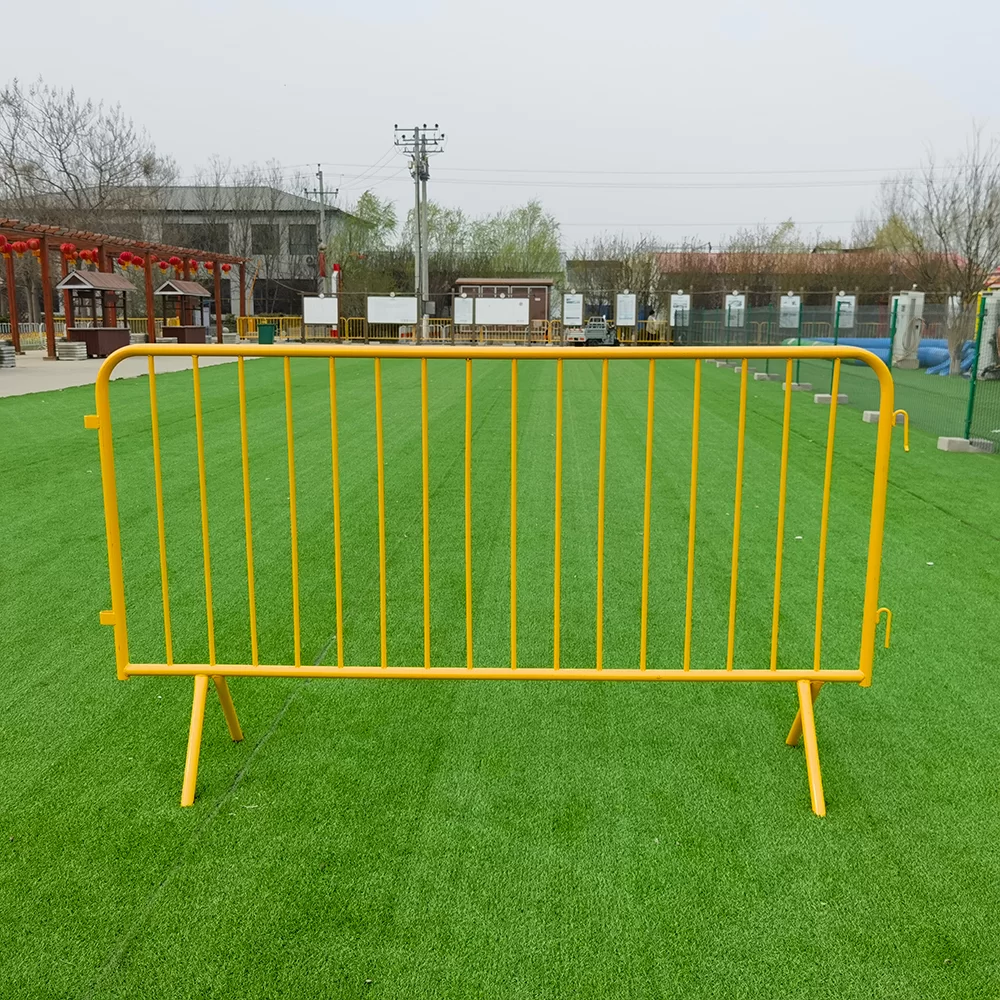
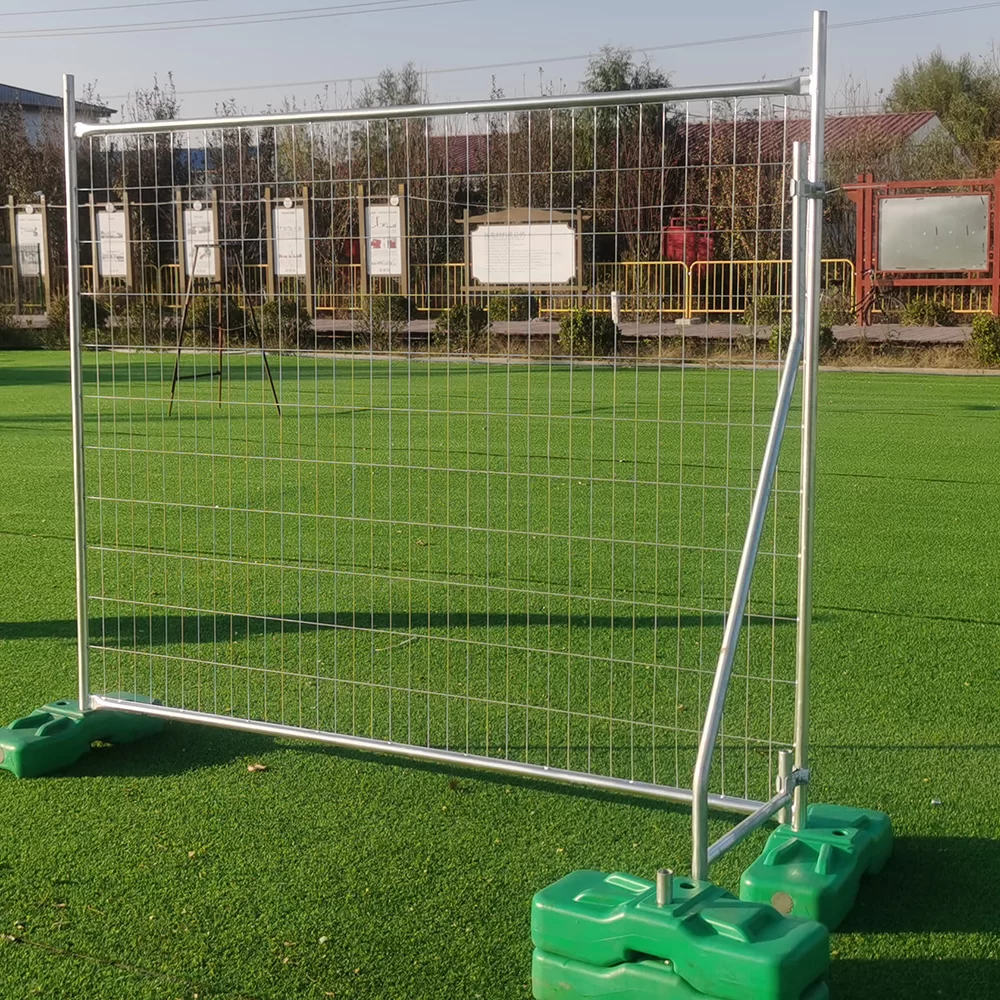
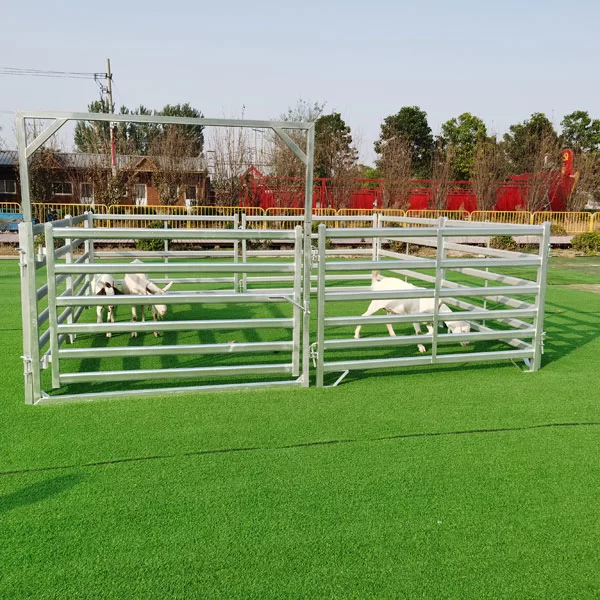
Simply put, a "6 cattle panel" is a metal fence panel about 6 feet long, designed primarily to securely enclose cattle or similar large livestock. Typically made from galvanized steel wire grids, they come pre-fabricated in rigid frames, allowing for quick installation without custom welding on-site. The “6” usually refers to the length in feet, offering a practical size for building pens, loading chutes, or paddocks.
In humanitarian or industrial contexts—like refugee camps or temporary livestock shelters—these panels become modular building blocks, enabling rapid setup of secure livestock areas that support animal welfare and community food security.
Key Features and Components of 6 Cattle Panels
Durability
Typically galvanized steel, these panels withstand weather extremes, corrosive environments, and animal pressure over time. Durability matters — this is not a fence you want buckling mid-season. Galvanizing, powder coating, or even PVC coatings enhance longevity.
Weight and Portability
Six-foot panels strike a sweet spot. They’re heavy enough to resist bending but still light enough for two people to carry and assemble without heavy machinery, ideal for remote farms or relief agencies setting up quickly.
Structural Strength and Wire Gauge
Wire gauge and spacing ensure the panel can restrain large cattle without injury. Typical gauges range from 9 to 11, balancing flexibility with strength. Wire mesh size affects visibility and security — tighter meshes prevent smaller animals from escaping.
Ease of Installation and Versatility
Panels connect with clips or pins, enabling quick expansion or reconfiguration. This modularity is crucial on dynamic farms adapting to seasonal needs or temporary setups in development projects.
Cost Efficiency
Compared to welded fencing or custom builds, 6 cattle panels are cost-effective, low-maintenance, and reusable, key aspects in budget-conscious operations.
| Feature | Specification | Typical Benefit |
|---|---|---|
| Dimensions | 6 ft length x 5 ft height | Optimal size for most livestock handlers |
| Material | Galvanized steel wire, 9-11 gauge | High durability and rust resistance |
| Weight | 40 - 60 lbs (varies by design) | Portable but sturdy |
| Finish | Hot-dip galvanized or powder coated | Enhanced weather protection |
| Connection method | Hinged latch, pins, or clips | Quick assembly and reconfiguration |
Global Applications and Use Cases for 6 Cattle Panels
From large commercial ranches in North America to smallholder farms in East Africa, these panels show up everywhere. In the United States, they’re a staple for corral and chute systems ensuring safe cattle handling and vet procedures. In regions prone to wildlife conflicts—think parts of Kenya or South America—panels serve as critical buffers preventing predator attacks.
Humanitarian organizations, such as those addressing refugee needs, use modular cattle panels to build temporary livestock enclosures quickly, supporting displaced communities' subsistence strategies. Industries like mining or remote construction sites sometimes deploy cattle panels to protect onsite working animals or livestock property nearby.
Mini takeaway: 6 cattle panels form a low-tech yet globally important solution bridging animal welfare, livestock economics, and community resilience—all embodied in a simple steel grid.
Advantages and Long-Term Value
- Cost savings: Durable and reusable, they lower fencing replacement frequency.
- Sustainability: Many panels are recyclable and manufactured with environmental care, aligning with ISO standards.
- Safety & Dignity: Provide secure and humane handling conditions leading to less stress and injury to livestock.
- Reliability: Consistent performance reduces downtime in operations and avoids economic loss.
Emotionally, you can picture the relief of farmers whose herds aren’t wandering or injured, the dignity that comes from treating animals humanely, and the trust built around dependable farm infrastructure. These panels don’t just hold cattle; they hold livelihoods.
Future Trends & Innovations in Cattle Panels
Looking ahead, smart materials and coatings offer improved anti-corrosion properties, while integrated sensors embedded into panels could soon monitor animal behavior or fence integrity in real-time. Incorporating green energy powered gates or lighting enhances animal welfare during low-light hours. Digital transformation isn’t just a buzzword for farms anymore—it’s coming to fencing too.
Also, with global supply chain shifts, localized manufacturing using sustainable steel sourcing and modular standardization promises to cut costs and environmental footprints further. These trends suggest 6 cattle panels will become more versatile, longer-lasting, and embedded within the precision agriculture ecosystem.
Challenges & Solutions
That said, cattle panels aren't without challenges. Issues like panel damage from aggressive animals, theft in remote areas, or initial installation difficulty on uneven terrain sometimes arise. Innovatively, companies now develop reinforced corner panels and tamper-resistant fittings. Training local farmers and relief workers on installation best practices also reduces misuse and damage.
Some suggest complementing panel systems with alarmed or GPS-enabled fencing for high-risk zones, while modular design continues simplifying transport and customization. It’s an evolving field, but frankly, the basics of strong, reliable panels remain indispensable.
| Vendor | Typical Panel Weight | Material Finish | Lead Time | Price Range (USD) |
|---|---|---|---|---|
| Haotian Mesh | 45 lbs | Hot-dip galvanized | 2-3 weeks | $60 - $80 |
| RanchPro Supplies | 55 lbs | Powder-coated steel | 3-4 weeks | $70 - $90 |
| AgriBuild Co. | 50 lbs | Galvanized + PVC coating | 4-5 weeks | $65 - $85 |
FAQ: Frequently Asked Questions About 6 Cattle Panels
Q: How do 6 cattle panels compare to traditional wooden fencing in durability?
A: Metal cattle panels usually outlast wooden fencing by 5 to 10 years due to resistance to rot, pests, and weather damage. They require less maintenance and provide better animal containment, making them a longer-term investment.
Q: Can these panels be easily reconfigured or transported?
A: Yes, the modular design allows for quick disassembly and reassembly, making them ideal for changing farm layouts or temporary setups like disaster relief animal pens.
Q: Are the panels safe for calves and smaller livestock?
A: Typically, panel mesh size is designed for adult cattle. For smaller livestock or calves, supplementary smaller mesh or barriers may be needed to prevent escapes.
Q: What environmental certifications should I look for when buying cattle panels?
A: Look for ISO certification on manufacturing processes and proof of galvanizing quality. Many vendors now comply with global environmental management standards like ISO 14001, ensuring sustainable production.
Q: How does hauling and delivery typically work for bulk orders?
A: Vendors usually ship by pallet via freight; lead times average 2-5 weeks depending on customization and location. Planning ahead especially for large operations is recommended.
Conclusion + Next Steps
In real terms, investing in 6 cattle panels means choosing reliability, animal safety, and economic resilience for your livestock operations. By understanding the specs, applications, and vendor options, you equip yourself to make informed decisions that benefit your animals, your wallet, and the environment.
For those interested in high-quality, cost-effective cattle panels tailored to diverse needs, you might want to visit 6 cattle panels — a trusted supplier renowned for durability and service worldwide.
Mini takeaway: 6 cattle panels aren’t just fences—they’re key tools toward sustainable agriculture and rural development.
References:
-
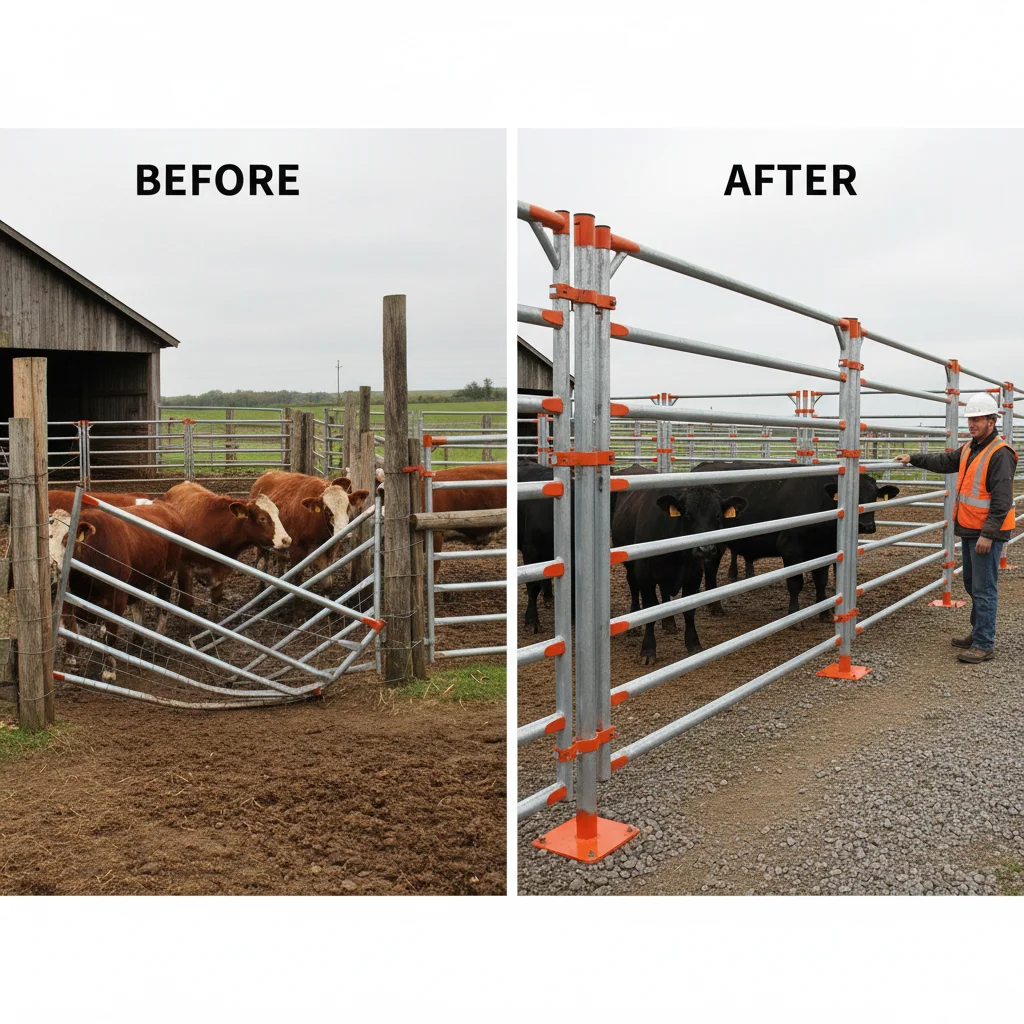
Durable Freestanding Livestock Panels for Efficient Animal Handling In the demanding world of agricultural management, the need for flexible and robust containment solutions has never been more critical. freestanding livestock panels offer a sophisticated answer to the challenges of animal handling, providing a secure yet adaptable barrier that does not require permanent installation or deep grounding. By allowing farmers and ranchers to redefine their spatial layouts in minutes, these panels maximize the efficiency of existing infrastructure while ensuring the safety of both the handlers and the livestock. Read More >26 Apr, 17
-
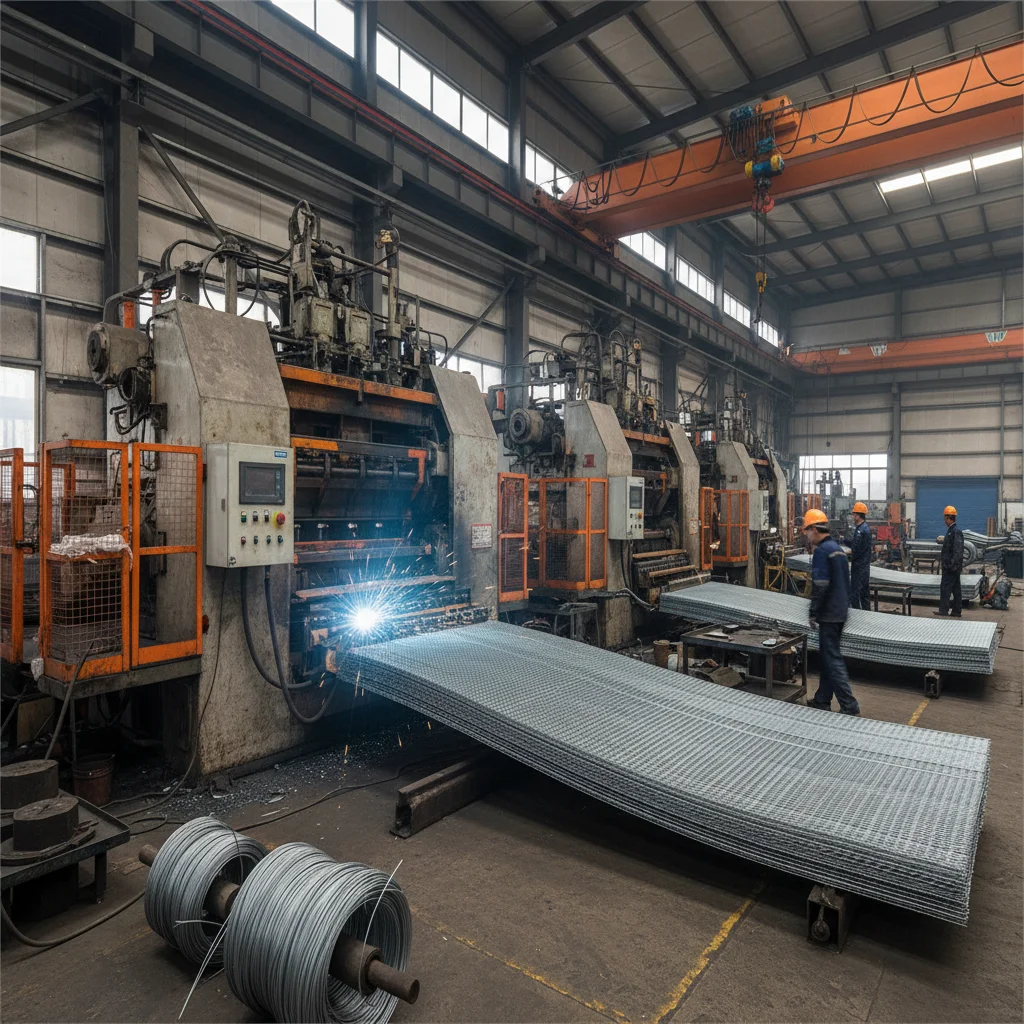
Professional Galvanized Welded Mesh Factory for Industrial Projects Finding a reliable galvanized welded mesh factory is critical for ensuring the structural integrity and longevity of your industrial or agricultural installations. Galvanized welded mesh is prized for its exceptional strength and resistance to corrosion, making it the go-to choice for fencing, animal cages, and construction reinforcement. However, not all factories adhere to the same quality standards. Whether you are sourcing for a large-scale infrastructure project or a specialized commercial application, understanding the manufacturing process and quality benchmarks is key to making a cost-effective investment that lasts for decades. Read More >26 Apr, 16
-
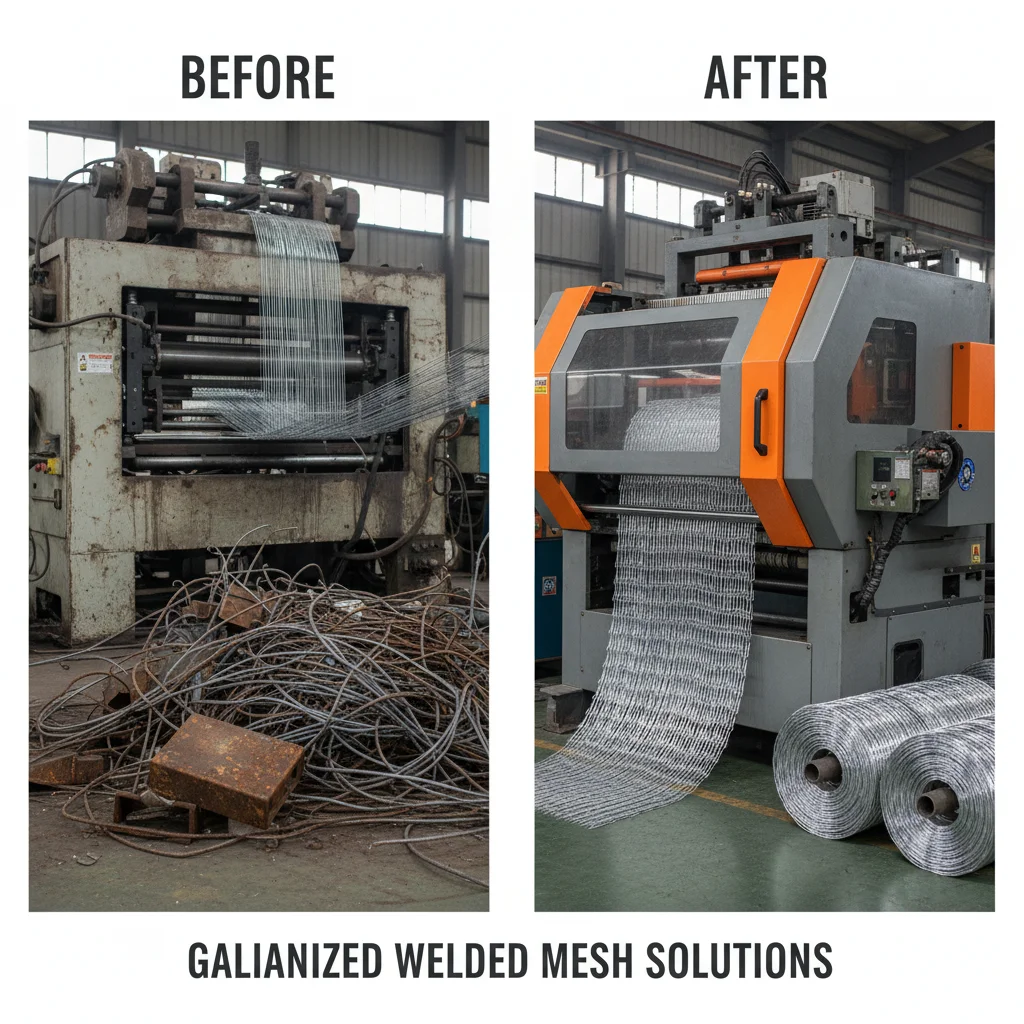
Professional Galvanized Welded Mesh Exporter for Quality Projects Selecting a high-quality fencing or screening solution requires more than just picking a product; it requires partnering with a reliable galvanized welded mesh exporter who understands the balance between structural integrity and corrosion resistance. Whether you are securing an industrial perimeter, building animal enclosures, or implementing architectural reinforcements, the quality of the galvanization process determines the lifespan of your installation. In this guide, we will explore the technical advantages of galvanized welded mesh and how to identify a global supplier that meets international quality standards to ensure your investment stands the test of time. Read More >26 Apr, 09
-
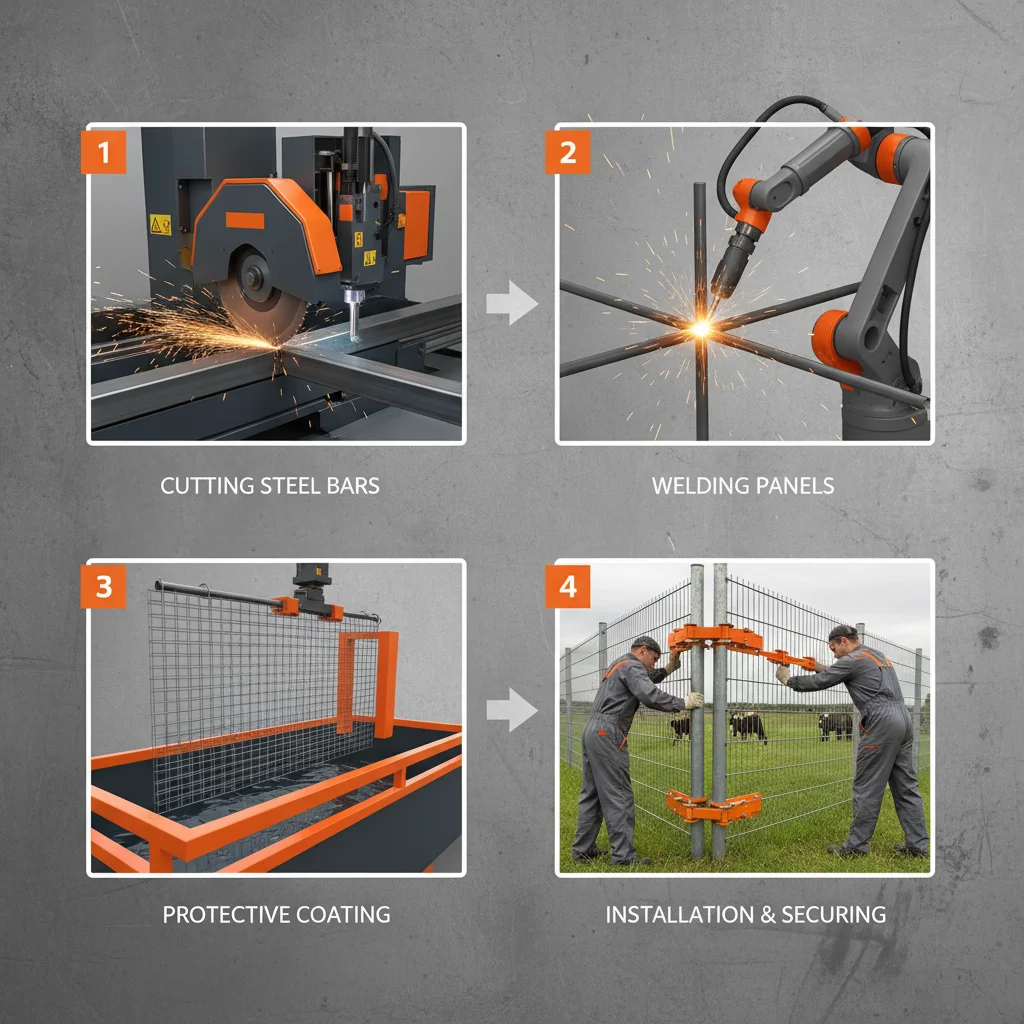
Essential Fencing Panels for Livestock Management and Farm Productivity Fencing panels for livestock are essential components in modern animal husbandry, playing a critical role in efficient farm management, animal welfare, and land utilization. Globally, the demand for robust and reliable fencing solutions is increasing due to the expanding livestock industry and the need to protect grazing lands from encroachment and predation. These panels aren’t simply barriers; they represent a vital investment in a farm's productivity and the health of its animals. Read More >26 Apr, 08
If you are interested in our products, you can choose to leave your information here, and we will be in touch with you shortly.


