


Cattle Panel 4×8 | Durable Livestock Fencing Solutions & Global Applications
Cattle Panel 4x8: A Practical Solution for Livestock Management Worldwide
Ask anyone in livestock farming what piece of equipment is indispensable, and the cattle panel 4x8 will likely come up quickly. It’s a fundamental tool for fencing, penning, and safe animal handling. Beyond just a wire frame, it touches on economic stability, animal welfare, and even humanitarian relief in times of crisis. This article unpacks the significance of cattle panels, exploring why a 4x8-foot size is a global favorite — from vast ranches in the U.S. to smallholder farms in Africa — and how understanding these panels can help improve livestock management and broader agricultural sustainability.
Why Cattle Panel 4x8 Matters on a Global Scale
Globally, livestock contributes to the livelihoods of more than 1.3 billion people according to the Food and Agriculture Organization (FAO). Fencing solutions like cattle panels are vital to keeping animals safe, reducing disease spread, and increasing farm productivity. Oddly enough, despite being such a simple tool, cattle panels tackle some complex challenges — like managing grazing in sensitive ecosystems or securing animals in disaster-prone regions. This makes them a surprisingly critical piece of agriculture’s puzzle.
Defining the Cattle Panel 4x8
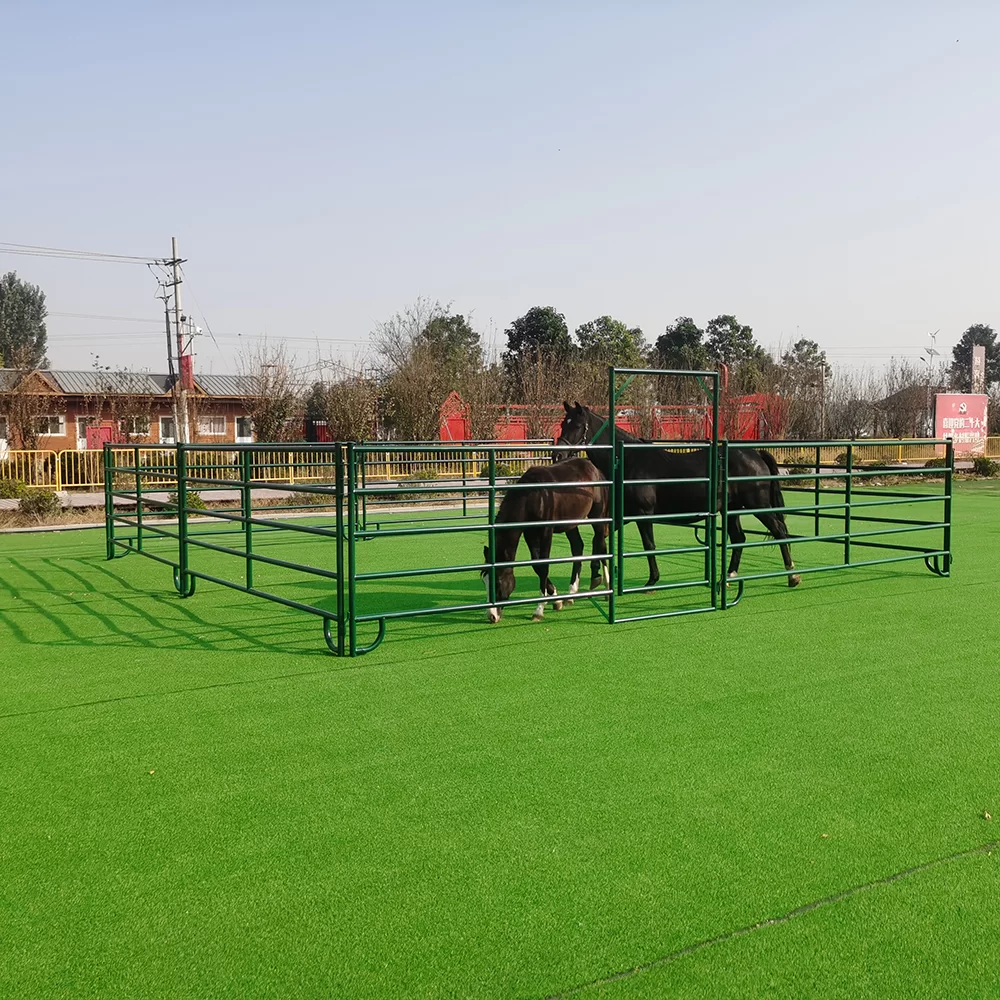
So what exactly is a cattle panel 4x8? In simple terms, it’s a rectangular metal fence panel measuring roughly 4 feet high and 8 feet long, constructed from heavy-duty steel wire. The grid structure creates openings typically sized about 4 by 6 inches, designed to contain cattle and other large livestock securely. The 4x8 size strikes a balance: it’s large enough for efficient enclosure building but manageable for transport and installation, fitting the needs of hobby farmers and large ranches alike.
Core Components and Key Features
Durability
Steel cattle panels are galvanized or powder-coated to resist rust and withstand harsh weather conditions. This is crucial — rust quickly weakens fencing, jeopardizing safety and increasing costs in the long run.
Portability
The 4x8 panel size is deliberately optimized for ease of handling. It fits snugly on rack trucks or small trailers, making it easier to deploy even in remote or uneven terrain.
Versatility
Whether used for permanent ranch fencing, temporary corrals at county fairs, or emergency animal shelters post-natural disasters, these panels adapt well. They work with various animals, not just cattle but horses, goats, and sheep too.
Cost Efficiency
Investing in quality panels might seem costly upfront, but the long lifespan and low maintenance bring down overall expenses significantly compared to wooden or electric fencing.
Table: Typical Specifications of a Cattle Panel 4x8
| Feature | Details |
|---|---|
| Dimensions | 4 ft (H) x 8 ft (L) |
| Wire Gauge | 12.5 - 14 gauge |
| Coating | Galvanized or Powder-Coated |
| Opening Size | Approximately 4" x 6" |
| Weight per panel | Approximately 30-40 lbs |
Mini takeaway: The cattle panel 4x8 features a well-thought-out size and structure that balances strength, usability, and ease of transport, supporting various farming needs worldwide.
Global Use Cases for Cattle Panel 4x8
Where do cattle panels show up? Quite literally everywhere livestock are managed.
- North America: Ranchers use large quantities for fencing and moving livestock during branding or veterinary interventions.
- Australia and New Zealand: Adapted for their vast cattle stations, often combined with electric fencing.
- Africa: Small-scale farmers rely on panels for protecting their herds from predators and theft—critical for food security.
- Post-disaster relief: NGOs rapidly deploy fencing pens using cattle panels for displaced livestock, preserving livelihoods.
In fact, one documentary I came across highlighted a small NGO in Kenya that could rebuild cattle enclosures within days after floods, all thanks to modular 4x8 panels delivered via local supply chains. Simply put, they keep animals safe and herders hopeful.
Vendor Comparison Table: Popular Suppliers of Cattle Panel 4x8
| Vendor | Coating | Price (USD per panel) | Warranty | Lead Time |
|---|---|---|---|---|
| Haotian Mesh | Galvanized + Powder-Coated | $40 - $50 | 5 years | 2 weeks |
| Global Fence Co. | Galvanized Only | $35 - $45 | 3 years | 3-4 weeks |
| FarmEquip Solutions | Powder-Coated Only | $45 - $55 | 4 years | 1-2 weeks |
Advantages and Long-Term Value of Using Cattle Panel 4x8
Why stick with cattle panels? The reasons go beyond just corralling animals.
- Cost-effectiveness: Durable panels save money over time versus frequent repairs on cheaper fencing.
- Safety: Strong fencing limits animal injury and escapes, which reduces stress and loss.
- Sustainability: Galvanized steel and powder coatings extend lifespan, reducing waste and resource use.
- Social impact: Farmers feel more secure investing in their animals, which often supports entire communities.
In real terms, it’s a small investment that pays dividends in peace of mind and operational efficiency.
The Future of Cattle Panel 4x8: Trends and Innovations
Technology is not leaving livestock fencing behind. Lighter but stronger alloy wires, smart fencing integration (think sensors for escape detection), and eco-friendly coatings are emerging trends. Digital tracking of livestock combined with modular fencing like cattle panels could revolutionize herd management—especially with rising pressures from climate change and urban development.
And the sustainability angle? Innovations like recycled steel and biodegradable coatings are on the horizon, pushing the industry closer to greener agriculture.
Challenges & Solutions
Of course, cattle panels aren’t flawless. Transport costs can add up for remote regions. Installation still requires some labor and planning. Plus, panels alone don’t fully prevent predator incursions without complementary safeguards.
That said, companies like Haotian Mesh have addressed these by offering bundled services, modular fencing kits, and community training programs, helping farmers optimize use — even in tough environments.
FAQ: Common Questions About Cattle Panel 4x8
- Q: How long do galvanized cattle panels typically last?
A: With proper coating, cattle panels can last 10 to 20 years outdoors before significant corrosion appears. Longevity can vary depending on climate and maintenance. - Q: Can cattle panels be used for animals other than cattle?
A: Absolutely. The 4x8 size and mesh spacing are versatile for horses, goats, sheep, and even some exotic livestock. - Q: Are these panels easy to transport for temporary setups?
A: Yes, their size allows for transport on standard pickups or small trailers. Many farmers use them for seasonal or event-based fencing. - Q: Is installation difficult for amateurs?
A: Basic installation requires posts and some tools but is manageable with DIY guides or minimal help. Professionals can expedite setup for complex ranch layouts.
In Conclusion
The cattle panel 4x8 remains a quietly essential innovation in livestock farming, balancing economy, durability, and versatility. It supports not just animals but the livelihoods of millions worldwide. For anyone managing livestock or aiding agricultural development, it’s wise to keep these versatile panels in mind. Explore more options and expert advice at Haotian Mesh, where innovation meets reliability for all your fencing needs.
Mini takeaway: Whether a small farm or a large-scale ranch, cattle panel 4x8 solutions unlock long-term value by protecting animals, supporting farmers, and evolving with future industry trends.
References:
1. Food and Agriculture Organization (FAO) Livestock Data, 2023
2. World Bank Agriculture & Livestock Reports, 2022
3. ISO 10326: Metal wire and wire products standards
-
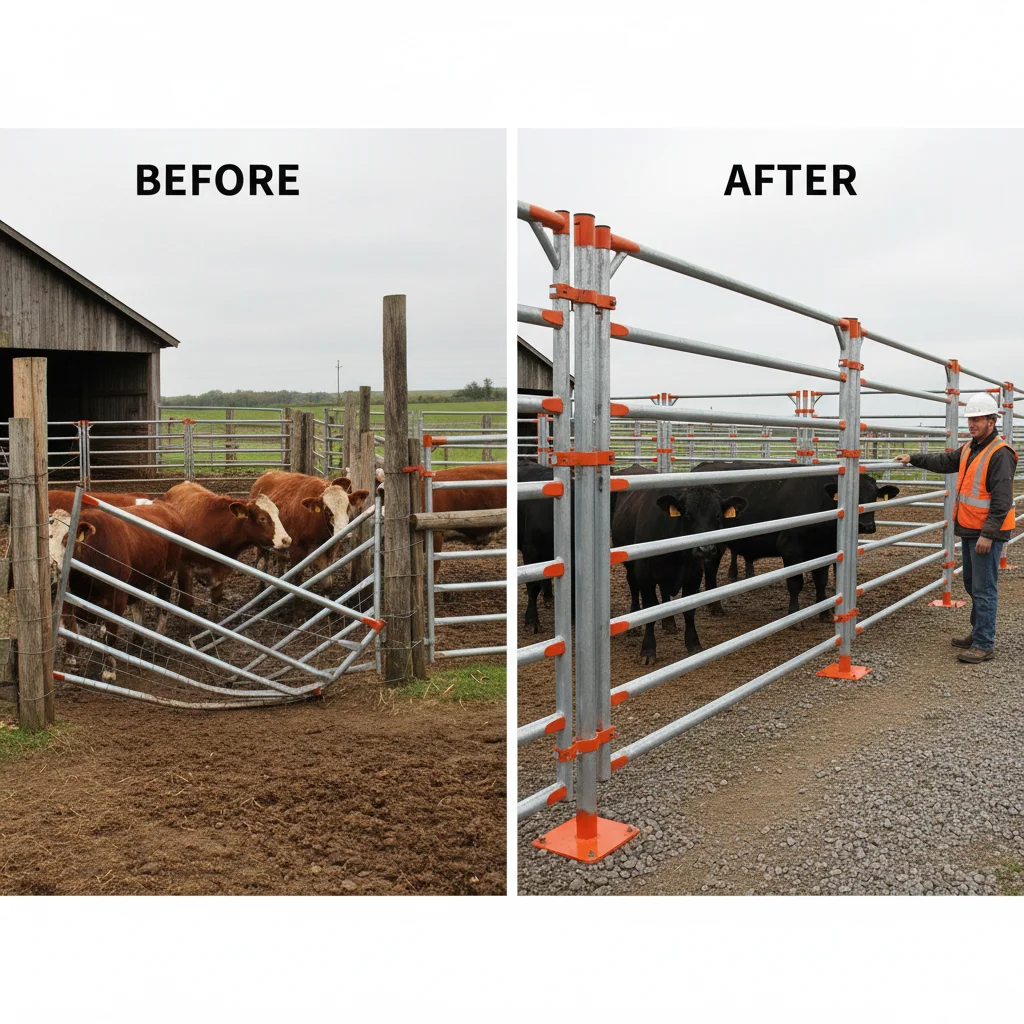
Durable Freestanding Livestock Panels for Efficient Animal Handling In the demanding world of agricultural management, the need for flexible and robust containment solutions has never been more critical. freestanding livestock panels offer a sophisticated answer to the challenges of animal handling, providing a secure yet adaptable barrier that does not require permanent installation or deep grounding. By allowing farmers and ranchers to redefine their spatial layouts in minutes, these panels maximize the efficiency of existing infrastructure while ensuring the safety of both the handlers and the livestock. Read More >26 Apr, 17
-
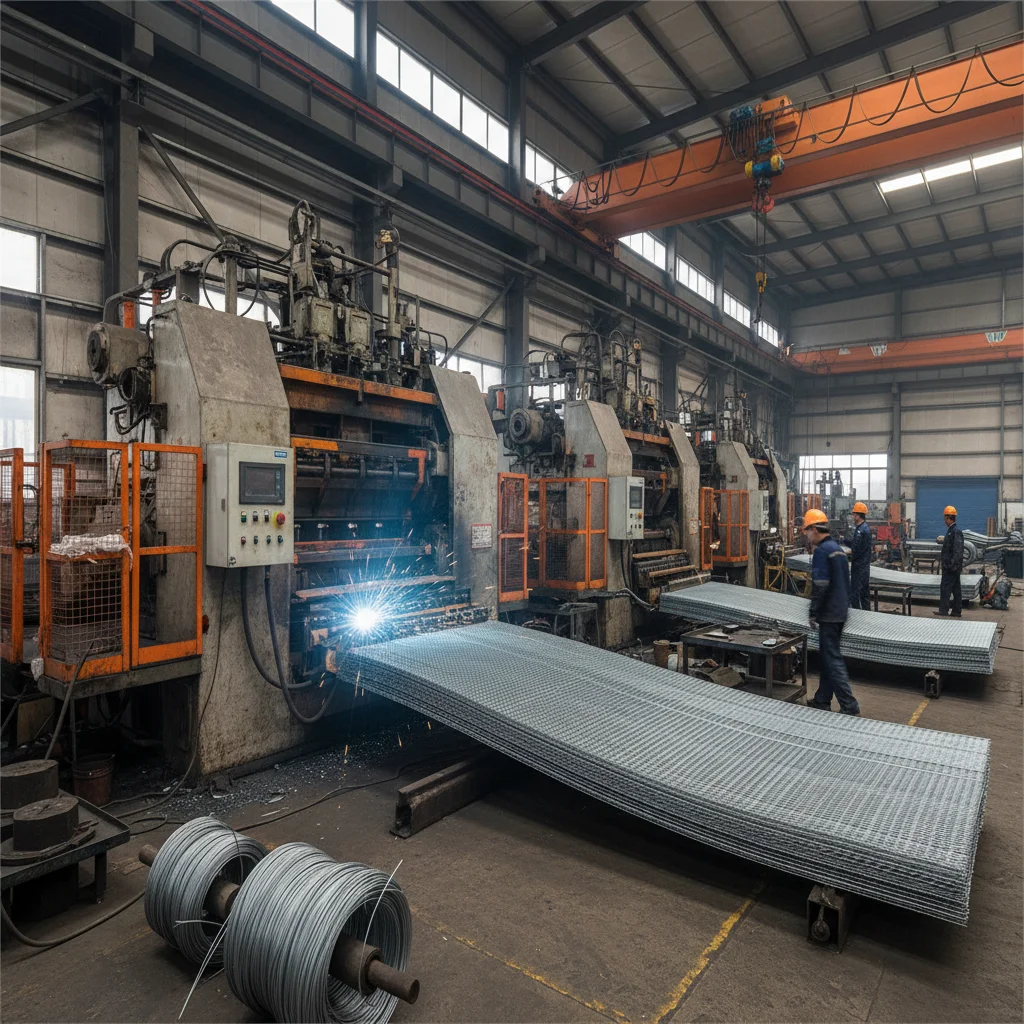
Professional Galvanized Welded Mesh Factory for Industrial Projects Finding a reliable galvanized welded mesh factory is critical for ensuring the structural integrity and longevity of your industrial or agricultural installations. Galvanized welded mesh is prized for its exceptional strength and resistance to corrosion, making it the go-to choice for fencing, animal cages, and construction reinforcement. However, not all factories adhere to the same quality standards. Whether you are sourcing for a large-scale infrastructure project or a specialized commercial application, understanding the manufacturing process and quality benchmarks is key to making a cost-effective investment that lasts for decades. Read More >26 Apr, 16
-
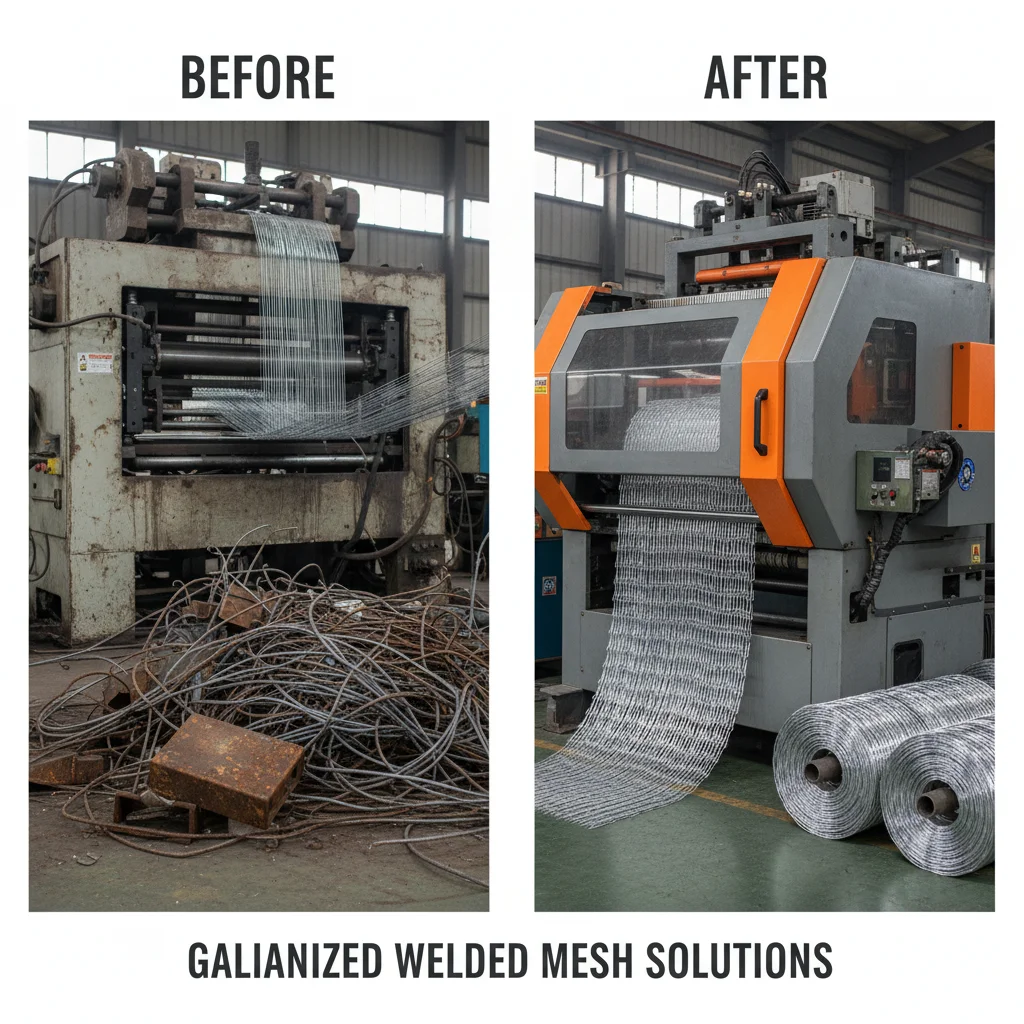
Professional Galvanized Welded Mesh Exporter for Quality Projects Selecting a high-quality fencing or screening solution requires more than just picking a product; it requires partnering with a reliable galvanized welded mesh exporter who understands the balance between structural integrity and corrosion resistance. Whether you are securing an industrial perimeter, building animal enclosures, or implementing architectural reinforcements, the quality of the galvanization process determines the lifespan of your installation. In this guide, we will explore the technical advantages of galvanized welded mesh and how to identify a global supplier that meets international quality standards to ensure your investment stands the test of time. Read More >26 Apr, 09
-
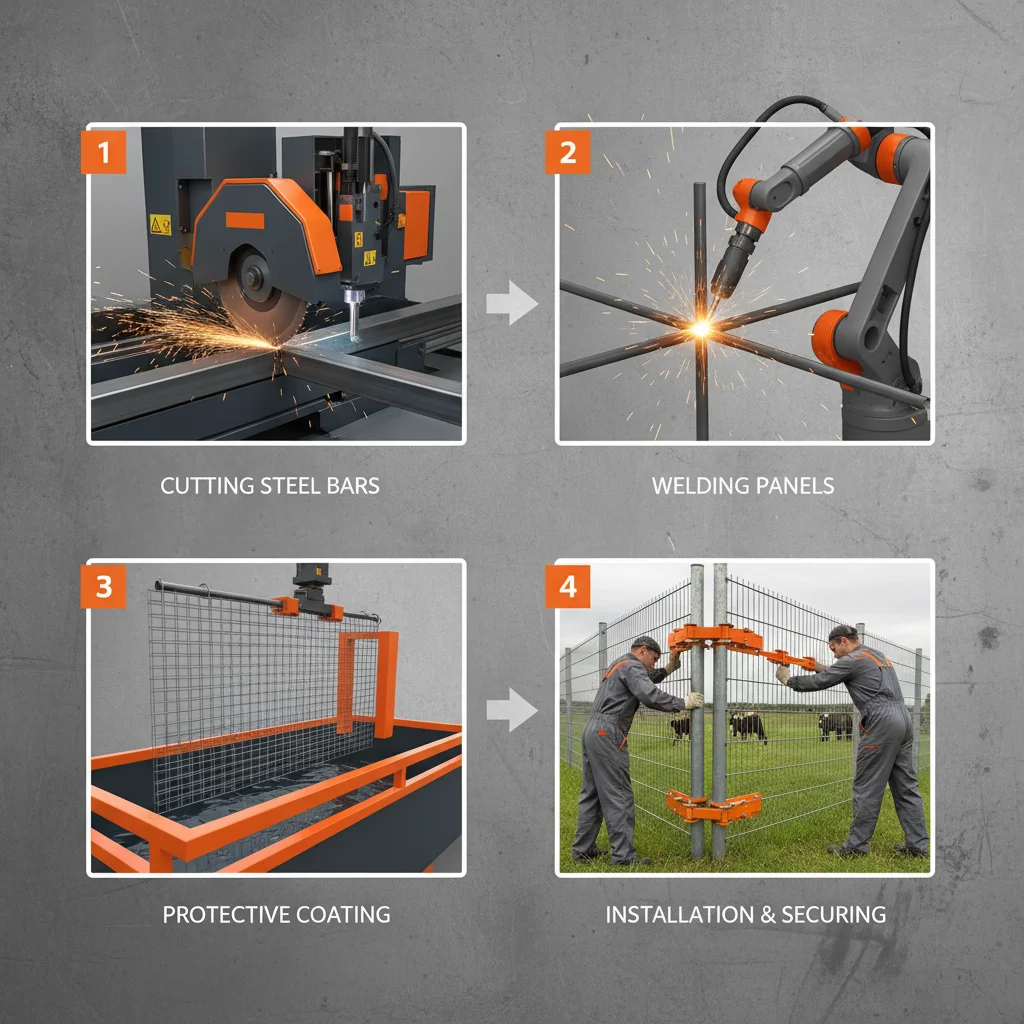
Essential Fencing Panels for Livestock Management and Farm Productivity Fencing panels for livestock are essential components in modern animal husbandry, playing a critical role in efficient farm management, animal welfare, and land utilization. Globally, the demand for robust and reliable fencing solutions is increasing due to the expanding livestock industry and the need to protect grazing lands from encroachment and predation. These panels aren’t simply barriers; they represent a vital investment in a farm's productivity and the health of its animals. Read More >26 Apr, 08
If you are interested in our products, you can choose to leave your information here, and we will be in touch with you shortly.


