


5 Foot Cattle Panels: Durable & Portable Livestock Fencing Solution
Understanding 5 Foot Cattle Panels: An Essential Guide for Modern Farming and Beyond
Whether you’re a seasoned rancher, a livestock enthusiast, or involved in fields like humanitarian aid or industrial operations requiring animal management, 5 foot cattle panels are more than just fencing pieces. They matter globally for improving livestock containment, safety, and operational efficiency. Knowing how these panels function can save time, reduce costs, and support sustainable livestock practices worldwide.
Why 5 Foot Cattle Panels Matter Globally
Livestock farming, crucial to global food security and rural economies, relies heavily on reliable fencing solutions. According to the Food and Agriculture Organization (FAO), over 60% of rural livelihoods depend on livestock, highlighting the importance of sturdy infrastructure like cattle panels. But here’s the snag: subpar fencing can lead to animal injuries, escapes, and increased labor—issues expensive and frustrating anywhere, especially in regions with expanding livestock industries or challenging terrains.
That’s where 5 foot cattle panels come in handy. These panels offer a balance between strength, portability, and height sufficient to contain most cattle breeds. They are widely used not only in the US and Europe but increasingly adapted in Africa, South America, and Asia, enabling safer and more efficient livestock management.
Mini takeaway: 5 foot cattle panels meet a global need—providing both security and cost-effectiveness in agriculture, with impacts reaching far beyond traditional farming.
What Are 5 Foot Cattle Panels?
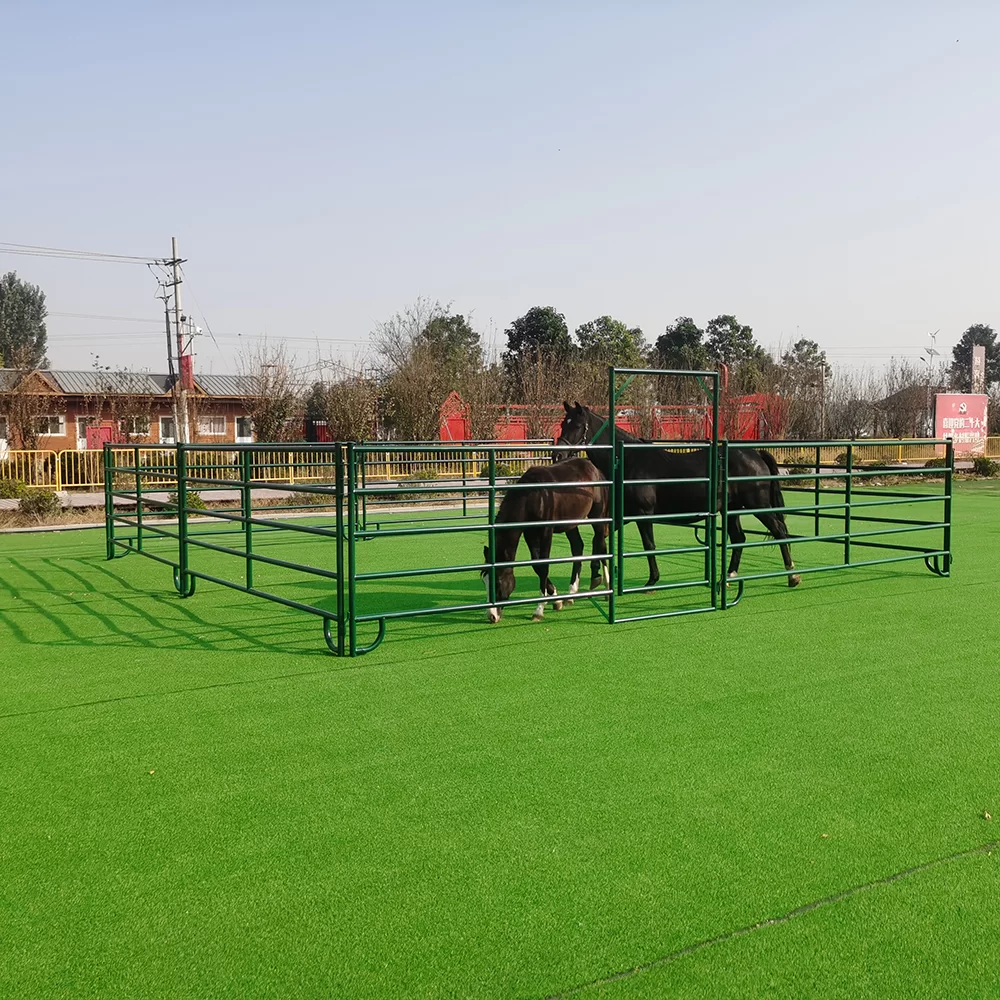
Simply put, 5 foot cattle panels are sturdy metal panels roughly five feet tall, designed primarily to enclose or divide sections of livestock areas. Constructed usually from galvanized steel, they consist of vertical and horizontal bars welded into a rigid frame. Their size strikes a sweet spot—tall enough to prevent cattle from jumping out, but easy enough to handle and install by a small crew.
These panels aren’t just for farms. Interestingly, in emergency relief scenarios, organizations use these panels to create quick, temporary enclosures for livestock displaced by floods or wildfires. That crossover speaks volumes about their versatility.
Mini takeaway: Think of these panels as the reliable “workhorse” components of modern livestock setups, blending durability and portability.
Key Factors Defining 5 Foot Cattle Panels
1. Durability
Generally made of galvanized steel, the panels resist rust and corrosion — vital for outdoor use year-round. This longevity means fewer replacements, less downtime, and lower costs over time.
2. Portability
At five feet in height, these panels are easier to transport and install than larger, bulkier fencing segments. Many farmers appreciate how a few people can quickly re-arrange pens or expand grazing areas.
3. Safety
With spaced bars designed to prevent cattle from catching limbs or heads, the panels minimize injury risks. That’s critical for animal welfare and reduces veterinary expenses.
4. Versatility
They can be linked in various configurations — straight lines, corrals, gates, or temporary fencing. This flexibility is ideal for different farm sizes and layouts.
5. Cost Efficiency
While upfront costs vary, outsourcing fencing to less durable materials often proves more expensive in the long run. These panels balance upfront investment with a proven lifespan.
Mini takeaway: The best 5 foot cattle panels blend strength, safety, and flexibility — all at a reasonable price.
Global Applications & Use Cases
- Farming & Ranching: North American cattle ranches commonly use these panels to build modular corrals, sorting pens, and weaning pens.
- Humanitarian Aid: After natural disasters, agencies use panels to quickly set up livestock enclosures, protecting animals from stray dogs or unsafe areas. For example, the Red Cross has deployed these in flood recovery zones.
- Industrial Sites: Remote mining operations deploy them to segregate working animals or guard dogs, thanks to their portability and quick assembly.
- Event Fencing: Temporary festivals or fairs featuring livestock shows appreciate the ease of erecting and dismantling these panels.
Mini takeaway: From the dry plains of the American Midwest to tropical relief zones, 5 foot cattle panels serve diverse, critical roles.
Advantages & Long-Term Value
Besides offering physical protection and longevity, these panels enhance management efficiency. They reduce labor hours needed for fence maintenance, enable quicker livestock sorting, and foster safer handling environments.
Moreover, by minimizing injuries, they improve animal welfare — an increasingly important factor in ethical farming and export markets. It’s sometimes overlooked how much peace of mind comes with solid infrastructure; farmers and workers feel safer, which translates into higher productivity and trust within communities.
Mini takeaway: Beyond metal and bolts, 5 foot cattle panels build the foundation for sustainable, compassionate livestock operations.
Future Trends & Innovations
Oddly enough, the area of cattle panels has seen innovations you might not expect. Manufacturers are experimenting with lightweight alloys and composite materials to further reduce weight without sacrificing strength.
Automation plays a part too — some systems now integrate electronic gating with these panels to remotely manage animal flow, which is handy for large-scale operations gearing towards “smart farming.”
Environmental sustainability is another trend. Options coated with eco-friendly materials and designed for recyclability are gaining traction, reflecting broader industry pushes aligned with ISO 14000 standards on environmental management.
Mini takeaway: As farming tech advances, even traditional products like cattle panels evolve, promising smarter, greener, and easier livestock management.
Challenges & Solutions
Of course, no solution is perfect. Challenges with 5 foot cattle panels include potential issues with theft in unsecured areas, the weight which can be tricky for smaller operators, and occasional damage from aggressive animals.
Experts recommend combining panels with secure locking mechanisms and routine inspections. Some also suggest modular training so workers can safely handle panel installation and repairs. Innovations like foldable panels are emerging to tackle the portability issue.
Mini takeaway: Challenges are mostly manageable with good planning, proper use, and new tech adoption.
Product Specifications of a Typical 5 Foot Cattle Panel
| Feature | Specification |
|---|---|
| Height | 5 feet (60 inches) |
| Panel Length | 16 feet (typical standard) |
| Material | Galvanized Steel |
| Wire Gauge | 12.5 gauge typical |
| Weight | ~75–85 lbs (varies by length) |
| Finish | Hot-dipped Galvanized |
Vendor Comparison: Popular 5 Foot Cattle Panels
| Feature | Vendor A | Vendor B | Vendor C |
|---|---|---|---|
| Material Quality | Galvanized Steel 12.5 gauge | Galvanized Steel 14 gauge | Powder Coated Steel 12 gauge |
| Panel Length | 16 ft | 20 ft | 16 ft |
| Weight | ~80 lbs | ~90 lbs | ~75 lbs |
| Corrosion Resistance | Hot-dipped galvanized | Electro-galvanized | Powder coated |
| Price per Panel | $120 | $110 | $130 |
Frequently Asked Questions about 5 Foot Cattle Panels
- How do 5 foot cattle panels compare to traditional wood fencing?
- Metal cattle panels are generally more durable and require less maintenance than wood fencing, which can rot or break. Panels are also easier to move and reconfigure, making them more versatile for evolving farm layouts.
- Can 5 foot cattle panels be used for other animals?
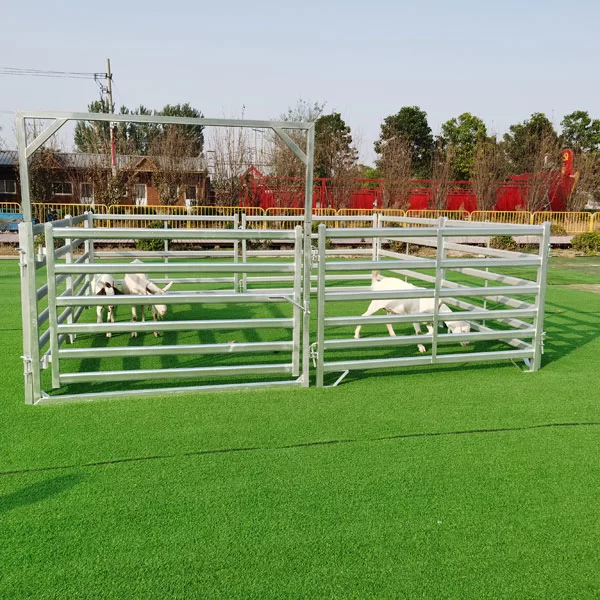
- Absolutely. While designed for cattle, many livestock managers use these panels for sheep, goats, horses, and even wildlife control. Adjustments might be needed based on animal size and behavior.
- What’s the best way to secure cattle panels to the ground?
- Typically, panels attach to metal posts driven into the soil or set in concrete for permanent fencing. In temporary setups, weighted bases or peg anchors suffice for stability.
- Are there eco-friendly options available?
- Yes. Some manufacturers now offer panels with recycled steel content or powder-coated finishes that reduce environmental impact while prolonging panel life.
- Where can I buy 5 foot cattle panels internationally?
- Many global suppliers ship internationally. Check suppliers with export services, and be sure to confirm shipping costs and import regulations relevant to your region. For domestic options, see 5 foot cattle panels.
Conclusion
All things considered, 5 foot cattle panels offer a robust, adaptable fencing solution fitting for a variety of agricultural, industrial, and humanitarian uses worldwide. Their balance of portability, durability, and safety has made them a staple in livestock management.
To explore durable, cost-effective options tailored to your needs, visit https://www.haotianmesh.com — your go-to resource for quality cattle panels and fencing systems.
Final thought: Sometimes, it’s these simple engineering solutions that quietly underpin billions of meals and livelihoods worldwide.
References:
1. Food and Agriculture Organization of the United Nations (FAO) – Livestock Sector Overview
2. ISO 14000 Environmental Management – ISO.org
3. Red Cross Disaster Relief Reports – IFRC
-
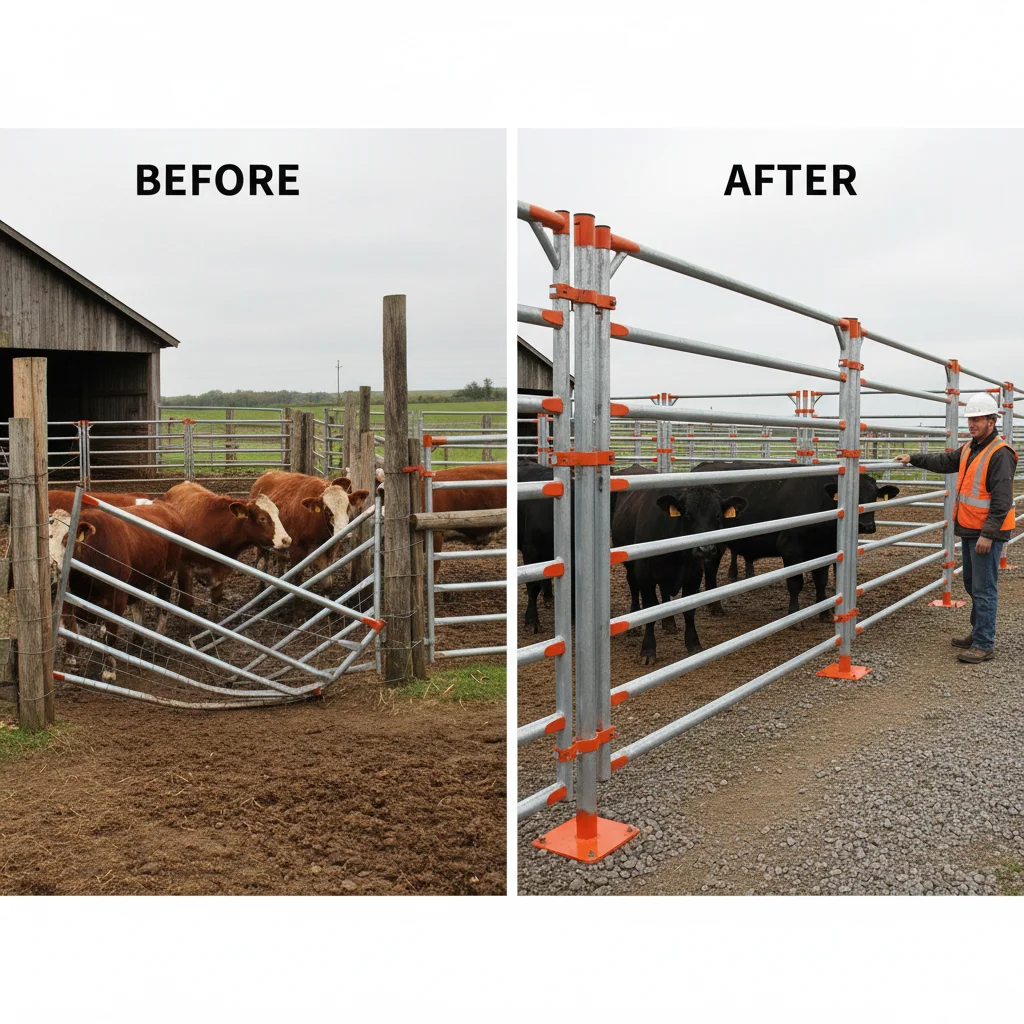
Durable Freestanding Livestock Panels for Efficient Animal Handling In the demanding world of agricultural management, the need for flexible and robust containment solutions has never been more critical. freestanding livestock panels offer a sophisticated answer to the challenges of animal handling, providing a secure yet adaptable barrier that does not require permanent installation or deep grounding. By allowing farmers and ranchers to redefine their spatial layouts in minutes, these panels maximize the efficiency of existing infrastructure while ensuring the safety of both the handlers and the livestock. Read More >26 Apr, 17
-
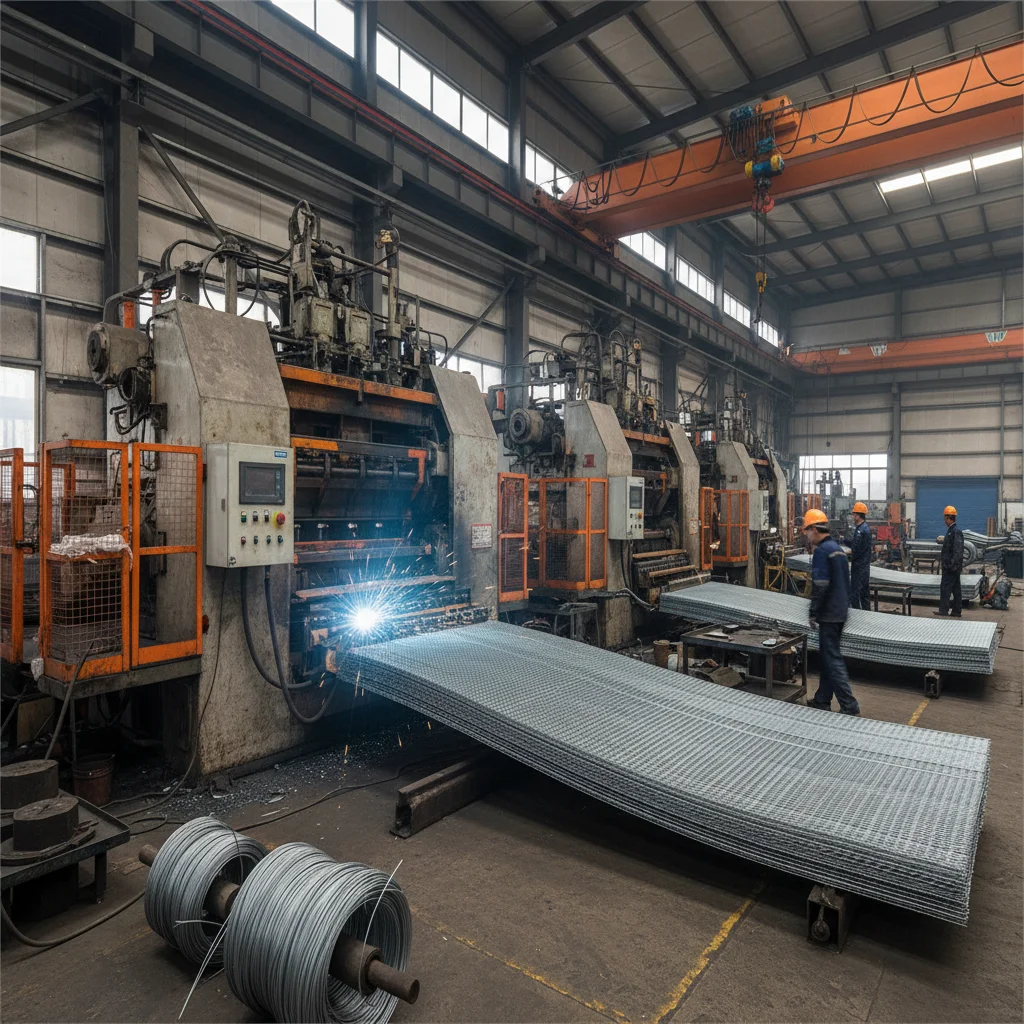
Professional Galvanized Welded Mesh Factory for Industrial Projects Finding a reliable galvanized welded mesh factory is critical for ensuring the structural integrity and longevity of your industrial or agricultural installations. Galvanized welded mesh is prized for its exceptional strength and resistance to corrosion, making it the go-to choice for fencing, animal cages, and construction reinforcement. However, not all factories adhere to the same quality standards. Whether you are sourcing for a large-scale infrastructure project or a specialized commercial application, understanding the manufacturing process and quality benchmarks is key to making a cost-effective investment that lasts for decades. Read More >26 Apr, 16
-
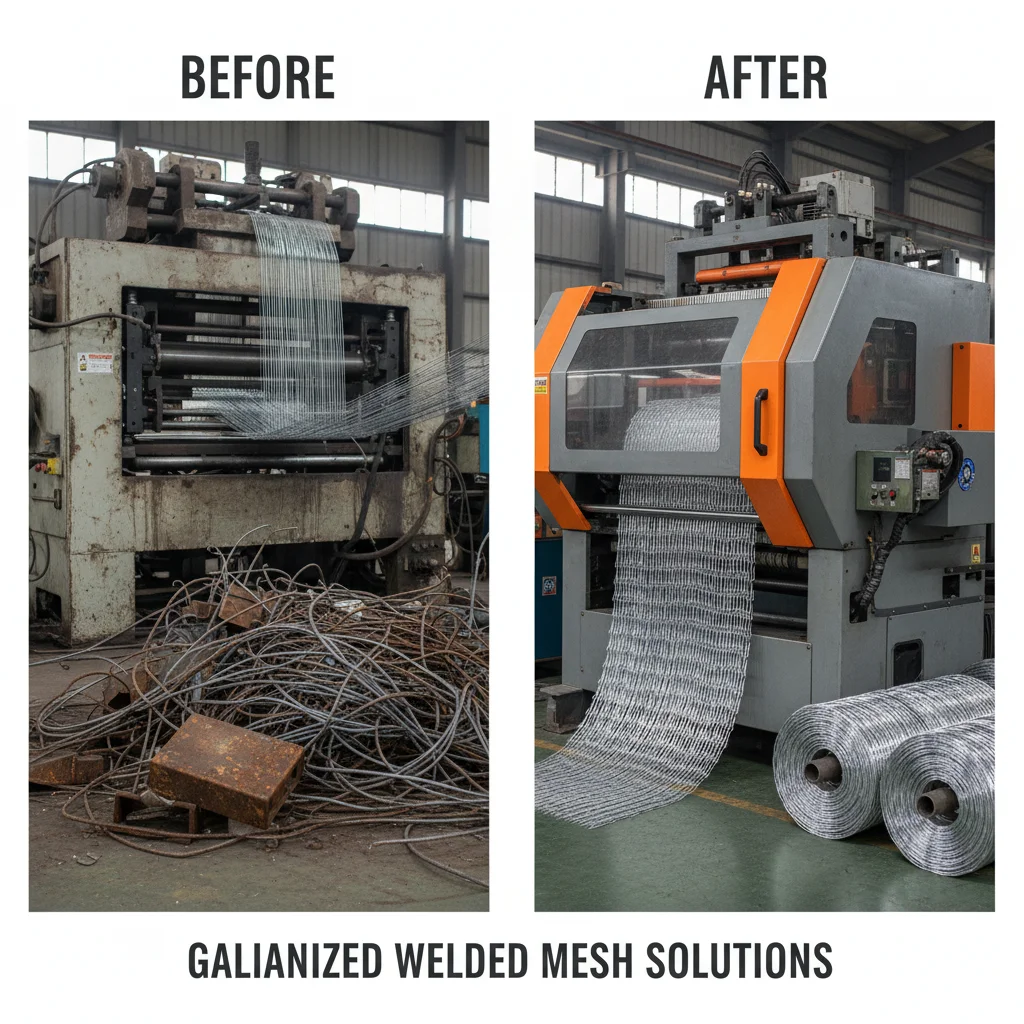
Professional Galvanized Welded Mesh Exporter for Quality Projects Selecting a high-quality fencing or screening solution requires more than just picking a product; it requires partnering with a reliable galvanized welded mesh exporter who understands the balance between structural integrity and corrosion resistance. Whether you are securing an industrial perimeter, building animal enclosures, or implementing architectural reinforcements, the quality of the galvanization process determines the lifespan of your installation. In this guide, we will explore the technical advantages of galvanized welded mesh and how to identify a global supplier that meets international quality standards to ensure your investment stands the test of time. Read More >26 Apr, 09
-
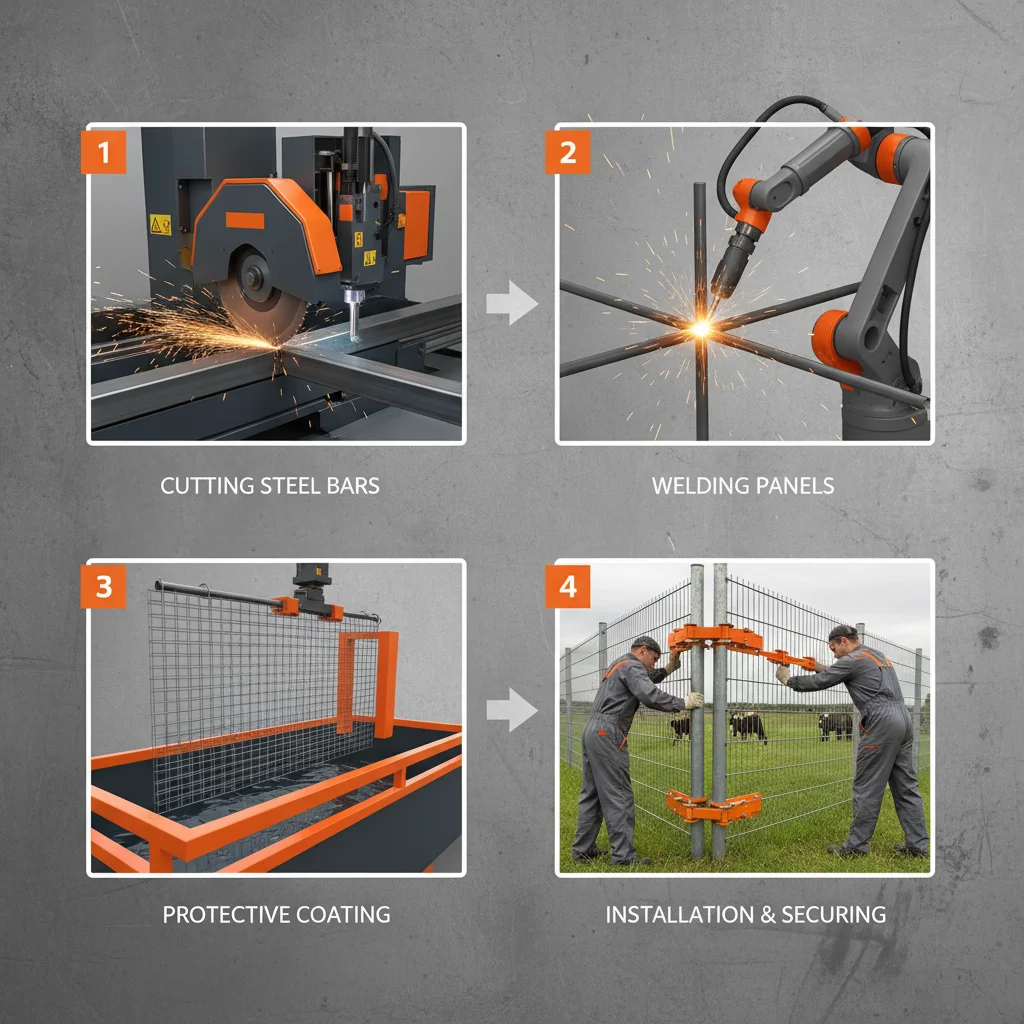
Essential Fencing Panels for Livestock Management and Farm Productivity Fencing panels for livestock are essential components in modern animal husbandry, playing a critical role in efficient farm management, animal welfare, and land utilization. Globally, the demand for robust and reliable fencing solutions is increasing due to the expanding livestock industry and the need to protect grazing lands from encroachment and predation. These panels aren’t simply barriers; they represent a vital investment in a farm's productivity and the health of its animals. Read More >26 Apr, 08
If you are interested in our products, you can choose to leave your information here, and we will be in touch with you shortly.


