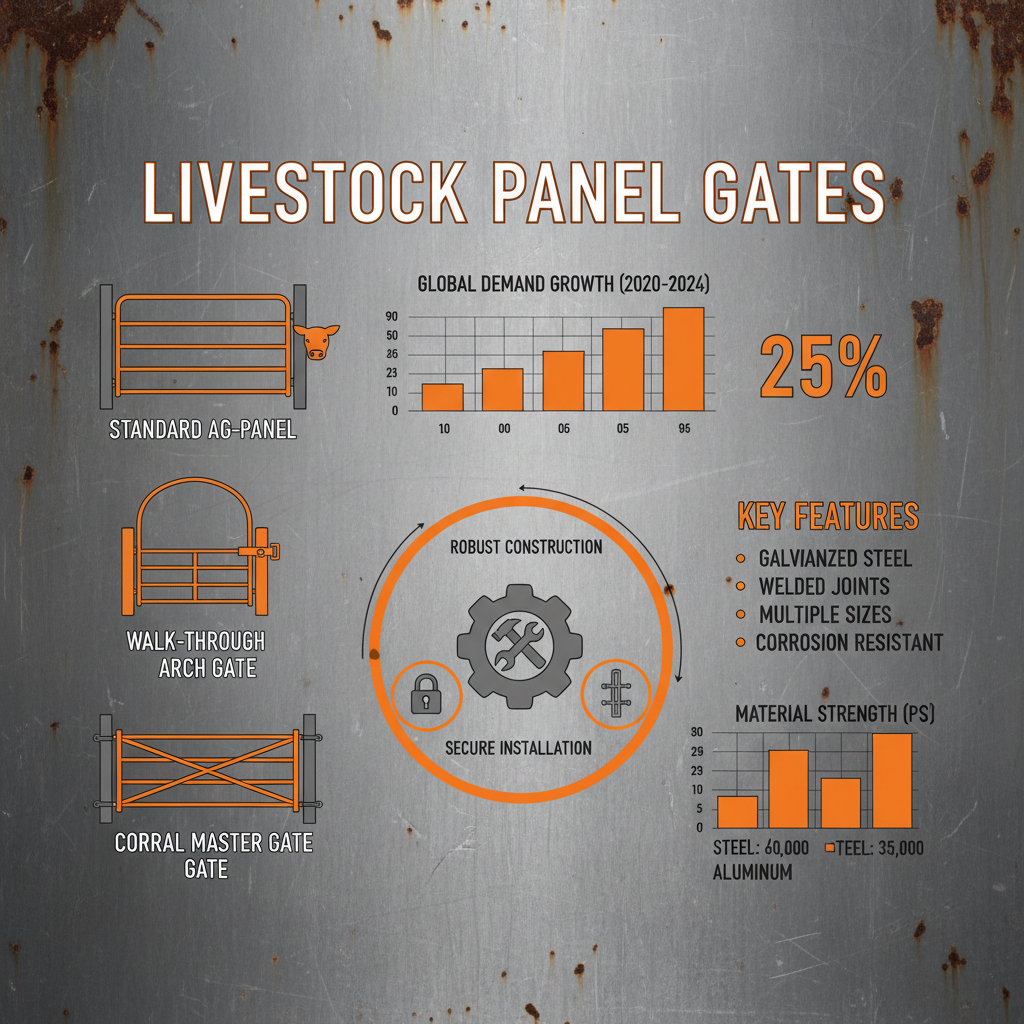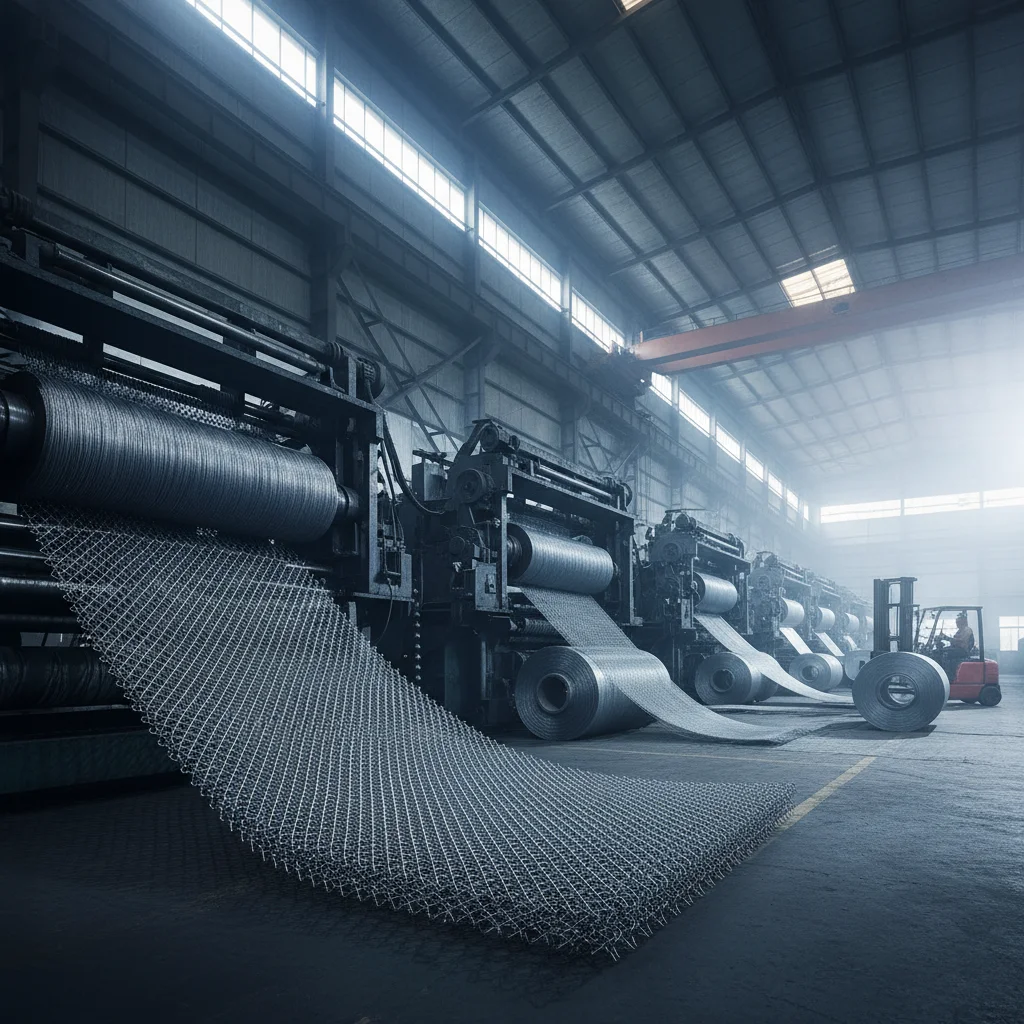

Efficient animal containment is the cornerstone of modern agriculture, and the implementation of high-quality livestock panel gates has revolutionized how farmers manage their herds. These specialized gating systems provide a critical balance between security and accessibility, ensuring that livestock remain safe while allowing handlers to move animals between pens with minimal stress. By integrating heavy-duty materials with ergonomic designs, these gates reduce the physical labor required for daily farm operations.
On a global scale, the shift toward precision livestock farming has increased the demand for modular and durable containment solutions. Whether managing cattle, sheep, or swine, the ability to quickly configure and secure areas using livestock panel gates allows for better disease control, improved breeding management, and enhanced animal welfare. The versatility of these panels makes them indispensable for both permanent facility installations and temporary grazing setups.
Understanding the technical nuances of wire mesh and tubular steel construction is essential for any livestock operator looking to maximize their investment. From galvanized coatings that prevent rust in humid environments to reinforced weld points that withstand the pressure of heavy animals, the right choice of gate can significantly lower long-term maintenance costs. This guide explores the comprehensive utility, technical specifications, and future trends of these essential agricultural tools.
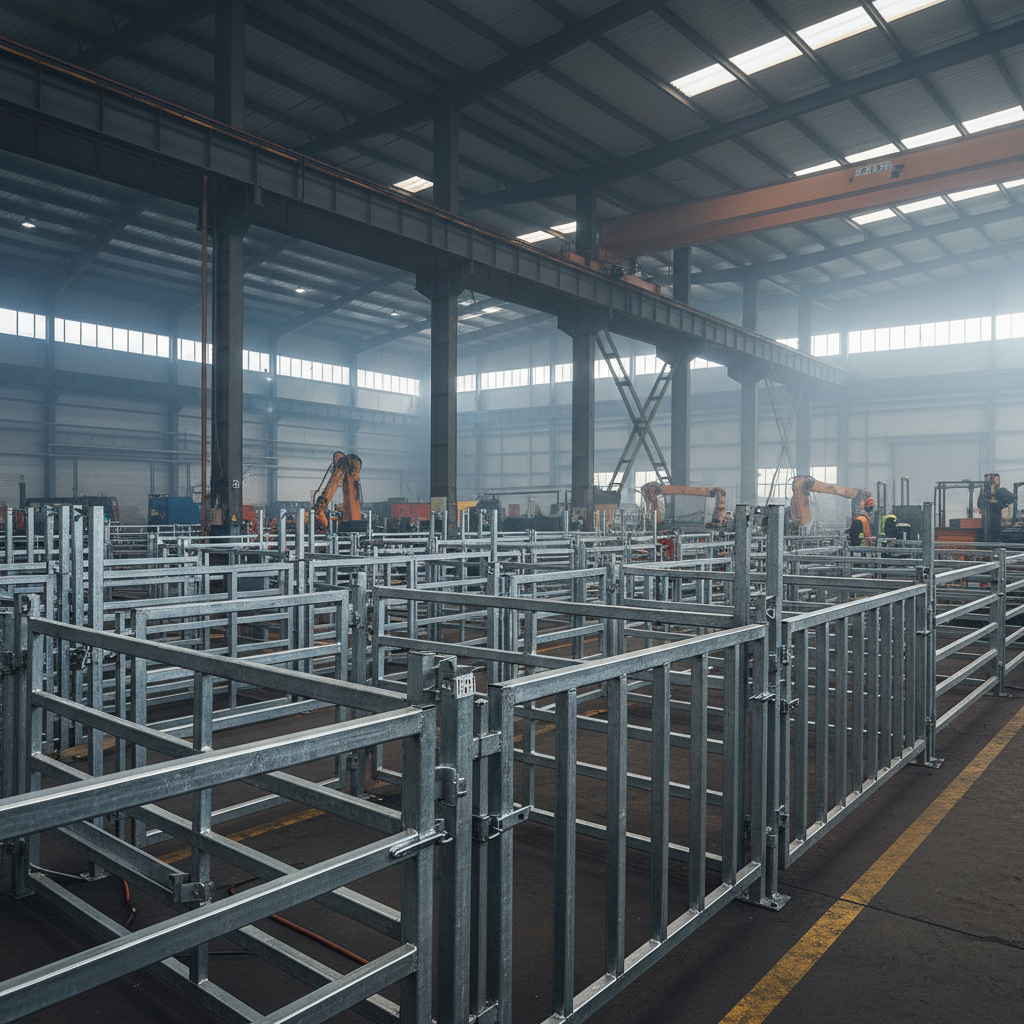
The global livestock industry is under increasing pressure to optimize productivity while adhering to stricter animal welfare standards. According to data aligned with FAO and World Bank agricultural trends, the modernization of fencing and gating systems is a key driver in reducing animal stress and injury. The adoption of professional livestock panel gates allows for a more structured environment, which is crucial for the scaled production required to meet rising global protein demands.
In many developing regions, traditional wooden or makeshift fencing often fails, leading to livestock loss or predation. The introduction of standardized, galvanized steel panels provides a sustainable alternative that reduces long-term capital expenditure. By utilizing modular designs, farmers can adapt their infrastructure to varying herd sizes and species, ensuring that the containment system evolves alongside the business.
In simple technical terms, livestock panel gates are heavy-duty, movable or fixed barriers constructed from high-strength steel tubing and wire mesh. Unlike residential gates, these are engineered to withstand the immense lateral pressure exerted by large animals, such as cattle or pigs, while maintaining structural integrity over years of outdoor exposure.
Beyond mere containment, these gates serve as critical interfaces in the management of livestock. They are often designed as part of a broader system including temporary fence panels and wire mesh fencing, creating a cohesive ecosystem that facilitates sorting, medical treatment, and rotational grazing. The modularity of modern panels allows them to be interlocked, creating secure corridors and holding pens in minutes.
From a humanitarian and industrial perspective, the availability of standardized gating systems supports food security by enabling more efficient farm management. When animals are safely contained and easily handled, the risk of zoonotic disease spread is reduced, and the efficiency of veterinary interventions is greatly increased, benefiting both the producer and the end consumer.
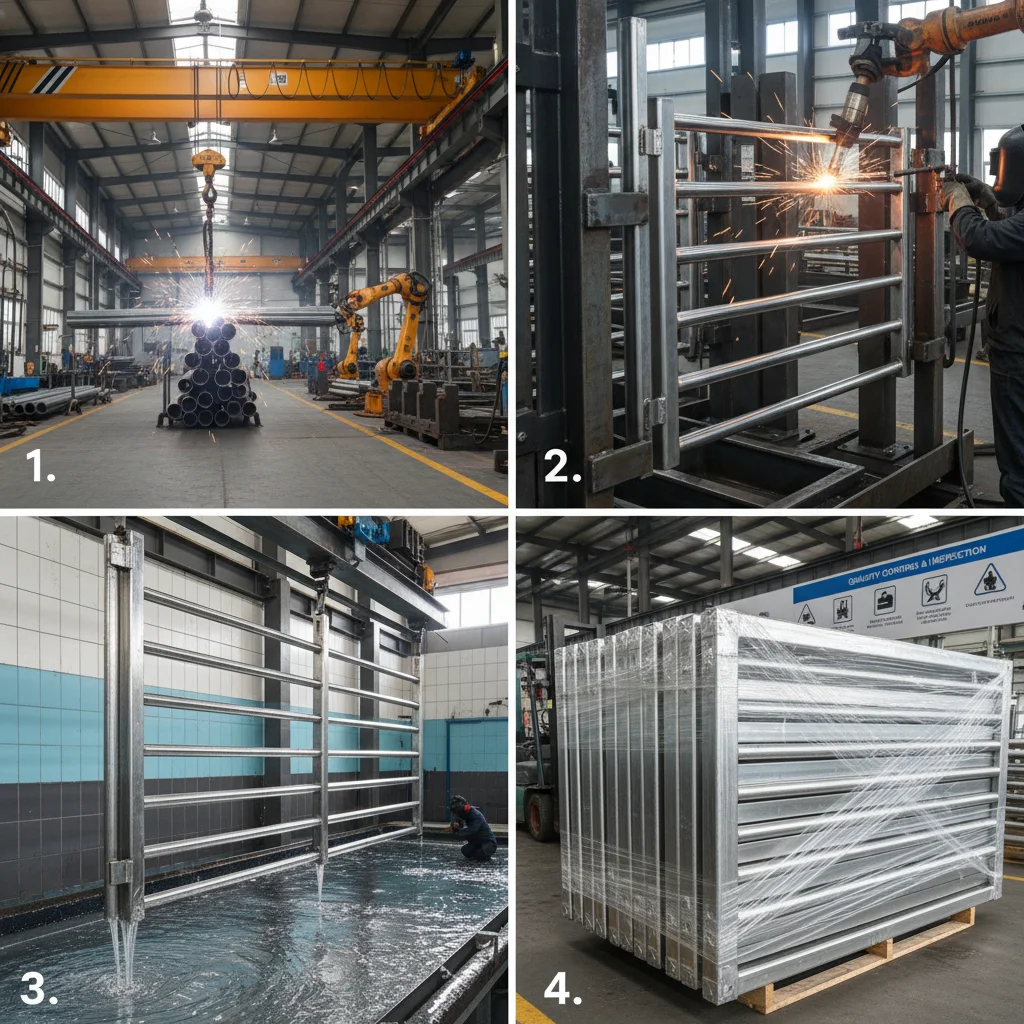
The primary factor in the longevity of livestock panel gates is the quality of the steel and the coating process. Hot-dip galvanization is the gold standard, providing a thick layer of zinc that protects the underlying steel from oxidation and corrosion, even in salty coastal air or acidic manure environments.
Structural integrity is further ensured through reinforced weld points. High-frequency welding ensures that the intersection of the horizontal rails and vertical bars in livestock panel gates does not crack under the stress of an animal leaning or pushing against the gate, a common failure point in lower-grade products.
Finally, the locking mechanisms and hinges are critical for operational efficiency. Heavy-duty slam latches and reinforced pivots allow for one-handed operation, which is essential when a handler is managing a stubborn animal. The combination of these high-grade components transforms a simple barrier into a professional piece of agricultural equipment.
Across North America and Australia, livestock panel gates are extensively used in rotational grazing systems. By creating temporary paddocks, farmers can prevent overgrazing and naturally manage parasite loads in the soil, leading to healthier livestock and more sustainable land use.
In industrial livestock hubs, such as those in the EU or China, these panels are used to create sophisticated sorting alleys and treatment chutes. This allows for the rapid identification and isolation of sick animals without disturbing the rest of the herd, which is vital for maintaining biosecurity protocols in large-scale operations.
Investing in premium livestock panel gates provides immediate tangible benefits in terms of labor reduction. The ease of deployment and reconfiguration means that fewer man-hours are spent on fence maintenance and herd movement, allowing farm owners to focus on higher-value management tasks.
Beyond the balance sheet, there is a significant emotional and safety value. Secure gates prevent animal escapes, which can be catastrophic if livestock wander onto public roads or into neighboring crops. More importantly, the stability of professional gating protects the handlers from accidental injury during the movement of heavy animals, fostering a culture of safety and trust on the farm.
The next generation of livestock panel gates is moving toward "smart containment." We are seeing the integration of IoT sensors within the gate frames that can automatically track the number of animals passing through or detect if a gate has been left open, sending an instant alert to the farmer's smartphone.
Material science is also evolving, with the introduction of high-tensile, lightweight alloys that offer the same strength as traditional steel but are significantly easier to transport and install. This reduction in weight is particularly beneficial for remote industrial zones where heavy machinery for installation may not be available.
Sustainability is becoming a core focus, with manufacturers adopting green energy in the galvanization process and using recycled steel. These eco-friendly livestock panel gates allow agricultural businesses to reduce their carbon footprint while maintaining the rigorous standards required for animal containment.
One of the most frequent challenges is the mismatch between gate specifications and the specific behavior of the livestock species. For example, pigs are more prone to rooting and pushing at the bottom of the gate, whereas cattle apply more pressure to the upper rails. Solving this requires a tailored approach to panel selection, opting for reinforced lower bars for swine.
Another common issue is the degradation of locking mechanisms due to mud and debris buildup. Expert insight suggests the use of stainless-steel hardware and regular lubrication with graphite-based lubricants to ensure that livestock panel gates remain functional in the harshest outdoor conditions.
Finally, improper installation can lead to "gate sag," where the panel tilts over time. The solution lies in the use of reinforced corner posts and adjustable hinge pins that allow the user to re-level the gate without needing to dismantle the entire fence line, ensuring long-term operational reliability.
| Panel Material | Species Compatibility | Durability Score (1-10) | Installation Effort |
|---|---|---|---|
| Hot-Dip Galvanized Steel | Cattle/Horses | 10 | Moderate |
| Powder-Coated Tubing | Sheep/Goats | 7 | Low |
| Reinforced Weld Mesh | Swine/Pigs | 9 | Moderate |
| Lightweight Alloy | Calves/Lambs | 6 | Very Low |
| Heavy-Duty Tubular | Bulls/Heavy Cattle | 10 | High |
| Standard Wire Panel | Small Livestock | 5 | Low |
Professional livestock panel gates are engineered from galvanized steel, providing significantly higher strength-to-weight ratios and corrosion resistance compared to wood. They do not rot, warp, or splinter, reducing the risk of injury to animals and handlers. Additionally, their modular nature allows for rapid reconfiguration, which is impossible with fixed wooden structures.
When hot-dip galvanized to ISO standards, livestock panel gates can last 20 to 50 years depending on the environment. The zinc coating acts as a sacrificial anode, preventing the steel core from rusting even when exposed to moisture and animal waste. For extreme coastal areas, additional epoxy coatings can further extend this lifespan.
While many panels are versatile, it is best to match the gate design to the animal. For example, cattle require wider rails and heavier tubing to withstand their weight, while pigs require tighter mesh or reinforced lower rails to prevent rooting. Using a cattle gate for pigs might leave gaps they can squeeze through, whereas a pig gate might be too fragile for a bull.
Yes, modular livestock panel gates are specifically designed for portability. They typically feature standardized dimensions that fit efficiently on trailers or flatbeds. Because they utilize a pin-and-loop or slam-latch system, they can be assembled and disassembled by a small team without the need for heavy welding equipment in the field.
Gate sag is usually caused by poor post stability or worn hinges. To prevent this, ensure your corner posts are deeply anchored in concrete or heavy-duty soil anchors. Using adjustable hinge pins allows you to periodically re-level the gate. Regularly checking the tightness of the bolts and lubricating the pivots also helps maintain a perfect swing.
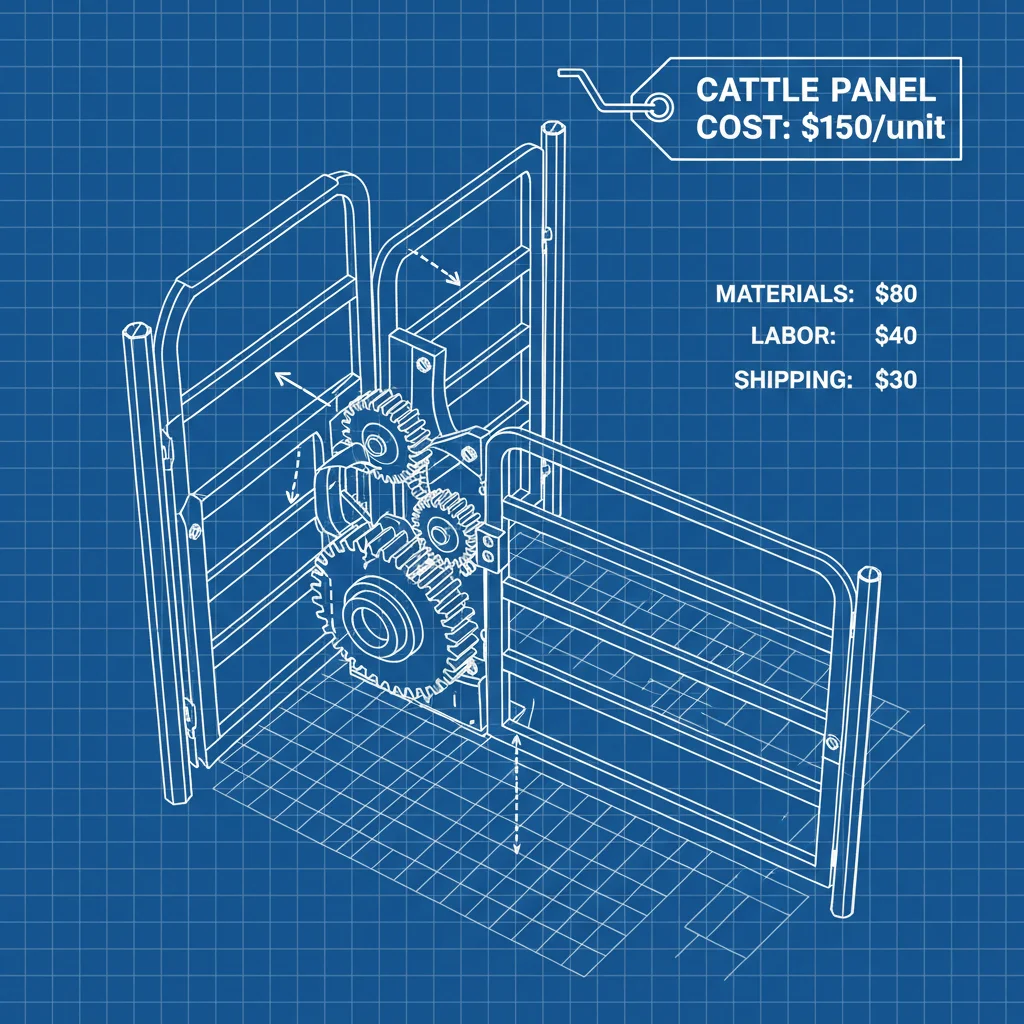
The most cost-effective way to import livestock panel gates is through bulk shipping of knockdown (KD) components. By shipping the rails and mesh in a flat-packed configuration and assembling them on-site, importers can drastically reduce shipping volume and costs while maintaining the high quality of factory-galvanized steel.
In summary, the adoption of high-quality livestock panel gates is a strategic investment that enhances animal welfare, increases operational efficiency, and ensures the safety of farm personnel. By focusing on critical factors such as hot-dip galvanization, reinforced welding, and modular design, producers can create a flexible containment system that withstands the rigors of the agricultural environment while lowering long-term maintenance costs.
Looking forward, the integration of smart sensors and sustainable materials will further refine the utility of these systems. We encourage livestock managers to evaluate their current containment gaps and transition toward standardized, professional gating solutions to future-proof their operations. For those seeking industry-leading durability and precision engineering, we invite you to explore our comprehensive range of solutions. Visit our website: www.haotianmesh.com
If you are interested in our products, you can choose to leave your information here, and we will be in touch with you shortly.