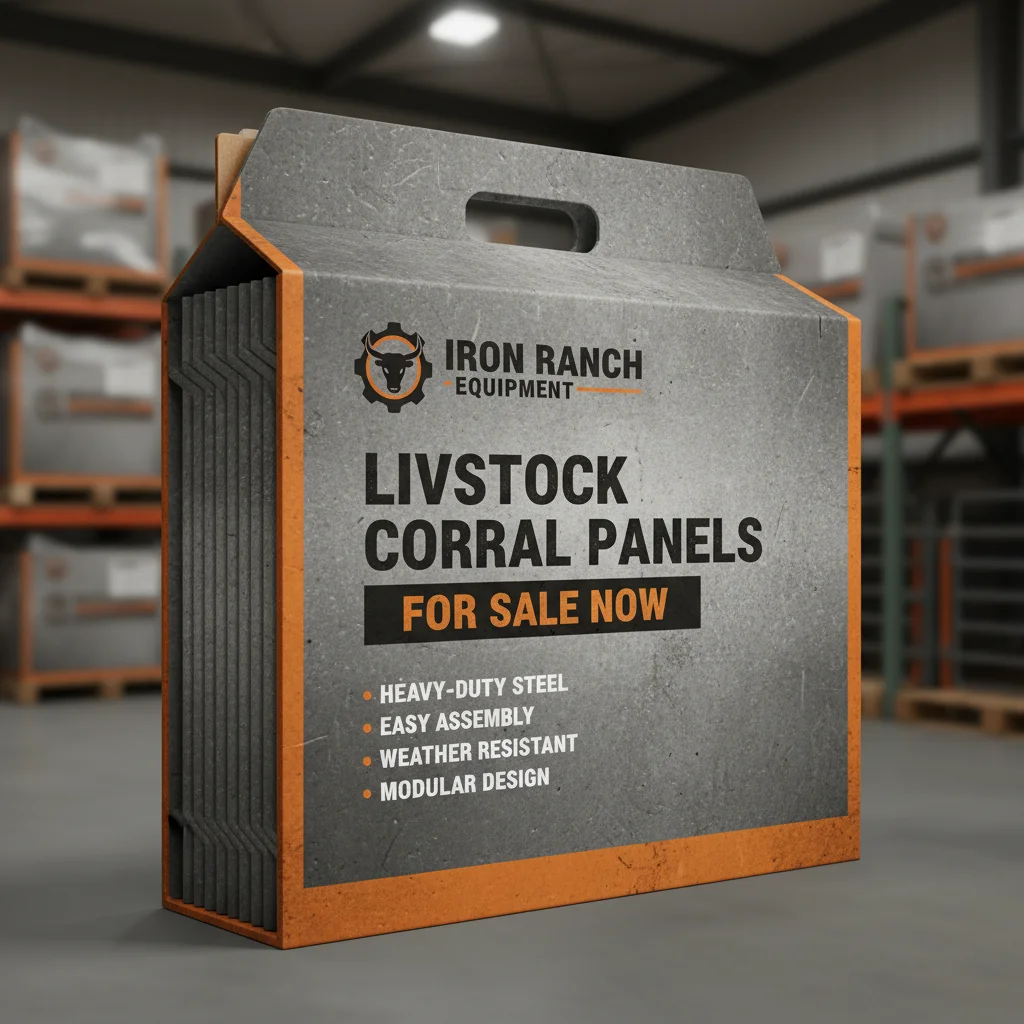
Effective livestock management requires a delicate balance between animal security and operational flexibility. For modern farmers and ranchers, the adoption of lightweight portable livestock panels has become a game-changer, allowing for the rapid reconfiguration of grazing areas and sorting pens without the need for permanent, labor-intensive infrastructure.
Across the globe, the shift toward regenerative agriculture and rotational grazing has intensified the demand for fencing solutions that are easy to transport and install. These panels provide a professional-grade containment system that minimizes stress on the animals while maximizing the efficiency of the workforce, reducing the physical toll of daily herd management.
Understanding the engineering behind these systems—from the choice of galvanized steel to the precision of the locking mechanisms—is essential for any operation looking to scale. By integrating lightweight portable livestock panels into their strategy, producers can ensure higher animal welfare standards and a more responsive approach to land management.
Global Context of Lightweight Portable Livestock Panels
The global livestock industry is currently facing a dual pressure: the need to increase protein production for a growing population and the urgent requirement to implement sustainable land-use practices. According to reports aligned with FAO standards, rotational grazing is one of the most effective ways to prevent soil degradation. However, the traditional method of building permanent fences is often too costly and ecologically disruptive, leading to the widespread adoption of lightweight portable livestock panels.
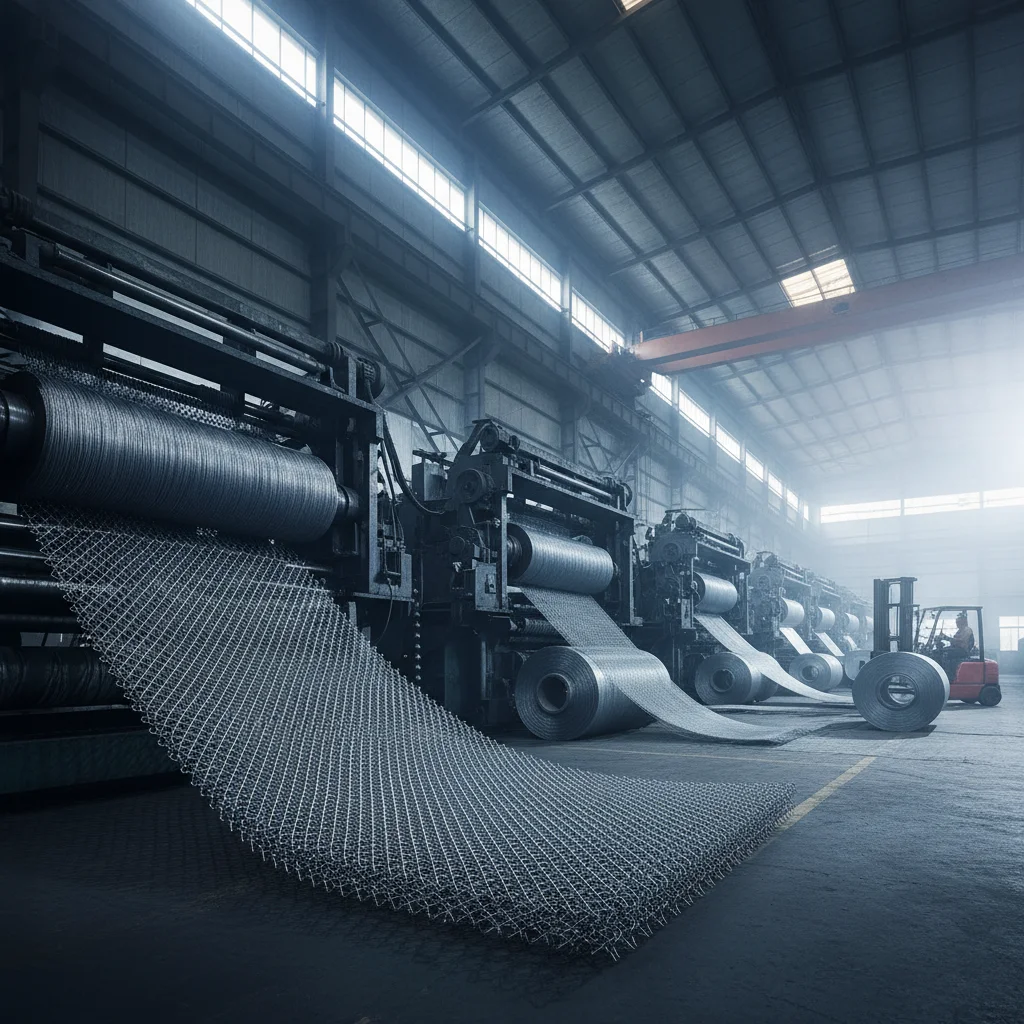
In regions like North America, Australia, and Brazil, where ranching spans thousands of acres, the ability to move livestock quickly to fresh pasture is critical. The challenge has always been the weight-to-strength ratio; panels that were strong enough to hold cattle were often too heavy for a single person to move. Modern engineering has solved this by using high-tensile wire mesh and optimized tubular frames, ensuring that mobility does not come at the expense of security.
Defining Lightweight Portable Livestock Panels
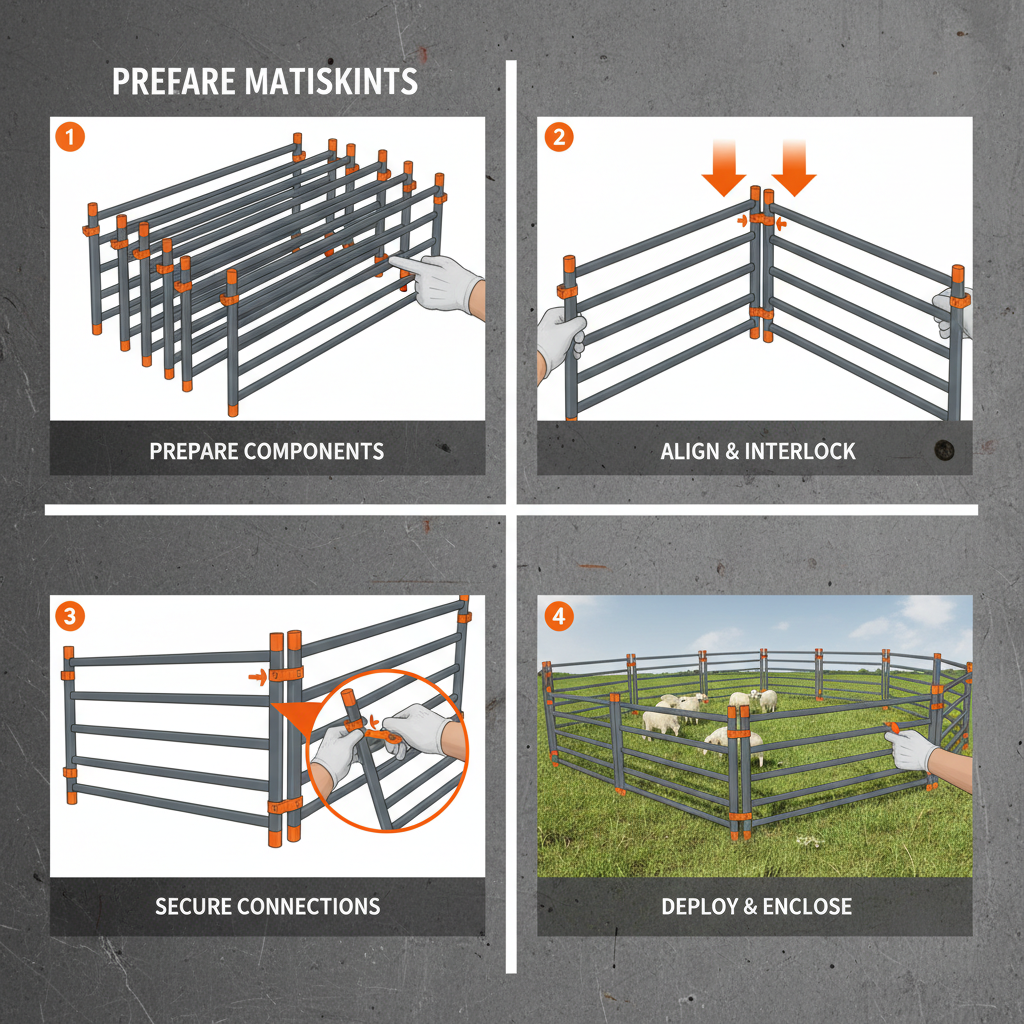
At its core, lightweight portable livestock panels are modular fencing units designed for rapid deployment and easy relocation. Unlike permanent posts and rails, these panels feature integrated locking mechanisms—such as slam-latches or pin-locks—that allow them to be connected into various configurations (circles, rectangles, or long corridors) within minutes.
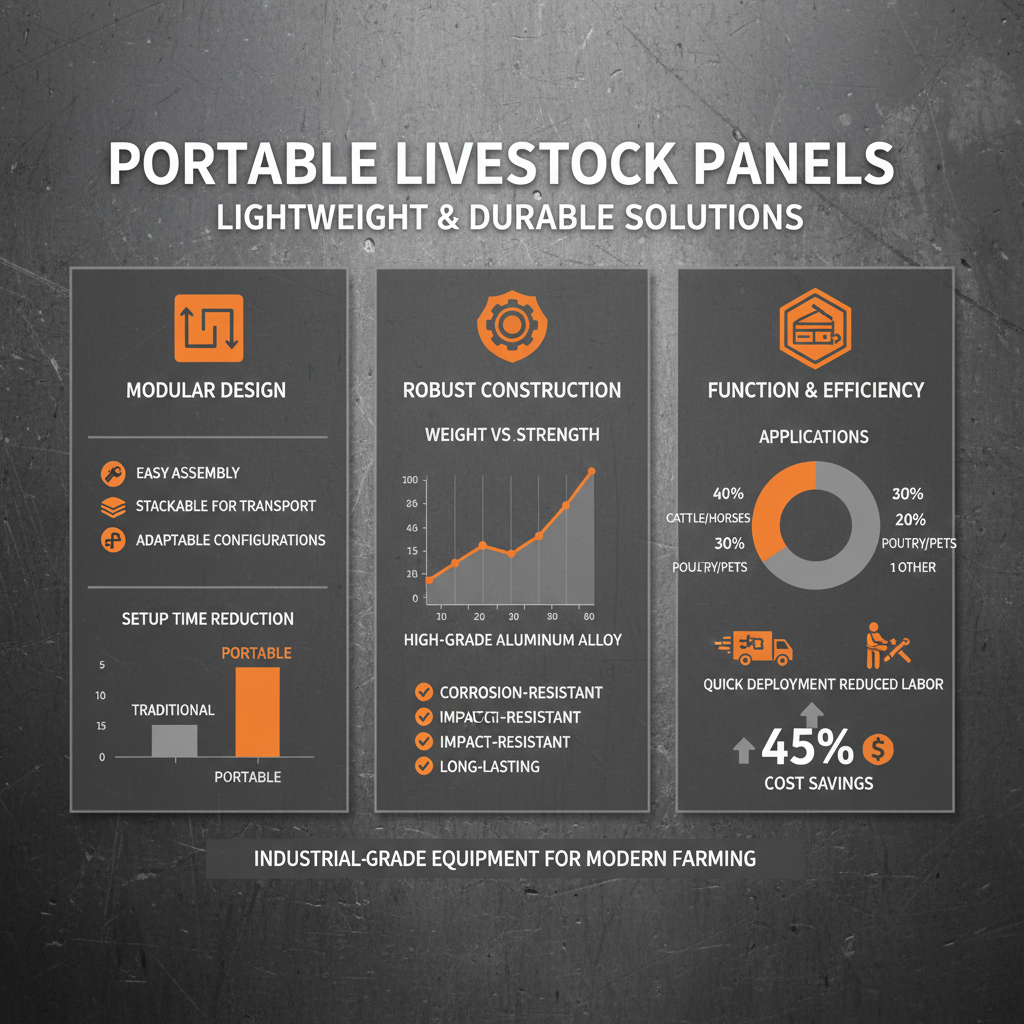
These systems are typically manufactured from galvanized steel or specialized alloys to resist corrosion from weather and animal waste. The "lightweight" aspect refers to the use of hollow-core structural tubing and high-strength wire mesh, which significantly reduces the overall mass of the unit while maintaining the structural integrity required to withstand the leaning or pushing of livestock.
From a broader industrial perspective, these panels represent a shift toward "agile farming." They serve not only as boundary markers but as essential tools for veterinary interventions, sorting, and temporary quarantine, bridging the gap between heavy-duty industrial containment and the need for operational fluidity in the field.
Core Components of High-Quality Livestock Panels
The durability of lightweight portable livestock panels starts with the material grade. Premium panels utilize hot-dipped galvanized steel, which creates a chemical bond between the zinc and the iron, ensuring that the panels do not rust even when exposed to acidic pastures or humid environments for years.
Equally important is the stability of the footprint. High-performance lightweight portable livestock panels often feature wide-base legs or adjustable feet that prevent the panel from sinking into soft mud or tipping over when livestock apply pressure, ensuring a secure perimeter at all times.
Finally, the connection system determines the speed of deployment. Professional-grade panels employ a "plug-and-play" locking mechanism that requires no tools for assembly. This allows a single operator to set up a temporary corral in a fraction of the time it would take to install traditional fencing, significantly reducing labor costs.
Performance Metrics for Portable Fencing
When evaluating different types of lightweight portable livestock panels, producers typically look at a set of Key Performance Indicators (KPIs). These include the strength-to-weight ratio, the speed of assembly, and the resistance to environmental corrosion. A panel that is too light may fail under the pressure of a panicked animal, while one that is too heavy defeats the purpose of portability.
By analyzing various design methods, we can see a clear distinction in efficiency. For instance, panels utilizing high-tensile welded wire mesh generally offer better visibility and airflow for the animals while maintaining a lower weight profile compared to heavy steel bars.
Comparison of Livestock Panel Design Efficiencies
Global Applications and Field Use Cases
The versatility of lightweight portable livestock panels makes them indispensable in various scenarios. In the United States and Canada, they are frequently used for "calving pens," providing a secure, temporary environment for cows and their newborns that can be moved closer to the farmhouse for easier monitoring.
Beyond commercial farming, these panels are critical in emergency livestock evacuation during natural disasters. When floods or wildfires threaten grazing lands, NGOs and government agencies deploy portable fencing to create rapid-response holding areas, ensuring animals are kept safe and organized during the relocation process.
Long-term Value and Sustainability Benefits
Investing in high-quality lightweight portable livestock panels provides significant long-term financial value. By eliminating the need for permanent fencing in rotational grazing, farmers reduce the amount of materials left in the ground, which prevents soil contamination and reduces the cost of land reclamation.
From an animal welfare perspective, the flexibility of portable panels reduces animal stress. Producers can create narrower, more controlled corridors for sorting, which minimizes the need for aggressive herding techniques. This leads to healthier livestock and a lower risk of injury to both the animals and the handlers.
Furthermore, the sustainability of these products is found in their longevity. When manufactured using E-E-A-T compliant industrial standards, these panels last for decades. The ability to replace a single damaged panel rather than an entire fence line ensures a lower lifetime cost of ownership and a smaller environmental footprint.
Future Innovations in Livestock Containment
The future of lightweight portable livestock panels is leaning toward the integration of smart materials. We are seeing the emergence of carbon-fiber reinforced polymers that offer the strength of steel at a fraction of the weight, potentially allowing for one-person deployment of even larger panel sizes.
Digital transformation is also playing a role. Some innovative designs are incorporating RFID-compatible mounting points, allowing farmers to integrate automated counting and tracking sensors directly into the fence line. This turns a simple physical barrier into a data-gathering tool for precision livestock farming.
As global policies shift toward "green" agriculture, the manufacturing process for these panels is also evolving. The use of recycled steel and low-emission galvanizing processes is becoming the industry standard, ensuring that the tools used to protect the land are also protecting the planet.
Analysis of Lightweight Portable Livestock Panel Material Evolution
| Material Type |
Weight Rating |
Durability Score |
Deployment Speed |
| Standard Galvanized Steel |
Moderate |
9/10 |
Fast |
| High-Tensile Mesh |
Low |
8/10 |
Very Fast |
| Aluminum Alloy |
Very Low |
7/10 |
Instant |
| Reinforced Polymer |
Ultra Low |
6/10 |
Instant |
| Powder-Coated Steel |
Moderate |
8/10 |
Fast |
| Hybrid Composite |
Low |
9/10 |
Very Fast |
FAQS
The primary advantage is flexibility. Traditional fencing is permanent and requires significant labor to install and remove. Lightweight portable livestock panels allow farmers to move their animals to different pastures in minutes, which is essential for rotational grazing and improving soil health. They also require no digging or permanent posts, reducing the impact on the land.
High-quality panels are engineered using high-tensile galvanized steel and reinforced joints. While they are "lightweight" for transport, they are designed to withstand the significant lateral pressure of cattle or sheep. The use of a wide-base support system ensures they remain upright even when animals lean against them.
Yes, provided they are hot-dipped galvanized. This process creates a thick zinc coating that prevents oxygen and moisture from reaching the steel. This makes them highly resistant to the corrosive effects of rain, snow, and animal waste, ensuring a lifespan of many years in harsh outdoor conditions.
Absolutely. One of the core design goals of lightweight portable livestock panels is to enable single-person operation. With the integration of slam-latches and lightweight alloys, a single worker can move and lock panels into place without needing a second person or heavy machinery for assistance.
The choice depends on the animal's size and temperament. For smaller livestock like sheep or goats, a lighter mesh panel is sufficient. For cattle, you need a higher panel height and a reinforced tubular frame to prevent animals from jumping or pushing through. We recommend checking the weight rating and height specifications before purchase.
Yes. They are eco-friendly because they support rotational grazing, which sequesters carbon and prevents overgrazing. Cost-effectiveness comes from the reduced labor costs for installation and the long lifespan of the materials, which prevents the need for frequent replacements.
Conclusion
In summary, lightweight portable livestock panels represent a critical evolution in agricultural infrastructure. By blending high-strength materials with intuitive, modular design, these systems solve the age-old conflict between the need for secure animal containment and the requirement for operational mobility. From improving animal welfare to promoting sustainable land management, the value of these panels extends far beyond simple fencing.
As the industry moves toward a more data-driven and environmentally conscious future, the adoption of agile tools like portable panels will only increase. We encourage producers to evaluate their current infrastructure and consider how a shift toward modularity can reduce labor costs and increase the health of their livestock and land. For high-quality, durable solutions, visit our website: www.haotianmesh.com.