In the demanding world of agricultural management, the need for flexible and robust containment solutions has never been more critical. freestanding livestock panels offer a sophisticated answer to the challenges of animal handling, providing a secure yet adaptable barrier that does not require permanent installation or deep grounding. By allowing farmers and ranchers to redefine their spatial layouts in minutes, these panels maximize the efficiency of existing infrastructure while ensuring the safety of both the handlers and the livestock.
Globally, the shift toward precision livestock farming and high-animal-welfare standards has increased the demand for high-quality temporary fencing. Whether it is for sorting cattle, managing sheep during shearing, or creating emergency quarantine zones, the versatility of these systems reduces stress for the animals and minimizes the physical labor required for setup. The ability to deploy a secure perimeter without the need for post-digging makes them an essential tool for modern veterinary care and livestock logistics.
Understanding the nuances of material science—from galvanized steel to powder-coated finishes—allows operators to choose the right equipment for their specific environment. This guide explores the technical advantages, global applications, and future innovations surrounding freestanding livestock panels, providing a comprehensive resource for those seeking to optimize their animal containment strategies through sustainable and durable engineering.
Global Industry Context of Freestanding Livestock Panels
The global livestock industry is currently undergoing a massive transition toward "low-stress handling" (LSH) techniques. According to reports aligned with ISO standards for agricultural equipment, the implementation of flexible barriers like freestanding livestock panels significantly reduces cortisol levels in cattle and swine, which directly correlates to better meat quality and higher animal productivity. In North America and Australia, where large-scale ranching is prevalent, the ability to move thousands of head of cattle through temporary chutes without permanent construction has become a standard operational requirement.
However, the industry faces a persistent challenge: the battle between durability and portability. Traditional heavy-gauge steel panels were nearly impossible for a single worker to move, while lightweight alternatives often collapsed under the pressure of a panicked animal. The evolution of these panels represents a critical intersection of metallurgy and animal behavior science, aiming to provide a "invisible" yet unbreakable boundary that protects the animal's psychological well-being and the operator's physical safety.
Defining Modern Freestanding Livestock Panels
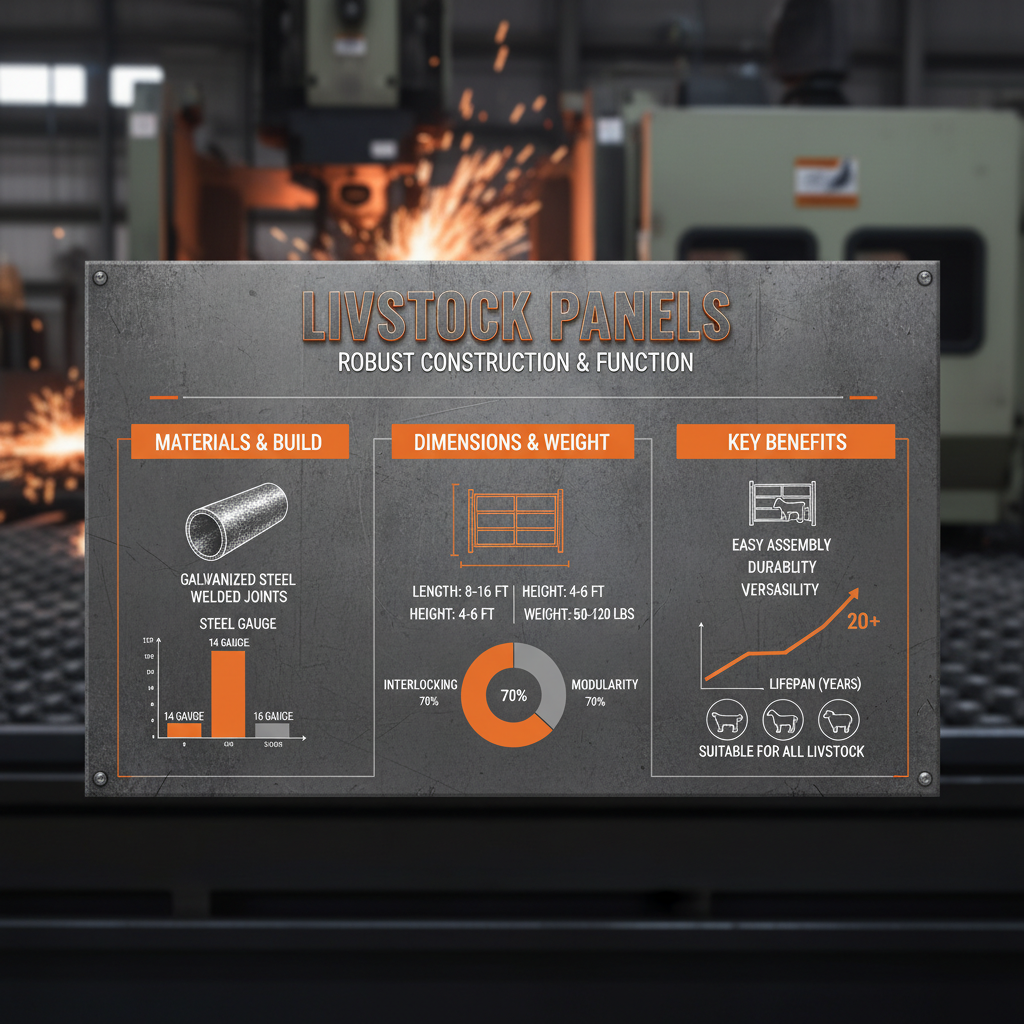
At its core, a freestanding livestock panel is a prefabricated structural barrier designed to stand upright on its own, typically utilizing integrated feet, wide bases, or interlocking connector systems that distribute weight and resist lateral force. Unlike traditional fencing that requires digging holes and setting posts in concrete, these panels are designed for rapid deployment and intuitive reconfiguration, making them the "modular furniture" of the agricultural world.
From a technical perspective, these systems are often constructed from high-tensile galvanized steel or reinforced wire mesh, ensuring they can withstand the corrosive effects of ammonia in barns and the harsh elements of open pastures. The "freestanding" nature is achieved through a clever balance of gravity and friction; the center of gravity is kept low, while the connection points between panels create a cohesive chain that prevents individual units from tipping.
In today's humanitarian and industrial contexts, these panels extend beyond simple farming. They are used in emergency livestock evacuations during floods or wildfires, where NGOs and government agencies must quickly establish safe zones for displaced animals. This ability to provide immediate, secure shelter transforms them from a mere tool into a critical asset for biosecurity and disaster resilience.
Core Components and Engineering Factors
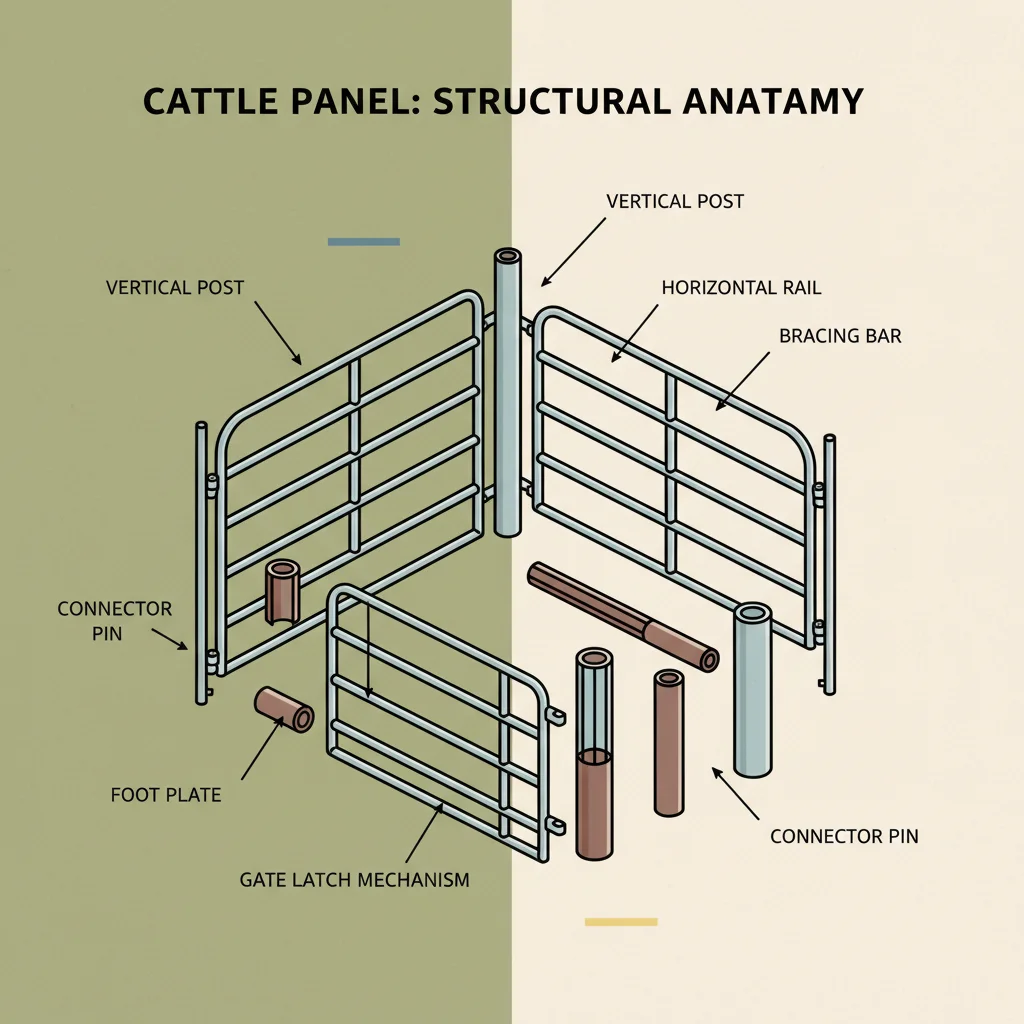
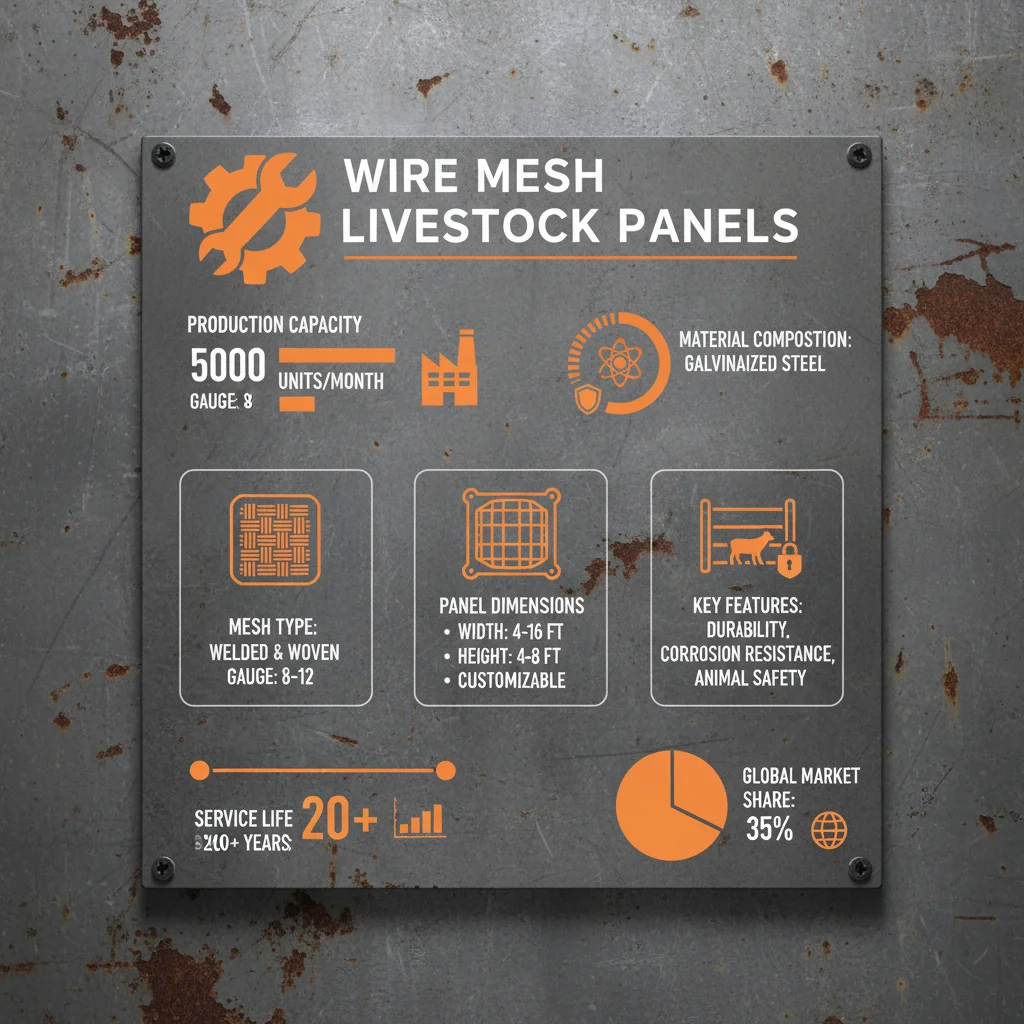
The effectiveness of freestanding livestock panels depends heavily on the quality of their structural components. The primary frame is usually composed of hot-dipped galvanized steel, which prevents rust and ensures a lifespan of over a decade even in humid environments. The choice of mesh—whether it is welded wire or woven steel—determines the panel's ability to resist "leaning" when animals press against it.
Crucial to the freestanding design are the support legs and interlocking pins. Modern engineering utilizes "anti-trip" footings that prevent the panels from sliding on slick concrete floors while ensuring they don't dig too deeply into soft soil. The locking mechanisms are designed for "one-hand operation," allowing a single handler to secure a line of panels quickly, which is vital during high-stress animal movements.
Furthermore, scalability is a key engineering factor. By utilizing standardized dimensions, these panels can be expanded from a small treatment pen into a massive sorting alley. The integration of reinforced corners and stress-relief welds ensures that the panels do not warp or bend at the connection points, maintaining the integrity of the perimeter regardless of the animal's size or weight.
Practical Applications and Global Use Cases
The application of freestanding livestock panels varies wildly across different geographic and industrial landscapes. In the European Union, where strict animal welfare regulations (such as those from the EFSA) are enforced, these panels are used to create "rotational grazing" zones. This allows farmers to move animals frequently to prevent overgrazing and reduce parasite loads without the expense of permanent fencing.
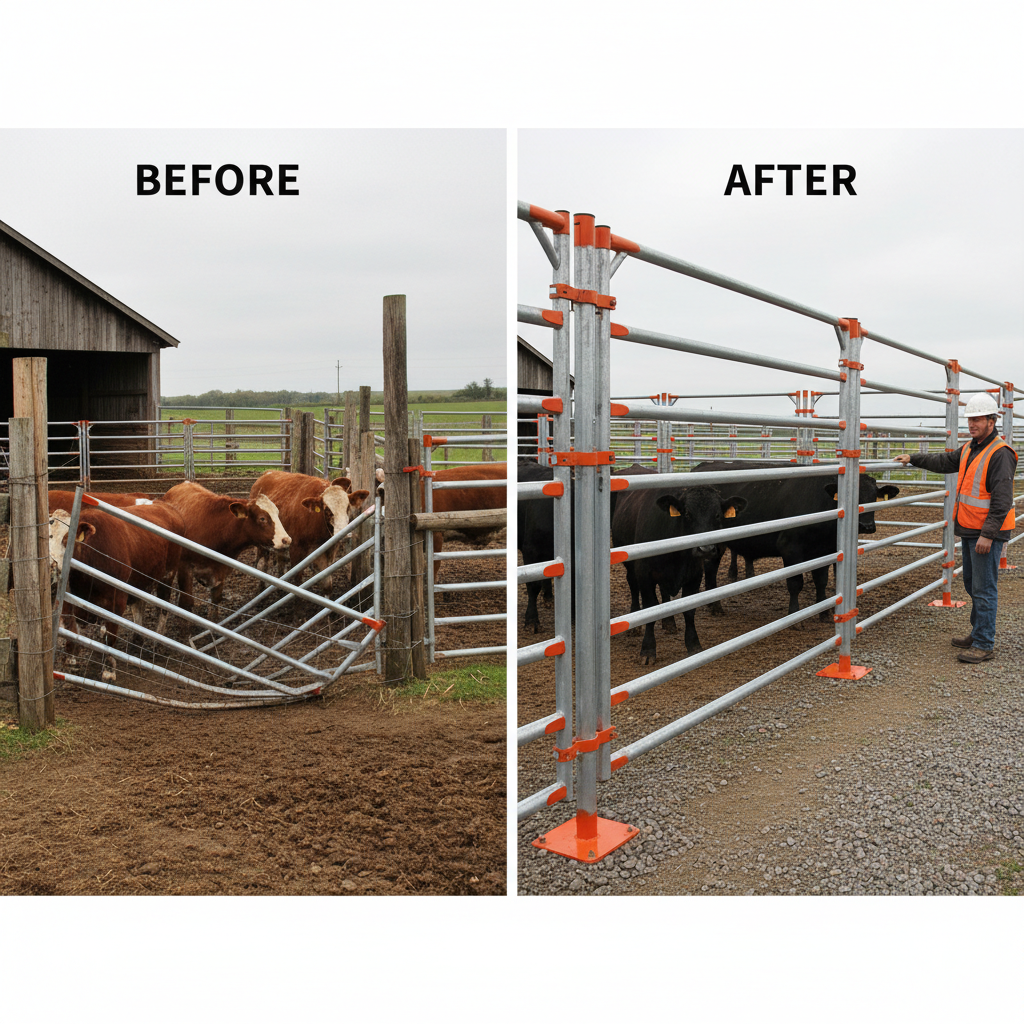
In remote industrial zones or large-scale feedlots in Brazil and the USA, these panels are indispensable for "sorting and drafting." When a specific group of livestock needs medical attention or must be separated for market, the panels are configured into a V-shaped alley, guiding the animals efficiently without causing the panic associated with traditional wooden hurdles.
Comparative Efficiency of Livestock Containment Methods
Long-Term Value and Economic Advantages
Investing in high-quality freestanding livestock panels provides a significant return on investment (ROI) by reducing labor costs and minimizing animal loss. When fences are easy to set up and tear down, the man-hours required for livestock rotation and health checks are slashed. Furthermore, the durability of galvanized steel means that these assets do not need to be replaced every few seasons, unlike wooden fences that rot or plastic barriers that degrade under UV exposure.
Beyond the balance sheet, there is a profound emotional and ethical value. A secure, well-designed panel system reduces the risk of animal injury and handler accidents. When animals feel safe and contained without the fear of breaking through a flimsy barrier, the entire farm atmosphere becomes calmer. This trust between the animal and the handler is an intangible asset that leads to higher productivity and a more sustainable agricultural practice.
Future Trends in Livestock Containment Technology
The future of freestanding livestock panels is leaning heavily toward "Smart Agriculture." We are seeing the integration of lightweight, high-strength alloys—such as aerospace-grade aluminum—which maintain the rigidity of steel while drastically reducing weight for easier transport. Additionally, some manufacturers are experimenting with anti-microbial coatings that prevent the spread of zoonotic diseases between pens, turning a physical barrier into a biosecurity tool.
Sustainability is another driving force. The industry is moving toward a circular economy, where panels are designed for 100% recyclability at the end of their lifecycle. The use of eco-friendly powder coatings is replacing traditional chemical primers, ensuring that the panels do not leach toxins into the soil of organic farms.
Furthermore, we anticipate the integration of IoT sensors into the panel frames. Imagine a freestanding panel that can detect the pressure of an animal leaning against it and send an alert to the farmer's smartphone, indicating animal stress or a potential breach. This digital transformation will allow for real-time monitoring of livestock behavior without the need for constant human presence.
Overcoming Common Implementation Challenges
Despite their advantages, some users struggle with the initial setup of freestanding livestock panels on uneven terrain. When the ground is sloped, the "freestanding" balance can be compromised. The professional solution is the use of adjustable-height feet or the strategic use of "anchor stakes" that provide additional stability without requiring a permanent installation.
Another common issue is the accumulation of debris and waste at the base of the panels, which can lead to localized corrosion. To combat this, expert installers recommend choosing panels with "raised foot" designs that allow for easier cleaning and better airflow underneath the barrier. Regular maintenance, such as applying a cold-galvanizing spray to any scratches, can extend the life of the panels indefinitely.
Finally, the challenge of transportation for large quantities of panels is often solved through nested design. By slightly tapering the frames, panels can be stacked tightly together, reducing shipping volume and costs. This logistical efficiency makes the global import of these systems viable for smaller farms in developing regions.
Technical Analysis and Comparison of Livestock Panel Specifications
|
Material Grade
|
Stability Score (1-10)
|
Weight Class
|
Primary Use Case
|
|
Hot-Dipped Galvanized Steel
|
9.5
|
Heavy
|
Heavy Cattle & Bull Pens
|
|
Powder-Coated Alloy
|
8.0
|
Medium
|
Sheep & Goat Sorting
|
|
Reinforced Aluminum
|
7.0
|
Light
|
Temporary Vet Clinics
|
|
Welded Wire Mesh
|
8.5
|
Medium
|
General Livestock Handling
|
|
Industrial Grade Steel
|
10.0
|
Extra Heavy
|
High-Pressure Containment
|
|
Composite Polymer-Steel
|
6.5
|
Light-Medium
|
Calf & Lamb Nursery
|
FAQS
The primary advantage is flexibility. Permanent fencing locks you into a single layout, whereas freestanding panels can be moved and reconfigured in minutes. This allows for dynamic management of livestock, such as creating temporary isolation pens for sick animals or adjusting the size of a grazing area without the cost and labor of digging post holes and pouring concrete.
When constructed from hot-dipped galvanized steel, these panels can last 10-20 years depending on the environmental conditions. The galvanization process provides a sacrificial zinc layer that prevents rust. To maximize longevity, we recommend checking the connection pins for wear and applying a touch-up zinc spray to any areas where the coating has been scratched by animals or machinery.
Yes, provided you choose the "Industrial Grade" or "Heavy-Duty" specifications. Our heavy-duty freestanding livestock panels are engineered with reinforced frames and thicker gauge steel specifically to withstand the lateral pressure of large animals. For extremely aggressive livestock, we recommend using interlocking configurations that distribute the force across multiple panels, creating a reinforced wall.
Absolutely. While they are designed to be freestanding, they can be used on various terrains. On very soft or muddy ground, we suggest using the panels in conjunction with simple ground stakes or "sandbags" at the base to prevent shifting. The wide-foot design of modern panels helps distribute the weight, preventing them from sinking deeply into the mud compared to narrow-legged alternatives.
No, one of the core design goals of freestanding livestock panels is ease of deployment. Thanks to intuitive interlocking pins and lightweight yet rigid materials, a single operator can typically set up a standard sorting pen in a fraction of the time it would take to build a traditional hurdle. The "click-and-lock" systems ensure a secure fit without requiring specialized tools.
Our panels are designed with a "nested" architecture, meaning they stack perfectly on top of one another. This minimizes the footprint during transport. For long-distance shipping, they are typically palletized and shrink-wrapped, allowing them to be moved by standard freight carriers or small trailers. We recommend using straps to secure the stack to prevent shifting during transit.
Conclusion
In summary, freestanding livestock panels represent a vital evolution in agricultural infrastructure, blending the strength of industrial metallurgy with the flexibility required by modern animal husbandry. By prioritizing low-stress handling, durability, and rapid deployment, these systems not only improve the operational efficiency of the farm but also enhance the welfare of the animals. From the selection of galvanized materials to the implementation of smart, modular designs, the long-term value of these panels lies in their ability to adapt to the ever-changing needs of the livestock manager.
As we move toward a future of precision farming and heightened biosecurity, the role of adaptive containment will only grow. We encourage livestock owners and agricultural engineers to move away from rigid, permanent structures in favor of modular solutions that offer scalability and resilience. Investing in high-quality, engineered panels is not just a purchase of equipment, but a commitment to a more humane, efficient, and sustainable way of managing livestock globally. For more information on the best solutions for your farm, visit our website: www.haotianmesh.com