


Continuous Cattle Panels | Durable, Scalable Livestock Fencing Solutions
Continuous Cattle Panels: Why They Matter in Today’s Farming and Beyond
If you've ever seen those robust, linked metal panels forming long fences around farmland or livestock pens, you've probably glimpsed continuous cattle panels—but maybe didn't know what they're all about. These panels are more than just fencing; they represent a quietly crucial technology in animal husbandry, land management, and even humanitarian aid. Understanding continuous cattle panels isn't just for farmers; it's pivotal for industries striving for better livestock control, efficient space use, and durability that sustains harsh environments worldwide.
So why do continuous cattle panels earn global attention? Because they meld practicality with cost-efficiency and adaptability — vital ingredients in feeding growing populations and supporting sustainable agriculture.
Global Context: A Rising Demand for Durable Livestock Solutions
Did you realize the global cattle population surpassed 1.5 billion in recent years? According to FAO livestock data, this immense scale demands fencing solutions that can withstand everything from weather extremes to aggressive bulls. Continuous cattle panels stand out for their simple yet effective design that can be quickly deployed across expansive ranches or fragmented small farms.
But it’s not just about farming. The World Bank has highlighted rural development and food security as critical for reducing poverty. Fencing investments, including continuous panels, help secure livestock, preventing loss and theft, improving farmer livelihoods.
Yet challenges persist — poaching, environmental factors, and cost constraints push the need for more innovative fencing approaches that continuous panels try to address.
What Are Continuous Cattle Panels, Anyway?
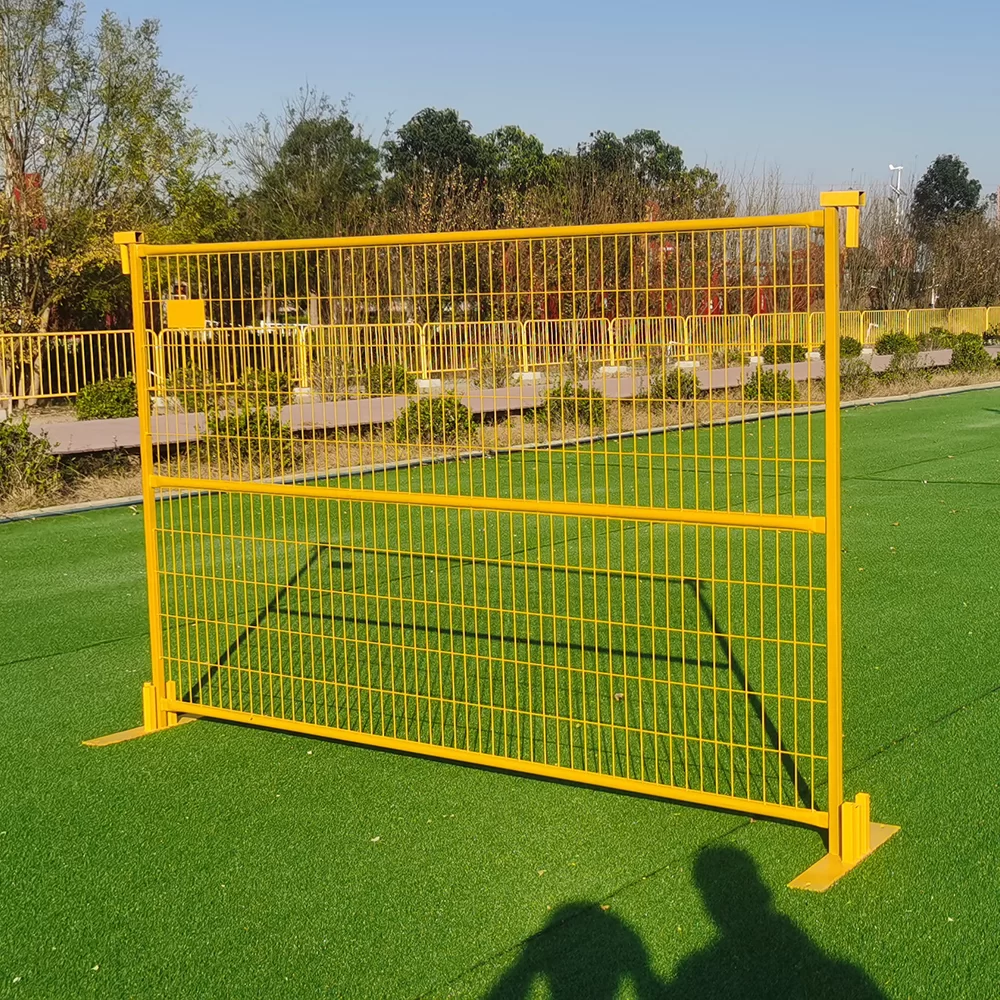
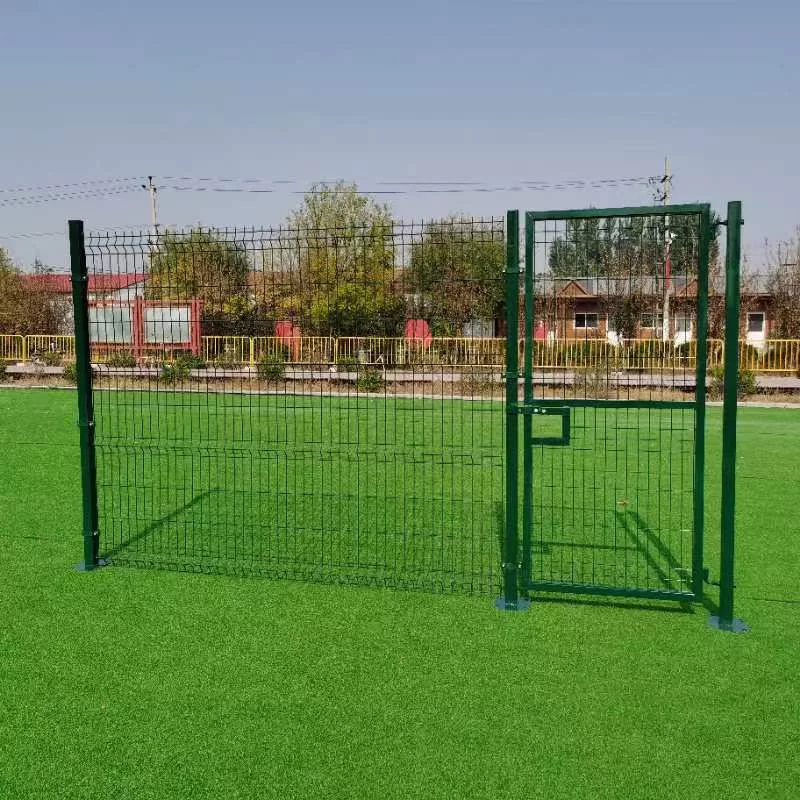
Simply put, continuous cattle panels are long, sturdy metal fences made from welded wire mesh or tubular steel, designed to connect seamlessly without gaps. Unlike traditional individual panels or posts, these panels come in extended lengths, hence “continuous,” allowing for efficient, gap-free enclosures that limit the chance for animals to escape or injure themselves.
These panels are especially relevant in modern livestock farming, but also find their way into wildlife management, industrial sites, and emergency shelters — wherever secure, resilient partitioning is essential.
Mini Takeaway:
Continuous cattle panels are all about creating long, durable, and safe enclosures that fit the evolving needs of both livestock and land management, on a scale that’s tough to achieve with conventional fencing.
Core Components That Make Continuous Cattle Panels Work
Durability
Most continuous cattle panels are galvanized or coated to resist rust and corrosion — a must-have since these spend years in harsh outdoor environments. Many engineers remark on how this longevity reduces repair costs dramatically compared to wooden fences.
Flexibility & Scalability
These panels can be merged endlessly, scaled up for large pastures or tailored for small pens. Their design suits irregular terrain because the panel materials flex with gentle bends, avoiding breakage.
Safety
The smooth surfaces and rounded edges on quality panels lower the risk of cattle injuries — a concern not just for animal welfare but also farmer insurance and liability. Continuous panels eliminate gaps that otherwise encourage scrambling or bruising.
Cost Efficiency
Though the upfront expense might seem higher than traditional fencing, continuous cattle panels pay off over time due to lower maintenance, rapid installation, and longer usable life.
Ease of Installation
Many farmers find that continuous panels significantly cut labor time, often needing just a few people to roll out or secure the fencing — a practical advantage in remote or resource-limited settings.
Adaptability to Different Animals
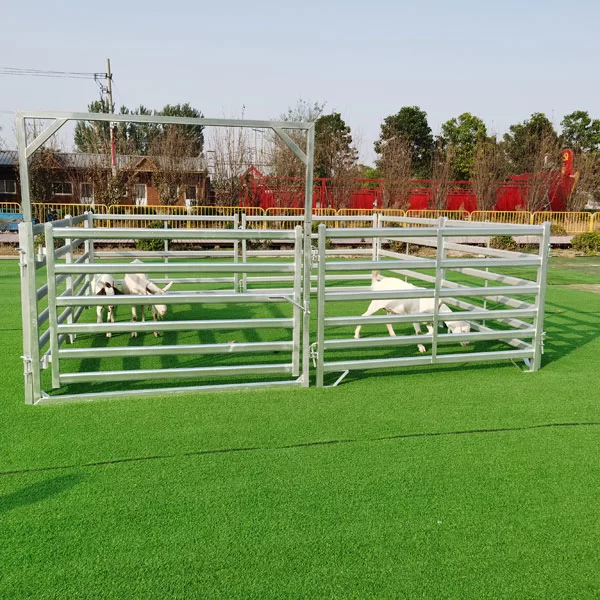
Cattle aren’t the only livestock these panels suit; they’re great for horses, goats, and even wildlife control, giving farmers multi-purpose utility.
Mini Takeaway:
In sum, continuous cattle panels combine longevity, safety, flexibility, and cost savings — a well-rounded investment for modern livestock fencing.
How Continuous Cattle Panels Are Used Around the World
It’s a quiet revolution, really. In the U.S., expansive ranches use miles of these panels, reducing cattle stress and making round-ups smoother. Oddly enough, in parts of Africa and Asia, NGOs deploy them during drought seasons to create temporary cattle corrals quickly without the need for cutting trees, linking this technology to conservation and sustainability objectives UNEP encourages.
In Australia’s vast outback, where remoteness is extreme, continuous cattle panels fit the bill because of their ease to transport and install under tough conditions. Industrial farms in Europe find them ideal for biosecurity fencing, segregating animal groups to curb disease spread.
Advantages and the Long-Term Value of Continuous Cattle Panels
- Cost savings: Less downtime from repairs and replacements.
- Animal welfare: Safer, less stressful environments mean productivity gains.
- Environmental impact: Requires fewer natural resources than wooden alternatives.
- Social impact: Helps rural communities protect their assets, improving livelihoods.
- Trust and reliability: Panels build confidence in containment—important when working with large herds.
Frankly, investing in continuous cattle panels feels like a long-term partnership with your land and animals — a practical peace of mind that carries into future seasons.
Specifications of Typical Continuous Cattle Panels
| Specification | Details |
|---|---|
| Material | Galvanized steel or powder-coated steel |
| Panel Length | Typically 10-20 feet per segment |
| Wire Gauge | 12-14 gauge (varies by manufacturer) |
| Mesh Size | 4” x 6” rectangles or squares typical |
| Finish | Hot-dip galvanized / Powder-coated |
| Weight | Approx. 20-30 lbs per panel |
Vendor Comparison: Finding the Right Fit
| Vendor | Panel Material | Coating | Max Panel Length | Pricing Tier |
|---|---|---|---|---|
| HaoTian Mesh | Powder-coated steel | Powder coating + galvanized base | 20 ft | Mid-range |
| GreenMeshes Co. | Galvanized steel | Hot-dip galvanized | 15 ft | Budget |
| FarmStrong Panels | Steel wire mesh | Galvanized + PVC coating | 18 ft | Premium |
Innovations and Future Trends in Continuous Cattle Panels
In recent years, the integration of lightweight alloys and composite materials offers intriguing possibilities. Some companies are experimenting with modular, foldable cattle panels that combine steel’s strength with plastics’ flexibility. I noticed this trend especially in regions prone to frequent relocation or temporary enclosures, like disaster zones.
GPS tagging and IoT sensors embedded in fencing infrastructure could soon help farmers monitor panel integrity and animal movement in real-time — somewhat like invisible farmhands watching over the land from afar. Plus, as green energy gains ground, we’ll see solar-powered electric fencing combined with continuous panels for enhanced security.
Challenges and Their Clever Workarounds
Continuous cattle panels aren’t perfect. For instance, tough landscapes with rocky or uneven ground can complicate installation, sometimes requiring custom shaping or support posts. Maintenance is lighter than wood fencing but not completely zero—panels can bend under extreme livestock pressure over years.
Experts recommend routine inspections combined with strategic load distribution — placing panels in shaded or sheltered areas to avoid degradation. Also, interestingly, some farms have started using hydraulic machinery to shape and place oversized continuous panels with less labor.
FAQ: Common Questions About Continuous Cattle Panels
- Q: How do continuous cattle panels compare to traditional wooden fences? A: Continuous panels last longer, require less maintenance, and offer better safety by reducing gaps where animals can get hurt or escape. Wooden fences, though cheaper initially, degrade faster and need frequent repairs.
- Q: Can these panels be used in areas with extreme weather? A: Yes, especially galvanized or powder-coated panels resist rust and corrosion from rain or snow. However, in areas with heavy snow loads, additional structural supports might be needed.
- Q: Are continuous cattle panels reusable? A: Definitely. Panels can often be dismantled, transported, and reinstalled elsewhere, which is ideal for temporary fencing or relocating herds.
- Q: Where can I buy quality continuous cattle panels? A: You can check providers like continuous cattle panels specialists such as HaoTian Mesh for durable and customizable options.
Wrapping It Up: Why Continuous Cattle Panels Are Worth Your Consideration
So, continuous cattle panels — they might seem like a simple metal framework, but their impact on global agriculture, animal welfare, and even emergency response is anything but simple. They provide a cost-effective, durable, and humane solution that adapts to modern challenges, from sprawling ranches to relief camps.
If you're in the market for reliable fencing that can scale, last, and save, do yourself a favor and explore continuous cattle panels further. And hey, if you want to dive deep into what’s currently available, you should check out continuous cattle panels offered by reliable manufacturers who know the industry inside out.
Mini Takeaway:
Long-term, continuous cattle panels aren't just fences — they're investments in security, sustainability, and peace of mind.
References
-
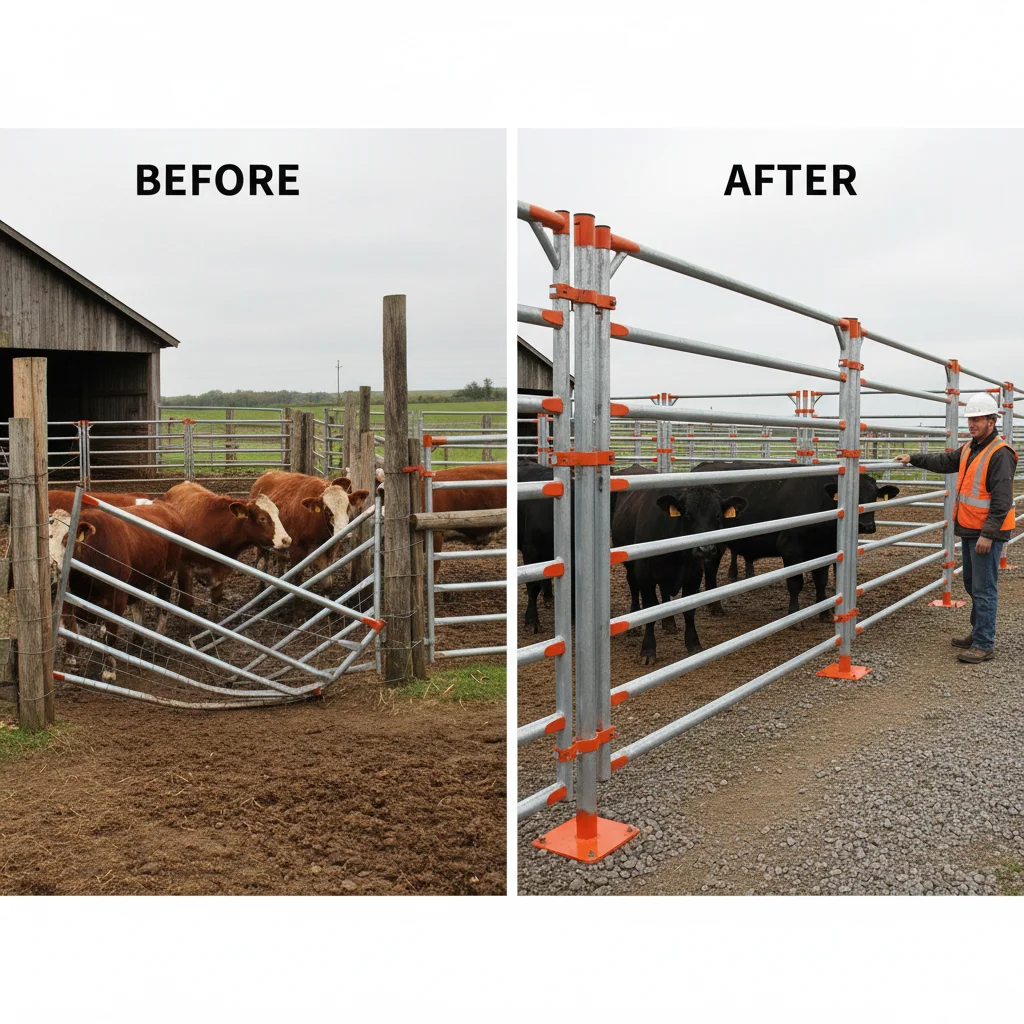
Durable Freestanding Livestock Panels for Efficient Animal Handling In the demanding world of agricultural management, the need for flexible and robust containment solutions has never been more critical. freestanding livestock panels offer a sophisticated answer to the challenges of animal handling, providing a secure yet adaptable barrier that does not require permanent installation or deep grounding. By allowing farmers and ranchers to redefine their spatial layouts in minutes, these panels maximize the efficiency of existing infrastructure while ensuring the safety of both the handlers and the livestock. Read More >26 Apr, 17
-
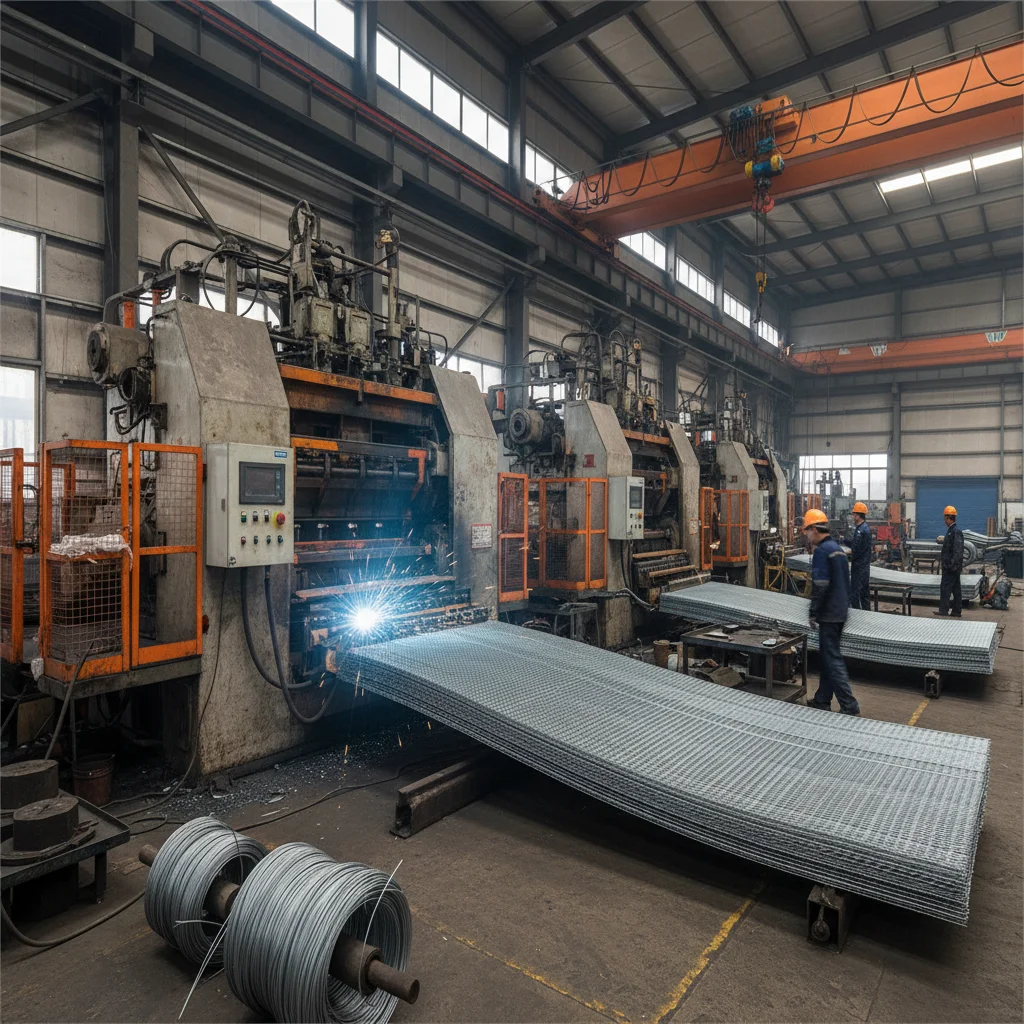
Professional Galvanized Welded Mesh Factory for Industrial Projects Finding a reliable galvanized welded mesh factory is critical for ensuring the structural integrity and longevity of your industrial or agricultural installations. Galvanized welded mesh is prized for its exceptional strength and resistance to corrosion, making it the go-to choice for fencing, animal cages, and construction reinforcement. However, not all factories adhere to the same quality standards. Whether you are sourcing for a large-scale infrastructure project or a specialized commercial application, understanding the manufacturing process and quality benchmarks is key to making a cost-effective investment that lasts for decades. Read More >26 Apr, 16
-
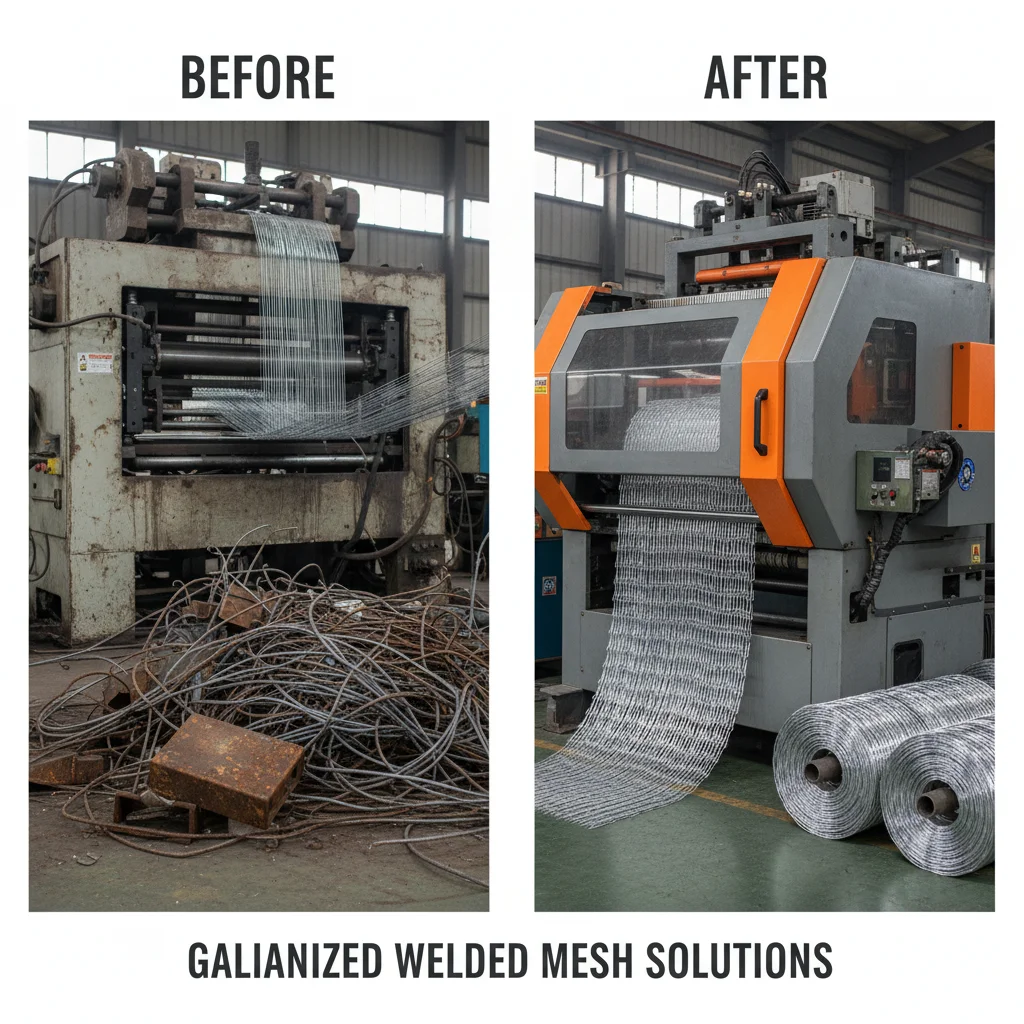
Professional Galvanized Welded Mesh Exporter for Quality Projects Selecting a high-quality fencing or screening solution requires more than just picking a product; it requires partnering with a reliable galvanized welded mesh exporter who understands the balance between structural integrity and corrosion resistance. Whether you are securing an industrial perimeter, building animal enclosures, or implementing architectural reinforcements, the quality of the galvanization process determines the lifespan of your installation. In this guide, we will explore the technical advantages of galvanized welded mesh and how to identify a global supplier that meets international quality standards to ensure your investment stands the test of time. Read More >26 Apr, 09
-
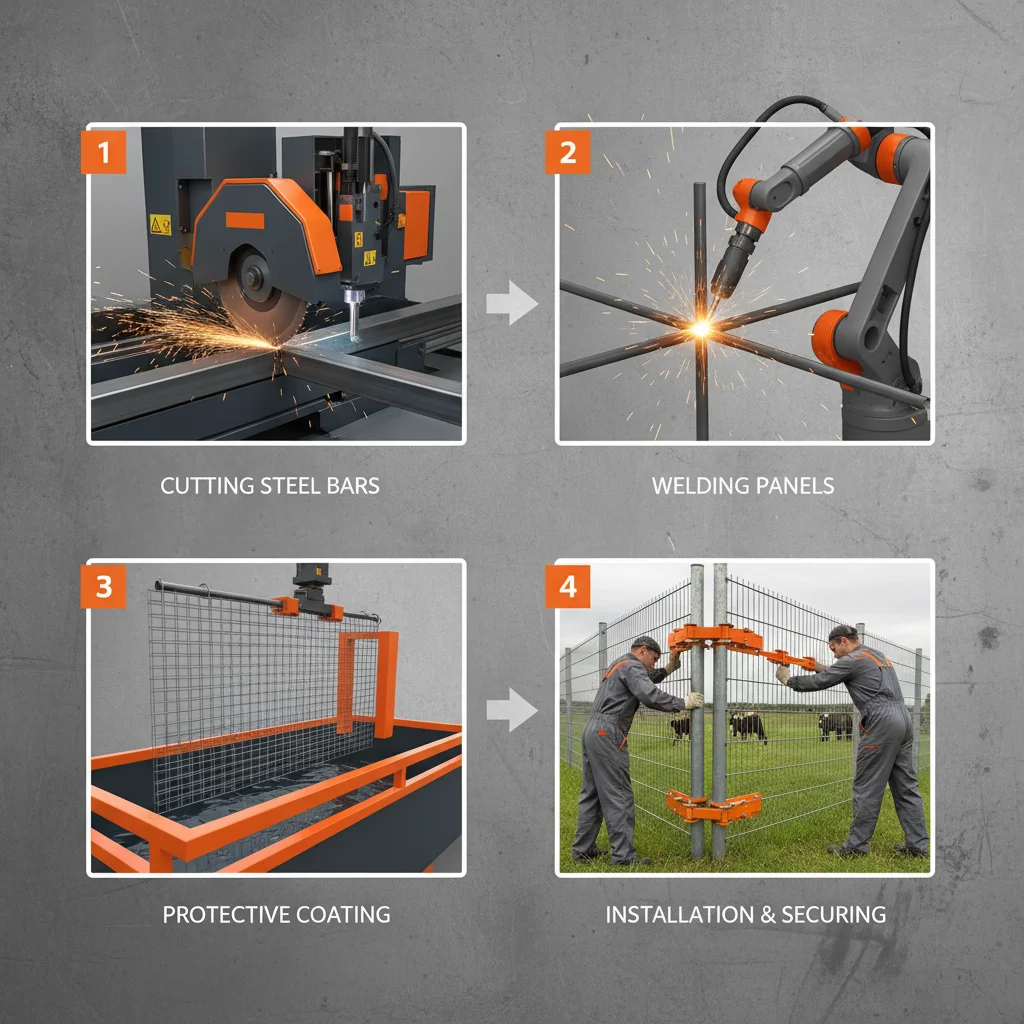
Essential Fencing Panels for Livestock Management and Farm Productivity Fencing panels for livestock are essential components in modern animal husbandry, playing a critical role in efficient farm management, animal welfare, and land utilization. Globally, the demand for robust and reliable fencing solutions is increasing due to the expanding livestock industry and the need to protect grazing lands from encroachment and predation. These panels aren’t simply barriers; they represent a vital investment in a farm's productivity and the health of its animals. Read More >26 Apr, 08
If you are interested in our products, you can choose to leave your information here, and we will be in touch with you shortly.


