


Continuous Cattle Fence Panels – Durable, Scalable Fencing Solutions for Livestock Management
Understanding Continuous Cattle Fence Panels and Their Growing Global Importance
When you first hear “continuous cattle fence panels,” it might sound like a dry, technical term from a farm equipment catalog. But this seemingly niche product actually plays a surprisingly vital role in agriculture, land management, and even humanitarian efforts worldwide. These modular panels aren't just about corralling livestock – they’re a foundation for safer, more efficient farming and rural development. And in a world where food security and sustainable agriculture are front and center, understanding how these fence systems work, why they're preferred, and how they’re evolving sheds light on a quiet but real backbone of rural economies everywhere.
Why Does Global Agriculture Rely on Continuous Cattle Fence Panels?
Globally, agriculture represents nearly 28% of employment according to FAO data from the UN's Food and Agriculture Organization. Yet, livestock management remains a tricky business — especially in sprawling, remote or developing areas. Conflicts over grazing land, the need to protect endangered plants, and keeping animals safe from predators all demand reliable fencing solutions. Traditional fencing often falls short: it can be patchy, expensive to install or maintain, or simply inadequate for modern needs.
Continuous cattle fence panels answer these issues by providing scalable, durable, and transportable solutions that reduce setup time and improve animal welfare, all while lowering maintenance costs. This means farmers can spend less time fixing fences and more time on growing proven crops or running their ranches.
What Exactly Are Continuous Cattle Fence Panels?
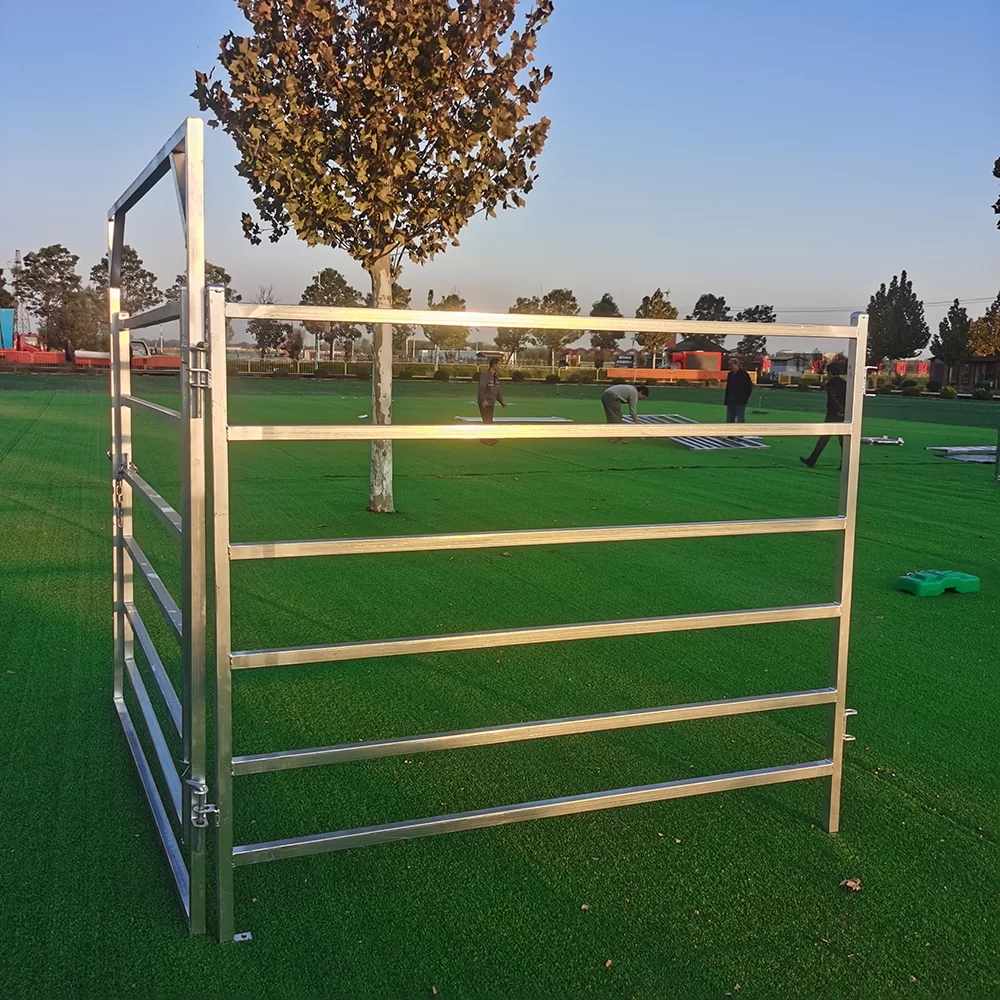
In simple terms, continuous cattle fence panels are modular sections of fencing designed to interlock or be connected seamlessly, forming an unbroken barrier. Each panel is pre-constructed—typically from galvanized steel wire mesh or heavy-duty metal tubing—providing strength and flexibility. Unlike string fencing or barbed wire alone, these panels create a clear, stable boundary that can withstand cattle pressure without sagging or breaking.
They hold particular relevance not just for traditional ranchers, but also for humanitarian agencies managing displaced herds or in veterinary quarantine situations. Plus, with the rise of intensive farming worldwide, these panels facilitate better movement control of animals, reducing disease spread and improving overall herd management.
Key Components and Factors That Matter
Durability and Material Quality
Most continuous cattle fence panels are made from galvanized steel—sometimes powder-coated—to resist rust and weathering, ensuring they last years without constant upkeep. This is crucial in harsh climates, from humid Southeast Asia to the drought-prone Australian outback.
Ease of Installation and Scalability
Since the panels are modular, they can be rapidly assembled or reconfigured, which is fantastic for seasonal grazing rotations or emergency setups. Many farmers report slashing fence installation times by more than half compared to traditional post-and-wire methods.
Cost Efficiency Over Time
While upfront prices may be slightly higher, continuous fence panels save money via decreased labor, repairs, and livestock losses. In real terms, it’s an investment that pays off with resilience.
Animal Safety and Behavior
Cattle are less likely to push or jump over rigid panels, reducing injury risks. The continuous design also prevents animals from squeezing through gaps, making herd management smoother.
Customization Options
Panels come in varying heights, mesh sizes, and strengths — tailored for calves, adult cattle, or mixed herds. Some come insulated for electrification or include gates and hinges for better access.
Mini Takeaway:
Continuous cattle fence panels combine strength, flexibility, and longevity, offering practical benefits that few alternative fencing systems can match.
Worldwide Uses: Who’s Benefiting and How?
From the vast ranches in the American Midwest to small family farms in East Africa, continuous cattle fence panels have found their way everywhere. Africa's Sahel region, for example, uses these panels to manage grazing patterns amid unpredictable droughts, aligning with sustainable land use policies promoted by the UN Convention to Combat Desertification.
In Australia, where rugged terrain meets vast cattle stations, the panels help reduce labor costs and optimize fencing lines, critical when thousands of cattle roam freely. Meanwhile, European organic farms incorporate these panels to comply with higher welfare standards, distancing animals cleanly from public trails or neighboring crops.
Humanitarian and veterinary agencies also deploy these panels to quarantine animals in disease outbreaks quickly. The panels' portability proved vital in recent African and Asian livestock disease emergencies, allowing swift fencing in remote areas.
Mini Takeaway:
Continuous cattle fence panels are not just rural infrastructure—they’re critical tools for sustainability, animal welfare, and emergency response worldwide.
Advantages and Long-Term Value You Can Count On
- Cost Savings: Lower maintenance and labor means less ongoing expense.
- Reliability: Weather-resistant materials offer decade-plus lifespans.
- Improved Safety: Protects animals, reduces injury risk.
- Environmental Benefits: Minimizes overgrazing by better herd control.
- Social Impact: Supports food security by improving livestock productivity.
There’s something reassuring about a fence that “just works” and keeps livestock protected without constant worry. For many farmers, that peace of mind is worth more than the metal itself.
Looking Ahead: Trends in Continuous Cattle Fence Panels
Innovation hasn’t skipped this sector. New panels incorporate solar-powered electric fencing options, allowing for enhanced deterrence configurations with minimal energy costs. Some companies are experimenting with lightweight composite materials that still meet strength requirements but reduce shipping weight and environmental footprints.
Digitization is another frontier; smart fencing systems use sensors to detect breaches or overpressure caused by animals, allowing early intervention. With the world focusing on sustainable agriculture, these fence panels are warming up to compatibility with green farming practices — for example, biodegradable protective coatings or integrating with carbon farming schemes.
Challenges and How to Overcome Them
Not everything’s perfect in the world of fencing. Initial investment costs can deter small-scale farmers or NGOs with tight budgets. Logistics in very remote or conflict zones complicate deliveries and installations. Some panels may still be insufficient against large predators or extreme weather bursts.
Experts suggest combining continuous panels with natural landscape barriers (hedges, ditches) to reduce material use. Leasing or rental schemes for panels can boost uptake in developing countries. And local fabrication partnerships reduce lead times and customization costs.
Product Specification Table
| Specification | Detail |
|---|---|
| Material | Galvanized Steel (Powder Coated Option) |
| Panel Size | 2m x 1.2m standard (custom sizes available) |
| Mesh Aperture | 100mm x 150mm (adjustable) |
| Weight per Panel | Approximately 18 kg |
| Lifespan | 10–15 years typical with maintenance |
| Special Features | Optional electrification and smart sensor integration |
Vendor Comparison: What to Consider When Choosing Your Supplier
| Vendor | Price per Panel | Customization | Lead Time | Support & Warranty |
|---|---|---|---|---|
| Haotian Mesh | $45 - $60 | High (custom sizes, coatings) | 2-4 weeks | 3 years with online support |
| Farm Fencing Co. | $40 - $55 | Medium (standard options) | 4-6 weeks | 2 years, limited support |
| Global Fence Supplies | $50 - $65 | High (electric and sensors) | 3-5 weeks | 5 years warranty |
Frequently Asked Questions About Continuous Cattle Fence Panels
1. How quickly can continuous cattle fence panels be installed?
Installation time varies, but most skilled teams can set up a standard 200m fence line in 1–2 days, thanks to the modular, connectable design. This is significantly faster than post-and-wire systems that require digging and tensioning.
2. Are these panels suitable for areas with large predators like wolves or bears?
While continuous panels are strong and reduce animal escapes, regions with large predators often need additional reinforcement, like electrified wiring or underground barriers. Combining fencing with natural terrain features enhances protection.
3. Can I electrify continuous cattle fence panels?
Yes, many vendors offer electrifiable panels or add-on accessories. Electrification enhances security but requires routine monitoring. It’s especially popular in zones with predator risks or to enforce boundary adherence.
4. What maintenance do continuous cattle fence panels require?
Thanks to galvanized coatings, regular maintenance is minimal—mostly occasional inspections for damage, cleaning debris, and tightening connections. Powder-coated options prolong lifespan in harsh environments.
5. How do I choose the right panel size for my herd?
Panel height and mesh size depend on your cattle’s size and behavior. For example, calves require smaller apertures to prevent escapes, while adult cattle need panels around 1.2m to 1.5m tall to discourage jumping. Consult suppliers like Haotian Mesh for guidance tailored to your needs.
Summing It Up: Why Continuous Cattle Fence Panels Matter Long Term
Continuous cattle fence panels exemplify a quietly transformational agricultural technology, combining durability, flexibility, and ease—qualities that meet modern farming’s evolving challenges. They improve animal welfare, cut costs over time, and support sustainable land use globally. For farms big and small, investing in these panels is about building resilience in a changing climate and marketplace. Curious how continuous fencing can reshape your operations? Visit our website: Haotian Mesh and see the latest models designed precisely to make livestock management easier. Because, frankly, every animal deserves a fence that works.
References
-
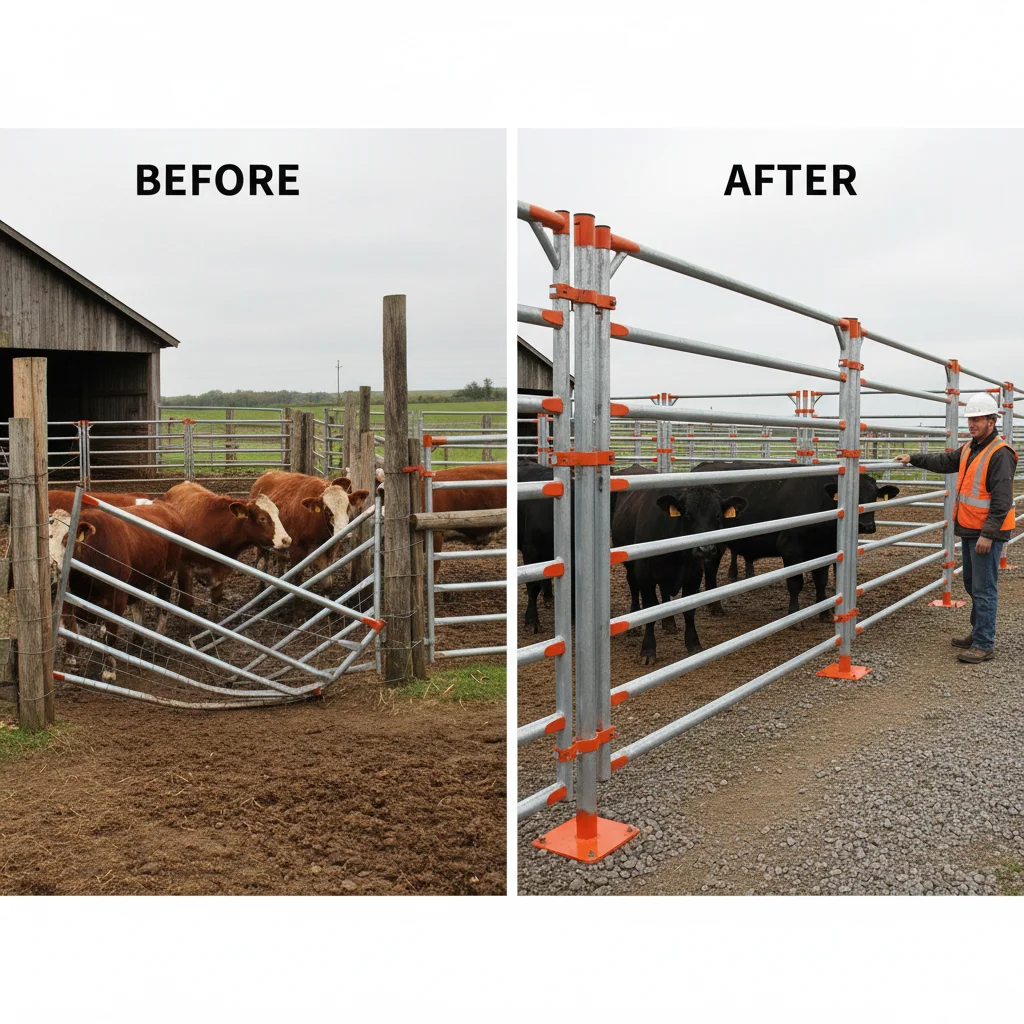
Durable Freestanding Livestock Panels for Efficient Animal Handling In the demanding world of agricultural management, the need for flexible and robust containment solutions has never been more critical. freestanding livestock panels offer a sophisticated answer to the challenges of animal handling, providing a secure yet adaptable barrier that does not require permanent installation or deep grounding. By allowing farmers and ranchers to redefine their spatial layouts in minutes, these panels maximize the efficiency of existing infrastructure while ensuring the safety of both the handlers and the livestock. Read More >26 Apr, 17
-
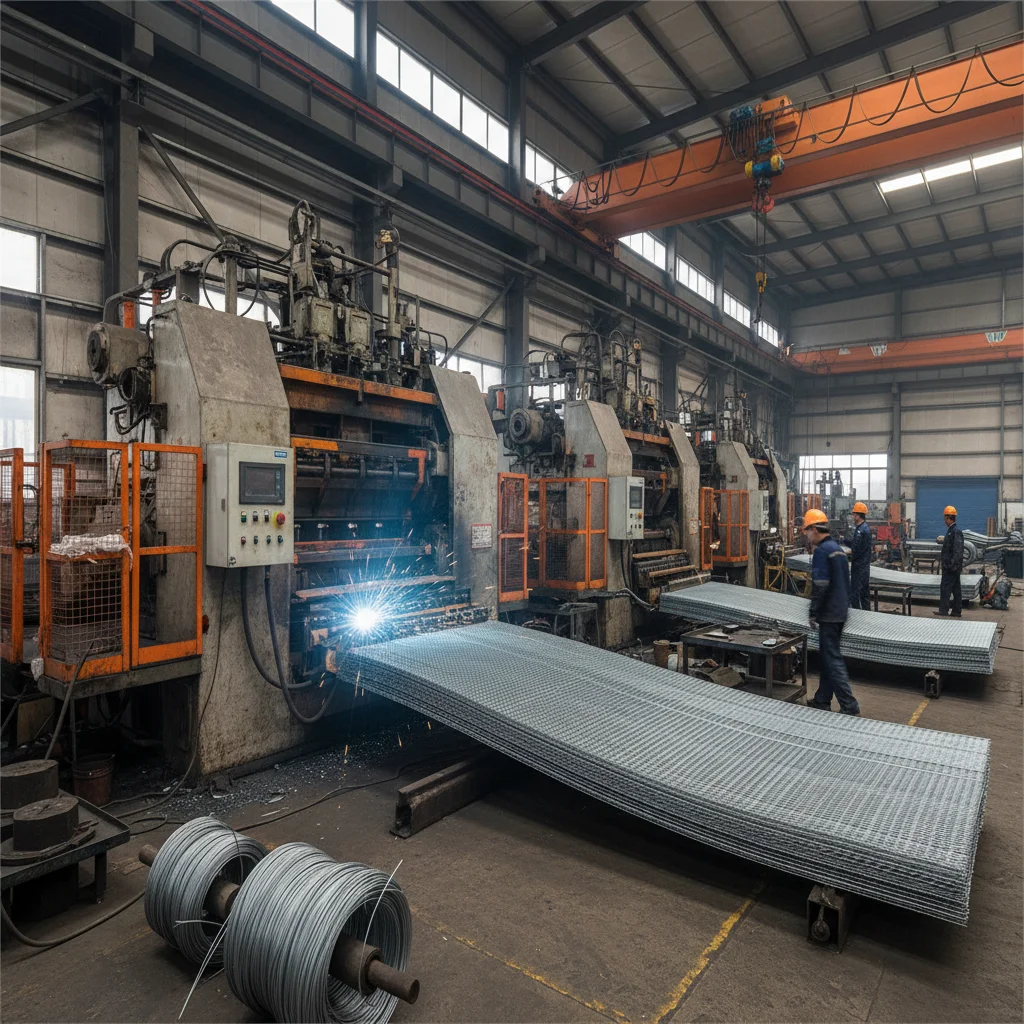
Professional Galvanized Welded Mesh Factory for Industrial Projects Finding a reliable galvanized welded mesh factory is critical for ensuring the structural integrity and longevity of your industrial or agricultural installations. Galvanized welded mesh is prized for its exceptional strength and resistance to corrosion, making it the go-to choice for fencing, animal cages, and construction reinforcement. However, not all factories adhere to the same quality standards. Whether you are sourcing for a large-scale infrastructure project or a specialized commercial application, understanding the manufacturing process and quality benchmarks is key to making a cost-effective investment that lasts for decades. Read More >26 Apr, 16
-
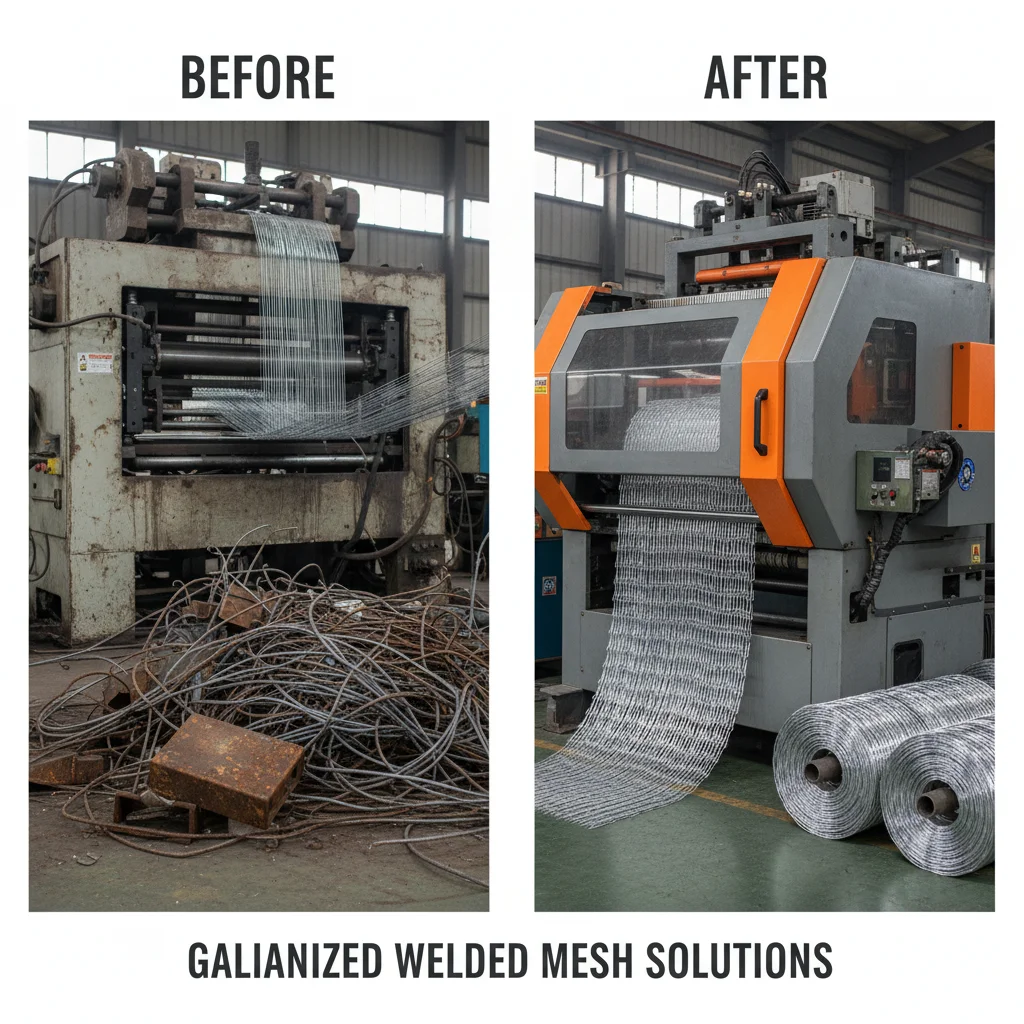
Professional Galvanized Welded Mesh Exporter for Quality Projects Selecting a high-quality fencing or screening solution requires more than just picking a product; it requires partnering with a reliable galvanized welded mesh exporter who understands the balance between structural integrity and corrosion resistance. Whether you are securing an industrial perimeter, building animal enclosures, or implementing architectural reinforcements, the quality of the galvanization process determines the lifespan of your installation. In this guide, we will explore the technical advantages of galvanized welded mesh and how to identify a global supplier that meets international quality standards to ensure your investment stands the test of time. Read More >26 Apr, 09
-
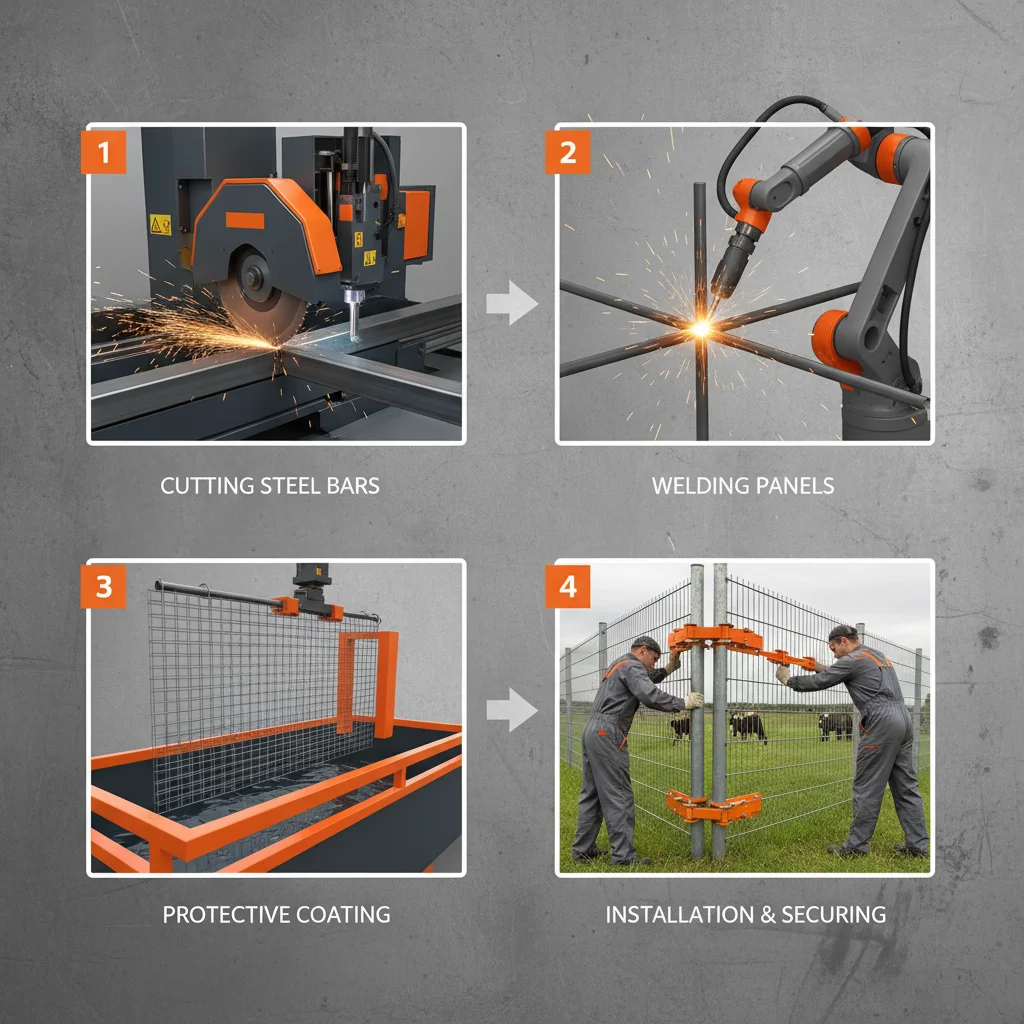
Essential Fencing Panels for Livestock Management and Farm Productivity Fencing panels for livestock are essential components in modern animal husbandry, playing a critical role in efficient farm management, animal welfare, and land utilization. Globally, the demand for robust and reliable fencing solutions is increasing due to the expanding livestock industry and the need to protect grazing lands from encroachment and predation. These panels aren’t simply barriers; they represent a vital investment in a farm's productivity and the health of its animals. Read More >26 Apr, 08
If you are interested in our products, you can choose to leave your information here, and we will be in touch with you shortly.


