


How to Attach Cattle Panels to Posts – Complete Global Guide & Best Practices
Attaching Cattle Panels to Posts: Why It Matters Globally
At first blush, attaching cattle panels to posts might sound like a straightforward barnyard task, but in reality, it’s a cornerstone technique for effective livestock management worldwide. From vast ranches in Australia to small farms in sub-Saharan Africa, the proper installation of cattle panels ensures animal safety, property security, and ease of handling. Given the importance of sustainable agriculture and food security—topics high on global agendas—understanding this simple yet vital process offers benefits beyond the farmyard fence.
According to the Food and Agriculture Organization (FAO), livestock farming supports nearly 1.3 billion people globally and accounts for 40% of the global agricultural GDP (FAO Livestock Systems). So when farms optimize their fencing and animal management systems, including how panels attach to posts, they’re not just protecting cows and sheep — they’re supporting livelihoods, ecosystems, and even economies.
Mini takeaway: Learning how to attach cattle panels to posts properly is more than a technical skill; it’s an investment in safer, more sustainable livestock farming worldwide.
The Global Context: More Than Just Fencing
Globally, the livestock industry faces challenges such as land degradation, climate change, and the growing demand for animal protein. Effective fencing solutions—like properly installed cattle panels—help tackle some of these challenges by controlling grazing areas and preventing overgrazing. For instance, the United Nations' Sustainable Development Goals highlight sustainable agriculture as key to ending hunger and protecting biodiversity (UN SDG 2).
But here’s the tricky bit: attaching cattle panels to posts isn’t a one-size-fits-all method. Terrain, climate, fence length, and livestock type all play into the ideal approach. Without careful attachment, fences are vulnerable to collapse, animal escapes, or mounting repair costs, which waste both time and money.
Mini takeaway: Globally, the process of fixing cattle panels to posts bridges a gap between providing secure containment and promoting sustainable farming practices.
What Does Attaching Cattle Panels to Posts Really Mean?
Simply put, attaching cattle panels to posts involves securing metal or wire panels—used as barriers—to vertical posts that hold the fencing in place. These posts may be wooden, metal, or composite materials depending on preference and environment. The process requires the right materials (like clips, wires, or bolts) and techniques to ensure stability and longevity.
Cattle panels themselves are typically heavy-duty steel wire grids designed to withstand pressure from livestock. The method by which panels are fastened to posts can influence the fence’s durability, safety, and maintainability. Beyond farms, this technique also plays an interesting role in humanitarian efforts, such as in temporary livestock enclosures during disaster relief or refugee camp settings, where quick and robust fencing is essential.
Mini takeaway: Attaching cattle panels to posts is a deceptively simple task that underpins reliable fencing and animal welfare across diverse settings.
Core Components and Factors When Attaching Panels
1. Durability of Materials
The entire fence’s life hangs on the materials’ toughness. Posts have to resist rot, rust, and sometimes quite extreme weather. Galvanized steel posts, for instance, often outlast untreated wood but can be pricier initially. The panels themselves usually have galvanized coatings to fend off corrosion.
2. Method of Attachment
Options include heavy-duty fence clips, hog rings, U-nails, or even welding in permanent setups. The choice here affects how easily panels can be repaired or replaced during maintenance. Clips provide a good mix of strength and flexibility.
3. Post Spacing and Installation Depth
Posts should be spaced and embedded deep enough to handle the tension of the panels and the weight of leaning animals. Typically, posts are set at around 8 to 10 feet apart, buried around 2 to 3 feet into the ground depending on soil conditions.
4. Terrain and Environmental Conditions
Rocky, uneven land needs posts with special anchors or braces. In flood-prone regions, corrosion-resistant fittings and raised installations save headaches later.
5. Cost Efficiency
The balance between upfront spending and long-term durability matters, especially for farmers operating on tight budgets. Sometimes a better initial investment saves in repairs and downtime.
Mini takeaway: Durability, fastening methods, proper spacing, terrain adjustment, and costs all shape the best way to attach cattle panels to fence posts successfully.
Global Applications: Who Is Benefiting and How
- Large-Scale Ranches: In places like Texas or Argentina, ranchers use heavy-gauge cattle panels fastened to steel posts to contain thousands of head of cattle reliably.
- Smallholder Farms: In East Africa and India, farmers employ simple wood posts and wire clips to fence smaller herds, maximizing affordable solutions.
- Disaster Relief Efforts: NGOs install portable panels quickly attached to posts to create temporary livestock pens during emergencies, ensuring displaced families retain access to their animals.
- Industrial Zones: Mining and agricultural companies in remote spots rely on modular fence panel-post systems for easy deployment and low maintenance.
Mini takeaway: From remote farms to relief zones, mastering the attachment of cattle panels to posts supports diverse global applications spanning economic and humanitarian goals.
The Advantages of Proper Attachment: Reliability Meets Sustainability
Properly attaching cattle panels to posts yields several tangible benefits:
- Safety and Animal Welfare: Secure fencing reduces escapes and injuries.
- Cost Savings: Resilient installations mean fewer repairs and replacements.
- Environmental Protection: Controlled grazing minimizes land degradation.
- Social Value: Enables farmers to better manage herds and livelihoods.
On an emotional note, farmers often talk about the peace of mind a solid fence brings—after all, their livelihood quite literally depends on it.
Product Specification Table
| Specification | Typical Value | Notes |
|---|---|---|
| Panel Material | Galvanized Steel | Protects from rust and corrosion |
| Post Type | Steel or Treated Wood | Depends on terrain & budget |
| Attachment Hardware | Fence Clips or Wire Ties | Easy to install & maintain |
| Post Spacing | 8 to 10 feet | Depends on panel size & livestock load |
| Installation Depth | 2 to 3 feet | Prevents posts from loosening over time |
Vendor Comparison: Choosing the Right Supplier
| Vendor | Material Quality | Price Range | Customization | Delivery Time |
|---|---|---|---|---|
| Haotian Mesh | Premium galvanized steel | Mid to High | Fully customizable panel sizes | 2-3 weeks |
| FarmPro Solutions | Standard galvanized | Low to Mid | Limited customization | 1-2 weeks |
| Global Fencing Inc. | High-quality steel | High | Custom panels & onsite installation | 3-4 weeks |
Looking Ahead: Innovations in Panel Attachment
In recent years, the fence installation world has seen innovations like synthetic composite posts that resist warping and eco-friendly coatings replacing traditional galvanization to reduce environmental impact. Automation is creeping in too—some companies now offer pre-fabricated modular panels with quick-clip systems, cutting installation time dramatically. Then there’s the use of drone-assisted surveying to plan fence lines accurately before any posts hit the ground.
One particularly promising trend is integrating solar-powered electric fencing into traditional panels, adding an extra layer of security without requiring extensive power lines in remote locations. It feels like the fusion of old-school reliability and cutting-edge tech.
Mini takeaway: Future advances in materials and digital tools will soon make attaching cattle panels to posts quicker, greener, and more dependable.
Challenges and How to Overcome Them
Frankly, fence installation isn’t without its headaches. Ground conditions, supply chain delays for quality hardware, and underestimating livestock pressure cause many issues. Some panels detach or sag prematurely, risking escapes.
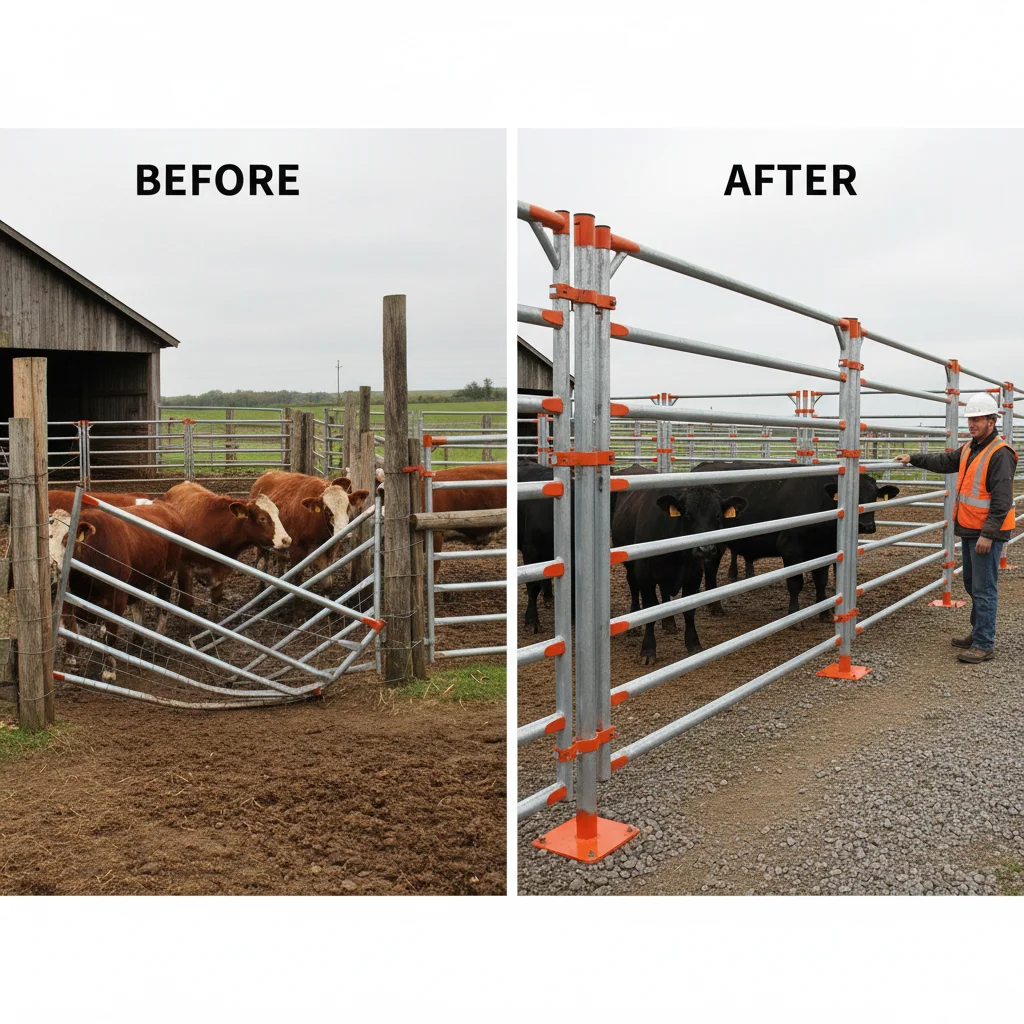
Experts recommend thorough planning: testing soil firmness before positioning posts, opting for heavy-duty clips rather than nails, and regular maintenance checks. In remote areas, local fabrication of panels matching standardized specs helps avoid costly shipping glitches. And if you’re looking for a quick, but reliable fix, consider attaching cattle panels to posts with patented clip systems designed to balance speed and strength.
FAQ: Practical Questions About Attaching Cattle Panels to Posts
Q1: What’s the easiest way to attach cattle panels to wooden posts?
A1: Fence clips or heavy-duty staples are generally the easiest for wooden posts. Clips allow panel adjustments and removal, while staples are cheaper but more permanent. For best results, use galvanized materials to prevent rust, and space clips every 12 to 18 inches for strength.
Q2: How far apart should posts be when securing cattle panels?
A2: A typical spacing is between 8 and 10 feet. Closer spacing increases fence strength but adds cost. For rough terrain or larger panels, leaning towards 8 feet reduces sagging and pressure points, which means longer service life.
Q3: Can I attach cattle panels to metal posts using the same hardware as wood posts?
A3: Not exactly. Metal posts often require specialized U-nails, clamps, or bolt fasteners compatible with steel surfaces. Using hardware meant for wood might result in unstable connections or corrosion issues.
Q4: How long do properly attached cattle panels last?
A4: With quality materials and correct installation, panels and posts can last 15–25 years or more. Longevity depends on environmental exposure and maintenance frequency.
Q5: Are there eco-friendly options for fastening cattle panels to posts?
A5: Yes. Using recyclable metals, powder-coated hardware, or biodegradable tensioning wires can reduce environmental footprints. Plus, natural wood posts from sustainable sources are an option alongside newer composite posts.
Conclusion: Invest in Every Step of Attaching Cattle Panels to Posts
Secure fencing starts at the connection points. Attaching cattle panels to posts thoughtfully and with quality materials protects livestock, maximizes ROI, and contributes to sustainable farming practices worldwide. As technology and materials evolve, so do the opportunities to make this process faster, greener, and even more reliable.
If you want to explore premium options or custom setups, I strongly recommend visiting Haotian Mesh. They specialize in products designed specifically to solve the very challenges we’ve discussed here.
Mini takeaway: A well-installed fence is more than metal and wood—it’s a foundation for safety, efficiency, and sustainability.
References
-
Durable Freestanding Livestock Panels for Efficient Animal Handling In the demanding world of agricultural management, the need for flexible and robust containment solutions has never been more critical. freestanding livestock panels offer a sophisticated answer to the challenges of animal handling, providing a secure yet adaptable barrier that does not require permanent installation or deep grounding. By allowing farmers and ranchers to redefine their spatial layouts in minutes, these panels maximize the efficiency of existing infrastructure while ensuring the safety of both the handlers and the livestock. Read More >26 Apr, 17
-
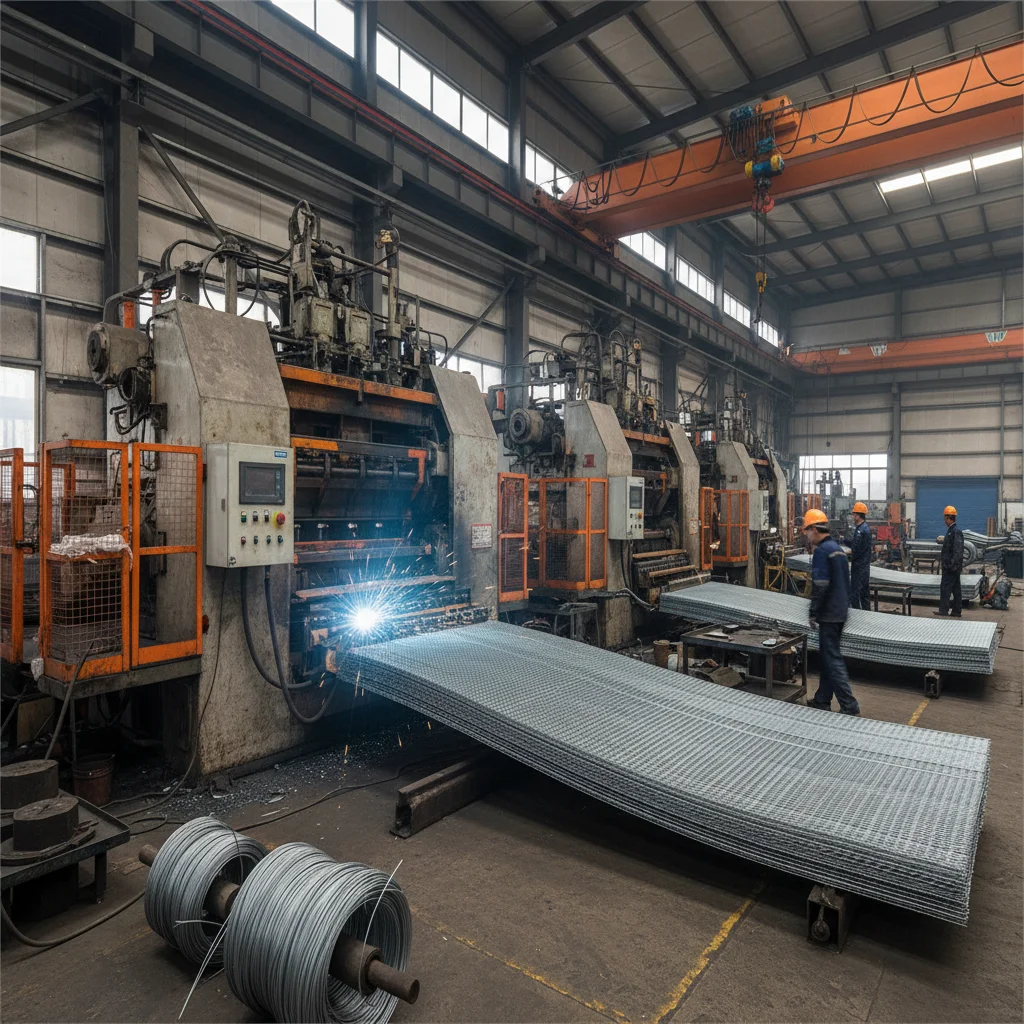
Professional Galvanized Welded Mesh Factory for Industrial Projects Finding a reliable galvanized welded mesh factory is critical for ensuring the structural integrity and longevity of your industrial or agricultural installations. Galvanized welded mesh is prized for its exceptional strength and resistance to corrosion, making it the go-to choice for fencing, animal cages, and construction reinforcement. However, not all factories adhere to the same quality standards. Whether you are sourcing for a large-scale infrastructure project or a specialized commercial application, understanding the manufacturing process and quality benchmarks is key to making a cost-effective investment that lasts for decades. Read More >26 Apr, 16
-
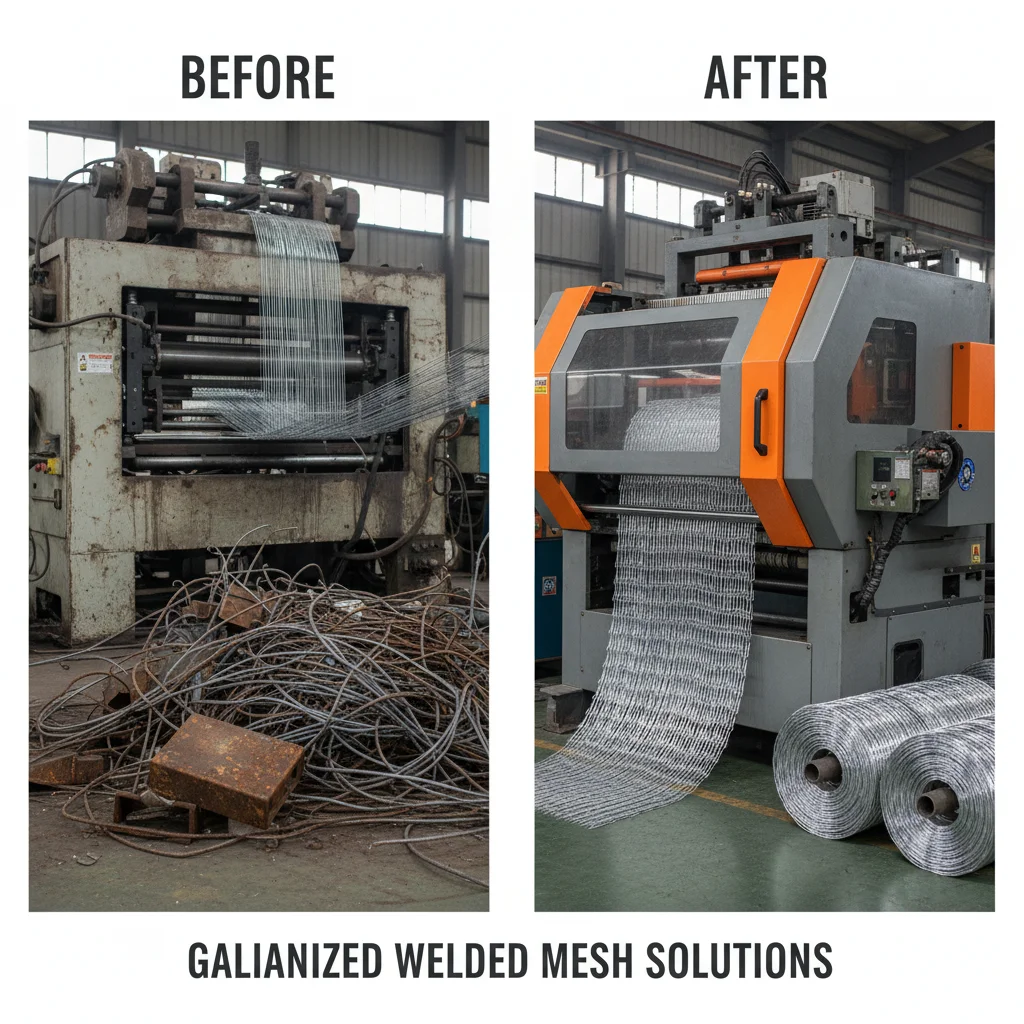
Professional Galvanized Welded Mesh Exporter for Quality Projects Selecting a high-quality fencing or screening solution requires more than just picking a product; it requires partnering with a reliable galvanized welded mesh exporter who understands the balance between structural integrity and corrosion resistance. Whether you are securing an industrial perimeter, building animal enclosures, or implementing architectural reinforcements, the quality of the galvanization process determines the lifespan of your installation. In this guide, we will explore the technical advantages of galvanized welded mesh and how to identify a global supplier that meets international quality standards to ensure your investment stands the test of time. Read More >26 Apr, 09
-
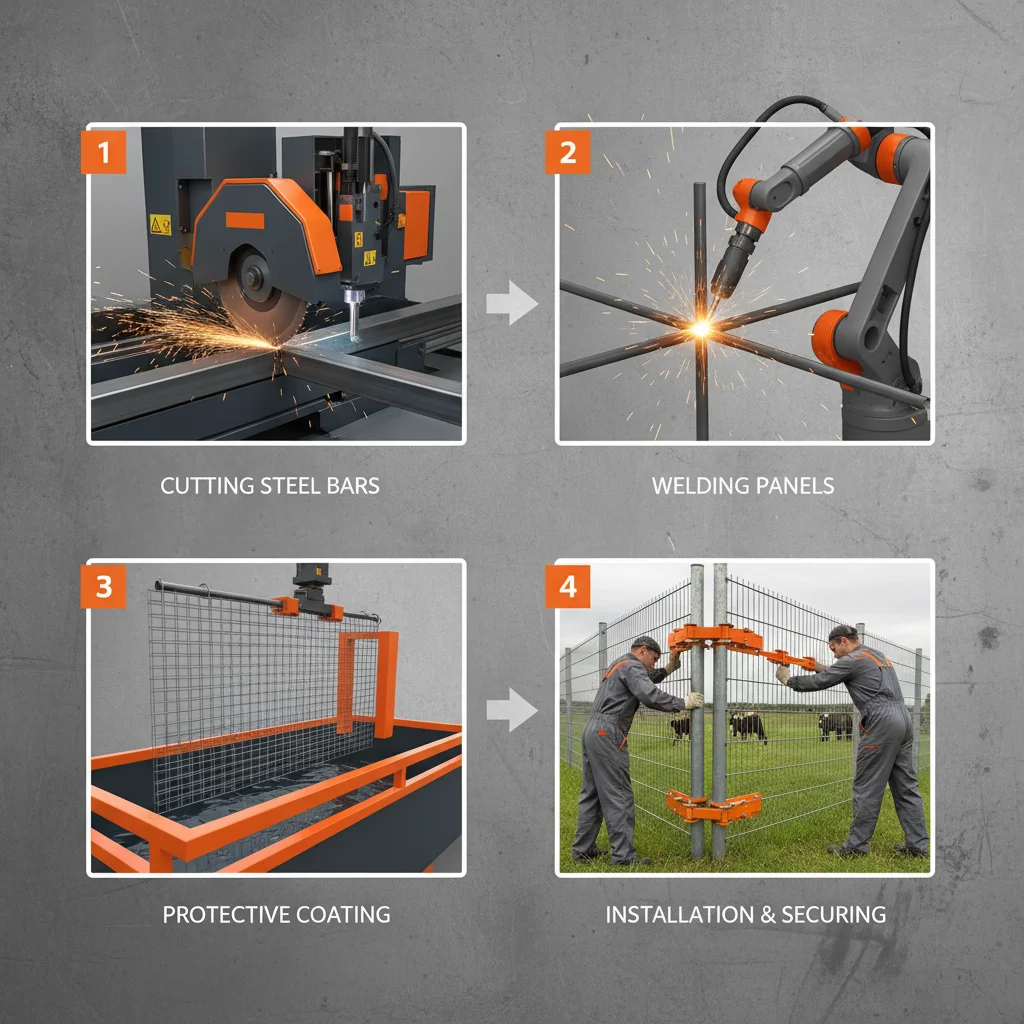
Essential Fencing Panels for Livestock Management and Farm Productivity Fencing panels for livestock are essential components in modern animal husbandry, playing a critical role in efficient farm management, animal welfare, and land utilization. Globally, the demand for robust and reliable fencing solutions is increasing due to the expanding livestock industry and the need to protect grazing lands from encroachment and predation. These panels aren’t simply barriers; they represent a vital investment in a farm's productivity and the health of its animals. Read More >26 Apr, 08
If you are interested in our products, you can choose to leave your information here, and we will be in touch with you shortly.


