


Durable and Efficient Black Cattle Panels for Superior Livestock Management
Understanding Black Cattle Panel: What It Is and Why It Matters
When you hear the term black cattle panel, what likely pops into mind is sturdy fencing that corrals cattle and livestock safely. But it’s more than just rugged wire frames — it’s a critical piece in modern agricultural, industrial, and even humanitarian landscapes worldwide. Understanding what a black cattle panel is and the subtle differences it offers can have ripple effects in animal welfare, operational efficiency, and sustainability. So, let’s unpack this a bit.
Introduction: Black Cattle Panel on a Global Stage
Globally, agriculture supports over 1 billion livelihoods according to the FAO. Safeguarding livestock is essential, and that’s where fencing solutions like black cattle panels come in. Their durability and ease of installation have made them go-to solutions in places from the Australian outback to American ranches, even extending to farm cooperatives in Africa and Asia. The challenge? Balancing cost, longevity, and animal safety — a triad not always easy to master.
For instance, the United Nations Environment Programme stresses sustainable agriculture fencing as a strategy to minimize environmental impact by preventing overgrazing and erosion. Black cattle panels help address these global challenges by providing reliable containment tailored to different environments, which is why they’re so widespread.
What Exactly Is a Black Cattle Panel?
Simply put, a black cattle panel is a welded wire mesh panel, typically coated with a black powder finish to resist corrosion and wear, designed to fence cattle and other livestock safely. These panels are modular, strong enough to withstand large animals, and coated to stand up to the elements. Unlike basic barbed wire fences, black cattle panels usually come in standard sizes and are easy to move or reconfigure as herd movements require.
In modern agriculture and livestock management, these panels are increasingly popular for being not only practical but aligned with welfare-focused protocols. They reduce injuries caused by animals trying to squeeze through or over fences, basically ensuring dignity and safety for the cattle — which also means healthier meat and dairy products downstream.
Key Features of Black Cattle Panels
Durability & Corrosion Resistance
Powder-coated black steel mesh means these panels resist rust, UV rays, and general wear better than uncoated steel or traditional galvanized wire. It’s important because fencing can be a multi-year investment and rust just eats value and safety.
Flexibility & Scalability
Panels typically come in sections around 16ft long and 5ft tall — easily joined or rearranged depending on pasture size. For growing operations, it means scalability without huge upfront engineering.
Animal Welfare & Safety
The smooth, rounded welds and the right spacing help avoid hoof or horn injury, which can happen with older barbed wire setups. Many farmers report fewer accidents and stressed animals with these panels.
Cost Efficiency
While the initial outlay for black cattle panels is higher than barbed wire, fewer replacements and reduced injury claims often make it more cost-effective in the long run.
Ease of Installation
No special tools or heavy machinery required, so smaller-scale or remote operators can install these themselves, reducing the need for specialized labor.
Specifications of a Typical Black Cattle Panel
| Specification | Value |
|---|---|
| Dimensions | 16 ft (length) x 5 ft (height) |
| Material | Powder-coated steel mesh |
| Mesh Size | 4” x 8” rectangle spacing |
| Weight per panel | Approx. 40-45 lbs |
| Finish | Black powder coating (UV stable) |
| Load Capacity | Up to 1500 lbs (point load) |
Comparing Top Black Cattle Panel Vendors
| Vendor | Material Quality | Panel Sizes | Coating Type | Average Price (USD) |
|---|---|---|---|---|
| RanchPro Panels | High tensile steel | 12, 16, 20 ft lengths | Black powder coat | $110 - $130 |
| LivestockLine | Galvanized steel core | 16 ft standard | Black vinyl coating | $95 - $120 |
| EcoFence Solutions | Recycled steel alloy | Custom sizes | Eco-friendly powder coat | $125 - $145 |
If you want a solid, cost-effective fence with ethical animal safety and decent longevity, the above vendors are sort of the trusty names out there — it depends on specific needs like budget or environmental goals.
Where Are Black Cattle Panels Used Globally?
Their rugged versatility shines in several scenarios:
- Australian Ranches: Vast, sometimes harsh environments where corrosion resistance is vital.
- U.S. Midwest Farms: Where easy installation and rearrangement during seasonal grazing is common.
- Disaster Relief & Remote Zones: Portable fencing for livestock displaced by floods or drought, often used by NGOs and local governments.
- Developing Economies: Affordable, durable fencing empowering smallholder farmers.
In one example, a cooperative in Kenya switched to black cattle panels to secure cattle during dry seasons. The panels' durability and ease of setup protected against theft and stray predators, improving herd survival by roughly 15% year-over-year, local reports showed.
Advantages & Long-Term Value of Choosing Black Cattle Panels
Besides the obvious robustness, these panels bring practical and emotional benefits:
- Cost-Effectiveness: Lower long-term maintenance makes them budget-friendly.
- Environmental Sustainability: Longer lifespan means less waste and fewer replacements, aligning with ISO 14001 environmental standards.
- Safety & Trust: Producers feel better knowing their livestock is secure and less prone to injury.
- Social Impact: Supports small farmers enabling productive, safer farms — a microcosm of rural economic upliftment.
Looking Ahead: Innovations and Future Trends
The black cattle panel isn’t stuck in the past — these days, manufacturers are toying with smart materials like corrosion-resistant alloys and coatings infused with anti-microbial agents to reduce maintenance. Some designs integrate IoT sensors for fence monitoring, alerting owners if a breach occurs.
Digital transformation is also underway — imagine remotely tracking livestock and fence integrity as part of a unified farm management system. Plus, eco-conscious buyers increasingly demand panels made from recycled metals or those using eco-friendly finishing processes to reduce chemical runoff.
Facing Challenges Head-On
Of course, no product is perfect. Black cattle panels can initially feel pricey for smallholders. Transportation costs to remote areas can hike purchase prices. And sometimes, harsh grazing behaviors still test even the strongest panels.
But clever solutions like modular support posts, local assembly options, and community bulk purchasing schemes have helped ease these obstacles. Many engineers also recommend combining panels with other fencing types for optimal cost-to-strength balance.
Frequently Asked Questions About Black Cattle Panel
- Q: How long do black cattle panels typically last under normal farm conditions?
- A: With proper maintenance and coating, black cattle panels last 15-20 years, sometimes longer if environmental factors are mild and repairs happen promptly.
- Q: Are black cattle panels suitable for all livestock or just cattle?
- A: While designed for cattle, these panels also secure horses, goats, and sheep effectively thanks to adaptable mesh sizes and moderate height.
- Q: Can I install black cattle panels myself, or is professional help needed?
- A: Many operators install these themselves with basic tools, especially since panel sections are manageable; however, large-scale fencing projects might benefit from expert assistance.
- Q: Is the black powder coating environmentally safe?
- A: Yes, powder coatings are generally low-VOC (volatile organic compound) and more eco-friendly than traditional liquid paints. Look for vendors with green certification.
- Q: How do I choose the right size and spacing for my farm’s black cattle panels?
- A: This depends largely on your livestock type and local regulations; consulting with an agricultural extension officer or vendor experts helps optimize safety and cost.
Wrapping Up: Why Black Cattle Panels Are Worth Considering
So, if you’re in livestock management or prepping a farm update, black cattle panels carry long-term value you don’t want to overlook. They combine strength, safety, and sustainability in a way that supports both animal welfare and farm economics.
Ready to explore options or find tailored solutions? Visit our website at black cattle panel to connect with experts and browse product lines offering you exactly that.
References
-
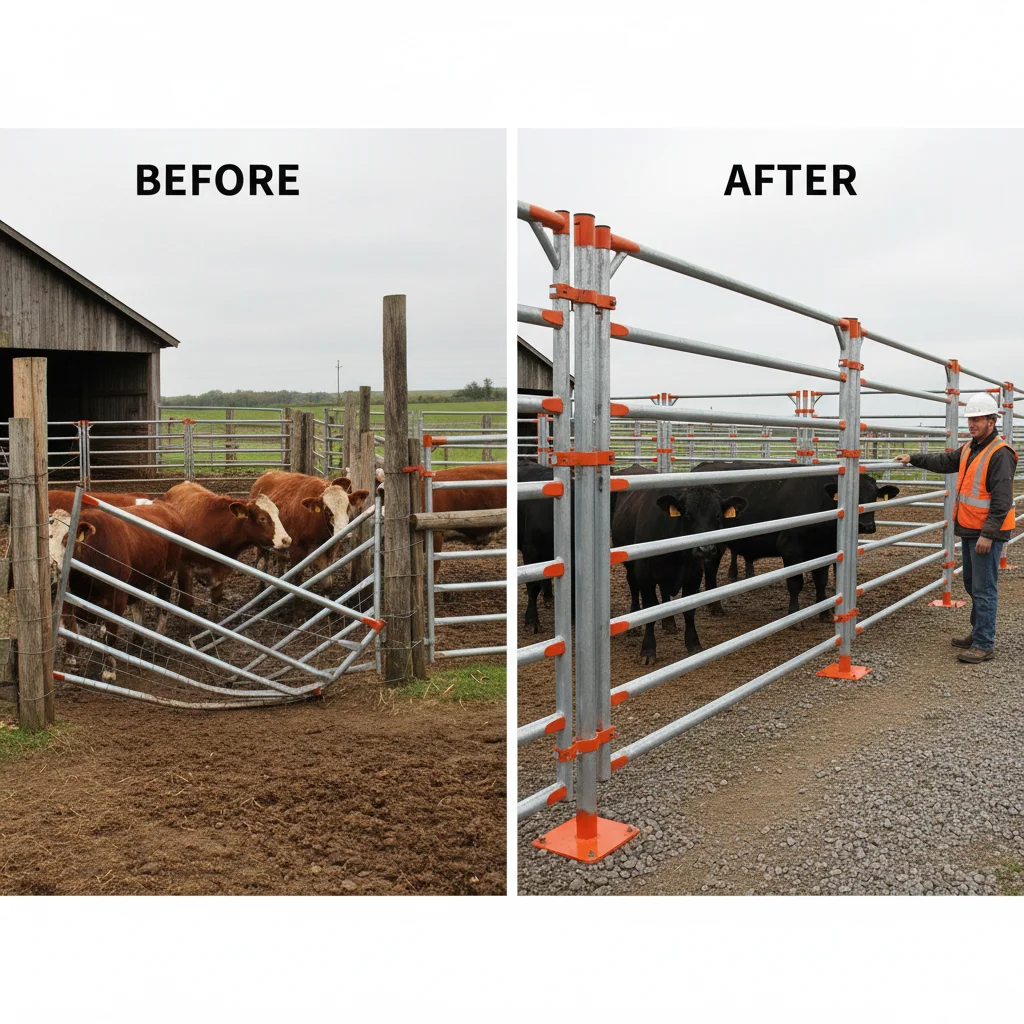
Durable Freestanding Livestock Panels for Efficient Animal Handling In the demanding world of agricultural management, the need for flexible and robust containment solutions has never been more critical. freestanding livestock panels offer a sophisticated answer to the challenges of animal handling, providing a secure yet adaptable barrier that does not require permanent installation or deep grounding. By allowing farmers and ranchers to redefine their spatial layouts in minutes, these panels maximize the efficiency of existing infrastructure while ensuring the safety of both the handlers and the livestock. Read More >26 Apr, 17
-
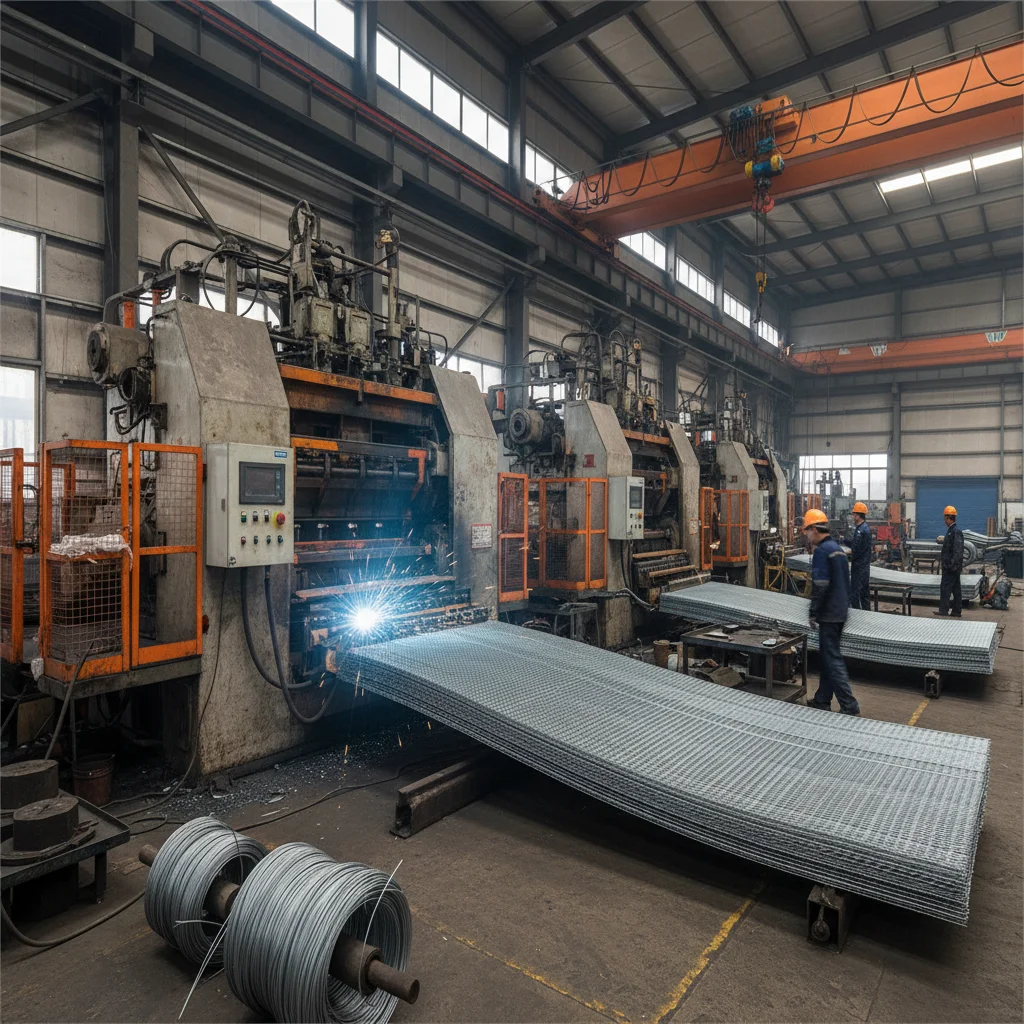
Professional Galvanized Welded Mesh Factory for Industrial Projects Finding a reliable galvanized welded mesh factory is critical for ensuring the structural integrity and longevity of your industrial or agricultural installations. Galvanized welded mesh is prized for its exceptional strength and resistance to corrosion, making it the go-to choice for fencing, animal cages, and construction reinforcement. However, not all factories adhere to the same quality standards. Whether you are sourcing for a large-scale infrastructure project or a specialized commercial application, understanding the manufacturing process and quality benchmarks is key to making a cost-effective investment that lasts for decades. Read More >26 Apr, 16
-
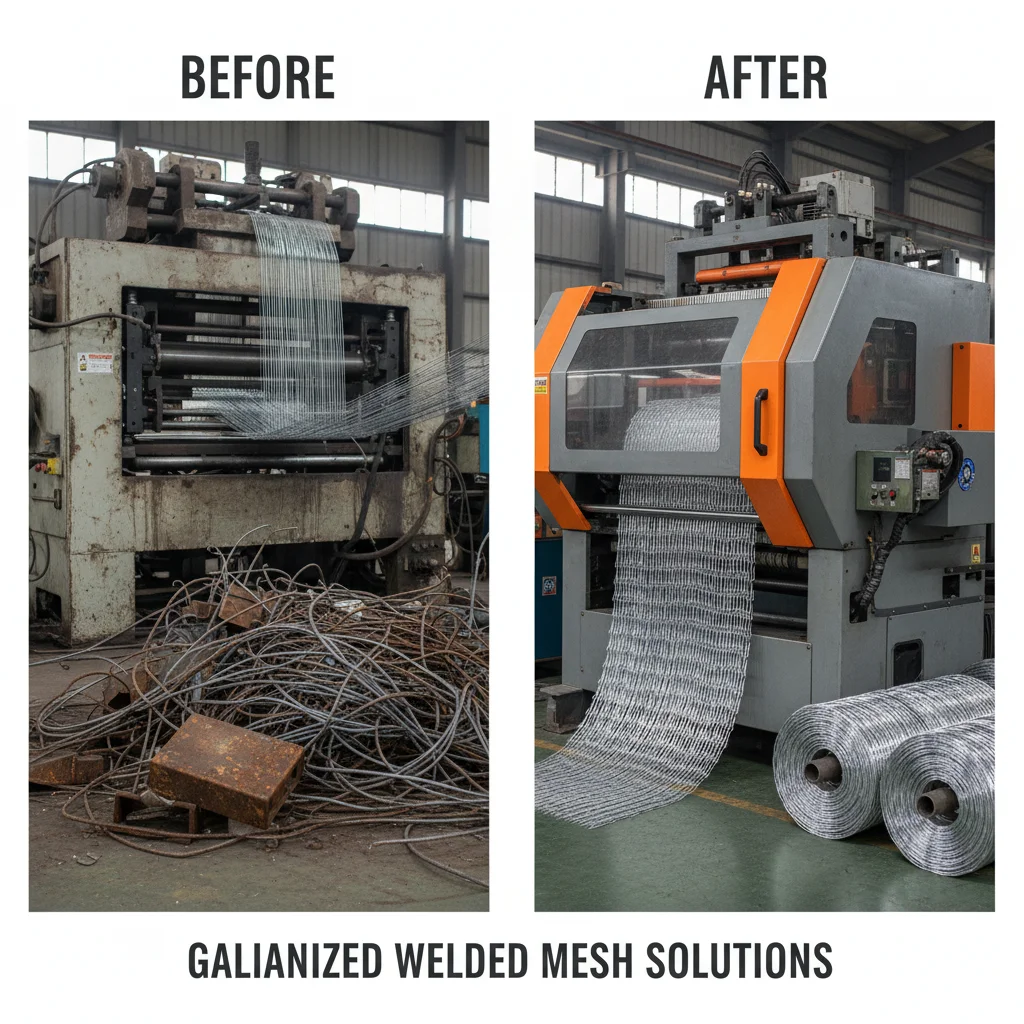
Professional Galvanized Welded Mesh Exporter for Quality Projects Selecting a high-quality fencing or screening solution requires more than just picking a product; it requires partnering with a reliable galvanized welded mesh exporter who understands the balance between structural integrity and corrosion resistance. Whether you are securing an industrial perimeter, building animal enclosures, or implementing architectural reinforcements, the quality of the galvanization process determines the lifespan of your installation. In this guide, we will explore the technical advantages of galvanized welded mesh and how to identify a global supplier that meets international quality standards to ensure your investment stands the test of time. Read More >26 Apr, 09
-
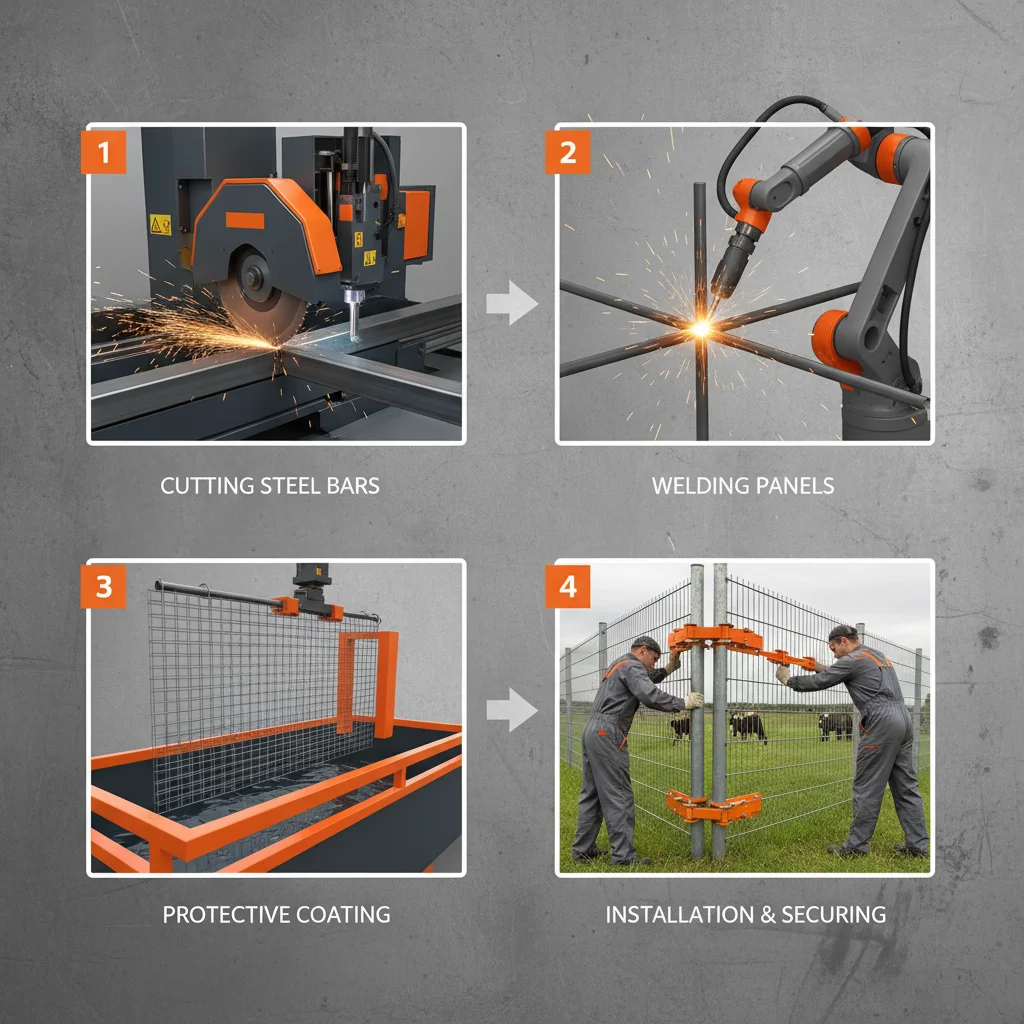
Essential Fencing Panels for Livestock Management and Farm Productivity Fencing panels for livestock are essential components in modern animal husbandry, playing a critical role in efficient farm management, animal welfare, and land utilization. Globally, the demand for robust and reliable fencing solutions is increasing due to the expanding livestock industry and the need to protect grazing lands from encroachment and predation. These panels aren’t simply barriers; they represent a vital investment in a farm's productivity and the health of its animals. Read More >26 Apr, 08
If you are interested in our products, you can choose to leave your information here, and we will be in touch with you shortly.


