


Why Bright Orange Fencing Is Your Best Safety Bet
You know, it's funny how something as simple as a fence can make such a profound difference on a construction site or at a bustling event. For years, plain chain-link or even just rope was considered 'good enough,' but times have changed, and frankly, safety expectations have soared. That's where orange temporary fencing really shines – literally and figuratively.
I've been in this industry for quite a while now, and I've seen the shift firsthand. There's a growing understanding that visibility isn't just a nice-to-have; it's a non-negotiable safety feature. Think about it: a dimly lit construction zone or a chaotic outdoor festival – a bright orange barrier just screams "PAY ATTENTION!" in a way that plain grey never could. Many customers I talk to swear by it, saying it immediately elevates their site's safety profile.
More Than Just a Pretty Color: Technical Specifications & Durability
While the eye-catching color is a massive advantage, it's what’s underneath that truly matters for any serious temporary fencing solution. We're talking about robust materials and construction designed to withstand the rigors of real-world use. Typically, these panels are crafted from high-quality, galvanized steel, which is then often powder-coated in that distinctive orange. This two-pronged approach ensures excellent corrosion resistance and that vibrant, fade-resistant color.
When evaluating orange temporary fencing, you need to look at the specs. Things like wire diameter, mesh opening, and frame pipe dimensions are crucial. For instance, our popular Round Pipe Temporary Fence, a real workhorse, often comes with:
Specification | Details |
Wire Diameter | 3.00-5.00mm |
Mesh Opening | 50x100mm, 75x75mm, 75x100mm, 60x150mm & 100x300mm etc. |
Standard H x W (approx.) | 2100×2400, 1800×2400, 1800×2500, 2100×2900, 2100×3300mm etc. |
Frame & Middle Pipe Diameter | 25mm, 32mm, 42mm, 48mm |
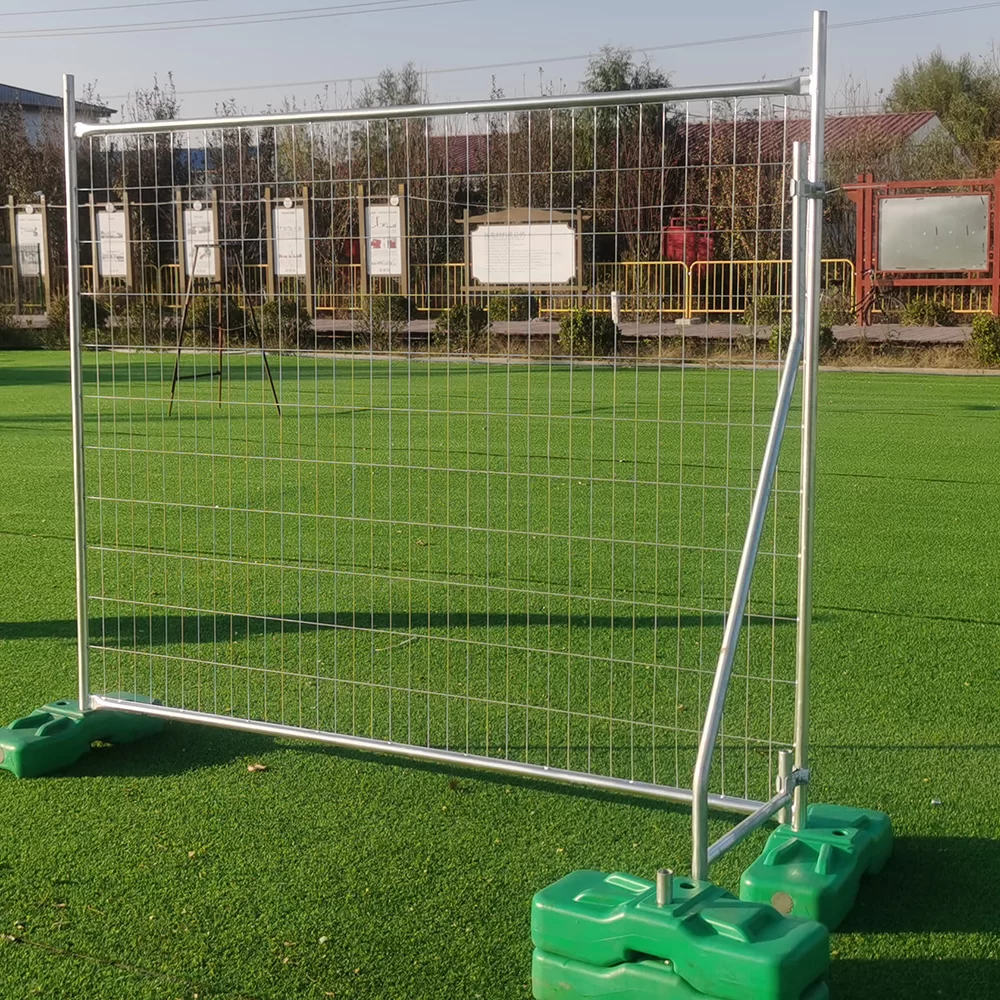
Base Options | Plastic feet (concrete-filled or empty per need) |
Typical Service Life | 5-10+ years (real-world use may vary) |
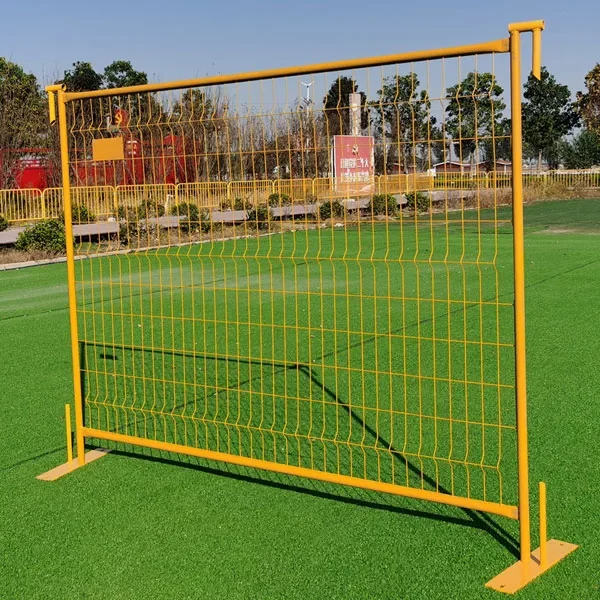
Where You'll See It: Application & Usage Scenarios
The versatility of orange temporary fencing is truly remarkable. From major infrastructure projects to community events, its applications are vast. Common scenarios include:
· Construction Sites: Essential for securing perimeters, delineating hazardous areas, and protecting the public from ongoing work.
· Event Management: Ideal for crowd control at concerts, festivals, sporting events, and fairs. The high visibility is a huge plus here.
· Road and Utility Works: Clearly marking excavation zones or directing pedestrian/vehicular traffic around work areas.
· Emergency Zones: Quickly setting up barriers for accident scenes, disaster relief efforts, or temporary security checkpoints.
Actually, it's not just about keeping people out; it's also about managing flow and signaling danger, and that bright color does a fantastic job of that, even in low-light conditions.
Why Choose Orange? Advantages & Industry Trends
Beyond the obvious visibility, there are some pretty compelling advantages to choosing orange temporary fencing as your go-to for temporary fencing supplies:
· Unmatched Visibility: This is the big one. Reduces accidents, enhances safety compliance.
· Durability: Galvanized and powder-coated steel means it can take a beating and last for years, reducing replacement costs.
· Quick Installation & Relocation: Modular panels, simple clamps, and portable bases make setup and tear-down incredibly efficient.
· Cost-Effectiveness: Long service life and reusability make it a smart investment over time.
· Professional Appearance: A clean, uniform orange fence actually makes your site look more organized and professionally managed.
The industry trend is clearly leaning towards enhanced safety and clearer demarcation. Countries like Australia, Canada, and the USA, where we ship hundreds of containers annually, have increasingly stringent safety regulations, and high-visibility fencing fits right into that narrative. It's a testament to the fact that quality and safety are no longer afterthoughts.
Choosing Your Supplier: What to Look For
Not all temporary fencing suppliers are created equal, and choosing the right one is crucial. You'll want a vendor who understands customization – maybe you need specific panel sizes, different base options (like those plastic feet that can be filled with concrete for extra stability, or left empty for lighter use), or even specific color shades of orange, though generally, the standard safety orange is preferred. Look for those who can talk about their process flow, from material sourcing (often high-grade steel) to the welding and the crucial powder-coating stage which gives it that lasting finish.
Here's a quick comparison of what separates the good from the... well, less ideal:
Feature | Premium Orange Fencing Supplier | Basic Temporary Fence Provider |
Materials | Hot-dip galvanized steel, UV-resistant powder coat | Pre-galvanized or painted steel, potential for rust |
Customization | Special sizes, base types, branding options readily available | Limited standard sizes only |
Durability/Lifespan | Excellent, 5-10+ years, robust welds | Fair, 1-3 years, weaker welds, prone to fading |
Compliance/Standards | Meets international safety standards (e.g., AS, CSA), test data available | Minimal or unverified standards adherence |
Ultimately, orange temporary fencing isn't just about marking a boundary; it's about making a clear statement about safety, responsibility, and efficiency. It’s an investment that pays dividends in reduced accidents, smoother operations, and, frankly, better peace of mind. To be honest, once you start using it, you wonder how you ever managed without it!
Authoritative Citations
1. Occupational Safety and Health Administration (OSHA). Temporary Fencing Guidelines for Construction Sites.
2. Australian Standards (AS 4687-2007). Temporary Fencing and Hoardings.
3. Canadian Standards Association (CSA). Safety Guidelines for Public and Worker Protection.
4. Journal of Construction Engineering and Management. Visibility in Construction Safety: Impact of High-Contrast Barriers.
-
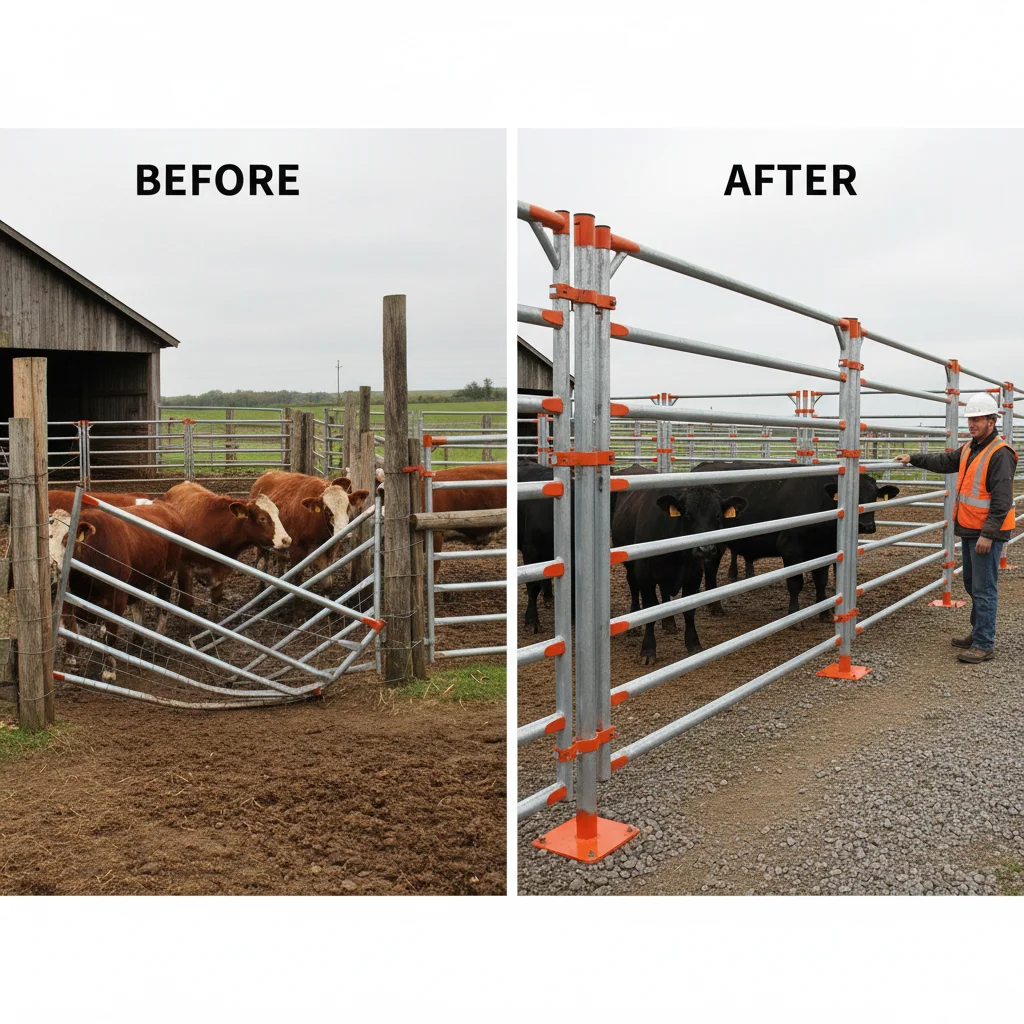
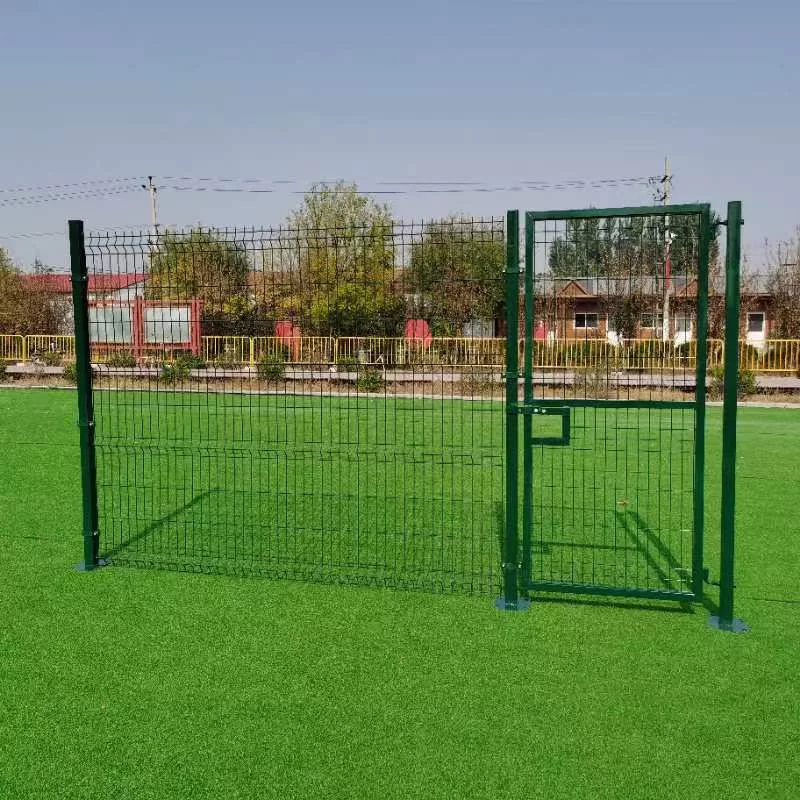
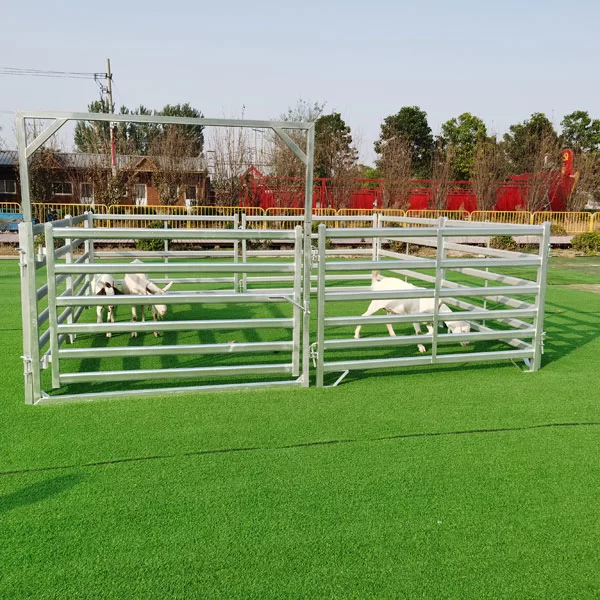
Durable Freestanding Livestock Panels for Efficient Animal Handling In the demanding world of agricultural management, the need for flexible and robust containment solutions has never been more critical. freestanding livestock panels offer a sophisticated answer to the challenges of animal handling, providing a secure yet adaptable barrier that does not require permanent installation or deep grounding. By allowing farmers and ranchers to redefine their spatial layouts in minutes, these panels maximize the efficiency of existing infrastructure while ensuring the safety of both the handlers and the livestock. Read More >26 Apr, 17
-
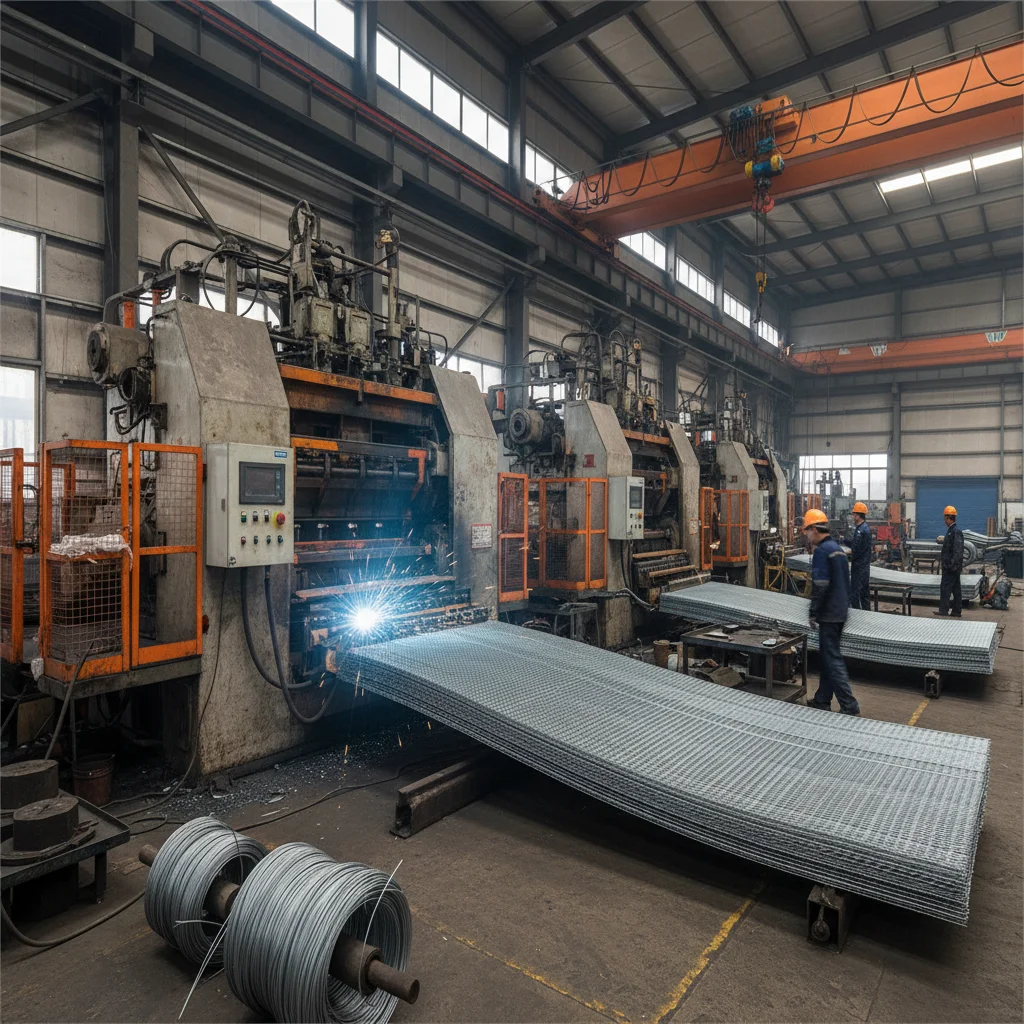
Professional Galvanized Welded Mesh Factory for Industrial Projects Finding a reliable galvanized welded mesh factory is critical for ensuring the structural integrity and longevity of your industrial or agricultural installations. Galvanized welded mesh is prized for its exceptional strength and resistance to corrosion, making it the go-to choice for fencing, animal cages, and construction reinforcement. However, not all factories adhere to the same quality standards. Whether you are sourcing for a large-scale infrastructure project or a specialized commercial application, understanding the manufacturing process and quality benchmarks is key to making a cost-effective investment that lasts for decades. Read More >26 Apr, 16
-
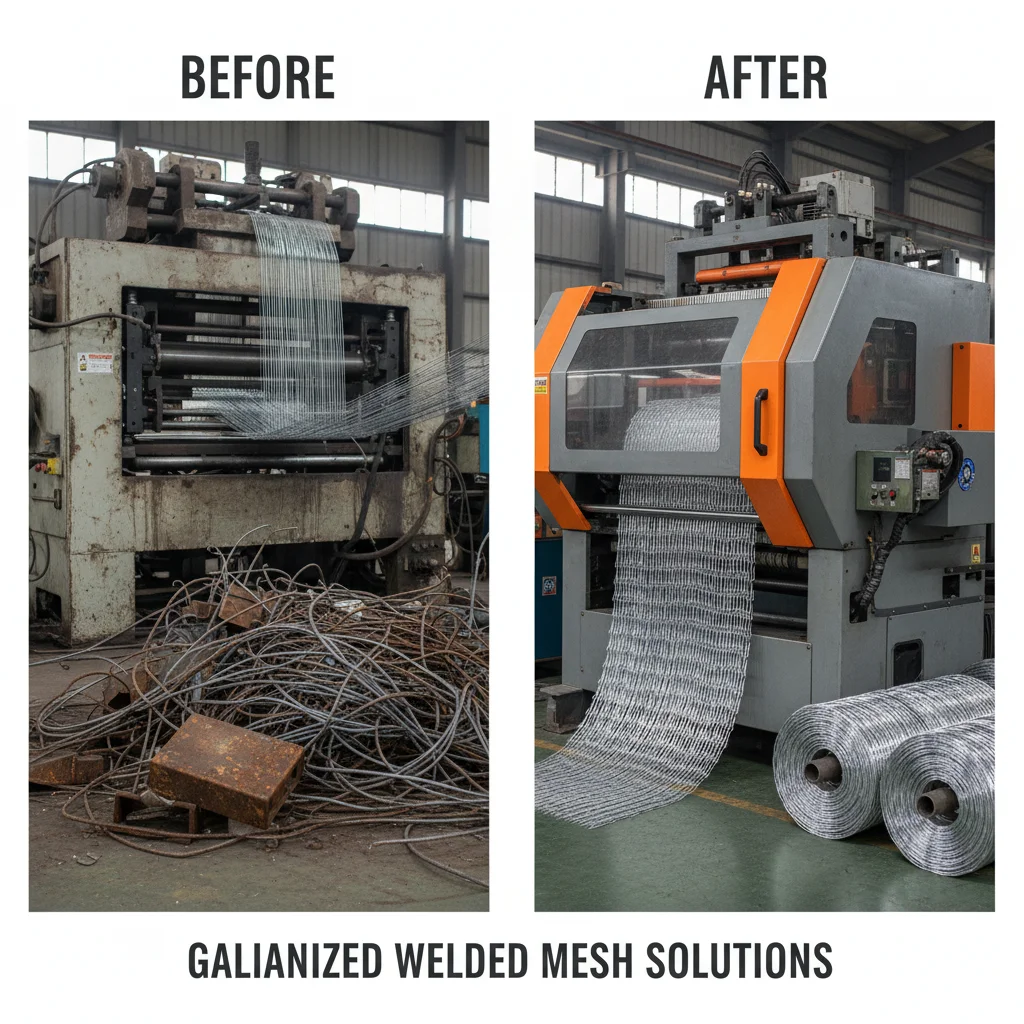
Professional Galvanized Welded Mesh Exporter for Quality Projects Selecting a high-quality fencing or screening solution requires more than just picking a product; it requires partnering with a reliable galvanized welded mesh exporter who understands the balance between structural integrity and corrosion resistance. Whether you are securing an industrial perimeter, building animal enclosures, or implementing architectural reinforcements, the quality of the galvanization process determines the lifespan of your installation. In this guide, we will explore the technical advantages of galvanized welded mesh and how to identify a global supplier that meets international quality standards to ensure your investment stands the test of time. Read More >26 Apr, 09
-
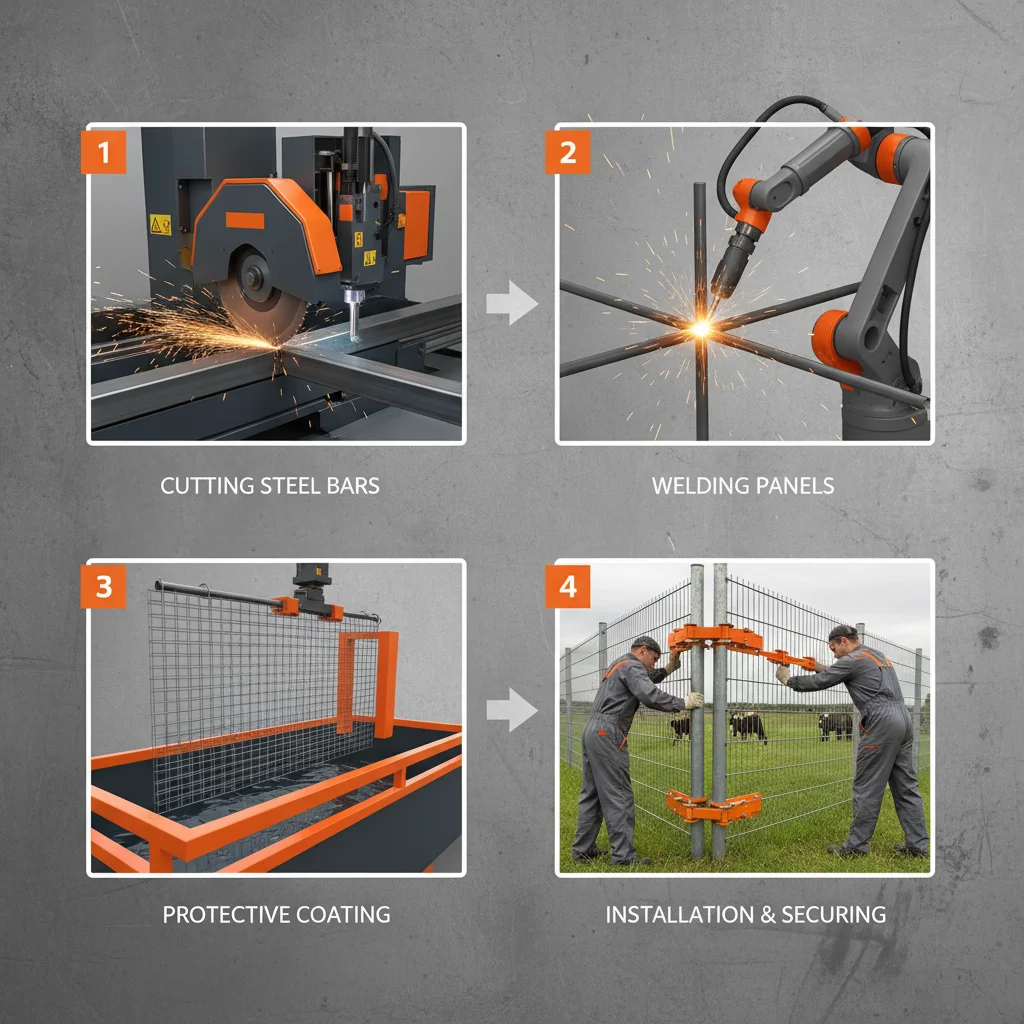
Essential Fencing Panels for Livestock Management and Farm Productivity Fencing panels for livestock are essential components in modern animal husbandry, playing a critical role in efficient farm management, animal welfare, and land utilization. Globally, the demand for robust and reliable fencing solutions is increasing due to the expanding livestock industry and the need to protect grazing lands from encroachment and predation. These panels aren’t simply barriers; they represent a vital investment in a farm's productivity and the health of its animals. Read More >26 Apr, 08
If you are interested in our products, you can choose to leave your information here, and we will be in touch with you shortly.


