


Durable Steel Cattle Panels for Modern Livestock Management | Haotian Mesh
Steel Cattle Panels: Strong Solutions for Global Livestock Management
At first glance, steel cattle panels might seem like just another agricultural accessory. But if you’ve ever spent time around farms or livestock operations, you know how vital they really are. Globally, livestock management plays a huge role in food security, rural livelihoods, and even economic stability — the UN's Food and Agriculture Organization reports that over 1.3 billion people rely on livestock for income. Containing animals safely and efficiently is key, and that’s where these panels play a surprisingly big part.
Why Steel Cattle Panels Matter in a Global Context
Livestock farming is experiencing an exciting yet challenging transformation worldwide. As demand for meat and dairy rises — particularly in emerging economies — the infrastructure to keep animals secure while supporting sustainability is under pressure. According to recent World Bank data, improper livestock fencing leads to increased animal injuries and escapes, costing farmers millions yearly.
Steel cattle panels not only mitigate these risks but also help farmers meet increasingly strict international animal welfare standards. The challenge? Ensuring these panels are affordable, durable, and versatile enough for diverse environments — from arid African savannahs to humid Asian lowlands.
Mini takeaway:
Simply put, steel cattle panels play a practical role in safeguarding livestock, supporting farmer livelihoods, and promoting ethical animal husbandry on a truly global scale.
What Are Steel Cattle Panels, Exactly?
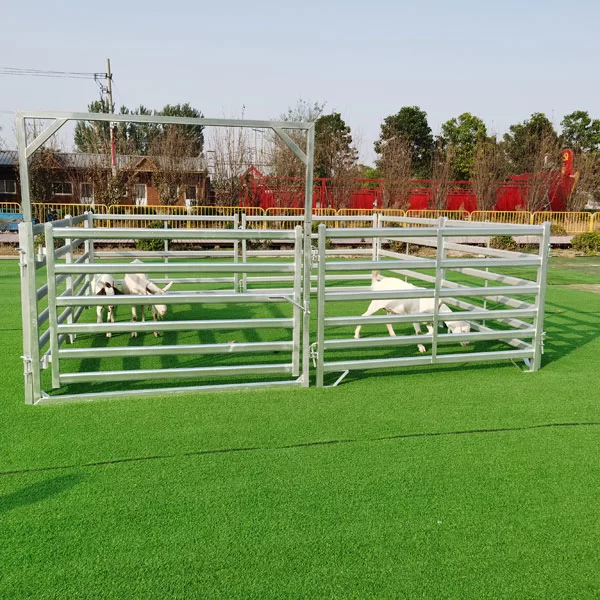
Put simply, steel cattle panels are sturdy, pre-fabricated metal fences designed specifically to contain and manage livestock like cattle, horses, and sometimes even smaller animals. Most are made of galvanized steel or coated metal to resist rust and wear — a key feature since these panels spend long hours outdoors, exposed to the wildest weather.
These panels are modular, which means farmers or livestock handlers can configure them into pens, chutes, or even handling yards depending on their needs. Whether it’s a large feedlot in the Midwest United States or a mobile setup for a remote cattle station in Australia, the panels flexibly adapt to fit.
Mini takeaway:
If you think of them as a “building block” for livestock containment, steel cattle panels make a lot of sense—they combine strength, mobility, and durability to meet modern agricultural demands.
Core Features and Components that Define Their Value
Durability
Steel cattle panels are usually galvanized, meaning they get a protective zinc coating to resist corrosion. Many engineers I've spoken with say this feature can extend panel life by more than a decade in typical farm environments.
Modularity and Scalability
Panels come in standardized sizes (usually 4 to 16 feet wide, 5 to 6 feet tall), making it easy to add or remove sections for bigger or smaller pens. This modularity suits fluctuating herd sizes or temporary fencing needs like seasonal grazing.
Cost Efficiency
While the upfront cost may be higher than wood fencing, the long-term maintenance savings, improved safety, and reusability often make steel panels a better economic choice overall.
Ease of Assembly
Oddly enough, many farmers I met emphasized how quickly these panels go up with just a few basic tools—no welding or heavy machinery required. This speeds up deployment in emergency or remote situations.
Animal Safety
Properly designed panels minimize gaps or sharp edges that might injure cattle—a top priority for humane husbandry and to meet certification standards in many countries.
Mini takeaway:
Durability, modular design, and safety bolster the practical and economic advantages steel cattle panels bring to modern livestock management.
Real-World Uses: From Rural Farms to Emergency Response
You’ll find these panels everywhere—from sprawling ranches in Texas to dairy farms in New Zealand and communal herders in East Africa. But their usefulness goes well beyond ordinary farms:
- Post-Disaster Relief: NGOs often deploy steel cattle panels to create quick, semi-permanent pens after floods or hurricanes, helping displaced farmers keep livestock safe while rebuilding.
- Remote Industrial Sites: Mining companies and remote construction projects use panels to manage work animals or local cattle roaming near sites.
- Community Grazing Projects: Panels help organize communal land grazing, balancing animal movement while reducing overgrazing damage and land conflict.
Mini takeaway:
The versatility of steel cattle panels makes them an indispensable tool for many sectors beyond traditional farming – humanitarian aid, industries, and sustainable land use all benefit.
Why Investing in Steel Cattle Panels Pays Off Long Term
The benefits go well beyond the fence line. There’s a social impact too: secure containment means reduced animal stress and injury, which translates to health and productivity gains. You can argue that better fencing supports farmer confidence and community resilience, especially where livestock is a primary income source.
Then there’s sustainability — steel panels are reusable and recyclable. According to ISO standards for steel products, galvanized steel fences stand up well to decades of use, lowering the need for replacements. That means fewer resources consumed and a smaller environmental footprint.
Product Specification Table
| Feature | Specification |
|---|---|
| Material | Galvanized Steel (Zinc-coated) |
| Panel Size | 8 ft (Width) x 5 ft (Height) standard |
| Tube Diameter | 16-25 mm |
| Weight | Approx. 30-35 kg per panel |
| Finish | Hot-dip galvanized or powder coating |
| Installation | Bolt-on with clamps or connectors (no welding) |
Vendor Comparison: Finding the Right Steel Cattle Panel Supplier
| Vendor | Product Range | Customization | Delivery Time | Price Range |
|---|---|---|---|---|
| Haotian Mesh | Standard & custom panels, gates, accessories | High (sizes, coatings, fittings) | 3–5 weeks | Competitive |
| Supplier B | Limited sizes, mainly standard panels | Low | 4–6 weeks | Mid-range |
| Supplier C | Panels plus full fencing kits | Medium | 2–4 weeks | Premium |
Looking Ahead: Trends and Innovation in Steel Cattle Panels
Today’s steel cattle panels are getting smarter. You might ask, “Smarter how?” Some vendors are exploring lightweight alloys and coatings that extend panel life even further. There’s also growing interest in integrating RFID tagging or sensor mounts directly on panels for real-time livestock tracking and security — a nod to digital farming’s rise worldwide.
Sustainability remains a buzzword, and for good reason. Eco-friendly coatings that reduce chemical runoff, or steel made from higher recycled content, are becoming more common. As global standards evolve, I expect more regulatory push to adopt these “greener” panels, especially in regions hard-hit by climate stress.
Common Challenges and Smart Solutions
No solution is perfect, of course. Sometimes panels dent with extremely aggressive cattle, or installation on rocky terrain is tricky. That’s why many farmers combine steel cattle panels with earthworks—like leveling or reinforced footing—to prevent instability.
Another concern is theft or vandalism in some regions. Here, integration with security systems or temporary locking mechanisms proves crucial. Many users find partnering with suppliers who offer field support and installation advice pays off big time.
FAQs About Steel Cattle Panels
- Q: How long do steel cattle panels typically last outdoors?
- A: With proper galvanized coating and routine maintenance, panels can last 10–15 years or more, depending on climate and use intensity.
- Q: Can steel cattle panels be customized for different animal types?
- A: Yes. Panels can be made taller, use closer spacing between bars, or wider tubing depending on whether you're fencing cattle, horses, goats, or even exotic livestock.
- Q: Are these panels easy to relocate if pasture rotation is needed?
- A: Absolutely. Their modular design facilitates quick disassembly and transport, especially with lightweight connections and clamps instead of welding.
- Q: Do steel cattle panels comply with international animal welfare regulations?
- A: Many manufacturers design panels to meet USDA and European standards, focusing on safety features like smooth edges and appropriate bar spacing to minimize injury risks.
Wrapping It Up: Why Steel Cattle Panels Are an Essential Investment
In the grand scheme, steel cattle panels might seem like humble agricultural supplies. But these strong, flexible systems form the backbone of ethical livestock management. They combine durability, safety, and cost-effectiveness to support farmers and organizations worldwide, making global livestock operations more resilient and sustainable.
Curious to explore more or pick your perfect panel solution? Visit Haotian Mesh — they offer an impressive range of steel cattle panels and expert customization to fit your exact needs.
References:
-
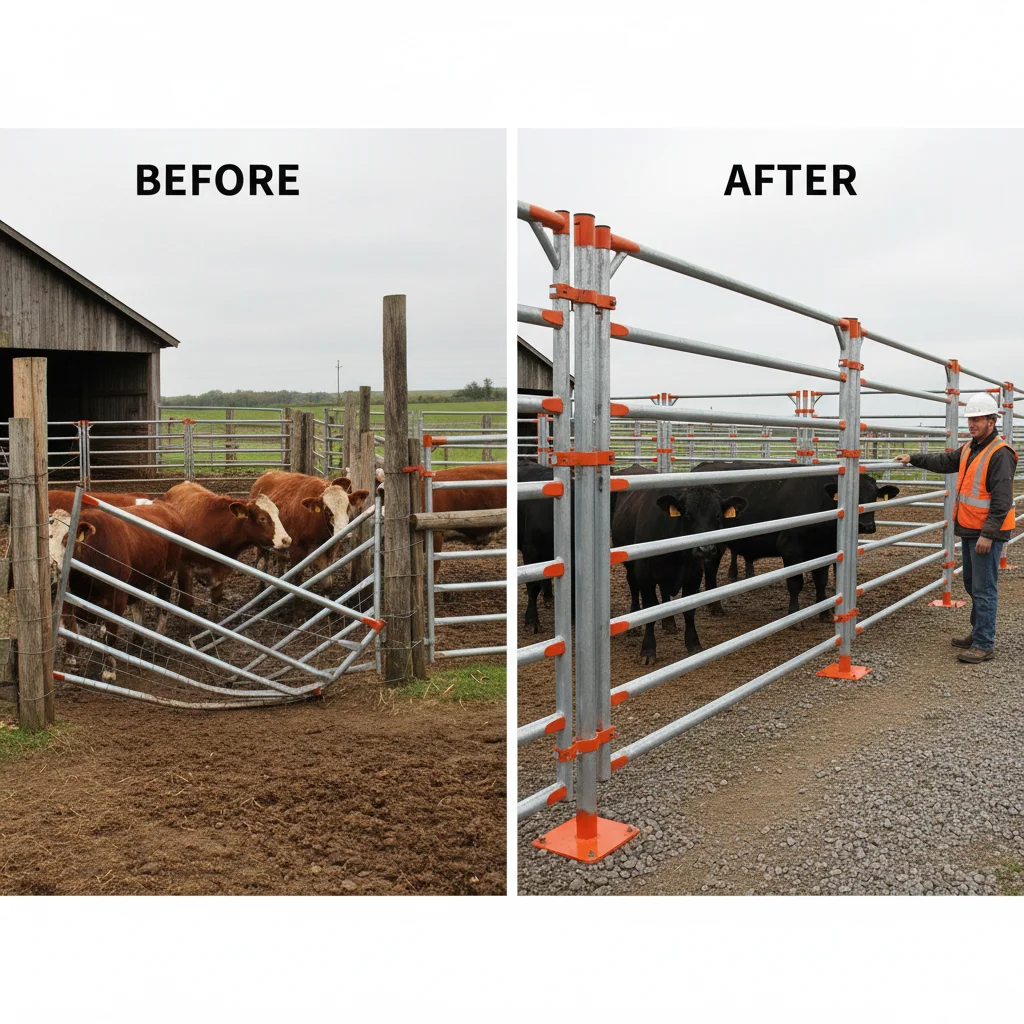
Durable Freestanding Livestock Panels for Efficient Animal Handling In the demanding world of agricultural management, the need for flexible and robust containment solutions has never been more critical. freestanding livestock panels offer a sophisticated answer to the challenges of animal handling, providing a secure yet adaptable barrier that does not require permanent installation or deep grounding. By allowing farmers and ranchers to redefine their spatial layouts in minutes, these panels maximize the efficiency of existing infrastructure while ensuring the safety of both the handlers and the livestock. Read More >26 Apr, 17
-
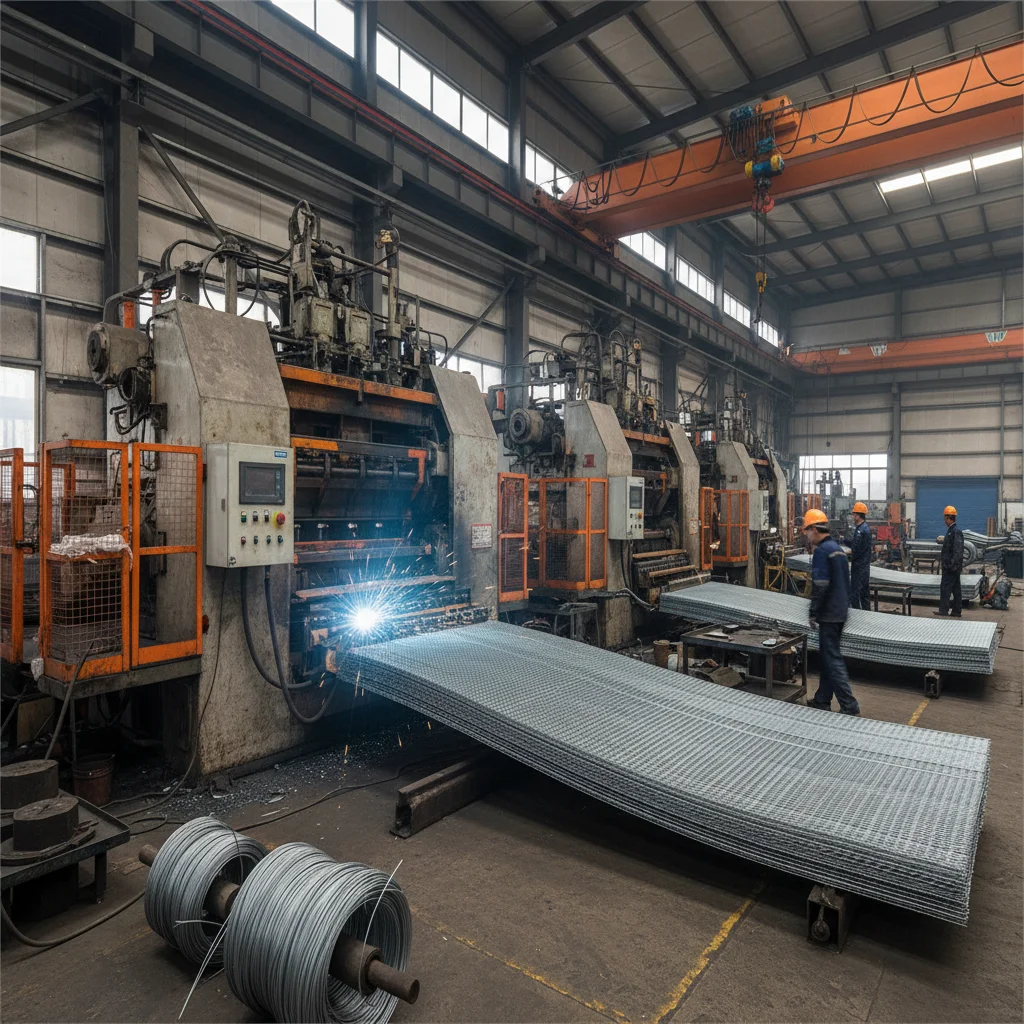
Professional Galvanized Welded Mesh Factory for Industrial Projects Finding a reliable galvanized welded mesh factory is critical for ensuring the structural integrity and longevity of your industrial or agricultural installations. Galvanized welded mesh is prized for its exceptional strength and resistance to corrosion, making it the go-to choice for fencing, animal cages, and construction reinforcement. However, not all factories adhere to the same quality standards. Whether you are sourcing for a large-scale infrastructure project or a specialized commercial application, understanding the manufacturing process and quality benchmarks is key to making a cost-effective investment that lasts for decades. Read More >26 Apr, 16
-
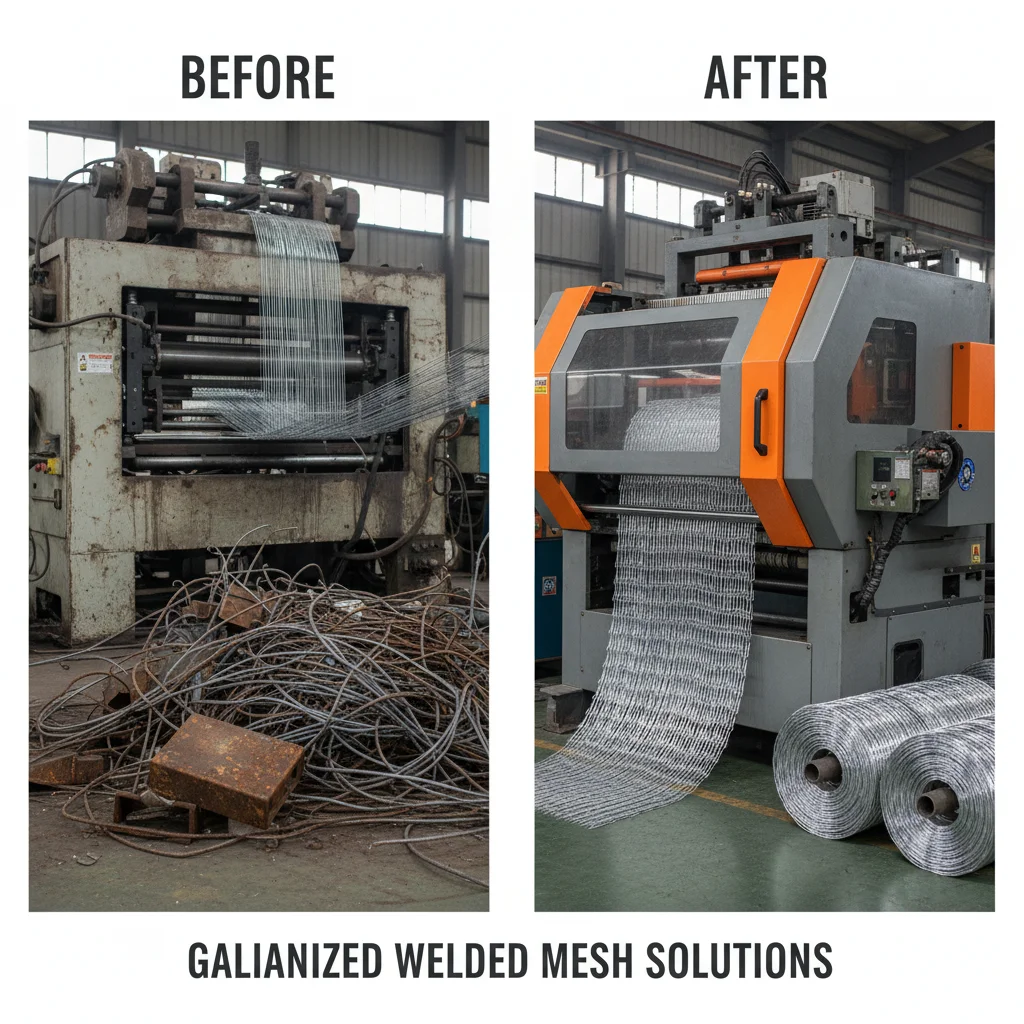
Professional Galvanized Welded Mesh Exporter for Quality Projects Selecting a high-quality fencing or screening solution requires more than just picking a product; it requires partnering with a reliable galvanized welded mesh exporter who understands the balance between structural integrity and corrosion resistance. Whether you are securing an industrial perimeter, building animal enclosures, or implementing architectural reinforcements, the quality of the galvanization process determines the lifespan of your installation. In this guide, we will explore the technical advantages of galvanized welded mesh and how to identify a global supplier that meets international quality standards to ensure your investment stands the test of time. Read More >26 Apr, 09
-
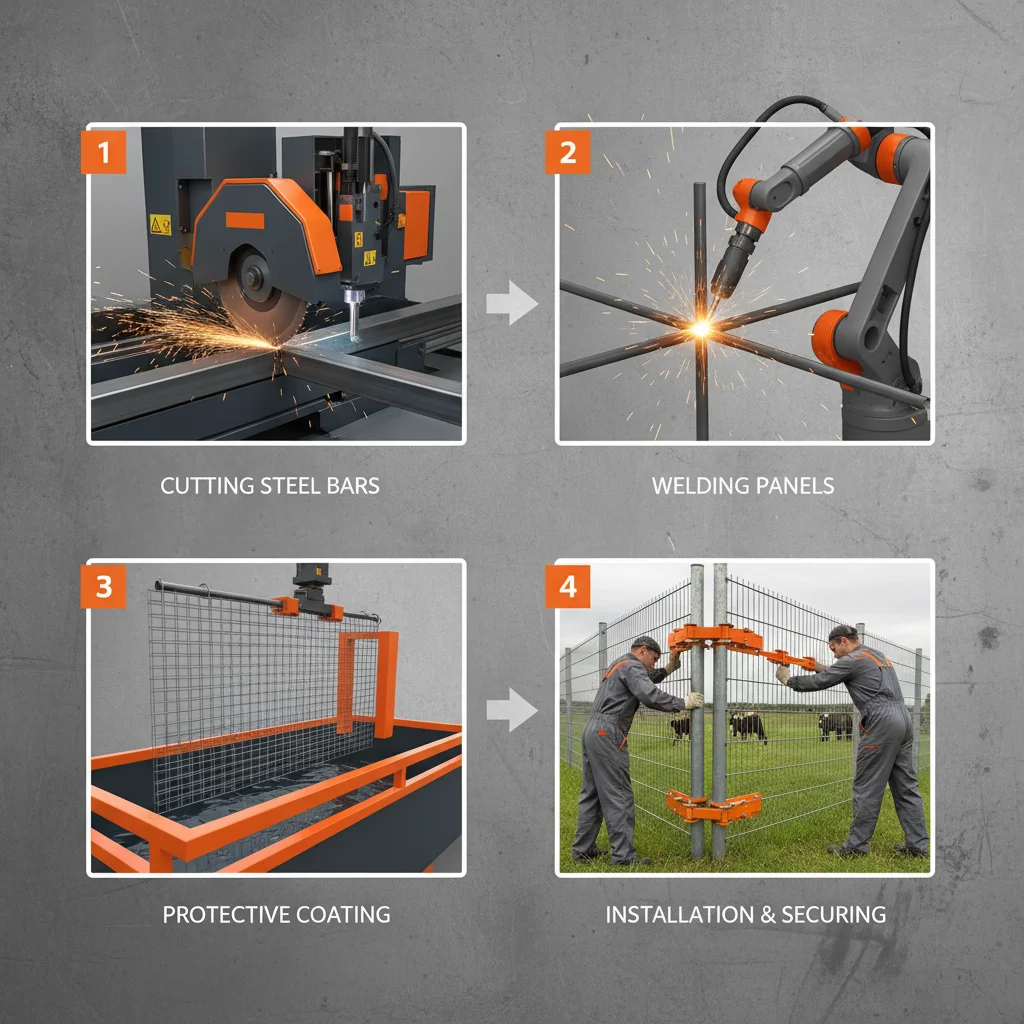
Essential Fencing Panels for Livestock Management and Farm Productivity Fencing panels for livestock are essential components in modern animal husbandry, playing a critical role in efficient farm management, animal welfare, and land utilization. Globally, the demand for robust and reliable fencing solutions is increasing due to the expanding livestock industry and the need to protect grazing lands from encroachment and predation. These panels aren’t simply barriers; they represent a vital investment in a farm's productivity and the health of its animals. Read More >26 Apr, 08
If you are interested in our products, you can choose to leave your information here, and we will be in touch with you shortly.


