


Durable Steel Cattle Fence Panels for Secure Livestock Management | Haotian Mesh
The Growing Importance of Steel Cattle Fence Panels in Agriculture
Steel cattle fence panels might sound like an unremarkable farm accessory at first glance, but they actually form a crucial backbone for agricultural and livestock operations worldwide. These panels are more than just physical barriers—they safeguard livestock, improve farm productivity, and influence everything from local economies to environmental sustainability. Understanding steel cattle fence panels offers an insightful glimpse into the agricultural supply chain, animal welfare, and even global rural development.
Why does this matter globally? Well, with the UN estimating that livestock farming supports nearly 1.3 billion people worldwide and demands for animal protein rising steeply in many emerging markets, efficient and durable fencing solutions become vital. These steel panels meet the challenge by addressing concerns like security, durability, and cost-effectiveness that farmers everywhere face.
Understanding Steel Cattle Fence Panels: What Are They Exactly?
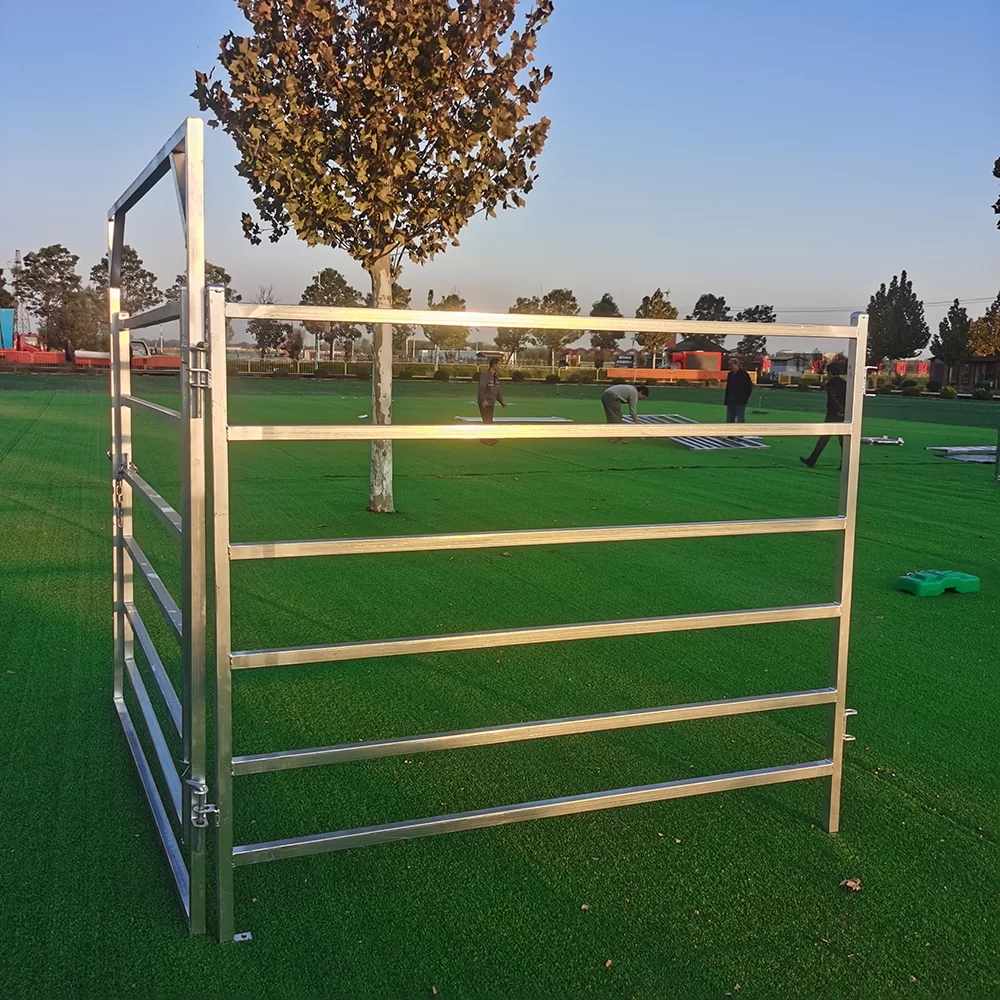
Simply put, steel cattle fence panels are pre-fabricated barrier sections made predominantly from galvanized steel or other corrosion-resistant alloys designed to contain cattle and other large livestock. They typically feature horizontal and vertical bars welded for strength and made in modular sizes for easy installation and maintenance.
In more industrial or humanitarian contexts — say, in post-natural disaster zones or developing regions — these panels support rapid livestock containment or even temporary boundary setup, ensuring safety and preventing animal loss. This use underscores their versatility beyond just farms; they connect deeply to food security and rural infrastructure resilience.
Core Components of Steel Cattle Fence Panels
1. Durability and Corrosion Resistance
Steel is prized for strength, but raw steel can rust and degrade. Manufacturers offset this with galvanization, powder coating, or stainless steel options. This ensures panels withstand harsh weather conditions and rough use—critical in rural zones where fences face sun, rain, mud, and livestock strain daily.
2. Modular Design and Scalability
Panels often come in standard sizes, like 8 ft or 10 ft widths, and can be linked without complicated fabrication. This modularity allows farmers and contractors to scale fencing according to herd size or land shape without custom building each section—a major cost and time saver.
3. Cost Efficiency and Maintenance
While initial investment may be higher than traditional wooden fences, steel cattle fence panels typically require less upkeep, last longer, and reduce losses due to animal escapes or predator intrusion. Over a decade, this can mean considerable savings and predictability.
4. Animal Welfare and Safety
Smart panel designs avoid sharp edges, protrusions, or gaps that might injure animals. Properly constructed panels also reduce stress and prevent escape attempts, contributing to livestock well-being.
Where and How Steel Cattle Fence Panels Make a Difference
Around the world, you’ll find varied applications for these panels—from vast ranches in the American Midwest to remote farms in sub-Saharan Africa. They’re also critical in industrial livestock operations that require controlled access and biosecurity.
- Post-disaster settings: After floods or earthquakes, steel panels quickly form temporary corrals, enabling farmers and aid organizations to safeguard livestock when permanent fencing is damaged.
- Remote industrial zones: Mining or agricultural projects often use them to contain animals near camps or prevent wildlife trespassing without lengthy construction delays.
- Animal research and veterinary farms: Security and hygienic control are mandated, so steel panels provide a safe, clean environment.
One interesting case: In New Zealand's rugged hill country, modular steel panels have been used to create temporary holding yards during sheep shearing seasons, speeding workflow and reducing labor costs substantially—or so I’ve read from local agricultural studies.
Practical Specification Table for Steel Cattle Fence Panels
| Specification | Details |
|---|---|
| Material | Galvanized Steel / Stainless Steel |
| Dimensions | Typically 8 ft × 5 ft (L×H), customizable |
| Weight | ~40-60 kg per panel depending on gauge |
| Finish | Hot-dip galvanized, powder-coated options |
| Load-bearing | Rated for impact from large livestock, >500 lbs force tolerance |
| Connection Method | Welded panels with pin or latch connectors |
Comparing Top Vendors of Steel Cattle Fence Panels
| Vendor | Material Quality | Customization | Price Range | Lead Time |
|---|---|---|---|---|
| Haotian Mesh | Galvanized & Powder Coated | High – Sizes & Finishes | $$ | 2-4 weeks |
| RanchPro Fencing | Hot-Dip Galvanized | Medium – Mostly Standard Sizes | $ | 3-5 weeks |
| SteelField Supplies | Stainless Steel Options Available | Low – Mostly Cataloged | $$$ | 4-6 weeks |
What Makes Steel Cattle Fence Panels a Wise Long-Term Investment?
It’s easy to just think “fence = fence,” but choosing steel cattle fence panels touches on long-term sustainability, economy, and even emotional peace of mind. These panels reduce animal stress and escape, improve boundary security, and require less replacement labor than timber or wire fencing—so farmers save time and money.
From an environmental angle, many manufactures now adopt eco-friendly coatings and recycle scrap steel. This means the panels either contribute less waste or can be repurposed at end-of-life, supporting sustainable farming operations.
Socially, reliable fencing ensures animal welfare by preventing injury or loss, which is crucial as animal rights become more scrutinized worldwide. This aspect fosters trust between suppliers, farmers, and urban consumers concerned with ethical food sources.
Emerging Innovations Impacting Steel Cattle Fence Panels
The future looks quite interesting, actually. We’re already seeing the integration of smart sensors in fence panels that can detect breaches or strain. Combine that with solar-powered surveillance, and farms are moving toward automated, digital livestock management.
Material science is also pushing boundaries with stronger, lighter alloys that reduce weight without compromising durability. Plus, there’s a growing trend for steel cattle fence panels that come with modular installation systems to speed setup further—a real boon for emergency or temporary installations.
Facing Challenges Head-On
Of course, some challenges persist. Corrosion in extremely wet or salty coastal environments still wears down fences quicker than ideal, and initial cost sometimes remains a barrier for smaller farms.
Innovative coatings and hybrid material blends address corrosion better than ever, while leasing or modular purchase options help farmers spread costs over time. Expert installers often recommend specific grounding and maintenance routines for different climates, too.
Frequently Asked Questions About Steel Cattle Fence Panels
- Q: How long do steel cattle fence panels typically last?
- A: With proper galvanization and maintenance, these panels can last 15–25 years or more depending on exposure to weather and usage conditions.
- Q: Can I customize panel sizes or finishes?
- A: Yes, many manufacturers—including Haotian Mesh—offer customized sizes and powder coat colors to suit specific needs.
- Q: Are steel cattle fence panels suitable for harsh coastal environments?
- A: They can be, but require special anti-corrosion finishes. Stainless steel options may be advised.
- Q: How quickly can steel cattle fence panels be deployed?
- A: Thanks to their modular design, panels can often be installed in a matter of hours per pen section, making them practical for rapid response scenarios.
- Q: Can steel fence panels prevent predator intrusion?
- A: Yes, when properly installed with secure gates and fences, they are effective barriers against common predators like wolves and coyotes.
Wrapping Up: Steel Cattle Fence Panels as a Ground-Level Solution for Global Agriculture
Choosing steel cattle fence panels feels like opting for reliability, durability, and peace of mind. You’re investing in a component that supports livestock safety, optimizes farm operations, and often reduces long-term costs. Plus, innovations on the horizon suggest these panels will get smarter, tougher, and even friendlier to the environment.
If you want to explore quality steel cattle fence panels with customizable options and solid support, do visit the Haotian Mesh website. Sometimes it’s these straightforward products that quietly keep our food systems secure and sustainable – quite a nice reminder, right?
References & Further Reading
-
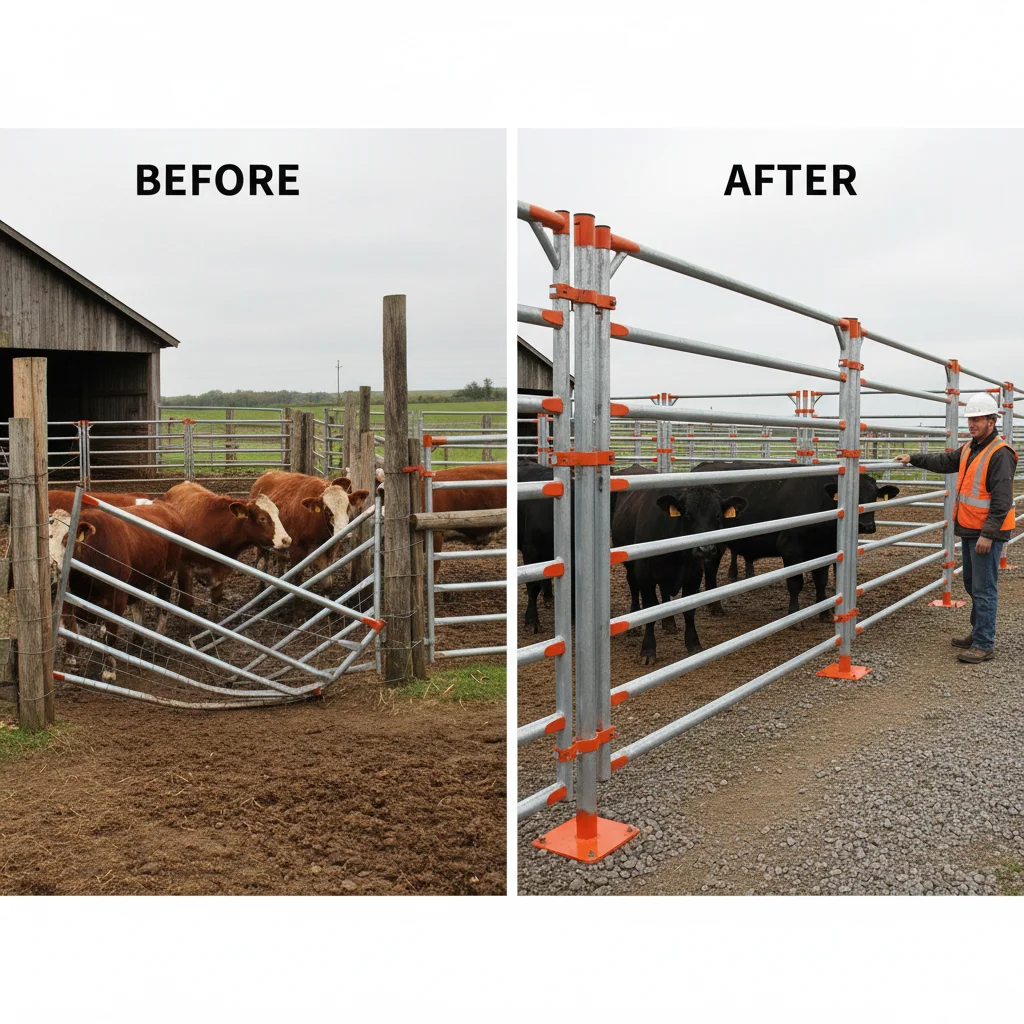
Durable Freestanding Livestock Panels for Efficient Animal Handling In the demanding world of agricultural management, the need for flexible and robust containment solutions has never been more critical. freestanding livestock panels offer a sophisticated answer to the challenges of animal handling, providing a secure yet adaptable barrier that does not require permanent installation or deep grounding. By allowing farmers and ranchers to redefine their spatial layouts in minutes, these panels maximize the efficiency of existing infrastructure while ensuring the safety of both the handlers and the livestock. Read More >26 Apr, 17
-
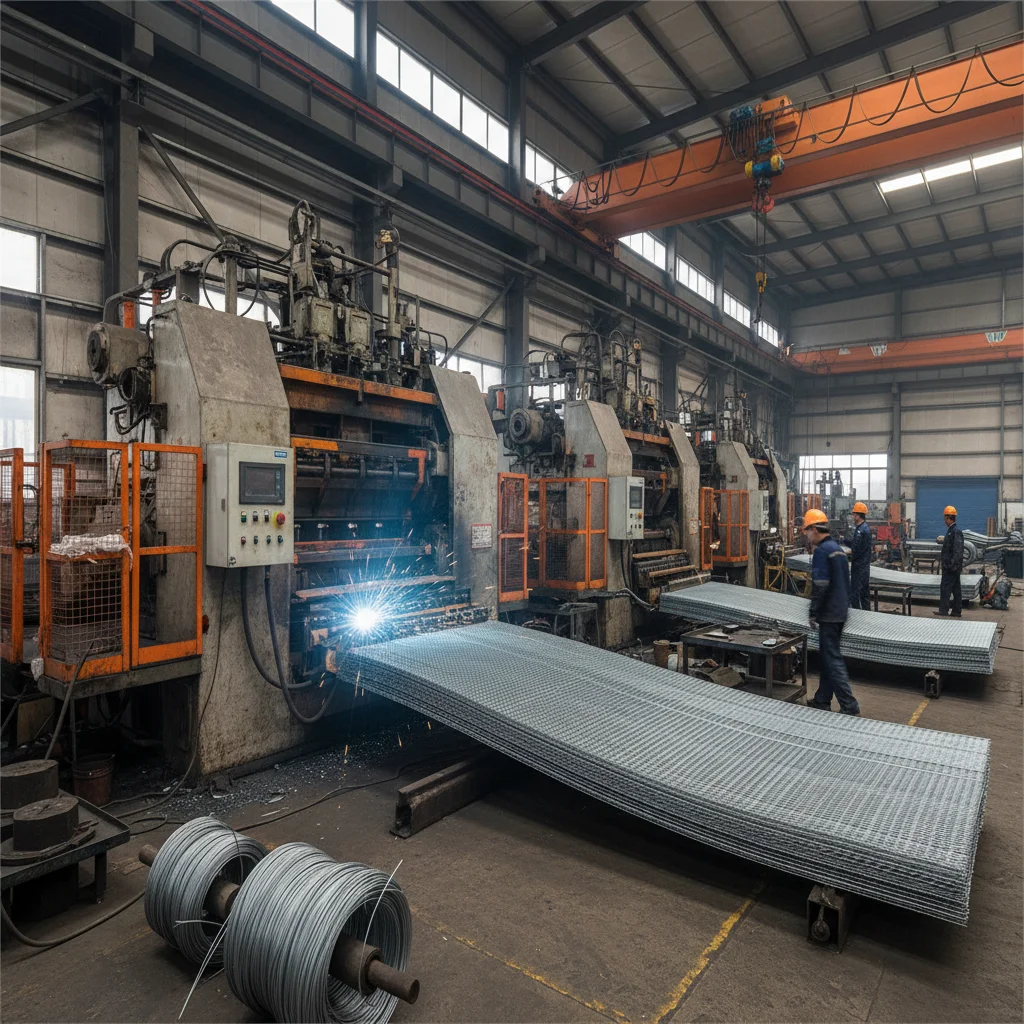
Professional Galvanized Welded Mesh Factory for Industrial Projects Finding a reliable galvanized welded mesh factory is critical for ensuring the structural integrity and longevity of your industrial or agricultural installations. Galvanized welded mesh is prized for its exceptional strength and resistance to corrosion, making it the go-to choice for fencing, animal cages, and construction reinforcement. However, not all factories adhere to the same quality standards. Whether you are sourcing for a large-scale infrastructure project or a specialized commercial application, understanding the manufacturing process and quality benchmarks is key to making a cost-effective investment that lasts for decades. Read More >26 Apr, 16
-
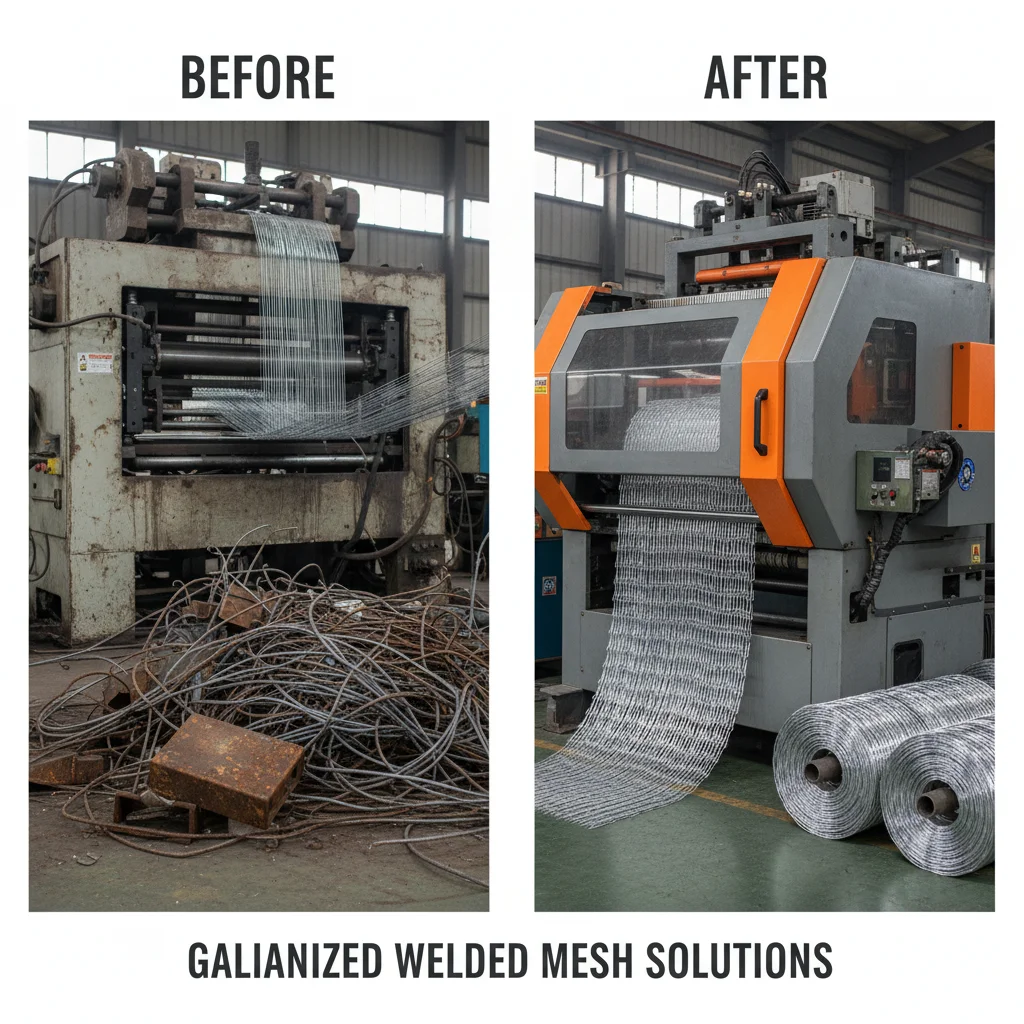
Professional Galvanized Welded Mesh Exporter for Quality Projects Selecting a high-quality fencing or screening solution requires more than just picking a product; it requires partnering with a reliable galvanized welded mesh exporter who understands the balance between structural integrity and corrosion resistance. Whether you are securing an industrial perimeter, building animal enclosures, or implementing architectural reinforcements, the quality of the galvanization process determines the lifespan of your installation. In this guide, we will explore the technical advantages of galvanized welded mesh and how to identify a global supplier that meets international quality standards to ensure your investment stands the test of time. Read More >26 Apr, 09
-
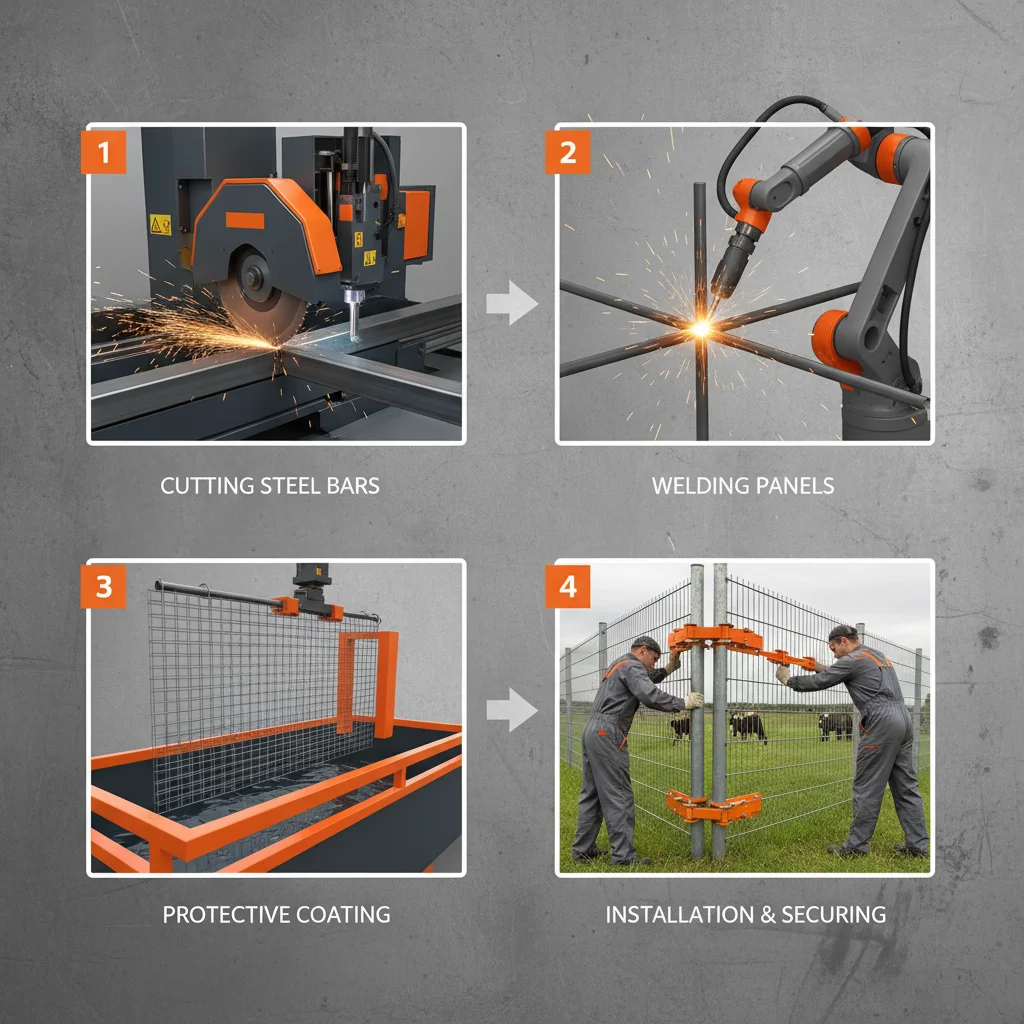
Essential Fencing Panels for Livestock Management and Farm Productivity Fencing panels for livestock are essential components in modern animal husbandry, playing a critical role in efficient farm management, animal welfare, and land utilization. Globally, the demand for robust and reliable fencing solutions is increasing due to the expanding livestock industry and the need to protect grazing lands from encroachment and predation. These panels aren’t simply barriers; they represent a vital investment in a farm's productivity and the health of its animals. Read More >26 Apr, 08
If you are interested in our products, you can choose to leave your information here, and we will be in touch with you shortly.


