


Steel Cattle Yard Panels | Durable Livestock Management Solutions
Understanding Steel Cattle Yard Panels: Durable Solutions for Global Livestock Management
Steel cattle yard panels might not be the flashiest topic at a dinner party, but if you work in agriculture, livestock handling, or rural development, they’re practically essential. These robust, modular fences and gates provide the backbone for safely and efficiently managing cattle and other livestock around the world. As global demand for meat and dairy continues to rise, and with international efforts aimed at sustainable farming, understanding steel cattle yard panels' role becomes critical.
Simply put, these panels bring together safety, reliability, and cost-effectiveness for farmers, operations managers, and humanitarian workers alike. Over the next sections, we'll explore what these panels are, why their use is spreading globally, and how innovations and challenges shape their future.
The Global Context: Why Steel Cattle Yard Panels Matter
Livestock farming accounts for roughly 40% of global agricultural GDP, according to FAO data, sustaining millions of rural livelihoods across continents. Managing animals safely on farms, ranches, or transit points is a longstanding challenge that steel cattle yard panels address head-on.
Interestingly, unsafe or poorly designed yard infrastructure leads not only to injury but also to economic losses and animal stress, impacting meat quality. In regions like Sub-Saharan Africa, South America, and Southeast Asia, where livestock farming is a critical livelihood source, these panels support more sustainable animal husbandry practices.
Meanwhile, emerging markets and humanitarian organizations increasingly use these panels in post-disaster relief and community rebuilding. The ability to rapidly deploy sturdy fencing is pivotal when protecting livestock stock during crises or supporting rural economic recovery.
Mini takeaway: Steel cattle yard panels aren't just fencing—they’re a key component in global food security, rural economies, and disaster response efforts.
What Are Steel Cattle Yard Panels?
Put simply, steel cattle yard panels are prefabricated metal sections designed to create enclosures, pens, or chutes for livestock handling. Typically made from galvanized steel tubing or mesh, they are engineered for strength, corrosion resistance, and modular assembly. One can think of them as the modern “building blocks” for cattle yards, constructed to be flexible and transportable.
They play a vital role in the livestock industry by ensuring safe crowding, sorting, and loading of animals while minimizing stress and injury to both stock and handlers. This utility alone makes them invaluable in operations ranging from family farms to industrial feedlots.
Connection to Industry and Humanitarian Needs
Beyond agriculture, steel cattle yard panels support humanitarian goals. For example, NGOs working with pastoralist communities use these panels to erect temporary or semi-permanent enclosures in drought relief zones, helping protect livestock resources vital for food and income.
In short, these panels sit at the intersection of modern farming innovation and social resilience.
Key Features of Steel Cattle Yard Panels
1. Durability and Corrosion Resistance
Typically galvanized or powder-coated, these panels resist rust and last decades under harsh weather and constant use. That makes them a solid investment compared to timber or plastic fencing.
2. Modular and Scalable Design
Whether for a small farm or a massive feedlot, panels connect easily with minimal tools, allowing yards to expand or reshape without major costs.
3. Safety and Animal Welfare
Rounded edges, anti-slip coatings (sometimes), and proper height reduce injury risk for cattle and handlers — crucial for stress reduction and compliance with animal welfare standards.
4. Cost Efficiency
While upfront costs may be higher than traditional materials, the longevity and reduced maintenance lessens long-term expenses significantly.
5. Ease of Transport and Installation
Lightweight relative to size but tough in design, these panels ship flat-packed or in bundles that are easy to maneuver even in remote or rugged terrain.
Product Specification Table
| Specification | Details |
|---|---|
| Material | Galvanized Steel Tubing (40x40 mm) |
| Dimensions | 2m height x 3m length (varies by model) |
| Weight | Approx. 30 kg per panel |
| Finish | Hot-dip galvanized with optional powder coat |
| Installation | Bolts and clamps; no welding required |
| Compliance | ISO 9001 manufacturing standards |
Practical Global Applications and Use Cases
The reach of steel cattle yard panels extends from the vast feedlots in the US Midwest to remote ranches in Australia. In Africa, community-based projects use these panels to create shared yards promoting better livestock health and local economies. Oddly enough, some relief agencies stockpile these for rapid deployment in disasters where livestock preservation is vital to survival.
Industrial zones and export facilities rely on them for sorting and loading cattle quickly. Without sturdy, reliable panels, the risk of injury, delays, and economic loss spikes.
Also, their modular nature means they can be repurposed for other fencing needs, such as wildlife management or temporary construction site barriers. It makes one realize this product often serves double duty beyond its name.
Mini takeaway: Steel cattle yard panels aren’t just a farm tool—they play diverse roles in humanitarian, industrial, and conservation efforts worldwide.The Advantages and Lasting Value You Can’t Ignore
- Longevity: Panels can last up to 25 years, roughly tripling the lifespan of wood fences in many climates.
- Safety: Enhanced animal welfare reduces vet costs and improves meat quality — good for the wallet and the planet.
- Cost Savings: Though pricier initially, low maintenance and adaptability cut down total ownership cost.
- Social Impact: Local communities gain stable infrastructure that supports sustainable livestock practices.
- Trust & Reliability: For exporters and industrial buyers, predictable panel quality means smooth operations.
Frankly, many farmers say switching to steel yards feels like moving from dial-up to fiber internet — you wonder why you didn’t do it sooner.
Emerging Trends Shaping Steel Cattle Yard Panels
Looking to the future, we see a surge in eco-conscious manufacturing—panels combining recycled steel content with low-impact coatings. Digital integration is also on the rise; imagine panels embedded with sensors tracking animal movement or gate usage data. This intersects with smart farming and IoT technologies, empowering managers with precise data.
Automation in yard design—not just assembly—is drawing attention too, with robotic arms used in factories to ensure consistency and custom-fittings on demand. Finally, policies pushing for animal welfare and sustainability standards worldwide make durable, safe panels all the more essential.
Common Challenges and Smart Solutions
Ironically, the main challenge with steel cattle yard panels often isn’t their quality but logistical: transport costs for remote farms can be steep, and improper installation hampers performance. However, creative container-shipping methods and better installation training go a long way.
Some users report that in saltwater coastal farms, even galvanized steel corrodes quicker than expected, prompting research into marine-grade coatings and stainless steel options. Meanwhile, balancing upfront cost with smallholder affordability remains a puzzle. Collaborative projects and subsidies sometimes help bridge that gap.
FAQ: Frequently Asked Questions
- How do steel cattle yard panels improve animal handling safety?
- Steel panels minimize sharp edges and provide strong, reliable barriers that reduce the risk of injury to cattle and handlers during sorting or loading. Their height and design discourage dangerous escapes or crowding, contributing to smoother operations.
- Can these panels withstand harsh weather conditions?
- Yes, galvanized steel panels are specifically treated to resist rust and degradation from rain, sun, and cold. With proper maintenance, they can last decades even in humid or alpine zones.
- Are these panels customizable for different yard sizes?
- Absolutely. Their modular design allows farmers to expand or reshape pens with additional panels or gates. Most vendors offer various lengths and heights to suit different livestock species and regional requirements.
- What makes steel panels preferable to traditional wooden fencing?
- Steel is far more durable, less prone to damage by animals or pests, and requires significantly less maintenance. Over time, this translates into cost savings and better safety.
- How can NGOs acquire and deploy these panels in emergency scenarios?
- Many suppliers provide export-ready bundles and quick-assembly instructions ideal for NGOs. Partnering with local logistics firms ensures timely delivery even in hard-to-reach regions.
Conclusion: Why Steel Cattle Yard Panels Are a Wise Investment
Stepping back, it’s clear that steel cattle yard panels deliver practical, economic, and social benefits that resonate from tiny farms to vast industrial operations—and even to humanitarian endeavors. Their robust design, adaptability, and longevity provide a dependable foundation for safer, smarter livestock management.
If your operation demands durable livestock handling solutions, or you’re exploring innovative relief infrastructure, then steel cattle yard panels deserve a spot on your shortlist. Curious to learn more or see options? Visit steel cattle yard panels for detailed product catalogs and expert advice tailored to your needs.
Vendor Comparison Table
| Vendor | Material Quality | Customization | Price Range (USD) | Global Shipping |
|---|---|---|---|---|
| Haotian Mesh | Hot-dip galvanized steel (ISO certified) | Panels, gates, custom sizes | $40 - $100 per panel | Worldwide |
| SteelRanch Co. | Powder-coated steel | Standard sizes only | $45 - $90 per panel | North America, Europe |
| AgroMetal LLC | Galvanized & stainless mix | Custom gates, colors | $55 - $110 per panel | Global, limited areas |
That’s a rough sketch of the landscape—as always, choosing the right vendor depends on your unique priorities and geography.
References
-
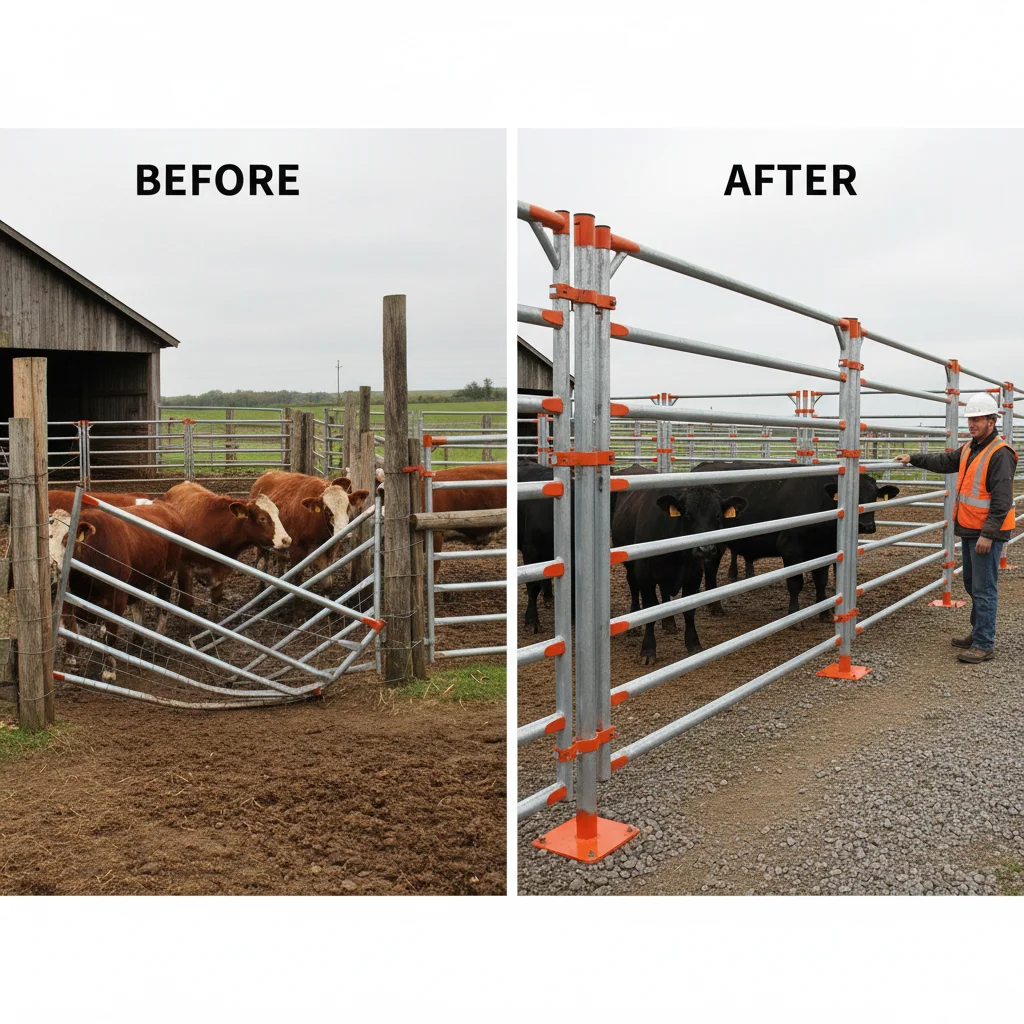
Durable Freestanding Livestock Panels for Efficient Animal Handling In the demanding world of agricultural management, the need for flexible and robust containment solutions has never been more critical. freestanding livestock panels offer a sophisticated answer to the challenges of animal handling, providing a secure yet adaptable barrier that does not require permanent installation or deep grounding. By allowing farmers and ranchers to redefine their spatial layouts in minutes, these panels maximize the efficiency of existing infrastructure while ensuring the safety of both the handlers and the livestock. Read More >26 Apr, 17
-
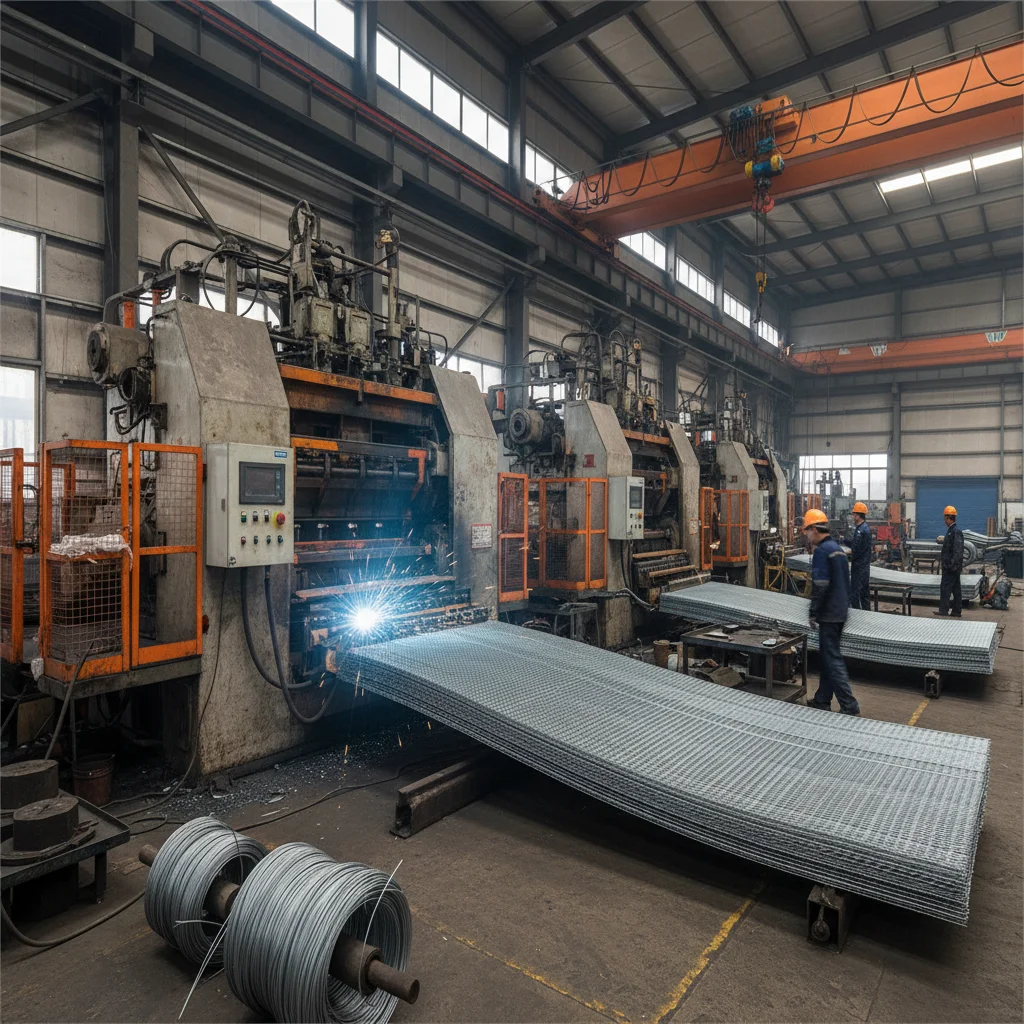
Professional Galvanized Welded Mesh Factory for Industrial Projects Finding a reliable galvanized welded mesh factory is critical for ensuring the structural integrity and longevity of your industrial or agricultural installations. Galvanized welded mesh is prized for its exceptional strength and resistance to corrosion, making it the go-to choice for fencing, animal cages, and construction reinforcement. However, not all factories adhere to the same quality standards. Whether you are sourcing for a large-scale infrastructure project or a specialized commercial application, understanding the manufacturing process and quality benchmarks is key to making a cost-effective investment that lasts for decades. Read More >26 Apr, 16
-
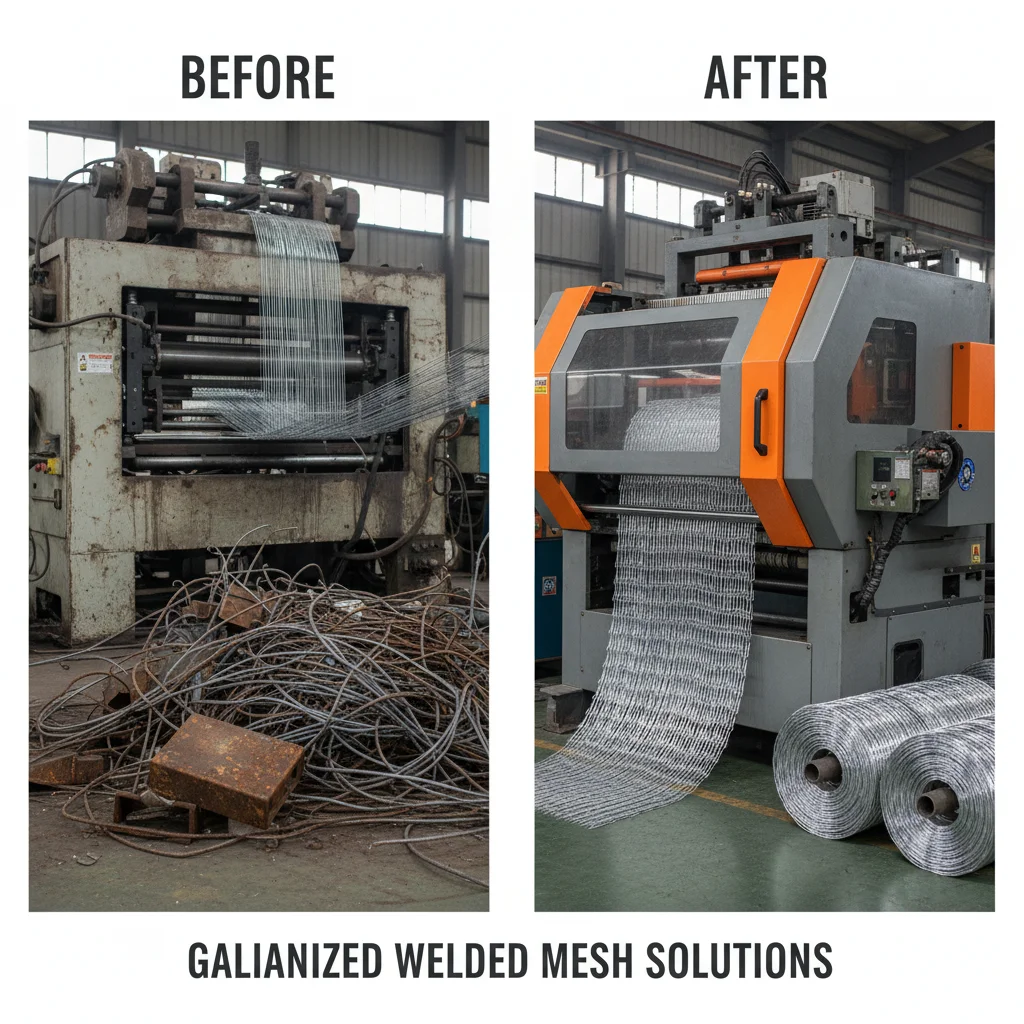
Professional Galvanized Welded Mesh Exporter for Quality Projects Selecting a high-quality fencing or screening solution requires more than just picking a product; it requires partnering with a reliable galvanized welded mesh exporter who understands the balance between structural integrity and corrosion resistance. Whether you are securing an industrial perimeter, building animal enclosures, or implementing architectural reinforcements, the quality of the galvanization process determines the lifespan of your installation. In this guide, we will explore the technical advantages of galvanized welded mesh and how to identify a global supplier that meets international quality standards to ensure your investment stands the test of time. Read More >26 Apr, 09
-
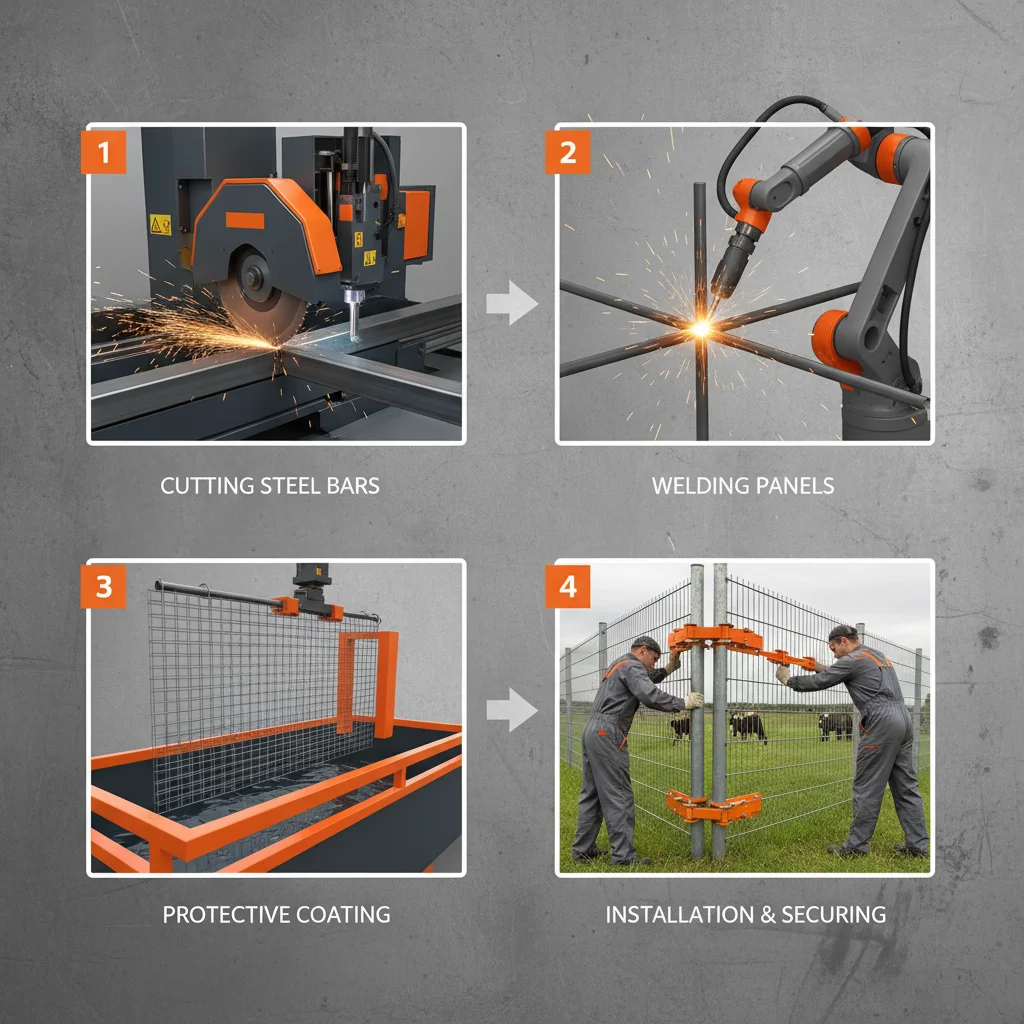
Essential Fencing Panels for Livestock Management and Farm Productivity Fencing panels for livestock are essential components in modern animal husbandry, playing a critical role in efficient farm management, animal welfare, and land utilization. Globally, the demand for robust and reliable fencing solutions is increasing due to the expanding livestock industry and the need to protect grazing lands from encroachment and predation. These panels aren’t simply barriers; they represent a vital investment in a farm's productivity and the health of its animals. Read More >26 Apr, 08
If you are interested in our products, you can choose to leave your information here, and we will be in touch with you shortly.


