


Understanding the Indispensable Role of Crowd Control Barriers
In today's increasingly complex and densely populated environments, the effective management of human movement is not merely a logistical consideration but a paramount safety imperative. From large-scale public spectacles like music festivals and sporting events to critical infrastructure projects and bustling urban centers, the potential for disorder, safety hazards, and operational inefficiencies escalates exponentially without robust planning and the right equipment. This is precisely where the sophisticated engineering of a crowd control barrier transcends its perceived simplicity, emerging as a foundational element of public safety, operational efficacy, and asset protection. These barriers, far more advanced than their rudimentary predecessors, are meticulously designed systems intended to guide pedestrian traffic flow, establish secure perimeters, delineate restricted zones, and, most critically, prevent uncontrolled surges that can lead to dangerous situations. Their evolution from basic ropes and temporary fences to advanced, interlocking, and highly durable constructions reflects a growing global awareness of risk mitigation and an increasing demand for proactive safety measures. Effective crowd management is not solely about corralling individuals; it is fundamentally about safeguarding lives, protecting valuable assets, and ensuring the seamless execution of any event, project, or daily operation. A thoughtfully designed and strategically deployed barrier system provides a tangible framework for order, empowering event organizers, security personnel, and site managers with the confidence to execute their plans while upholding the highest standards of safety and well-being for every person present. The intricate interplay of strategic placement, material science, and adaptability to diverse environmental conditions elevates these barriers from simple fixtures to essential components in the complex choreography of modern public and private spaces, making them an indispensable investment in societal order and security.
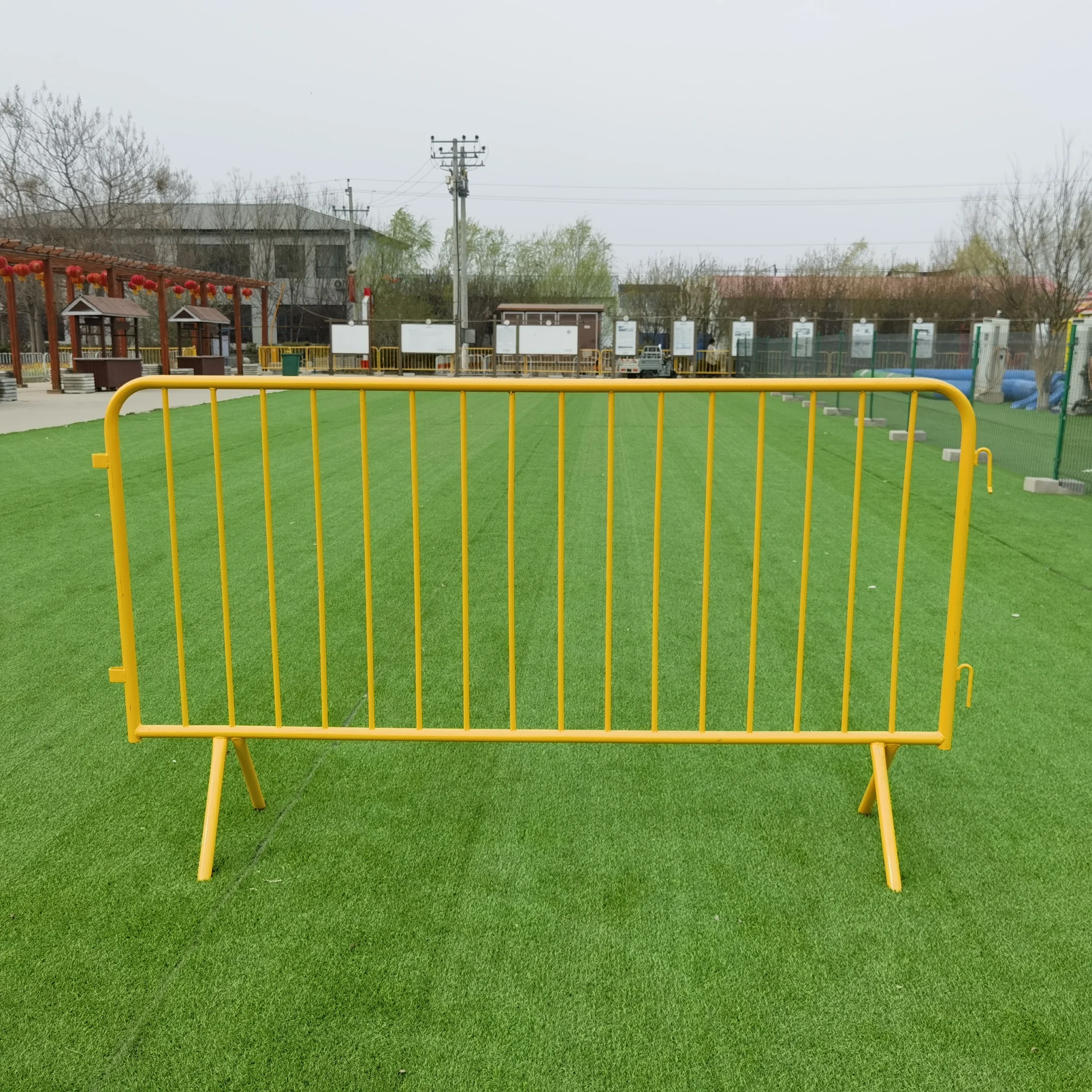
Quantifying the Risks: The Cost of Inadequate Crowd Control
The absence or inadequacy of effective crowd management solutions can precipitate catastrophic consequences, exacting a severe toll in both human life and substantial financial impact. Consider the stark lessons learned from historical incidents: a prominent music festival in recent memory experienced tragic fatalities directly attributed to uncontrolled crowd surges, resulting in multi-million dollar lawsuits, regulatory penalties, and irreparable damage to the organizer's reputation. Subsequent independent analyses consistently reveal that basic, properly deployed barriers could have significantly mitigated the critical pressure points that led to these disasters. Data compiled by leading event safety organizations indicates that an alarming 70% of major incident reports involving large gatherings cite "poor crowd flow management" or "inadequate crowd containment" as primary contributing factors. The economic fallout extends far beyond immediate legal liabilities; a single major incident can trigger substantial losses from cancelled or postponed events, lead to skyrocketing insurance premiums for future operations—often experiencing surges of 30-50% post-incident—and inflict a devastating blow to public trust, severely impacting future attendance and sponsorships. For construction sites, unsecured perimeters represent a critical vulnerability, inviting unauthorized access that can result in costly equipment theft, vandalism, and project delays—with potential losses frequently reaching hundreds of thousands of dollars per incident. In high-volume retail environments, insufficient queuing barriers during peak sales periods can create chaotic bottlenecks, foster customer frustration, and ultimately lead to lost sales as patrons abandon protracted lines. Beyond the tangible monetary figures, the psychological impact on attendees, staff, and first responders involved in a chaotic or tragic incident is profound, pervasive, and often long-lasting. Thus, investing in high-quality crowd control infrastructure is not merely an operational expenditure; it stands as a critical and highly effective risk management strategy that provides a significant return on investment by preemptively preventing costly emergencies, protecting human capital, and upholding the integrity and reputation of any organization or event. The upfront cost of robust, well-designed barriers demonstrably pales in comparison to the potential legal, financial, and ethical damages stemming from preventable tragedies or systemic operational failures.
Engineering Excellence: Technical Prowess of Modern Barrier Systems
Modern crowd control barrier systems represent a pinnacle of advanced engineering, vastly superior in capability and design to their historical counterparts. At the core of their effectiveness lies a harmonious blend of intelligent design principles, cutting-edge material science, and innovative functional features. High-quality barriers are predominantly fabricated from either hot-dipped galvanized steel or advanced lightweight aluminum, achieving a critical equilibrium between unwavering durability and practical portability. Hot-dipped galvanized steel, characterized by its robust zinc coating, delivers exceptional resistance to corrosion, rust, and the harshest environmental conditions, guaranteeing an extended operational lifespan even in demanding outdoor settings. Conversely, aluminum alternatives excel in weight reduction, making them the optimal choice for situations demanding rapid deployment, frequent relocation, and logistical ease, all without compromising structural integrity. A pivotal technical advantage inherent in contemporary barrier systems is their sophisticated interlocking mechanism. Advanced hook-and-loop, pin-and-slot, or proprietary clamp systems create a seamless, continuous line of barriers, ingeniously designed to withstand significant lateral pressure from surging crowds and prevent the displacement of individual panels. This robust, continuous connection transforms discrete units into a cohesive, unyielding wall, fundamentally enhancing overall stability and safety. Furthermore, many contemporary designs integrate flat-foot bases or innovative bridged feet, which effectively minimize tripping hazards while significantly improving stability across diverse, often uneven terrains – a substantial improvement over older, less stable T-bar or U-shaped feet. Specialized models often feature integrated gate systems, enabling controlled access points without disrupting the continuous barrier line. For enhanced visibility and aesthetic integration, options such as reflective sheeting, customizable branding panels, and even integrated LED lighting systems are available. The thoughtful consideration of ergonomic factors is also evident, with features like rounded edges and smooth finishes engineered to reduce the risk of injury during both handling and deployment. The synergistic combination of these technical specifications – encompassing superior material selection, advanced anti-corrosion treatments, robust interlocking mechanisms, and meticulous safety-centric design elements – collectively elevates modern crowd control barriers from basic physical impediments to highly sophisticated, indispensable safety tools critical for modern crowd management.
Strategic Selection: Evaluating Barrier Solutions Across Manufacturers
The process of selecting the optimal crowd control barrier system necessitates a discerning approach, grounded in a clear understanding of specific operational requirements and a thorough evaluation of the available market solutions. While the global market presents a broad spectrum of options, the true differentiation between manufacturers and product lines often emerges from key performance indicators, the quality of materials, and underlying design philosophies. Manufacturers commonly distinguish their offerings through innovative features, comprehensive warranty periods, and adherence to specific, often stringent, safety standards. For instance, some companies prioritize ultra-lightweight designs for rapid deployment, making them ideal for emergency services or highly dynamic temporary events, whereas others concentrate on heavy-duty, permanent installations tailored for critical infrastructure or high-security applications. The decision-making framework should carefully weigh factors such as the typical duration of deployment, the anticipated crowd density and potential pressure, prevailing environmental conditions, and the constraints of the project budget. Below is a conceptual comparison table, illustrating how various considerations might influence the choice, highlighting the inherent trade-offs and specialized advantages offered by different barrier types:
Feature/Category | Standard Steel Barrier (e.g., Hot-Dipped Galvanized) | Lightweight Aluminum Barrier | Specialized Heavy-Duty Barrier (e.g., Police/Security Grade) |
Material & Weight | Hot-dipped galvanized steel, typically 35-50 lbs/panel. Robust and highly durable. | Aircraft-grade aluminum, approximately 15-25 lbs/panel. Exceptionally portable. | Heavy-gauge reinforced steel, often 60-80+ lbs/panel. Offers maximum stability and impact resistance. |
Interlocking Mechanism | Standard hook & loop or simple pin system. Provides secure connection for moderate crowd pressure. | Advanced quick-connect clamps or integrated precision pin systems. Facilitates rapid assembly and provides strong connections. | Heavy-duty, often tamper-resistant pin/bolt systems, frequently requiring specialized tools for disassembly. Offers superior strength and security. |
Base Design | Flat foot or bridge foot, engineered to minimize trip hazards and enhance stability. | Flat foot or innovative collapsible foot designs for compact storage and swift deployment. | Wide, reinforced footplates designed for maximum ground contact and stability, often incorporating anchor points for extreme conditions. |
Corrosion Resistance | Excellent due to thorough galvanization process; ensures a long lifespan in outdoor environments. | Naturally resistant to rust; can be anodized or powder-coated for enhanced protection and aesthetics. | Superior, often multi-stage treated (e.g., galvanized then powder-coated) for ultimate resilience against extreme weather and prolonged exposure. |
Cost per Panel (Indicative) | $$ (Moderate, offering excellent value and performance) | $$$ (Higher, attributed to material and specialized manufacturing processes) | $$$$ (Premium pricing, reflecting specialized design, robustness, and enhanced security features) |
Typical Use Cases | Concerts, festivals, general public events, extensive queuing systems, general site perimeter control. | Indoor events, sports arenas, temporary pedestrian control, emergency services, rapid response deployment. | High-security zones, official police lines, crowd control during protests, critical infrastructure protection, long-term demanding installations. |
Customization Potential | Moderate (e.g., specific color options, easy attachment of signage or branding). | Good (e.g., a wide range of anodized colors, integrated branding elements, bespoke panel designs). | Limited aesthetic customization, with a primary focus on functional modifications (e.g., specific heavy-duty gate types, integrated surveillance mounts, specialized connection points). |
This illustrative table underscores that while a standard galvanized steel barrier often provides exceptional all-around performance and value, an aluminum barrier prioritizes speed, ease of handling, and aesthetic flexibility. Conversely, a specialized heavy-duty option inherently sacrifices some portability for unparalleled security, robustness, and durability in the most demanding contexts. The truly optimal choice is invariably a strategic alignment between the barrier system's inherent capabilities and the precise, nuanced demands of its intended operational environment.
Tailored Protection: Customization for Unique Event Demands
One of the most profound advancements in contemporary crowd control solutions is the extensive and sophisticated scope for customization, enabling organizations to precisely tailor barriers to their distinct operational needs, branding objectives, and aesthetic preferences. The era of generic, undifferentiated silver panels is giving way to systems that seamlessly integrate as an active component of an event’s overarching design or a company’s corporate identity. Color customization is a highly effective yet straightforward option; barriers can be meticulously powder-coated in specific brand colors, aligned with event themes, or rendered in high-visibility hues such as safety yellow for construction sites or vibrant red for emergency exits. This not only significantly enhances brand recognition but also critically contributes to intuitive wayfinding and clearer safety communication. Beyond color, the integration of custom branding elements such as corporate logos, event sponsors, or directional signage directly onto the barrier panels represents a common and highly impactful strategy. These elements can be applied using durable vinyl decals, seamlessly integrated into perforated mesh screens, or even precisely laser-cut into the metal itself for a premium, permanent finish. However, customization extends far beyond mere aesthetics. Functional customization is equally, if not more, critical. Barrier systems can be manufactured with bespoke dimensions to perfectly fit unusually shaped spaces or to integrate flawlessly with existing permanent infrastructure. This encompasses custom lengths, varying heights, and even precisely angled sections to navigate complex or irregular layouts. Specialized gate modules are frequently incorporated, ranging from simple pedestrian swing gates to robust, heavy-duty vehicle access gates, all meticulously designed to maintain the structural integrity of the continuous barrier line while providing controlled and efficient entry and exit points. Accessibility features, such as ADA-compliant low-height sections or visual/tactile indicators for individuals with visual impairments, are increasingly being integrated into customized solutions. For specific technical requirements, barriers can be equipped with pre-engineered mounting points for surveillance cameras, specialized lighting fixtures, or even integrated communication systems, transforming them into multi-functional operational tools. This unparalleled level of customization ensures that modern barriers are not merely passive physical dividers but dynamic, purpose-built assets that actively enhance both safety protocols and the overall user experience, perfectly aligning with the granular demands of any project or event.
Diverse Applications: Real-World Scenarios for Barrier Deployment
The inherent versatility of modern crowd control barriers allows for their deployment across an astonishingly broad spectrum of applications, each presenting its own unique set of challenges and requiring specifically tailored solutions. This adaptability is precisely what makes them indispensable tools for managing public spaces, rigorously ensuring safety, and streamlining complex operations. In the context of large-scale public events, such as sprawling music festivals, high-energy concerts, and intricate parades, barriers are absolutely fundamental. They are crucial for creating meticulously safe viewing areas, delineating exclusive backstage access, systematically managing extensive queues at entry points, and channeling vast pedestrian flows to effectively prevent dangerous bottlenecks and potential crowd surges. The rapid deployment capabilities and robust interlocking features of these barriers are paramount for quickly establishing and dismantling event perimeters. Similarly, sporting events, ranging from marathons winding through city streets to stadium-based competitions, rely heavily on barriers to precisely define race routes, protect athletes from spectator interference, efficiently manage entry and exit gates, and establish secure zones around team benches or ceremonial areas. Here, both unwavering stability and clear visibility are critical. On active construction sites, safety barriers serve a crucial dual purpose: they diligently protect the public from inherent hazards within the work zone and stringently prevent unauthorized access to heavy machinery and dangerous areas. Heavy-duty, often brightly colored, barriers with robust, wide bases are essential for these demanding environments, frequently featuring integrated warning signs or lights for enhanced safety. In dynamic urban settings, temporary street closures for vital maintenance work, civic demonstrations, or festive events necessitate barriers to effectively divert vehicular traffic, protect pedestrians, and create safe, designated zones for participants. The ease of reconfigurability of these systems is highly valued in such fluid environments. Retail environments, particularly during periods of high traffic like major holiday sales or highly anticipated product launches, ingeniously utilize barriers to manage extensive queues, organize precise customer flow, and clearly define promotional areas, thereby significantly improving the overall shopping experience and preventing chaos. Airport terminals and bustling train stations employ barriers extensively to direct passenger movement, especially during peak hours or stringent security checks, and to secure sensitive, restricted areas. Even in smaller, everyday scenarios, such as vibrant local markets or bustling school fairs, barriers provide essential structure, enhance safety, and create a clear demarcation of space, unequivocally demonstrating their pervasive utility. Each and every application vividly underscores the critical need for barriers that are not only supremely durable and secure but also highly adaptable, clearly visible, and capable of integrating flawlessly into diverse and demanding operational landscapes.
Securing Tomorrow: The Enduring Value of Superior Crowd Control Barriers
As the intrinsic complexities of public gatherings, urban environments, and large-scale operational logistics continue their inexorable evolution, the strategic investment in high-quality crowd control barriers remains an unwavering and increasingly critical imperative. These advanced systems are fundamentally far more than mere physical impediments or temporary dividers; they unequivocally represent a profound, proactive commitment to safety, operational efficiency, and the cultivation of public trust. The enduring value proposition of superior crowd control barriers lies intrinsically in their proven capacity to mitigate multifaceted risks, assiduously protect human life and valuable assets, and seamlessly facilitate smooth operations across an expansive array of diverse environments. From the initial strategic outlay, organizations gain not only a tangible piece of essential equipment but also an invaluable sense of peace of mind, secure in the knowledge that they possess a reliable, robust infrastructure inherently capable of preventing costly and potentially tragic incidents, thereby significantly enhancing the overall experience for all stakeholders involved. The continuous technical advancements in material science, sophisticated interlocking mechanisms, and extensive customization options mean that modern barriers offer unparalleled durability, exceptional flexibility, and seamless aesthetic integration. They have transcended the limitations of generic, one-size-fits-all solutions to become highly purpose-built components of a comprehensive, forward-thinking safety strategy. As urban landscapes become demonstrably denser and public events grow exponentially in both scale and frequency, the demand for intelligent, adaptable crowd management solutions will only intensify further. Consequently, investing in robust, highly adaptable, and aesthetically pleasing barrier solutions is not merely about diligently meeting current industry safety standards; it is fundamentally about future-proofing operations against unforeseen challenges and meticulously ensuring long-term success and resilience. The right barrier system empowers event organizers, security personnel, and facility managers with the unequivocal confidence to expertly navigate inherently complex environments, consistently upholding stringent safety protocols without compromising on vital logistical efficiency or crucial public engagement. Ultimately, these meticulously engineered barriers stand as silent yet vigilant guardians, enabling the smooth, uninterrupted flow of daily life, commercial activities, and celebratory gatherings, while proactively safeguarding communities against the unpredictable and dynamic forces of human movement.
Frequently Asked Questions About Crowd Control Barriers
What are crowd control barriers primarily used for?
Crowd control barriers are primarily used to manage pedestrian traffic flow, delineate and secure perimeters, establish restricted or safe zones, organize orderly queues, and enhance overall public safety at various locations, including events, construction sites, and transportation hubs, by preventing uncontrolled crowd movements.
What materials are commonly used to manufacture high-quality crowd control barriers?
The most common and effective materials are hot-dipped galvanized steel, highly prized for its exceptional durability and superior corrosion resistance, and lightweight aircraft-grade aluminum, favored for its ease of handling, portability, and natural resistance to rust. Some specialized applications may utilize reinforced plastics or composite materials.
How do interlocking mechanisms enhance the effectiveness and safety of barrier systems?
Interlocking mechanisms, such as robust hook-and-loop, pin-and-slot, or advanced clamp systems, seamlessly connect individual barrier panels into a continuous, stable, and cohesive line. This innovative design significantly increases their collective resistance to lateral pressure from large crowds, preventing individual panels from being displaced, tipped over, or separated, thereby fundamentally enhancing overall safety and containment security.
Are crowd control barriers suitable for deployment in both indoor and outdoor environments?
Yes, the vast majority of high-quality crowd control barriers are engineered for versatility in both indoor and outdoor applications. Galvanized steel barriers offer excellent weather resistance, making them ideal for prolonged outdoor use, while lighter aluminum barriers are frequently preferred for indoor settings due to their reduced weight, non-marking bases, and easier maneuverability.
Can crowd control barriers be customized to suit specific event branding or functional requirements?
Absolutely. Modern barrier systems offer extensive customization possibilities, including precision powder-coating in specific brand colors, integrating custom logos or event graphics via durable decals or embedded panels, and incorporating specialized functional modules such as pedestrian or vehicle access gates, signage attachments, or ADA-compliant accessibility ramps.
What is the typical lifespan one can expect from a well-maintained crowd control barrier?
With consistent and proper maintenance, a high-quality hot-dipped galvanized steel barrier can realistically last between 10 to 20 years, or even longer, proving a durable investment. Aluminum barriers also offer significant longevity. Regular inspection for damage, routine cleaning, and prompt repair of any wear and tear can considerably extend their operational lifespan and maintain their effectiveness.
What key safety features should I prioritize when selecting a crowd control barrier system?
When selecting, prioritize features such as stable base designs (e.g., wide flat feet or bridged feet) engineered to minimize trip hazards, smooth finishes and rounded edges to prevent accidental injuries, robust and tamper-resistant interlocking systems to maintain barrier integrity under significant pressure, and highly visible colors or integrated reflective elements for enhanced safety in low-light conditions. Some advanced designs also offer anti-climb features for heightened security.
-
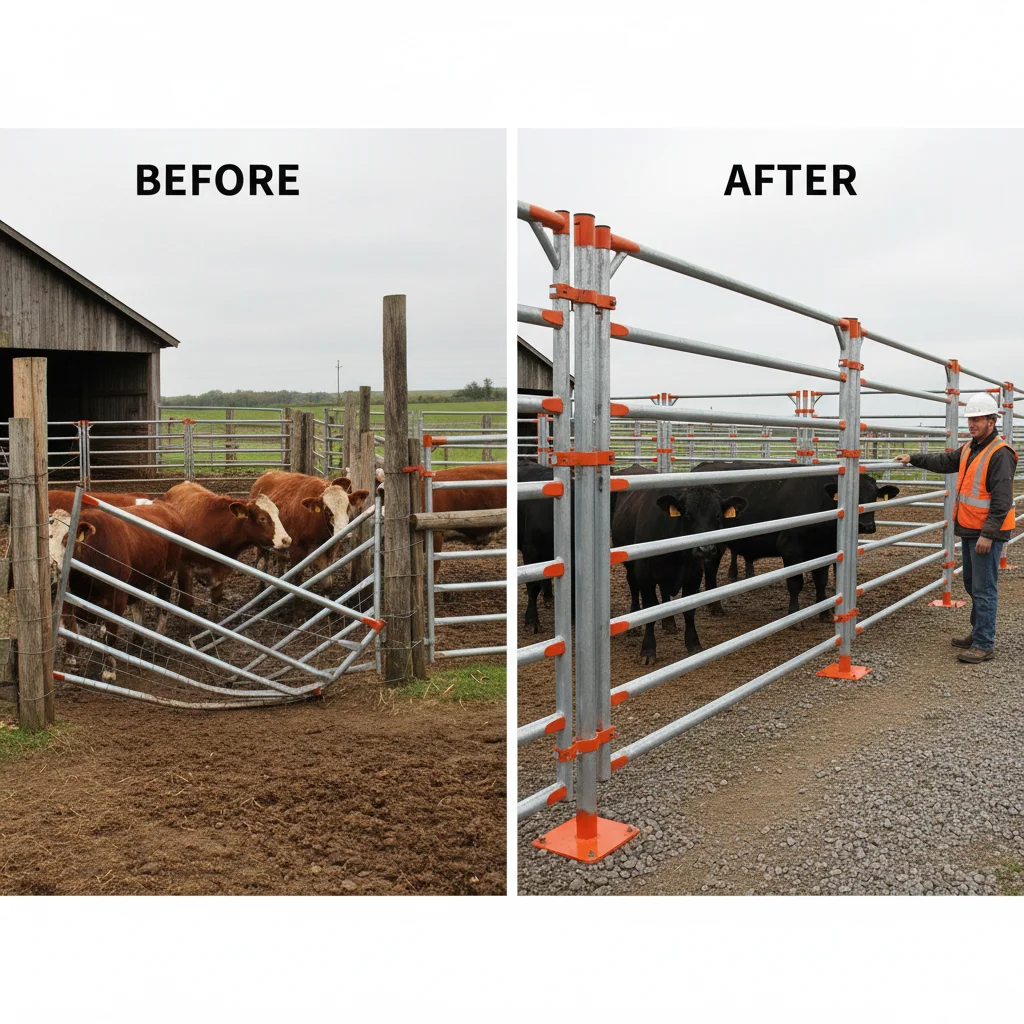
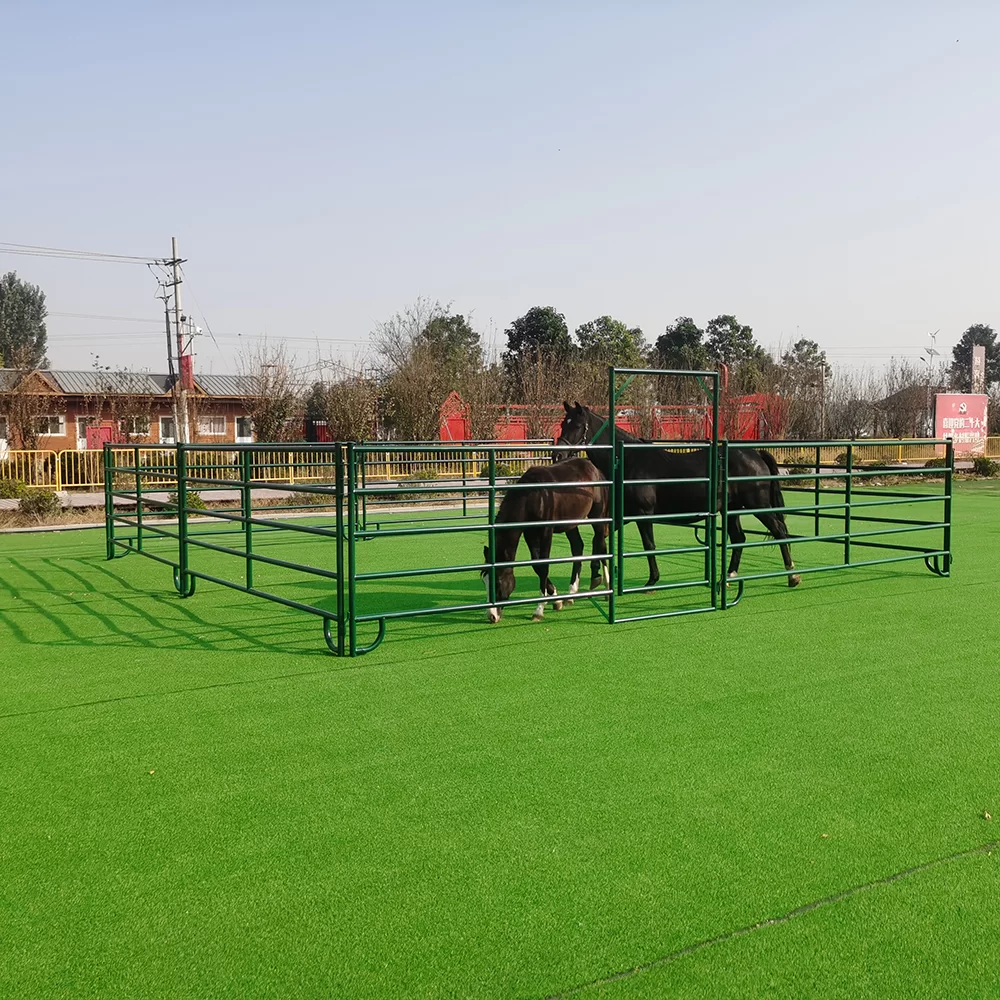
Durable Freestanding Livestock Panels for Efficient Animal Handling In the demanding world of agricultural management, the need for flexible and robust containment solutions has never been more critical. freestanding livestock panels offer a sophisticated answer to the challenges of animal handling, providing a secure yet adaptable barrier that does not require permanent installation or deep grounding. By allowing farmers and ranchers to redefine their spatial layouts in minutes, these panels maximize the efficiency of existing infrastructure while ensuring the safety of both the handlers and the livestock. Read More >26 Apr, 17
-
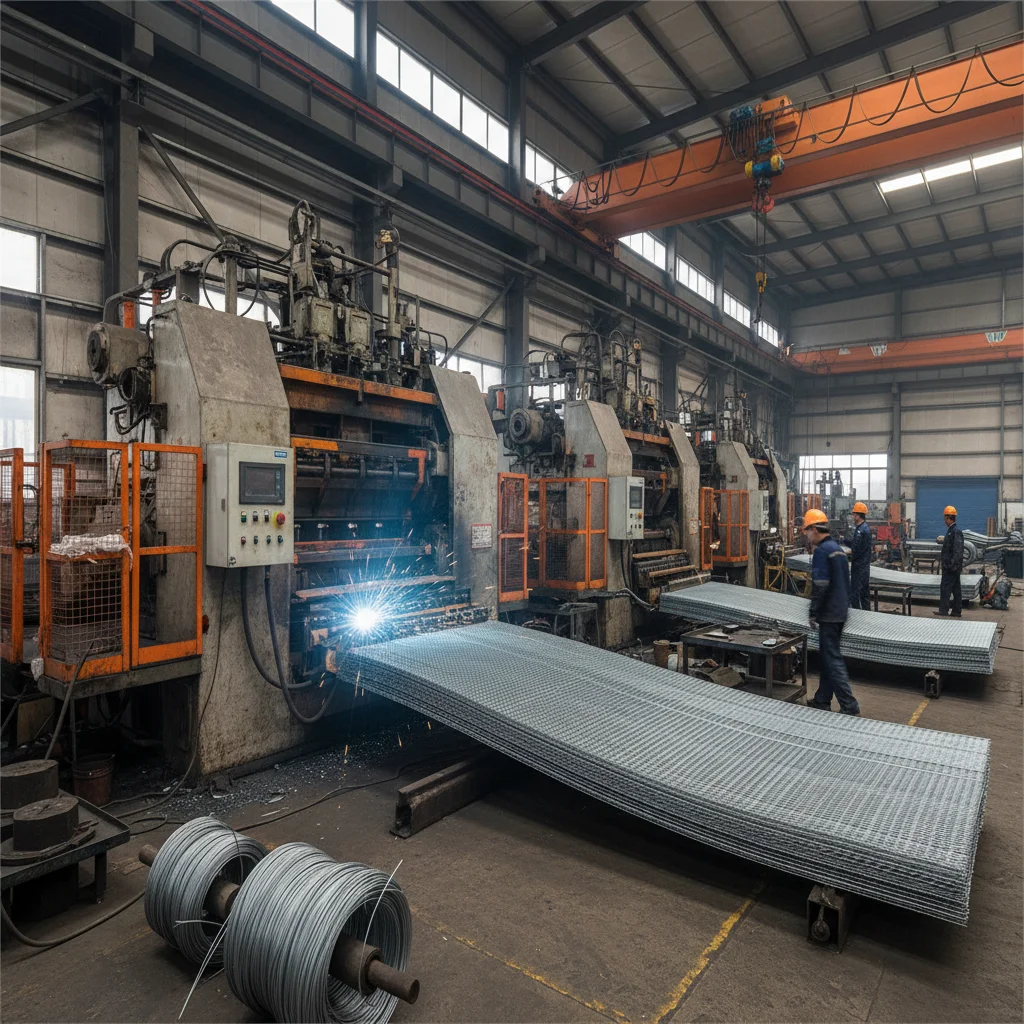
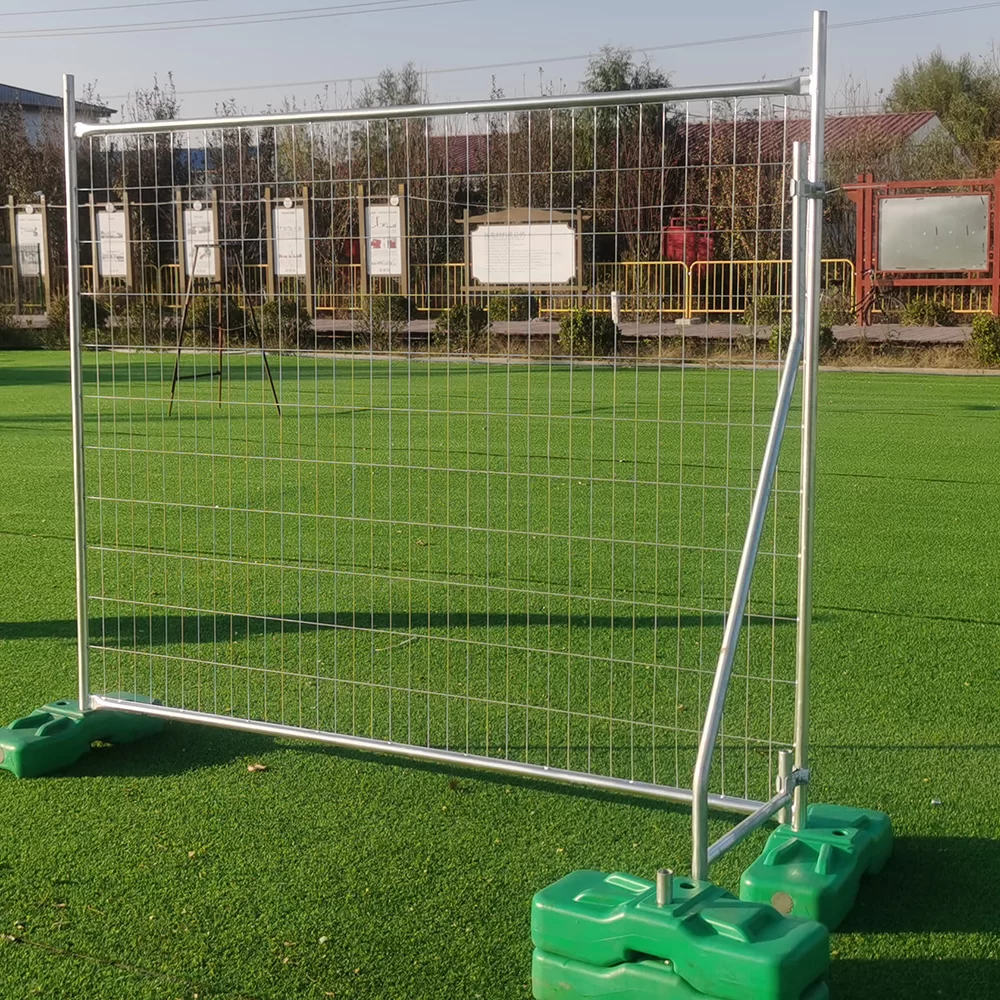
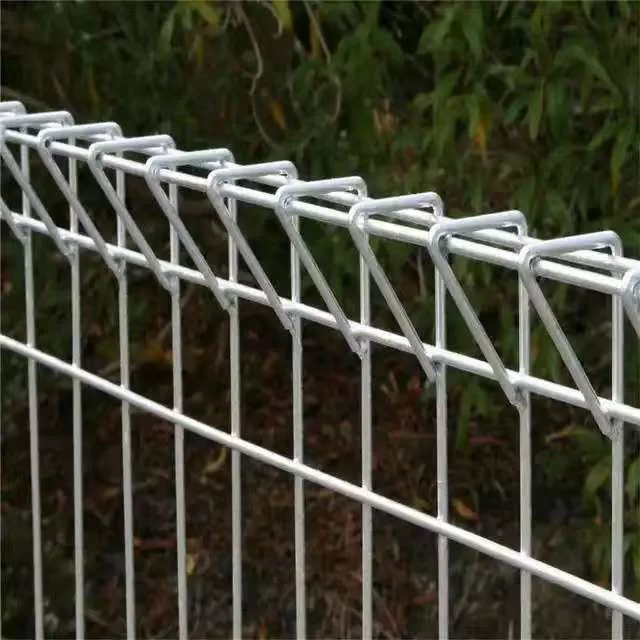
Professional Galvanized Welded Mesh Factory for Industrial Projects Finding a reliable galvanized welded mesh factory is critical for ensuring the structural integrity and longevity of your industrial or agricultural installations. Galvanized welded mesh is prized for its exceptional strength and resistance to corrosion, making it the go-to choice for fencing, animal cages, and construction reinforcement. However, not all factories adhere to the same quality standards. Whether you are sourcing for a large-scale infrastructure project or a specialized commercial application, understanding the manufacturing process and quality benchmarks is key to making a cost-effective investment that lasts for decades. Read More >26 Apr, 16
-
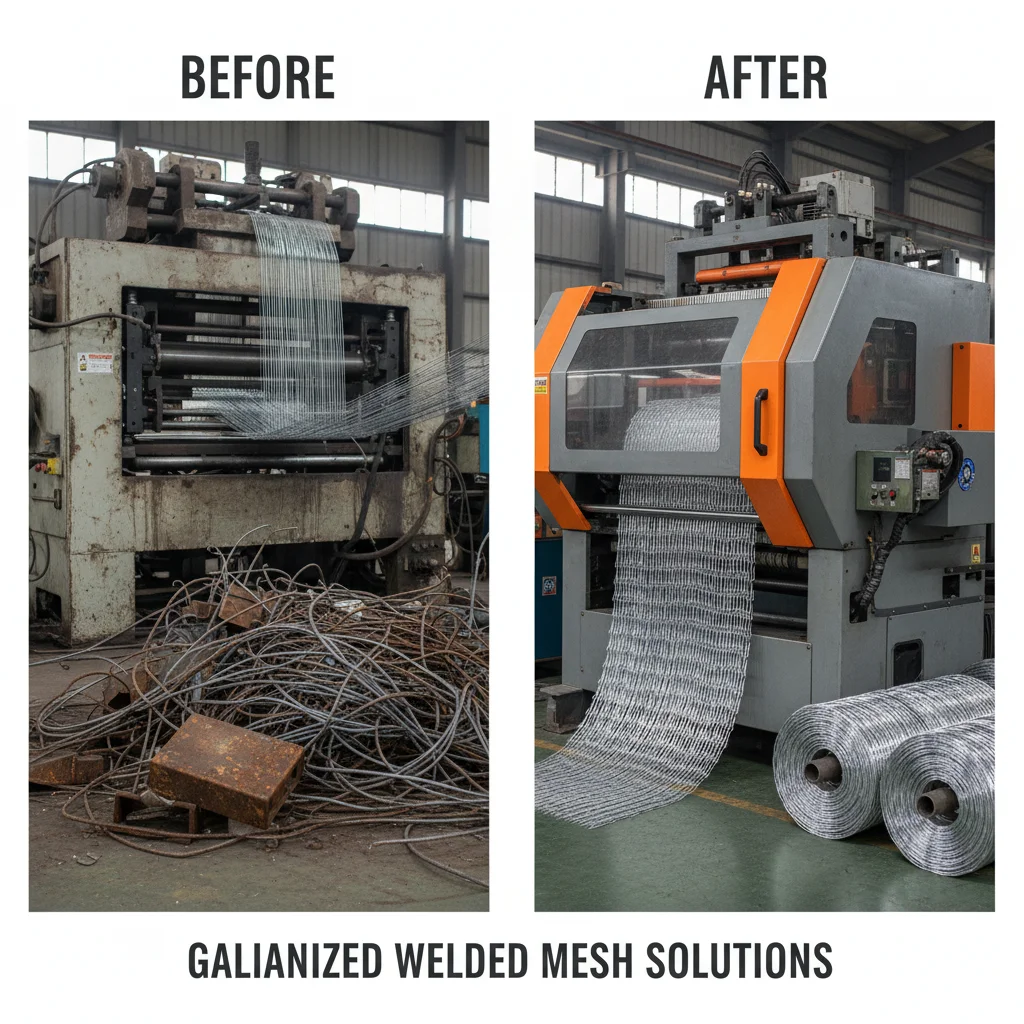
Professional Galvanized Welded Mesh Exporter for Quality Projects Selecting a high-quality fencing or screening solution requires more than just picking a product; it requires partnering with a reliable galvanized welded mesh exporter who understands the balance between structural integrity and corrosion resistance. Whether you are securing an industrial perimeter, building animal enclosures, or implementing architectural reinforcements, the quality of the galvanization process determines the lifespan of your installation. In this guide, we will explore the technical advantages of galvanized welded mesh and how to identify a global supplier that meets international quality standards to ensure your investment stands the test of time. Read More >26 Apr, 09
-
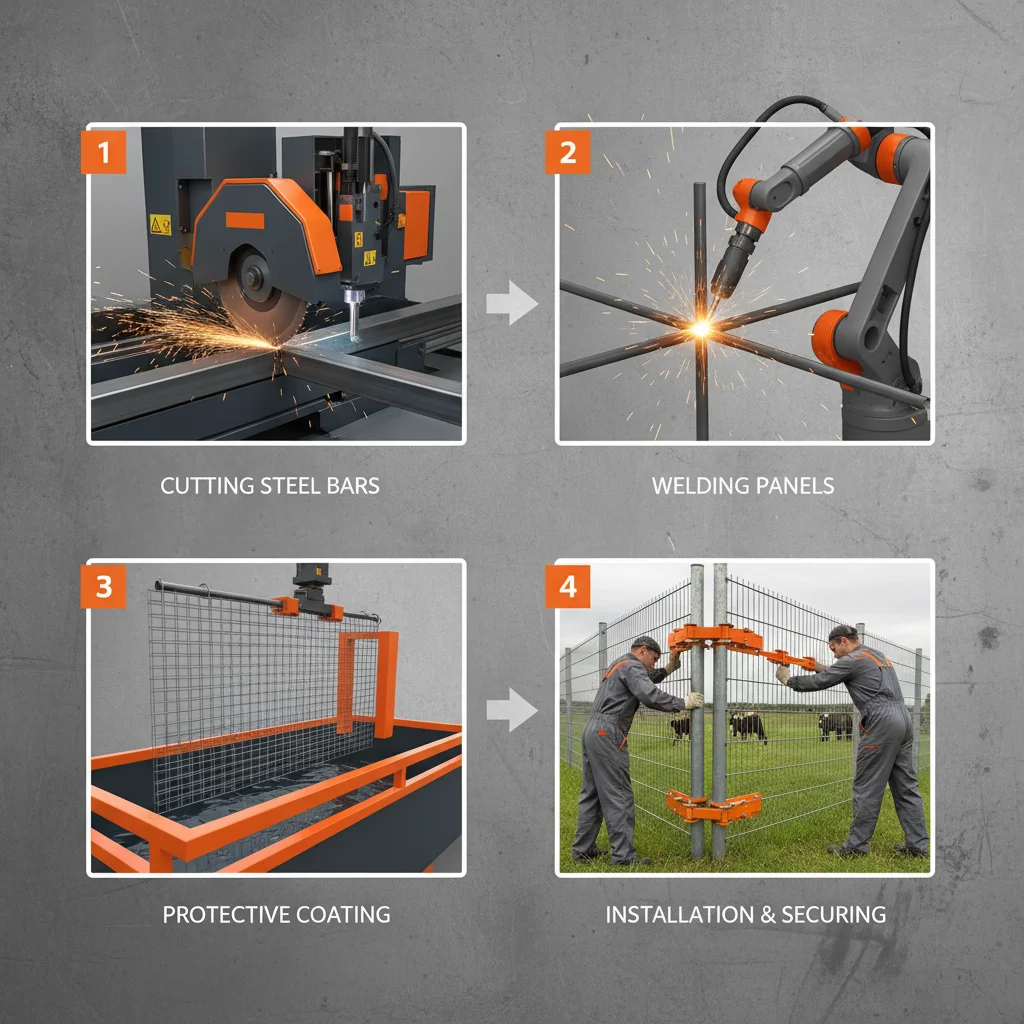
Essential Fencing Panels for Livestock Management and Farm Productivity Fencing panels for livestock are essential components in modern animal husbandry, playing a critical role in efficient farm management, animal welfare, and land utilization. Globally, the demand for robust and reliable fencing solutions is increasing due to the expanding livestock industry and the need to protect grazing lands from encroachment and predation. These panels aren’t simply barriers; they represent a vital investment in a farm's productivity and the health of its animals. Read More >26 Apr, 08
If you are interested in our products, you can choose to leave your information here, and we will be in touch with you shortly.


