The livestock industry relies heavily on secure, adaptable, and durable containment solutions to manage animal movement and safety. Among these, round corral panels have emerged as a critical component for livestock handlers who require a balance between structural rigidity and ease of installation. By providing a circular enclosure, these systems reduce the stress on animals and minimize the risk of injury compared to traditional square pens.
Globally, the demand for high-quality fencing is driven by the need for standardized animal welfare practices and the intensification of agricultural operations. The engineering behind modern fencing involves precise wire diameters and reinforced frames to withstand the immense pressure exerted by large livestock. Understanding the technical specifications of these panels is essential for farmers and contractors looking to optimize their operational efficiency.
Whether you are managing a small family farm or a large-scale commercial ranch, investing in professional-grade round corral panels ensures long-term durability and animal security. By focusing on high-tensile materials and modular designs, these fencing solutions provide a versatile answer to the challenges of modern livestock management.

Structural Engineering of Round Corral Panels
The structural integrity of round corral panels is achieved through a combination of heavy-duty framing and precision-welded mesh. The use of frames and middle pipes ranging from 25mm to 48mm ensures that each panel can resist the lateral forces applied by livestock. This engineering approach allows for a stable perimeter that maintains its shape even under extreme conditions.
Furthermore, the versatility of sizes—such as 2100x2400mm or 2440x3650mm—enables users to customize the diameter of their round enclosures. By utilizing a modular system of panels, clamps, and feet, the installation process becomes intuitive, allowing for rapid setup without compromising the safety of the animals.
Global Industry Standards for Livestock Fencing
The global livestock industry adheres to strict standards regarding animal containment to ensure welfare and operational safety. In markets like the USA, Australia, and Canada, the demand for standardized temporary fencing has led to the adoption of specific gauge wires and frame thicknesses. This standardization ensures that panels from different batches remain compatible and reliable.
Manufacturing volumes reflect this global need, with hundreds of containers of temporary fencing being shipped annually to key agricultural hubs. For instance, the high volume of square tube and chain link panels exported to North America underscores the preference for rugged, industrial-grade materials that can withstand diverse climatic conditions.
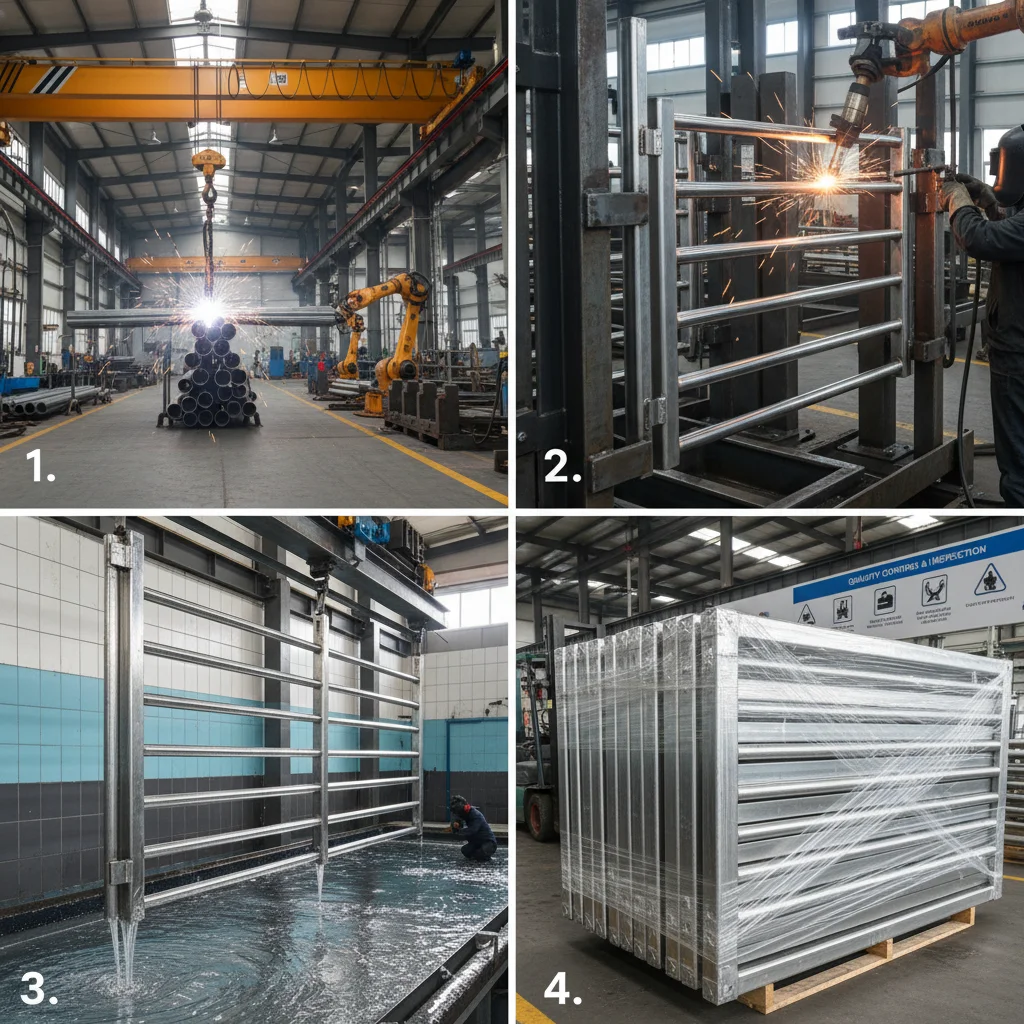
Challenges such as corrosion and mechanical wear are addressed through advanced galvanization processes. By meeting ISO and regional safety requirements, manufacturers can provide a product that not only contains animals but does so while preventing skin abrasions and other stress-related injuries common in substandard fencing.
Material Specifications and Durability
Durability in round corral panels is primarily determined by the wire diameter and mesh opening. With wire diameters ranging from 2.00mm to 3.50mm, these panels are designed to be rigid enough to prevent bending while remaining lightweight enough for transport. This balance is critical for facilities that frequently rearrange their livestock layout.
The mesh openings, typically available in 50x50mm, 60x60mm, 70x70mm, and 75x75mm, are chosen based on the size of the animal being contained. Selecting the correct mesh size for round corral panels prevents calves or smaller livestock from slipping through the gaps, thereby enhancing the overall security of the enclosure.
The combination of high-strength steel and precise welding techniques ensures that the mesh does not detach from the frame over time. When combined with a robust frame system (up to 48mm pipe), the resulting structure offers a long service life, reducing the need for frequent replacements and lowering the total cost of ownership for the rancher.
Scalability and Deployment Efficiency
One of the most significant advantages of these modular systems is their scalability. Because the panels are produced in standardized heights and widths, they can be expanded or contracted based on the immediate needs of the farm. This flexibility is essential during seasonal livestock movements or during emergency veterinary interventions.
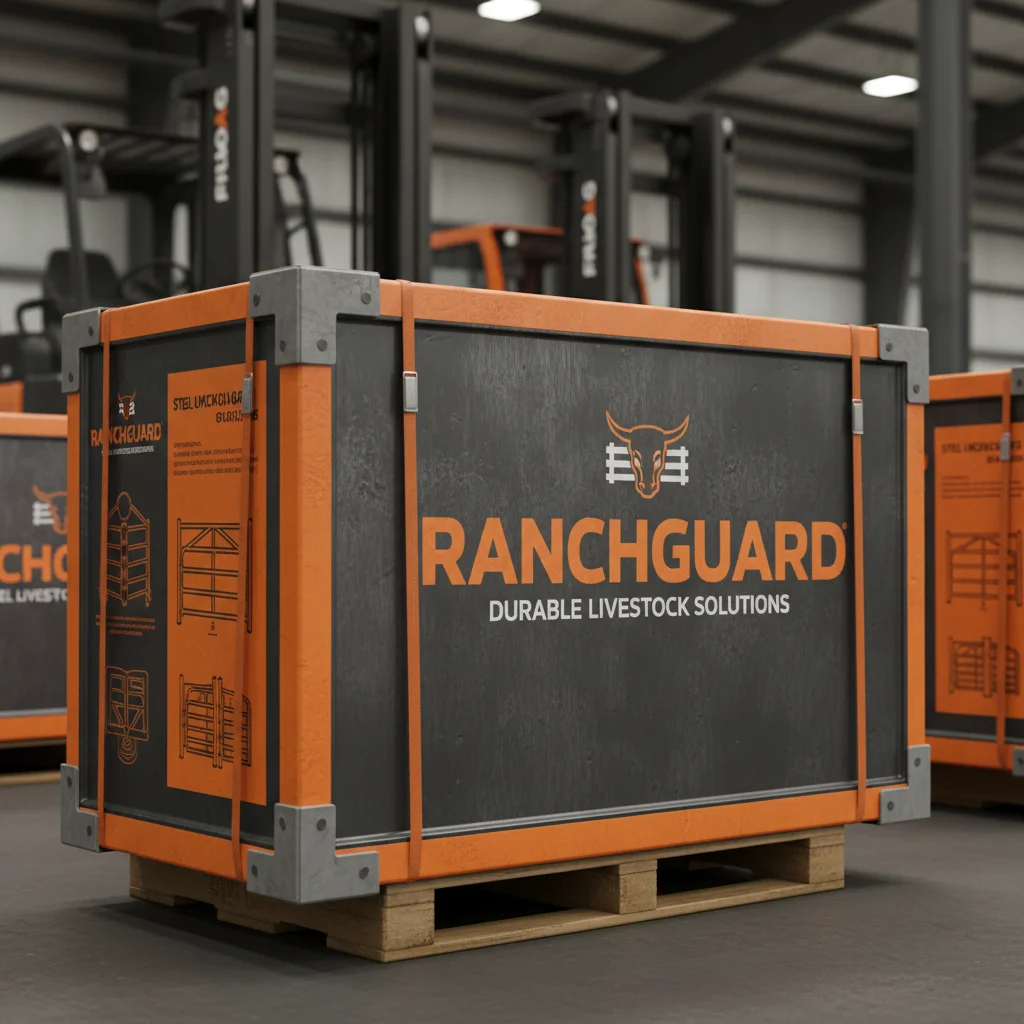
The efficiency of deployment is further enhanced by a professional packing system. By securing fence panels, feet, and clamps onto pallets, manufacturers ensure that the product arrives at the destination without deformation, allowing for immediate installation upon delivery.
Performance Metrics of Round Corral Panels
Real-World Applications Across Regions
In the vast rangelands of Australia, temporary fencing is used to create rotational grazing patterns that prevent overgrazing. The use of modular round panels allows ranchers to quickly isolate sick animals or create temporary holding areas for shearing and branding, significantly reducing the labor required for fence installation.
In North American markets, these systems are frequently deployed in commercial feedlots and livestock auctions. The ability to quickly configure round corral panels into circular pens reduces animal anxiety, as cows and sheep naturally prefer curved boundaries over sharp corners, leading to safer handling for the staff.
Long-Term Value and Sustainability
The long-term value of high-quality corral panels lies in their reusable nature. Unlike wooden fences that rot or low-grade wire that sags, galvanized steel panels can be moved and reused across different parts of a property for decades. This sustainability reduces the environmental impact associated with constant fence replacement.
From an economic perspective, the initial investment in heavy-duty frames and thick wire diameters pays off through reduced maintenance costs. The resistance to rust and mechanical failure means that farmers spend less time repairing fences and more time focusing on livestock productivity.
Moreover, the psychological impact on the animals cannot be overlooked. Secure, well-constructed enclosures foster a sense of safety, which translates to lower cortisol levels in livestock and potentially higher weight gain and better overall health, providing a direct financial benefit to the producer.
Future Innovations in Corral Design
The future of livestock containment is moving toward smarter materials and more ergonomic designs. We are seeing a trend toward the integration of lightweight, high-strength alloys that maintain the strength of steel while reducing the weight of each panel, making manual installation even faster and safer.
Automation is also playing a role, with some large-scale operations exploring the use of modular panels that can be integrated with digital monitoring systems to track animal movement within the corral. This data-driven approach allows for more precise health monitoring and sorting.
Sustainability remains a key driver, with a growing emphasis on recycled steel and eco-friendly galvanization processes that reduce the chemical footprint of manufacturing. These innovations ensure that the production of round corral panels aligns with global environmental goals.
Comparison of Corral Panel Specifications and Performance
| Panel Type |
Wire Diameter |
Frame Strength |
Deployment Speed |
| Standard Livestock |
2.00mm |
Medium (25mm) |
Very Fast |
| Heavy Duty Cattle |
3.50mm |
High (48mm) |
Moderate |
| Sheep/Goat Mesh |
2.00mm |
Low (25mm) |
Fast |
| Temporary Event |
2.50mm |
Medium (32mm) |
Very Fast |
| Industrial Perimeter |
3.00mm |
High (42mm) |
Moderate |
| Custom Special Size |
Variable |
Variable |
Moderate |
FAQS
For heavy cattle, a wire diameter of 3.50mm is highly recommended. This thickness provides the necessary tensile strength to prevent the panels from buckling under the weight and pressure of larger animals, ensuring the enclosure remains secure during handling.
Yes, special sizes are available to meet specific operational needs. While standard sizes like 2100x2400mm are popular, manufacturers can adjust the height and width to ensure the fencing fits the specific topography of your land or the specific size of your livestock.
The panels undergo a professional galvanization process, creating a protective zinc coating over the steel. This prevents oxidation and corrosion, which is essential for fencing exposed to rain, mud, and animal waste in outdoor environments.
A smaller mesh opening, such as 50x50mm, is ideal for smaller livestock or calves. This ensures that animals cannot push their heads or bodies through the gaps, reducing the risk of injury and escape.
Yes, they are designed for efficiency. The modular nature allows them to be packed tightly on pallets, and the use of specialized clamps and feet means they can be assembled quickly without the need for permanent posts or digging.
Circular designs eliminate corners where animals can become trapped or stressed. This natural flow reduces the animal's instinct to panic, leading to a calmer environment and safer interactions between the livestock and the handlers.
Conclusion
In summary, the effectiveness of livestock management is deeply tied to the quality of the containment systems used. By utilizing professional-grade round corral panels with optimized wire diameters and robust frame specifications, producers can ensure a secure, durable, and stress-free environment for their animals. The modularity and scalability of these systems provide an unmatched level of operational flexibility, whether in the USA, Australia, or Canada.
Looking forward, the integration of sustainable materials and ergonomic designs will continue to refine the livestock industry. For those seeking to upgrade their current infrastructure, focusing on high-tensile strength and corrosion resistance is the key to long-term success. We invite you to explore our professional fencing solutions to optimize your ranch's efficiency. Visit our website: www.haotianmesh.com