


Understanding the Imperative for a Robust Temporary Chain Link Fence
In the dynamic landscape of modern projects, whether it's a bustling construction site, a vibrant outdoor event, or an evolving public works endeavor, the necessity for a dependable perimeter solution is paramount. A temporary chain link fence serves as the frontline defense, safeguarding assets, ensuring public safety, and delineating clear operational boundaries. The stakes are incredibly high; according to a recent industry report, inadequate site security can lead to financial losses upwards of $300 million annually due to theft, vandalism, and project delays across various sectors. Beyond tangible financial implications, the reputational damage from security breaches or uncontrolled access can be irreparable. This underscores the critical role a well-designed and properly implemented temporary fencing system plays. It's not merely a physical barrier; it's an active management tool that mitigates risks, manages crowd flow, and complies with occupational health and safety regulations. Choosing the right temporary chain link fence solution means investing in peace of mind, operational efficiency, and the uninterrupted progress of your project. Our discussion will delve deep into the technical specifications, comparative advantages, and customizable options that define the leading edge in temporary perimeter security, ensuring you can make an informed decision that elevates the safety and success of your ventures.
Unpacking the Technical Superiority and Versatility of Modern Fencing Solutions
Modern temporary fencing has evolved significantly beyond rudimentary barriers, incorporating advanced engineering and material science to deliver unparalleled performance. At the heart of a superior temporary chain link fence system lies its construction and components. Typically, these systems consist of high-grade galvanized steel panels, designed for maximum corrosion resistance and durability against harsh environmental conditions. The standard mesh size, often 2 to 2.375 inches, provides robust security without obstructing visibility, a crucial factor for site monitoring and safety. Frame tubing, commonly 1.375 to 1.625 inches in diameter with wall thicknesses ranging from 16 to 13 gauge, ensures structural integrity and resistance to bending or impact. These panels are then secured by robust clamps, often made from galvanized steel, and anchored by heavy-duty plastic or concrete fence feet. These feet, weighing between 60 to 80 pounds, provide exceptional stability even in high-wind conditions, significantly reducing the risk of tipping. For instance, wind load tests have shown that well-anchored temporary fences can withstand gusts exceeding 60 mph, a critical feature for outdoor applications.
Beyond basic structural elements, the versatility of these systems is a key advantage. They are designed for rapid deployment and dismantling, a process that can be completed by a small team, typically achieving installation rates of 100-150 linear feet per hour. This efficiency translates directly into cost savings on labor and reduced project timelines. Furthermore, the modular nature allows for infinite configurations, adapting to irregular terrains, tight spaces, and evolving site plans. Options for integrating swing gates, rolling gates, and pedestrian access points are seamlessly incorporated, maintaining accessibility while enforcing control. The surface treatment, primarily hot-dip galvanization, provides a zinc coating that acts as a sacrificial layer, protecting the steel from rust and extending the product's lifespan to typically 7-10 years, even with repeated use and exposure. This longevity makes them a highly sustainable and cost-effective investment over multiple projects, reducing the environmental footprint associated with single-use barriers. The technical ingenuity embedded in contemporary temporary chain link fence systems addresses complex security and logistical challenges with practical, durable, and highly adaptable solutions.
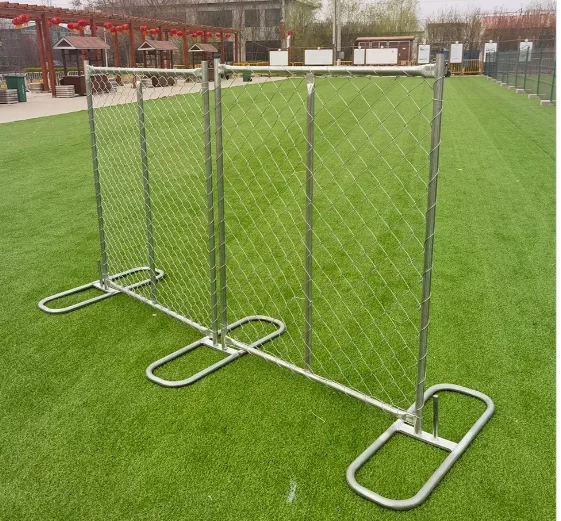
A Comparative Analysis of Leading Temporary Fencing Manufacturers
When selecting a temporary chain link fence solution, the choice of manufacturer can significantly impact product quality, durability, and overall value. The market offers a range of providers, each with distinct advantages in material specifications, design innovations, and customer support. Below is a comparative overview of hypothetical leading manufacturers, highlighting key features to consider:
Feature | Manufacturer A (Premium Defender) | Manufacturer B (FlexiFence Pro) | Manufacturer C (SiteGuard Systems) |
Panel Material | High-grade Galvanized Steel (12.5 Gauge Wire) | Standard Galvanized Steel (13 Gauge Wire) | Reinforced Galvanized Steel (11.5 Gauge Wire) |
Frame Tubing | 1.625" OD, 14 Gauge (Schedule 40 equivalent) | 1.375" OD, 16 Gauge | 1.5" OD, 13 Gauge |
Panel Dimensions (Standard) | 6'H x 10'W | 6'H x 10'W, 8'H x 10'W | 6'H x 12'W, 8'H x 12'W |
Base Weight/Material | 80 lbs Concrete Filled HDPE | 65 lbs Recycled Plastic | 75 lbs Concrete Block |
Installation Ease Rating (1-5, 5 being easiest) | 4.8 | 4.5 | 4.0 |
Corrosion Resistance Warranty | 10 Years (Hot-Dip Galvanized) | 7 Years (Electro-Galvanized) | 8 Years (Hot-Dip Galvanized) |
Customization Options | Extensive: Gates, Privacy Screens, Barbed Wire, Colors | Moderate: Gates, Privacy Screens | Standard: Gates, Top Rail Option |
Price Range (Per Linear Foot) | $$$ (Premium) | $$ (Mid-Range) | $$$ (Specialized Lengths) |
Key Differentiator | Superior material strength & wind resistance, long warranty | Lightweight, quick deployment, cost-effective for short-term | Extra-wide panels for faster coverage, robust for heavy-duty |
Manufacturer A, "Premium Defender," often targets high-stakes projects where ultimate durability and longevity are paramount. Their use of thicker gauge wire and heavy-duty tubing ensures maximum resistance to wear and tear, making their products suitable for long-duration construction projects or high-security event perimeters. Manufacturer B, "FlexiFence Pro," focuses on agility and ease of handling, ideal for frequently relocated fences for shorter events or quickly changing site configurations. Their lighter base materials contribute to rapid deployment but may offer slightly less wind stability. Manufacturer C, "SiteGuard Systems," distinguishes itself with wider panel options, significantly reducing the number of clamps and bases required for extensive perimeters, thereby cutting down installation time for very large areas. Evaluating these factors against your specific project requirements – budget, duration, security level, and environmental conditions – is crucial for making the optimal choice. It's often beneficial to request samples or visit sites where these manufacturers' products are in use to assess their real-world performance.
Tailoring Your Perimeter: Comprehensive Customization Options
The strength of a truly effective temporary perimeter solution lies not just in its inherent robustness, but in its ability to be precisely tailored to specific project demands. A modular temporary chain link fence system offers an impressive array of customization options, transforming a standard barrier into a highly specialized security and access control solution. This adaptability is crucial for meeting diverse operational needs, from enhanced security to aesthetic considerations.
· Height and Panel Dimensions: Standard panels typically come in 6-foot heights, but options for 4-foot, 8-foot, or even 10-foot tall panels are readily available to accommodate varying security requirements. Wider panels (e.g., 12-foot wide instead of 10-foot) can reduce the total number of components needed, accelerating installation for extensive perimeters.
· Access Solutions: Integrating a variety of gates is fundamental. This includes standard pedestrian swing gates for controlled entry, larger vehicle swing gates for equipment and material access, and heavy-duty rolling gates for wide industrial entrances. Gate hardware can be customized for different locking mechanisms, from simple padlocks to more sophisticated electronic access control systems.
· Privacy Screens and Wind Blockers: For construction sites requiring dust control or events needing visual privacy, privacy screens made from high-density polyethylene (HDPE) mesh or woven fabric can be affixed directly to the fence panels. These also serve as effective wind blockers, a benefit in exposed areas. They are available in various colors, often with branding or advertising opportunities.
· Enhanced Security Features: For elevated security needs, options include adding barbed wire or razor wire to the top of the fence panels, particularly crucial for sensitive sites. Outriggers can be incorporated to prevent climbing, extending the physical barrier outwards. Anti-lift kits, which bolt panels to their bases, deter unauthorized removal.
· Ground Conditions Adaptability: While standard bases work for most terrains, specialized bases or anchoring methods are available for uneven ground, soft soil, or asphalt/concrete surfaces where drilling may be an option. These ensure stability regardless of the foundation.
· Color and Branding: Beyond the standard galvanized finish, some manufacturers offer powder-coated panels in various colors to match corporate branding or aesthetic requirements, particularly for high-profile events. This can transform a utilitarian fence into a subtle part of the overall event design.
· Lighting and Signage: Mounting brackets allow for the attachment of temporary lighting fixtures, enhancing visibility and security during night operations. Signage clips enable easy display of safety warnings, directional information, or promotional materials.
By leveraging these customization options, project managers can create a temporary perimeter that is not only robust and compliant but also perfectly aligned with the unique functional and aesthetic demands of their specific application. This tailored approach maximizes effectiveness and efficiency, ensuring every temporary chain link fence installation provides optimal value.
Real-World Applications: Where Temporary Chain Link Fencing Excels
The versatility of temporary chain link fencing makes it an indispensable tool across a vast spectrum of industries and scenarios. Its ability to rapidly establish secure perimeters, manage access, and ensure safety makes it a go-to solution for projects and events of all scales. Understanding its diverse applications highlights its crucial role in modern operations.
1. Construction Sites: This is arguably the most common application. Temporary fencing secures construction zones, preventing unauthorized access, protecting the public from hazards, and deterring theft of valuable equipment and materials. Large-scale infrastructure projects, commercial building developments, and residential housing sites all rely on these fences for OSHA compliance and site management. For example, a major urban high-rise project spanning two years might require thousands of linear feet of 8-foot-tall fencing with privacy screens to manage dust and noise, alongside multiple controlled access gates for vehicles and personnel.
2. Event Management: From music festivals and sporting events to trade shows and public gatherings, temporary fences are critical for crowd control, ticketed entry points, VIP areas, and perimeter security. They guide attendee flow, create clear zones, and protect sensitive equipment. Consider a large outdoor festival attracting 50,000 attendees: miles of 6-foot fencing would be deployed to define the main festival grounds, delineate food and beverage areas, create backstage access points, and establish emergency egress routes, all installed and removed within a tight logistical window.
3. Public Works and Utilities: When roads are under repair, pipelines are being installed, or utility lines are being serviced, temporary fencing creates safe working environments for crews and protects the public from open trenches, heavy machinery, and electrical hazards. It’s essential for short-term and long-term projects alike. A municipal water main replacement project, for instance, might use 6-foot fencing with reflective safety banners to clearly mark off excavation zones along busy streets, protecting both pedestrians and motorists.
4. Disaster Relief and Emergency Services: In the aftermath of natural disasters, temporary fencing is vital for establishing command centers, securing damaged areas, creating safe zones for relief efforts, and organizing distribution points. Its rapid deployability is a key advantage during crises. Following a hurricane, fencing might be used to secure a damaged residential area to prevent looting, or to establish perimeters around temporary shelters or food distribution hubs.
5. Agricultural and Industrial Applications: Farms and industrial facilities often use temporary fencing for seasonal needs, livestock management, equipment storage, or to cordon off hazardous areas for maintenance. For instance, a farming operation might use temporary fencing during harvest season to manage vehicle access to fields or to temporarily pen livestock.
6. Retail and Commercial Use: During renovations, store expansions, or outdoor sales events, businesses utilize temporary fencing to manage customer flow, secure merchandise overnight, or restrict access to work areas. A retail store undergoing a major interior renovation might use temporary fencing to wall off the construction zone from the active sales floor, minimizing disruption and ensuring customer safety.
These diverse applications underscore the adaptability and fundamental importance of temporary chain link fencing as a versatile, cost-effective, and essential security and management solution across numerous sectors.
Strategic Deployment and Long-Term Value Proposition
The strategic deployment of temporary chain link fence systems goes beyond mere installation; it involves careful planning, adherence to safety protocols, and a forward-thinking approach to maximize its long-term value. Effective deployment begins with a comprehensive site assessment, identifying potential hazards, critical access points, and specific security requirements. This initial phase dictates the type of fencing, panel heights, gate configurations, and additional security features needed. For instance, a site prone to high winds might require additional bracing or heavier bases to prevent fence instability, a crucial factor that can avert costly accidents and delays. Industry best practices recommend a pre-installation walk-through with all relevant stakeholders, including project managers, safety officers, and local authorities, to ensure compliance with all regulations, from building codes to ADA accessibility standards for gates.
Proper installation techniques are paramount for safety and efficacy. Panels must be securely connected with clamps, and bases should be correctly aligned to provide maximum stability. Regular inspections during the project duration are also essential to identify any damage, misalignment, or security breaches. This proactive maintenance minimizes risks and extends the lifespan of the fencing system. When it comes to long-term value, investing in high-quality, galvanized temporary chain link fence panels yields significant returns. Unlike lower-grade alternatives that might rust or warp after a single project, premium systems are designed for multiple uses across many years. Their reusability dramatically reduces per-project costs, as the initial investment is amortized over numerous deployments. Furthermore, the ability to easily dismantle, store, and transport these systems contributes to operational efficiency. A well-maintained inventory of temporary fencing components can be rapidly deployed for unforeseen needs or new projects, eliminating the lead time and expense of purchasing new materials each time a perimeter is required. This sustainability aspect also aligns with corporate environmental responsibility initiatives by reducing waste. Ultimately, a strategic approach to selecting, deploying, and managing temporary fencing transforms it from a short-term expense into a valuable, long-term asset that underpins project safety, security, and financial viability.
Securing Futures: The Enduring Value of a Temporary Chain Link Fence Investment
In conclusion, the decision to invest in a high-quality temporary chain link fence system is far more than a simple procurement choice; it's a strategic investment in the safety, efficiency, and long-term success of any project requiring temporary perimeter control. We've explored how these fences act as indispensable safeguards, mitigating financial losses and reputational damage by preventing unauthorized access and ensuring public safety. The technical advancements, from robust galvanized steel construction to modular design and rapid deployment capabilities, underscore their superior performance and adaptability across diverse environments. Through a comparative lens, we observed the distinct advantages offered by various manufacturers, highlighting the importance of matching product specifications to specific project demands. The extensive customization options, including varied heights, gate systems, privacy screens, and enhanced security features, empower project managers to create precisely tailored solutions that address unique challenges. Finally, examining real-world applications across construction, event management, public works, and disaster relief vividly illustrates their universal utility. The long-term value proposition of a durable, reusable temporary chain link fence system translates into significant cost savings, operational efficiency, and a reduced environmental footprint. As projects grow in complexity and regulatory demands tighten, the role of a reliable temporary chain link fence will only become more critical, standing as a testament to foresight and proactive risk management. Investing wisely in this essential perimeter solution today secures a safer, more productive tomorrow.
Frequently Asked Questions about Temporary Chain Link Fences
Q1: What is the typical lifespan of a temporary chain link fence system?
A1: A high-quality temporary chain link fence, especially one that is hot-dip galvanized, can have a lifespan of 7 to 10 years or even longer with proper care, storage, and maintenance. This extended durability allows for multiple reuses across various projects, maximizing the return on investment.
Q2: How quickly can a temporary chain link fence be installed and dismantled?
A2: One of the primary advantages of temporary chain link fencing is its rapid deployment. A small, experienced crew can typically install 100-150 linear feet per hour. Dismantling is equally efficient, often taking less time than installation, making it ideal for projects with tight deadlines.
Q3: Are temporary chain link fences compliant with safety regulations?
A3: Yes, when properly installed and maintained, temporary chain link fences are designed to meet or exceed various safety and security regulations, including OSHA standards for construction sites. Many systems also offer options for privacy screens and reflective signage to enhance visibility and compliance.
Q4: Can temporary chain link fences be customized for specific project needs?
A4: Absolutely. Temporary chain link fence systems are highly modular and can be customized with various heights, widths, gate types (pedestrian, vehicle, rolling), privacy screens, barbed wire attachments, and specialized bases to adapt to different terrains and security levels.
Q5: How do temporary chain link fences perform in adverse weather conditions, particularly high winds?
A5: While no fence is entirely impervious to extreme weather, well-designed temporary chain link fences with heavy-duty bases (e.g., concrete or filled HDPE) and proper clamping can withstand significant wind loads. Additional bracing or specialized anchoring systems can further enhance stability in highly exposed or windy environments.
Q6: What is the primary difference between hot-dip galvanized and electro-galvanized temporary fencing?
A6: Hot-dip galvanization involves dipping fabricated steel into molten zinc, creating a thicker, more durable, and long-lasting protective coating, offering superior corrosion resistance. Electro-galvanization applies a thinner zinc coating through an electrolytic process, which is generally less expensive but provides less robust protection against rust over time, making it suitable for shorter-term or less demanding applications.
Q7: Is it more cost-effective to rent or purchase a temporary chain link fence?
A7: The decision to rent or purchase depends on the frequency and duration of your projects. For single, short-term projects, renting might be more economical. However, for companies with ongoing or multiple projects over several years, purchasing a high-quality, reusable temporary chain link fence system typically offers significant long-term cost savings, as the initial investment is amortized over many deployments, reducing per-project expenses and providing immediate availability.
-
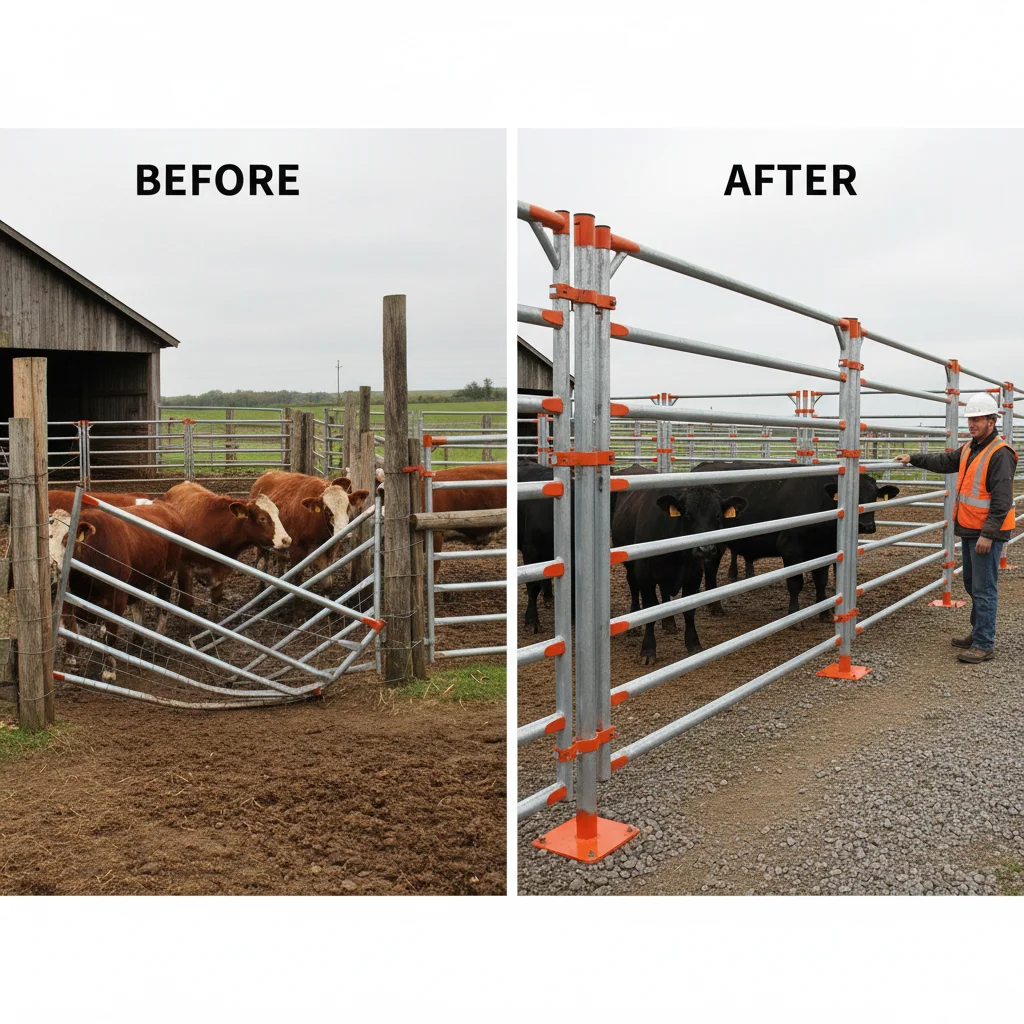
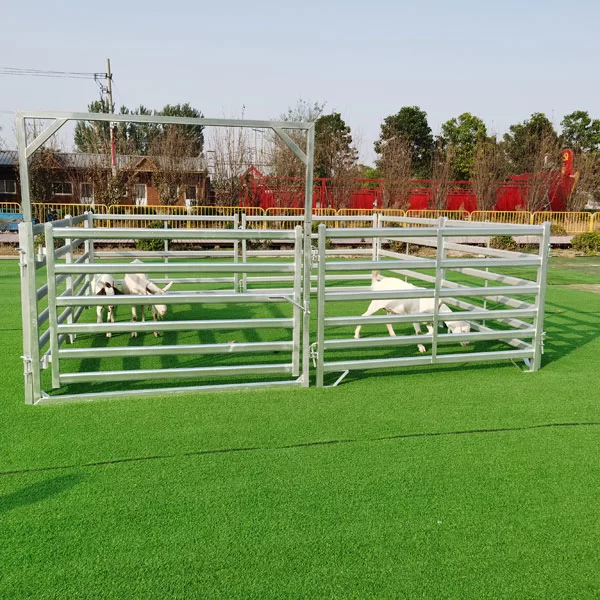
Durable Freestanding Livestock Panels for Efficient Animal Handling In the demanding world of agricultural management, the need for flexible and robust containment solutions has never been more critical. freestanding livestock panels offer a sophisticated answer to the challenges of animal handling, providing a secure yet adaptable barrier that does not require permanent installation or deep grounding. By allowing farmers and ranchers to redefine their spatial layouts in minutes, these panels maximize the efficiency of existing infrastructure while ensuring the safety of both the handlers and the livestock. Read More >26 Apr, 17
-
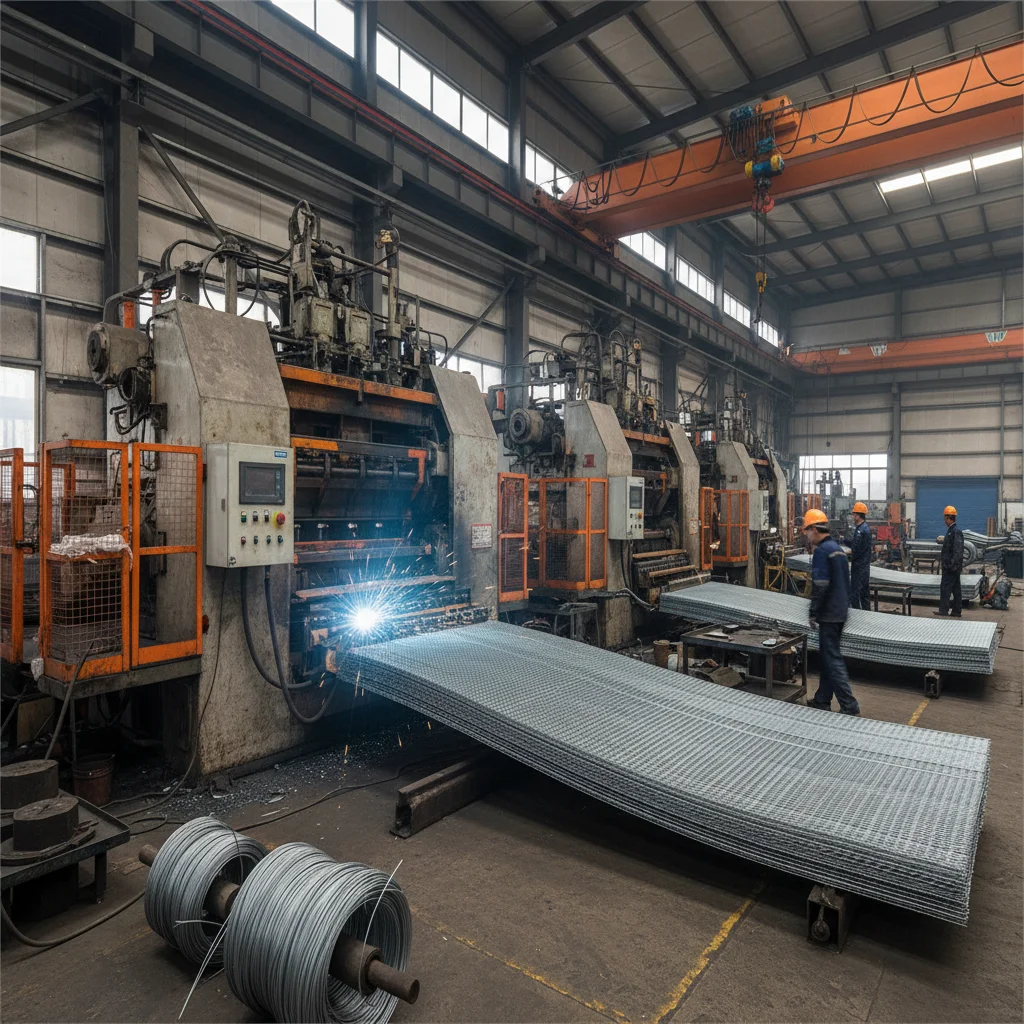
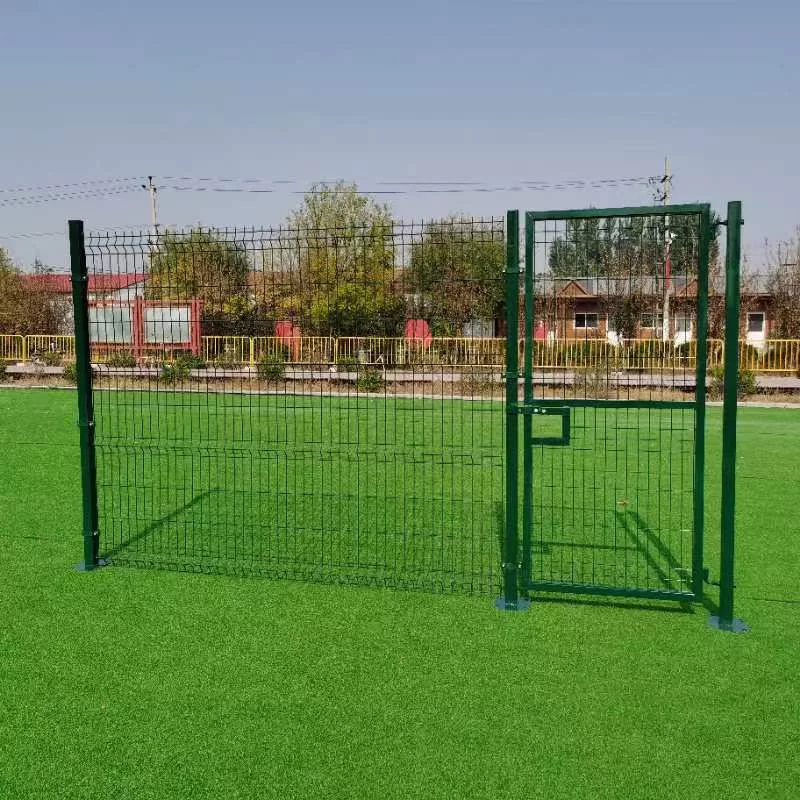
Professional Galvanized Welded Mesh Factory for Industrial Projects Finding a reliable galvanized welded mesh factory is critical for ensuring the structural integrity and longevity of your industrial or agricultural installations. Galvanized welded mesh is prized for its exceptional strength and resistance to corrosion, making it the go-to choice for fencing, animal cages, and construction reinforcement. However, not all factories adhere to the same quality standards. Whether you are sourcing for a large-scale infrastructure project or a specialized commercial application, understanding the manufacturing process and quality benchmarks is key to making a cost-effective investment that lasts for decades. Read More >26 Apr, 16
-
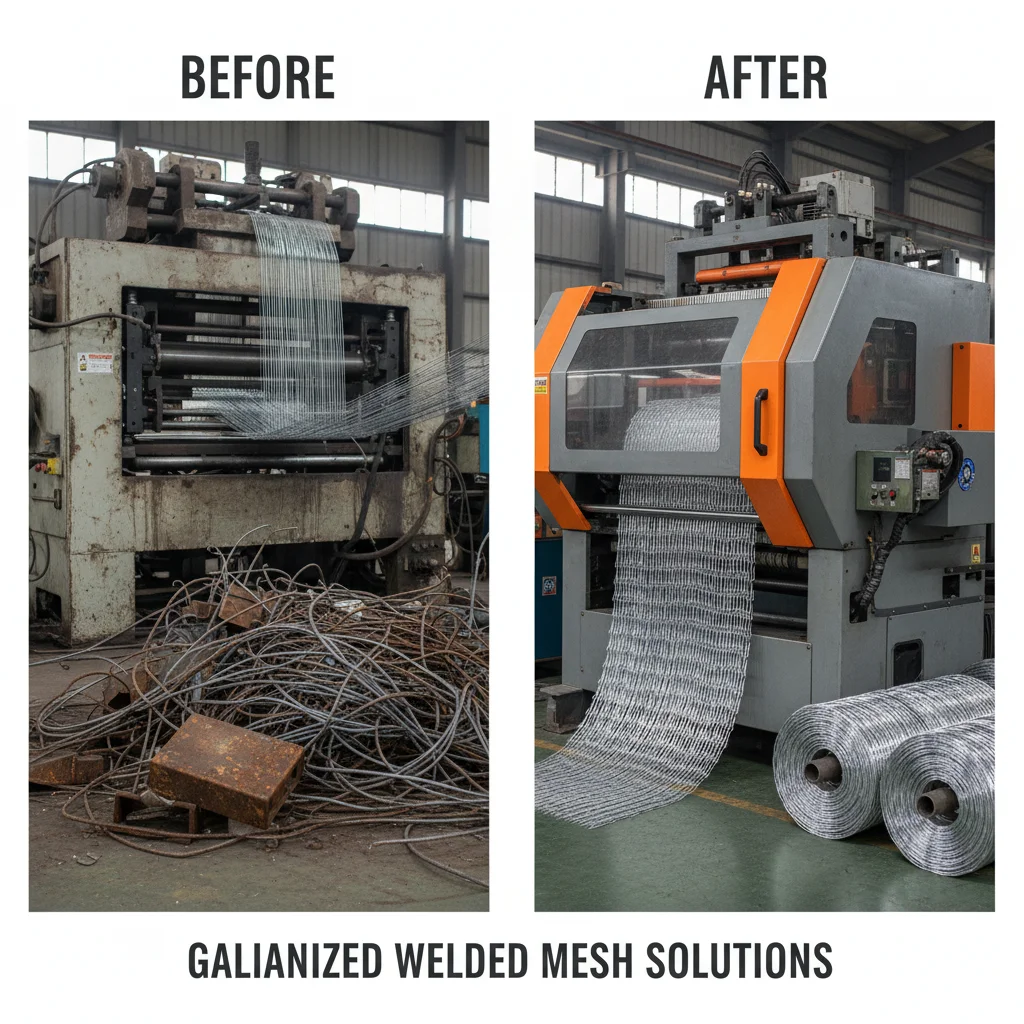
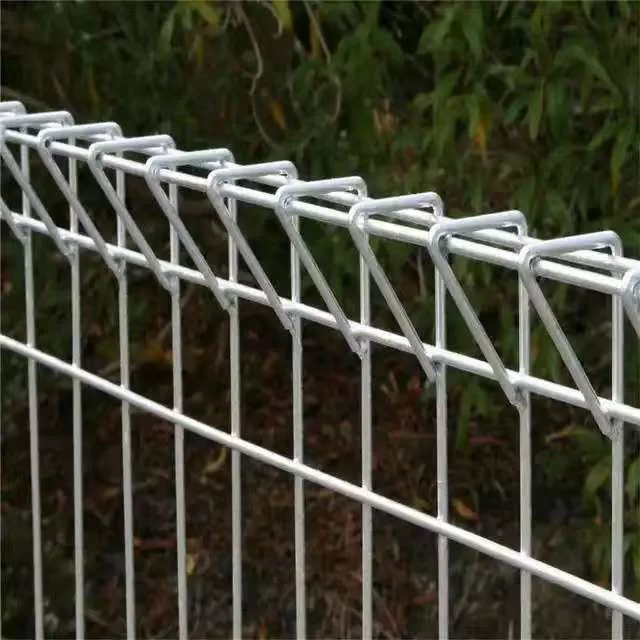
Professional Galvanized Welded Mesh Exporter for Quality Projects Selecting a high-quality fencing or screening solution requires more than just picking a product; it requires partnering with a reliable galvanized welded mesh exporter who understands the balance between structural integrity and corrosion resistance. Whether you are securing an industrial perimeter, building animal enclosures, or implementing architectural reinforcements, the quality of the galvanization process determines the lifespan of your installation. In this guide, we will explore the technical advantages of galvanized welded mesh and how to identify a global supplier that meets international quality standards to ensure your investment stands the test of time. Read More >26 Apr, 09
-
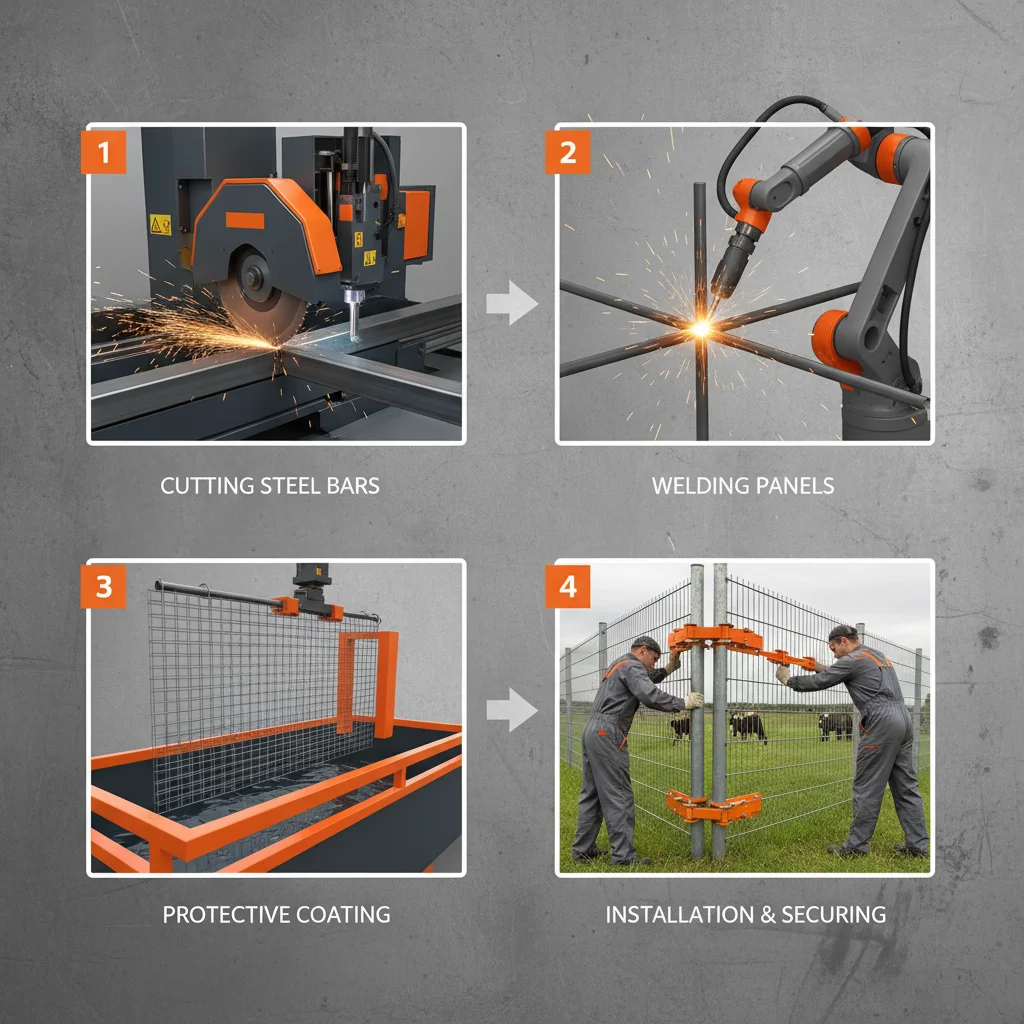
Essential Fencing Panels for Livestock Management and Farm Productivity Fencing panels for livestock are essential components in modern animal husbandry, playing a critical role in efficient farm management, animal welfare, and land utilization. Globally, the demand for robust and reliable fencing solutions is increasing due to the expanding livestock industry and the need to protect grazing lands from encroachment and predation. These panels aren’t simply barriers; they represent a vital investment in a farm's productivity and the health of its animals. Read More >26 Apr, 08
If you are interested in our products, you can choose to leave your information here, and we will be in touch with you shortly.


