Effective livestock management depends heavily on the quality of containment systems used to secure animals and organize grazing areas. For large-scale farming operations, sourcing bulk cattle panels provides a scalable and cost-effective way to ensure structural integrity across vast acreage while maintaining high standards of animal welfare.
The global agricultural sector is currently facing pressure to optimize land use and improve the efficiency of livestock handling. By utilizing standardized, heavy-duty fencing components, farmers can reduce labor costs and minimize the risk of animal breakouts, which is critical for maintaining operational continuity in both commercial and familial farming environments.
Whether you are establishing permanent boundaries or creating flexible, temporary pens, investing in bulk cattle panels ensures that your infrastructure can withstand the physical pressure of livestock while offering the versatility needed for modern animal husbandry.

Industry Context of Bulk Cattle Panels
The livestock industry operates on a global scale, requiring infrastructure that can adapt to various climates and animal behaviors. According to agricultural standards, the durability of containment systems directly impacts the safety of both the handler and the animal, making the procurement of high-quality bulk cattle panels a strategic necessity for commercial ranchers.
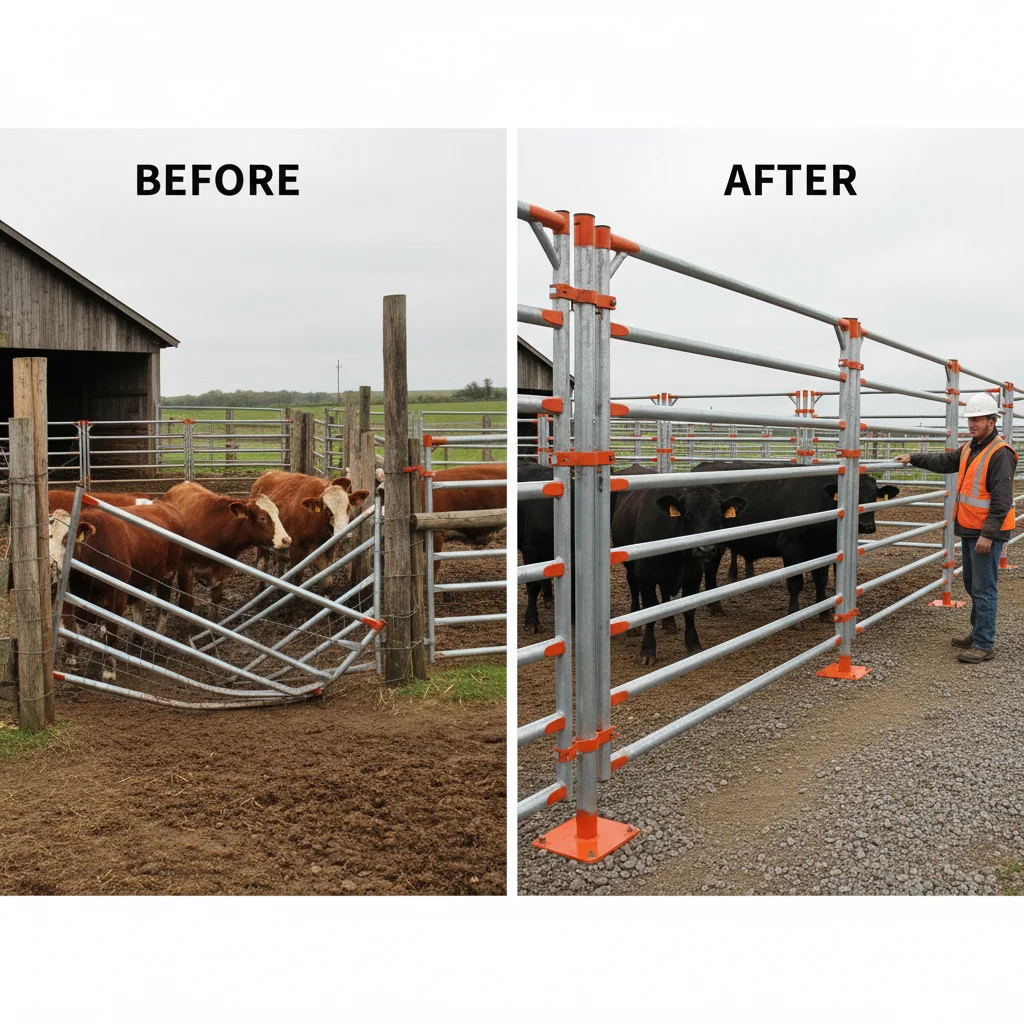
From the vast plains of North America to the grazing lands of Australia, the challenge remains the same: creating a secure perimeter that does not warp or fail under the immense weight of livestock. Heavy-wall steel constructions have become the industry gold standard, replacing outdated wooden or light-wire alternatives that require constant maintenance and offer inferior protection.
Defining High-Strength Containment Systems
In professional terminology, high-strength containment refers to modular fencing systems designed to restrict animal movement while resisting physical impact. When farmers search for bulk cattle panels, they are looking for standardized units—often featuring 5 or 6 rails—that can be linked together using industrial-grade pins and bolts to create a gap-free barrier.
These systems are more than just simple fences; they are engineered tools for animal management. By utilizing heavy-wall steel and protective top caps, these panels eliminate sharp edges and structural weaknesses, ensuring that livestock are contained safely without the risk of injury, which is a core requirement for modern animal welfare compliance.
Furthermore, the ability to choose between round or oval pipe profiles allows farmers to customize the rigidity and contact surface of the fencing. This technical flexibility ensures that the panels can be tailored to the specific size and temperament of the livestock, whether they are sheep, goats, or larger cattle.
Core Components of Livestock Fencing
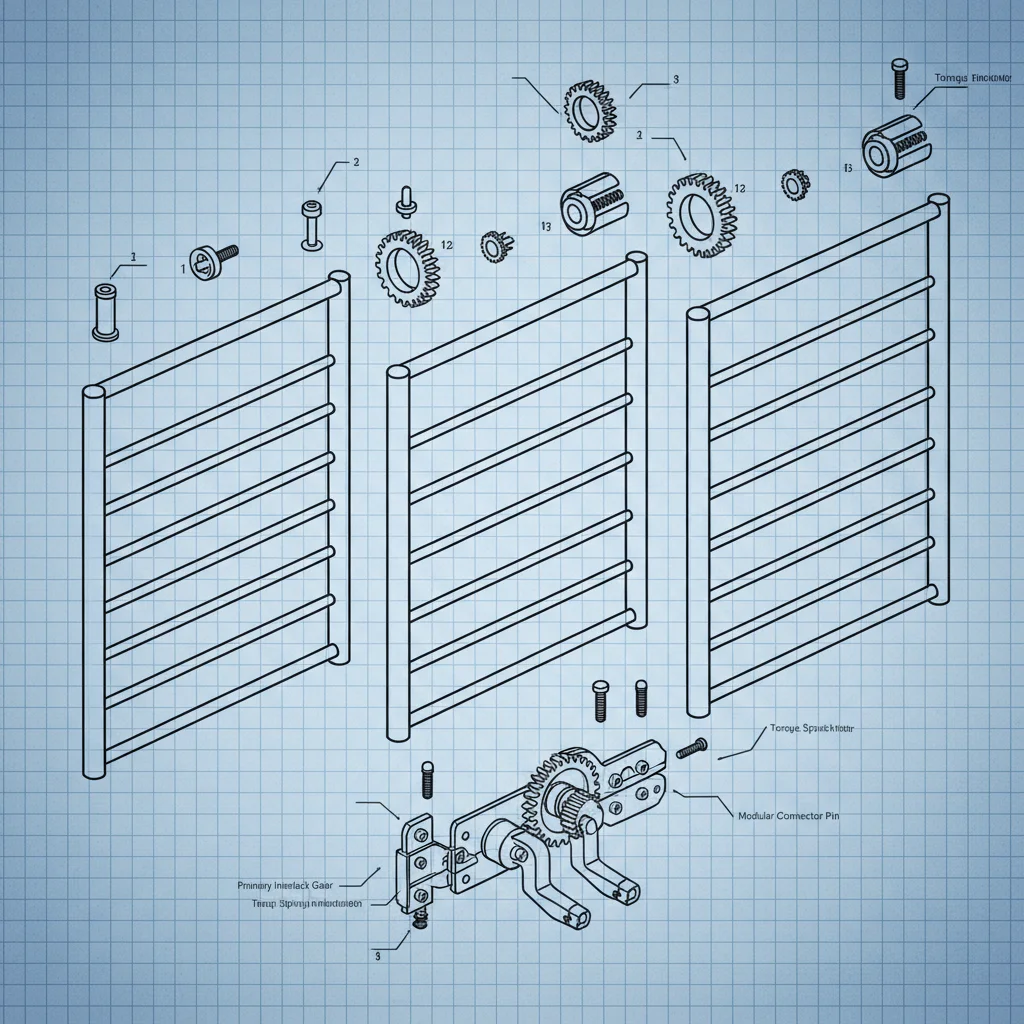
The efficacy of bulk cattle panels lies in their modular design. Key components include the heavy-wall steel frames, which provide the primary structural strength, and the joining pins or bolts that ensure a rigid connection between panels, preventing the shifting that often occurs under animal pressure.
Safety is integrated into every rail. The inclusion of protective top caps is a critical feature of premium bulk cattle panels, as it removes hazardous edges. Additionally, the integration of heavy-duty gates with standard chain catches allows for seamless access and secure closure, creating a complete containment ecosystem.
Installation versatility is another core pillar. Depending on the need, these panels can be configured as permanent installations—often concreted into the ground—or as portable options for temporary pens. This flexibility allows for rapid reconfiguration of the farm layout as seasonal needs change.
Performance Metrics for Bulk Cattle Panels
When evaluating the quality of fencing, professionals look at specific performance metrics such as tensile strength, corrosion resistance, and installation speed. Modular systems significantly outperform traditional fencing in terms of deployment time, allowing for the rapid setup of livestock pens without the need for specialized heavy machinery.
The longevity of the steel is also a key metric. By treating the metal for outdoor weather resistance, bulk cattle panels provide an extended service life compared to moderate-wear alternatives, ensuring a higher return on investment for the farm owner.
Comparative Performance of Bulk Cattle Panels
Global Applications and Use Cases
In commercial farming, bulk cattle panels are used to create sorting alleys, weaning pens, and maternity wards. The ability to quickly move portable panels allows ranchers to isolate sick animals or separate calves from cows without the need for permanent construction in every area of the property.
Beyond standard farming, these panels are utilized in disaster relief operations for livestock rescue and in remote industrial zones where temporary animal containment is needed for transport hubs. Their standardized sizing makes them easy to ship in bulk and deploy in environments where traditional construction materials are unavailable.
Long-Term Value and Sustainability
Investing in heavy-duty steel provides a logical economic advantage. While the initial cost of bulk cattle panels may be higher than temporary wire solutions, the extended lifespan and reduced need for replacement parts result in a significantly lower total cost of ownership over a decade.
Sustainability in the metal industry is also evolving. By using high-grade, recyclable steel and optimizing logistics to reduce shipping emissions, manufacturers are making livestock containment more eco-friendly. The modular nature of these panels also means that damaged sections can be replaced individually rather than replacing the entire fence line.
Furthermore, the peace of mind provided by a secure, capped, and bolted system adds intangible value. Reducing animal stress and preventing injuries leads to healthier livestock and more efficient handling, which directly correlates to higher productivity and profitability for the producer.
Future Trends in Metal Fencing
The future of livestock containment is moving toward greater automation and specialized metallurgy. We are seeing a shift toward advanced anti-corrosion coatings that extend the life of bulk cattle panels even in high-salinity coastal environments or highly acidic soil conditions.
Digital transformation is also touching the industry through inventory control systems. Large-scale farm projects now use digital tracking to monitor panel quantities and rail specifications, ensuring that expansion projects are seamless and that replacement parts are ordered precisely.
As sustainable farming practices grow, the demand for portable, low-impact fencing will increase. Modular steel designs that can be moved without damaging the soil are becoming the preferred choice for rotational grazing systems, which help in land regeneration and carbon sequestration.
Technical Comparison of Containment Configurations
| Panel Type |
Installation Method |
Mobility Level |
Typical Application |
| Permanent Steel |
Concrete-in Post |
Fixed |
Boundary Security |
| Semi-Permanent |
Bolt-on Frame |
Low |
Sorting Alleys |
| Portable Panel |
Joining Pins |
High |
Temporary Pens |
| Oval Pipe Config |
Hybrid Bolt/Pin |
Medium |
High-Pressure Areas |
| Round Pipe Config |
Standard Pins |
Medium |
General Sheep Containment |
| Gate Integrated |
Chain Catch/Bolt |
Fixed/Low |
Access Control Points |
FAQS
Portable panels are designed for temporary setups and can be moved easily without tools, making them ideal for rotational grazing. Permanent panels are typically bolted or concreted into place to provide long-term boundary security and higher resistance to heavy animal pressure.
Yes, we offer multiple height options (1m and 1.2m) and rail configurations (5 or 6 rails) to ensure the containment meets the specific size and behavioral needs of your livestock, ensuring they cannot jump over or push through the rails.
Our systems utilize industrial-grade joining pins and bolts that lock the panels together tightly. This prevents gaps from forming and reduces movement even when animals lean or push against the fence, maintaining structural integrity across the entire line.
All gate frames are manufactured from heavy-wall steel. This ensures that the gates do not warp, sag, or bend during frequent daily use, providing a smooth operation and a secure closure via standard chain catches.
Round pipes are the classic choice for strength and simplicity. Oval pipes can offer different structural rigidity and a different contact profile for the animal, depending on the specific containment goals and aesthetic preferences of the farmer.
Our steel products are treated with professional-grade finishes designed to withstand the harsh outdoor conditions common in agricultural environments. This rust-resistant treatment ensures a long operational life and reduces the need for frequent painting or repairs.
Conclusion
The implementation of high-quality bulk cattle panels is a fundamental investment for any livestock operation seeking to balance security, animal welfare, and operational efficiency. By prioritizing heavy-wall steel, modular connectivity, and safety-first designs like protective top caps, producers can create a resilient infrastructure that adapts to the evolving needs of their farm.
Looking forward, the integration of smarter logistics and advanced metallurgy will continue to drive the value of these containment systems. We recommend that farm managers conduct a full assessment of their animal pressure points and layout flexibility before choosing between permanent and portable configurations to maximize their long-term return on investment. Visit our website: www.haotianmesh.com