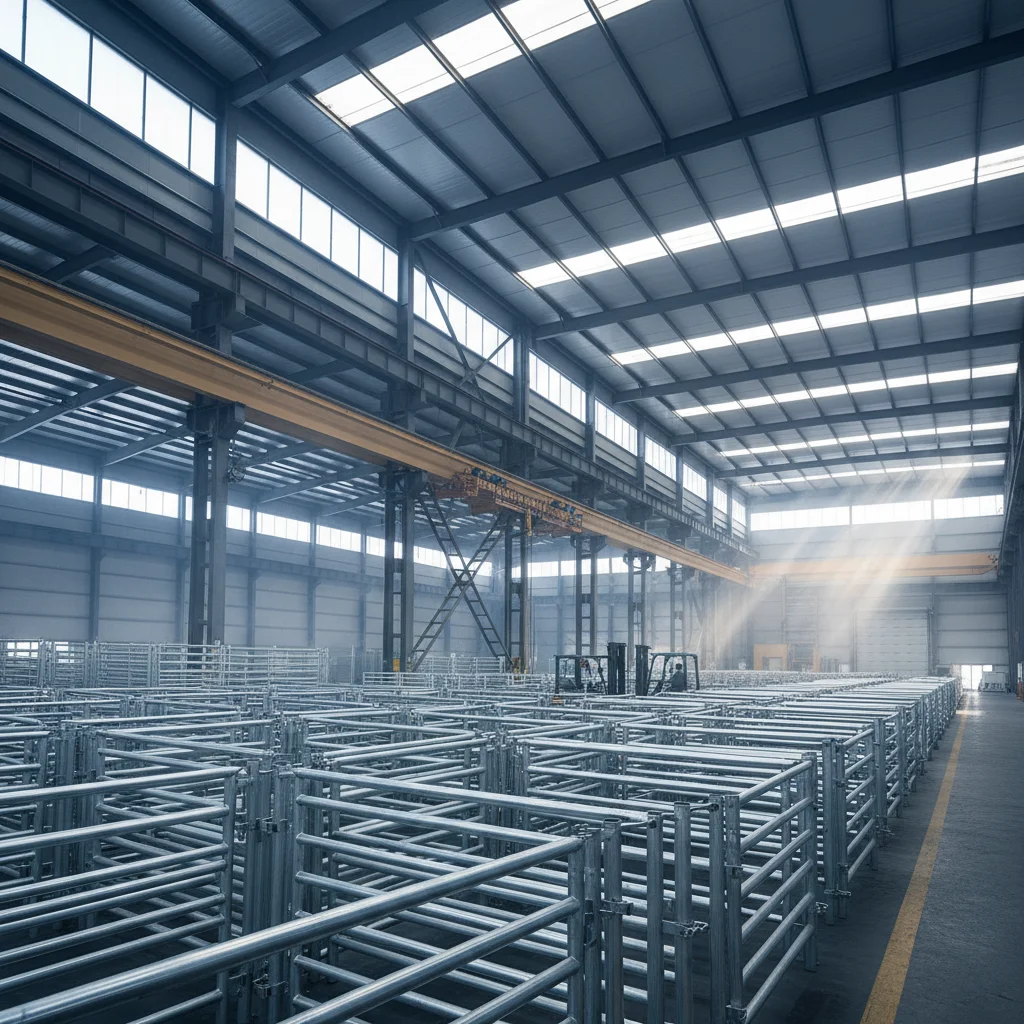
In the demanding environment of modern animal husbandry, protecting livestock from harsh climatic conditions is not just a matter of comfort, but a critical factor in animal welfare and productivity. High-velocity winds can lead to significant heat loss in winter and excessive stress in summer, directly impacting growth rates and immunity. Implementing high-quality livestock windbreak panels provides a strategic barrier that stabilizes the microclimate within enclosures, ensuring that animals remain healthy regardless of external weather fluctuations.
Across the globe, from the vast plains of North America to the intensive farming hubs in Europe and Asia, the adoption of engineered windbreaks has become a standard for professional producers. By reducing the wind chill factor and preventing soil erosion around feeding areas, these panels allow farmers to lower heating costs and reduce the metabolic energy animals spend on thermoregulation. This efficiency translates directly into better feed conversion ratios and higher quality yields.
Understanding the technical nuances of windbreak systems—ranging from permeability ratios to material corrosion resistance—is essential for any livestock operation looking to scale sustainably. Whether integrating these solutions into permanent housing or using them as temporary shields in open pastures, the goal is to create a controlled environment that optimizes animal health. In this guide, we will explore the technical specifications and practical applications of livestock windbreak panels to help you make an informed investment for your farm.
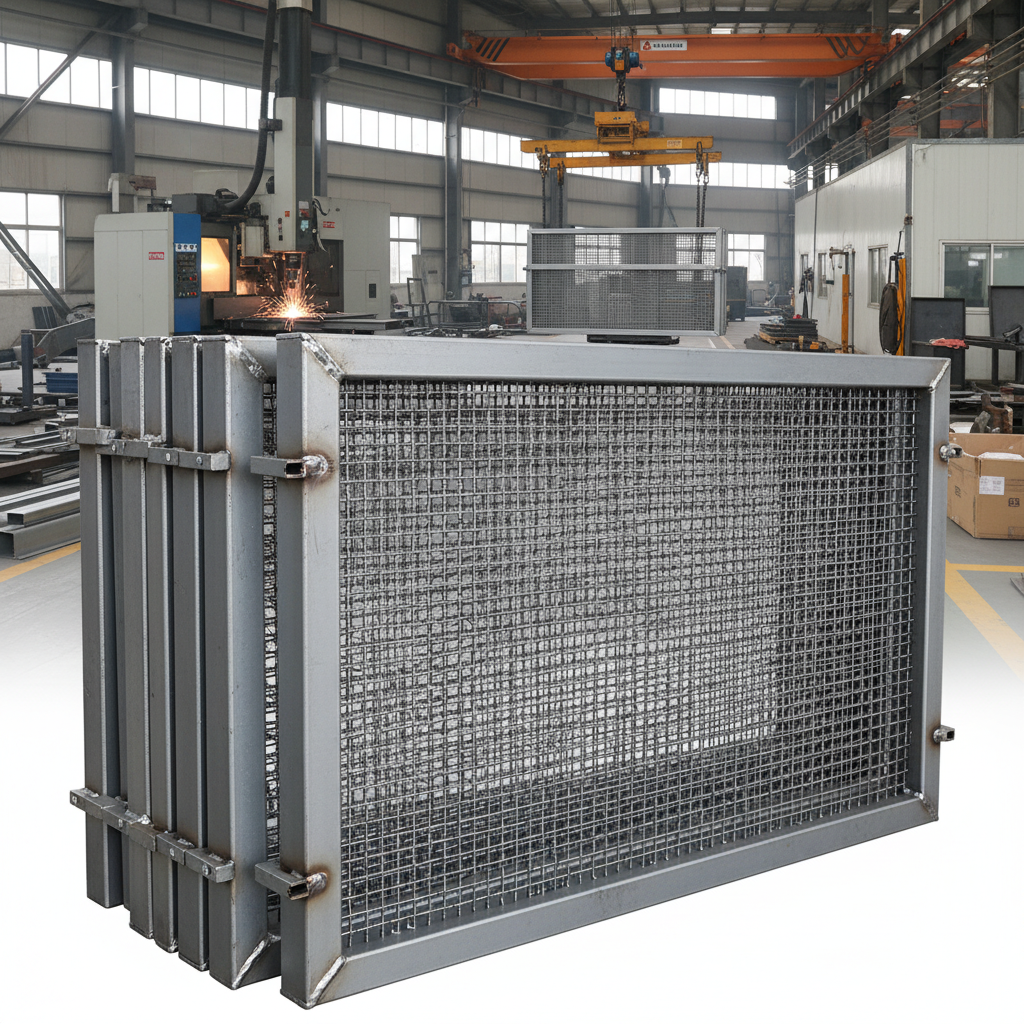
Global Relevance of Livestock Windbreak Panels
On a global scale, the livestock industry faces increasing pressure to maintain productivity amidst volatile weather patterns. According to agricultural climate reports, wind-induced stress is a primary driver of respiratory illness in swine and cattle during winter months. The deployment of livestock windbreak panels serves as a critical mitigation strategy, aligning with international animal welfare standards (such as those suggested by OIE) to minimize animal distress.
Beyond animal health, these systems play a pivotal role in environmental sustainability. By reducing the reliance on energy-intensive heating systems in barns, farmers can significantly lower their carbon footprint. The ability to create localized "calm zones" allows for more flexible land use, enabling livestock to spend more time outdoors even in windy coastal or mountainous regions without compromising their health or the integrity of the facility.
Defining Modern Windbreak Systems
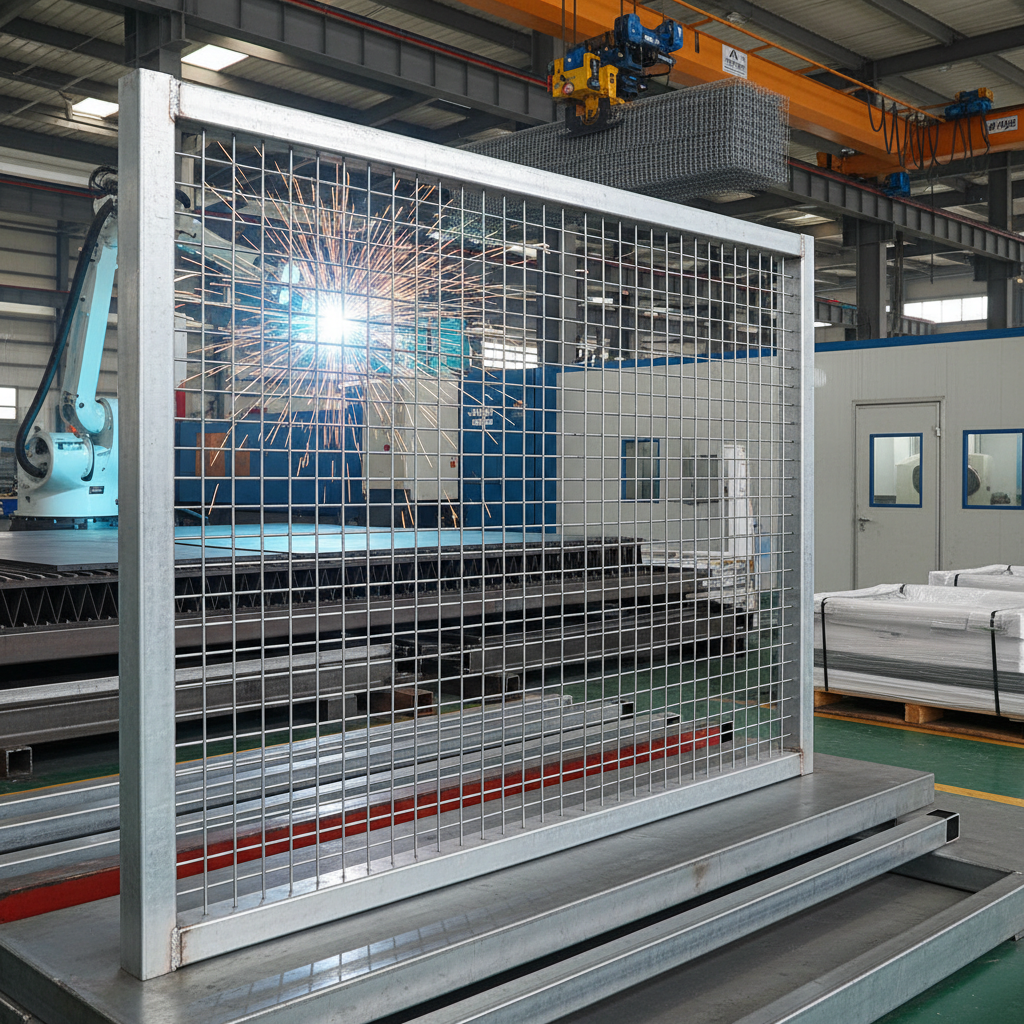
In simple technical terms, livestock windbreak panels are engineered barriers designed to reduce wind velocity without completely blocking airflow. Unlike solid walls, which can create turbulent eddies and "vacuum" effects on the leeward side, these panels utilize a specific porosity—often achieved through specialized wire mesh or woven synthetic fabrics—to filter the wind. This allows for essential ventilation (removing ammonia and moisture) while stopping the piercing chill of direct gusts.
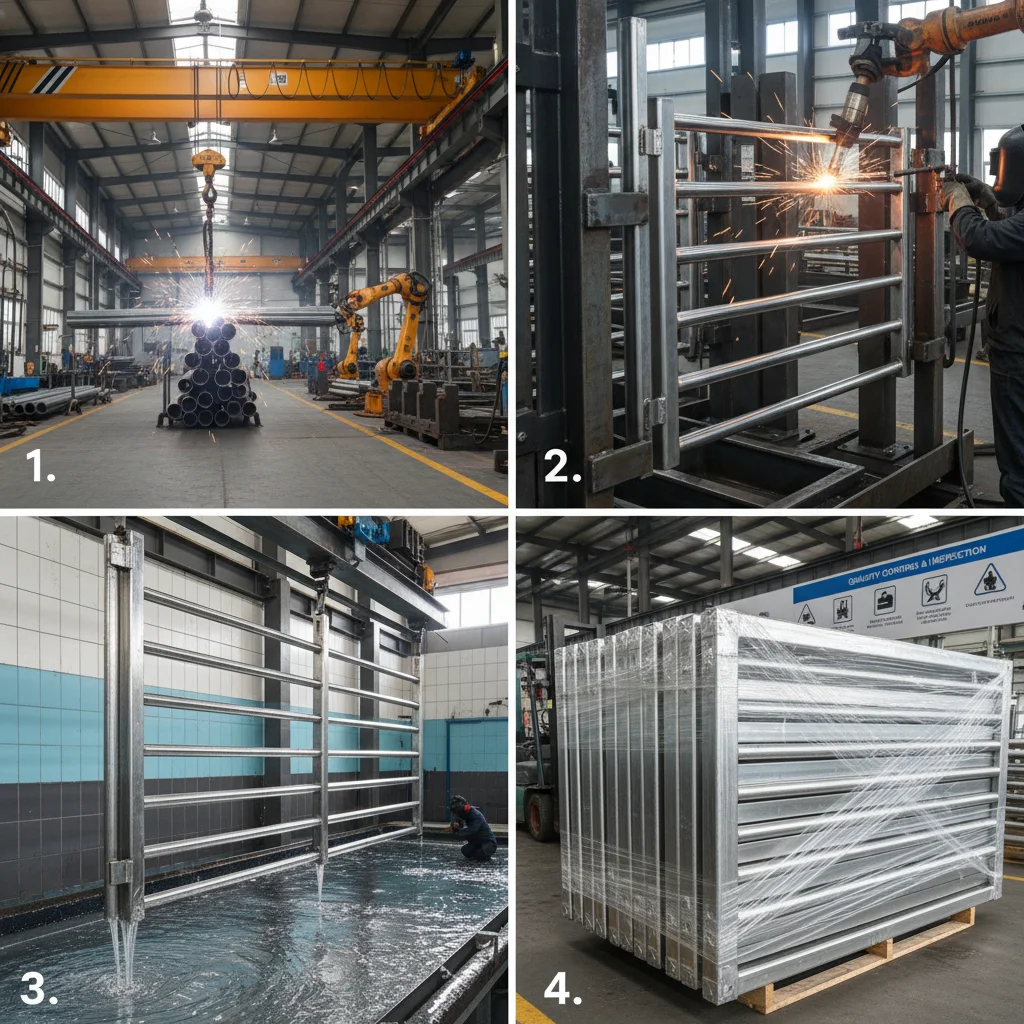
The connection to modern industry lies in the transition from rudimentary fences to high-precision metalwork. Today's panels are manufactured using galvanized steel or powder-coated alloys to resist the corrosive nature of livestock waste and humidity. This shift toward industrial-grade materials ensures that the windbreak remains a permanent asset rather than a temporary fix, reducing the lifecycle cost for the producer.
From a humanitarian and ethical perspective, these systems represent a commitment to "precision livestock farming." By controlling the environmental variables, producers can ensure a more dignified life for the animals, reducing the need for pharmaceutical interventions and improving the overall quality of the food supply chain.
Core Components of High-Performance Panels
The effectiveness of livestock windbreak panels depends heavily on Material Durability. The use of hot-dipped galvanized wire prevents rust and oxidation, which is critical in high-moisture environments like dairies or pig farms. A panel that fails due to corrosion not only loses its wind-breaking capacity but can also pose a physical injury risk to the animals through jagged edges.
Another critical factor is Permeability and Airflow Management. A perfect windbreak does not stop 100% of the wind; rather, it reduces the speed to a manageable level. If a panel is too dense, it creates high pressure on the windward side and turbulence behind it. By optimizing the mesh size, these panels ensure that fresh air continues to circulate, preventing the buildup of harmful gases like methane and hydrogen sulfide.
Finally, Scalability and Installation Flexibility are paramount. Modern systems are designed as modular components that can be easily expanded as a farm grows. Whether they are integrated into a permanent fence line or used as movable shields for temporary grazing areas, the ability to rapidly deploy and adjust the height and angle of the panels allows farmers to react to shifting wind patterns in real-time.
Practical Applications and Global Use Cases
In real-world applications, livestock windbreak panels are utilized across diverse climates. In the high plains of the American Midwest, they are often installed as perimeter shields for cattle feedlots, creating a protected zone where livestock can congregate during winter storms. Similarly, in the intensive swine operations of Southeast Asia, these panels are integrated into open-sided housing to maintain a steady temperature and reduce the incidence of pneumonia.
Beyond traditional farming, these solutions are employed in specialized contexts such as equestrian centers for protecting high-value horses from drafts, and in temporary livestock holding pens during agricultural fairs or disaster relief operations. In post-disaster scenarios, where permanent infrastructure has been destroyed, rapid-deploy windbreak panels provide immediate shelter and stability for displaced herds, preventing mass losses due to exposure.
Efficiency Rating of Different Windbreak Configurations
Long-Term Value and Economic Advantages
The investment in livestock windbreak panels delivers tangible financial returns through reduced mortality and morbidity rates. When animals are shielded from extreme wind, their stress levels drop, leading to better weight gain and higher milk production. This biological efficiency means farmers can achieve their production targets faster and with fewer inputs, directly increasing the net profit margin per animal.
From a sustainability angle, these panels offer long-term reliability. Unlike organic windbreaks (like trees), which take years to grow and require constant maintenance, industrial panels provide immediate protection and a lifespan of several decades. The psychological peace of mind for the farmer—knowing that the herd is protected during a sudden cold snap—is an invaluable emotional benefit that fosters trust in the facility's infrastructure.
Future Trends in Windbreak Technology
The next generation of livestock windbreak panels is moving toward "smart" integration. We are seeing the emergence of panels embedded with environmental sensors that can monitor wind speed, humidity, and temperature in real-time. This data can be fed into automated barn management systems, allowing for the dynamic adjustment of ventilation louvers or the movement of livestock to the most protected zones of the facility.
Material science is also evolving, with a shift toward recycled ocean plastics and bio-composite alloys that maintain high strength while reducing the environmental impact of production. These "green" panels are becoming increasingly popular in the EU, where strict agricultural sustainability policies encourage the use of circular economy materials in farm infrastructure.
Furthermore, automation in installation is becoming a reality. Robotic fencing systems are being developed to deploy windbreak panels across vast grazing lands with precision GPS mapping, ensuring that the windbreaks are placed at the mathematically optimal angles to protect the maximum area of the pasture with the minimum amount of material.
Overcoming Implementation Challenges
One of the primary challenges in installing livestock windbreak panels is calculating the correct porosity for specific regional winds. A panel that is too open fails to provide warmth, while one that is too closed creates dangerous turbulence. To solve this, expert consultants now use Computational Fluid Dynamics (CFD) modeling to simulate wind flow around the farm, allowing for the custom selection of mesh density based on the local topography.
Another common issue is the structural stress placed on the panels during extreme storm events. To overcome this, engineers are implementing "break-away" fastening systems. These systems allow a panel to shift or release slightly under extreme pressure rather than bending the main support posts, significantly reducing the cost of repairs after a major storm.
Finally, the initial cost of high-grade galvanized steel can be a barrier for small-scale farmers. The solution lies in modular leasing or phased implementation, where the most critical "wind corridors" of the farm are protected first, with the rest of the perimeter completed as the operational efficiency gains provide the necessary capital.
Comparison of Windbreak Panel Specifications and Performance
| Panel Material |
Wind Reduction % |
Durability (Years) |
Cost-Benefit Ratio |
| Hot-Dipped Galvanized |
65% - 85% |
20+ Years |
High |
| Powder-Coated Steel |
60% - 80% |
15-20 Years |
Medium-High |
| HDPE Woven Fabric |
50% - 70% |
5-8 Years |
Medium |
| Aluminum Alloy |
70% - 90% |
25+ Years |
Premium |
| PVC Coated Wire |
60% - 80% |
10-15 Years |
Medium |
| Stainless Steel |
65% - 85% |
30+ Years |
High (Long-term) |
FAQS
Unlike solid walls, windbreak panels are porous. Solid walls create high-pressure zones and turbulent "rotors" on the opposite side, which can actually increase wind chill in some areas. Windbreak panels filter the wind, reducing its velocity while allowing air to pass through. This maintains essential ventilation to remove ammonia and moisture from livestock areas, which is critical for preventing respiratory diseases, whereas solid walls can trap harmful gases.
High-quality hot-dipped galvanized livestock windbreak panels are designed to last 20 years or more. The zinc coating acts as a sacrificial anode, protecting the underlying steel from corrosion caused by rain, humidity, and the corrosive chemicals found in animal waste. In extremely salty coastal environments, powder-coated or stainless steel options may be recommended to extend the lifespan further.
Yes, provided they are manufactured to industry standards. Professional panels feature smooth welds and rounded edges to prevent scratches or injuries. When installed with proper tensioning and secure anchoring, they provide a sturdy support that animals can lean against without the risk of the panel collapsing or cutting them. We always recommend checking the tension of the fasteners annually.
Absolutely. Most livestock windbreak panels are designed with modular mounting brackets that allow them to be attached to existing T-posts, H-beams, or wooden fences. However, it is crucial to ensure that your existing fence posts are strong enough to handle the increased "wind load" (the physical pressure the wind exerts on the panel). Reinforcing posts with concrete or additional bracing is often recommended.
The ideal porosity usually falls between 40% and 60%. For extremely high-wind regions (like plains), a slightly more open mesh is better to prevent the panels from acting like sails and blowing over. In colder, calmer regions where heat retention is the priority, a denser mesh is preferred. Consulting a technical data sheet or a wind-flow expert can help you match the panel density to your specific GPS coordinates.
Yes, they contribute to sustainability in two ways. First, they reduce the energy required for heating barns, lowering greenhouse gas emissions. Second, many modern panels are made from recyclable steel or recycled polymers. Because of their long lifespan, they reduce the need for frequent replacements, which minimizes waste compared to temporary plastic sheeting or untreated wood barriers.
Conclusion
In summary, livestock windbreak panels are an indispensable tool for the modern producer, bridging the gap between animal welfare and operational profitability. By mastering the balance of airflow, durability, and structural integrity, these systems protect livestock from environmental stress, reduce energy costs, and enhance the overall quality of the farming ecosystem. From galvanized steel strength to smart-sensor integration, the evolution of these panels reflects the broader shift toward precision agriculture.
As the global climate becomes more unpredictable, investing in high-performance infrastructure is no longer optional—it is a strategic necessity. We encourage livestock owners to evaluate their current wind exposure and transition toward modular, durable windbreak solutions that grow with their business. For those seeking industry-leading quality and technical expertise in mesh and fencing solutions, visit our website: www.haotianmesh.com.