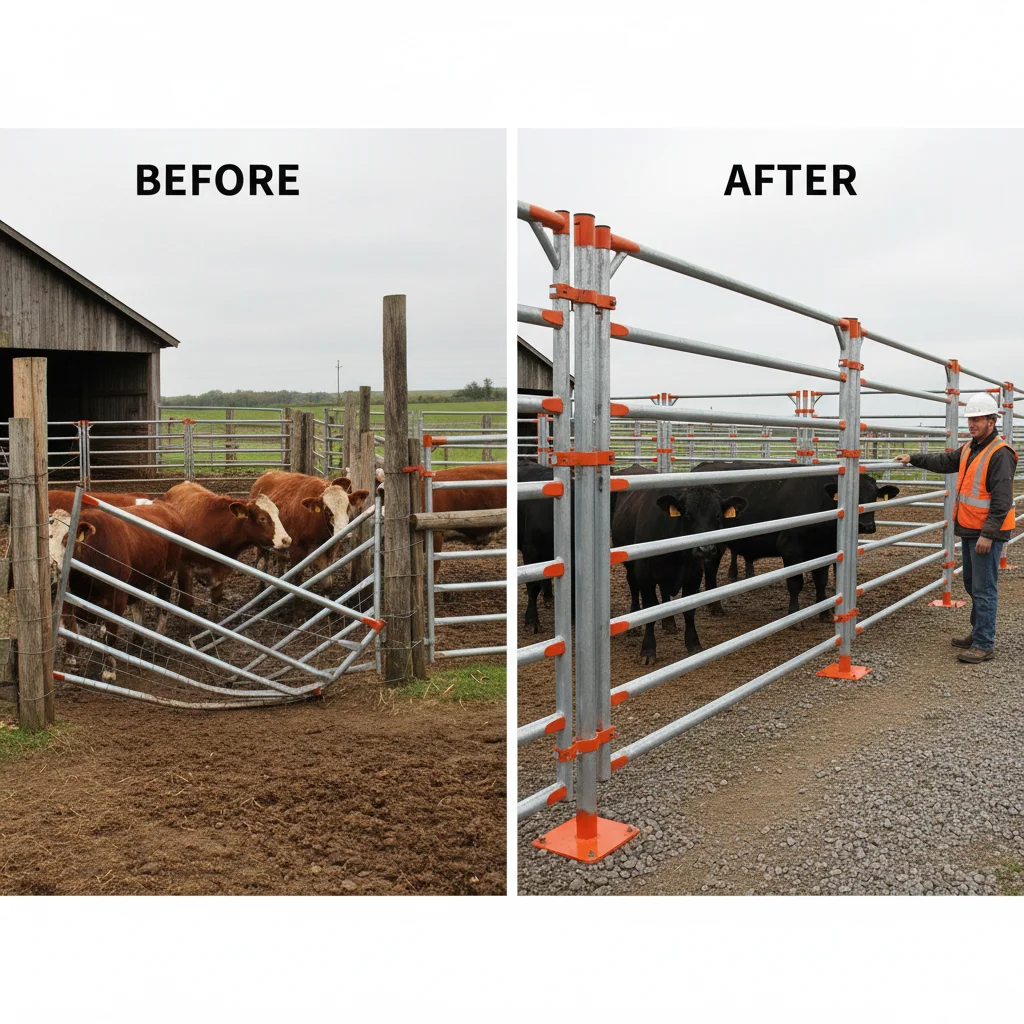
Ensuring the safety and containment of livestock is a fundamental challenge for farmers and agricultural enterprises worldwide. The adoption of high-quality livestock steel fence panels has revolutionized how producers manage animal movement, protecting valuable assets while minimizing labor costs. These systems offer a robust alternative to traditional wooden fencing, providing a balance of strength, longevity, and ease of installation.
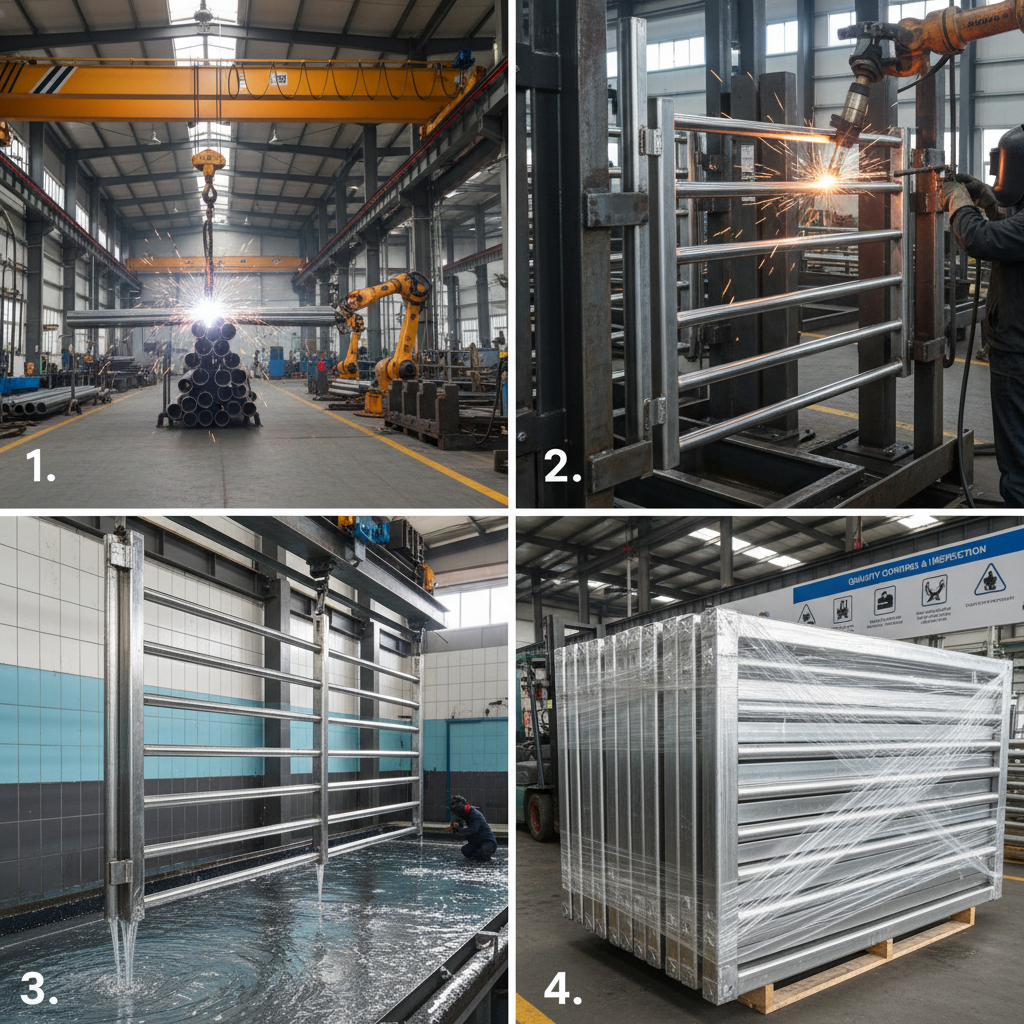
From an industry perspective, the shift toward prefabricated steel solutions reflects a broader trend in agricultural modernization. By utilizing galvanized steel and precision welding, these panels resist the corrosive effects of outdoor environments and the physical impact of heavy livestock. Understanding the technical specifications and application methods of these panels is essential for optimizing farm layout and ensuring animal welfare.
Whether you are managing a small-scale organic farm or a massive industrial livestock operation, the right fencing strategy directly impacts your bottom line. In this comprehensive guide, we will explore the global context, technical components, and long-term value of investing in premium livestock steel fence panels to secure your agricultural investment.
Global Industry Context of Livestock Steel Fencing
The global livestock industry is under constant pressure to increase efficiency while adhering to stricter animal welfare standards. According to data trends observed in global agricultural trade, there is a surging demand for durable infrastructure that can withstand diverse climates, from the humid tropics to the arid plains. livestock steel fence panels have emerged as a critical solution to the problem of "fence failure," which often leads to animal escape, predator intrusion, and significant financial loss.
Historically, farmers relied on timber or basic wire, but the high maintenance costs and vulnerability to decay made these options unsustainable. The integration of ISO-standardized steel manufacturing has allowed for the mass production of panels that provide uniform strength and predictable lifespans. This shift is not merely about containment; it is about creating a controlled environment where livestock can be sorted, treated, and managed with minimal stress.
Defining Livestock Steel Fence Panels in Modern Farming
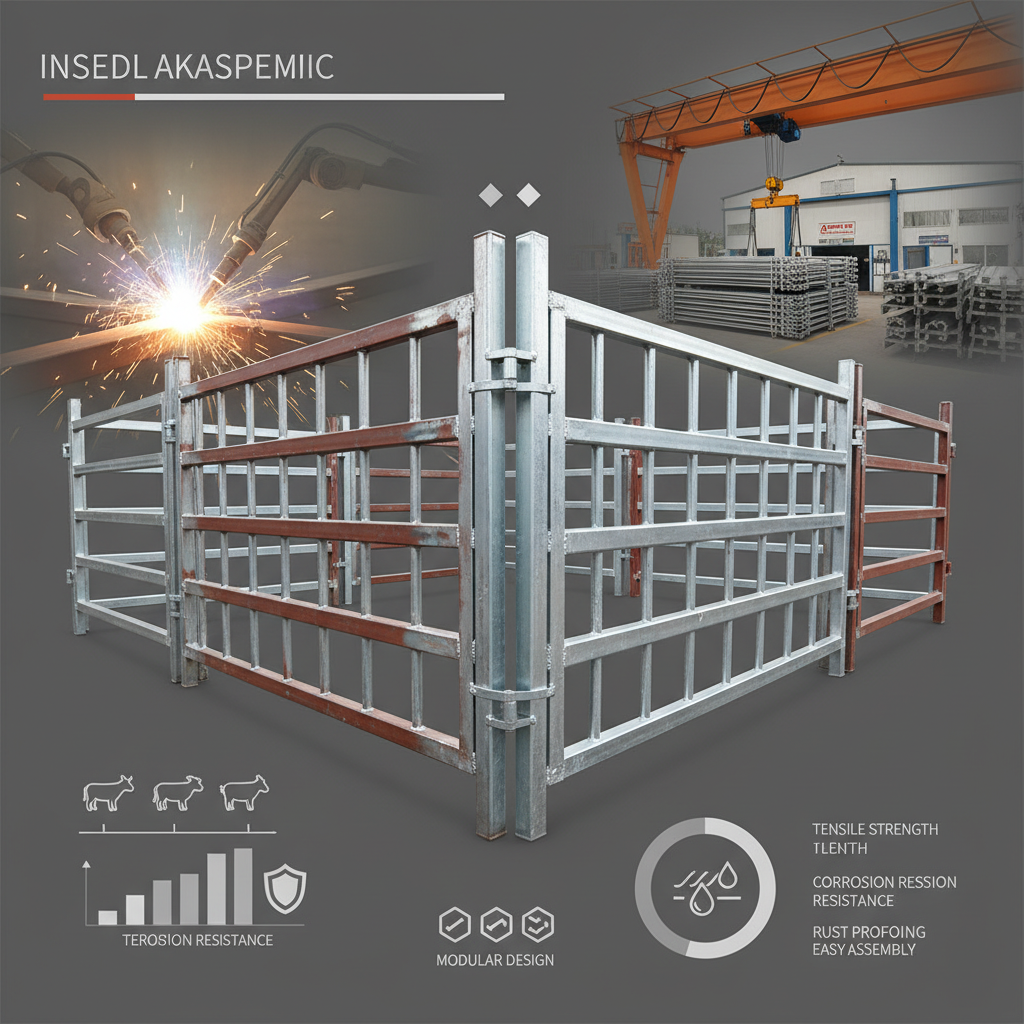
In simple terms, livestock steel fence panels are prefabricated barriers constructed from heavy-duty galvanized steel, designed specifically to contain animals such as cattle, sheep, goats, and pigs. Unlike standard chain-link fencing, these panels typically feature thick horizontal rails and vertical stays, creating a rigid grid that prevents animals from pushing through or leaning on the structure without causing deformation.
Beyond the physical structure, these panels represent a marriage of metallurgy and animal behavioral science. The spacing between bars is engineered to prevent head-trapping while ensuring maximum visibility for the handler. This design is crucial for modern humanitarian and agricultural needs, as it allows for the safe transport and quarantine of animals during disease outbreaks or emergency evacuations.
Moreover, the modular nature of these panels allows them to be integrated into larger systems, including Temporary Fence Panels and Wire Mesh Fencing. This flexibility means a farm can expand its holding capacity or reconfigure its pens in a matter of hours, making it an indispensable tool for the dynamic needs of contemporary livestock management.
Core Components and Quality Factors
The primary determinant of the lifespan of livestock steel fence panels is the quality of the galvanization process. Hot-dip galvanizing creates a metallurgical bond between the zinc and the steel, providing a sacrificial layer that protects the core from oxidation. In high-moisture environments, this prevents the rust that typically weakens joints and leads to structural collapse.
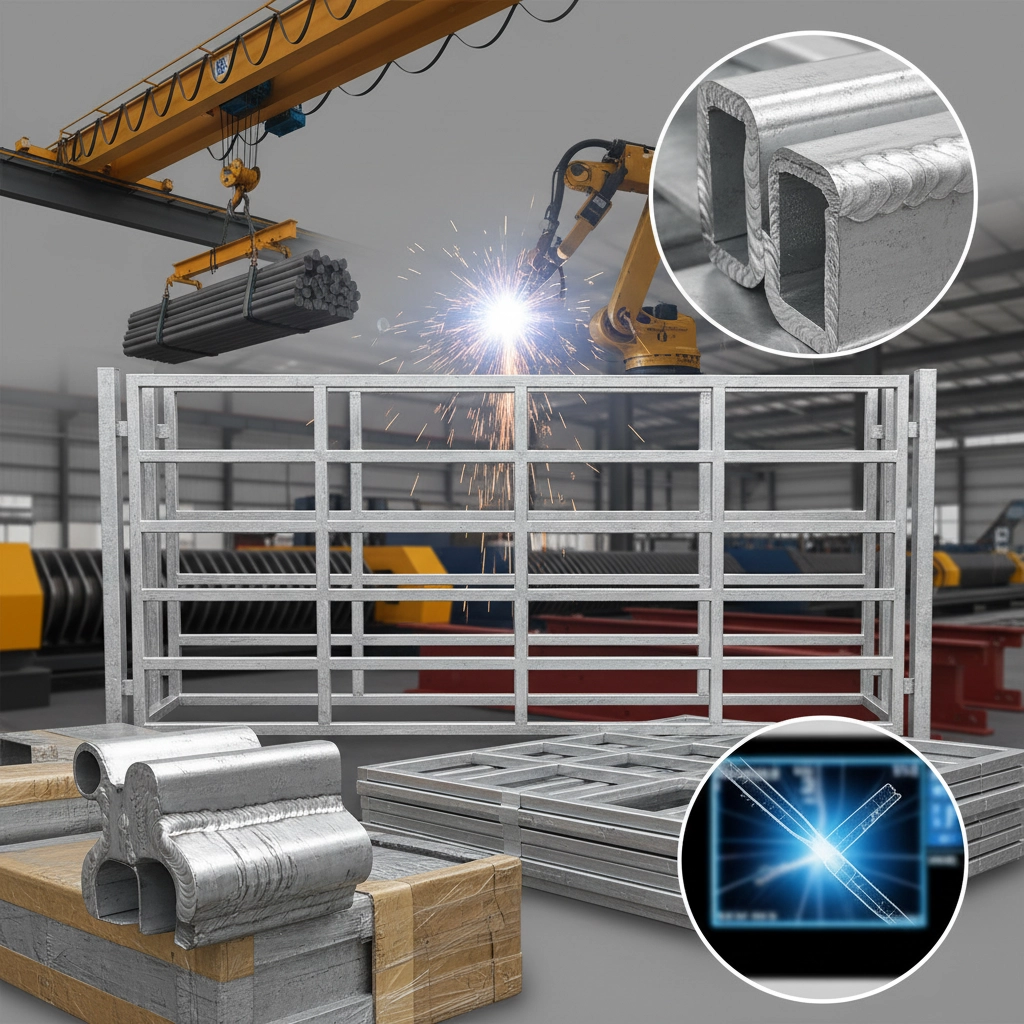
Another critical factor is the tensile strength of the steel used. High-carbon steel alloys ensure that the panels can withstand the immense pressure of a leaning bull or a panicked herd without bending permanently. Precision welding at every intersection ensures that the structural integrity is maintained throughout the entire panel, eliminating weak points where the fence might snap under stress.
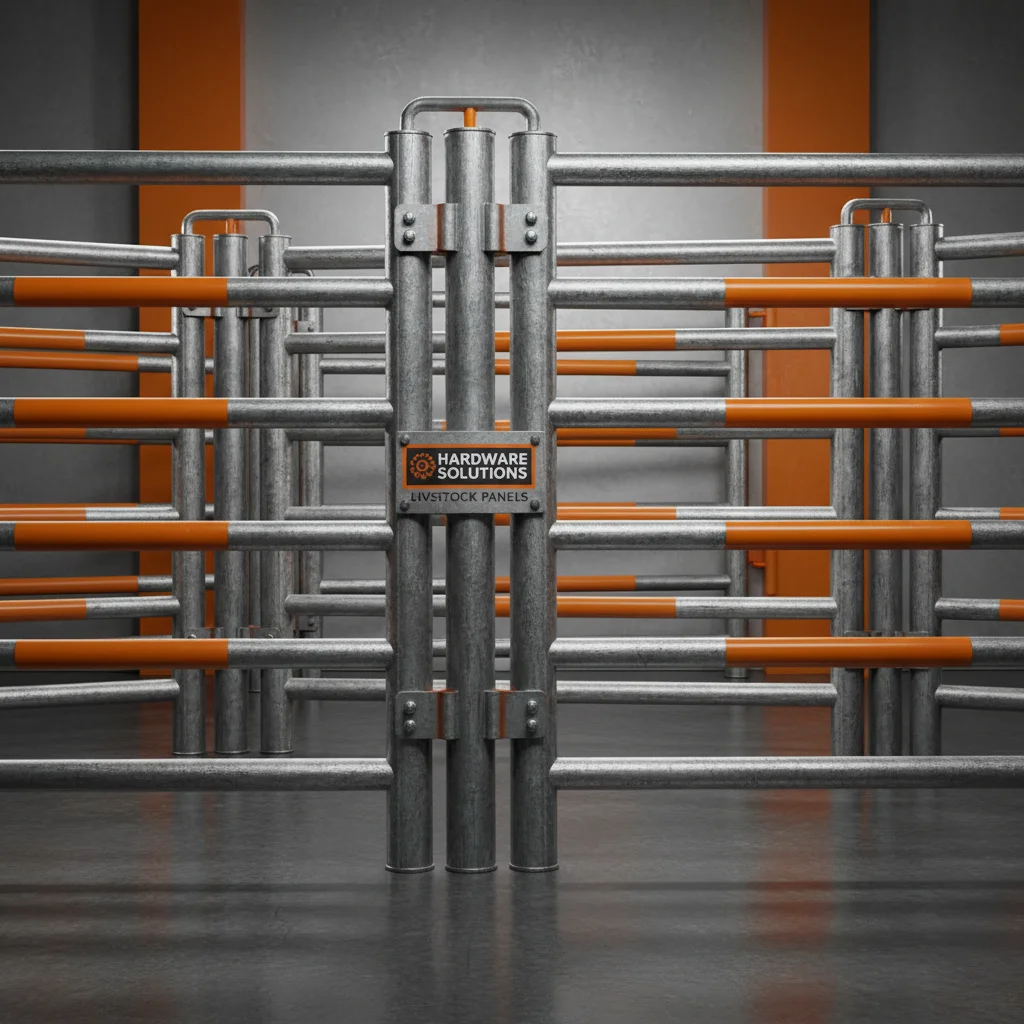
Scalability and ease of installation also define the value of these systems. The use of standardized locking pins and brackets allows for rapid assembly. When the hardware is as durable as the panels themselves, the overall system requires almost zero maintenance for several years, significantly reducing the operational overhead for the farm owner.
Global Applications and Real-World Use Cases
Across the globe, livestock steel fence panels are applied in a variety of critical contexts. In North America and Australia, they are used extensively for rotational grazing systems, where panels are moved to manage pasture health. In these vast regions, the ability to quickly set up a secure perimeter is essential for preventing overgrazing and protecting livestock from wild predators.
In other contexts, such as post-disaster relief operations in developing nations, these panels are used by NGOs to create emergency livestock shelters. When flooding or earthquakes destroy permanent structures, the rapid deployment of steel panels allows for the immediate organization of herds, preventing the chaos of loose animals and ensuring that food security is maintained for the affected communities.
Comparative Performance of Livestock Steel Fence Panels
Long-Term Economic and Operational Advantages
The investment in premium livestock steel fence panels provides a tangible Return on Investment (ROI) through the reduction of labor and replacement costs. While the initial capital expenditure may be higher than wood or plastic, the lifespan of galvanized steel often extends to 20-30 years. This eliminates the need for the annual repairs and painting typical of traditional fencing.
Beyond the financial metrics, there is a significant emotional and psychological benefit to using steel panels: peace of mind. The reliability of a steel barrier ensures that high-value breeding stock remains secure, reducing the stress on the farm manager. Furthermore, the clean, organized appearance of a steel-fenced facility increases the perceived value of the operation during audits or when presenting the farm to potential buyers or partners.
Future Trends in Livestock Containment Technology
The future of livestock steel fence panels is being shaped by the drive toward sustainability and "Smart Farming." We are seeing the introduction of eco-friendly coatings that reduce chemical runoff into the soil, as well as the integration of IoT sensors within the fence posts. These sensors can detect abnormal pressure or impact, alerting the farmer via a smartphone app if an animal is attempting to breach the perimeter.
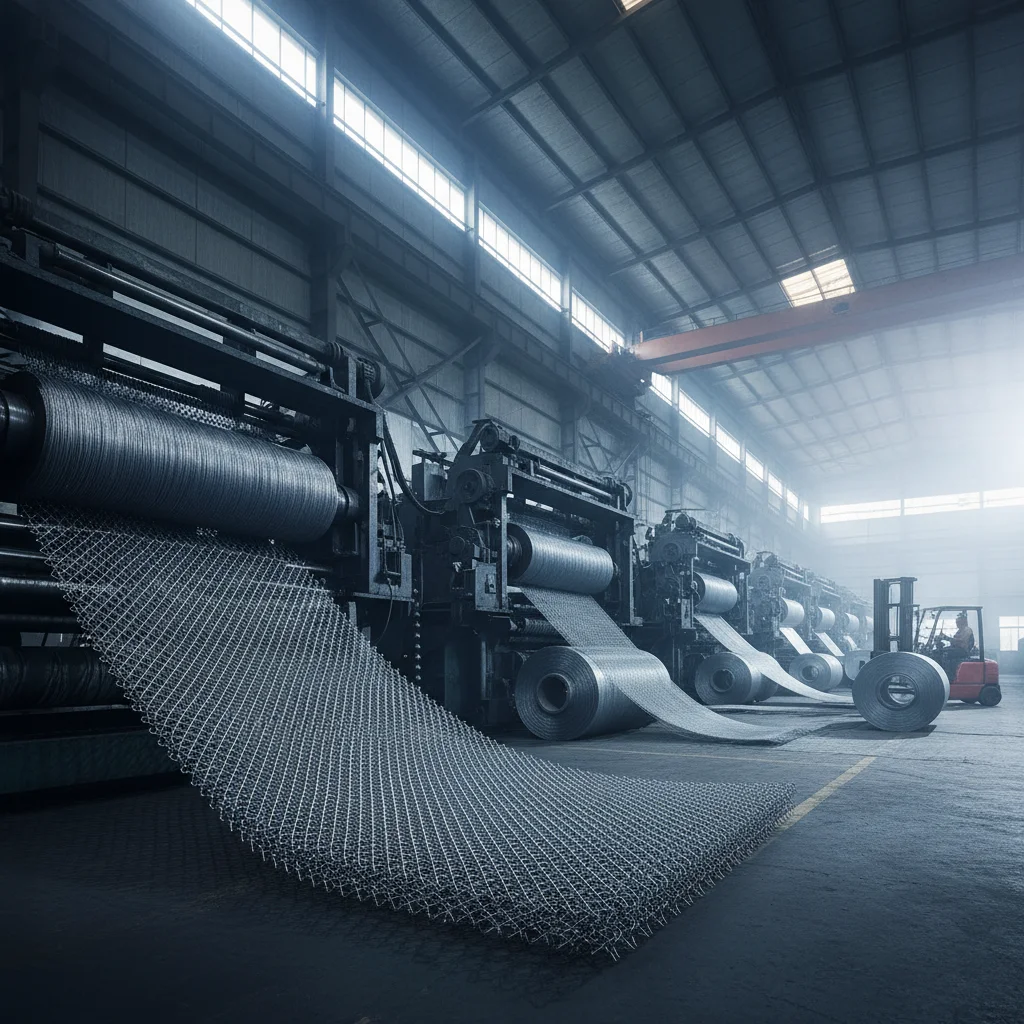
Automation is also playing a role in the manufacturing process. Robotic welding and laser cutting allow for tighter tolerances and more complex designs that can be customized to the specific anatomy of different livestock breeds. This ensures a perfect fit and reduces the gaps that animals might exploit to escape.
Moreover, there is a growing trend toward circular economy principles. Modern steel panels are designed for 100% recyclability at the end of their life cycle. By utilizing recycled steel in the production of new panels, the industry is reducing its carbon footprint while maintaining the high performance required for agricultural security.
Challenges and Expert Solutions in Implementation
One common challenge when deploying livestock steel fence panels is the unevenness of the terrain. On steep slopes or rocky ground, panels may not align perfectly, creating gaps. Expert installers overcome this by utilizing adjustable mounting brackets and custom-cut base plates that allow the panel to remain vertical while the ground varies.
Another limitation is the potential for "fence rubbing," where animals wear down the protective zinc coating by leaning against it repeatedly. To solve this, professional farm designers suggest installing rubbing rails or utilizing specialized powder coatings in high-contact zones to provide an extra layer of abrasion resistance.
Finally, the weight of steel panels can make transport difficult in remote areas. The solution lies in the adoption of modular, stackable designs and the use of lightweight high-strength alloys that offer the same structural rigidity as traditional steel but with a reduced total mass, simplifying the logistics of remote installation.
Analysis of Implementation Challenges and Solutions for Steel Fencing
| Challenge Factor |
Impact Level |
Recommended Solution |
Expected Result |
| Uneven Terrain |
High |
Adjustable Mounting Brackets |
Seamless Panel Alignment |
| Surface Corrosion |
Medium |
Hot-Dip Galvanization |
20+ Year Lifespan |
| Animal Impact |
Very High |
High-Tensile Steel Alloy |
Zero Permanent Deformation |
| Logistics Cost |
Medium |
Modular Stackable Design |
Reduced Freight Expenses |
| Installation Speed |
Low |
Quick-Lock Pin System |
Rapid Deployment |
| Coating Wear |
Medium |
Reinforced Rubbing Rails |
Extended Surface Integrity |
FAQS
Steel panels offer significantly higher durability and a longer lifespan. While wood is prone to rot, termites, and weathering, galvanized steel resists corrosion and can withstand much higher physical impact from heavy animals. Additionally, steel requires almost no maintenance compared to the frequent staining and repairing needed for wood.
Yes, but the specific design (bar spacing and height) should be chosen based on the animal. Cattle require heavier gauge steel and wider spacing, whereas sheep or goats need tighter gaps to prevent them from squeezing through. Most livestock steel fence panels are available in various configurations to suit different species.
In coastal areas, the salt air accelerates corrosion. However, a high-quality hot-dip galvanization process provides a thick zinc layer that protects the steel for many years. For extreme conditions, we recommend an additional powder coating or specialized marine-grade finishes to further extend the life of the panels.
Absolutely. One of the biggest advantages of modular steel panels is their portability. Using the integrated pin-and-socket systems, you can disassemble and relocate your pens without damaging the materials, making them ideal for rotational grazing or temporary holding areas.
Yes, provided they are manufactured to industry standards. High-quality panels have smooth welds and rounded edges to prevent scratches or injuries. The rigidity of the steel also prevents the fence from collapsing on animals, which is a common risk with poorly maintained wooden or wire fences.
For soft or sandy soil, we recommend using extended ground anchors or concrete footings for the main support posts. This prevents the panels from leaning or sinking over time due to the weight of the livestock pushing against the fence.
Conclusion
In summary, livestock steel fence panels represent a critical evolution in agricultural infrastructure. By combining high-tensile strength, superior corrosion resistance through galvanization, and a modular design, these systems solve the age-old problem of livestock containment. The long-term economic benefits—ranging from reduced maintenance costs to enhanced animal security—far outweigh the initial investment, making it a strategic choice for any serious producer.
As the industry moves toward smarter and more sustainable farming, the role of durable steel solutions will only grow. We encourage farm owners to evaluate their current fencing weaknesses and transition toward professional steel systems to ensure a safer, more efficient operation. For premium quality solutions tailored to your specific livestock needs, visit our website: www.haotianmesh.com.