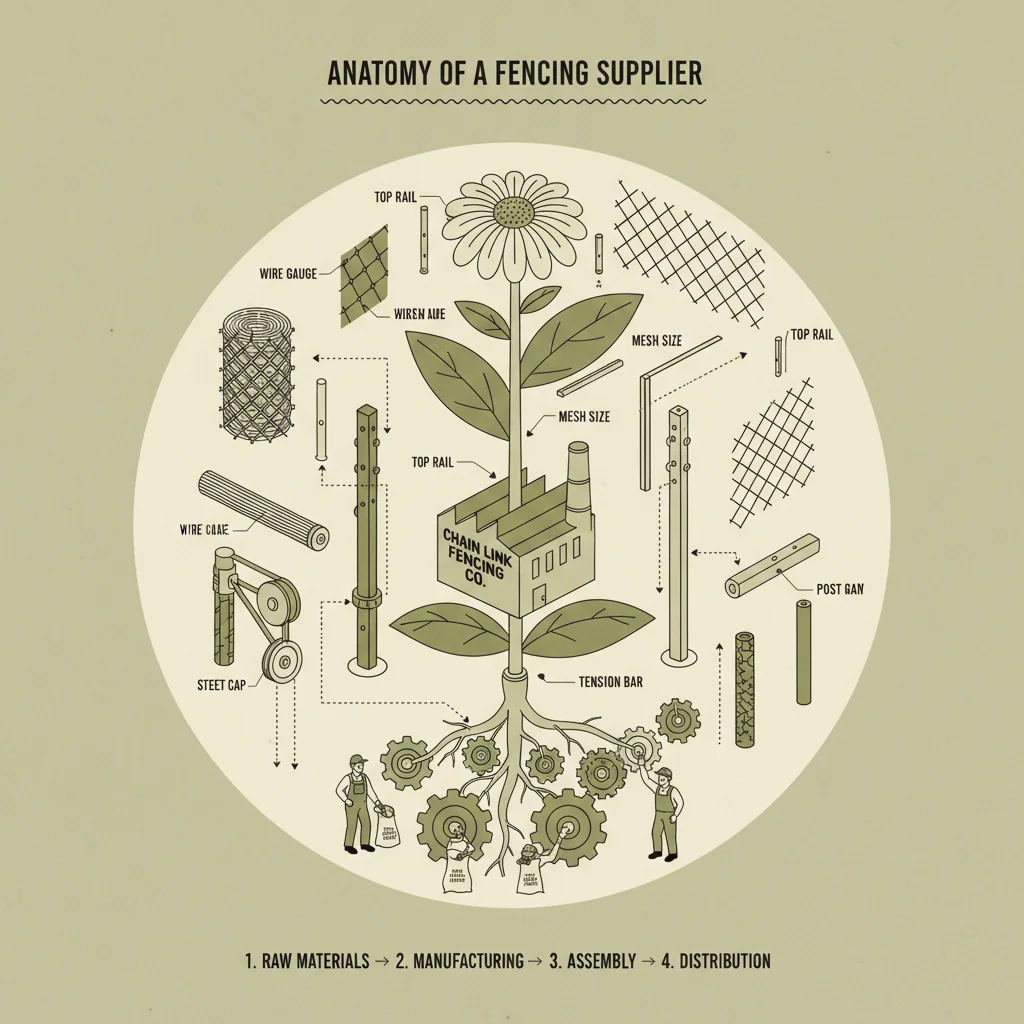
Fencing panels for livestock are essential components in modern animal husbandry, playing a critical role in efficient farm management, animal welfare, and land utilization. Globally, the demand for robust and reliable fencing solutions is increasing due to the expanding livestock industry and the need to protect grazing lands from encroachment and predation. These panels aren’t simply barriers; they represent a vital investment in a farm's productivity and the health of its animals.
The significance of fencing panels for livestock extends beyond the agricultural sector, impacting broader economic and environmental factors. Proper containment minimizes livestock straying, reducing the risk of road accidents and damage to neighboring crops. Furthermore, effective fencing contributes to sustainable land management by enabling rotational grazing, preventing overgrazing, and promoting pasture regeneration. This helps maintain soil health and biodiversity.
Investing in quality fencing panels for livestock offers a long-term solution for secure and efficient animal management, contributing to a sustainable and profitable agricultural operation. Proper livestock fencing supports responsible farming practices and environmental stewardship.
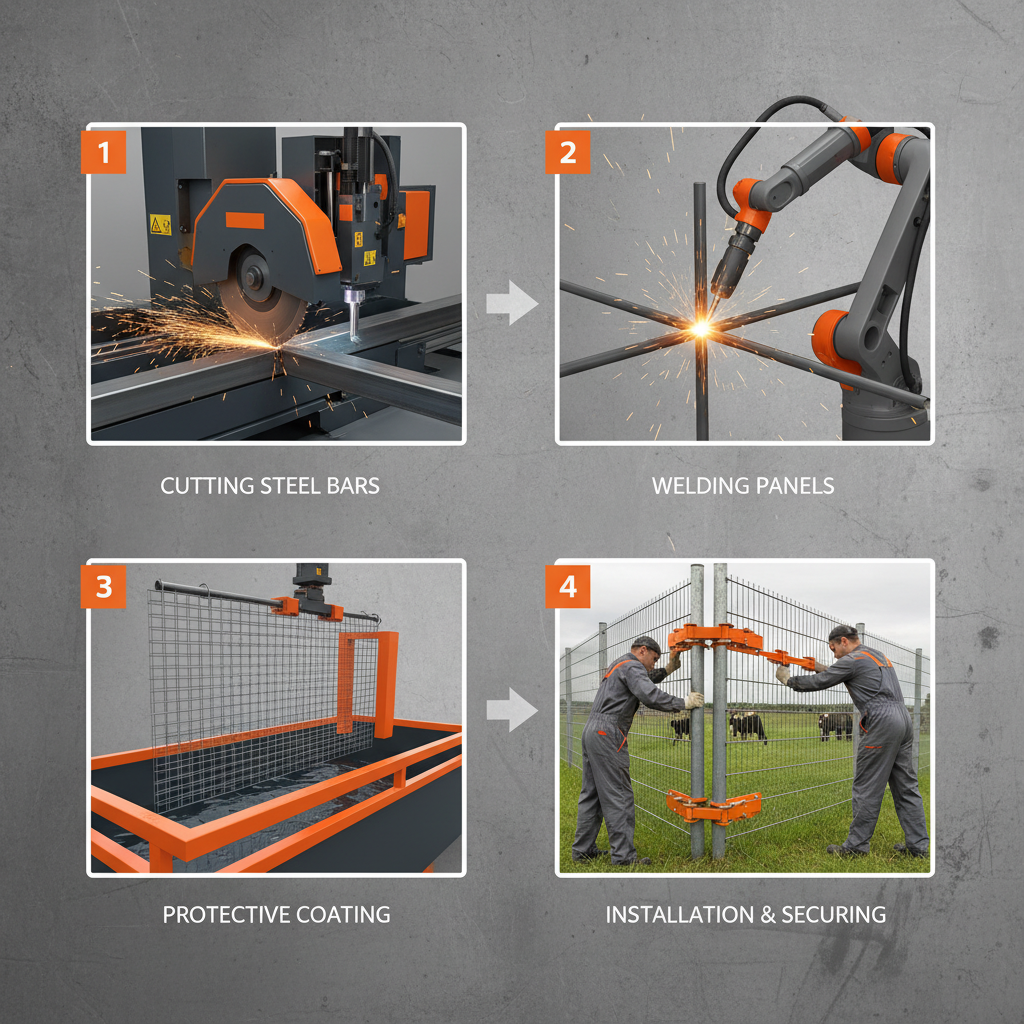
The Global Importance of fencing panels for livestock
The global livestock industry is a multi-billion dollar market, with increasing demands for efficient and sustainable farming practices. According to the Food and Agriculture Organization of the United Nations (FAO), livestock production accounts for approximately 40% of global agricultural GDP. Central to successful livestock management is secure and reliable fencing, making fencing panels for livestock a critical component of the entire supply chain.
Without adequate fencing, livestock can wander onto roads, damage crops, and become vulnerable to predators, leading to economic losses and potential safety hazards. This is particularly challenging in regions with vast grazing lands, where monitoring and controlling livestock movement is difficult. The demand for robust, easy-to-install, and cost-effective fencing solutions is thus consistently high, driving innovation within the fencing panels for livestock manufacturing sector.
Defining fencing panels for livestock
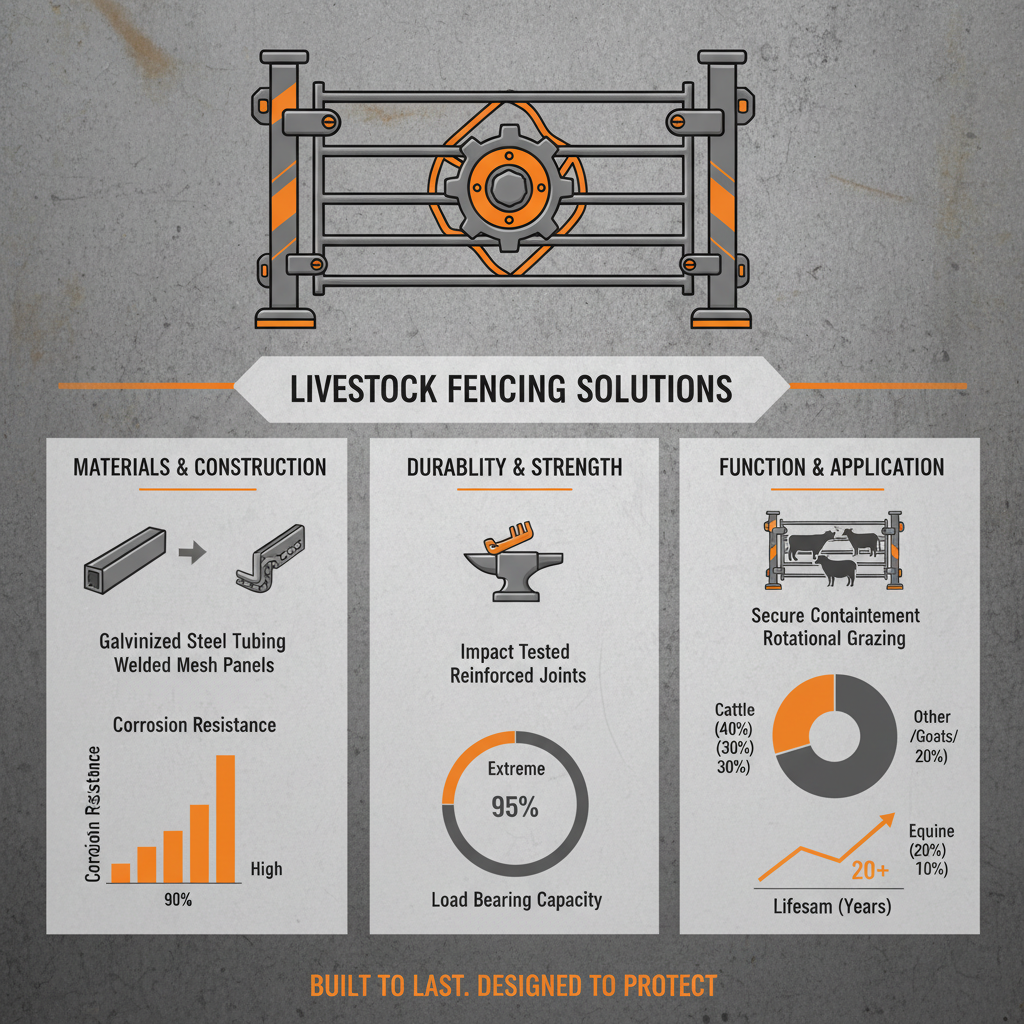
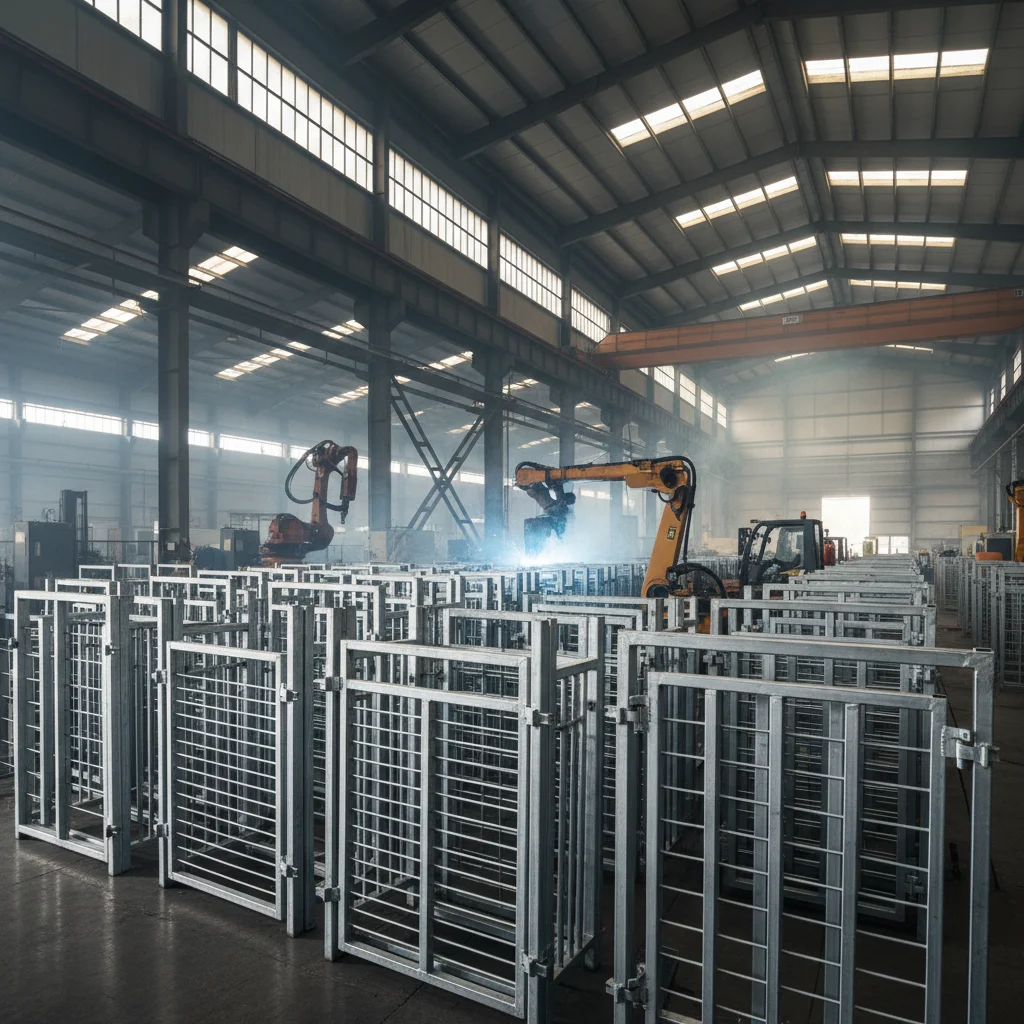
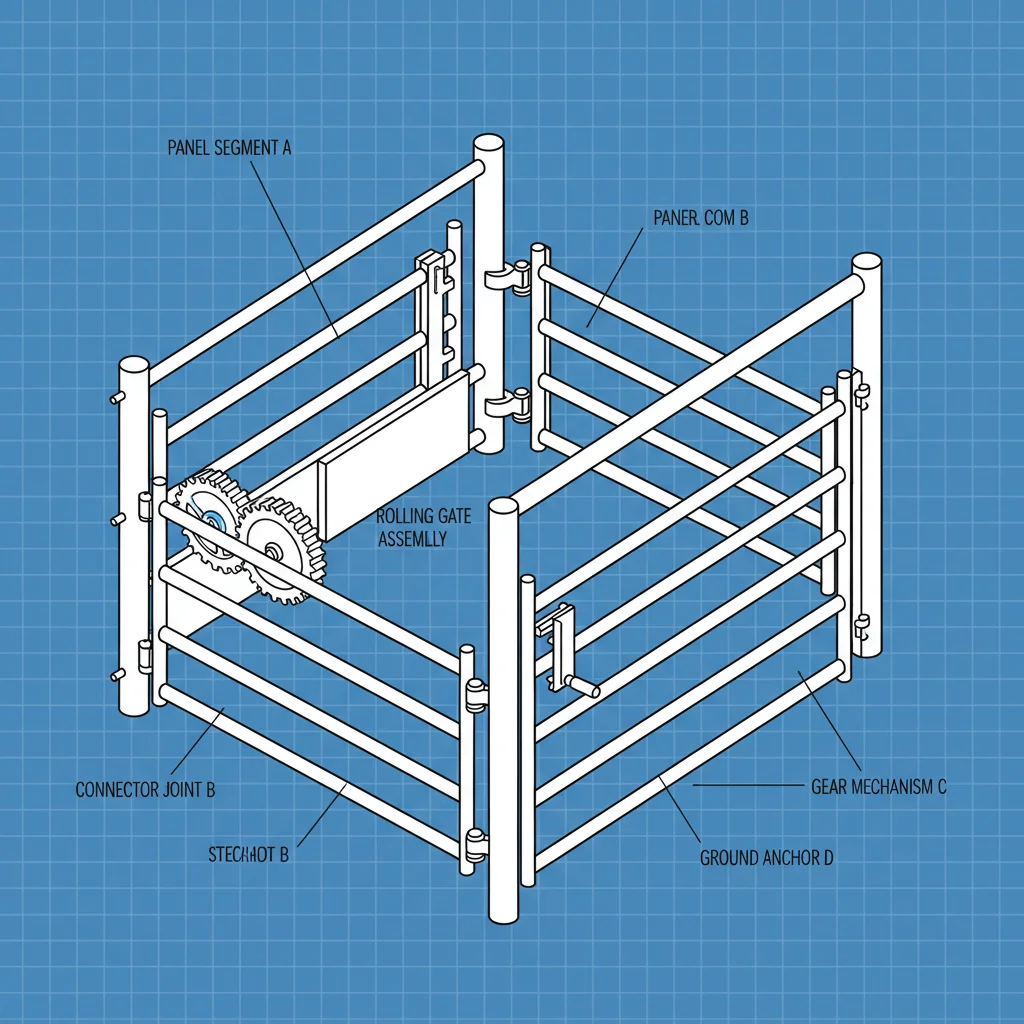
Fencing panels for livestock are prefabricated sections of fencing designed specifically to contain and protect livestock animals. These panels typically consist of welded wire mesh, galvanized steel tubing, or a combination of materials, constructed to provide a strong and durable barrier. Their modular design allows for quick and easy installation, making them a practical choice for farms of all sizes.
Unlike traditional fencing methods like barbed wire, fencing panels for livestock offer a safer alternative for both animals and handlers, reducing the risk of injuries. They are adaptable to various livestock types, including cattle, sheep, goats, and horses, depending on the panel height, mesh size, and overall construction.
The increasing adoption of fencing panels for livestock reflects a shift towards more humane and efficient animal handling practices, aligning with modern agricultural standards and consumer expectations. These panels provide a safe, secure, and easily manageable enclosure, critical for maintaining animal health and farm productivity.
Key Factors Influencing fencing panels for livestock Choice
Selecting the right fencing panels for livestock requires careful consideration of several key factors. Durability is paramount, as the panels must withstand the rigors of weather, animal pressure, and potential impacts. Galvanization and powder coating are common treatments used to enhance corrosion resistance and prolong the lifespan of the panels.
Scalability is another vital aspect. The chosen fencing system should be easily expandable to accommodate changing herd sizes or altered pasture layouts. Modular panels offer this flexibility, allowing farmers to add or remove sections as needed. Consider also the ease of installation and maintenance, as these factors directly impact labor costs and overall operational efficiency.
Cost-efficiency is, of course, a significant consideration. While initial costs are important, it’s crucial to evaluate the long-term value, considering the panel’s lifespan, maintenance requirements, and potential for resale. Choosing a high-quality, durable panel can ultimately save money in the long run by reducing the need for frequent replacements. The type of livestock also dictates the necessary panel height and mesh size for optimal containment.
Practical Applications of fencing panels for livestock
Fencing panels for livestock are utilized in a wide array of applications across diverse agricultural settings. They are frequently employed to create permanent pastures, rotational grazing systems, holding pens, and livestock sales areas. Their robust construction ensures effective containment, minimizing the risk of animal escape and maximizing grazing efficiency.
Beyond pasture management, fencing panels for livestock are invaluable for temporary fencing needs, such as during livestock shows, events, or emergency situations. Portable panels allow for quick setup and dismantling, providing a flexible solution for managing livestock movement in dynamic environments. They also play a critical role in livestock transportation and handling facilities, enhancing safety for both animals and personnel.
Comparison of fencing panels for livestock Methods
Global Applications and Real-World Use Cases
The demand for fencing panels for livestock transcends geographical boundaries, with significant applications in regions ranging from the vast ranches of North America to the extensive sheep farms of Australia and New Zealand. In South America, fencing panels are crucial for managing cattle herds in the Amazon rainforest, protecting both livestock and the delicate ecosystem.
In post-disaster relief operations, temporary fencing panels are frequently deployed to establish safe zones for livestock displaced by natural disasters like floods or wildfires. These panels provide a secure environment for animals while aid workers assess their needs and facilitate recovery efforts. Furthermore, in remote industrial zones or mining operations, fencing panels for livestock are used to contain animals used for grazing or as part of security measures.
The versatility of fencing panels for livestock makes them a globally recognized solution for animal containment, contributing to efficient agricultural practices and responsible animal welfare standards worldwide.
Advantages and Long-Term Value
The advantages of investing in quality fencing panels for livestock are numerous and extend beyond immediate containment. Tangible benefits include reduced labor costs due to easier installation and maintenance, minimized animal losses from escape or predation, and improved pasture management through rotational grazing. The inherent durability also translates to a longer lifespan, decreasing the frequency of replacements and associated expenses.
From a broader perspective, fencing panels for livestock enhance animal welfare by providing a safe and secure environment, reducing stress and promoting healthy growth. This contributes to a positive brand image for farmers and producers, appealing to consumers who prioritize ethical and sustainable practices. The long-term value is further cemented by the increased efficiency and productivity of the livestock operation.
Future Trends and Innovations in fencing panels for livestock
The fencing panels for livestock industry is undergoing continuous innovation, driven by advancements in materials science, manufacturing techniques, and smart technology. Research is focusing on developing panels with even greater durability, corrosion resistance, and ease of installation. The incorporation of recycled materials into panel construction is gaining traction, promoting sustainability and reducing environmental impact.
Smart fencing solutions, integrating sensors and data analytics, are emerging as a promising trend. These systems can monitor animal location, detect breaches in the fence line, and even track animal health metrics, providing valuable insights for optimized farm management. Furthermore, the use of lightweight, high-strength composite materials is expected to revolutionize the industry, offering superior performance and cost-effectiveness.
Digital transformation, automation, and a growing emphasis on sustainability are all shaping the future of fencing panels for livestock, paving the way for more efficient, humane, and environmentally responsible agricultural practices.
Challenges & Solutions
Despite the numerous benefits, challenges remain in the application of fencing panels for livestock. One common issue is adapting panels to uneven terrain, which can compromise stability and effectiveness. Solutions include utilizing flexible panels, implementing proper post spacing, and strategically contouring the fence line to the natural landscape.
Another challenge is preventing livestock from damaging or breaching the fence, particularly in areas with aggressive animals. Increasing panel height, strengthening the mesh gauge, and adding protective features like capping rails can mitigate this risk. Regular inspection and timely repairs are also crucial for maintaining fence integrity.
The cost of high-quality fencing panels can be a barrier for some farmers, particularly those with limited resources. Exploring financing options, considering the long-term return on investment, and opting for modular systems that allow for phased installation can help address this concern.
Summary of Challenges and Solutions for fencing panels for livestock
| Challenge |
Severity (1-10) |
Potential Solution |
Implementation Cost (USD) |
| Uneven Terrain |
6 |
Flexible Panels & Contour Fencing |
$50 - $200 |
| Animal Damage |
8 |
Increased Panel Height & Mesh Strength |
$100 - $400 |
| High Initial Cost |
7 |
Phased Installation & Financing Options |
$0 - $500 (Financing) |
| Corrosion in Harsh Climates |
5 |
Galvanized & Powder-Coated Panels |
$75 - $300 |
| Difficulty with Installation |
4 |
Professional Installation or Detailed Guides |
$200 - $800 (Professional) |
| Lack of Adaptability for Diverse Species |
3 |
Variable Mesh Size & Panel Height Options |
$50 - $150 |
FAQS
The lifespan of fencing panels for livestock varies depending on the material, construction, and environmental conditions. However, properly galvanized and powder-coated steel panels can typically last 15-20 years with minimal maintenance. Regular inspection and prompt repair of any damage are essential to maximize longevity. Factors like soil acidity, salt exposure (coastal areas), and livestock behavior can also influence lifespan. Choosing a higher gauge wire and robust construction will significantly extend the panel’s service life.
Selecting the appropriate mesh size is crucial for effective containment. Smaller mesh sizes are necessary for smaller livestock like sheep and goats, preventing them from escaping through the openings. Larger mesh sizes are suitable for cattle and horses, as they have larger frames and are less likely to squeeze through wider gaps. Consider the breed and temperament of your livestock when making your decision. A general rule is to choose a mesh size that is small enough to prevent the smallest animal from getting its head through.
While fencing panels for livestock are versatile, challenging terrain can require additional considerations. On uneven ground, using flexible panels or adjusting post spacing can help maintain stability. For steep slopes, terracing the fence line or using stepped panels may be necessary. It’s also important to ensure proper grounding to prevent the panels from shifting or collapsing over time. Professional installation is recommended for particularly challenging terrains.
Preventing livestock damage involves a combination of strategic design and proactive management. Increasing the panel height can deter jumping, while reinforcing the mesh can prevent pushing or rubbing. Adding capping rails provides additional protection against impact. Regularly monitoring the fence line and repairing any damage promptly is crucial. Providing adequate pasture space and nutritional resources can also reduce the likelihood of livestock attempting to breach the fence.
Yes, despite a potentially higher initial investment, fencing panels for livestock are often more cost-effective in the long run compared to traditional fencing methods. Their durability reduces the need for frequent replacements, and their ease of installation minimizes labor costs. Effective containment minimizes livestock losses, protecting your investment. The long-term benefits outweigh the initial cost, making them a sound financial decision for most livestock operations.
Minimal maintenance is typically required for quality fencing panels for livestock. Regular inspections for damage, such as broken wires or loose connections, are essential. Any rust spots should be treated promptly to prevent corrosion. Maintaining vegetation around the fence line can also help prevent damage from livestock rubbing or pushing. Occasionally tightening post connections may be necessary to ensure continued stability.
Conclusion
In conclusion, fencing panels for livestock represent a vital investment in modern animal husbandry, providing a secure, efficient, and humane solution for containing and managing livestock. Their versatility, durability, and long-term cost-effectiveness make them a preferred choice for farmers and ranchers globally. Understanding the key factors influencing panel selection, proper installation techniques, and ongoing maintenance is crucial for maximizing their benefits.
Looking ahead, the fencing panels for livestock industry will continue to evolve, driven by innovations in materials science, smart technology, and sustainable practices. By embracing these advancements, agricultural operations can further enhance animal welfare, optimize land utilization, and contribute to a more resilient and sustainable food system. For high-quality, reliable fencing solutions, visit our website today: www.haotianmesh.com.