
temporary fence panel manufacturers
  • home
  • Top Blog
  • The Versatility and Durability of Combination Livestock Panels for Secure Containment
0%

Table of Contents

Look, I’ve spent years on construction sites, wrestling with materials, talking to engineers, and seeing what actually works. When it comes to keeping livestock secure and contained, especially in challenging environments, combination livestock panels aren't just a good idea – they’re often the only practical solution. They've evolved a lot from the old days of clunky, hard-to-handle fencing. We're talking about adaptable, durable, and frankly, time-saving systems.

What I’ve seen is that traditional fencing often falls short. Wood rots, chain link bends, and barbed wire… well, that presents a whole host of problems. These panels address those issues head-on, offering a robust barrier that's built to last. It’s not glamorous work, but keeping animals safe and operations running smoothly relies on solid infrastructure. And that's where these panels shine.

From temporary holding pens during rotational grazing to permanent paddock divisions, or even disaster relief situations for animal containment, these systems are proving their worth. The ability to quickly set up and dismantle them is a game-changer on busy sites. It’s about efficiency, reducing labor costs, and ultimately, protecting the investment.
combination livestock panels

The Core Benefits of Combination Livestock Panels
combination livestock panels

From my experience, the biggest win with these panels is the sheer adaptability. You need a temporary pen for weaning calves? No problem. A permanent division for rotational grazing? Done. The modular design means you can configure them to fit almost any terrain or livestock need. I’ve seen everything from simple straight runs to complex circular pens built with the same system.

And let’s be honest, time is money. The speed of installation is a huge benefit. We're not talking about days spent pounding posts and stretching wire. With these panels, a team can have a substantial area fenced off in a matter of hours. That’s less labor, lower costs, and quicker turnaround times – all things that matter on the bottom line.

Understanding the Global Need for Secure Livestock Containment

The need for reliable livestock containment isn’t limited to North America or Europe. Globally, livestock production is critical to food security, and efficient management – which starts with secure fencing – is paramount. The UN Food and Agriculture Organization (FAO) consistently emphasizes the importance of livestock in developing economies, and part of that is protecting herds from predators, theft, and disease spread.

Think about areas prone to conflict or natural disasters. Suddenly, you need a way to quickly and securely contain animals that have been displaced. These combination livestock panels provide that immediate, robust solution where traditional fencing simply isn't feasible or practical. It’s about resilience and protecting livelihoods.

Even in developed countries, pressure on land use and increasing demand for efficient farming practices mean that optimized livestock management is essential. Rotational grazing, for example, relies heavily on the ability to quickly and easily divide pastures, and these panels are perfectly suited for that purpose.

Defining Combination Livestock Panels: A Modern Fencing Solution

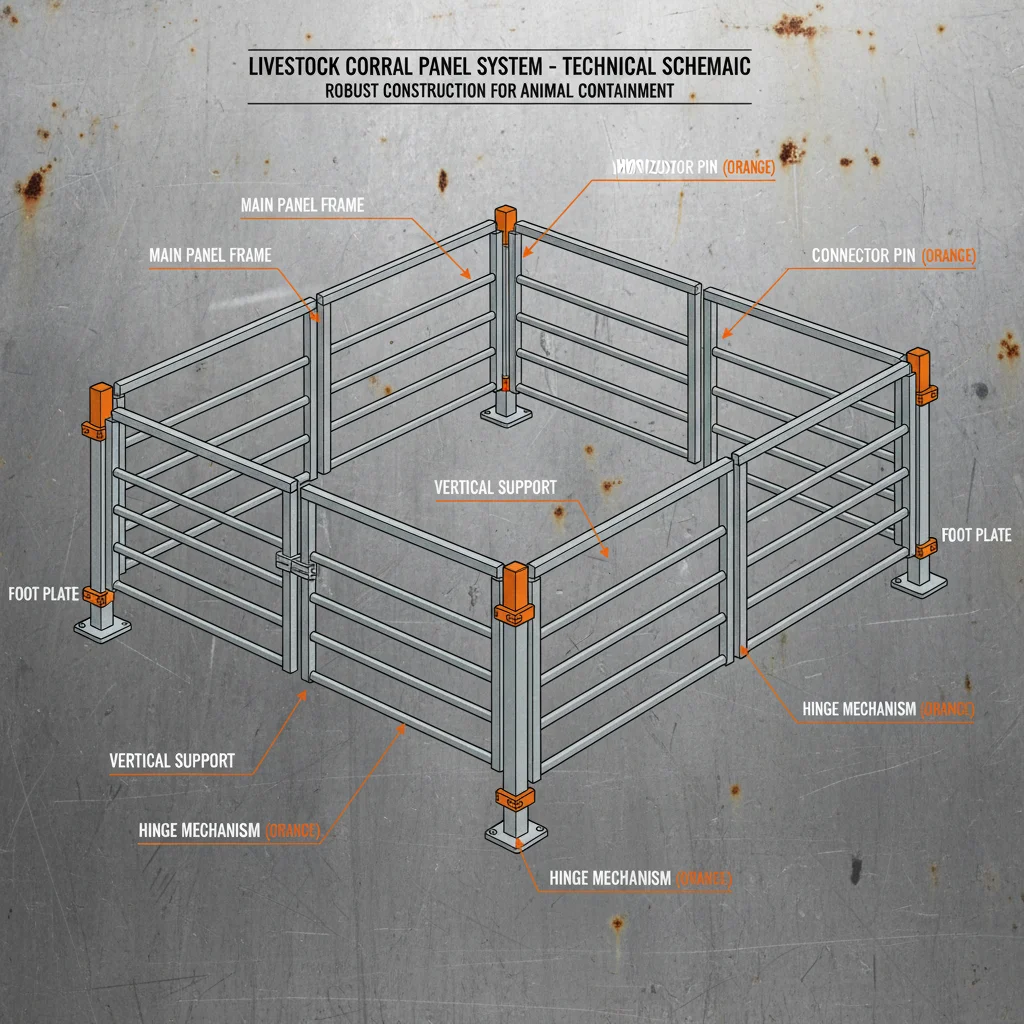
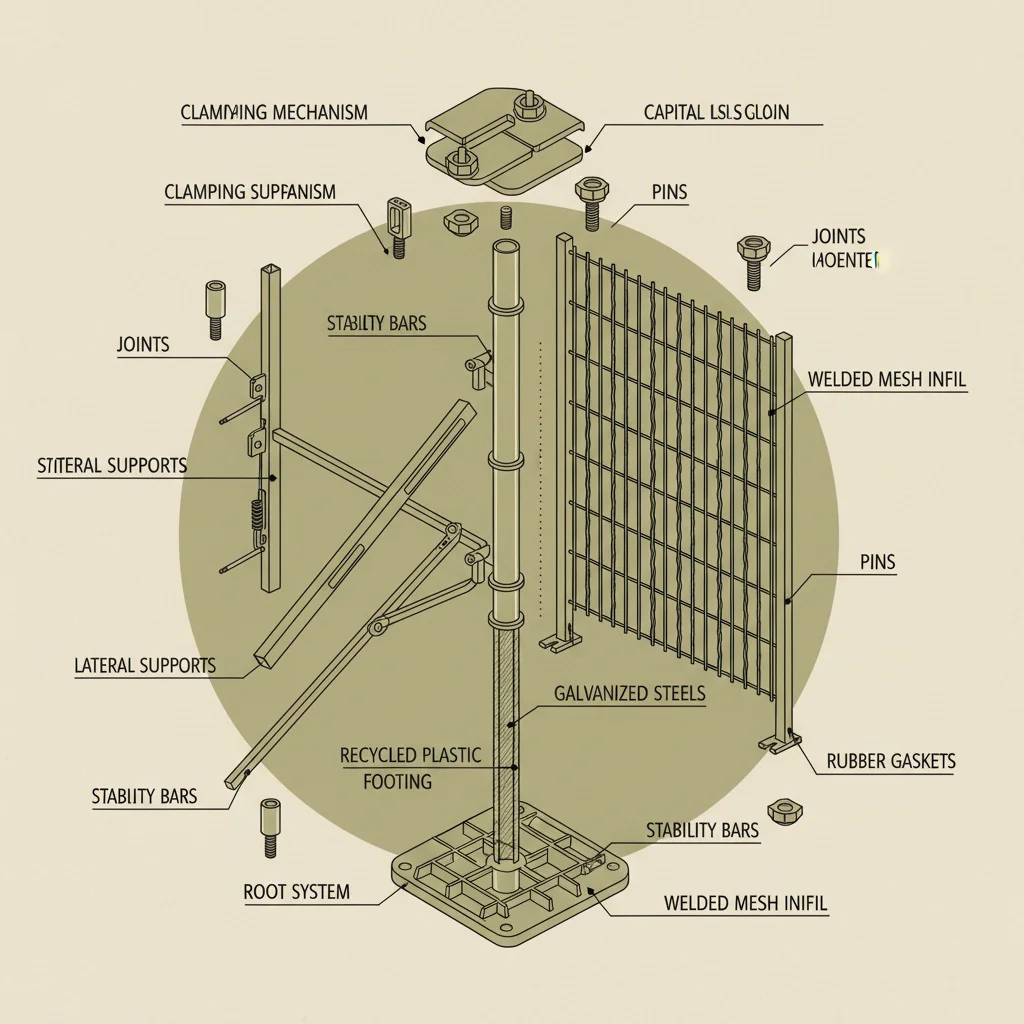
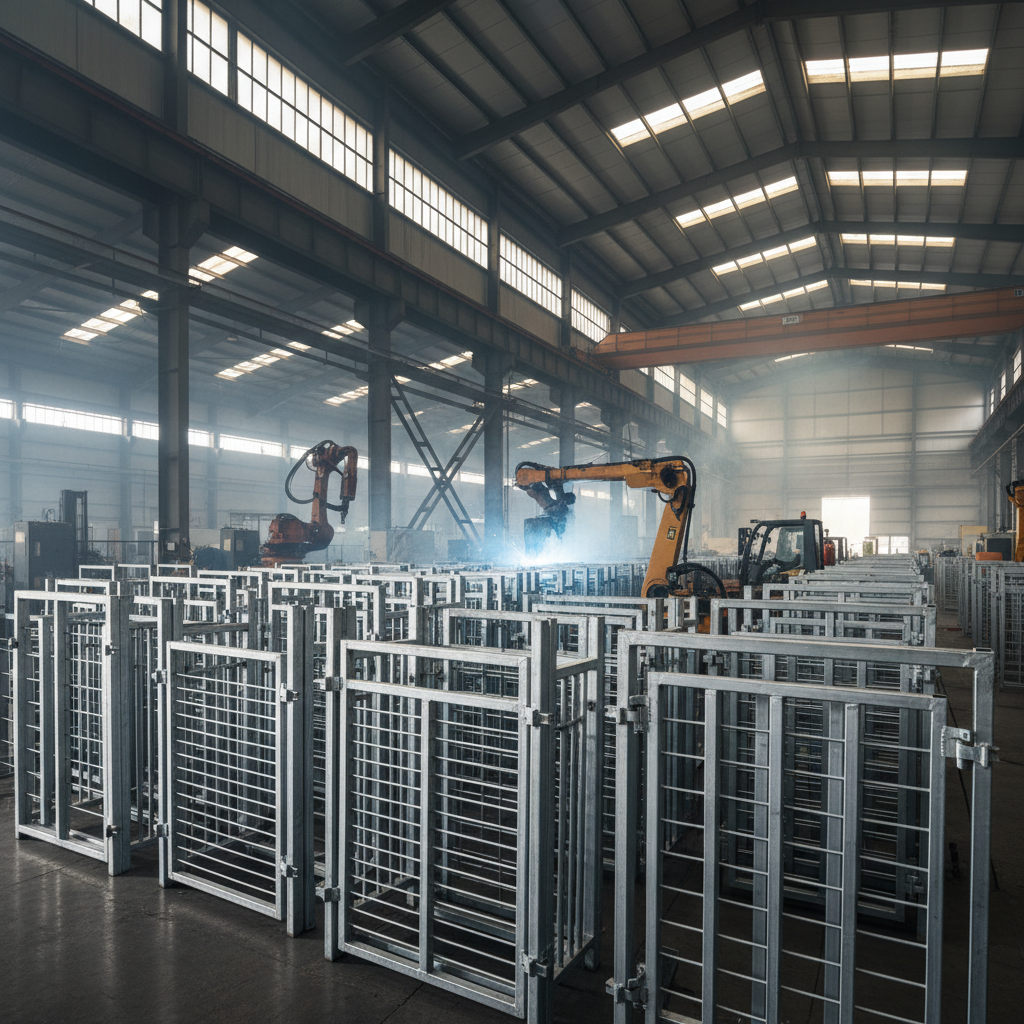
Simply put, combination livestock panels are prefabricated fencing sections typically made from galvanized steel tubing, welded together to form a rigid, durable panel. They're designed to be easily connected to each other using clamps or other fastening systems, creating a versatile and portable fencing solution. They’re not like the flimsy wire fencing of the past; these are built to withstand the impact of larger animals.

What sets them apart is the “combination” aspect. Often, you’ll find designs that incorporate different features – different bar spacings to accommodate various livestock types, or integrated gates for easy access. This adaptability makes them a far more cost-effective solution than building custom fencing for every specific need. It's about getting a single system that can handle multiple tasks.

The connection to modern industry and humanitarian needs stems from their speed of deployment and robustness. They aren’t just for farms anymore; they’re used in event management, crowd control, and, as mentioned before, disaster relief. That versatility is key to their growing popularity.

Key Factors Driving Panel Selection: Durability, Versatility & Cost

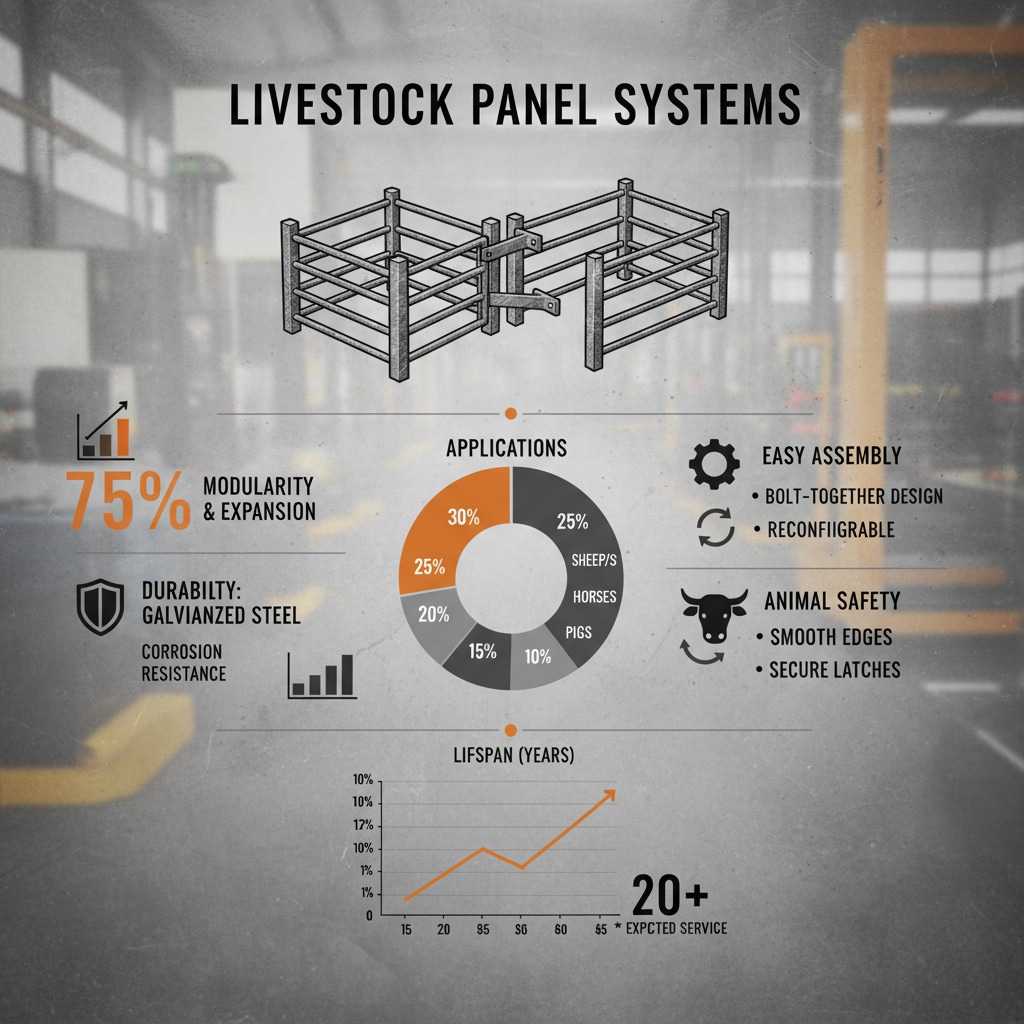
When I'm advising someone on what panels to buy, I always steer them towards focusing on a few core things. First, durability is paramount. Galvanization quality is key – a thick, even coating will significantly extend the lifespan of the panels, even in harsh climates. I’ve seen cheap panels rust through in a couple of years, while properly galvanized ones can last a decade or more.

Versatility is the second big factor. Can you easily adjust the height or configuration? Are gates readily available? The more adaptable the system, the more value you'll get out of it. Think about your future needs, not just your current ones.

Livestock Panel Performance Metrics

Applications in Real-World Scenarios: From Farms to Disaster Relief

I’ve seen these panels used extensively in rotational grazing systems, where farmers move livestock between different paddocks to improve pasture health and productivity. They make it incredibly easy to subdivide large pastures and control animal movement. That's a common application in both large-scale cattle operations and smaller family farms.

In post-disaster relief operations, like after hurricanes or floods, these panels are invaluable for creating temporary animal shelters and containing livestock that have been displaced. Speed and portability are critical in those situations, and these panels deliver. They've also been used to secure perimeters around emergency staging areas.

The Long-Term Value: Cost Savings, Sustainability & Animal Welfare

Look, up-front cost is always a consideration, but you have to look at the total cost of ownership. These panels are an investment. They’ll last significantly longer than wood or wire fencing, reducing the need for frequent repairs and replacements. That saves you money in the long run.

From a sustainability perspective, the durability of the steel and the ability to reuse the panels over and over again minimizes waste. And, of course, secure containment contributes to animal welfare, reducing the risk of injuries and escapes. A happy, healthy animal is a more productive animal.

The peace of mind knowing your livestock are secure is also a significant benefit. It frees up your time and energy to focus on other aspects of your operation, rather than constantly worrying about breaches or escapes.

Future Trends and Innovations in Livestock Panel Technology

We’re starting to see panels with integrated smart technology – things like sensors that can monitor animal behavior or alert you to breaches in the fence. That’s a really exciting development. I also think we’ll see more emphasis on eco-friendly coatings and manufacturing processes.

Automation is another area to watch. Systems that can automatically adjust panel configurations based on livestock needs or environmental conditions could revolutionize pasture management.

The industry is also moving towards more modular and customizable systems, allowing farmers and ranchers to tailor fencing solutions to their specific requirements. It's all about making these panels even more versatile and efficient.

Summary of Challenges and Solutions in Combination Livestock Panel Implementation

Challenge Impact on Operation Potential Solution Implementation Cost (Scale 1-10)
Uneven Terrain Difficult installation; Reduced stability Adjustable footings/panel bases 4
Corrosion in Coastal Areas Reduced lifespan; Increased maintenance Use of marine-grade galvanization 7
Large Animal Impact Panel deformation or breakage Heavier gauge steel panels 6
Theft of Panels Financial Loss; Security risk Security Bolts, alarm systems, panel marking 5
Limited Gate Options Restricted Access; workflow issues Expand range of gate sizes and styles. 3
Difficult Transport Increased Labor Costs, project delays Design panels for stacking and efficient loading 2

FAQS

What are the primary benefits of combination livestock panels compared to traditional wood fencing?

Wood fencing requires regular maintenance, like painting and replacing rotted posts. Combination livestock panels are far more durable, requiring minimal upkeep. They're also quicker to install, saving you significant labor costs. Plus, wood is susceptible to damage from animals chewing on it – steel panels are not. It's a long-term investment that pays off.

How do I determine the right panel height and spacing for my specific livestock?

That depends on the animals you’re containing! For cattle, a minimum of 5 feet is generally recommended. For sheep or goats, you can often get away with 4 feet, but consider their jumping ability. Bar spacing is also crucial – wider spacing is fine for larger animals, but narrower spacing is needed for smaller livestock to prevent escapes. Always check recommended guidelines for your specific breed.

Are combination livestock panels suitable for temporary fencing applications?

Absolutely. That’s one of their biggest strengths. They're easily portable and can be quickly set up and dismantled, making them ideal for rotational grazing, temporary holding pens, or event management. The clamp systems make connecting and disconnecting panels a breeze, saving you valuable time and effort.

How resistant are these panels to extreme weather conditions like heavy snow or strong winds?

Good quality panels, especially those with proper galvanization, can withstand significant weather. However, it’s important to consider wind load, particularly in open areas. Proper bracing and anchoring are essential to prevent panels from being blown over. For heavy snow, ensure the panels are strong enough to support the weight without bending or collapsing.

What is the typical lifespan of galvanized steel livestock panels?

With proper care, a well-galvanized panel can easily last 10-20 years, or even longer. The thickness of the galvanization is key. Look for panels with a high zinc coating weight. Regular inspection and addressing any minor rust spots promptly will also extend their lifespan. Consider the local climate, too—coastal areas with salt spray will require more frequent maintenance.

Are there options for customizing livestock panels to meet specific farm layouts?

Yes, many manufacturers offer customization options, including different heights, bar spacings, and gate configurations. You can also find panels that can be easily cut and welded to fit specific needs. It's worth exploring those options to ensure you get a fencing solution that perfectly matches your farm's layout and livestock requirements.

Conclusion

Ultimately, combination livestock panels represent a significant advancement in fencing technology. They offer a durable, versatile, and cost-effective solution for a wide range of livestock containment needs, from traditional farming operations to emergency relief efforts. Their adaptability and ease of installation make them a valuable asset for anyone working with animals.

Looking ahead, continued innovation in materials and design will only enhance their performance and sustainability. Investing in these panels isn't just about securing your livestock; it’s about investing in the long-term efficiency and resilience of your operation. For reliable livestock containment, visit our website: www.haotianmesh.com.

David Miller

David Miller

David Miller is the North American Sales Manager for Anping Haotian Hardware Wire Mesh Products Co., Ltd. With over 8 years of experience in the building materials industry, David specializes in connecting distributors and retailers with high-quality fencing solutions. He’s deeply familiar with US market demands and building codes, ensuring Haotian’s products consistently meet and exceed expectations. David holds a Bachelor's degree in Business Administration and is a dedicated professional committed to building long-term relationships with clients. He frequently contributes to industry publications, sharing insights on the latest advancements in wire mesh technology and applications. He is a key driver in Haotian's growth within the US market.
Previous Discovering Cost Effective and Durable Cheap Livestock Panels for Secure Containment
Next Robust Metal Livestock Fence Panels for Efficient Animal Management

If you are interested in our products, you can choose to leave your information here, and we will be in touch with you shortly.