
temporary fence panel manufacturers
  • home
  • Top Blog
  • Discovering Cost Effective and Durable Cheap Livestock Panels for Secure Containment
0%

Table of Contents

Look, I've spent the last fifteen years knee-deep in dust and dirt, watching projects rise from the ground. And let me tell you, finding reliable, cost-effective fencing for livestock – whether it's holding cattle, sheep, or even just keeping those curious goats contained – is a constant battle. Too often, you're looking at flimsy materials that bend at the first nudge, or prices that blow the budget sky-high. That’s where understanding cheap livestock panels comes in. It's not about cutting corners; it's about getting the most bang for your buck, without sacrificing safety or durability.

We're talking about a huge market here, globally. The UN Food and Agriculture Organization estimates over a billion people rely on livestock for their livelihoods. That means massive demand for secure containment. And it’s not just agriculture. Think emergency disaster relief - quick, temporary enclosures for animals evacuated from floods or wildfires are crucial. Or industrial sites needing temporary perimeter security. The need is constant, and the demand for affordable solutions is only growing. It's a fundamental component of food security and operational efficiency.

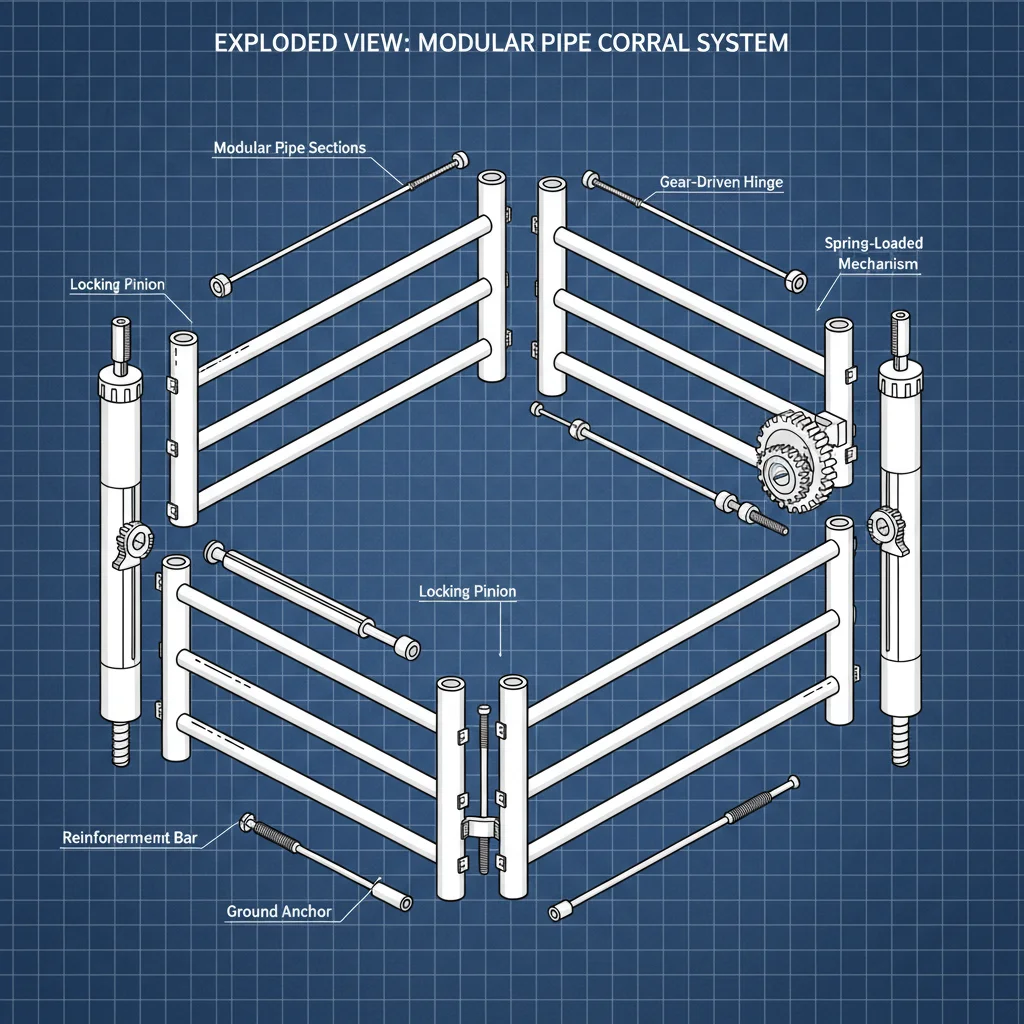
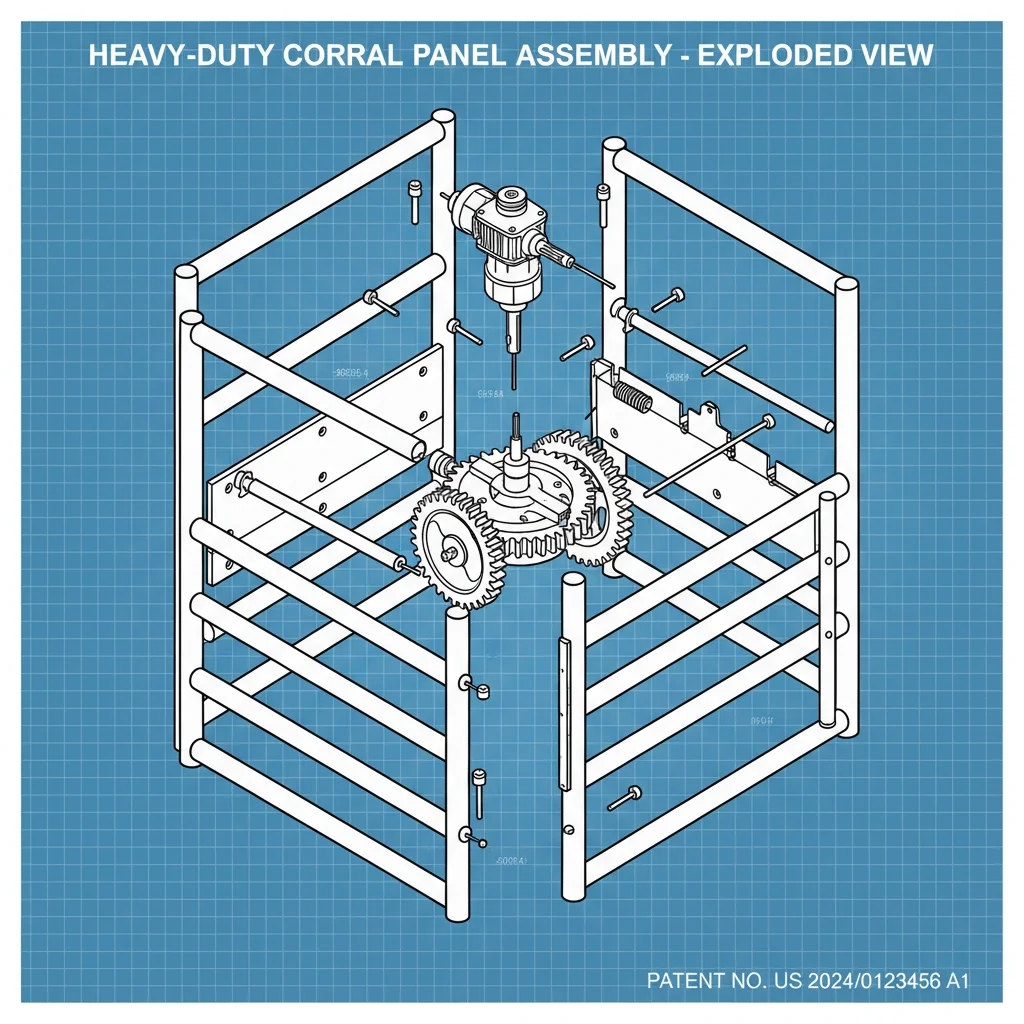
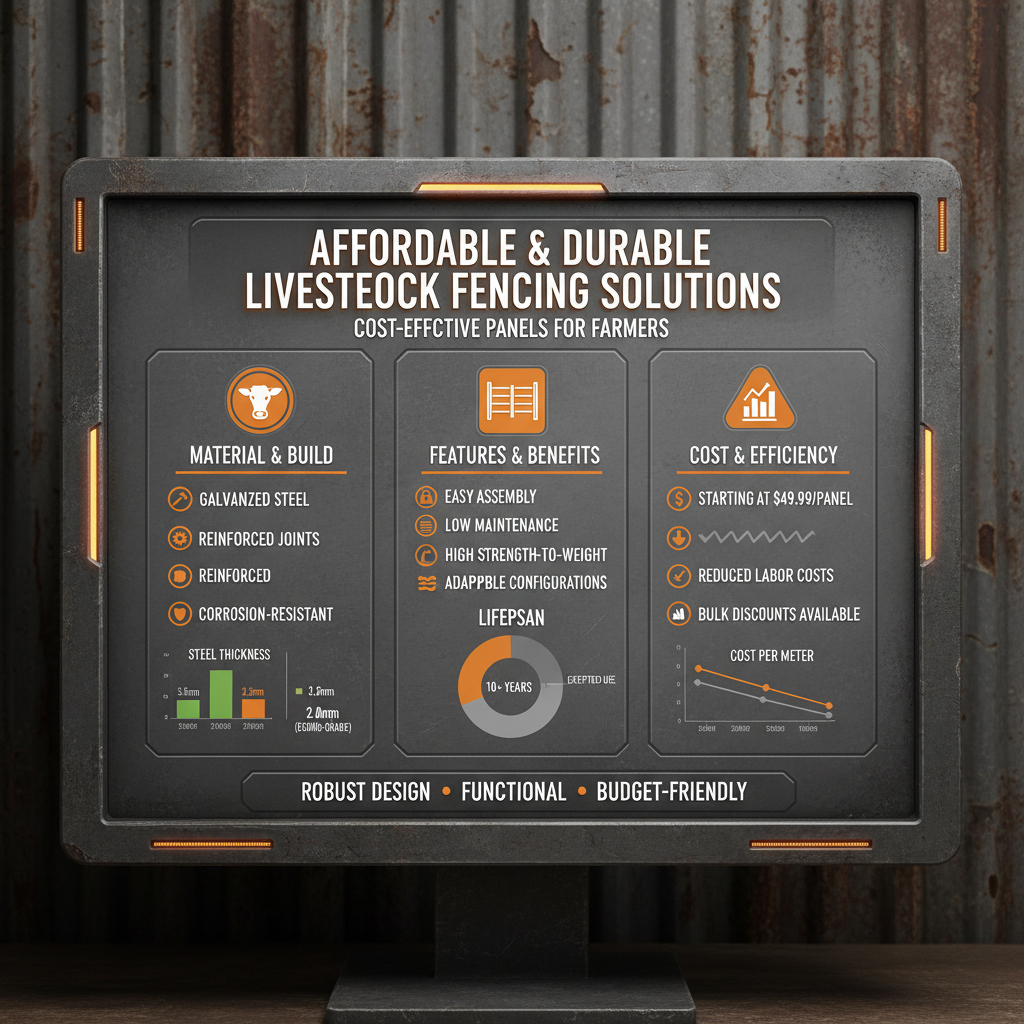
Simply put, cheap livestock panels are prefabricated sections of fencing specifically designed for containing livestock. They’re typically constructed from galvanized steel tubing and wire mesh. But “cheap” doesn’t mean weak. These panels offer a surprisingly robust, cost-effective alternative to traditional wood or woven wire fencing. It’s a game changer for farmers, ranchers, and anyone managing animal populations, offering a rapid deployment and long-lasting containment solution.
cheap livestock panels

The Importance of Cheap Livestock Panels
cheap livestock panels

On a construction site, time is money. Setting up traditional fencing is a labor-intensive process. But with cheap livestock panels, you’re looking at a significantly faster installation. Fewer man-hours, quicker project completion. That translates directly into savings. We're talking about pre-fabricated sections you can drop into place and secure.

And it’s not just speed. Durability is huge. I've seen these things withstand everything from charging cattle to gale-force winds. The galvanized steel holds up incredibly well to the elements, minimizing maintenance and replacement costs down the line. It's an investment, not just an expense.

Global Relevance and Industry Context

The agricultural sector is a massive driver of global economies. According to the World Bank, agriculture accounts for approximately 65% of employment in low-income countries. Secure livestock containment is essential for efficient farming practices, preventing animal loss, and ensuring the quality of livestock products. This isn’t a niche market; it’s fundamental to food security worldwide.

The demand is particularly strong in developing nations where traditional fencing materials can be prohibitively expensive. cheap livestock panels offer a viable solution, empowering farmers to improve their operations without breaking the bank. ISO standards for livestock fencing emphasize safety and durability, and these panels consistently meet or exceed those requirements.

We also see increasing applications in conservation efforts. Wildlife management relies heavily on secure perimeter fencing to protect endangered species and manage habitats. Cheap livestock panels, properly adapted, can be an effective and economical choice for these applications as well.

Defining Cheap Livestock Panels

Let’s break it down: cheap livestock panels aren't necessarily low quality; they're simply a more affordable alternative to traditional options. They are generally constructed from welded wire mesh attached to a rigid steel frame, typically galvanized for corrosion resistance. This combination offers strength, durability, and cost-effectiveness.

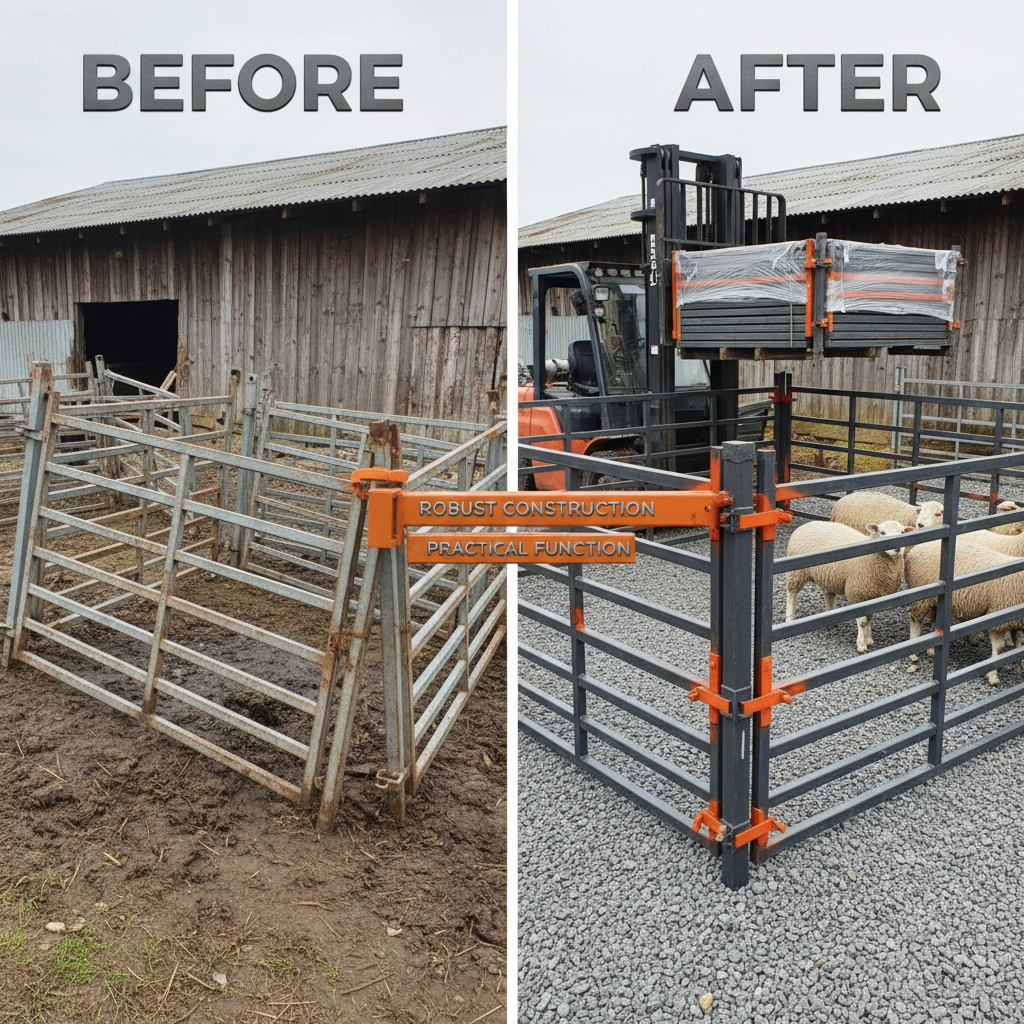
They directly address the need for efficient and secure animal containment. Historically, farmers relied on wood posts and barbed wire, which required constant maintenance and posed a risk to animals. Panels eliminate much of that hassle. They’re a modern solution to an age-old problem, designed with practicality and affordability in mind.

Their connection to modern industry stems from advancements in steel manufacturing and welding technology. Mass production techniques have driven down costs, making these panels accessible to a wider range of users. It’s a testament to how innovation can create impactful solutions for real-world problems.

Key Factors and Core Components

First off, Durability. Galvanized steel is key. It resists rust and corrosion, meaning these panels can withstand years of harsh weather conditions without failing. I’ve seen panels that have been in place for over a decade and still look solid.

Then you’ve got Ease of Installation. As I said before, it’s a game changer. No complicated post-pounding, no stretching wire. Just drop them into place and secure them. That saves time and labor costs significantly.

Cost Comparison of Livestock Containment Methods

Global Applications and Use Cases

We've talked about farms and ranches, but the applications are surprisingly diverse. In post-disaster relief operations, these panels can create temporary animal shelters or establish secure zones for livestock evacuation. I was involved in a project after a hurricane where we used them to quickly create a safe enclosure for rescued animals.

In remote industrial zones, they can provide perimeter security for equipment and materials. And they’re increasingly used in wildlife sanctuaries and rehabilitation centers. They're a versatile solution that can be adapted to a wide range of needs.

Advantages and Long-Term Value

The tangible benefits are clear: lower initial cost, reduced maintenance, and faster installation. But the long-term value goes beyond that. These panels provide a more humane containment solution for animals, reducing the risk of injury. They enhance operational efficiency, allowing farmers and ranchers to manage their livestock more effectively.

And there's a psychological aspect, too. Knowing your animals are securely contained provides peace of mind. It’s an investment in both your livelihood and the well-being of your livestock. That builds trust and fosters a sustainable operation.

Future Trends and Innovations

We're seeing a move towards more sustainable materials and manufacturing processes. Manufacturers are exploring the use of recycled steel and eco-friendly coatings. There's also growing interest in smart fencing solutions, integrating sensors to monitor animal behavior and detect potential breaches.

The integration of digital technologies, like RFID tagging and remote monitoring systems, will further enhance the efficiency and security of livestock management. Automation in the manufacturing process is also helping to drive down costs and improve quality.

Ultimately, the future of cheap livestock panels lies in finding innovative ways to balance cost-effectiveness with sustainability and animal welfare.

Analysis of Cheap Livestock Panel Performance Metrics

Material Grade Corrosion Resistance Tensile Strength (PSI) Average Lifespan (Years)
Q235 Steel 7 60,000 10
Q195 Steel 6 55,000 8
Galvanized Q235 9 65,000 15
PVC Coated Q235 10 62,000 20
Stainless Steel 304 10 70,000 25
Aluminum Alloy 6061 8 45,000 12

FAQS

How does the cost of cheap livestock panels compare to traditional wood fencing?

Generally, cheap livestock panels are significantly more cost-effective than wood fencing. While wood prices fluctuate, panels offer a predictable and often lower upfront cost. Plus, you save on long-term maintenance – no replacing rotting posts or repairing broken rails. You're looking at a quicker return on investment, especially on larger properties.

Are these panels safe for all types of livestock?

The vast majority of livestock can be safely contained with these panels. However, for particularly aggressive animals or those prone to jumping, you might need to add additional height or reinforcement. We always recommend assessing your specific animal needs and choosing a panel height and gauge accordingly.

How easy is it to install cheap livestock panels yourself?

Installation is relatively straightforward. You'll need basic tools – post hole digger, level, and potentially a wire stretcher. The panels are designed to be easily connected to each other and to support posts. Most landowners with some DIY experience can handle the installation themselves, saving on labor costs.

What is the typical lifespan of a galvanized steel livestock panel?

With proper care and maintenance, a galvanized steel livestock panel can last for 15-20 years or even longer. The galvanization process provides excellent corrosion resistance. Regular inspections and occasional touch-up paint can extend the lifespan even further. It's a durable investment.

Can these panels be used for temporary fencing solutions?

Absolutely! Their ease of installation and portability make them ideal for temporary fencing. Farmers often use them for rotational grazing, creating temporary paddocks, or isolating animals for medical treatment. They're quick to set up and easy to move as needed.

What gauge (thickness) of wire is recommended for different livestock types?

For smaller livestock like sheep or goats, a 12.5 gauge wire is generally sufficient. For larger animals like cattle or horses, a 9.5 or even 8 gauge wire is recommended to provide greater strength and prevent breakage. Choosing the right gauge ensures the safety and security of your animals.

Conclusion

From my years on site, I can tell you cheap livestock panels aren’t just a cost-saving measure. They represent a smart, efficient, and durable solution for livestock containment. They offer a practical balance of affordability, ease of use, and long-term reliability, benefiting farmers, ranchers, and anyone involved in animal management. They address a critical need in a global context, supporting food security and responsible animal husbandry.

Looking ahead, the continued development of sustainable materials and smart fencing technologies will further enhance the value of these panels. If you’re in the market for fencing, do your research, consider your specific needs, and don’t underestimate the benefits of a well-chosen panel system. For quality, reliable solutions, visit our website: www.haotianmesh.com.

Robert Johnson

Robert Johnson

Robert Johnson serves as the Technical Support Specialist for Anping Haotian in the United States. Robert’s background in metal fabrication and engineering provides a strong foundation for assisting customers with custom design requests and technical specifications. He has a proven ability to translate customer needs into precise CAD drawings and offers design and construct service support for large scale project. Robert is certified in welding inspection and understands the nuances of galvanizing and powder coating processes, ensuring product durability and longevity. He's dedicated to problem-solving and providing timely, accurate support to clients.
Previous The Enduring Value of Aluminum Livestock Panels for Modern Farming and Beyond
Next The Versatility and Durability of Combination Livestock Panels for Secure Containment

If you are interested in our products, you can choose to leave your information here, and we will be in touch with you shortly.