


Comprehensive Guide to Galvanised Reinforcing Mesh for Construction Projects
Galvanised Reinforcing Mesh: A Comprehensive Guide
When undertaking construction projects, particularly those involving concrete, the strength and durability of the final structure are paramount. Galvanised reinforcing mesh, also known as welded wire fabric, plays a critical role in enhancing these properties. This article provides a detailed overview of galvanised reinforcing mesh, its applications, benefits, and considerations for selecting the right type for your project. Understanding this material is crucial for ensuring the longevity and safety of any construction endeavor.
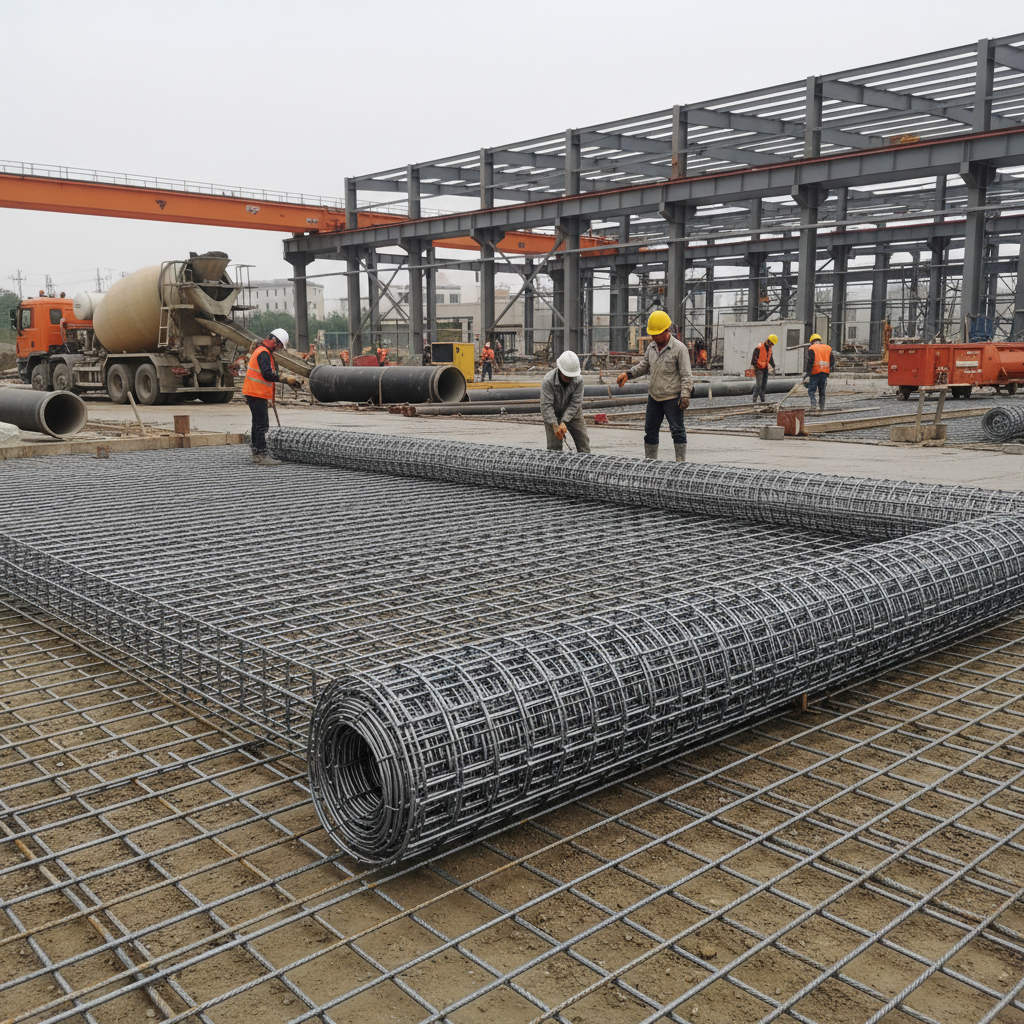
What is Galvanised Reinforcing Mesh?
Galvanised reinforcing mesh is a grid-like structure fabricated by welding together a series of parallel wires, usually made of steel. The ‘galvanised’ aspect refers to the coating of zinc applied to the steel wires, providing corrosion resistance. This zinc coating protects the underlying steel from rust and environmental damage, making it suitable for both indoor and outdoor applications. The mesh is available in various wire gauges (thickness) and aperture sizes (the spaces between the wires), allowing for tailored solutions based on project requirements. It’s an essential component for strengthening concrete, improving its tensile strength and preventing cracking.
Key Benefits of Using Galvanised Reinforcing Mesh
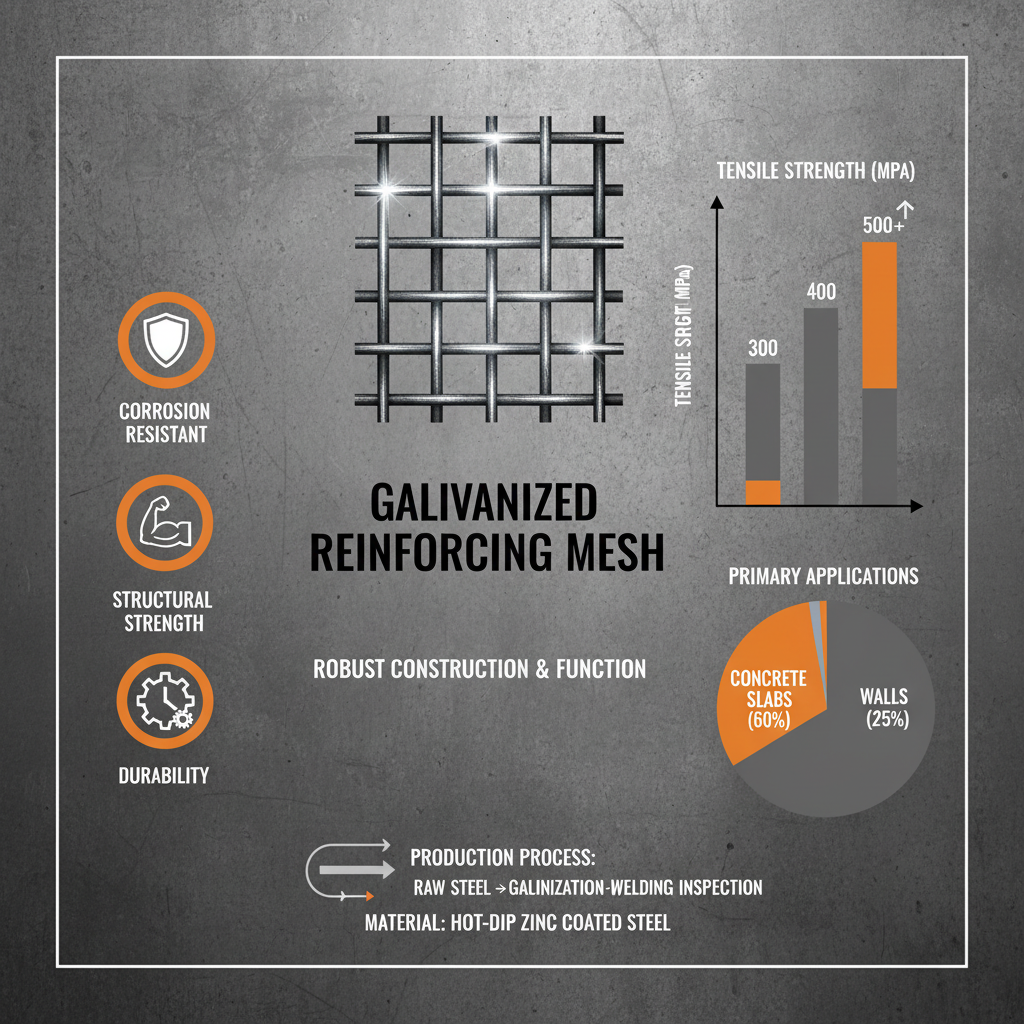
Utilizing galvanised reinforcing mesh offers a multitude of advantages. Firstly, it dramatically increases the tensile strength of concrete, which is otherwise weak under pulling forces. Secondly, the mesh helps to control cracking caused by shrinkage and temperature changes. The galvanisation process significantly extends the lifespan of the mesh, especially in corrosive environments. Compared to using rebar alone, mesh can be quicker and easier to install, saving time and labor costs. It also provides uniform distribution of strength throughout the concrete structure.
Key Highlights: Increases concrete tensile strength, controls cracking, enhanced corrosion resistance, faster installation, and uniform strength distribution.
Applications of Galvanised Reinforcing Mesh
The versatility of galvanised reinforcing mesh means it's used in a wide range of construction applications. Common uses include: concrete slabs (floors, pavements), shotcrete applications (tunnel linings, slope stabilisation), precast concrete elements (wall panels, beams), plastering reinforcement (to prevent cracking in plaster), and even in agricultural structures like poultry pens and fencing. Its ability to enhance concrete’s resistance to cracking makes it particularly valuable in areas prone to seismic activity or extreme weather conditions.
Galvanised Reinforcing Mesh vs. Rebar: A Comparison
While both galvanised reinforcing mesh and rebar (reinforcing bars) serve to strengthen concrete, they have distinct characteristics. Rebar provides higher tensile strength for heavier loads, while mesh offers a more distributed strengthening effect suitable for thinner concrete sections. Mesh is generally more cost-effective and easier to handle than rebar, especially for smaller projects. The choice between the two depends on the specific structural requirements and budget constraints of the project.
Choosing the Right Galvanised Reinforcing Mesh: Key Considerations
Selecting the appropriate mesh involves considering several factors. The wire gauge (diameter) should be sufficient to handle the anticipated loads. The aperture size determines the spacing between wires and affects the mesh’s ability to distribute stress. The zinc coating thickness impacts corrosion resistance; heavier coatings offer longer protection. Ensure the mesh meets relevant industry standards and regulations. Finally, consider the supplier’s reputation and quality control processes. Haotian Mesh offers a wide range of galvanised reinforcing mesh products to meet diverse project needs.
Conclusion: Strengthening Structures with Galvanised Reinforcing Mesh
Galvanised reinforcing mesh is an indispensable material in modern construction, offering a cost-effective and efficient solution for enhancing concrete’s strength and durability. By understanding its benefits, applications, and selection criteria, you can ensure your projects are built to last. Haotian Mesh provides high-quality galvanised reinforcing mesh solutions to meet your specific construction needs.
Frequently Asked Questions (FAQs)
What is the typical lifespan of galvanised reinforcing mesh?
The lifespan of galvanised reinforcing mesh depends heavily on the environment it's exposed to. In relatively mild conditions, it can last for 50 years or more. However, in highly corrosive environments like marine locations or areas with high salt content, the lifespan may be shorter. The thickness of the zinc coating plays a significant role; thicker coatings provide greater protection. Regular inspections can help identify any signs of corrosion and allow for preventative measures or eventual replacement.
How is galvanised reinforcing mesh installed?
Installation typically involves cutting the mesh to the required size and shape, then positioning it within the concrete formwork before pouring the concrete. It’s crucial to ensure the mesh is adequately supported to prevent it from sinking during the concrete pouring process. Using chairs or spacers helps maintain the correct position. The mesh should be completely embedded within the concrete for optimal performance. Overlapping mesh sections should be wired together to create a continuous reinforcement layer.
What aperture sizes are commonly available?
Common aperture sizes range from 100mm x 100mm to 300mm x 300mm, though other sizes are available depending on the manufacturer. Smaller apertures provide greater reinforcement and crack control, while larger apertures are more economical and suitable for less demanding applications. The choice of aperture size depends on the structural requirements of the project and the expected loads.
Is galvanised mesh suitable for use in contact with alkaline concrete?
Yes, galvanised mesh is generally suitable for use in contact with alkaline concrete. The zinc coating provides a sacrificial layer that protects the steel from corrosion. However, over time, the zinc will slowly corrode, especially in highly alkaline environments. Using a heavier zinc coating or considering alternative materials like epoxy-coated mesh may be necessary for prolonged exposure to high alkalinity.
-
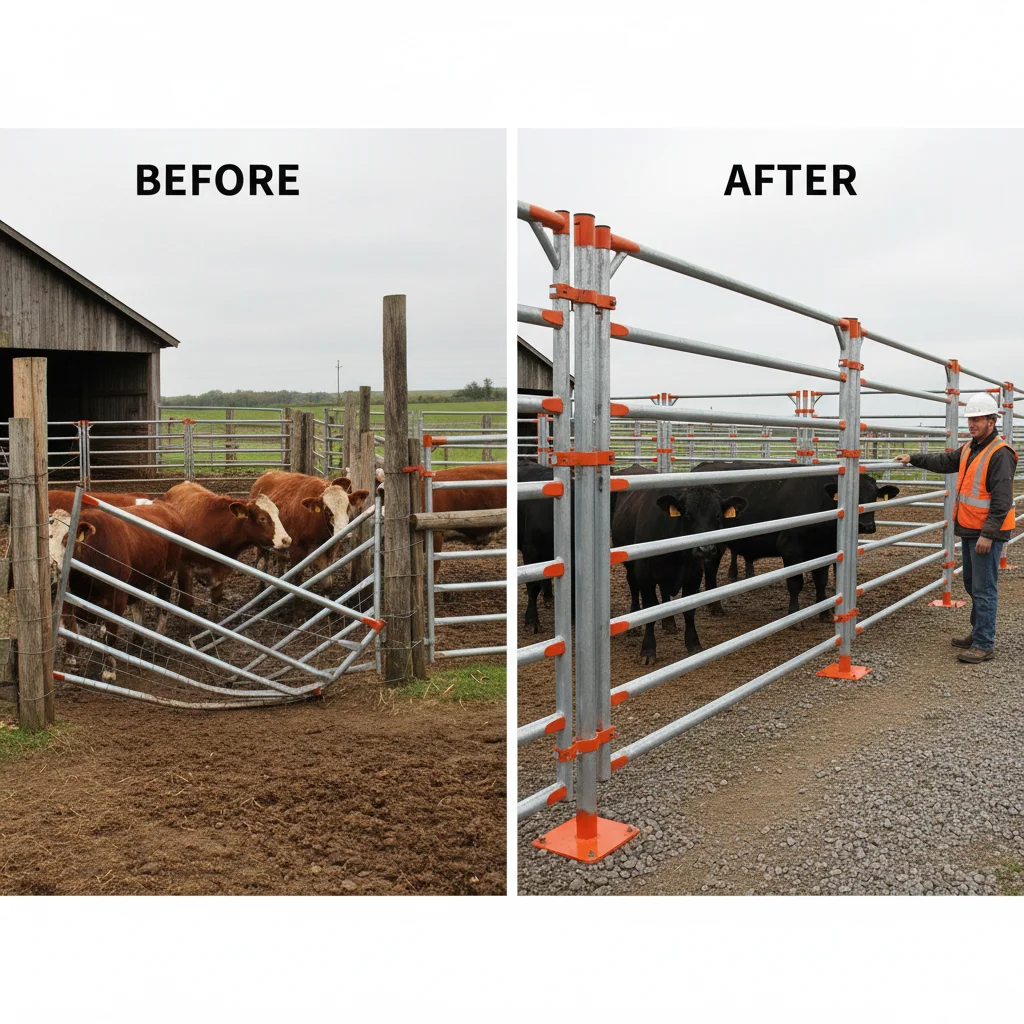
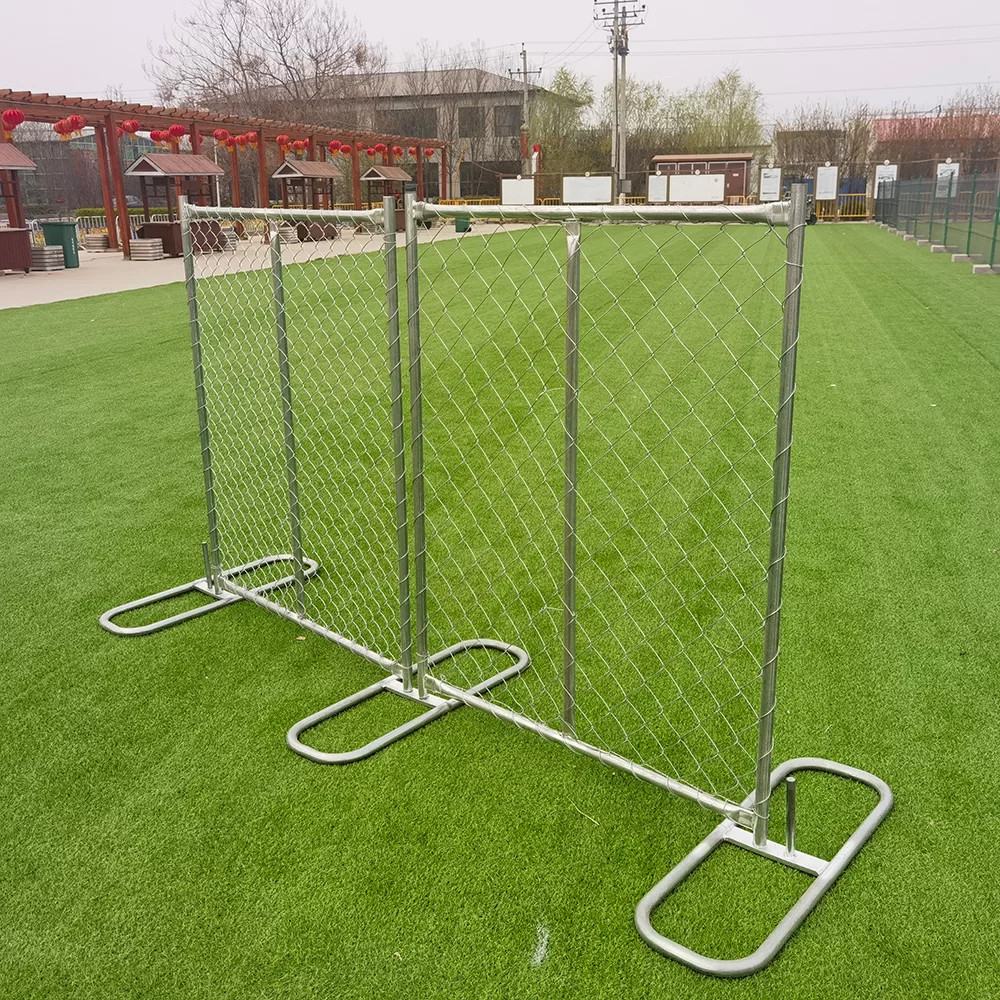
Durable Freestanding Livestock Panels for Efficient Animal Handling In the demanding world of agricultural management, the need for flexible and robust containment solutions has never been more critical. freestanding livestock panels offer a sophisticated answer to the challenges of animal handling, providing a secure yet adaptable barrier that does not require permanent installation or deep grounding. By allowing farmers and ranchers to redefine their spatial layouts in minutes, these panels maximize the efficiency of existing infrastructure while ensuring the safety of both the handlers and the livestock. Read More >26 Apr, 17
-
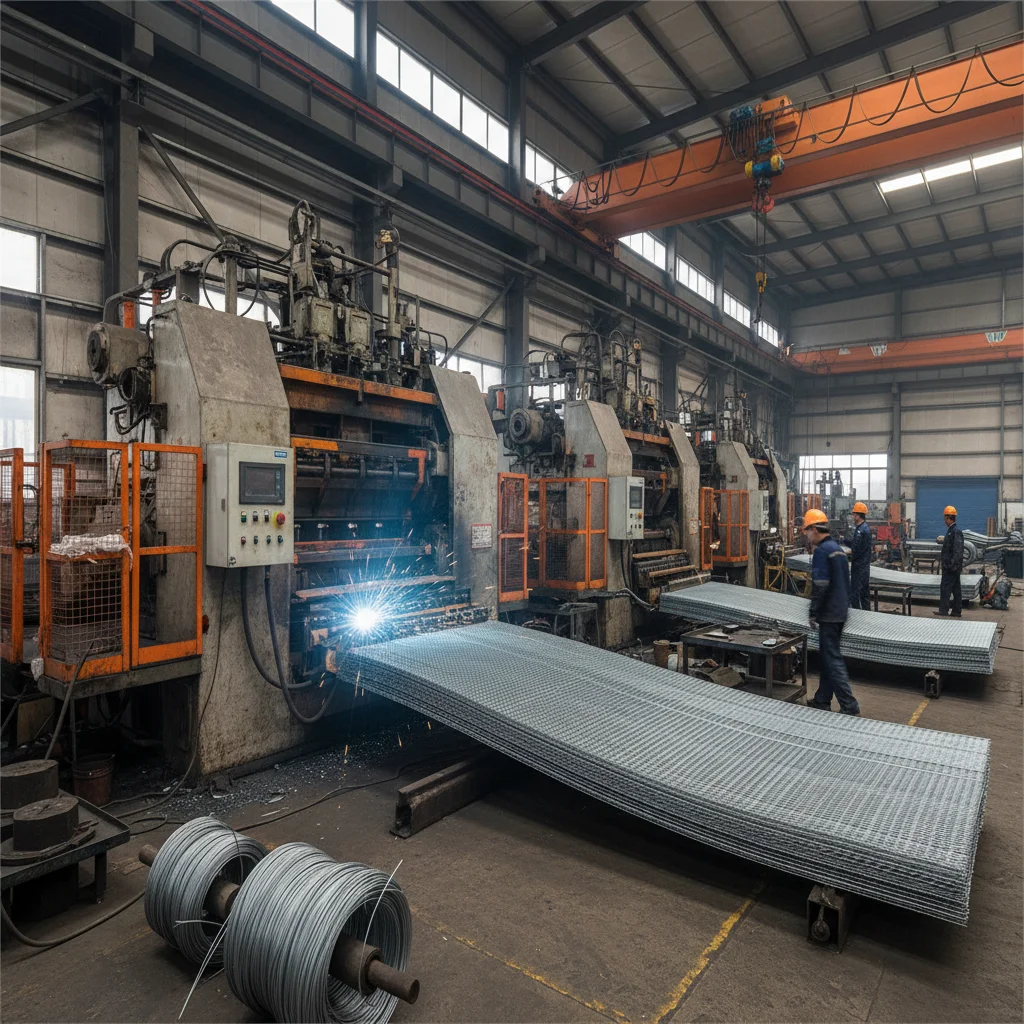
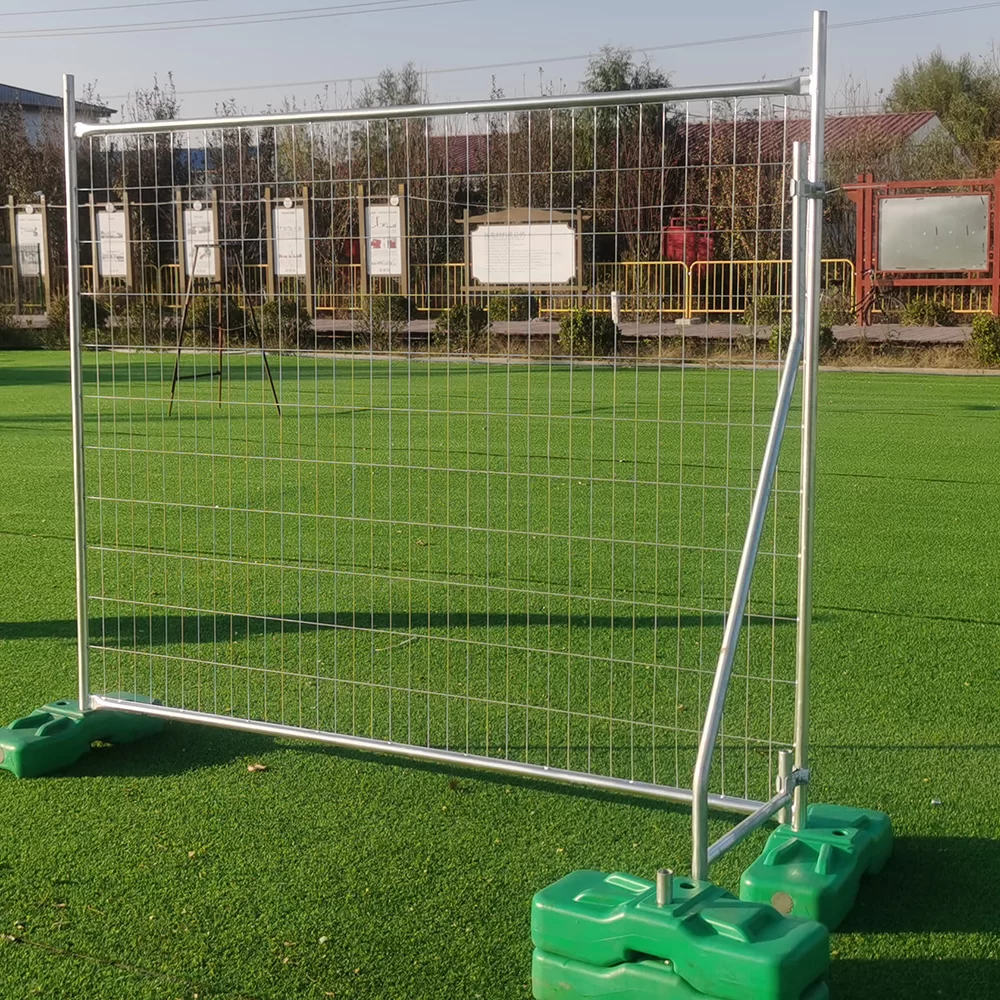
Professional Galvanized Welded Mesh Factory for Industrial Projects Finding a reliable galvanized welded mesh factory is critical for ensuring the structural integrity and longevity of your industrial or agricultural installations. Galvanized welded mesh is prized for its exceptional strength and resistance to corrosion, making it the go-to choice for fencing, animal cages, and construction reinforcement. However, not all factories adhere to the same quality standards. Whether you are sourcing for a large-scale infrastructure project or a specialized commercial application, understanding the manufacturing process and quality benchmarks is key to making a cost-effective investment that lasts for decades. Read More >26 Apr, 16
-
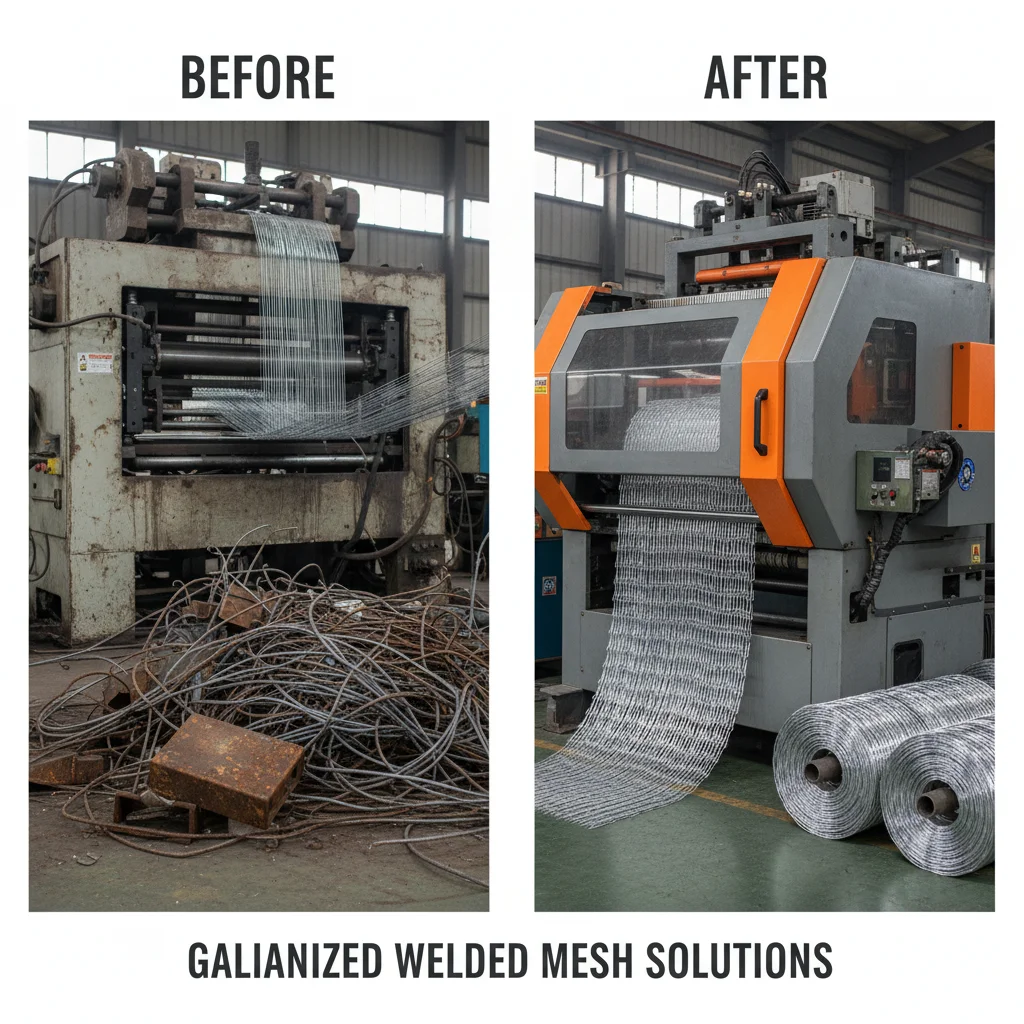
Professional Galvanized Welded Mesh Exporter for Quality Projects Selecting a high-quality fencing or screening solution requires more than just picking a product; it requires partnering with a reliable galvanized welded mesh exporter who understands the balance between structural integrity and corrosion resistance. Whether you are securing an industrial perimeter, building animal enclosures, or implementing architectural reinforcements, the quality of the galvanization process determines the lifespan of your installation. In this guide, we will explore the technical advantages of galvanized welded mesh and how to identify a global supplier that meets international quality standards to ensure your investment stands the test of time. Read More >26 Apr, 09
-
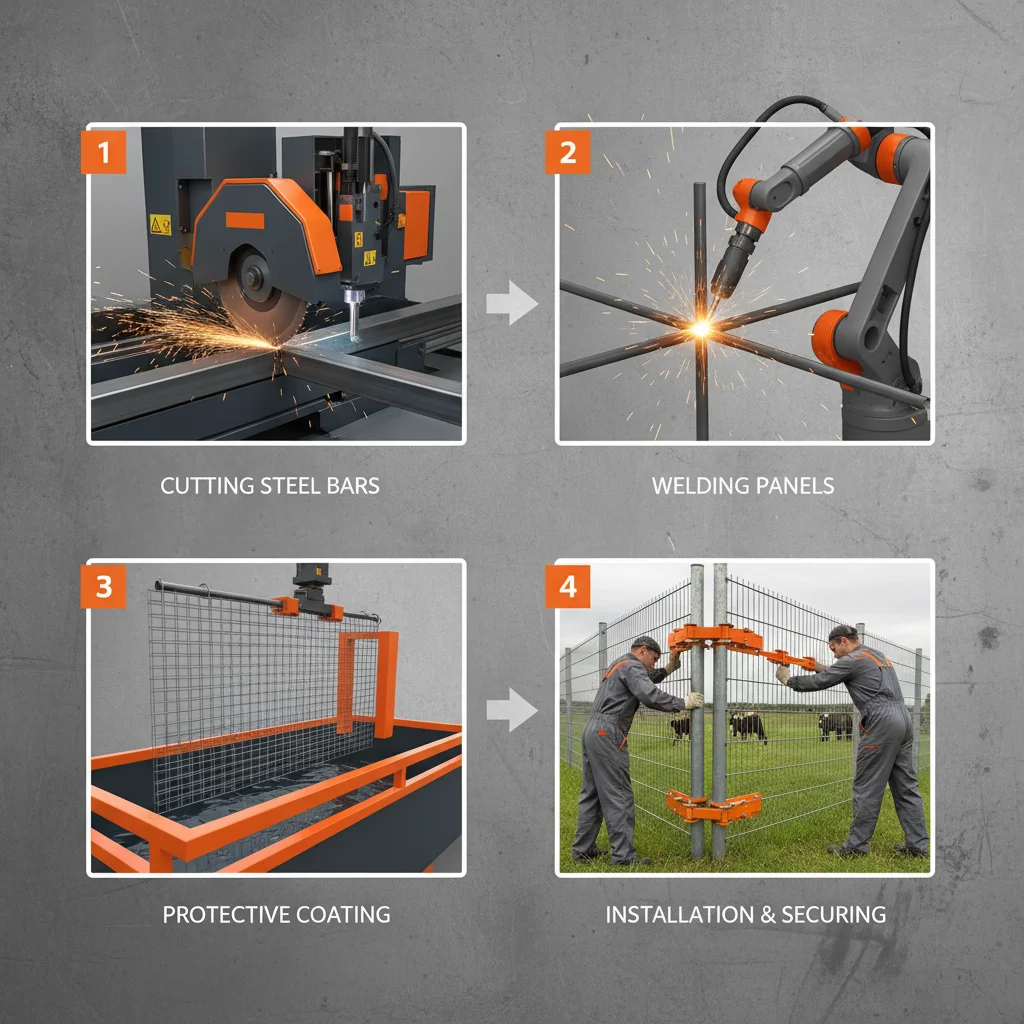
Essential Fencing Panels for Livestock Management and Farm Productivity Fencing panels for livestock are essential components in modern animal husbandry, playing a critical role in efficient farm management, animal welfare, and land utilization. Globally, the demand for robust and reliable fencing solutions is increasing due to the expanding livestock industry and the need to protect grazing lands from encroachment and predation. These panels aren’t simply barriers; they represent a vital investment in a farm's productivity and the health of its animals. Read More >26 Apr, 08
If you are interested in our products, you can choose to leave your information here, and we will be in touch with you shortly.


