


Livestock corral panels – they’re more than just metal fencing. I’ve spent years on ranches, feedlots, and sale barns, and let me tell you, a good corral system is the backbone of efficient and safe livestock handling. It impacts everything from daily routines like sorting and feeding to emergency situations like medical treatment or moving animals during weather events. The right panels aren’t just about keeping animals in, they’re about keeping both the animals and the people working with them safe and minimizing stress on the herd. It’s a surprisingly crucial part of a productive operation.
We’re seeing a growing demand for robust, portable, and easily adaptable corral solutions. Years ago, everything was built with wood posts and rails – a lot of maintenance, a lot of potential for breakage, and frankly, a lot of risk. Now, galvanized steel and heavy-duty mesh are becoming the standard. It’s about durability, longevity, and reducing the ongoing costs of repair and replacement. Plus, with land values rising and operations becoming more consolidated, the need for flexible systems that can be easily moved or reconfigured is higher than ever.
And it's not just about the big ranches anymore. Smaller farms, hobby farms, even event spaces are looking for quality corral solutions. That means manufacturers need to offer a range of sizes, configurations, and price points to meet diverse needs. It’s a market that’s changing quickly, and staying ahead requires a real understanding of what ranchers and livestock handlers are dealing with day-to-day.
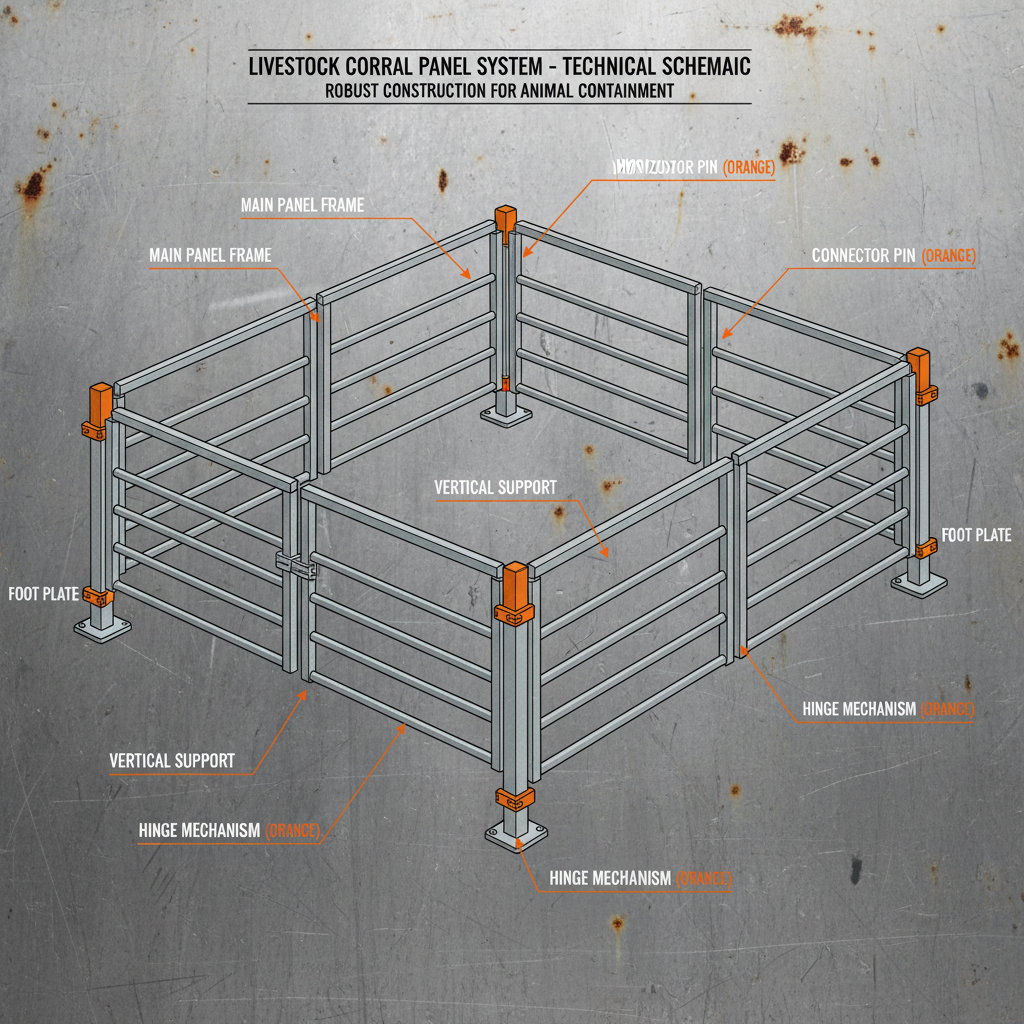
The Importance of livestock corral panels
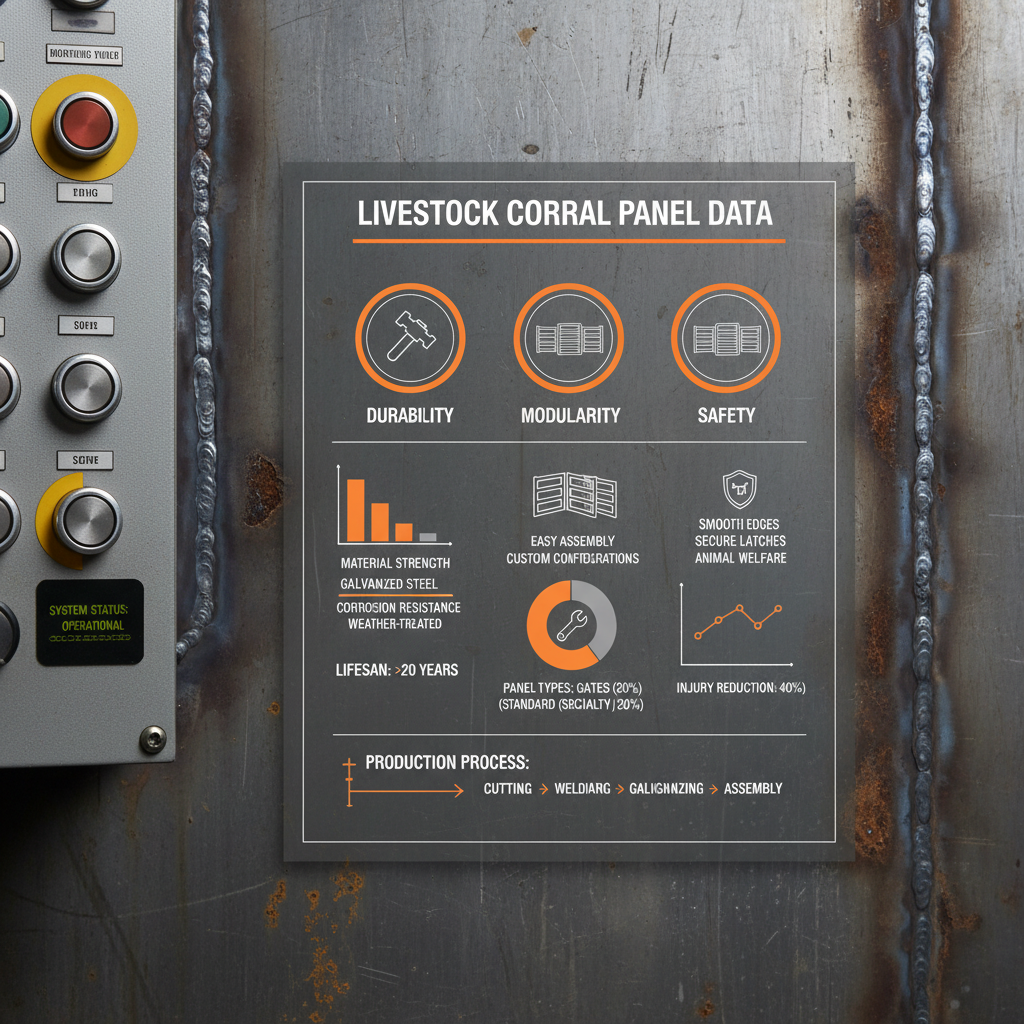
Look, I’ve seen firsthand how a poorly designed or maintained corral can lead to injuries – both to the animals and the people working with them. It’s not just about safety, though. A well-designed system dramatically improves workflow. It allows you to move animals efficiently for vaccinations, breeding, or loading, saving time and labor costs. That efficiency translates directly to profit.
Beyond the practical benefits, there’s a growing emphasis on animal welfare. Low-stress handling is becoming increasingly important, and the right corral panels play a huge role in that. Panels that are smooth, well-maintained, and properly configured minimize stress, leading to healthier, more productive livestock. It’s about doing things the right way, for both the animals and the bottom line.
FAQS
The lifespan of galvanized steel livestock corral panels really depends on the environment and maintenance. In relatively mild conditions with regular cleaning, you can expect 15-20 years, easily. In harsher environments – coastal areas with salt spray, for instance – you might see corrosion start sooner. Regular application of a rust inhibitor can significantly extend that lifespan. Ultimately, quality galvanization and proactive maintenance are key.
Panel height depends on the type of livestock you're handling. For cattle, a minimum of 5-6 feet is generally recommended to prevent jumping. For smaller animals like sheep or goats, 4 feet might be sufficient. Consider the size and temperament of your animals – more assertive animals require higher panels. Always prioritize safety and choose a height that minimizes the risk of escape or injury.
Many livestock corral panels are designed for relatively easy self-installation, especially those with simple connector systems. However, proper setup is crucial for safety and stability. If you're unfamiliar with fencing installation or have a complex layout, it's best to consult with a professional. They can ensure the panels are properly secured and configured for your specific needs.
Connectors vary significantly. Some use pins and clips, others rely on interlocking mechanisms. The key is finding connectors that are secure, easy to operate, and compatible with your specific panel type. Look for connectors with locking features to prevent accidental detachment. Avoid flimsy connectors that are prone to breaking or loosening over time. Quality connectors are worth the investment.
Regular maintenance is key. Inspect panels regularly for signs of damage, such as bent or broken sections. Repair any damage promptly to prevent it from worsening. Avoid leaning heavy equipment against the panels, and be careful when moving livestock to prevent them from impacting the panels forcefully. Applying a rust inhibitor can also help protect the panels from corrosion.
Proper storage is crucial for extending the lifespan of your panels. Store them in a dry, sheltered location to prevent rust and corrosion. Stack them carefully to avoid bending or damaging the panels. Ideally, elevate them off the ground to allow for air circulation. Covering them with a tarp can provide additional protection from the elements.
Conclusion
Livestock corral panels are a critical investment for any operation handling livestock. They’re not just about containment; they’re about safety, efficiency, animal welfare, and long-term cost savings. Choosing the right panels, prioritizing quality construction, and implementing a proactive maintenance program will pay dividends for years to come. Understanding the nuances of different panel types and connectors, and considering the specific needs of your operation, is essential for making an informed decision.
As technology advances and the demands of modern agriculture evolve, expect to see continued innovation in corral panel design. From smart systems with integrated sensors to more durable and lightweight materials, the future of livestock handling is bright. Don’t hesitate to explore new options and invest in solutions that will improve the safety, efficiency, and profitability of your operation.
Related Posts
-
The Enduring Value of Aluminum Livestock Panels for Modern Farming and Beyond
-
Comprehensive Guide to High Tensile Fence Supplies for Security and Agriculture
-
Exploring the Benefits and Applications of Pipe Corral Panels for Sale
-
High Quality Livestock Panels for Sale Enhance Animal Management Solutions

Daniel Wilson
If you are interested in our products, you can choose to leave your information here, and we will be in touch with you shortly.


