


Comprehensive Guide to Galvanized Welded Wire Mesh Panels and Their Applications
Galvanized Welded Wire Mesh Panels: A Comprehensive Guide
Galvanized welded wire mesh panels are a versatile and durable material widely used in various industries, from agriculture and construction to security and pet containment. Their robust construction, corrosion resistance, and cost-effectiveness make them a popular choice for a wide array of applications. This article will delve into the characteristics, applications, benefits, and considerations when selecting galvanized welded wire mesh panels, providing a thorough overview for professionals and individuals alike. Choosing the right mesh panel for your needs can significantly impact the longevity and effectiveness of your project.
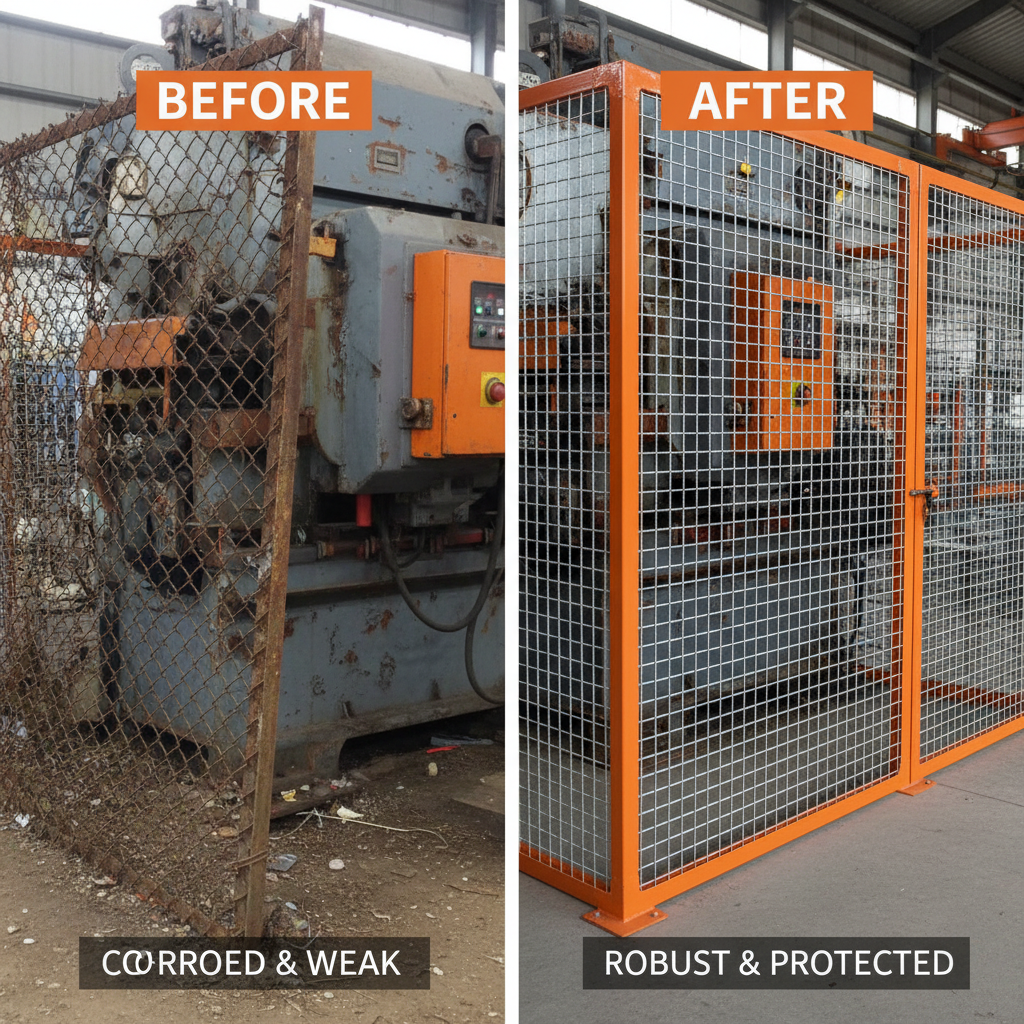
What are Galvanized Welded Wire Mesh Panels?
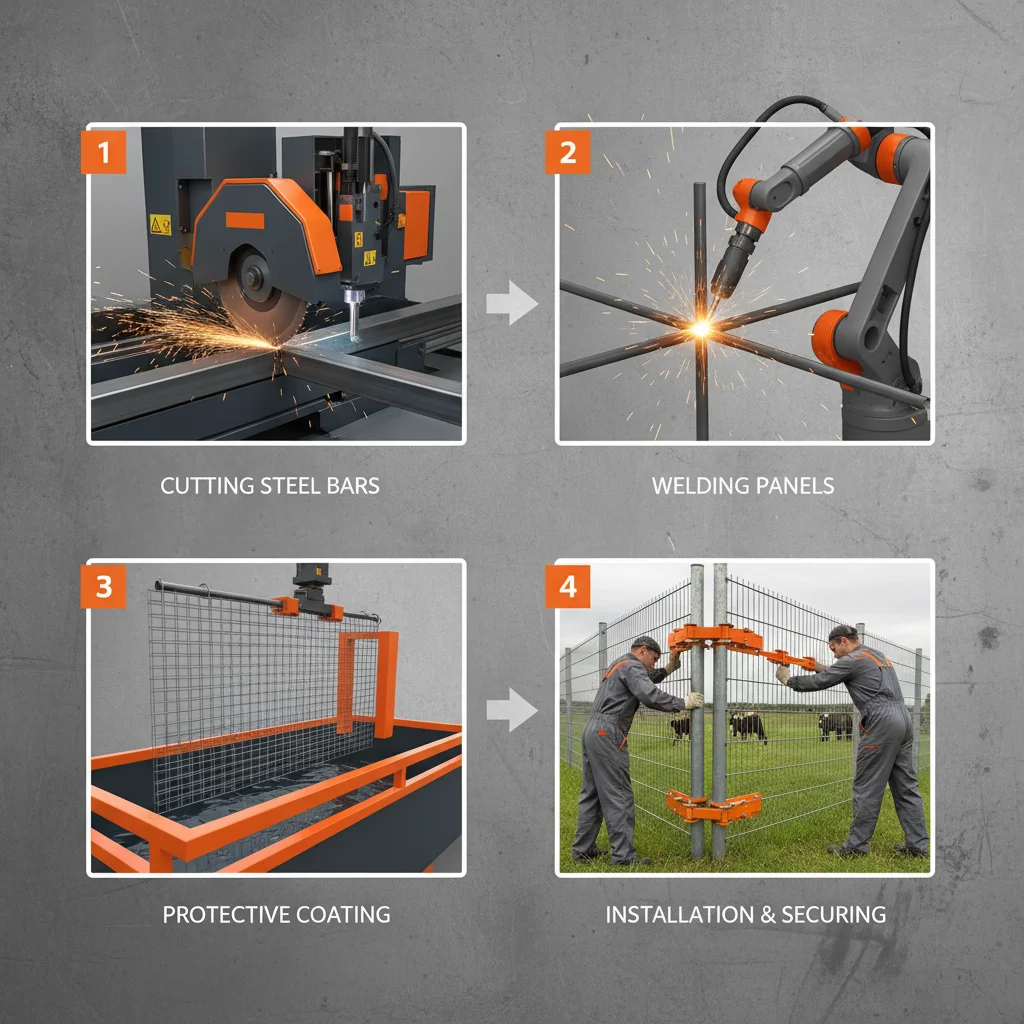
Galvanized welded wire mesh panels are constructed by welding pre-formed wire at each intersection. The ‘galvanized’ aspect refers to the coating of zinc applied to the steel wire, providing exceptional corrosion resistance. This process protects the steel from rust and environmental damage, extending the panel’s lifespan even in harsh conditions. The panels come in various mesh sizes (apertures), wire gauges (thickness), and dimensions, offering flexibility for numerous applications. These panels are known for their strength, rigidity, and ease of installation, making them a favorite among contractors and DIY enthusiasts.
Key Features: Strong and rigid construction, excellent corrosion resistance, available in various mesh sizes and wire gauges, easy to install, cost-effective solution.
Common Applications of Galvanized Welded Wire Mesh Panels
The versatility of these panels allows for diverse applications. In agriculture, they are used for poultry fencing, animal containment, and crop support. Construction relies on them for reinforcement in concrete structures, formwork, and plastering. Security applications include perimeter fencing, cages, and protective barriers. Beyond these, they're found in garden fencing, rodent proofing, and even as a base for shelving. Haotian Mesh offers a wide range of panels tailored to specific application requirements.
Application Examples:
• Poultry Fencing
• Animal Containment
• Concrete Reinforcement
• Security Fencing
Galvanized vs. Other Mesh Panel Coatings
While various coatings are available for welded wire mesh, galvanization remains a popular and effective choice. Here’s a comparison with other options:
Selecting the Right Galvanized Welded Wire Mesh Panel
Choosing the right panel depends on your specific needs. Consider the following factors: mesh size (aperture) dictates what can pass through the mesh; wire gauge impacts the panel's strength and durability; panel dimensions determine the size of the area you need to cover; and galvanization level affects the level of corrosion resistance. Heavier gauge wire and thicker galvanization offer greater protection but come at a higher cost. Contacting Haotian Mesh’s experts can help ensure you select the optimal panel for your application.
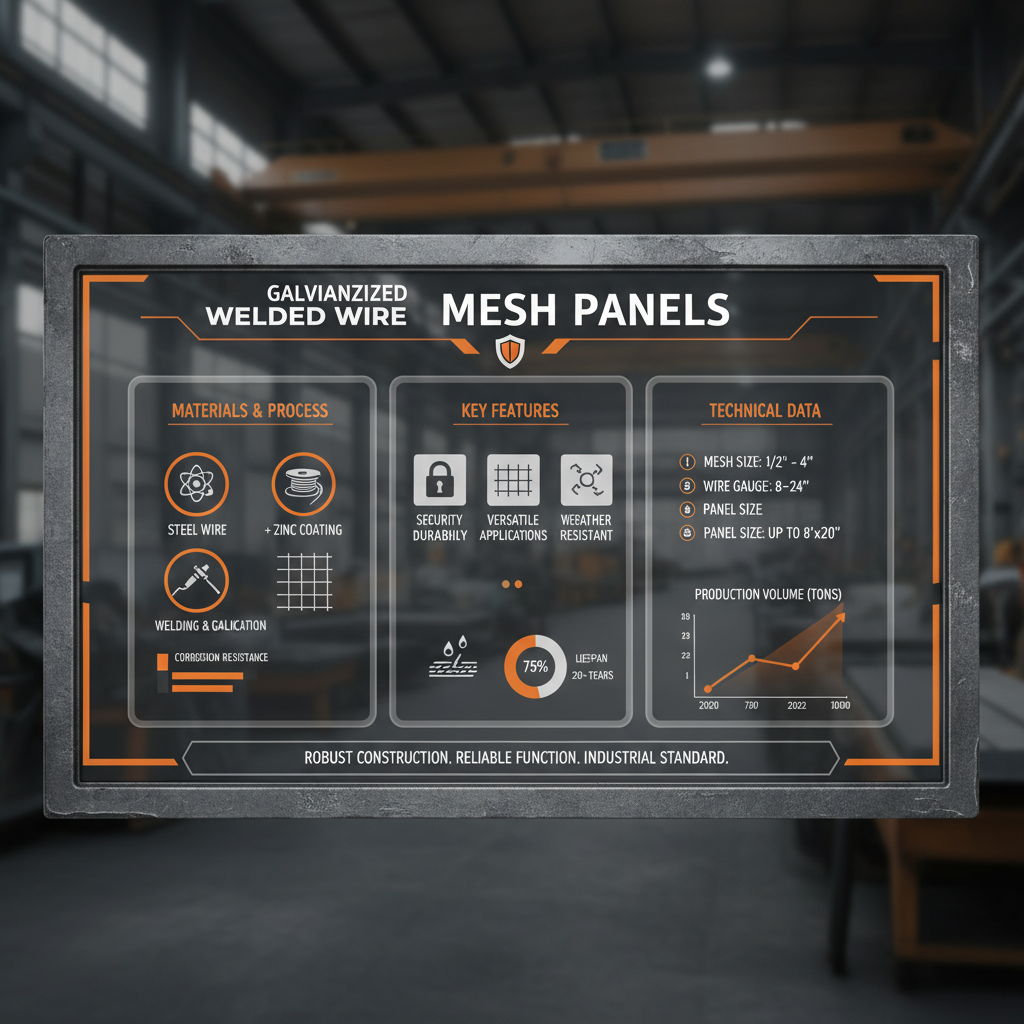
Product Specifications and Quality Control
At Haotian Mesh, we adhere to strict quality control standards throughout the manufacturing process. Our panels are rigorously tested to ensure they meet or exceed industry specifications. We offer a variety of standard and custom sizes, wire gauges, and mesh apertures to meet your exact requirements. Here are some common specifications:
Conclusion: A Reliable Solution for Diverse Needs
Galvanized welded wire mesh panels offer a durable, versatile, and cost-effective solution for a wide range of applications. By understanding your specific needs and considering factors such as mesh size, wire gauge, and galvanization level, you can select the optimal panel for your project. Haotian Mesh is your trusted partner for high-quality panels and expert support.
Frequently Asked Questions (FAQs)
What is the typical lifespan of galvanized welded wire mesh?
The lifespan of galvanized welded wire mesh panels varies depending on environmental conditions and the thickness of the galvanization. Typically, panels can last between 10 and 20 years or more, even in harsh climates. Regular inspection and maintenance, such as cleaning and re-coating damaged areas, can extend the lifespan. The quality of the zinc coating is a critical factor; thicker coatings provide superior corrosion resistance. Factors like salt spray, industrial pollutants, and acidic rain can accelerate corrosion, shortening the lifespan.
How do I install galvanized welded wire mesh panels?
Installation typically involves securing the panels to posts or supports using wire, staples, or clips. Ensure the posts are adequately spaced and securely anchored. For fencing applications, tension wires are often used to maintain the mesh's rigidity. Wear appropriate safety gear, including gloves and eye protection, during installation. Properly stretching the mesh is crucial to prevent sagging and ensure long-term stability. When cutting the mesh, use wire cutters designed for the specific wire gauge to avoid fraying.
Are galvanized wire mesh panels safe for animal containment?
Yes, galvanized welded wire mesh panels are generally safe for animal containment, but it’s crucial to select the appropriate mesh size and wire gauge. Smaller mesh sizes are necessary for containing smaller animals to prevent escapes. Heavier gauge wire is required for larger or more aggressive animals to withstand their weight and potential attempts to break through. Ensure there are no sharp edges or protruding wires that could injure the animals. Regular inspection of the enclosure is vital to identify and repair any damage.
Can galvanized wire mesh panels be painted?
Yes, galvanized wire mesh panels can be painted, but proper preparation is essential. The galvanization layer needs to be thoroughly cleaned and etched to ensure good paint adhesion. Using a primer specifically designed for galvanized metal is highly recommended. Choose a paint formulated for outdoor use and metal surfaces. Avoid using paints that contain solvents that could damage the galvanization. Proper surface preparation will extend the paint's lifespan and prevent corrosion.
-
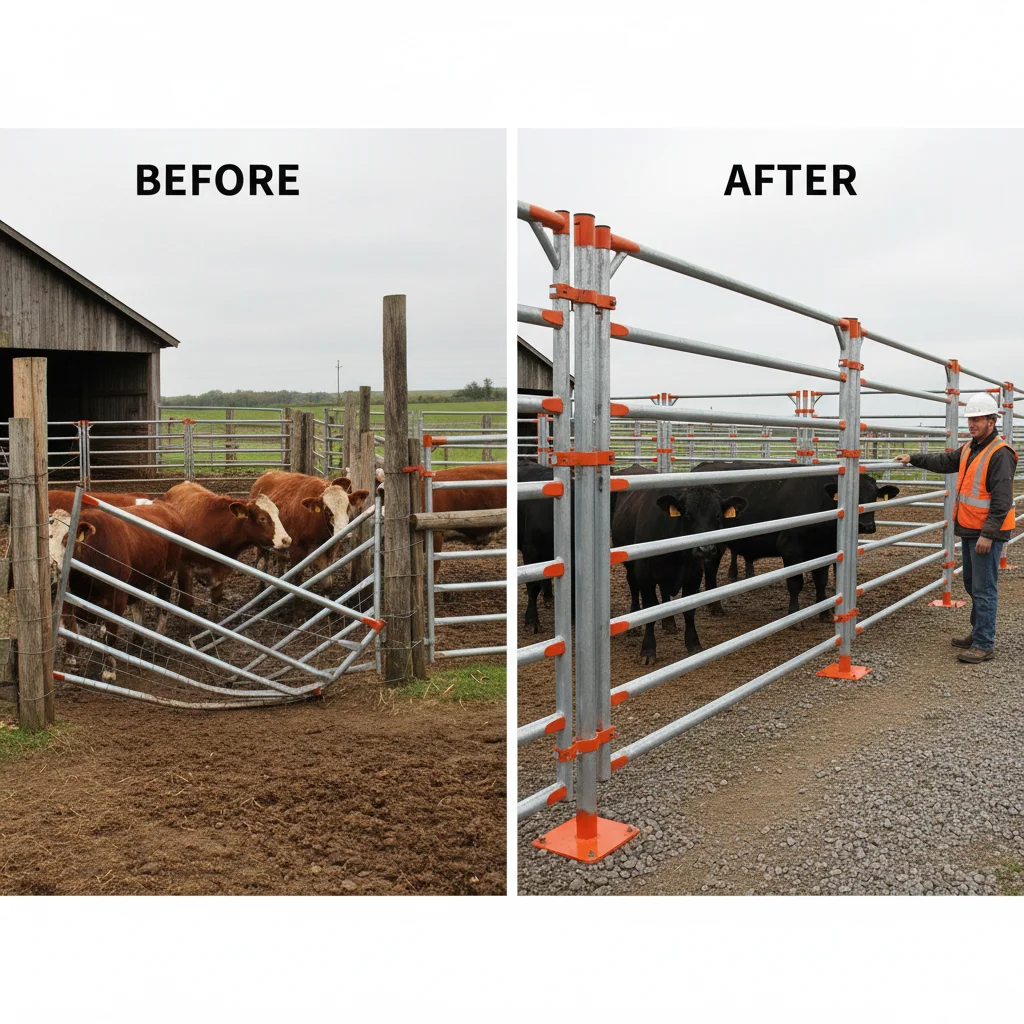
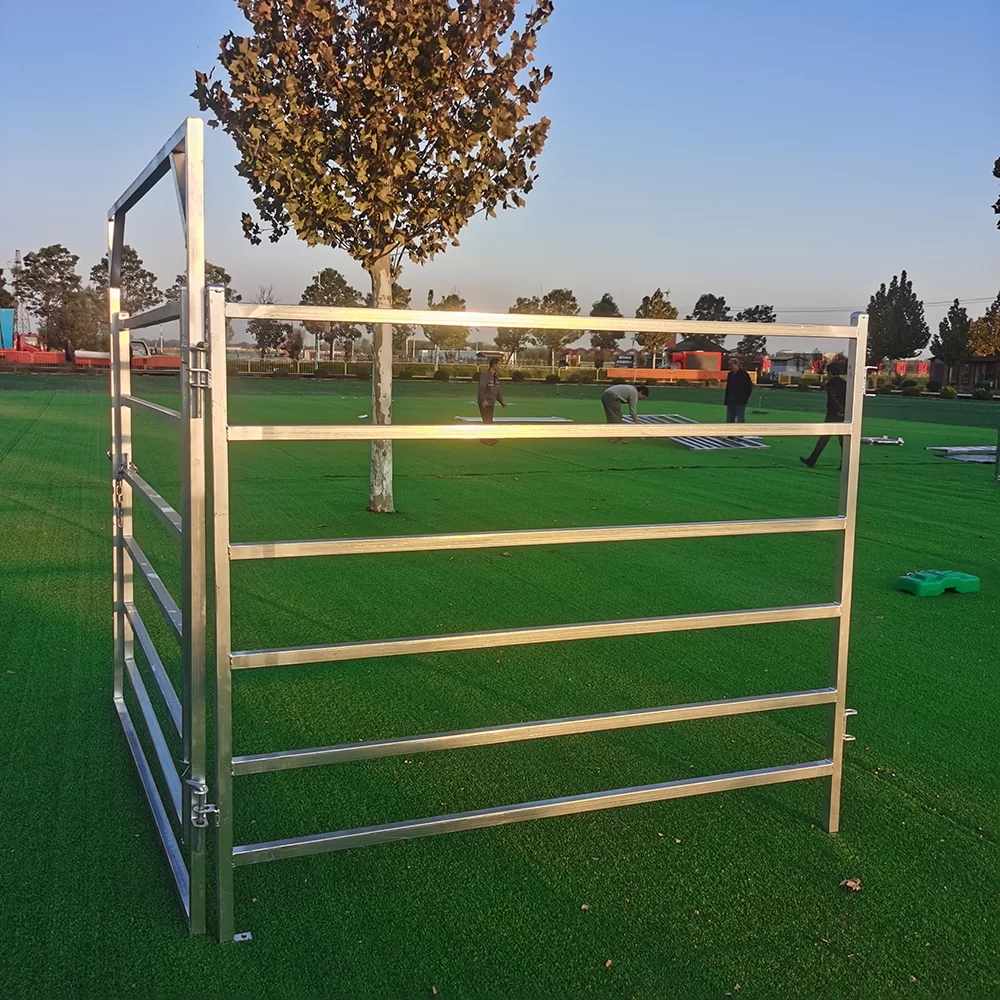
Durable Freestanding Livestock Panels for Efficient Animal Handling In the demanding world of agricultural management, the need for flexible and robust containment solutions has never been more critical. freestanding livestock panels offer a sophisticated answer to the challenges of animal handling, providing a secure yet adaptable barrier that does not require permanent installation or deep grounding. By allowing farmers and ranchers to redefine their spatial layouts in minutes, these panels maximize the efficiency of existing infrastructure while ensuring the safety of both the handlers and the livestock. Read More >26 Apr, 17
-
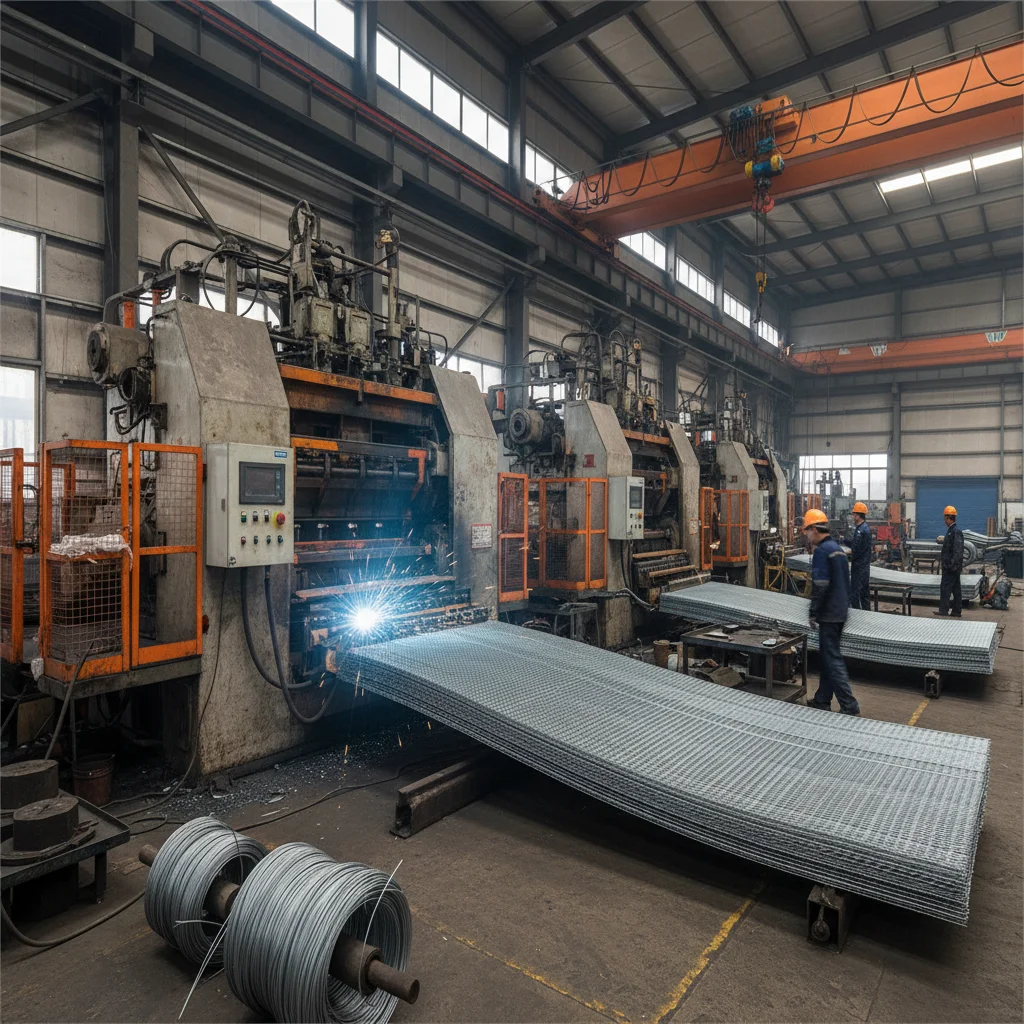
Professional Galvanized Welded Mesh Factory for Industrial Projects Finding a reliable galvanized welded mesh factory is critical for ensuring the structural integrity and longevity of your industrial or agricultural installations. Galvanized welded mesh is prized for its exceptional strength and resistance to corrosion, making it the go-to choice for fencing, animal cages, and construction reinforcement. However, not all factories adhere to the same quality standards. Whether you are sourcing for a large-scale infrastructure project or a specialized commercial application, understanding the manufacturing process and quality benchmarks is key to making a cost-effective investment that lasts for decades. Read More >26 Apr, 16
-
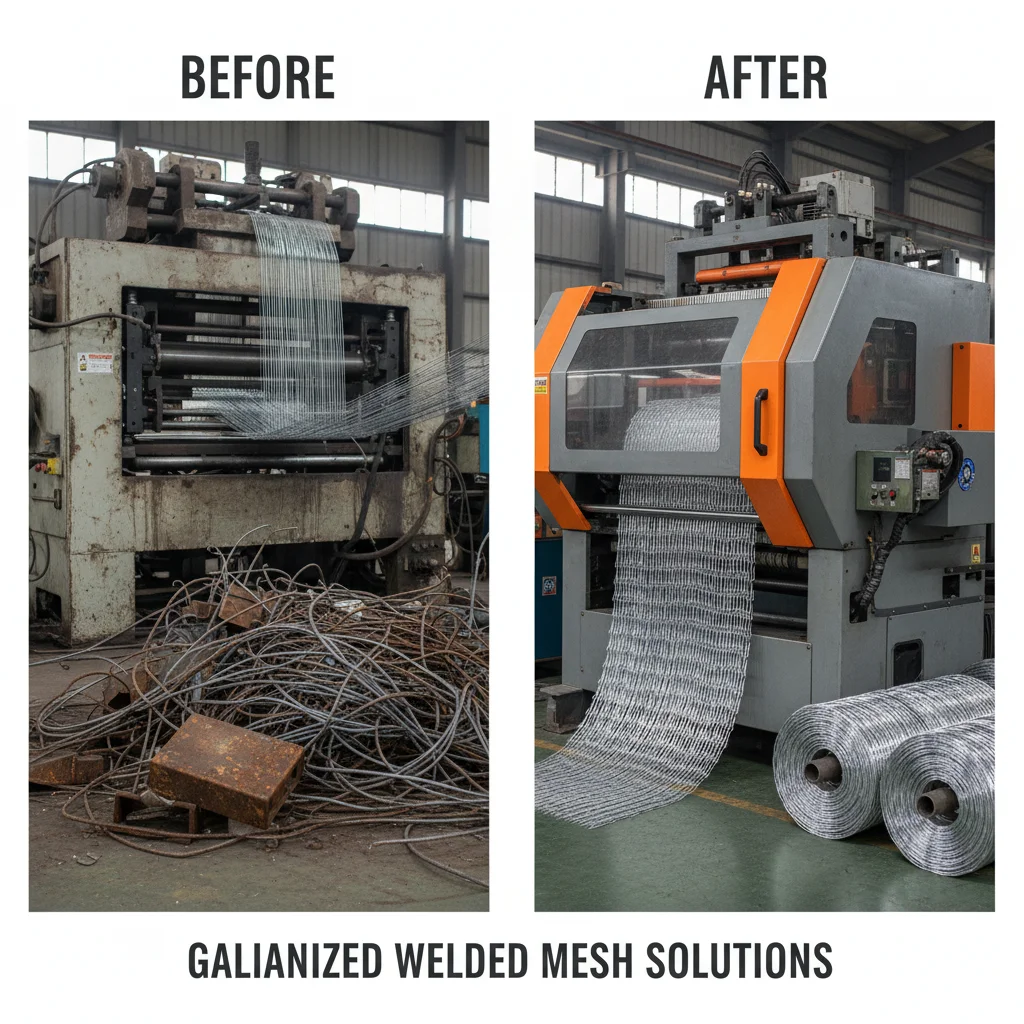
Professional Galvanized Welded Mesh Exporter for Quality Projects Selecting a high-quality fencing or screening solution requires more than just picking a product; it requires partnering with a reliable galvanized welded mesh exporter who understands the balance between structural integrity and corrosion resistance. Whether you are securing an industrial perimeter, building animal enclosures, or implementing architectural reinforcements, the quality of the galvanization process determines the lifespan of your installation. In this guide, we will explore the technical advantages of galvanized welded mesh and how to identify a global supplier that meets international quality standards to ensure your investment stands the test of time. Read More >26 Apr, 09
-
Essential Fencing Panels for Livestock Management and Farm Productivity Fencing panels for livestock are essential components in modern animal husbandry, playing a critical role in efficient farm management, animal welfare, and land utilization. Globally, the demand for robust and reliable fencing solutions is increasing due to the expanding livestock industry and the need to protect grazing lands from encroachment and predation. These panels aren’t simply barriers; they represent a vital investment in a farm's productivity and the health of its animals. Read More >26 Apr, 08
If you are interested in our products, you can choose to leave your information here, and we will be in touch with you shortly.


