Wholesale livestock panels are becoming increasingly crucial in modern animal husbandry, offering a robust and cost-effective solution for containing and managing livestock. Their global demand stems from the growing need for efficient farming practices, particularly in regions experiencing population growth and increased meat consumption. Understanding the nuances of these panels – from material composition to installation techniques – is paramount for farmers, agricultural businesses, and even disaster relief organizations.
The significance of wholesale livestock panels extends beyond simple containment. They play a vital role in optimizing land utilization, improving animal welfare, and minimizing labor costs. In many developing nations, the availability of durable and affordable panels can directly impact food security and economic stability. Moreover, as regulations surrounding animal welfare tighten globally, proper containment solutions are no longer optional but essential for legal compliance.
The industry surrounding wholesale livestock panels is evolving rapidly, driven by innovation in materials science and manufacturing processes. From traditional galvanized steel to lighter-weight, corrosion-resistant alloys, the options available to consumers are expanding. This guide delves into the core aspects of wholesale livestock panels, exploring their applications, advantages, and future trends, all while highlighting the importance of selecting the right panels for specific needs.
Introduction to Wholesale Livestock Panels
Wholesale livestock panels represent a significant investment for any agricultural operation. Selecting the correct panel type is crucial, considering factors such as the species of livestock, the size of the operation, and the environmental conditions. Properly installed panels not only ensure animal safety but also contribute to the overall efficiency of farm management. Purchasing in wholesale quantities offers substantial cost savings, making it a financially prudent decision for large-scale farmers.
Beyond the initial purchase, understanding the long-term maintenance requirements of wholesale livestock panels is vital. Regular inspection for corrosion, damage, and secure fastening is essential to prolong the lifespan of the investment. Proper maintenance significantly reduces the risk of animal escapes and potential injuries, ultimately safeguarding both the livestock and the farm’s bottom line.
Global Relevance and Industry Context
The global livestock industry is a multi-trillion-dollar market, with demand consistently increasing, particularly in emerging economies. This growth necessitates efficient and scalable solutions for livestock management, and wholesale livestock panels are a key component of that infrastructure. According to the UN Food and Agriculture Organization (FAO), global meat production is projected to rise significantly in the coming decades, further intensifying the demand for effective containment solutions.
The increasing emphasis on biosecurity in animal agriculture also drives the need for robust and well-maintained fencing systems. Wholesale livestock panels contribute significantly to preventing the spread of disease and maintaining the health of livestock populations. Furthermore, the industry is facing challenges related to land use and environmental sustainability, making efficient space management – facilitated by optimized panel configurations – increasingly important.
ISO standards for agricultural fencing are becoming more prevalent, focusing on safety, durability, and environmental impact. Suppliers of wholesale livestock panels are increasingly required to meet these standards to maintain market access and ensure product quality. The ability to reliably source high-quality panels is crucial for maintaining the integrity of the livestock supply chain globally.
Defining Wholesale Livestock Panels
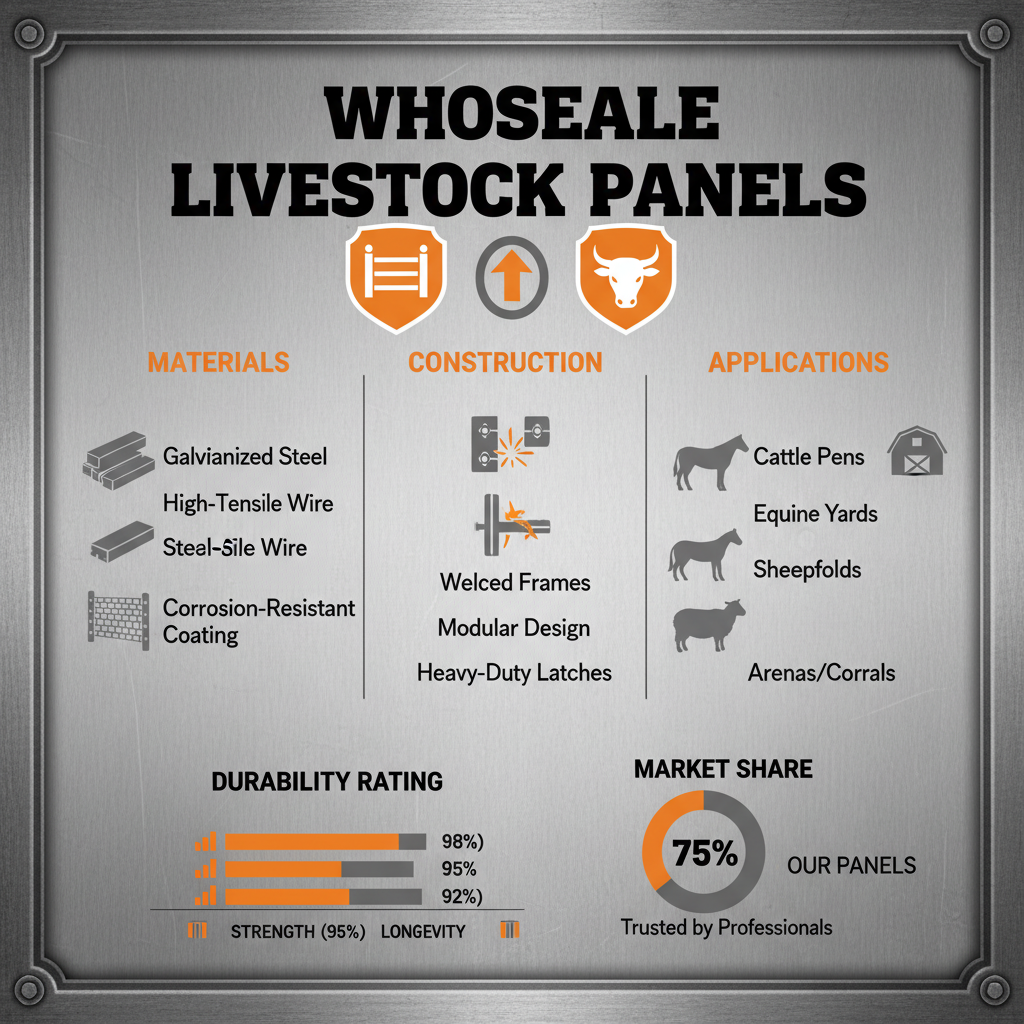
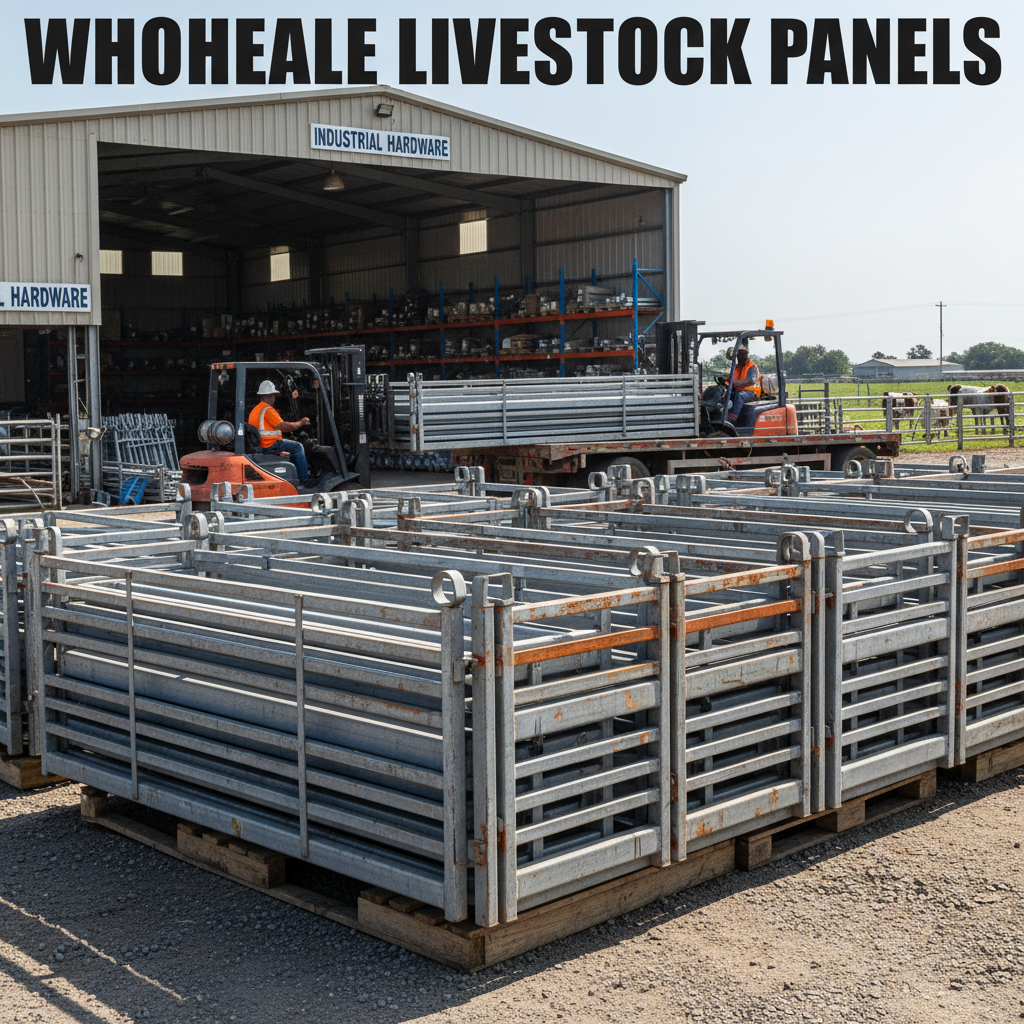
Wholesale livestock panels are prefabricated sections of fencing specifically designed for containing various types of livestock, including cattle, sheep, goats, pigs, and horses. They typically consist of welded steel rails or mesh attached to sturdy steel posts. The "wholesale" aspect refers to the practice of purchasing these panels in large quantities directly from manufacturers or distributors, resulting in a lower per-unit cost.
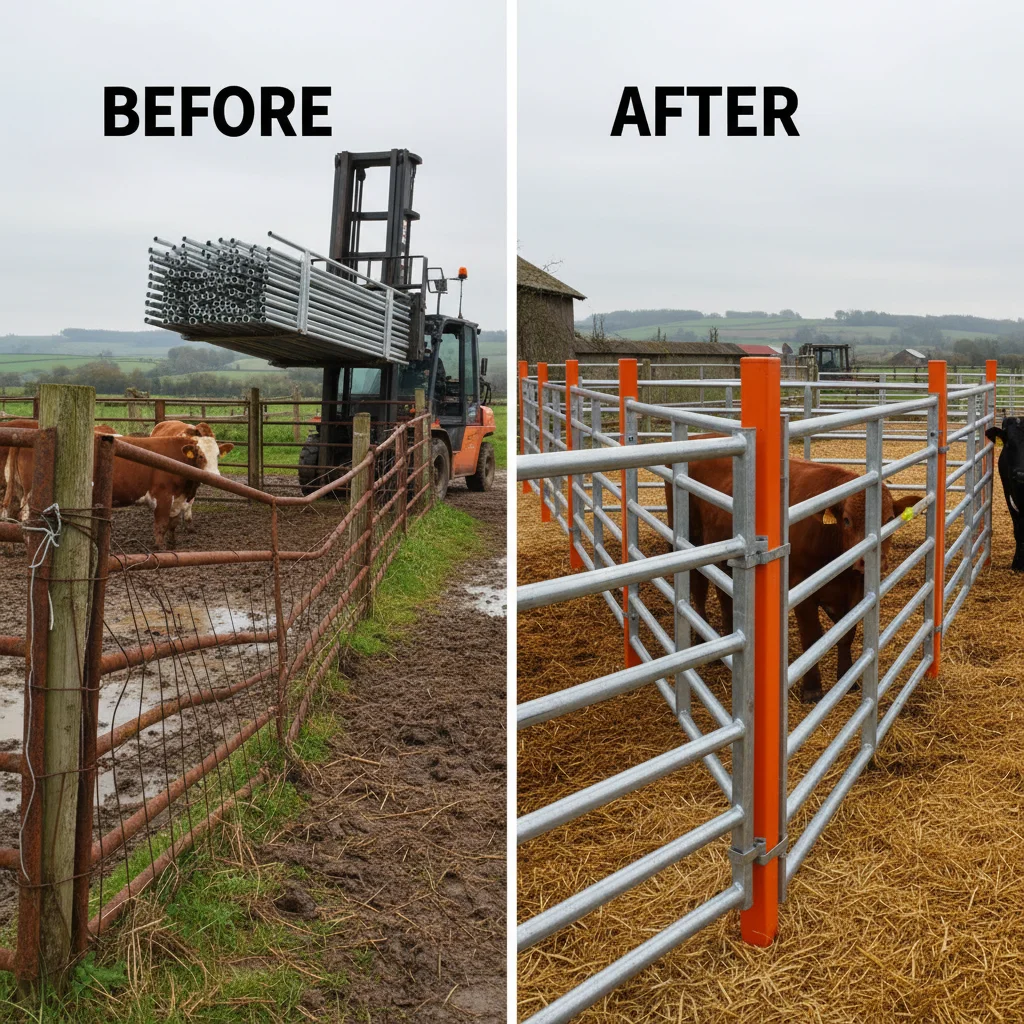
These panels are distinct from traditional fencing methods – such as barbed wire or electric fencing – in their durability, ease of installation, and enhanced animal safety. Unlike barbed wire, they pose a minimal risk of injury to animals. They connect easily, reducing installation time and labor costs compared to constructing traditional fences. This makes them increasingly popular in both commercial farming operations and smaller livestock holdings.
Their relevance extends beyond simply containing animals; they are integral to modern, humane livestock management practices. They contribute to efficient rotation grazing, improved animal welfare, and better overall farm organization. Their robust construction ensures longevity and reduces the need for frequent repairs, making them a sustainable long-term investment.
Key Factors and Core Components
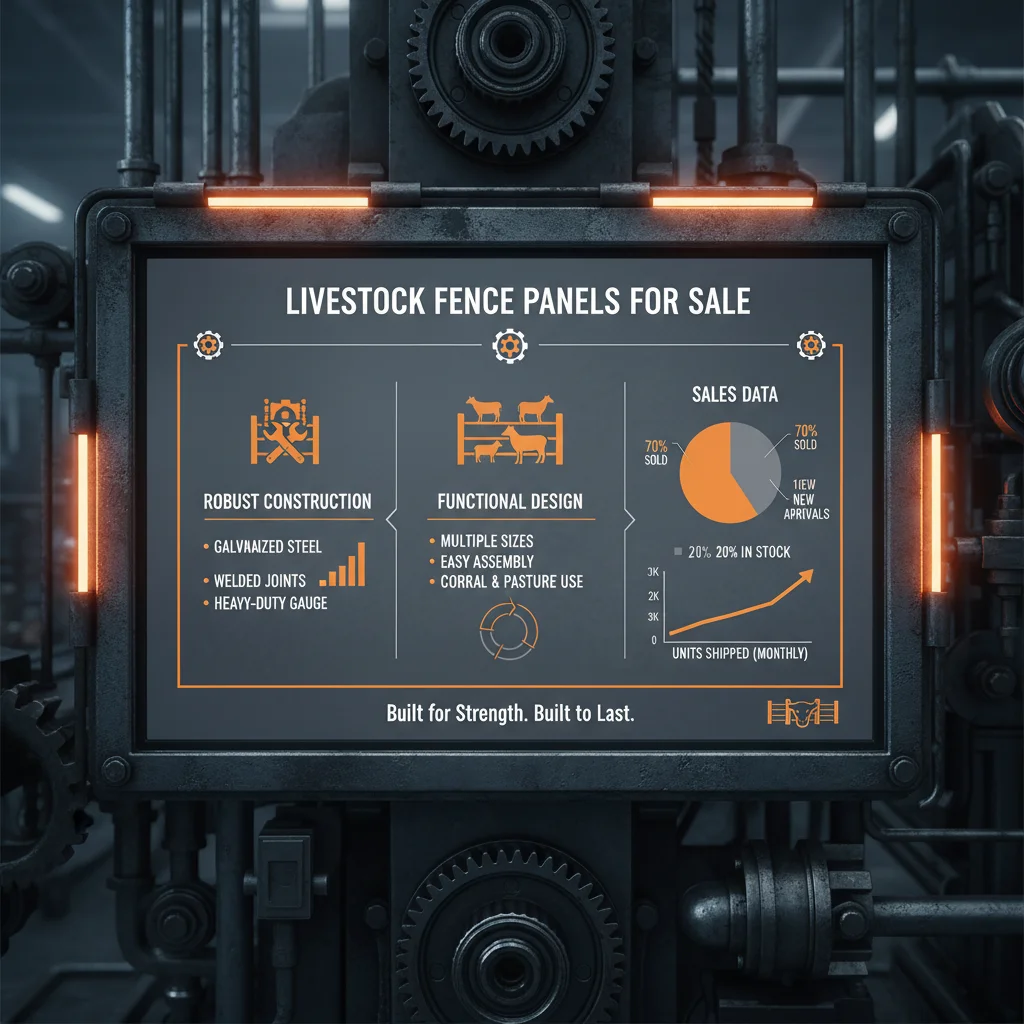
Durability is perhaps the most critical factor when considering wholesale livestock panels. The panels should be constructed from high-quality steel, typically galvanized to resist corrosion and withstand harsh weather conditions. The gauge of the steel – a measure of its thickness – directly impacts its strength and longevity. Panels designed for heavier livestock require a thicker gauge steel.
Scalability is another essential aspect. Wholesale livestock panels are designed for easy expansion or reconfiguration, allowing farmers to adapt their containment systems as their operations grow or their needs change. The modular nature of the panels simplifies the process of creating custom layouts to suit specific terrain or livestock requirements.
Cost Analysis of Different Wholesale Livestock Panels
Global Applications and Use Cases
Wholesale livestock panels find extensive application in commercial cattle ranches across North America, where large-scale containment is essential for efficient herd management. In Australia, they are vital for managing sheep and cattle in vast grazing lands, often in remote areas with limited access to traditional fencing materials.
In post-disaster relief operations, wholesale livestock panels can be rapidly deployed to create temporary holding pens for evacuated animals, providing a safe and secure environment during emergencies. They are also used in veterinary facilities and livestock auction yards for temporary containment during examinations or sales.
Furthermore, in remote industrial zones – such as mining operations in Africa – wholesale livestock panels are used to contain livestock for local communities, contributing to food security and supporting local economies. Their adaptability and ease of transport make them ideal for challenging environments.
Advantages and Long-Term Value
The cost-effectiveness of wholesale livestock panels is a primary advantage. Purchasing in bulk significantly reduces the per-unit cost compared to purchasing individual fencing sections. The durability of these panels translates to lower maintenance costs and a longer lifespan, further enhancing their long-term value. Sustainability is also a key benefit; the steel used in most panels is recyclable.
Beyond the tangible economic benefits, wholesale livestock panels contribute to animal welfare by providing a safe and secure containment environment. Reduced risk of injury from barbed wire or broken fencing promotes healthier livestock, leading to increased productivity. The ease of installation and reconfiguration fosters a safer working environment for farm personnel.
Future Trends and Innovations
Innovations in coating technology are leading to the development of even more corrosion-resistant panels, extending their lifespan and reducing maintenance needs. Smart fencing systems – integrating sensors and data analytics – are emerging, allowing farmers to remotely monitor fence integrity and animal behavior.
The integration of renewable energy sources, such as solar power, into fencing systems is another emerging trend, powering electric components and remote monitoring devices. Furthermore, advancements in materials science are exploring the use of alternative alloys – such as aluminum-steel composites – to create lighter-weight, yet equally durable, panels.
Challenges and Solutions
One common challenge is the risk of theft, particularly in rural areas. Solutions include using tamper-proof fasteners, implementing security measures such as surveillance cameras, and collaborating with local law enforcement. Another issue is the potential for ground settlement causing panels to become uneven or damaged. Proper site preparation and the use of adjustable posts can mitigate this risk.
Corrosion remains a significant concern, particularly in coastal or highly humid environments. Investing in high-quality galvanized or PVC-coated panels is crucial. Regular inspection and proactive maintenance, including the application of rust inhibitors, can further extend the lifespan of the panels.
Finally, ensuring proper installation is critical. Incorrectly installed panels are more susceptible to damage and failure. Hiring experienced fencing contractors or providing thorough training to farm personnel can address this issue.
Summary of Solutions for Common Wholesale Livestock Panel Challenges
| Challenge |
Severity Level (1-5) |
Proposed Solution |
Implementation Cost (USD) |
| Panel Theft |
3 |
Tamper-proof fasteners, Surveillance System |
200-1000 |
| Ground Settlement |
2 |
Adjustable Posts, Proper Site Preparation |
50-300 |
| Corrosion |
4 |
Galvanized or PVC-Coated Panels, Rust Inhibitors |
100-500 |
| Incorrect Installation |
3 |
Professional Installation or Comprehensive Training |
300-800 |
| Panel Damage from Livestock |
2 |
Reinforced Panels, Livestock Management Practices |
50-200 |
| Weather-Related Damage (High Winds) |
3 |
Wind-Resistant Panel Designs, Secure Anchoring |
100-400 |
FAQS
The lifespan of wholesale livestock panels varies depending on the materials used, environmental conditions, and maintenance practices. However, with proper care, galvanized steel panels can typically last 15-20 years, while PVC-coated panels may offer even longer durability. Regular inspection and maintenance are crucial for maximizing the lifespan of any fencing system.
The appropriate height of livestock panels depends on the species and size of the animals you're containing. For cattle, a minimum height of 5-6 feet is generally recommended. For sheep and goats, 4-5 feet is usually sufficient. Always consider the jumping ability of your livestock when selecting the panel height, and err on the side of caution.
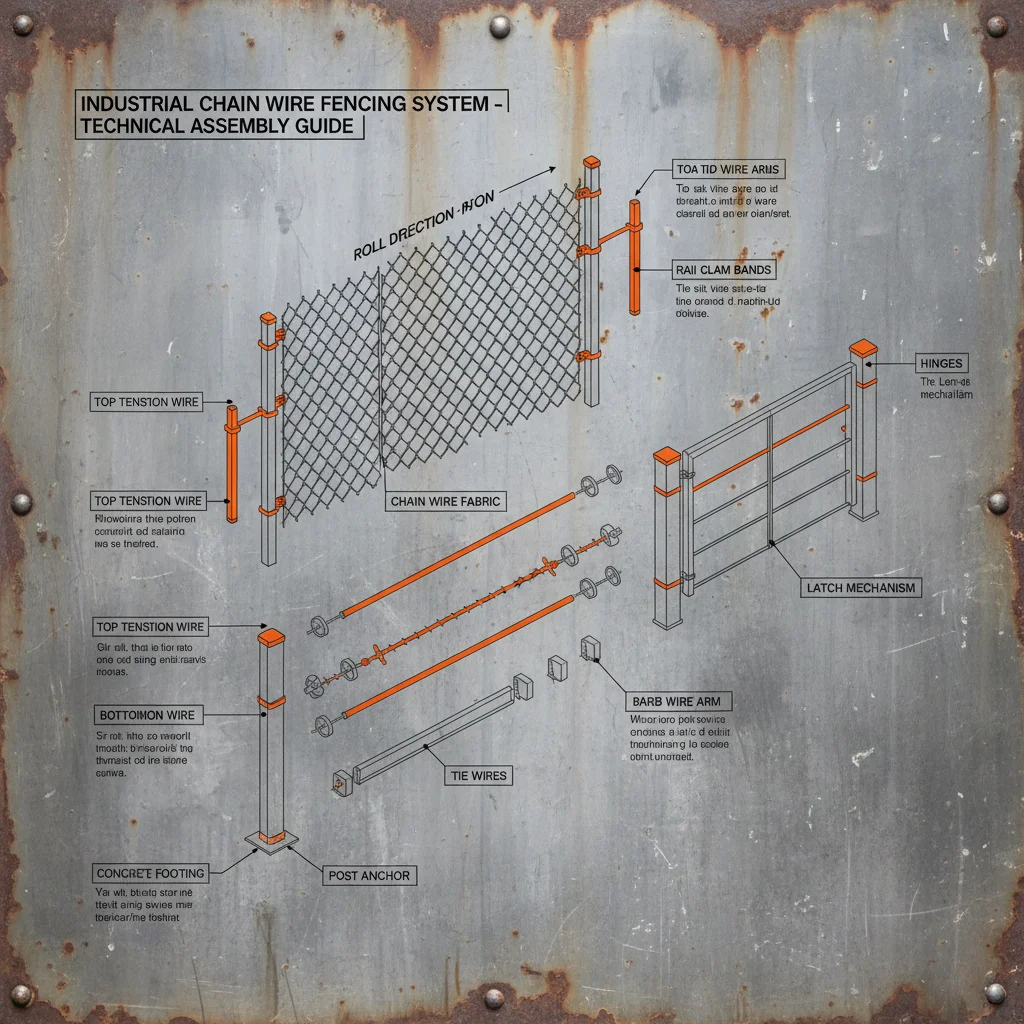
Wholesale livestock panels are designed for relatively easy installation, especially compared to traditional fencing methods. The modular design allows for quick assembly, and most panels require minimal digging or concrete work. However, proper post spacing and secure fastening are essential for a stable and durable fence. Professional installation is recommended if you lack experience.
Preventing corrosion on galvanized steel panels involves regular inspection and proactive maintenance. Remove any debris or vegetation that may trap moisture against the panels. Periodically apply a rust inhibitor or protective coating to exposed metal surfaces. For panels in coastal areas, consider using a heavier galvanization coating or opting for PVC-coated panels.
Wholesale livestock panels are versatile and can be used to contain a wide variety of livestock, including cattle, sheep, goats, horses, pigs, and even poultry (with appropriate modifications). The panel type and height should be selected based on the specific species and their behavior to ensure adequate containment and animal welfare.
Yes, wholesale livestock panels offer a degree of customization. Adjustable hinges and gate attachments allow for adaptation to varying terrain. Panels can be cut and modified to fit specific angles or curves, but it’s crucial to maintain structural integrity. Utilizing different panel lengths and configurations provides flexibility in challenging landscapes.
Conclusion
In conclusion, wholesale livestock panels represent a vital component of modern animal husbandry, offering a robust, cost-effective, and scalable solution for livestock containment. Their increasing demand is driven by the global need for efficient farming practices, improved animal welfare, and enhanced biosecurity. Understanding the key factors influencing panel selection, installation, and maintenance is critical for maximizing their long-term value.
Looking ahead, innovations in materials science and smart fencing technology promise to further enhance the performance and sustainability of wholesale livestock panels. By embracing these advancements and prioritizing best practices, farmers and agricultural businesses can ensure the continued success and resilience of their operations. To explore our wide range of high-quality wholesale livestock panels, visit our website: wholesale livestock panels.