
temporary fence panel manufacturers
  • home
  • Top Blog
  • Comprehensive Guide to Wire Fencing Supplies for Security and Agricultural Applications
0%

Table of Contents

Wire fencing supplies are crucial components in a vast array of applications, ranging from agricultural containment and property demarcation to high-security perimeters and critical infrastructure protection. Their importance stems from the inherent need for controlled access, asset security, and boundary definition across diverse sectors globally. Understanding the nuances of different wire fencing supplies – materials, construction methods, and applications – is paramount for effective and long-lasting solutions.

The global market for wire fencing supplies is substantial and growing, driven by factors such as increasing population density, heightened security concerns, and the expansion of agricultural activities. Data from the UN estimates that over half the world’s population lives in urban areas, increasing the demand for secure boundaries and controlled access. Furthermore, organizations like the World Bank emphasize the importance of secure land ownership and agricultural practices, both of which heavily rely on effective fencing solutions. This underscores the vital role of wire fencing supplies in both economic development and social stability.

Addressing challenges related to theft, property damage, and unauthorized access, quality wire fencing supplies provide a cost-effective and reliable barrier solution. This is particularly relevant in regions prone to political instability or where robust security is essential for protecting valuable assets. Investing in appropriate wire fencing supplies isn’t simply about building a fence; it’s about safeguarding livelihoods, protecting communities, and fostering a more secure environment.
wire fencing supplies

Introduction to Wire Fencing Supplies
wire fencing supplies

Wire fencing supplies encompass a diverse range of materials and construction techniques used to create barriers for various purposes. These supplies are foundational to numerous industries, including agriculture, security, construction, and wildlife management. The choice of appropriate wire fencing supplies depends heavily on the specific application, environmental conditions, and budgetary constraints.

From simple barbed wire to sophisticated woven wire and chain-link fencing, the options are extensive. Quality wire fencing supplies offer a blend of durability, cost-effectiveness, and ease of installation, making them a preferred choice over alternative barrier materials in many scenarios. Understanding the different types of wire fencing available is the first step towards making an informed decision.

Defining Wire Fencing Supplies

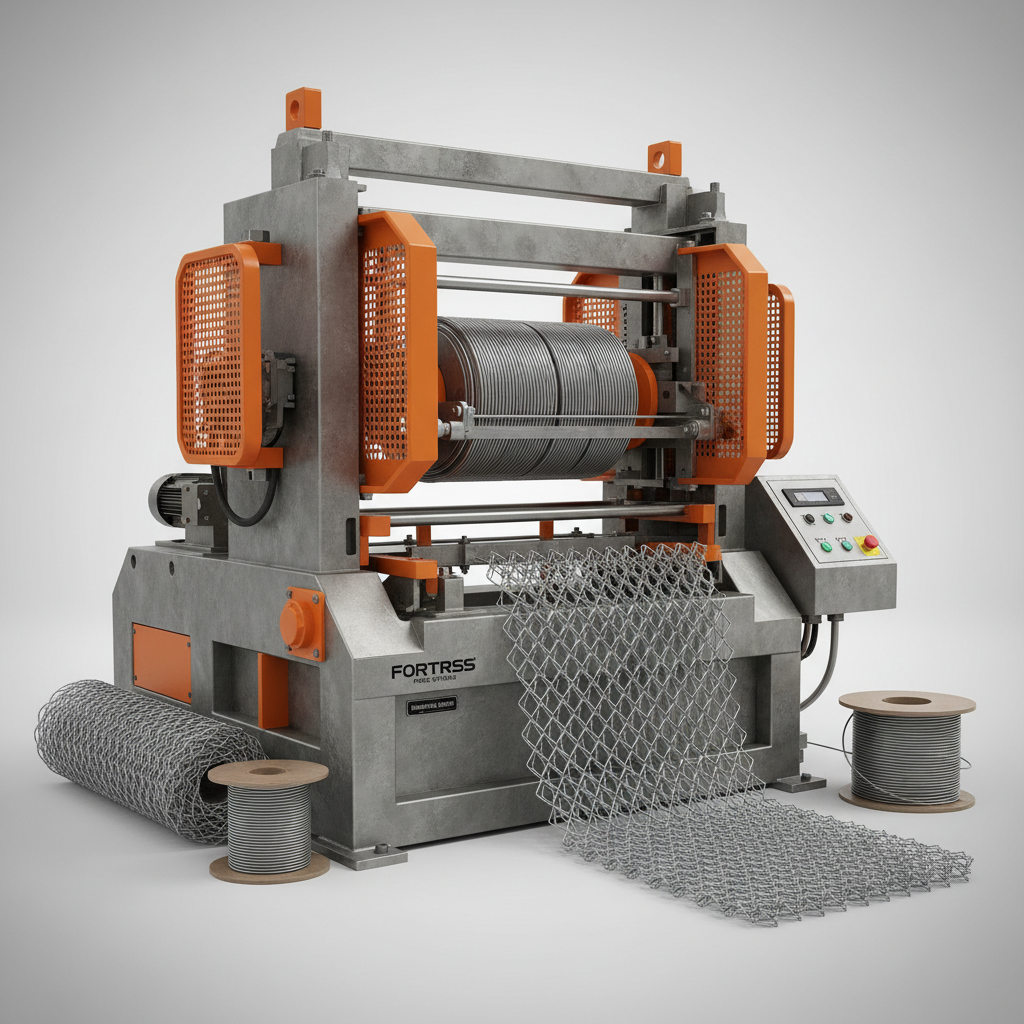
Wire fencing supplies, at their core, consist of metal wires woven, welded, or twisted together to create a barrier. This barrier serves to contain livestock, delineate property lines, provide security against intruders, or protect sensitive areas. The term "supplies" extends beyond just the wire itself to include posts (wood, metal, or composite), fasteners, tensioners, gates, and other hardware necessary for a complete installation.

In a modern industrial context, wire fencing supplies are integral to securing critical infrastructure such as power plants, communication towers, and transportation hubs. They also play a crucial role in humanitarian aid efforts, providing temporary enclosures for refugee camps or disaster relief sites.

The evolution of wire fencing supplies reflects advancements in materials science and manufacturing techniques, leading to more durable, corrosion-resistant, and aesthetically pleasing options. This continuous innovation ensures that wire fencing remains a relevant and effective solution for a wide range of applications.

Core Components of Effective Fencing

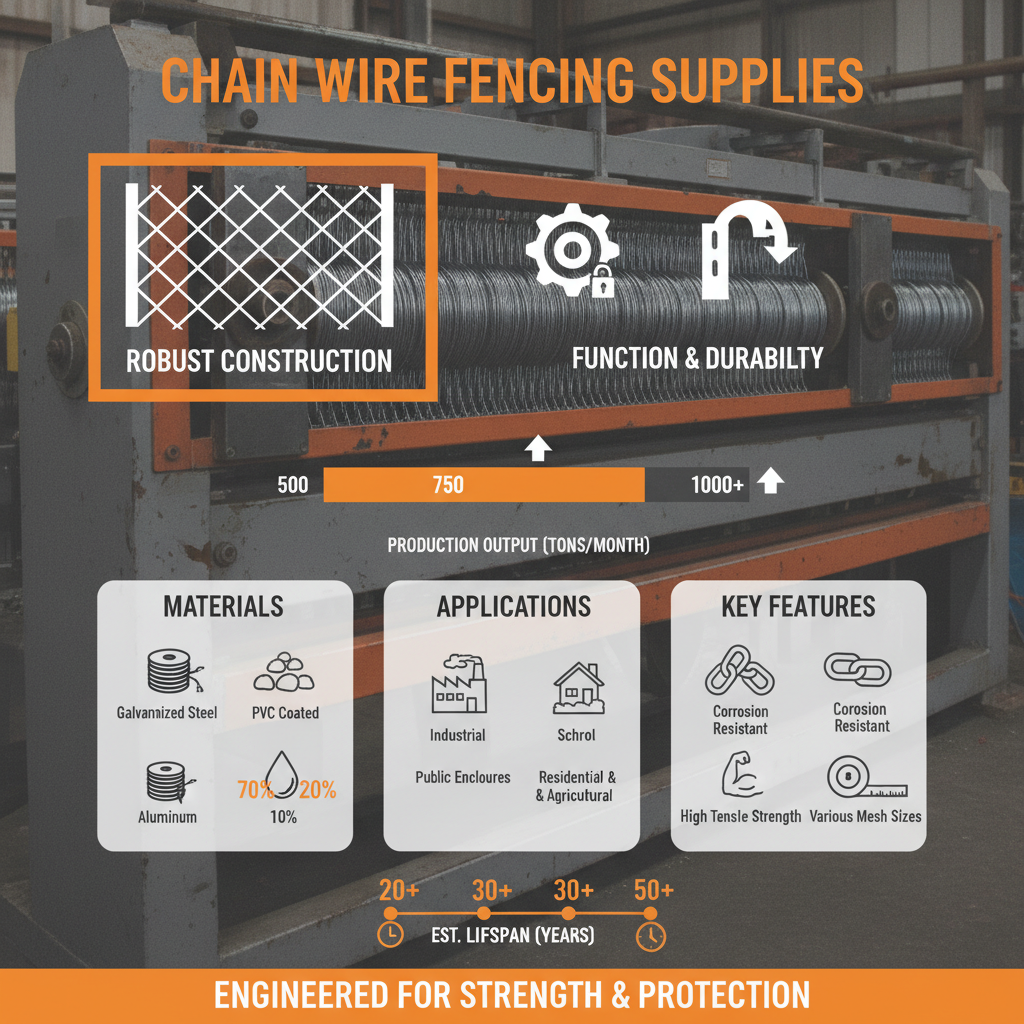
Durability is a paramount factor in assessing the quality of wire fencing supplies. The resistance of the wire to corrosion, tensile strength, and overall lifespan are all critical considerations, particularly in harsh environmental conditions. Galvanized steel, stainless steel, and PVC-coated wires are commonly used to enhance durability and extend the service life of the fence.

Scalability refers to the ability to adapt the fencing system to varying terrain and specific requirements. Modular designs and adjustable components allow for flexible installation on uneven ground or around obstacles. The ability to easily expand or modify the fence line is also a key aspect of scalability, catering to changing needs over time.

Cost efficiency is a significant driver in the selection of wire fencing supplies. While high-quality materials may have a higher upfront cost, they often offer long-term savings through reduced maintenance, repair, and replacement expenses. Considering the total cost of ownership, rather than just the initial price, is crucial for making a sound investment.

Practical Applications of Wire Fencing

In agriculture, wire fencing supplies are essential for containing livestock, preventing crop damage from wildlife, and defining property boundaries. Different types of fencing, such as woven wire, barbed wire, and electric fencing, are chosen based on the specific animals being contained and the level of security required. Properly installed fencing protects valuable agricultural assets and ensures efficient farm operations.

Within the security sector, chain-link fencing, barbed wire, and razor wire are widely used to create perimeter security for industrial sites, government facilities, and residential properties. These materials provide a robust barrier against unauthorized access and deter potential intruders.

Wire Fencing Supplies - Method Comparison

Advantages and Long-Term Value

Cost-effectiveness is a primary advantage of wire fencing supplies, especially when compared to more substantial barrier options like concrete walls. The relatively low material and installation costs make it accessible to a wider range of users. Furthermore, the long lifespan of quality wire fencing, with proper maintenance, contributes to significant long-term savings.

From a sustainability perspective, many wire fencing components are recyclable, reducing their environmental impact. The ability to repurpose or recycle fencing materials at the end of their useful life promotes responsible resource management and minimizes waste.

Future Trends in Wire Fencing Technology

Smart fencing systems, incorporating sensors and data analytics, are an emerging trend in wire fencing supplies. These systems can detect breaches, monitor environmental conditions, and provide real-time alerts to security personnel, enhancing protection and responsiveness. The integration of IoT (Internet of Things) technology is driving this innovation.

New materials with enhanced corrosion resistance and strength are also being developed. These materials, such as high-tensile steel alloys and advanced polymer coatings, promise to extend the lifespan of wire fencing and reduce maintenance requirements.

Increased focus on sustainable manufacturing processes and the use of recycled materials will further contribute to the environmental friendliness of wire fencing supplies. Consumers and businesses are increasingly demanding eco-friendly solutions, driving innovation in this area.

Challenges and Innovative Solutions

Corrosion remains a significant challenge for wire fencing supplies, particularly in coastal environments or areas with high humidity. Innovative solutions, such as advanced galvanizing techniques, polymer coatings, and the use of corrosion-resistant alloys, are being employed to mitigate this issue.

Theft of wire fencing materials is another common problem, especially in rural areas. Marking fencing with unique identifiers, implementing security measures, and using tamper-resistant fasteners can help deter theft and facilitate recovery of stolen materials.

Maintaining the tension and integrity of wire fencing over time can be labor-intensive. Developing more robust tensioning systems and exploring automated inspection and maintenance technologies are areas of ongoing research and development.

Summary of Challenges and Solutions in Wire Fencing Supplies

Challenge Impact Solution Cost Estimate (1-10)
Corrosion Reduced lifespan, weakened structure Advanced galvanization, polymer coatings 7
Theft Financial loss, security breaches Marking, tamper-resistant fasteners 5
Tension Loss Sagging, reduced effectiveness Robust tensioning systems 6
Damage from Wildlife Breaches, livestock escape Increased fence height, specialized wire 4
Installation Complexity Increased labor costs, potential errors Pre-fabricated fencing panels, skilled installers 3
Environmental Impact Resource depletion, waste generation Recycled materials, sustainable manufacturing 8

FAQS

What is the most durable type of wire fencing for coastal environments?

For coastal environments, stainless steel wire fencing is the most durable option due to its exceptional corrosion resistance. While more expensive than galvanized steel, it significantly outperforms it in saline conditions, preventing rust and extending the lifespan of the fence. PVC coating over stainless steel offers an additional layer of protection and can improve aesthetic appeal. Considering the long-term cost savings, stainless steel often proves to be the most economical choice in these challenging environments.

How often should wire fencing be inspected and maintained?

Wire fencing should be inspected at least twice a year – once in the spring and once in the fall. Look for signs of corrosion, damage from animals or weather, loose wires, and sagging sections. Regular maintenance, such as tightening loose wires, repairing damaged sections, and applying corrosion inhibitors, can significantly extend the life of the fence. Promptly addressing small issues prevents them from escalating into costly repairs or complete replacement.

What is the difference between barbed wire and razor wire?

Both barbed wire and razor wire are designed for security, but they differ in their construction. Barbed wire has barbs spaced along the wire, while razor wire features sharp, blade-like protrusions. Razor wire offers a higher level of security due to its more aggressive deterrent effect. However, it’s also more dangerous to handle and requires more stringent safety precautions during installation and maintenance. Barbed wire is a more common and affordable option for general perimeter security.

How can I prevent animals from digging under wire fencing?

To prevent animals from digging under wire fencing, consider extending the fence line underground by at least 6-12 inches, or installing an apron of wire mesh extending outwards from the base of the fence. A concrete footing can also be used. Regularly inspecting the base of the fence for digging attempts and repairing any breaches promptly is crucial. For particularly determined diggers, adding an electric wire near the ground can be an effective deterrent.

What are the best wire fencing supplies for containing large livestock like cattle?

For containing large livestock like cattle, woven wire fencing with graduated openings is generally the best option. The graduated openings prevent animals from getting their heads stuck. High-tensile wire with closely spaced horizontal wires provides additional strength and security. Proper post spacing and anchoring are essential for creating a robust and reliable containment system. Electric fencing can be used as a supplementary deterrent to prevent animals from challenging the fence line.

Are there eco-friendly options for wire fencing?

Yes, there are increasingly eco-friendly options available. Choosing wire fencing made from recycled materials reduces the demand for new resources. Look for manufacturers that prioritize sustainable manufacturing processes and minimize waste. Using biodegradable posts made from wood or composite materials can also reduce the environmental impact. Properly maintaining and repairing fencing to extend its lifespan also contributes to sustainability by reducing the need for frequent replacements.

Conclusion

Wire fencing supplies remain an indispensable component of modern infrastructure, agriculture, and security systems. Their versatility, cost-effectiveness, and continuous innovation ensure their relevance in a rapidly changing world. Understanding the core components, practical applications, and future trends of wire fencing allows for informed decision-making and optimized solutions across a diverse range of industries.

Investing in quality wire fencing supplies isn’t simply about erecting a barrier; it’s about safeguarding assets, protecting communities, and ensuring long-term sustainability. By staying abreast of emerging technologies and adopting responsible practices, we can maximize the benefits of wire fencing while minimizing its environmental impact. Visit our website at www.haotianmesh.com to explore our comprehensive range of wire fencing supplies and find the perfect solution for your needs.

Michael Brown

Michael Brown

Michael Brown is a seasoned Export Manager at Anping Haotian, focusing on the US and Canadian markets. With over a decade of experience in international trade, Michael ensures smooth and efficient delivery of Haotian’s wire mesh products to customers across North America. He manages logistics, documentation, and compliance, adhering to all relevant regulations. He understands the importance of integrity and clear communication, fostering strong relationships with freight forwarders and customs brokers. Michael is instrumental in maintaining Haotian’s reputation for reliable export service.
Previous Comprehensive Guide to High Tensile Fence Supplies for Security and Agriculture
Next Comprehensive Guide to Chain Mesh Fencing Supplies and Global Applications

If you are interested in our products, you can choose to leave your information here, and we will be in touch with you shortly.