


Making Sense of Canada Temporary Fence
If you're buying barriers for a job site, you’ll run into the canada temporary fence early and often. I’ve been on a few sites (and argued with a few project managers), so here’s a practical, insider take — technical but readable, a bit opinionated, and intended to help you choose wisely.
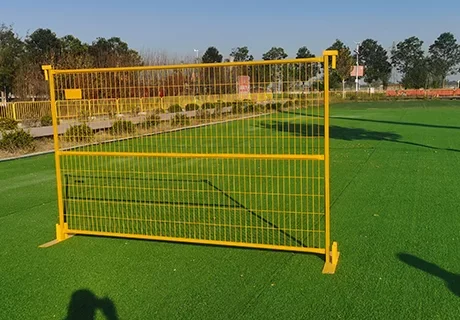
What it is — quick tech overview
In short: welded wire panels welded to perimeter frames, often hot-dip galvanized then powder-coated. Materials are typically low-carbon steel, frames 25–30mm square tube, and middle posts 20–25mm. The obvious advantages are speed, reusability, and relatively low cost for crowd control, site safety, and temporary containment.
Typical specifications (popular sizes)
Parameter | Value (≈) |
Wire diameter | 3.00–5.00 mm |
Mesh opening | 50×100 mm, 50×150 mm |
Height | ≈ 4'–8' |
Width | ≈ 9'–12' |
Frame / middle pole | Outside: 25×25 or 30×30 mm; Middle: 20×20 or 25×25 mm |
Colors | Yellow, grass green, dark green, blue, red (powder coat) |
Materials, methods & testing
Process flow: steel wire → roll-form and weld mesh → weld to perimeter tube → hot-dip galvanize (ASTM A123 or equivalent) → optional powder coat. Testing commonly includes salt spray (ASTM B117) for coating durability, weld inspection (CSA W59 / EN welding guidelines), and dimensional/tensile checks (real-world use may vary).
Typical test datapoints you can ask for: coating thickness ≈ 60–120 µm (galvanize + powder), salt spray resistance ≈ 240–480 hrs without significant white rust, and weld pull tests to industry norms. Lifetime: with good coating, expect roughly 8–15 years outdoors (depends on environment).
Where it’s used (scenarios)
Construction hoarding, event perimeter, crowd control, utility works, erosion control staging, and temporary animal containment. Many customers say it’s indispensable for short-term projects — and surprisingly adaptable when customized.
Vendor comparison (quick)
Vendor | Price (≈) | Lead time | Certs / Notes |
≈ low–mid | ≈ 2–6 weeks | ISO 9001, galvanize & powder coat options | |
Vendor B (regional) | ≈ mid | ≈ 1–3 weeks | Quick local service, limited finish options |
Vendor C (premium) | ≈ high | ≈ 3–8 weeks | Custom coatings, extended warranties |
Customization is straightforward: heights, mesh opening, extra visibility slats, or branded panels. For heavy-wind sites ask for wind-load calculations (temporary panels are light; bases and anchoring matter).
Case study snapshot
A municipal road project used canada temporary fence panels with powder coat and concrete bases. Result: faster mobilization, fewer thefts (panels were chained), and panels lasted an extra season vs. bare-galvanized (surprisingly lower lifecycle cost).
To be honest, there’s no one-size-fits-all. But if you check coating thickness, ask for salt-spray test reports, confirm weld standards, and match base/anchoring to local wind, you’ll avoid most headaches.
1. Haotian Mesh product page — canada temporary fence: https://www.haotianmesh.com/product/canada-temporary-fence.html
2. ASTM B117 — Salt Spray (Fog) Testing standard (ASTM Intl.)
3. ASTM A123 / ISO-equivalent — Hot-Dip Galvanizing standards
4. CSA W59 / EN welding guidelines for structural welds
-
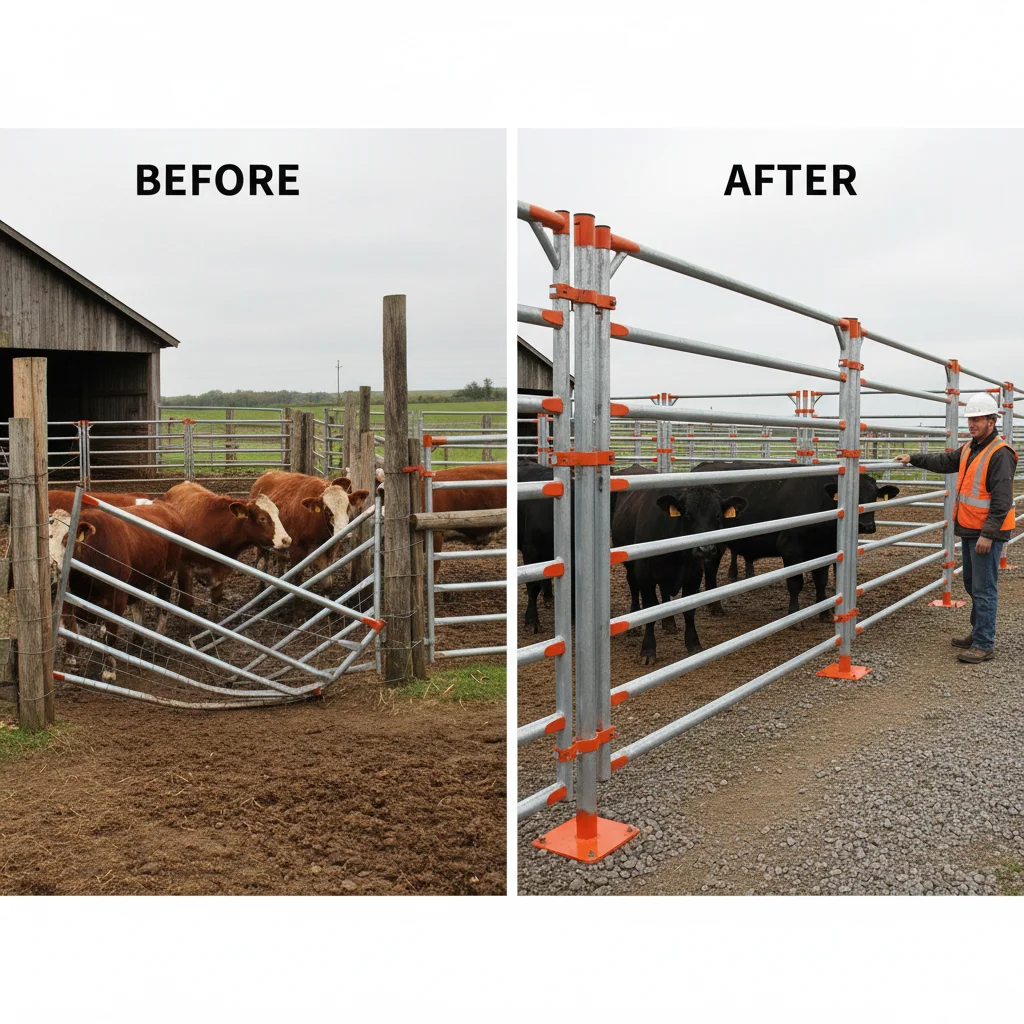
Durable Freestanding Livestock Panels for Efficient Animal Handling In the demanding world of agricultural management, the need for flexible and robust containment solutions has never been more critical. freestanding livestock panels offer a sophisticated answer to the challenges of animal handling, providing a secure yet adaptable barrier that does not require permanent installation or deep grounding. By allowing farmers and ranchers to redefine their spatial layouts in minutes, these panels maximize the efficiency of existing infrastructure while ensuring the safety of both the handlers and the livestock. Read More >26 Apr, 17
-
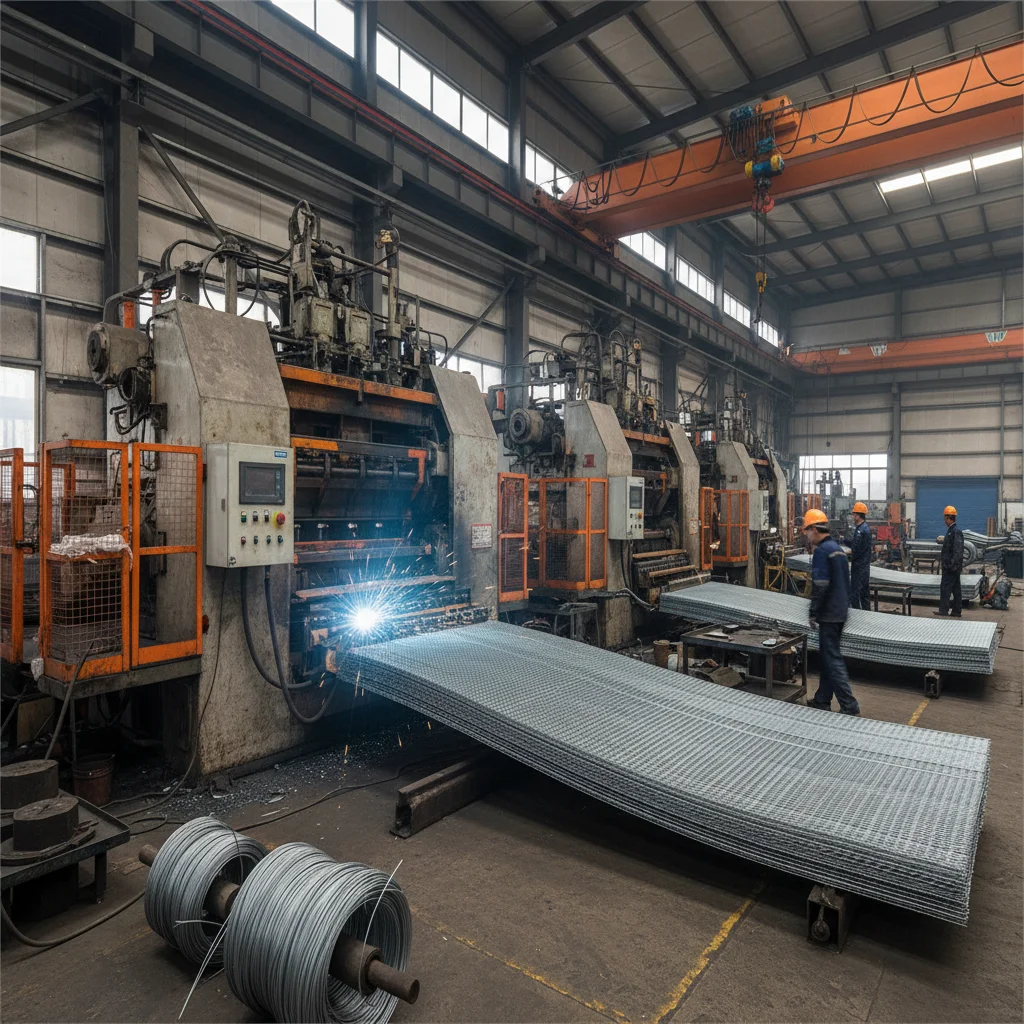
Professional Galvanized Welded Mesh Factory for Industrial Projects Finding a reliable galvanized welded mesh factory is critical for ensuring the structural integrity and longevity of your industrial or agricultural installations. Galvanized welded mesh is prized for its exceptional strength and resistance to corrosion, making it the go-to choice for fencing, animal cages, and construction reinforcement. However, not all factories adhere to the same quality standards. Whether you are sourcing for a large-scale infrastructure project or a specialized commercial application, understanding the manufacturing process and quality benchmarks is key to making a cost-effective investment that lasts for decades. Read More >26 Apr, 16
-
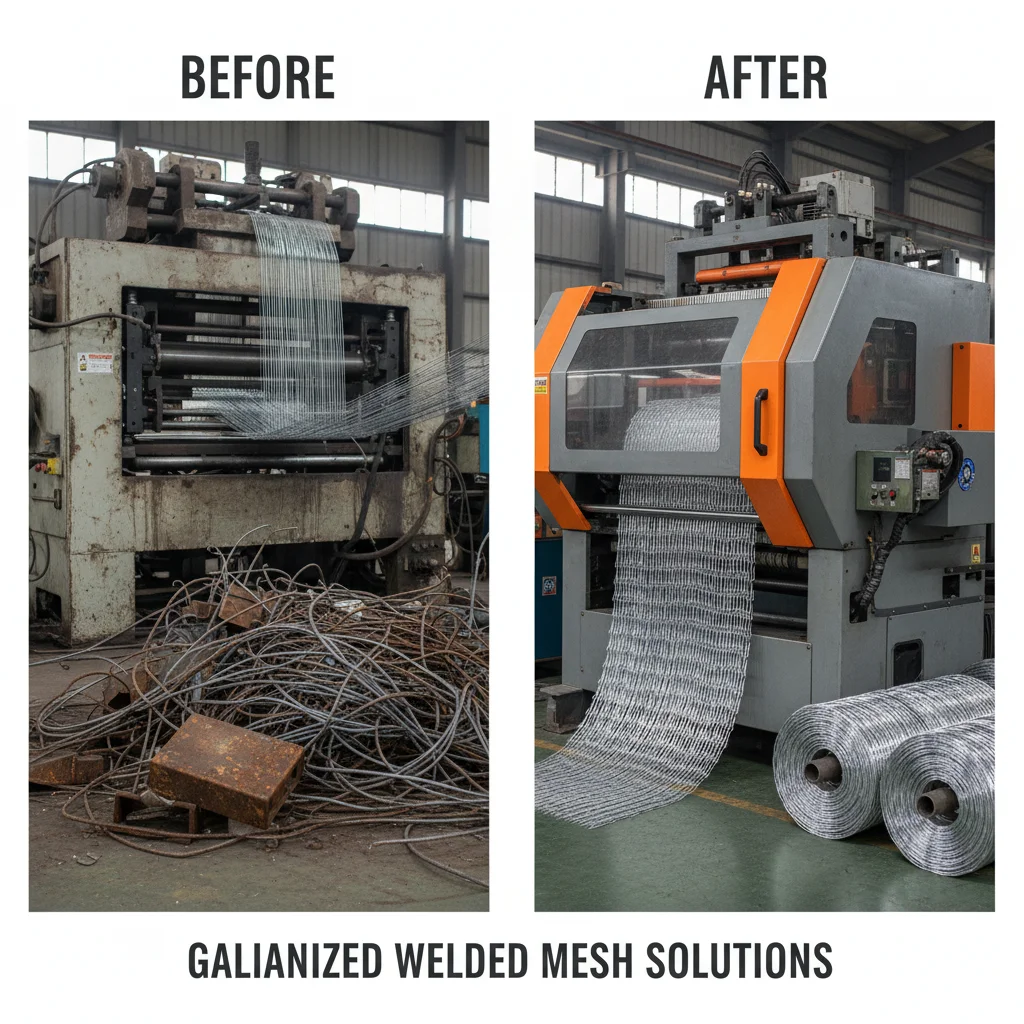
Professional Galvanized Welded Mesh Exporter for Quality Projects Selecting a high-quality fencing or screening solution requires more than just picking a product; it requires partnering with a reliable galvanized welded mesh exporter who understands the balance between structural integrity and corrosion resistance. Whether you are securing an industrial perimeter, building animal enclosures, or implementing architectural reinforcements, the quality of the galvanization process determines the lifespan of your installation. In this guide, we will explore the technical advantages of galvanized welded mesh and how to identify a global supplier that meets international quality standards to ensure your investment stands the test of time. Read More >26 Apr, 09
-
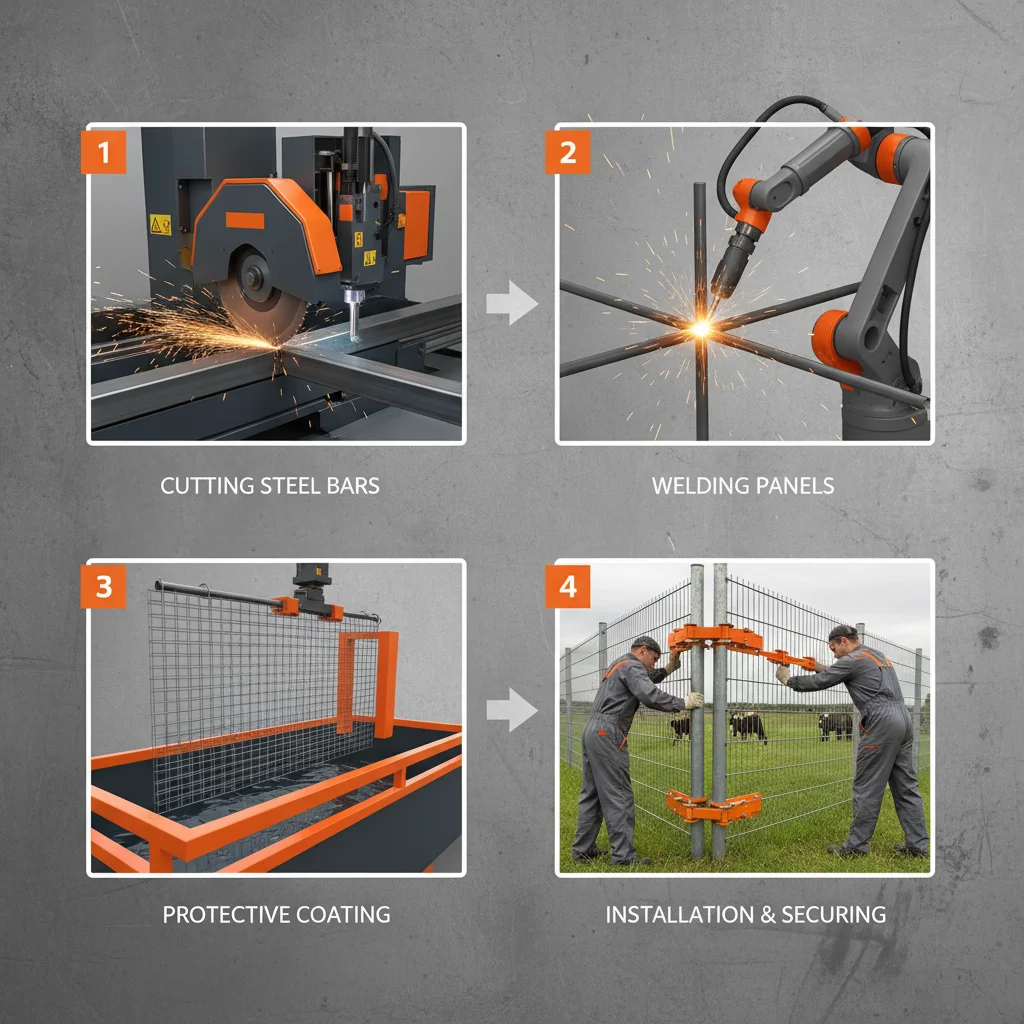
Essential Fencing Panels for Livestock Management and Farm Productivity Fencing panels for livestock are essential components in modern animal husbandry, playing a critical role in efficient farm management, animal welfare, and land utilization. Globally, the demand for robust and reliable fencing solutions is increasing due to the expanding livestock industry and the need to protect grazing lands from encroachment and predation. These panels aren’t simply barriers; they represent a vital investment in a farm's productivity and the health of its animals. Read More >26 Apr, 08
If you are interested in our products, you can choose to leave your information here, and we will be in touch with you shortly.


