


Comprehensive Guide to Mesh Compound Fencing: Benefits, Uses, and Industry Insights
Mesh Compound Fencing: What It Is and Why It Matters Globally
Mesh compound fencing might sound like just another industrial term, but it’s actually central to how facilities, construction sites, and even humanitarian operations secure their perimeters around the world. Simply put, mesh compound fencing is a type of fencing made from interconnected metal wires forming a mesh pattern, creating a barrier that's transparent yet strong. Why should you care? Because in an increasingly security-conscious and environmentally sensitive world, mesh fencing offers a smart balance—allowing visibility while providing robust protection, often at a fraction of the cost and environmental footprint compared to traditional walls or solid barriers.
Understanding mesh compound fencing is essential for industries from manufacturing to disaster relief, and even urban planning. It’s a practical tool that helps keep assets safe, protects lives, and sometimes even preserves wildlife habitats by minimizing impact. So, whether you’re managing a facility, running a construction project, or supporting humanitarian efforts, grasping the nuances of mesh compound fencing can genuinely shift how you approach your fencing needs.
Global Relevance of Mesh Compound Fencing
The global fencing market is booming, driven by rising security awareness and rapid urbanization. According to recent UN and ISO reports, industries worldwide face increasing challenges to protect sites without causing environmental harm or obstructing community interactions. That’s where mesh compound fencing steps in with real-world solutions. It’s estimated the global fencing market will surpass USD 20 billion by 2028, with mesh fences leading in demand for their mix of strength and sustainability.
Frankly, as security regulations tighten and development spreads to previously undeveloped areas, finding fencing that balances cost, durability, and environmental friendliness becomes more than a luxury—it’s a necessity. And mesh fencing fits the bill.
What Is Mesh Compound Fencing?
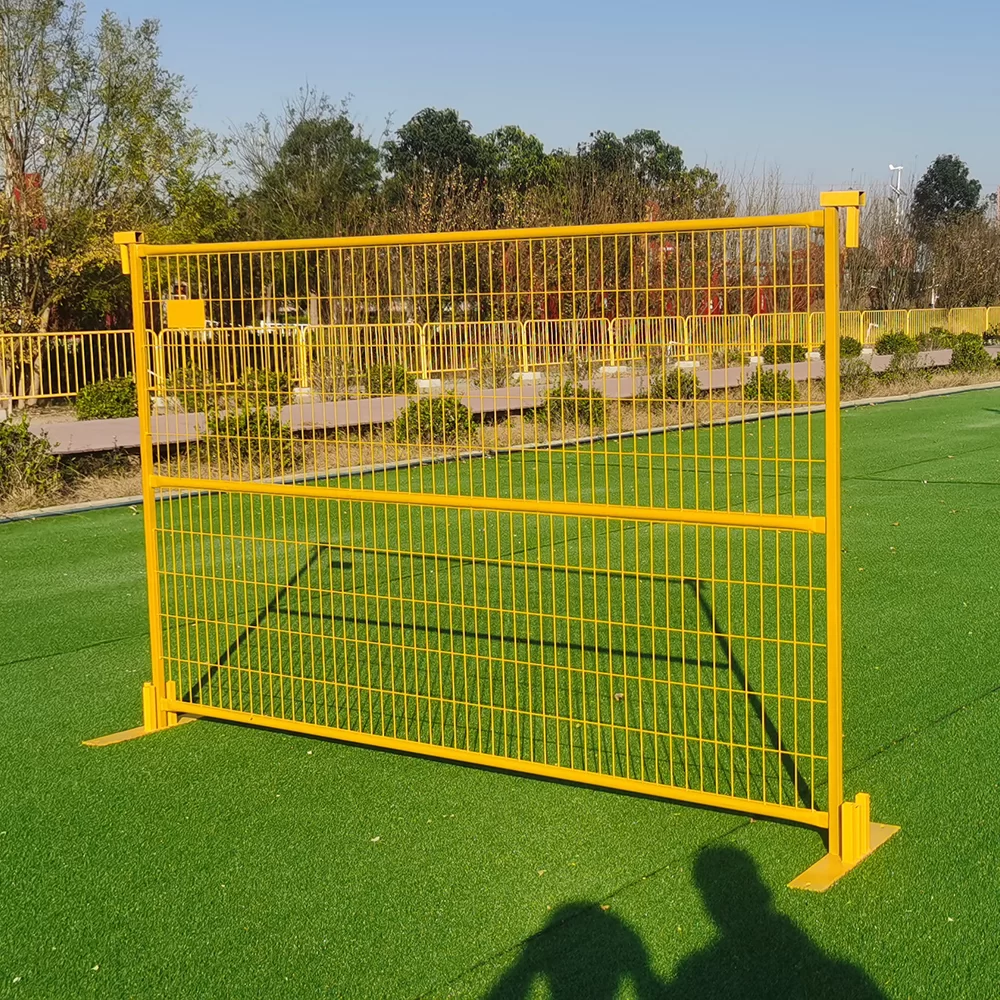
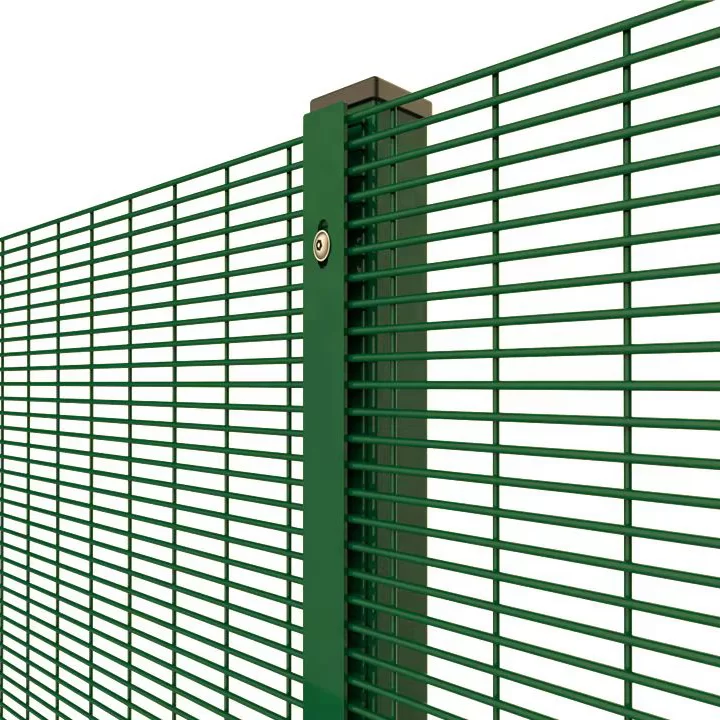
At its core, mesh compound fencing is a fence composed of metal wires—typically galvanized steel—woven or welded into a grid or diamond-patterned mesh. This mesh is then formed into panels or rolls and fixed onto support posts, which could be steel or concrete, depending on application.
This fencing type offers a semi-transparent barrier: you can see through it, which aids surveillance and monitoring, but it still makes unauthorized entry extremely tough. It’s a staple for everything from industrial compounds to military bases and temporary sites. In humanitarian contexts, such fencing aids in setting up secure camps for displaced persons, giving a measure of security and privacy while maintaining airflow and visibility.
Key Factors of Mesh Compound Fencing
Durability
The metal used is almost always galvanized or coated with PVC to prevent rust and degradation, which ensures fencing can last for decades even under harsh weather conditions. Many engineers highlight this longevity as critical, especially in coastal or high-humidity areas.
Scalability & Modularity
One big advantage of mesh fencing is how modular it is—you can easily add panels, dismantle, or relocate the fencing. This is a huge win for sectors where needs frequently change, like construction or events. The fencing adapts rather than locks you into a permanent structure.
Cost Efficiency
Compared to brick or concrete walls, mesh fencing is significantly cheaper to install and maintain. Materials are lighter, fewer specialized labor skills are required, and repairs are straightforward. This matters for budget-conscious organizations and governments.
Visibility and Security
The see-through design not only permits easy monitoring but also reduces the prison-like atmosphere. This transparency can foster a sense of openness and safety, which is often underestimated.
Environmental Impact
Fences of solid materials can interrupt animal migration or water flow, but mesh fencing’s minimal footprint and permeability mitigate these concerns, aligning with sustainability goals many organizations now prioritize.
Product Specifications: Typical Mesh Compound Fencing Panel
| Specification | Details |
|---|---|
| Material | Galvanized steel (optionally PVC coated) |
| Mesh Type | Welded or woven wire mesh, 50x50 mm aperture typical |
| Panel Size | 2m high x 2.5m wide (customizable) |
| Wire Diameter | 3.0 - 4.0 mm |
| Post Type | Steel tubular posts with concrete footings |
| Finish | Zinc galvanized or PVC coated |
Global Applications and Real-World Use Cases
Mesh compound fencing pops up in some fascinating and varied places. For instance, post-disaster relief efforts often use portable mesh fences to quickly secure camps providing refuge for thousands. Agencies like the UNHCR depend on fencing that’s durable yet quick to install.
In industrial contexts, companies in mining, manufacturing, and energy sectors rely on mesh fencing to protect sites in remote or hostile environments. In parts of Africa and Asia, it’s the go-to barrier because it stands strong against corrosion and is easy to maintain.
Even in urban planning, municipal authorities employ mesh compound fencing around parks, schools, and public spaces to fulfill safety mandates while maintaining visibility. It’s a versatile tool.
Vendor Comparison: Leading Providers of Mesh Compound Fencing
| Vendor | Material Quality | Customization | Price Range | Lead Time |
|---|---|---|---|---|
| HaoTian Mesh Co. | Galvanized + PVC coated high-grade steel | Highly customizable sizes and coatings | Mid-range | 2-4 weeks |
| GlobalFence Ltd. | Standard galvanized steel | Limited | Low-range | 1-3 weeks |
| SecureMesh International | Premium stainless options available | Moderate | High-end | 3-6 weeks |
Advantages and Long-Term Value of Mesh Compound Fencing
The benefits of mesh fencing are a mixture of tangible savings and intangible peace of mind. You spend less on installation and upkeep, but you also get a fence that doesn’t look forbidding—it encourages community safety rather than isolation.
Plus, there’s a sustainability angle: fewer raw materials than concrete or brick walls, plus recyclability at end-of-life, help reduce environmental footprints. Socially, it supports safe zones without turning spaces into fortress compounds, which can psychologically impact communities.
Future Trends & Innovations in Mesh Compound Fencing
Innovation isn’t standing still here. New materials like composite polymer-coated meshes combine strength with lightness and corrosion resistance. There’s also digital transformation with fencing that integrates sensors and IoT devices—imagine a mesh fence that alerts security instantly if breached.
Green coatings that reduce heat absorption and solar-powered lighting attached to fences are emerging, too. This makes mesh fencing not just a passive barrier but an active component of secure, sustainable infrastructure.
Challenges and Solutions
One common challenge is vandalism or cutting tools—though mesh fencing is hard to climb, wires can be cut if inexperienced installers don’t include deterrence features. Solutions? Reinforced wire diameters, alarm integrations, and design tweaks like angled tops that impede climbing.
Weather conditions, like salt spray near seas, also take a toll. Choosing proper galvanization and maintenance schedules helps tremendously.
FAQ: Frequently Asked Questions About Mesh Compound Fencing
- Q1: How quickly can mesh compound fencing be installed on a large site?
A: When following best practices, installation can occur in 1–3 days for up to 100 meters with a skilled crew and pre-fabricated panels. Modular design speeds this up compared to traditional fences. - Q2: Can mesh fencing withstand extreme weather?
A: Yes, especially when galvanized and PVC coated. It resists rusting and maintains structural integrity in wind, rain, and coastal conditions. - Q3: Is mesh fencing environmentally friendly?
A: Compared to concrete or brick fencing, yes. It uses less raw material, lets wildlife pass underneath, and is recyclable. - Q4: How customizable is mesh compound fencing?
A: Very customizable. You can vary height, mesh pattern, wire thickness, and add coatings or sensors.
Conclusion
Mesh compound fencing isn’t just fencing. It’s a versatile, cost-effective, and eco-conscious way to secure property and support safety globally. Whether for industrial giants, humanitarian relief operations, or urban planners, understanding the options and benefits can make all the difference—boosting security and community trust at once.
For those looking to dive deeper into high-quality mesh fencing options and custom solutions, I’d recommend visiting mesh compound fencing vendors like HaoTian Mesh—they blend innovation with practical know-how impressively.
Mini takeaway: Mesh fencing represents a pragmatic fusion of affordability, durability, and sustainability—difficult to beat in today’s fencing market.
References
-
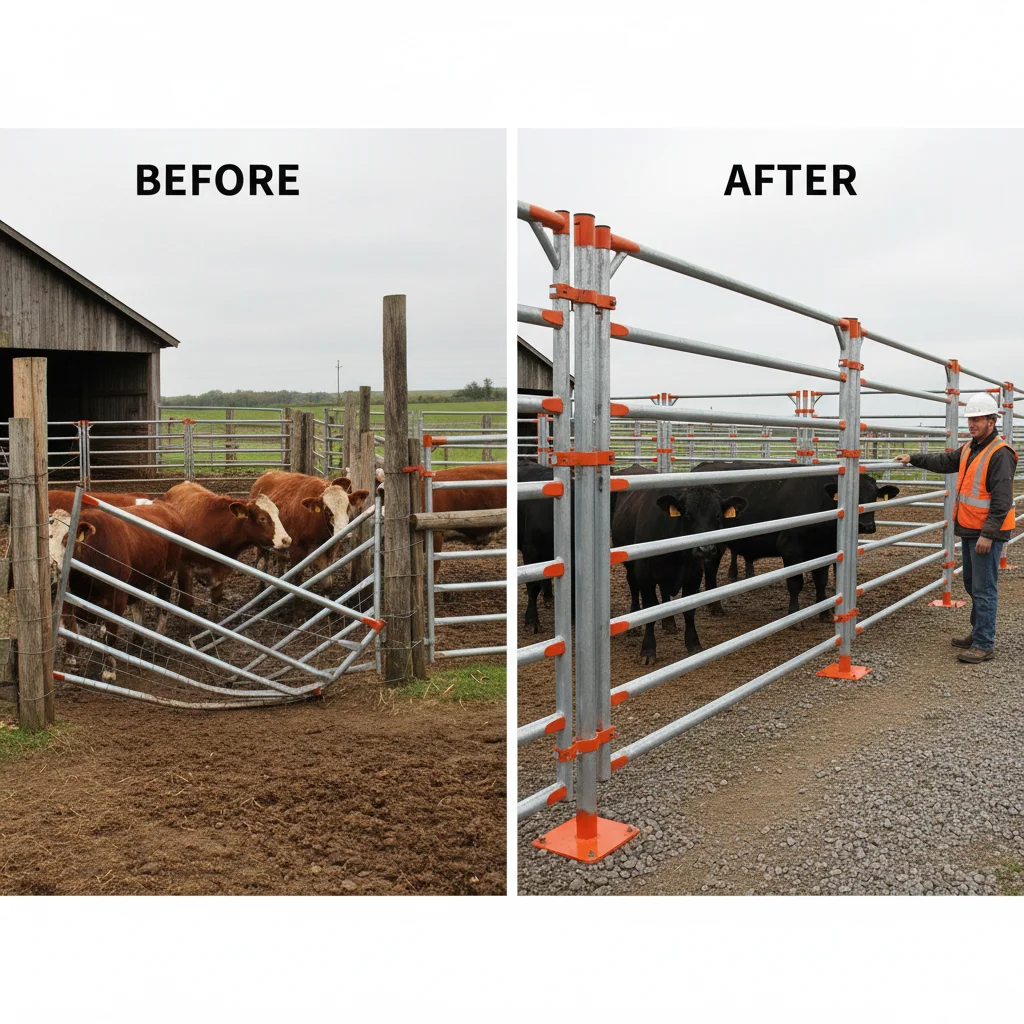
Durable Freestanding Livestock Panels for Efficient Animal Handling In the demanding world of agricultural management, the need for flexible and robust containment solutions has never been more critical. freestanding livestock panels offer a sophisticated answer to the challenges of animal handling, providing a secure yet adaptable barrier that does not require permanent installation or deep grounding. By allowing farmers and ranchers to redefine their spatial layouts in minutes, these panels maximize the efficiency of existing infrastructure while ensuring the safety of both the handlers and the livestock. Read More >26 Apr, 17
-
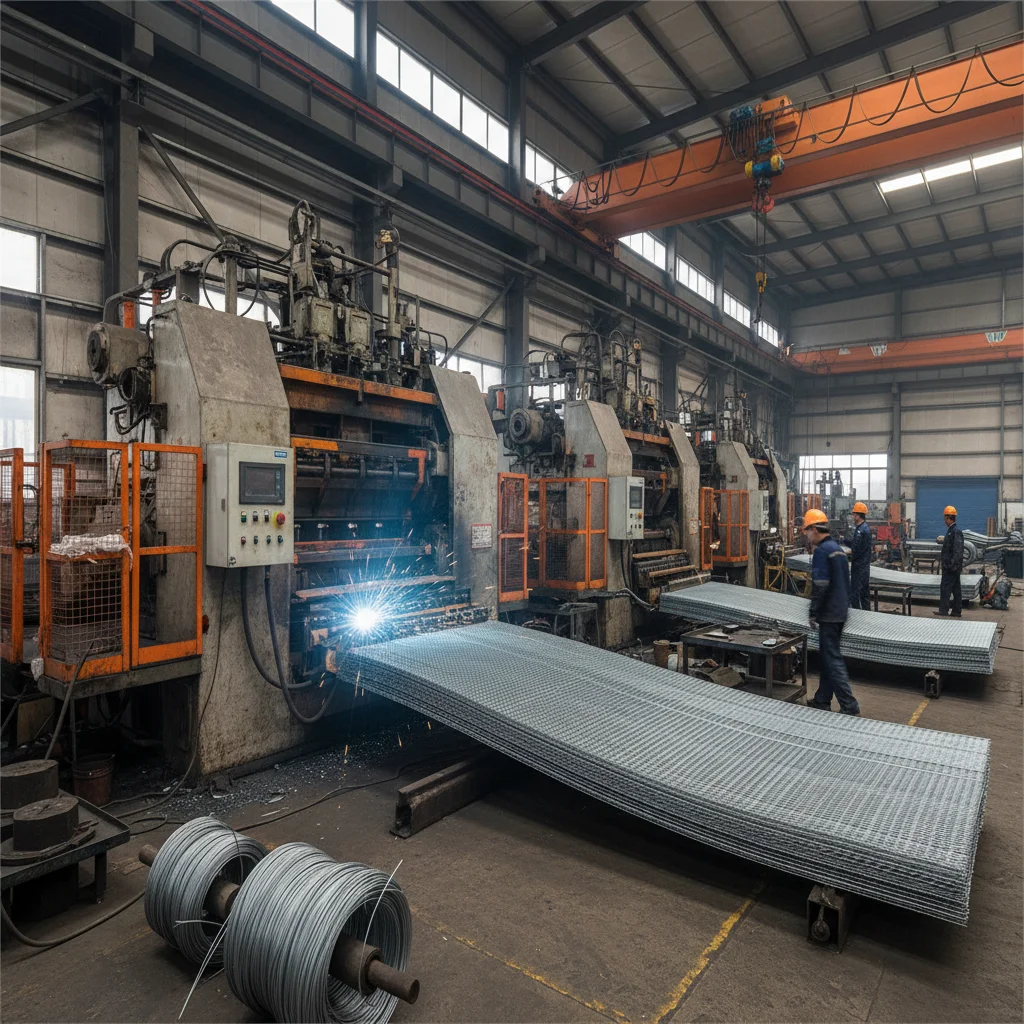
Professional Galvanized Welded Mesh Factory for Industrial Projects Finding a reliable galvanized welded mesh factory is critical for ensuring the structural integrity and longevity of your industrial or agricultural installations. Galvanized welded mesh is prized for its exceptional strength and resistance to corrosion, making it the go-to choice for fencing, animal cages, and construction reinforcement. However, not all factories adhere to the same quality standards. Whether you are sourcing for a large-scale infrastructure project or a specialized commercial application, understanding the manufacturing process and quality benchmarks is key to making a cost-effective investment that lasts for decades. Read More >26 Apr, 16
-
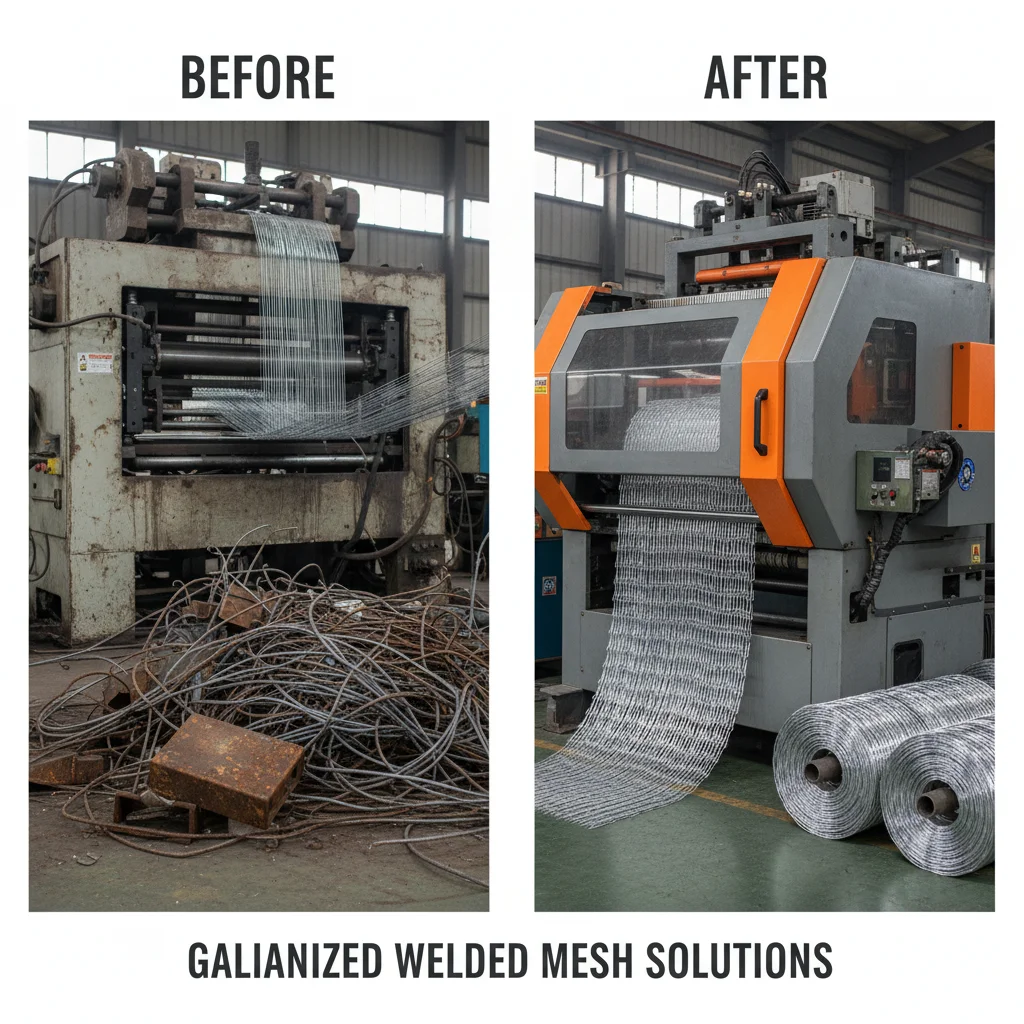
Professional Galvanized Welded Mesh Exporter for Quality Projects Selecting a high-quality fencing or screening solution requires more than just picking a product; it requires partnering with a reliable galvanized welded mesh exporter who understands the balance between structural integrity and corrosion resistance. Whether you are securing an industrial perimeter, building animal enclosures, or implementing architectural reinforcements, the quality of the galvanization process determines the lifespan of your installation. In this guide, we will explore the technical advantages of galvanized welded mesh and how to identify a global supplier that meets international quality standards to ensure your investment stands the test of time. Read More >26 Apr, 09
-
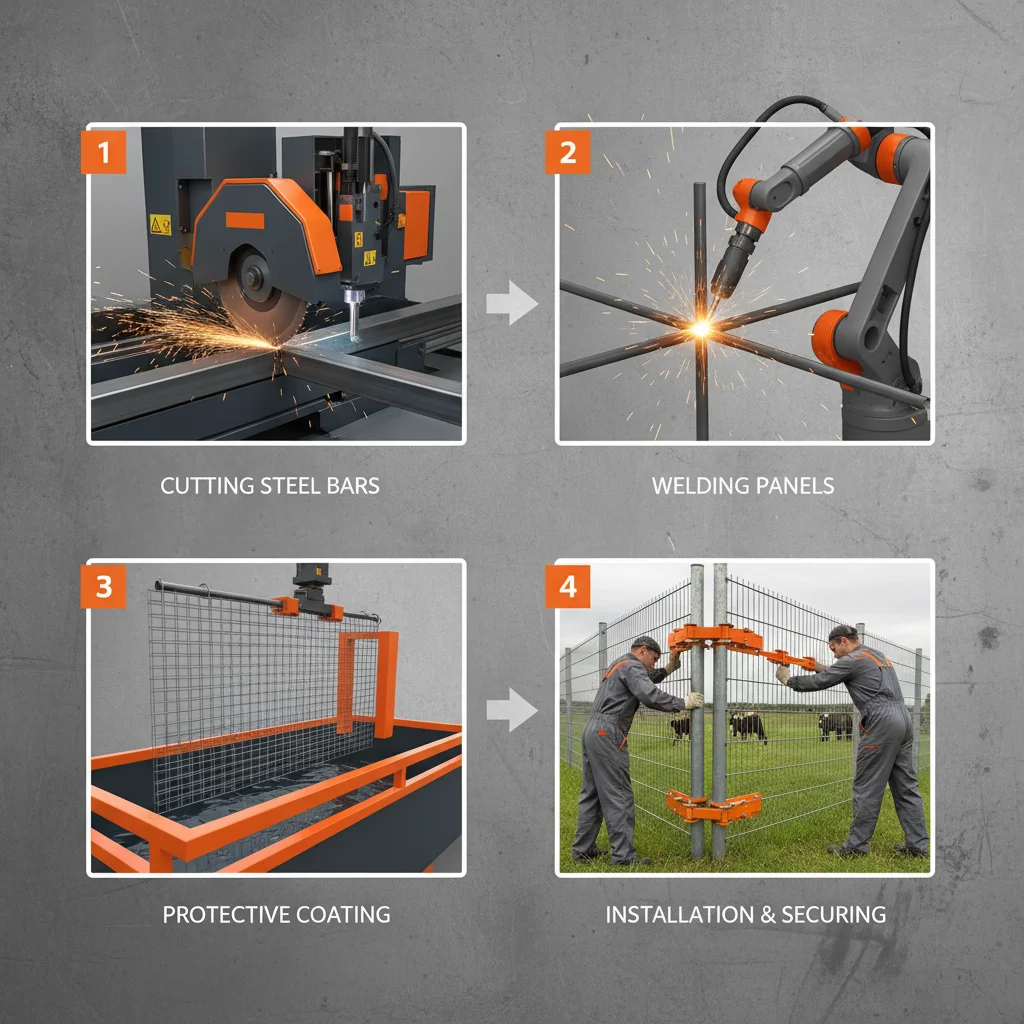
Essential Fencing Panels for Livestock Management and Farm Productivity Fencing panels for livestock are essential components in modern animal husbandry, playing a critical role in efficient farm management, animal welfare, and land utilization. Globally, the demand for robust and reliable fencing solutions is increasing due to the expanding livestock industry and the need to protect grazing lands from encroachment and predation. These panels aren’t simply barriers; they represent a vital investment in a farm's productivity and the health of its animals. Read More >26 Apr, 08
If you are interested in our products, you can choose to leave your information here, and we will be in touch with you shortly.


